BRAGGING ABOUT NEVER CLEANING YOUR GUNS IS STUPID (AND DANGEROUS)
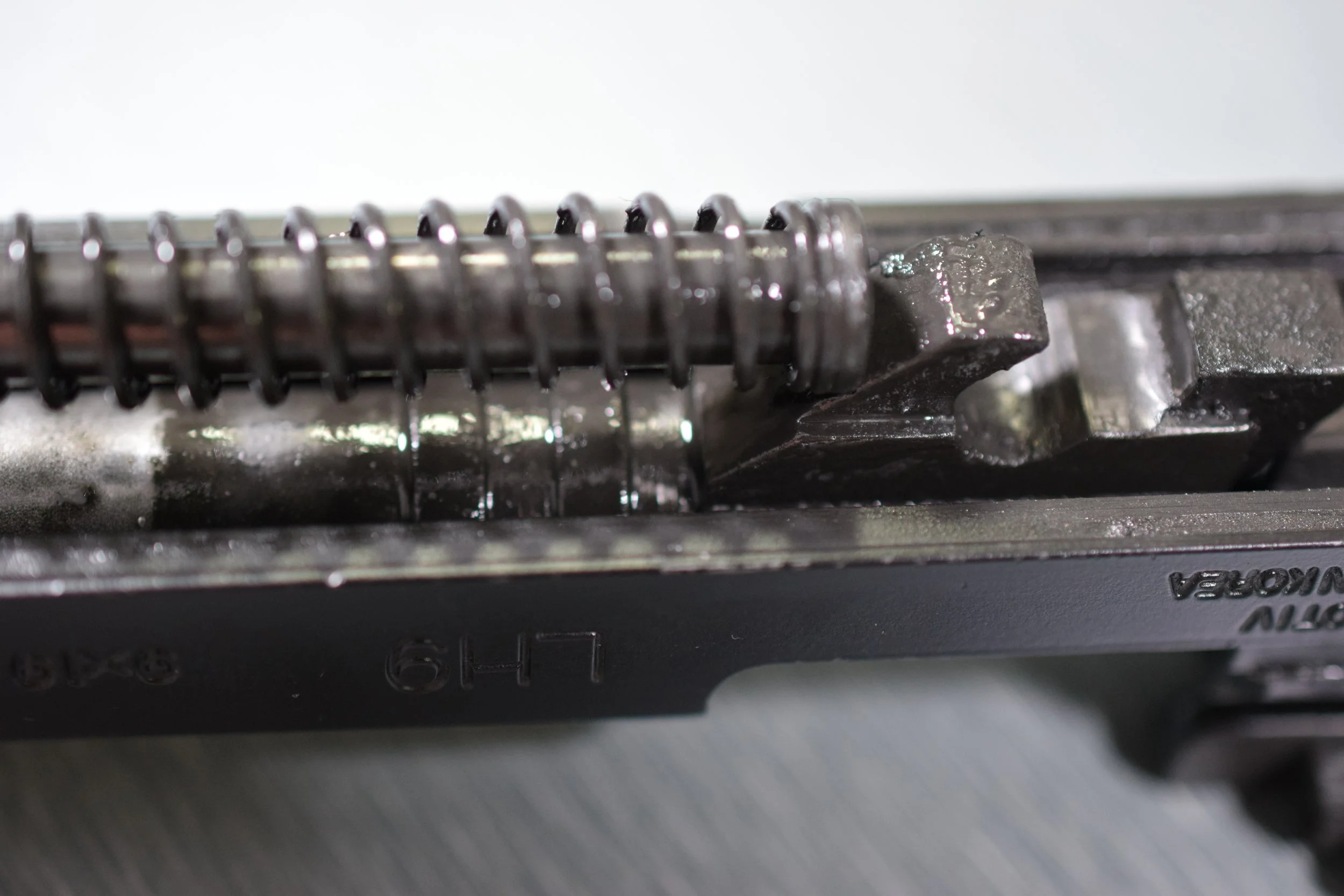
In the gun community, there's a certain breed of shooter who loves to boast: "I haven't cleaned my rifle in 10,000 rounds, and it still runs like a champ!" Or "Real men don't clean their guns—AKs were made to run dirty!" It sounds tough, rugged, even legendary. But here's the hard truth: bragging about habitual neglect is not only misguided—it's stupid. It ignores basic metallurgy, chemistry, and real-world firearm mechanics. Your gun might "run" for a while, but you're accelerating wear, risking malfunctions when it matters most, and shortening its lifespan.
Yes, many modern firearms—especially military-inspired designs like the AK-47 or AR-15—are engineered with parts fitting that tolerate a reasonable level of neglect. Loose tfitting in AKs allow dirt and carbon to blow out rather than bind parts, and tests have shown ARs running tens of thousands of rounds without cleaning (e.g., one documented case of over 31,000 rounds). These designs forgive occasional lapses, like forgetting to clean after a range day. But "reasonable" isn't the same as "habitual" or "never." Push it too far, and physics bites back.
THE MYTH OF “INDESTRUCTIBLE” DESIGNS
Firearms aren't immortal. Even the famously rugged AK-47 isn't immune to neglect—it's just more forgiving than tighter-fitted rifles. In mud tests, sand tests, and freeze tests, well-lubricated AR-15s often outperform neglected AKs when debris ingress is factored in. The idea that any gun is "designed for zero maintenance" is a myth perpetuated by internet lore and torture tests that cherry-pick conditions. Reality: All guns benefit from cleaning; some just punish neglect less severely... at first.
FIRING RESIDUE ACCUMULATION: THE SILENT KILLER
Every shot leaves firing residue: unburned powder, primer compounds, and bullet material (copper or lead). This residue hardens over time, especially in the bore, chamber, gas system, and bolt.
Accelerated wear: Hardened carbon acts like sandpaper on moving parts, increasing friction and eroding metal. In gas systems (like AR direct impingement), it restricts ports and slows cycling.
Reduced reliability: Excessive buildup causes failures to feed, eject, or fire. It can raise pressures unevenly, leading to case ruptures or accuracy loss. In cold environments, humidity can mix with the residue and create a paste that binds and adds friction to the action. This can cause reliability and even damage.
Accuracy degradation: Fouling in the rifling changes bullet dynamics, widening groups and shifting point of impact. some fouling can help with enhancing accuracy, but only to a certain point. In some long distance shooting, this is referred to as “fouling shots”, and they are only good for a certain round count before it starts hurting the rifles accuracy.
Habitual neglect turns minor fouling into a thick cake that's harder to remove—and by then, the damage is done.
NON-CORROSIVE AMMO ISN’T NON-DANGEROUS
A common excuse: "I'm shooting modern non-corrosive ammo, so no rush to clean." Wrong. "Non-corrosive" refers only to primers—no hygroscopic salts (like old potassium chlorate) that attract moisture and cause rapid rust. Modern primers are safer, but they're not inert.
Powder residue and primer byproducts still attract humidity and promote slow corrosion.
Sweat, fingerprints, and environmental moisture (rain, humidity) cause rust on exposed metal.
Copper from jacketed bullets fouls the bore, trapping more residue and accelerating pitting if ignored.
Even with non-corrosive ammo, experts recommend cleaning after sessions or at least inspecting regularly. Leaving residue invites gradual corrosion and buildup.
THE LAZY MAN’S BEST PRACTICE: KEEP IT WET
If you're truly lazy (like many of us), there's a smarter minimal-maintenance hack: Keep the action and bore sopping wet with oil.
A light film of quality gun oil (or CLP) displaces moisture, prevents rust, and lets carbon "float" rather than harden. Many shooters run "wet" guns—especially ARs—for thousands of rounds with minimal issues. After shooting:
Run an oiled patch through the bore.
Wipe down externals and lube key friction points.
Store with a protective coat.
This isn't "no cleaning"—it's preventive. It buys time between deep cleans and protects against the biggest neglect risks: rust and binding.
PRIDE GOETH BEFORE THE MALFUNCTION
Bragging about zero cleaning might get likes on forums, but it sets a bad example. When your gun finally chokes during a match, hunt, or worse—a defensive scenario—you'll wish you'd spent 15 minutes with a bore snake and oil. Guns are tools; treat them with basic respect, and they'll serve reliably for decades. Neglect them habitually, and you're gambling with failure. Clean your gun. It's not weakness—it's wisdom. No one is saying to keep the rifle ready for a white glove inspection, but understand that it is not reasonable to practice neglect