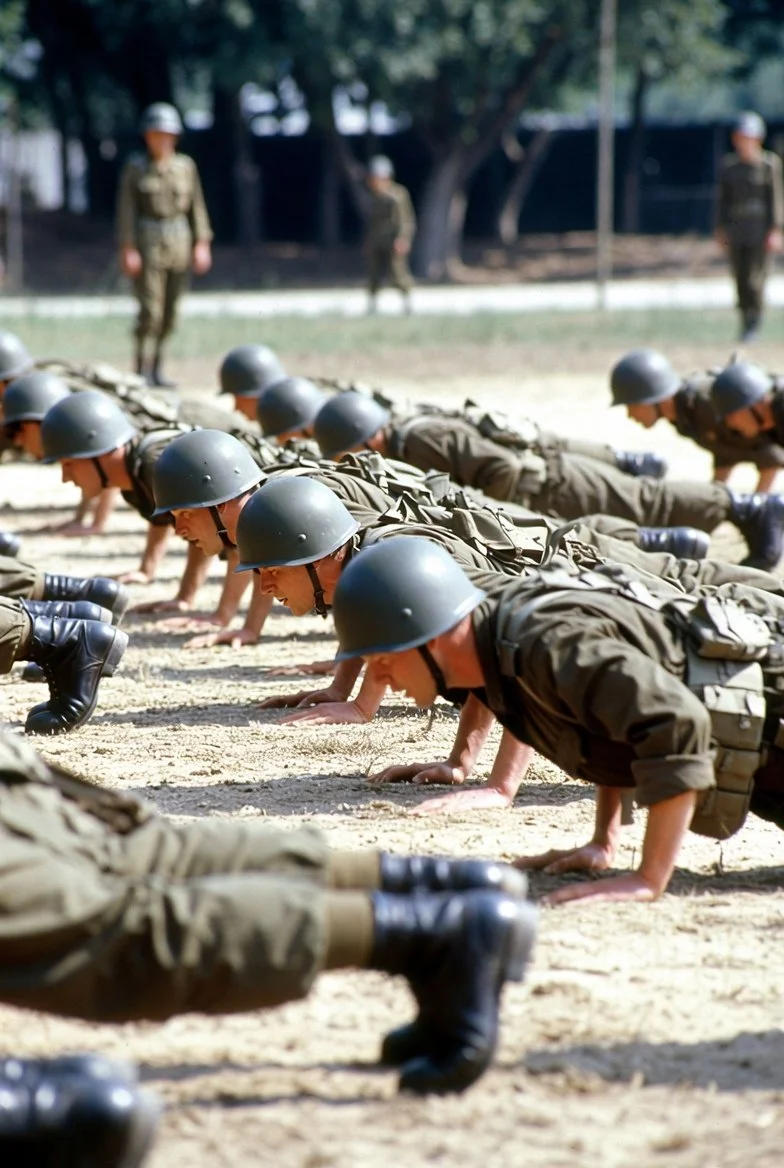
ADAPTIVE PHYSICAL TRAINING

DON’T LET THE HEAT GET TO YOU
Summer is when most people disappear indoors out of fear of the heat. I train outside year-round—rain or shine—and I’ve found that hot days are some of the best for real conditioning, provided you respect the risks and prepare properly. Heat exhaustion, heat stroke, chafing, and sunburn are real, but almost entirely preventable with the right clothing, electrolyte-focused hydration, and gradual exposure. Here’s how to train through the heat instead of running from it.

THE FITNESS CHEAT CODE
Fitness has often been seen as a chore due to how difficult it can be. You are voluntarily stressing and testing your body and asking it to perform maximally. This can be rough for many people, particularly if they are less fit. I am here to share with you a few hacks that can help you get into fitness and chase a better you.
To fail at fitness is merely to surrender to human nature to take the path of least resistance… Often, the people who fail are the ones who try to get in shape through pure classic long distance running or pushing too hard too fast and getting injured or burnt out early.

REVIVE 1944 DOCTRINE OR KEEP LOSING WARS
As a Marine Assaultman, I carried heavy gear—rocket launchers, ammo, body armor—through brutal patrols, a daily reminder of modern combat’s physical toll. Yet America’s last decisive victory was won by troops trained under the 1944 War Department’s Daily 13 calisthenics—a simpler, more effective system than today’s rigid, gear-laden approach. Post-9/11, infantry now haul 80–120 pounds, leading to injuries and reduced mobility. The fix: reinstate the Daily 13, mandate dry-fire practice, and unify combat training across all Marines. Stop measuring readiness by checklists; build warriors who win wars, not just survive them. The blueprint works—it’s time to use it again.
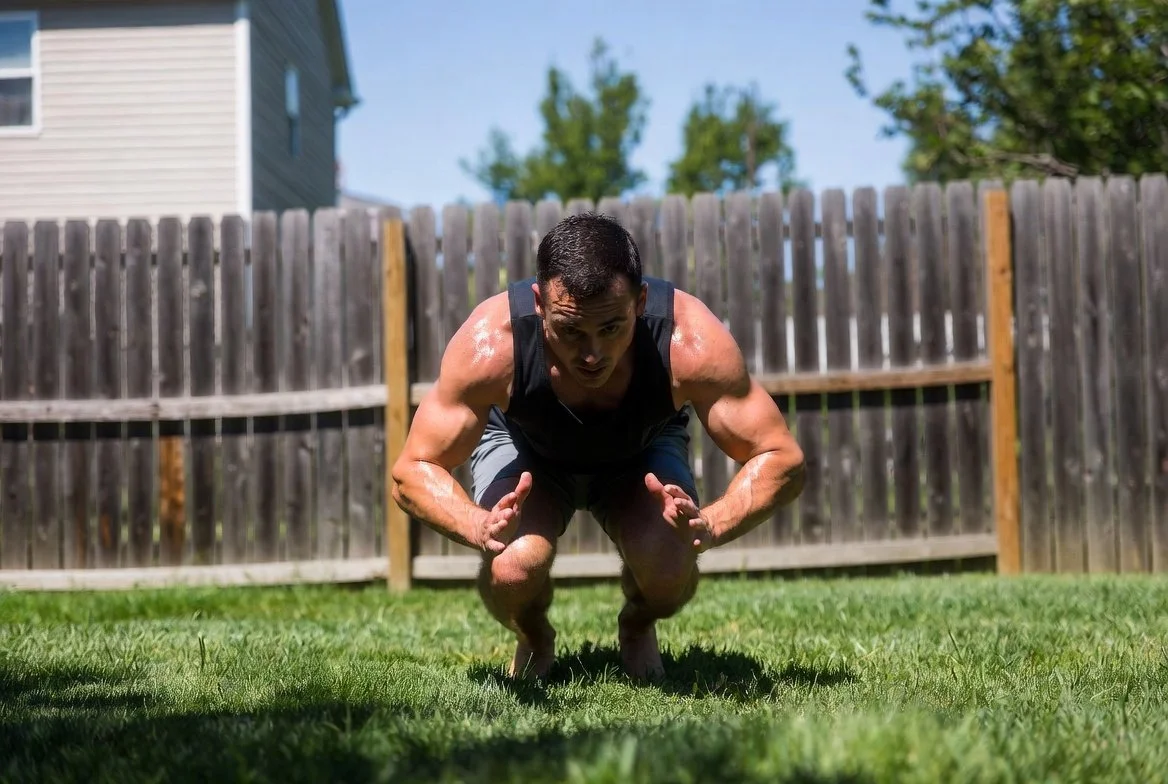
METABOLIC CONDITIONING FOR FIGHTERS: TRAINING THAT WINS FIGHTS
In any real fight—fists, blades, or firearms—your conditioning decides whether you stay sharp or fall apart when adrenaline hits and lactic acid burns. Metabolic conditioning trains your body to generate and recover energy exactly like combat demands: repeated explosive bursts with almost no rest.
The result? You keep delivering power, precision, and smart decisions deep into the fight while everyone else gasses out.
Best part: you don’t need a gym, heart-rate monitors, or expensive gear. This complete guide gives you the 5 field-tested cardio zones (talk test + RPE only), four proven minimalist workouts you can do in your own backyard, and the exact programming that special operators and fighters have used for decades.
No more monetary excuses. Just consistent, smart work that bridges the gap between skill and survivability.
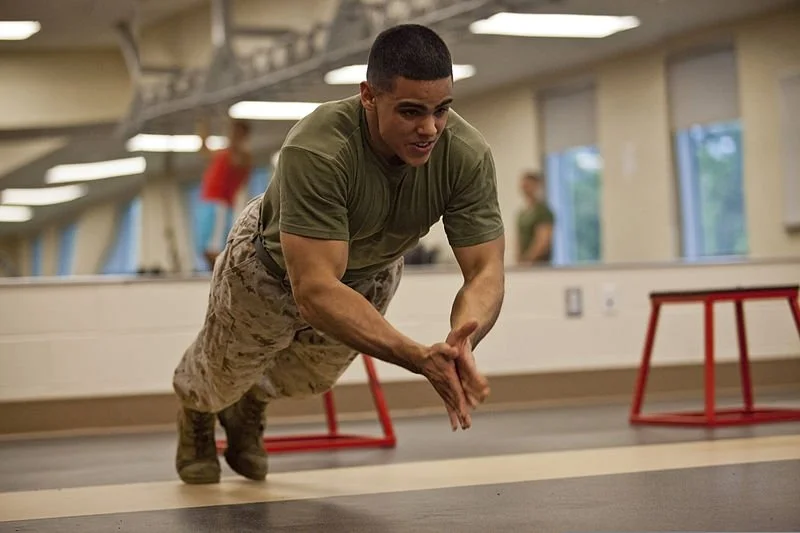
TRAIN THE CHEST, TRAIN THE WARRIOR
The chest ranks among the body's most critical muscle groups for functional strength. Although it never operates in isolation, it serves as a primary driver of overall force output, much like the glutes. Building the pectoral muscles — lower/minor, middle, and upper/major — elevates pressing strength, stability, and movement efficiency, making you a more capable and powerful athlete.