BOOK REVIEW: THE CORPSE WAR OF 1793
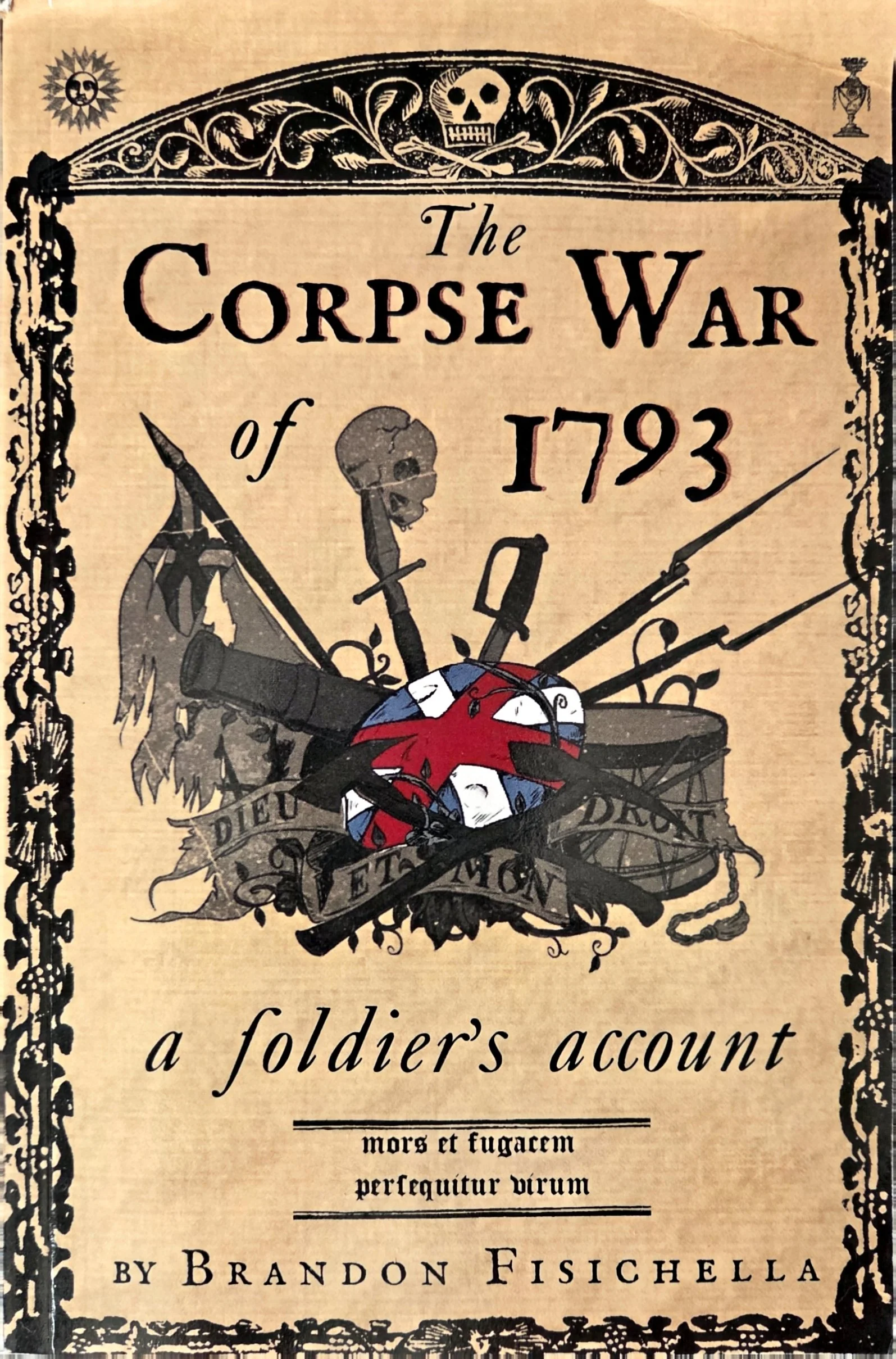
The Corpse War of 1793 is a fictional First-person account of a zombie uprising during the Napoleonic Campaign. This book is about 450 pages long and will keep the reader on their toes and ready for more. Granted, this book is a fictional story, but the way it is written has all the feeling and character of a true account of a private soldier of the Napoleonic era in a battle against the living dead.
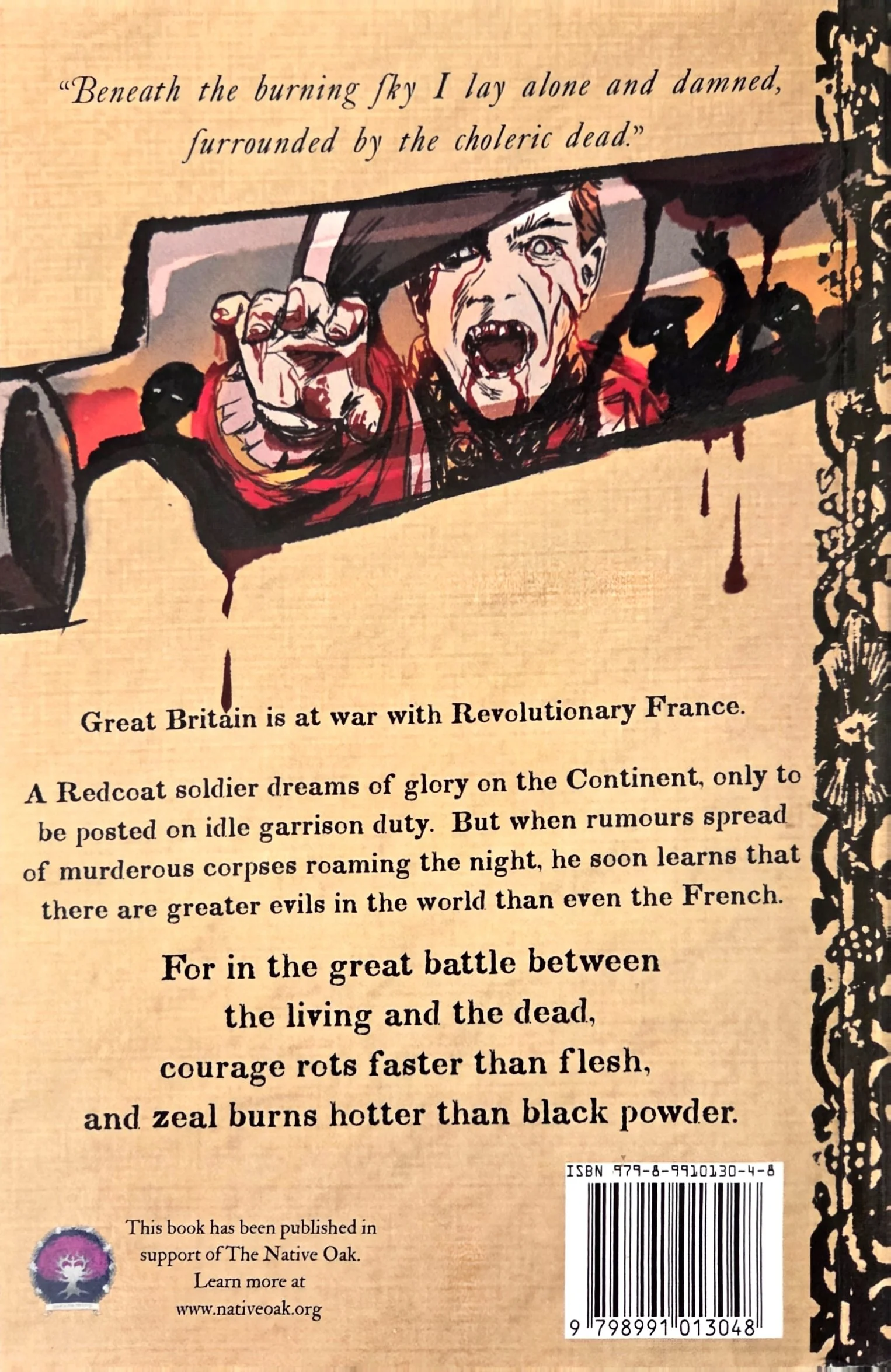
STORYLINE
The book reads like a firsthand account, much like “Company Aytch” by Sam Watkins from the Civil War. The first-person account of events is so vivid that it blurs the lines between fiction and reality. The ebb and flow of military life is so well put into writing as to feel authentic and real. From the times of menial tasks such as caring for gear and daydreaming while doing sentry work, I can relate to the characters experience in so many ways from my own personal service in the Marines during the War on Terror.
The action in the book is well described and is written in such a way that it feels like the main character in the novel is frustrated by the need to relive the interaction through writing his experiences, giving this book additional points for myself. I felt the frustration, the sweat, and could almost hear the shrieking and THE CHATTERING TEETH.
The story may seem like an endless action-packed novel in some regards, but I found myself appreciating the time taken to give the character depth by describing his internal monologue of imposter syndrome and survivor guilt. It is frequently brought up in the book and it is something I personally can relate to as a combat veteran.
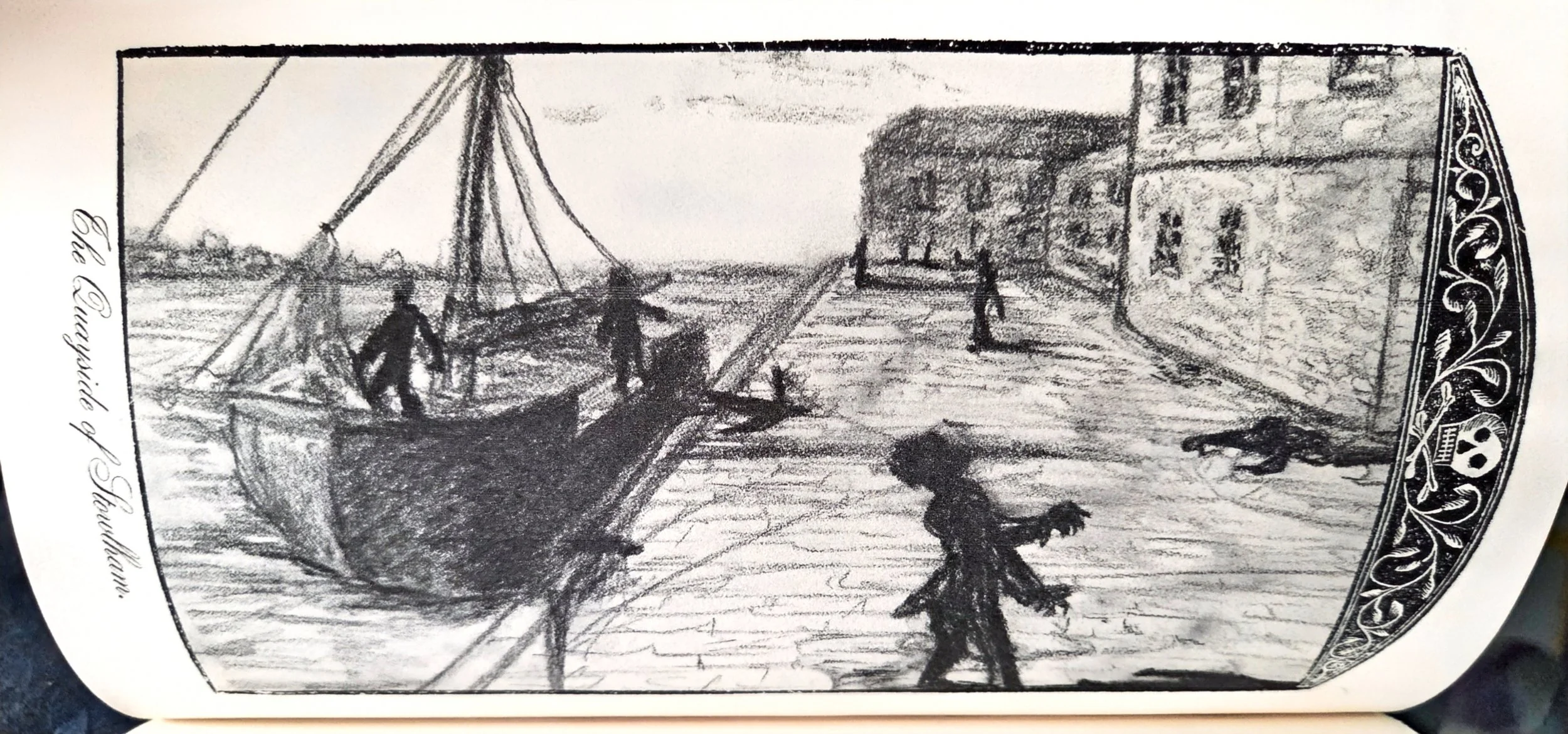
I especially appreciate the hand drawn sketches at the beginning of each chapter that speak to an expression of experience. They are not going to be showcased in an art gallery, but they convey the chapter well in a brief glimpse of the characters memory through his own sketches that you can tell haunt him daily.
The ending of the story is a sorrowful one and very realistic for that era and how the British military handled retiring out the wounded. The book does not cover too much of what life is like after the character is out of service, but it does point to the fact that though the battle he fought in was a historic battle, life had gone on. It points to an overall philosophy that we warfighters forget in the moment. These big actions and events we live to see and experience feel earth shattering, but time seems to bury that importance as the leaves of autumn fall and cover the ground we knew as fresh and bare not so long ago in the summer.
THE AUTHOR
The author is a historian and has a YouTube channel that covers a broad range of soldiering in the Napoleonic era. This book is a terrific way to get a glimpse into the life and duties of a British soldier during this era. I feel this book was a clever way for him to spill his historic knowledge and add it in a fun way. The author has a lot of experience with old style British writing styles and it shows in his vocabulary and how he has the first-person narrative framed.
WHO WOULD LIKE THIS
Anyone like myself who thoroughly enjoys military novels will appreciate the authors detailed discussion on military affairs. You get a deep sense of the hardships and lifestyle of the British soldier in this era in history. It is written as if the soldier himself is writing about it, which exposes you to military nomenclature and customs and how private soldiers felt about interacting with superiors, witnessing discipline, participating in work, receiving medical attention, etc.
If you enjoy zombie apocalypse stuff, this novel will tickle that fancy as well. Though, I will say that this novel seems to have zombies that are virtually indestructible, despite a good brain bashing. This certainly turned the chaos meter up a bit more, and I was even more curious how our hero was going to solve the problem of escaping the necrotic hellscape. and history will find this book fulfilling.