METABOLIC CONDITIONING FOR FIGHTERS: TRAINING THAT WINS FIGHTS
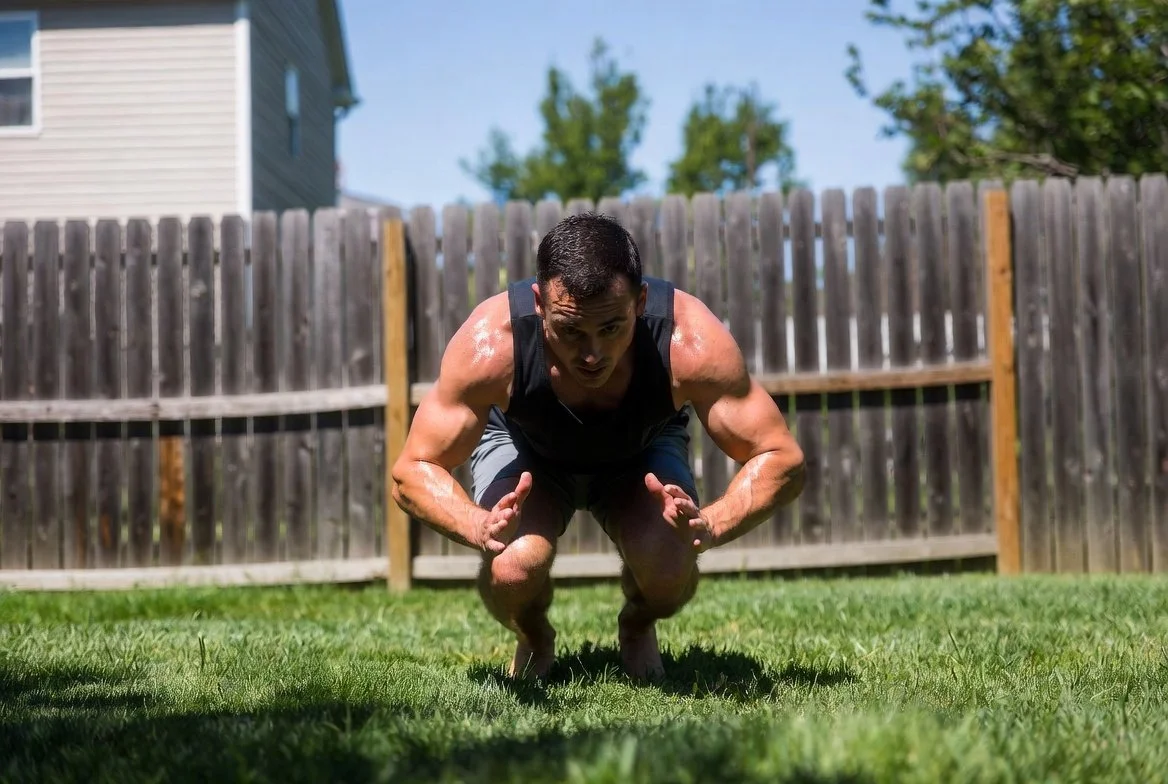
Metabolic conditioning is essential for fight endurance. It trains your body to generate and recycle energy efficiently during the exact pattern real fights demand—repeated high-intensity bursts with incomplete recovery. This lets you maintain power, speed, and sharp decision-making deep into prolonged exchanges and extreme stress. By building both aerobic endurance and anaerobic capacity, it speeds recovery between bursts, delays fatigue-driven technique breakdown, and strengthens mental resilience so your tactics stay precise even when breathing is ragged and lactic acid is burning.
MECHANICS OF A FIGHT
Whether it’s fists, blades, or firearms, adrenaline and stress spike instantly. Your conditioning and training decide whether you stay in control or fall apart. You cannot simply “rise to the occasion.” If that worked, militaries wouldn’t train and special operators wouldn’t run brutal selections.
Street fights boil down to rapid, integrated perception, motor skills, and biomechanical efficiency: visual acuity and situational awareness catch cues (body position, hand placement, escape routes); peripheral vision tracks threats; hand-eye coordination and timing turn cues into clean strikes or defenses; balance and weight transfer through hips-core-feet deliver power while hiding intent; grip and wrist alignment lock clinches, throws, or weapons; breathing and tension management sustain endurance; and reflexive gross-motor patterns (evade, counter, clinch) take over when fine skills vanish under stress—preserving effectiveness and cutting injury risk.
Gunfights are the same story in motion: stance, breathing, grip, sight alignment, trigger press, recoil control, and footwork must function as one system. Core and skeletal alignment keeps rounds on target while you move between cover and angles. Precise breath and trigger work kills flinch. Deliberate weight shifts keep you mobile instead of static. Without this integrated control, tiny instabilities snowball—shots miss, you freeze in place, and you eat return fire.
Metabolic conditioning directly upgrades every mechanic. It trains your body to deliver power, precision, and decisions under the exact physiological chaos of real fights. 2025 combat-sports research confirms fighters and tactical athletes with strong aerobic + anaerobic capacity maintain accuracy, reload speed, movement, and tactical thinking far longer than untrained peers. MetCon protocols that mimic fights—short intense bursts, incomplete recovery, full-body work—build the work capacity that keeps you aggressive and accurate when others gas out.
THE 5 CARDIO ZONES — FIELD-TESTED, NO MONITORS REQUIRED
Forget expensive heart-rate straps or watches. 2025 studies prove the Talk Test, Rate of Perceived Exertion (RPE 1–10), breathing cues, muscle feel, and sustainable duration identify zones with over 90% accuracy compared to lab equipment. These are your free, field-ready tools. Test them monthly: warm up, then gradually increase effort while checking talk/RPE until you hit each zone.
Zone 1 – Recovery Easy effort for blood flow, recovery, and capillary building. Signs: Nose breathing or relaxed mouth breaths, no panting. RPE 1–2. Feels like a gentle walk. You can sustain 60–120+ minutes with zero fatigue. Use: Active recovery days or cool-downs.
Zone 2 – Endurance (Aerobic Base) Primary fat-and-oxygen fuel zone. Builds mitochondrial density and endurance without burnout. Signs (Talk Test Gold Standard): Full conversation easy but not singing. RPE 3–4. Breathing deeper but controlled. No lactic burn. You can hold the pace 60+ minutes comfortably. Heart rate drops fast after stopping. Common mistake: Pushing too hard and turning it into Zone 3—kills the endurance adaptations. Use: Long rucks or steady bodyweight circuits for base building.
Zone 3 – Tempo Raises sustained output and mild lactate tolerance. Signs: Short phrases only, not full conversation. RPE 5–6. Breathing noticeably deeper. “Comfortably uncomfortable.” Mild leg/core burn but manageable. Sustainable 20–60 minutes. Use: Steady efforts to build speed without max-intensity cost.
Zone 4 – Threshold Elevates lactate clearance and sustainable high-end power. Signs: Only a few words at a time. RPE 7–8. Rapid heavy breathing. Strong persistent burn in legs/core—pushing the limit but not collapsing. Sustainable 5–20 minutes max. Needs several minutes recovery. Use: 3–8 minute repeats with equal rest. Once or twice weekly.
Zone 5 – VO2 Max / Sprint Max oxygen uptake and fast-twitch power. Signs: One-word responses max. RPE 9–10. Extremely rapid forced breathing. Heavy burning and rapid fatigue. You can only sustain seconds to ~2 minutes before collapse. Use: Short all-out bursts. Limit to 1–2 sessions weekly.
Cycle the zones smartly: plenty of Zone 2 for base, tempo/threshold for sustained power, short Zone 5 bursts for top-end capacity. This combination is proven to boost cardiac output, oxygen delivery, and metabolic efficiency faster than endless jogging alone.
BEST PRACTICES — MINIMALIST, ZERO-EXCUSE STYLE
MetCon requires zero gym membership, no fancy equipment, and zero financial excuses. Prioritize short high-intensity intervals (20–90 seconds) paired with active recovery to hit both energy systems. Progress by adding seconds of work, cutting rest, or increasing reps over weeks. Monitor sleep, hunger, and soreness—not gadgets.
Choose multi-joint, full-body moves that recruit maximum muscle mass. Mix modalities using only what you have: backyard sprints, bodyweight circuits, or a backpack loaded with books/water bottles for rucking. Schedule 2–4 focused sessions per week on non-consecutive days, alternating with strength work or skill drills. Guide intensity by feel (Talk Test + RPE)—proven more practical and accurate for real-world fighters than predicted formulas.
Field-Tested Minimalist Workouts (15–25 minutes each):
Bodyweight EMOM (Zones 3–4): Alternate 12–15 air squats or jump squats with 8–10 burpees on every minute for 12–20 minutes. Full push-pull-hip pattern. No equipment.
Sprint Intervals (Zone 5): 8–12 rounds of 30–60 second all-out sprints (hill, track, grass, or stairs) with 90–120 seconds walking recovery. 1–2x weekly. Pure power and top-end capacity.
Tabata-Style Circuit (Zones 3–5): 20 seconds max-effort work / 10 seconds steady walk for 8 rounds per exercise. Sample round: push-ups → mountain climbers → air squats → burpees (arrange to avoid stacking same muscle groups). 4–5 exercises = 16-minute session. Fast tempo on every rep.
Rucking (Zones 2–3): Throw gear in a backpack (start 20–40 lb) and walk or jog at a brisk “talk test” pace. Cheaper than running shoes for most people, builds bone density and muscular resilience with less joint stress. Call a friend or talk to your dog to stay honest on pace. 30–60+ minutes.
These require nothing but floor space, a backpack, and your body—exactly what special operators and street fighters have used for decades.
WRAP-UP
Metabolic conditioning is the bridge between skill and survivability. It guarantees you can execute techniques when physiology screams “quit,” recover instantly between engagements, resist fatigue breakdowns, and keep aggression and decision-making alive when the fight gets ugly.
No gym. No monitors. No excuses. Just consistent, smart, field-tested work. Start with two sessions this week—feel the difference in your next sparring round or range session—and the gap between you and everyone else who “doesn’t have time or money” will widen fast.