BRITISH DESERT OPS WAISTCOAT: SERIOUS SOLDIER SURPLUS
The Desert Ops Waistcoat is a British Army-issued combat vest designed for general-purpose operations, commonly used during deployments in desert environments. It is made from durable materials like Cordura and features a desert Disruptive Pattern Material (DPM) camouflage pattern. The vest is designed to be worn slick or over body armor, and is known for its flexibility and lighter weight compared to older webbing systems. It is a slightly more modern version of the original DPM Ops Waistcoat developed from the vests that were custom made by and for the SAS troops in their jungle operations.
FEATURES
Key features of the Desert Ops Waistcoat include multiple utility pouches, with six large ammo/utility pouches on the front, two chest pouches, and additional zipped inner compartments for secure storage. The entire vest is a mesh base, allowing maximum breathability without compromising strength and flexibility. The vest has been in service since the 2000s, with some troops using them up until relatively recently in the GWOT in Afghanistan. My particular vest was made in 2006, and was completely unused.
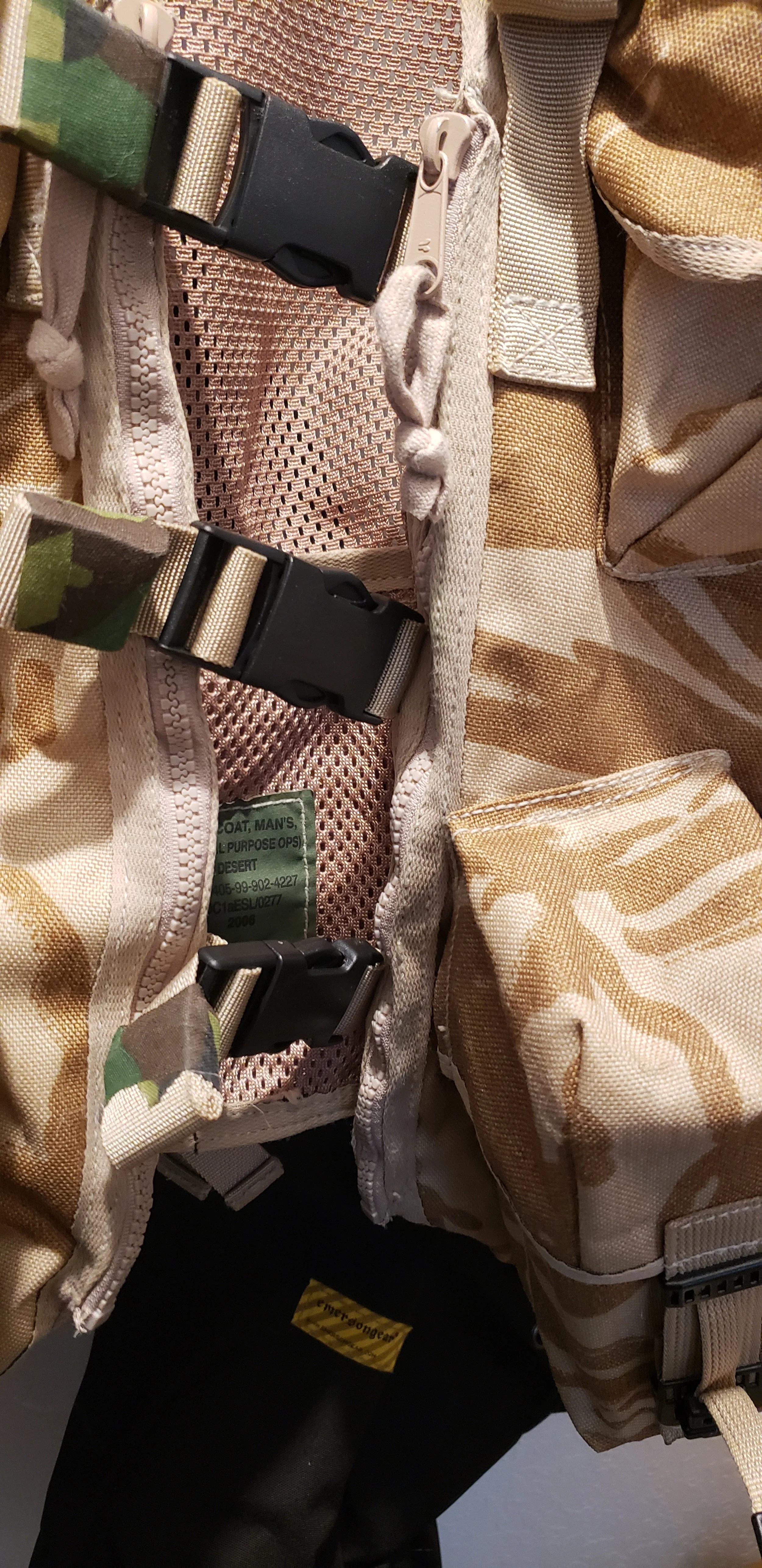
FULLY ADJUSTABLE
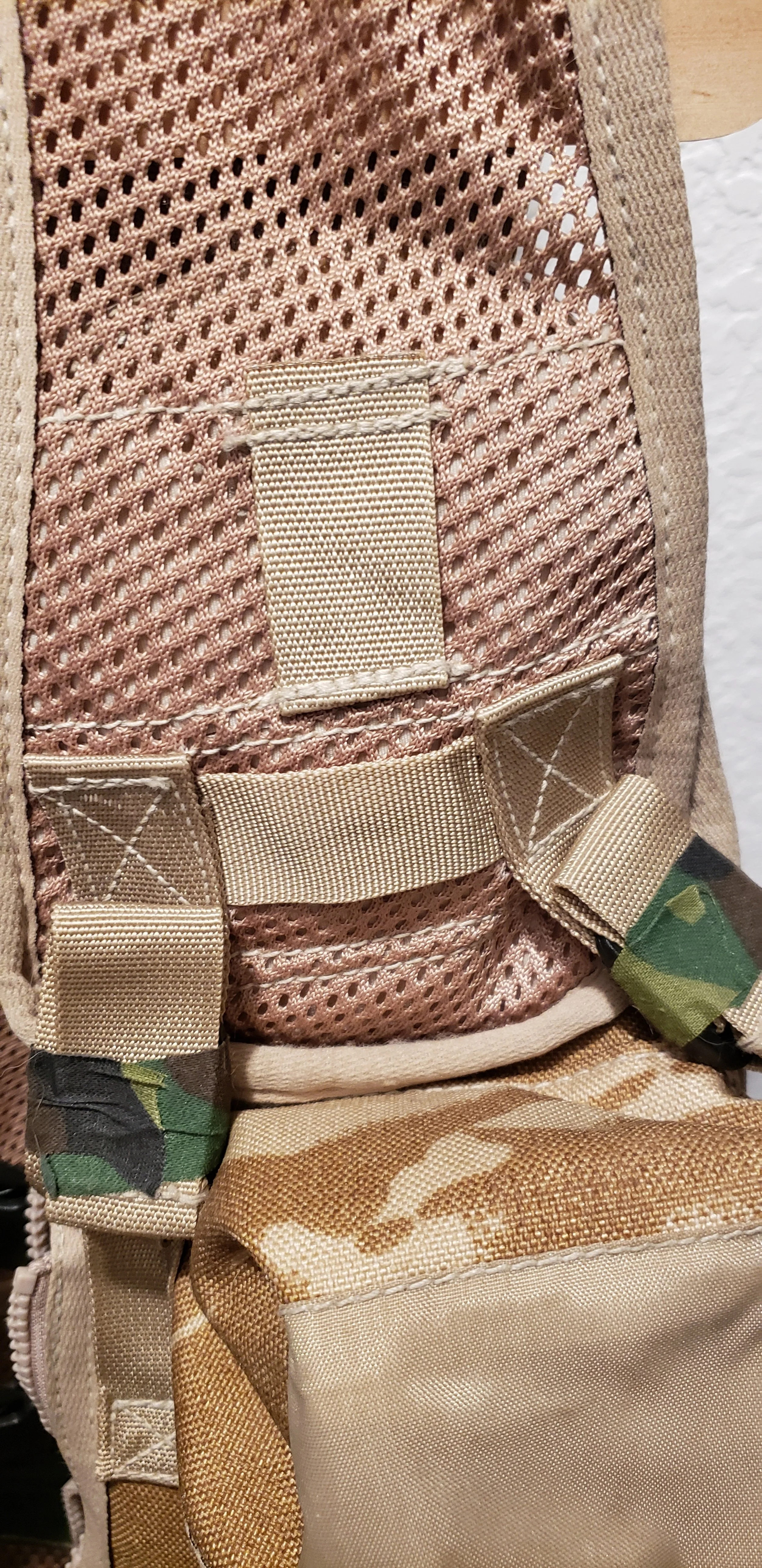
The vest is fully adjustable, featuring quick-release chest straps and adjustable shoulder and rear straps for a customized fit. I use hockey tape and friction tape to secure the extra length of adjustment straps. Also, you will see that there are MOLLE-compatible strips that are great for securing radio wires or TQs.
AMMUNITION POUCHES
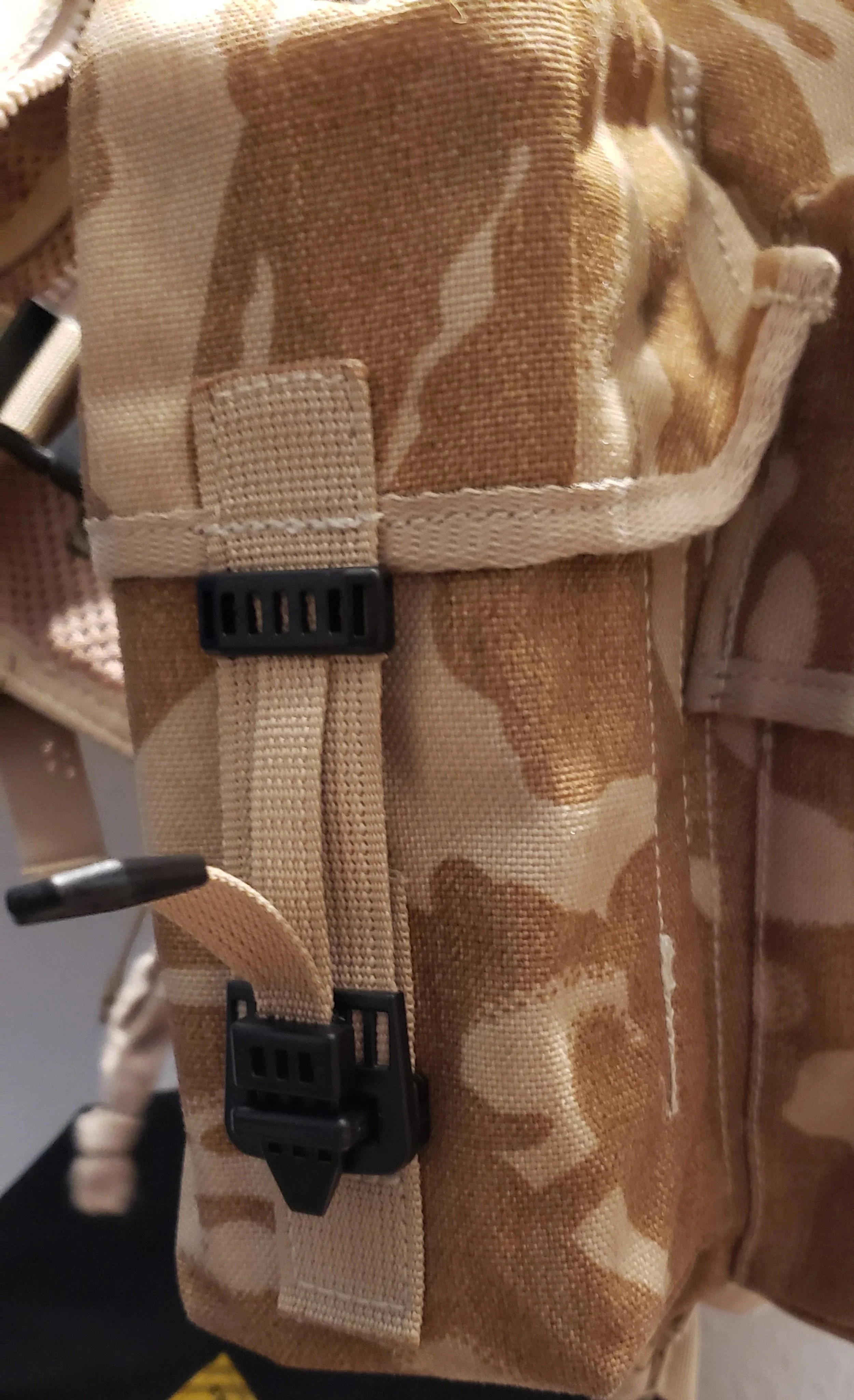
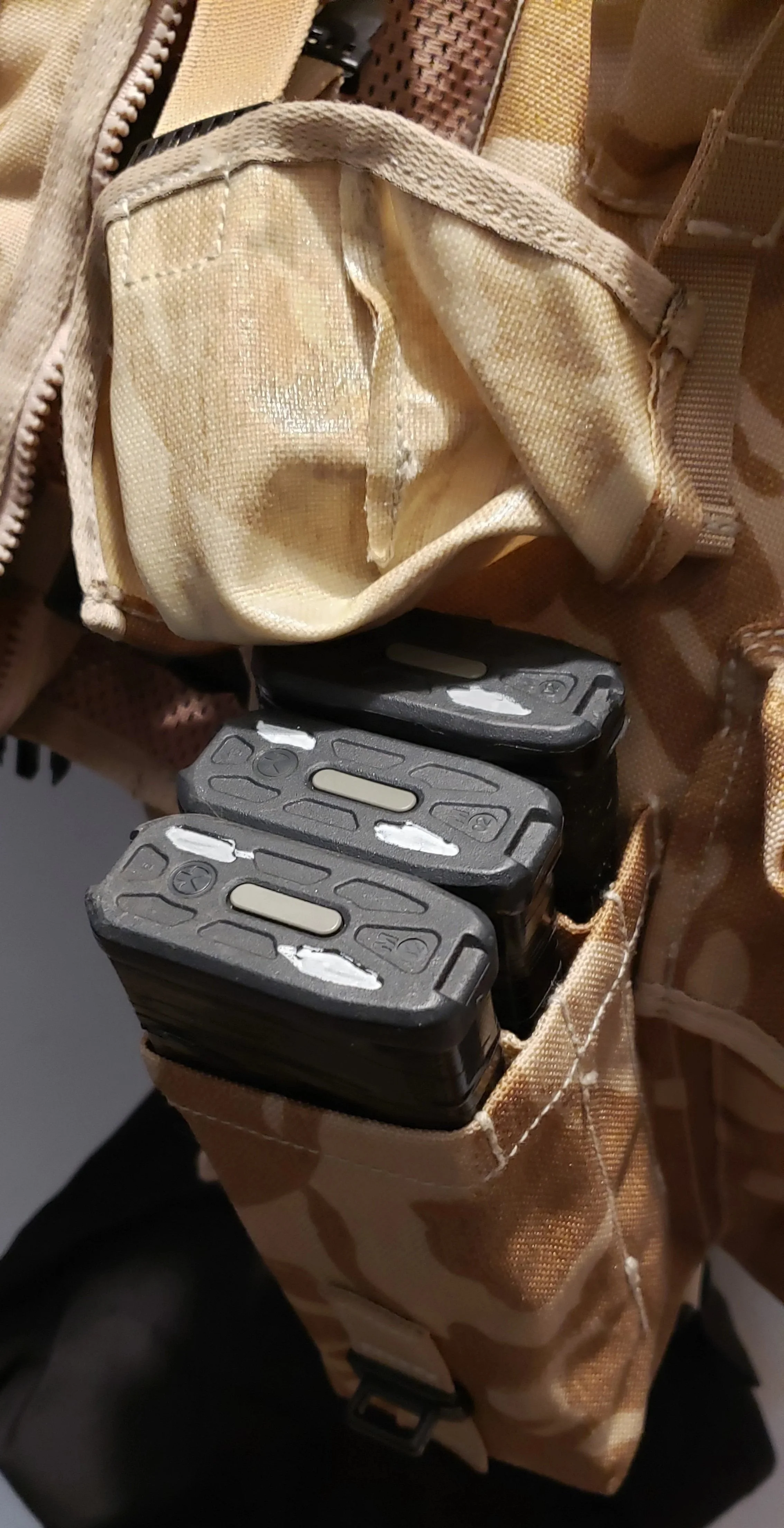
The magazine pouches and the other lower pouches feature the Spanish clips, much like the PLCE pouches, and only the frontmost pouch has dividers for the ammunition magazines.
The magazine pouches will accommodate Magpul PMAGs with ease, unlike the original waistcoat design. The magazine pouches are slightly canted inward to allow the user to extract their magazines with ease.
These pouches do not have any Velcro, to resecure the pouch after taking out a magazine. This can be an issue if you are constantly on the move. However, the Spanish clips offer the user several ways of securing the pouch, depending on the speed of access you desire, and the security. I have discovered 4 different ways to use this style of closure system for retention and closure security. I wanted to wear gloves for the videos, but you couldn’t see how I was manipulating the webbing strips and runners.
TYPE 1: FULL RETENTION
This is where you feed the small, long strip through first, and then force the large clip through the hole and cinch it down to secure it. With enough force, you can access this pouch with relative ease.
TYPE 2: RUN THROUGH RETENTION
This is where you use the smaller strip and run it far through the hole. This is more secure than the standard retention method, but just as fast to access. It protects the pouch more from the risk of being inadvertently opened from snagging and brushing the clip.
TYPE 3: STANDARD
This method is the fastest way to open the pouch, but also one of the most vulnerable to snagging as it has the least retention security.
TYPE 4: RUNNING LOOP
This last method is for securing the flap during fire & movement. You will simply run the small strip on the flap over and under the hole and push it through. To open it again, you will need to push the tip of the plastic runner down to release it.
MEDIUM UTILITY POUCHES
On the other side of the vest, the bottom two pouches are slightly larger than the ammunition magazines, and would be capable of carrying 4 PMAGs each, if desired. This boosts the carrying capability of the vest to 14 AR-15 mags instead of the 12 you have on the belt kit.
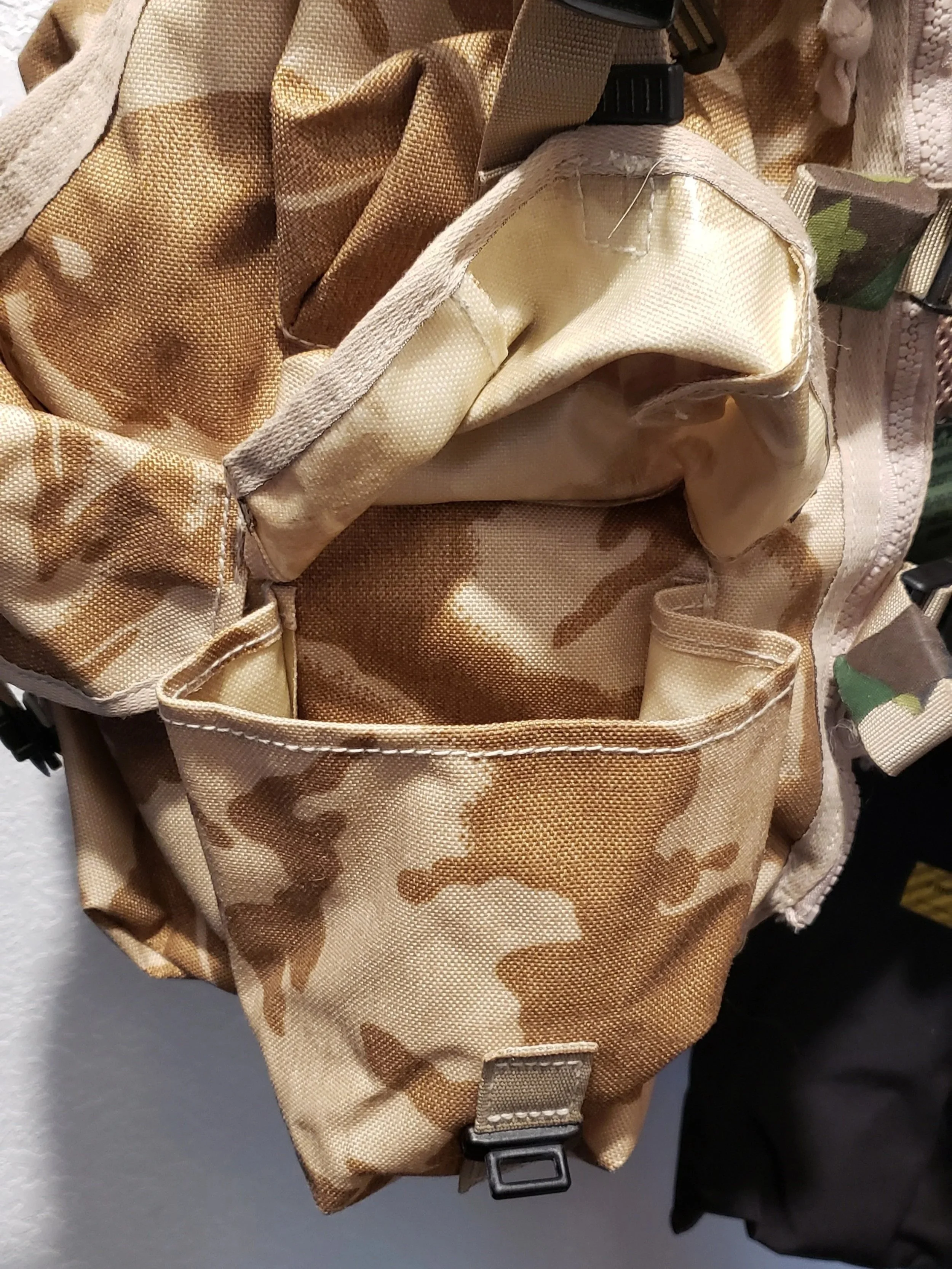
SMALL UTILITY/MEDICAL POUCHES
The storage pouches on the chest are smaller and are designed for tools and small items and medical kit. These are secured with snap closures. I was initially concerned that these pouches would get in the way of shouldering my rifle, but it does not. Remember that this vest was designed for riflemen, so that tells you enough. The medical pouch, on the left breast, has a blank pad for the user to annotate their blood type and or individual code (First and last initial and last 4 of your SSN).
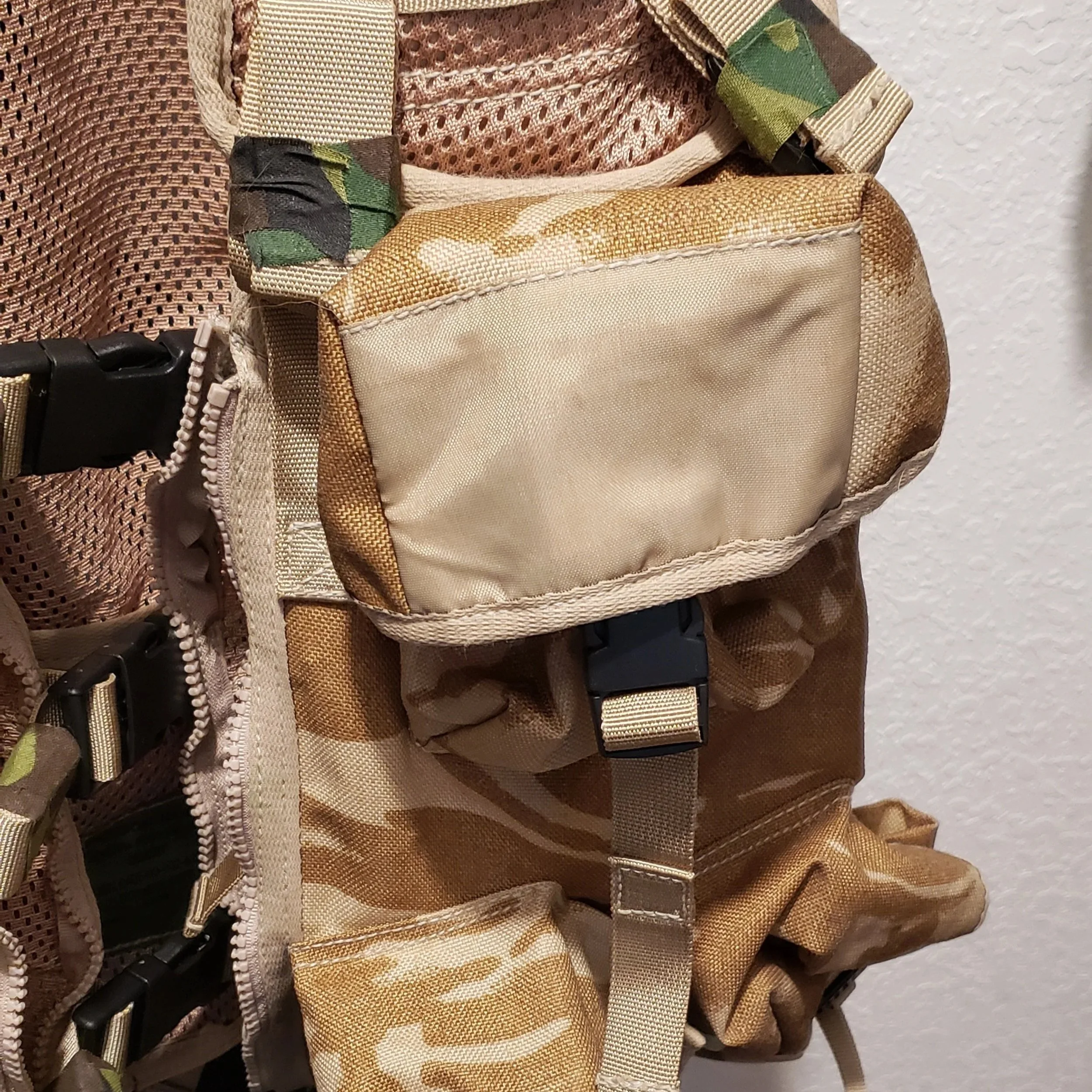
Just above the medical pouch and the other small utility pouch is vertical and horizontal webbing designed for arranging and running cords and hoses. I use the adjustment straps just above the medical pouch for mounting a TQ with a rubber band. I reserve the MOLLE style strips for communications wire, etc.
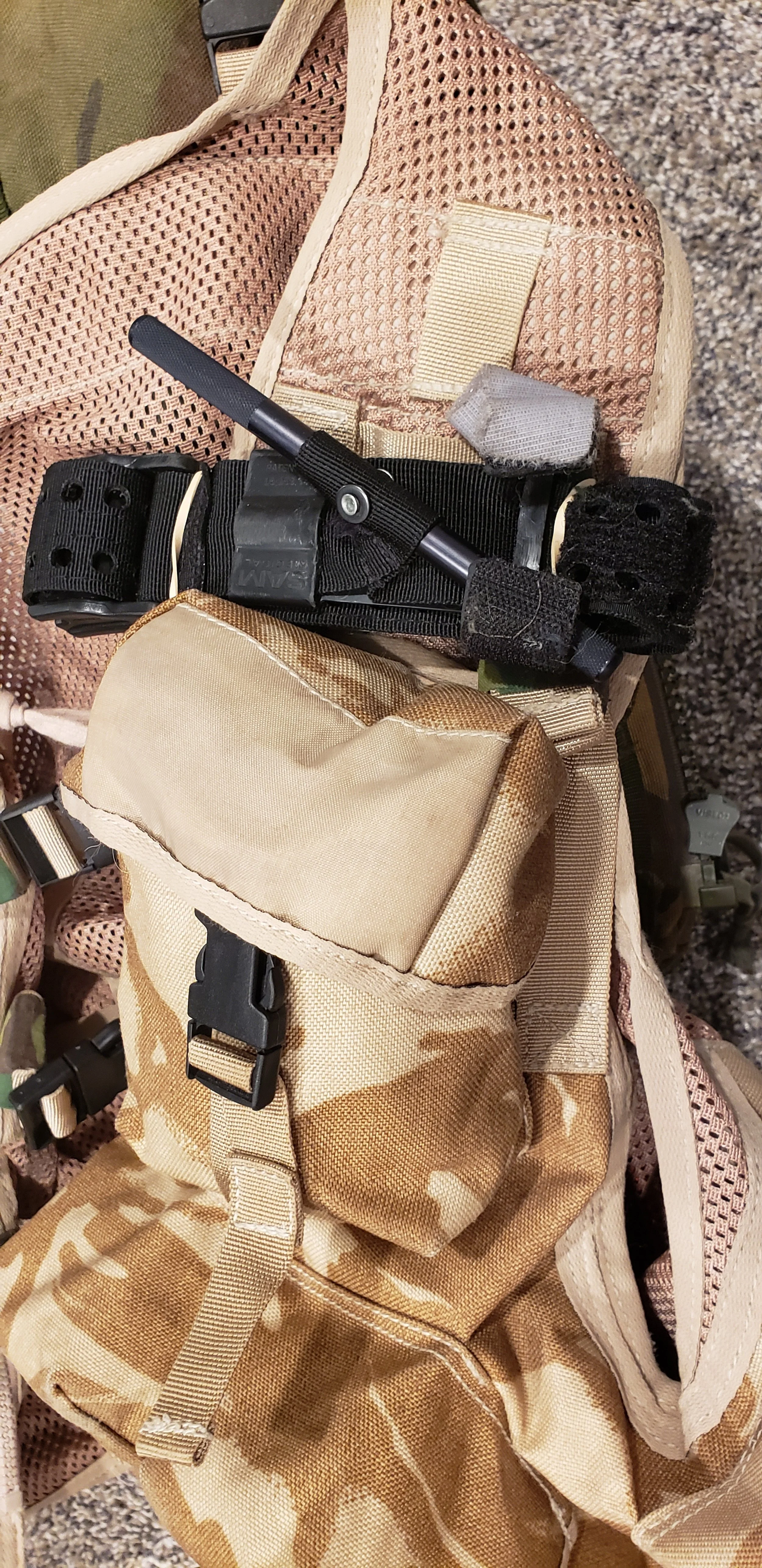
For the other small utility pouch, I store things like a multitool, monocular, camouflage cream, zip ties, signal mirror, compass, etc. This pouch does not have a storm collar, so the best advice I can give is to refrain from putting in really small items that may fall out.
LARGE UTILITY POUCHES
The side pouches are ideal for sustainment items like canteens, snacks, cleaning kit, note gear, etc. They are large, but not prohibitively so.
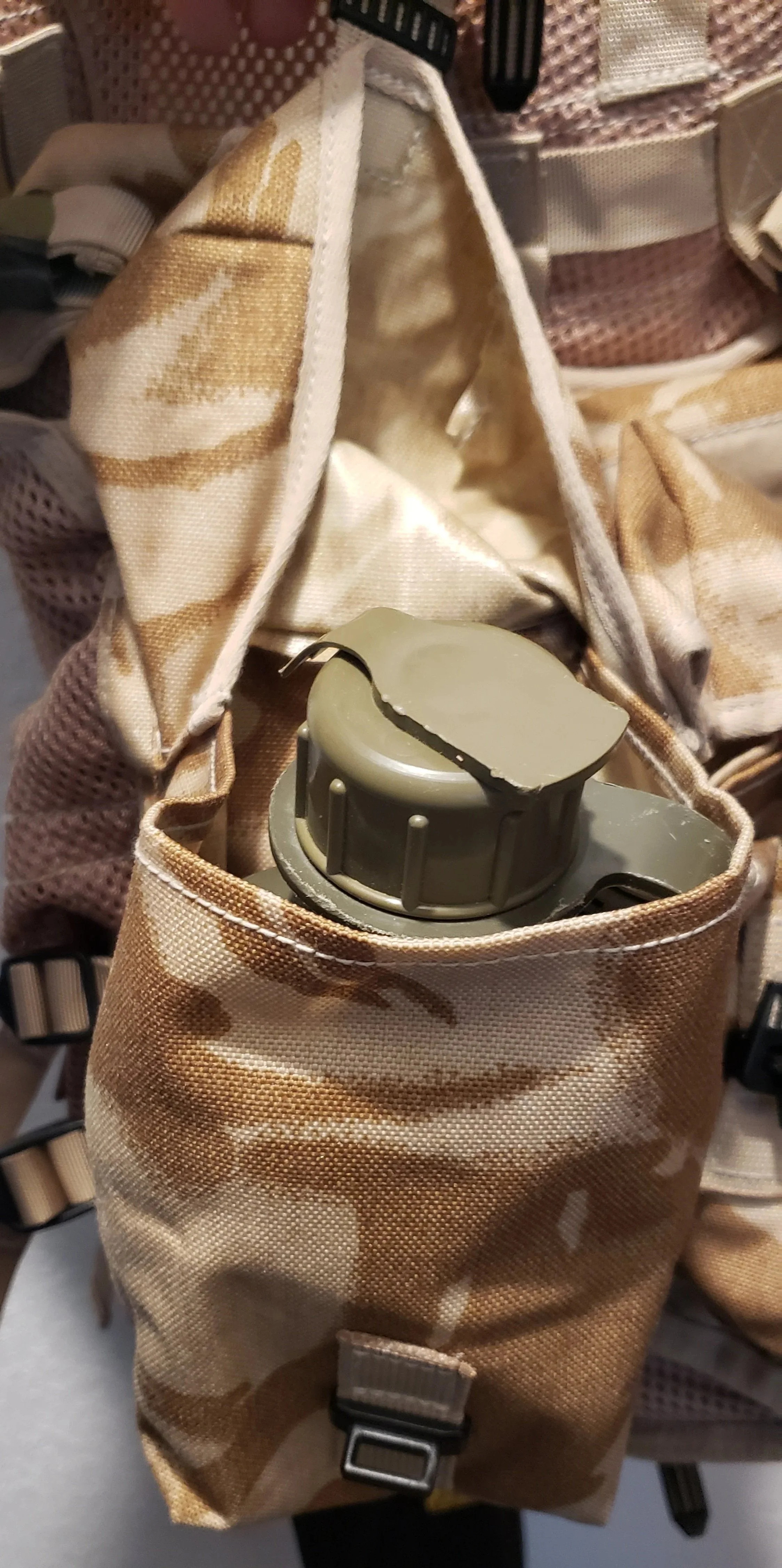
None of these pouches have storm collars to help retain the items in the pouch, like the original woodland DPM version . However the inner layer of the pouches have a waxy vinyl coating inside. This is not going to be completely waterproof, but it will keep the items relatively dry if it is raining or highly humid.
ATTACHMENTS
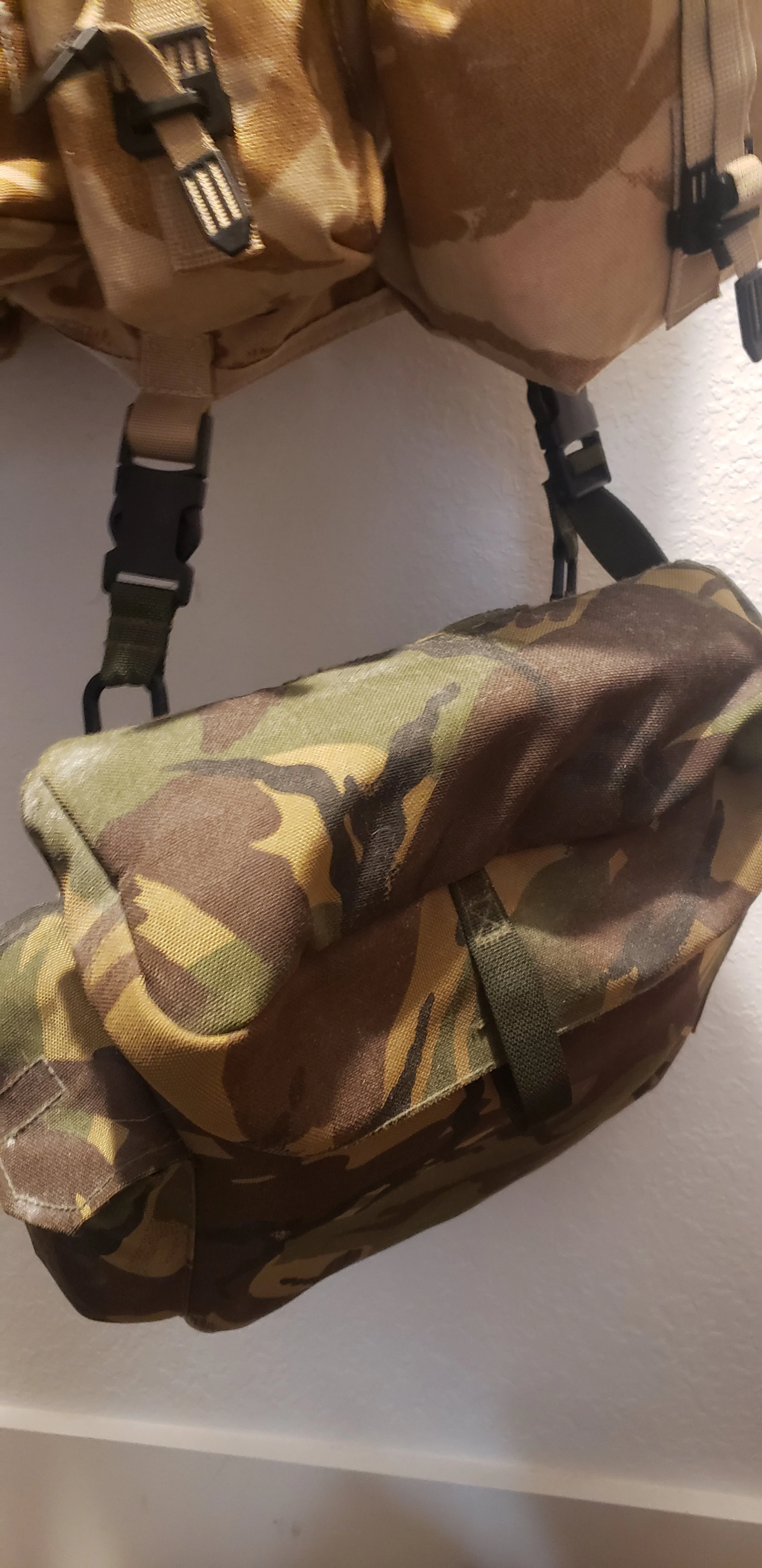
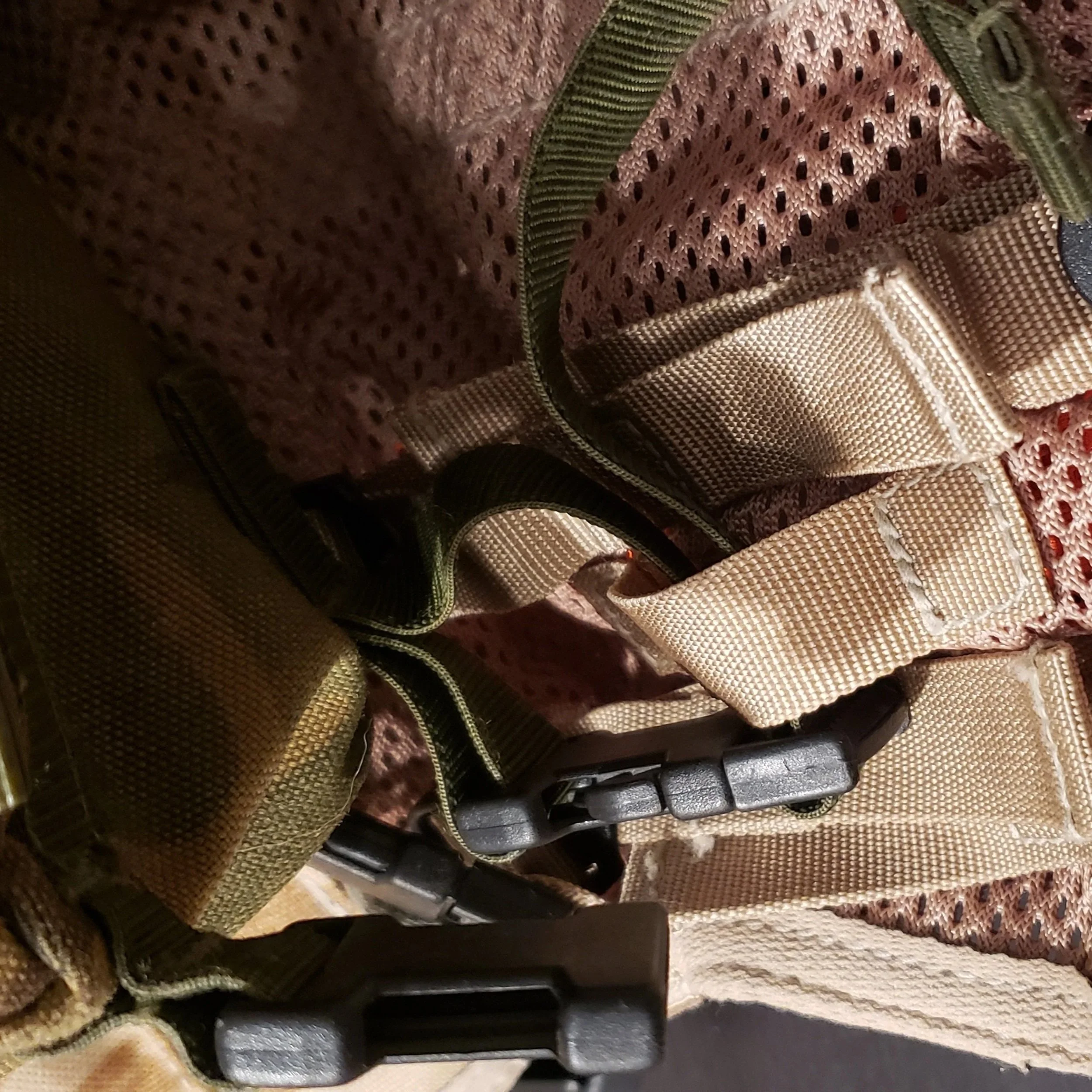
Under the magazine pouches, there are clips that correspond to the gas mask bag. This could be used to tie down a dump pouch or you could turn the gas mask bag into your dump pouch. The gas mask bag is light and features a few pockets on the inside and outside, which are quite handy.
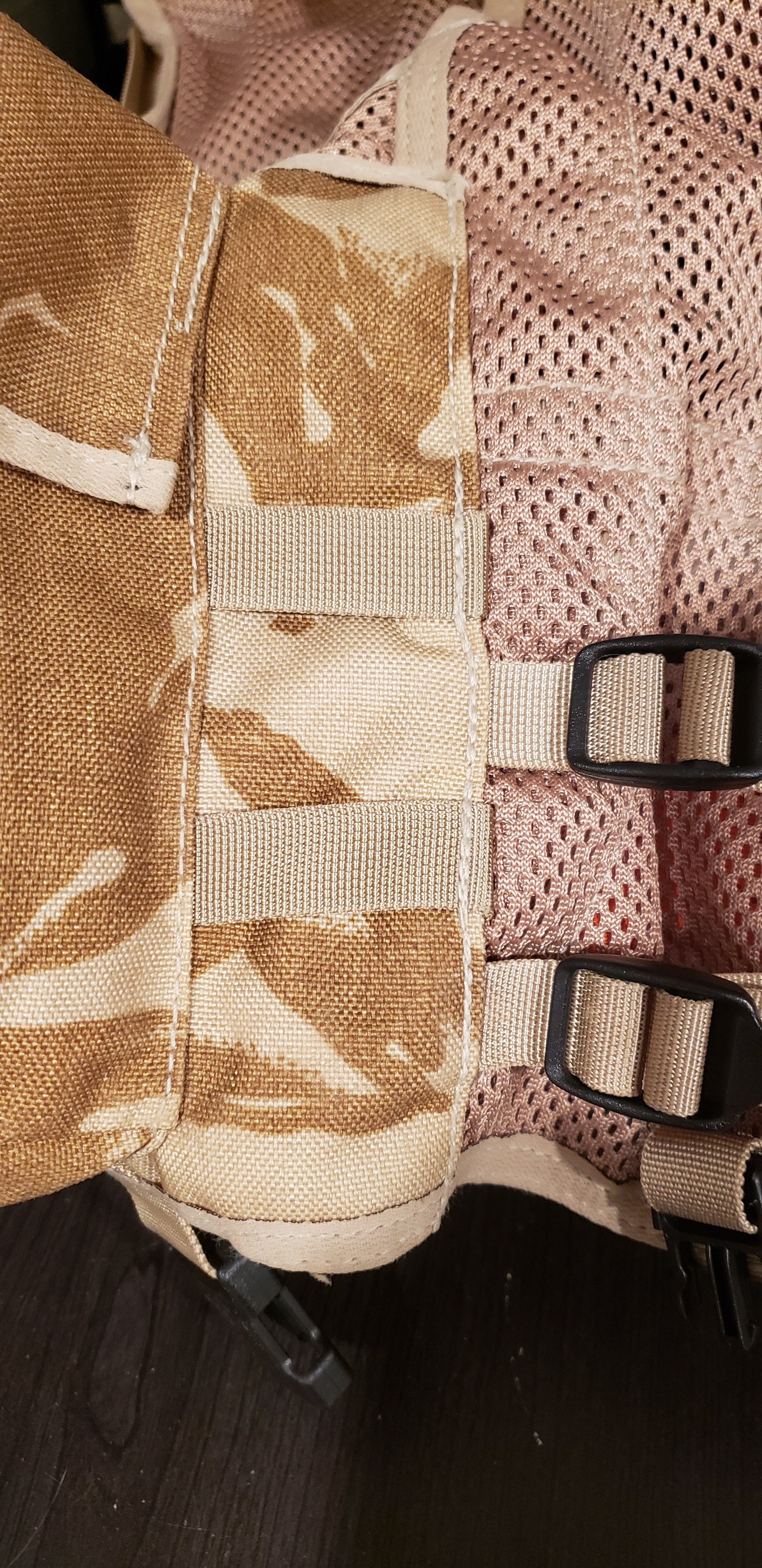
Behind the left Large utility pouch, you have two strips of MOLLE or PALS that can easily be used to secure a radio or grenade pouch. This Is not going to be much of a game-changer, but it does allow you to have an option to add a pouch that you may truly need for your combat functions.
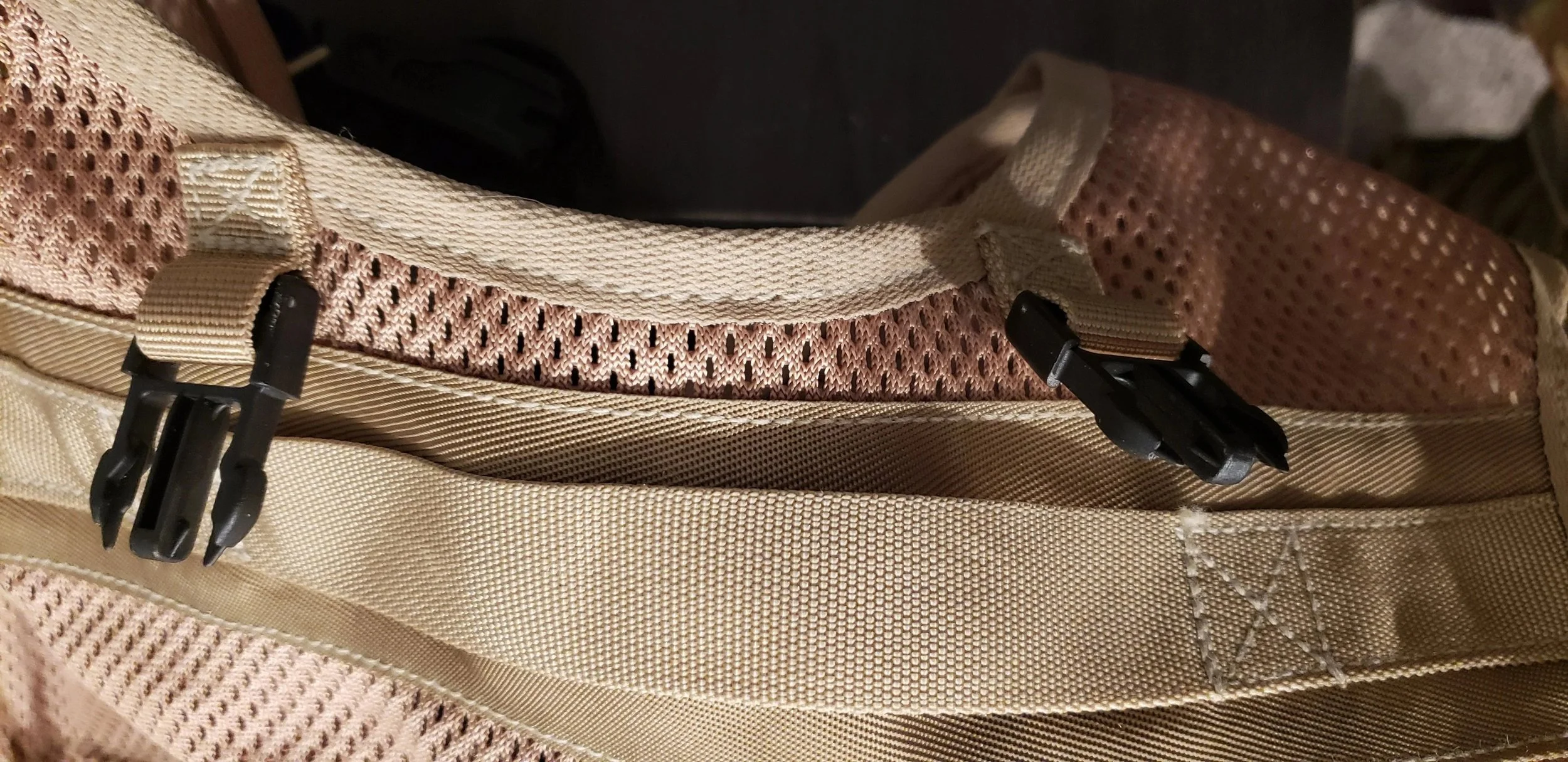
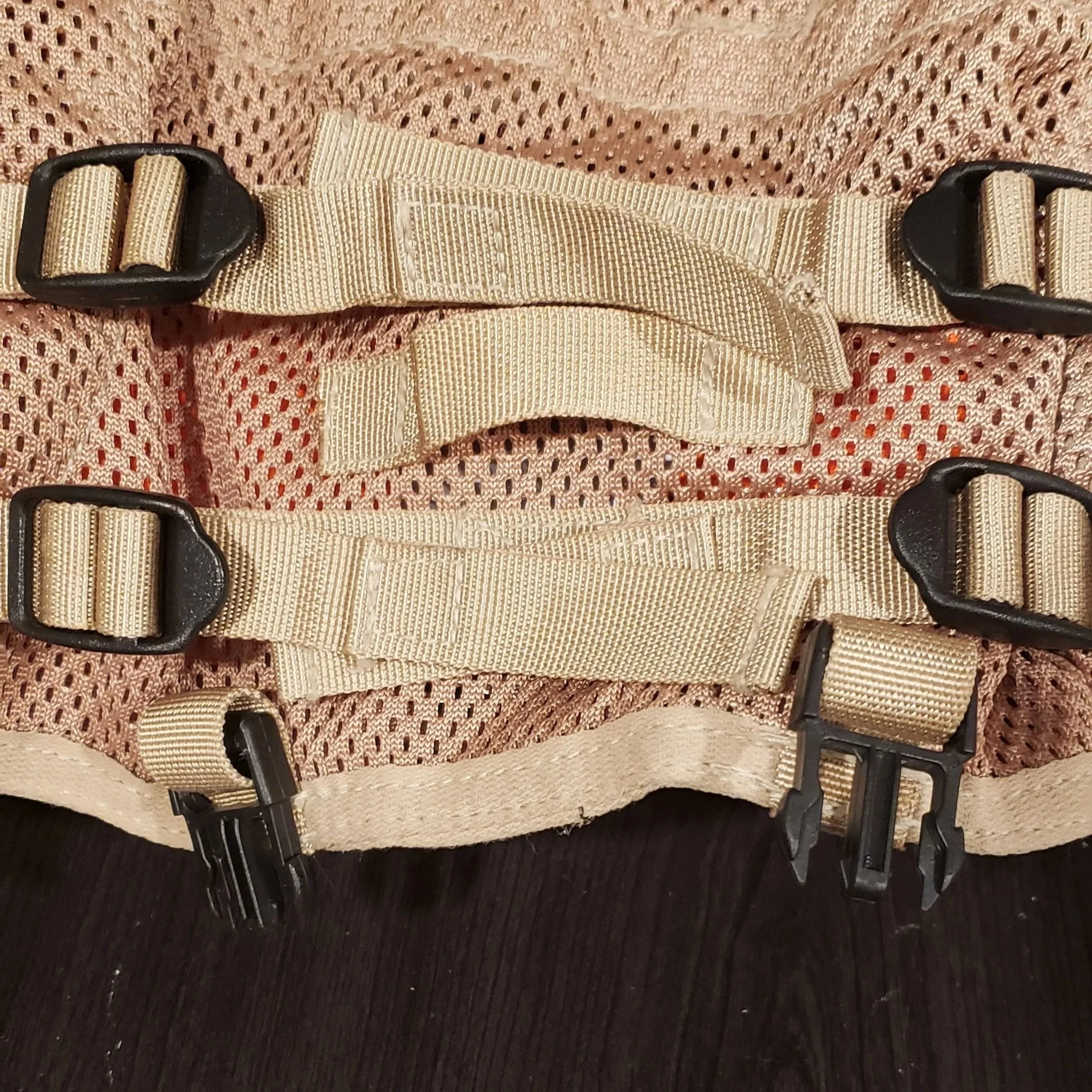
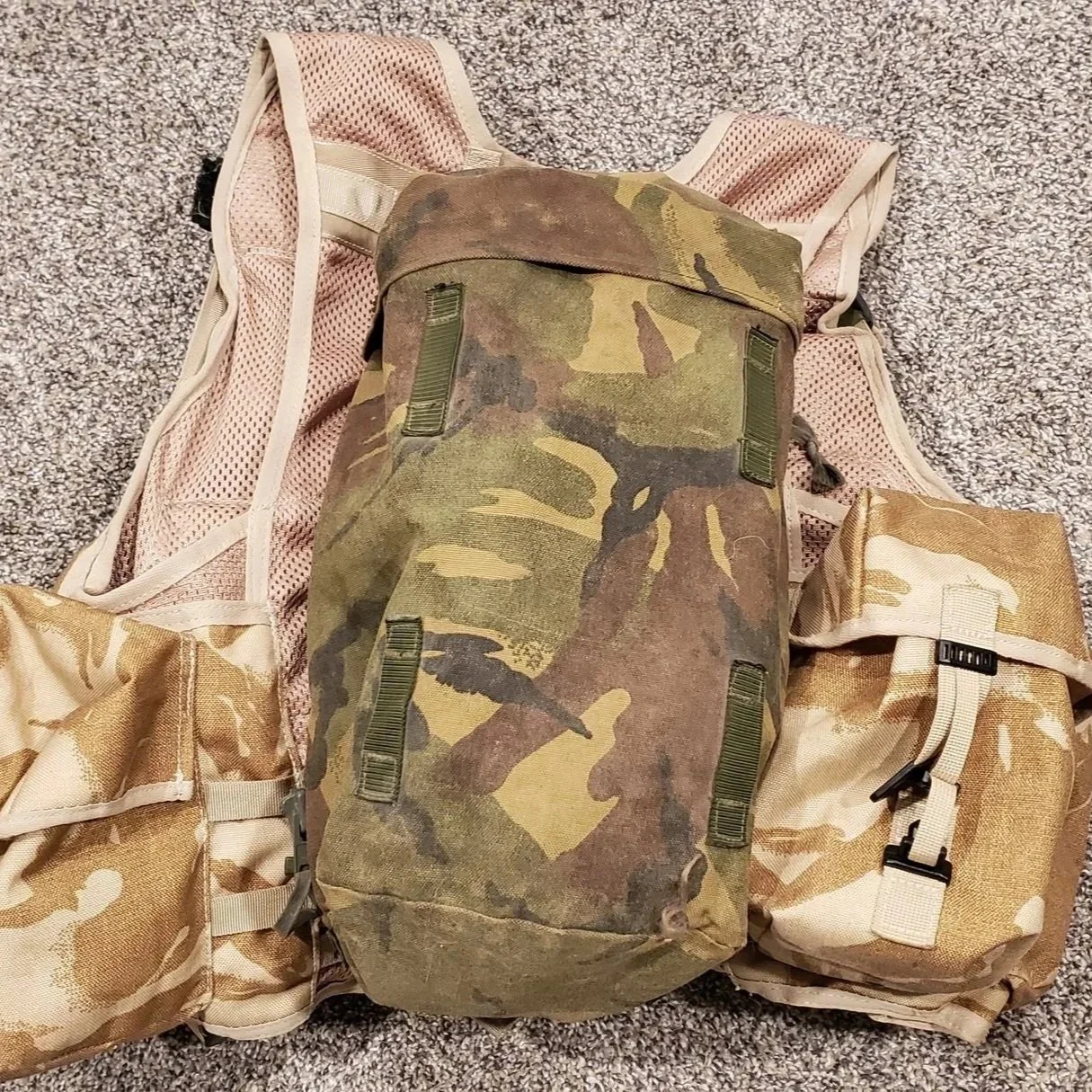
On the back of the vest are four snap buckles that allow you to conveniently snap on the side pouches of the Bergan rucksack, allowing you a large amount of additional storage equivalent to a day pack. You could easily store ammo, food, a poncho, a camelback, and some spare clothing. It is easy to attach and it does not move around all that much on the user, allowing a convenient and comfortable method of securely carrying extra sustainment items.
HIDDEN COMPARTMENTS
The vest features a dedicated compartment specifically designed for a sidearm within the left breast zipper pocket, ensuring quick and secure access in cross-draw fashion. Additionally, there are two reload pouches conveniently positioned directly on the holster for efficient magazine changes.
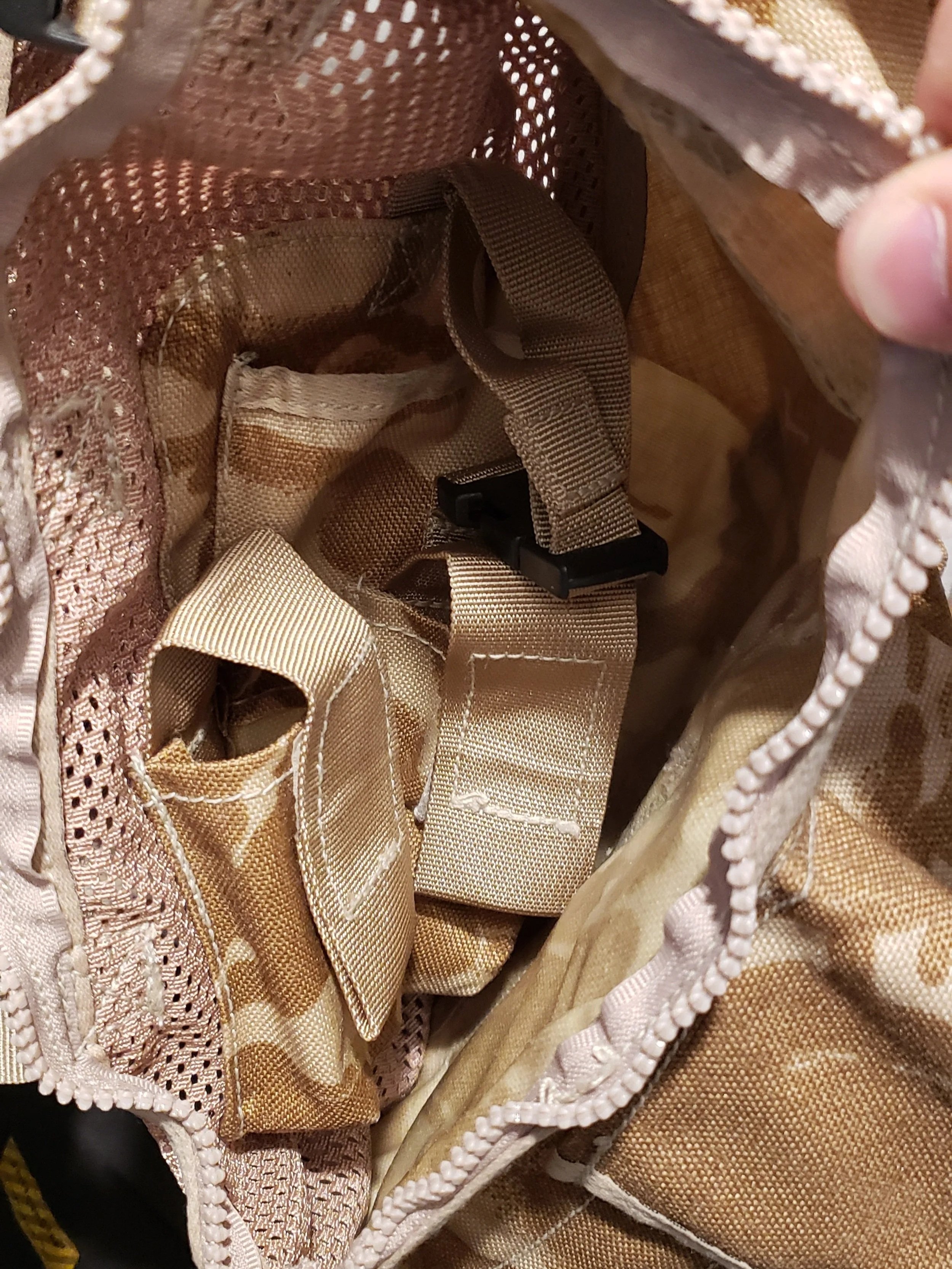
On the right side zipper pocket, you’ll find a wide mesh pocket intended for carrying a map, notetaking materials, or similar items, offering organized storage without compromising accessibility.
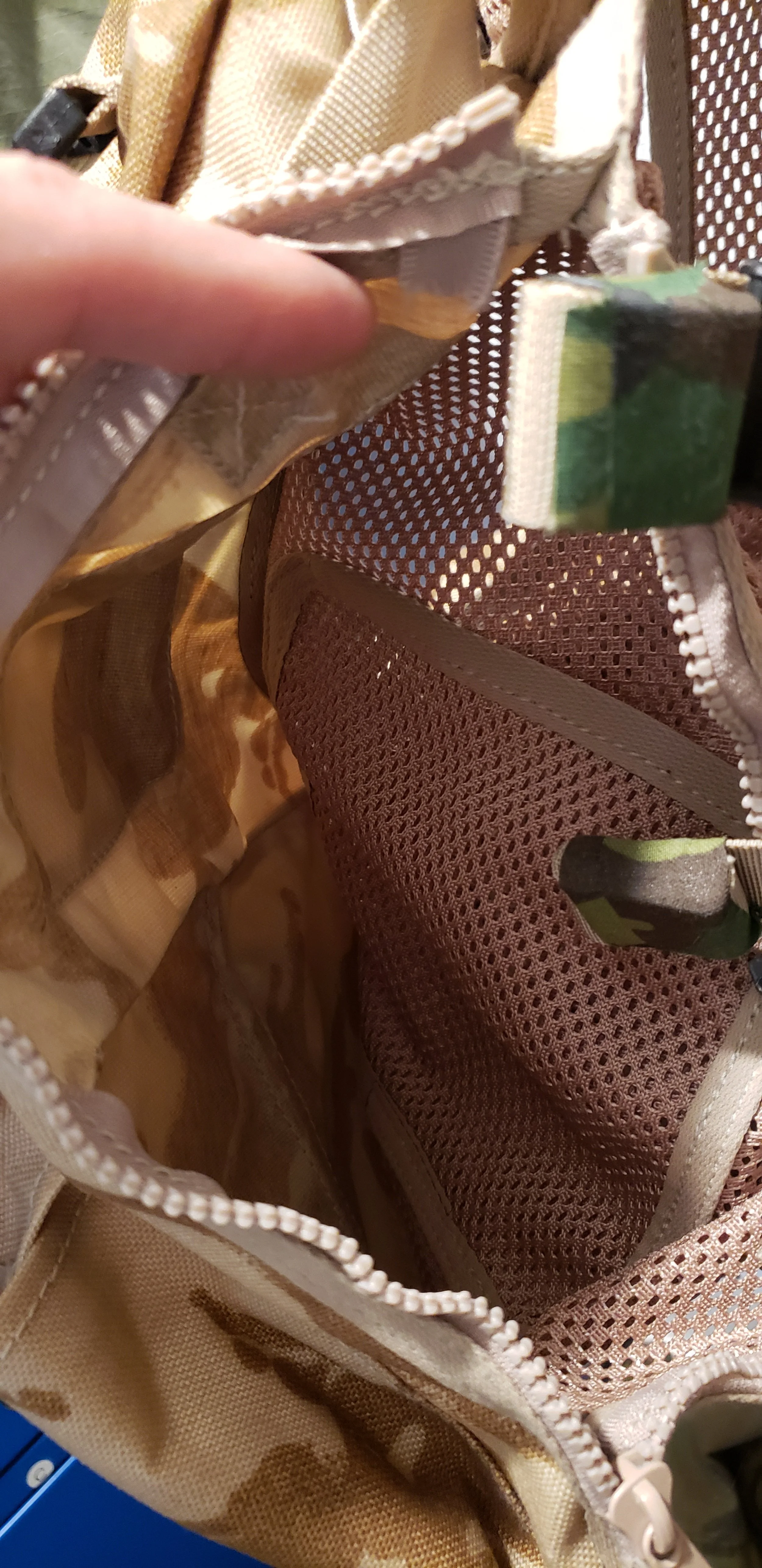
One the inside of the vest, on the small of the back, there is a Velcro closure pouch that is good for storing small items like an E&E map, signaling panel, and/or a spare shirt. Another option is to carry something like trash bags, sandbags, or small mesh bags for hauling spare equipment or conducting SSE (Sensitive Site Exploitation).
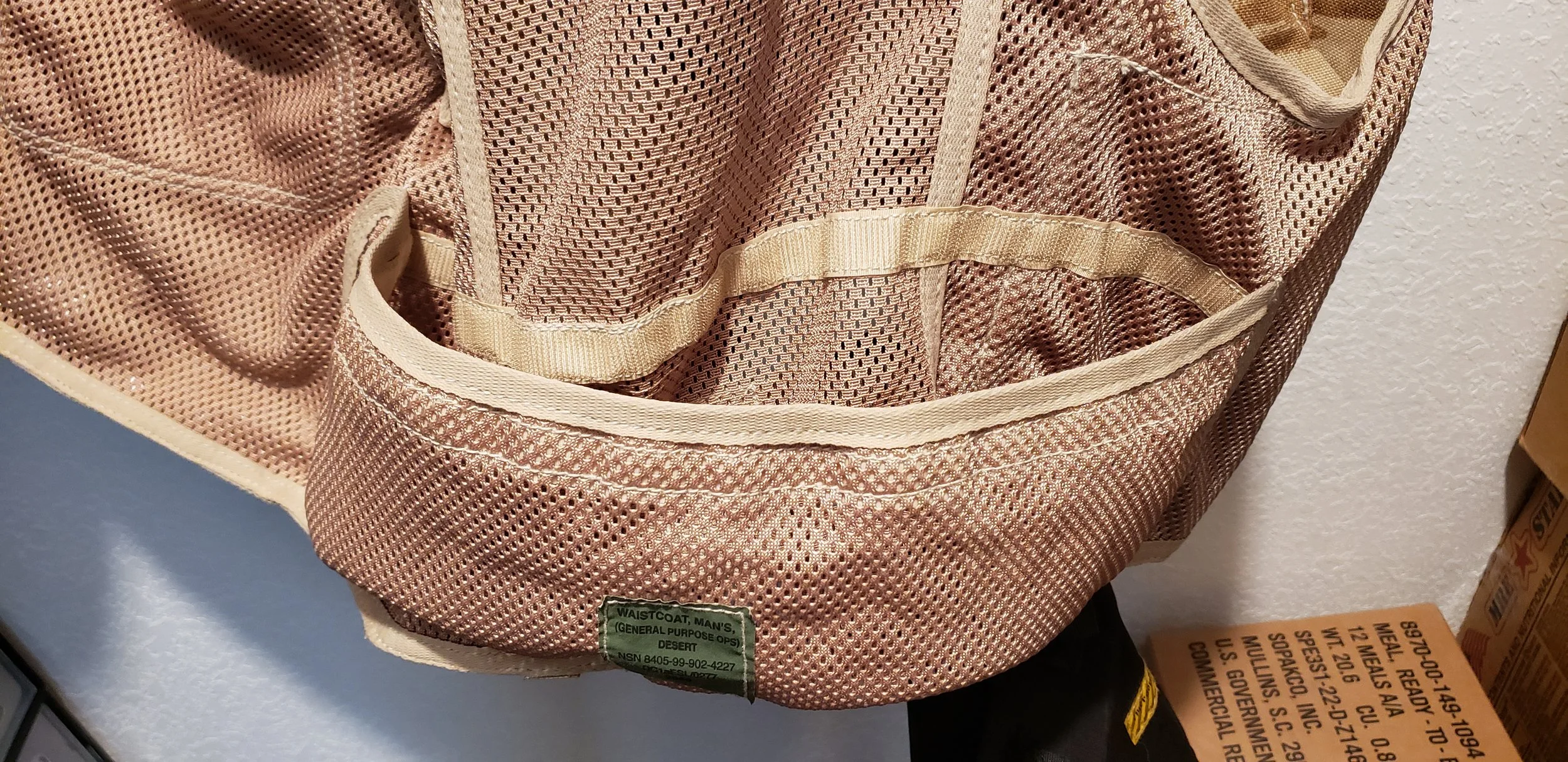
STORAGE CAPACITY
The Ops Waistcoat is covered in numerous pouches because the original concept was to develop a vest that offered the same relative carrying capacity as a traditional belt kit. According to some sources, the UK military conducted a thorough study and found that a soldier does not expend significantly more energy carrying equipment on their torso compared to carrying it around their waist. This insight led to the design of a highly functional vest that balances load distribution effectively. In theory, you can load this vest up to the brim with gear, and it will still remain surprisingly comfortable to wear throughout extended operations.
PRACTICAL USAGE
This vest is found on eBay and is still highly available for a various range of prices and conditions. I find this vest to have a lot of space and be very practical for small unit dismounted infantry operations and vehicle mounted operations. This would be ideal for driving around, and was highly appreciated in the Global War on Terror where vehicles were used for a majority of the patrols in larger areas. The desert camouflage pattern would work great in a fall or desert environment, but you may consider doing a dye job to get the color of the vest to blend a bit better with the operational environment you are consistently working in.
The vest does not have to be used to its full capacity, meaning you don’t need to fill all the pouches if you don’t want to. It is a versatile and well-designed vest suitable for use both with and without body armor, making it an excellent choice for riflemen, shotgunners, and other operators. One of the features I really appreciate about this vest is its compatibility with Bergan side pouches, which can be securely attached to the back of the vest, enhancing its modularity and carrying options.
While running this vest, I found it to be very comfortable, despite being loaded with 30 pounds of gear or more. Most vest systems will trap heat and create a very uncomfortable situation for the wearer, but this vest is very comfortable and breathes freely, not allowing hot-spots and friction to make it uncomfortable, even during fire and movement drills.
WRAPUP
The Desert Ops Waistcoat offers practical advantages for tactical environments by combining lightweight durability with ample storage options. Constructed from breathable, moisture-wicking fabric, it helps maintain comfort in hot, arid conditions while providing quick access to essential gear through multiple strategically placed pockets. Moreover, the waistcoat’s neutral tan or camouflage tones reduce visibility against desert terrain, making it a functional choice for operators prioritizing both utility and concealment. If you are in an area like the jungle, or a woodland environment, you could easily dye it to be more of a neutral color like Ranger Green and get it to blend in seamlessly. Of all the vests that are non-modular, this one seems to be one of the most practical.