WILSON COMBAT SHOK-BUFF: PRACTICAL USE REVIEW
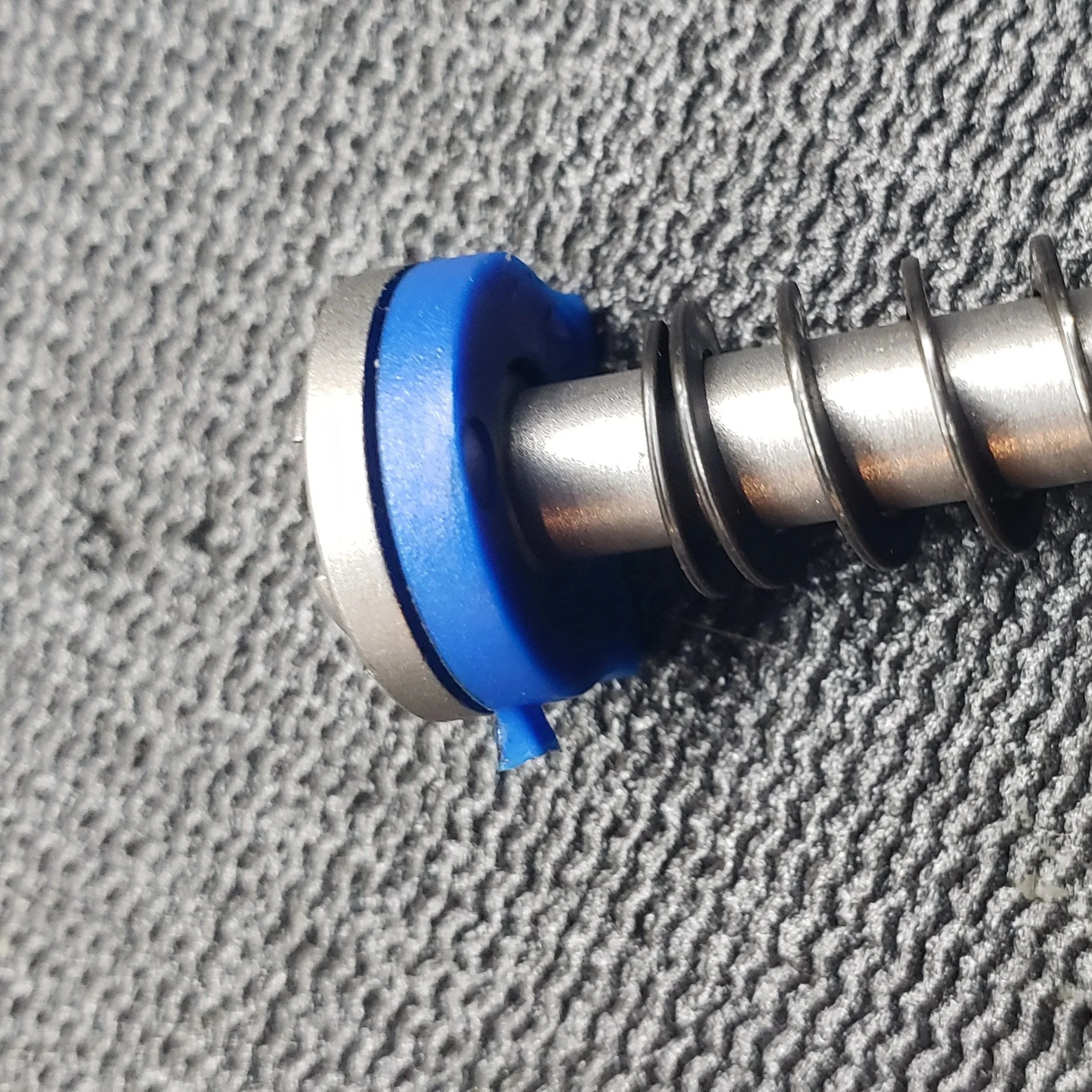
The Wilson Combat Shok-Buff is a recoil buffer system designed to protect 1911-style pistols and other firearms from wear during recoil. It functions by sandwiching a 1/10" thick poly fiber buffer between the slide and frame contact areas, typically around the recoil spring, preventing the slide from battering the frame during recoil. I have tried both the 1911 Shok-Buff system, and the Beretta 92FS Shok-Buff system.
SHOK-BUFF DESIGN
This is designed to help extend the life of the firearm, reduces felt recoil, and diminishes muzzle flip, particularly beneficial when shooting high-performance or +P ammunition. The original Shok-Buff is injection molded, which Wilson Combat asserts provides superior durability compared to die-stamped alternatives. It is designed to absorb up to 1,000 rounds of repeated firings before needing replacement. The buffers are easily replaceable and slide over the recoil spring guide between the guide and spring. Wilson Combat emphasizes that the original Shok-Buff offers the optimum balance between shock absorption and longevity, a key factor in protecting the firearm from damage.
The Shok-Buff is available in different configurations. For 1911 full-size pistols, a 6-pack of the royal blue buffers is commonly sold and priced at $7.95. A full-size Shok-Buff recoil system kit, which includes a full-length guide rod, springs, and buffers, is also available. The Shok-Buff is recommended for full-size 1911s with 5-inch barrels due to space constraints, and its use in compact 1911s is generally not advised. Additionally, Wilson Combat offers a Shok-Buff specifically for Beretta 92/96/M9 pistols, sold as a 6-pack for $4.95.
BERETTA PERFORMANCE
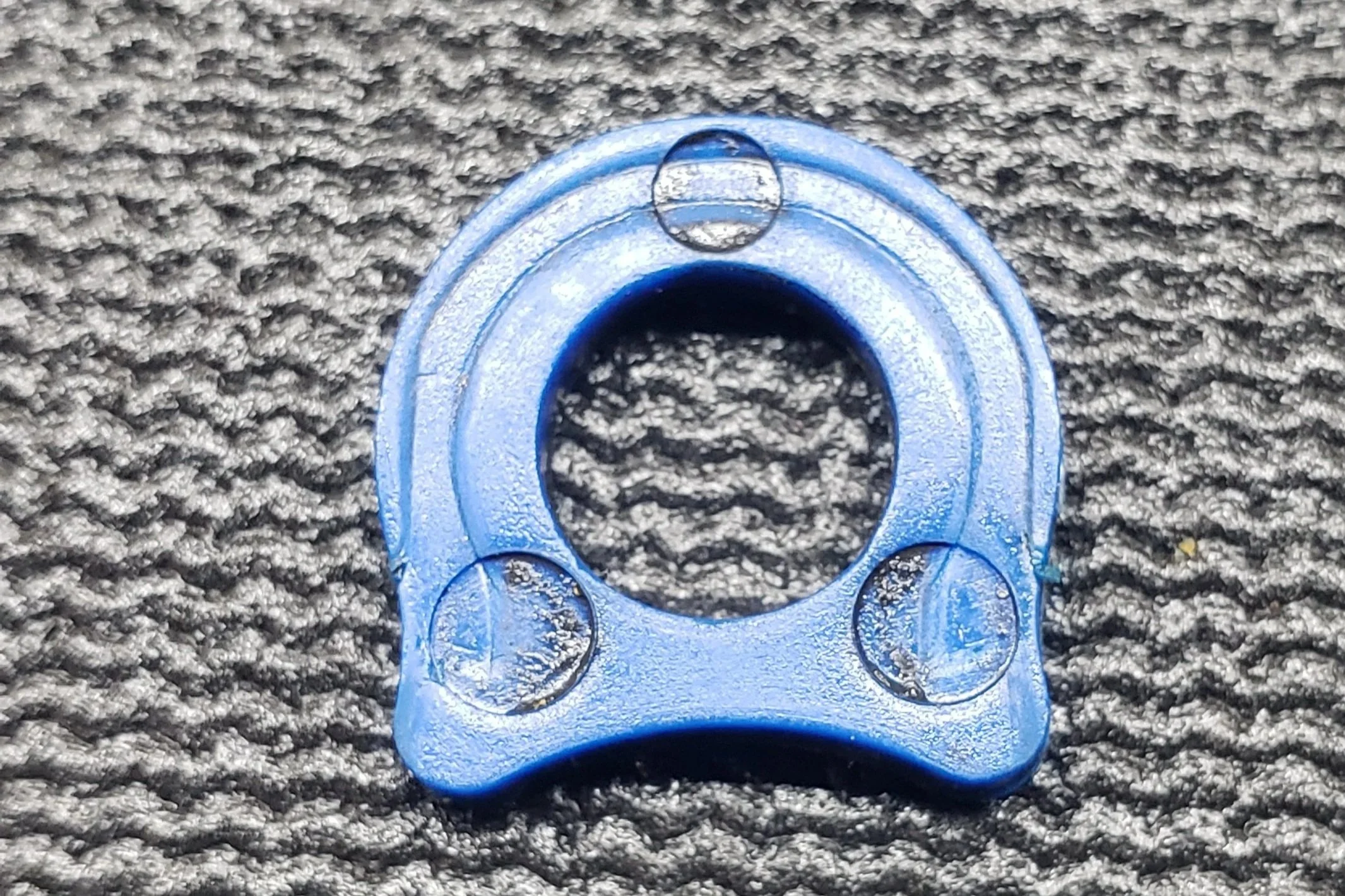
I used the Shok-Buff years ago and decided I saw little reason to use them since I had the Beretta 92A1 and the Shok-Buff didn’t even work with that pistol. I recently tried the Shok-Buff with my Beretta 92FS. I shot less than 100 rounds of Winchester 115 grain FMJ-FN going 1300 FPS, just like M1152 ammunition. This ammo is a bit powerful, but not unusually so. In this short amount of shooting, I found the buffer to be helpful with dulling the felt recoil only slightly, but it felt like the cycling was slowed down a bit. The recoil is not too extreme in the Beretta to begin with, and it seemed to give a more forceful PUSH. When I took the Shok-Buff out of the pistol, I found it to be chewed up considerably. I don’t think this is what Wilson Combat was claiming to expect after less than 100 rounds, but that was my experience.
1911 PERFORMANCE
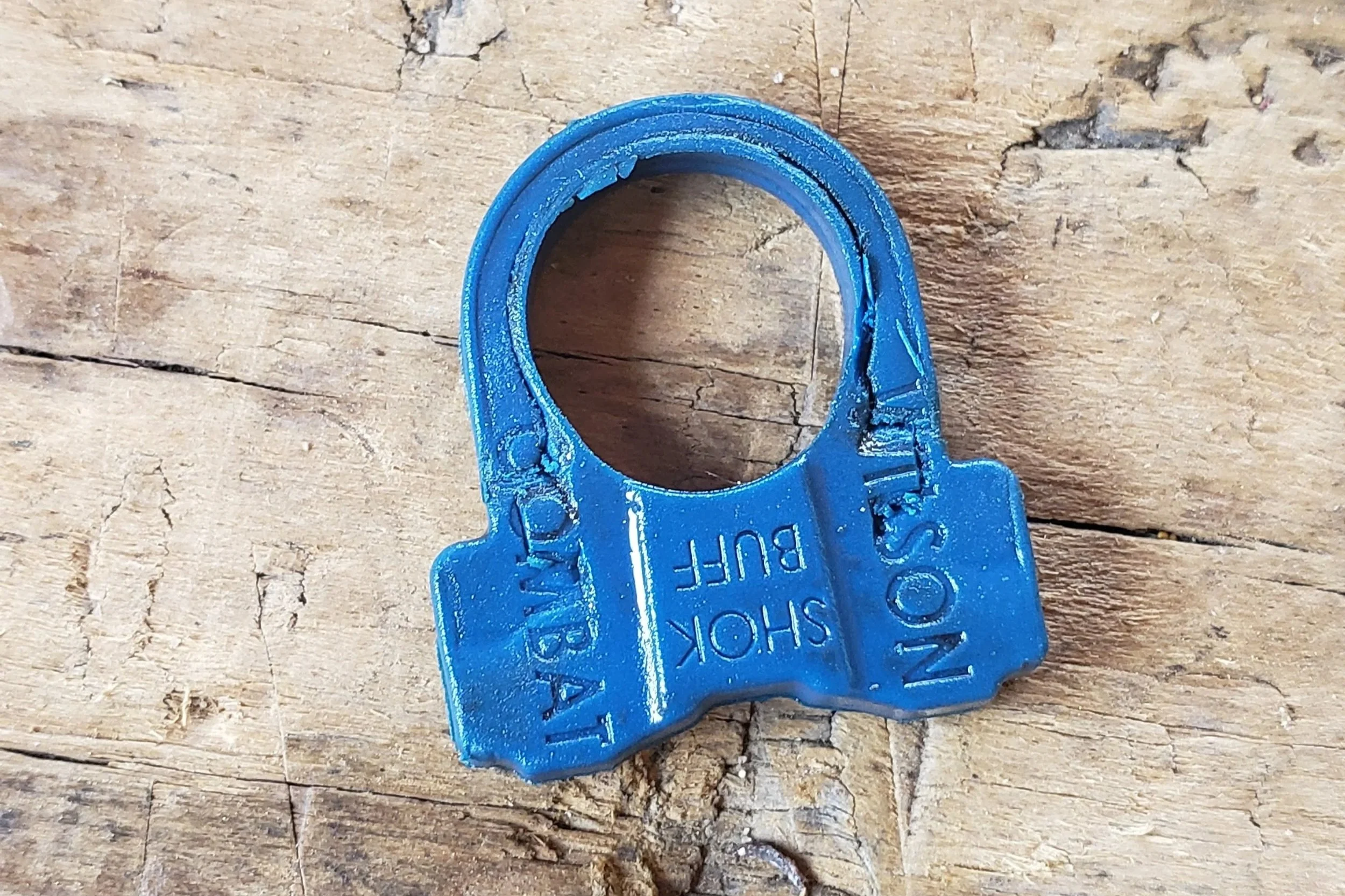
In the 1911, the Shok-Buff system goes along with the flat wire recoil spring system. Wilson Combat also sells a Shok-Buff system that is complete with a full-length guide rod, springs, buffers, etc. I simply bought the flat wire recoil spring kit, which came with a buffer with each kit. I put the Shok-Buff and flat wire recoil spring system into my Tisas 1911 and found it to dull some of the recoil, much like in the Beretta. I was shooting factory 230 grain FMJ for this test, so nothing special. And just like the Beretta, I found that the PUSH from the recoil was increased. I Shot about 50 rounds through this firearm and found that the Shok-Buff was well dented and it was still in relatively good shape, but obviously deformed. I can see why they say that this item will last only for 500 to 1000 rounds.
PRACTICAL OR SNAKE OIL?
The idea behind this product is to lower recoil and prevent damage to the frame. In terms of lowering the recoil, I feel that it does not really lower the recoil as much as it changes the recoil to a more violent but dull push on both the 1911 and the Beretta 92FS.
Another thing to think about is the fact that this buffer is highly consumable and only lasts a short time. If you are using this product on something like the .40 caliber Beretta 96, I could understand trying to lower some of the shock to the frame. The .40 caliber Beretta can be pretty violent in recoil for the uninitiated. The frame may appreciate a little help in lowering the impact from the slide over time. With that said, I do not think that the Beretta 92FS really benefits from recoil buffers. In fact, I found that the buffer changed the recoil in a bad way and made the gun seem to jump around more and cycle slower. This is a less than desirable outcome.
For the 1911, there is some merit to the idea of using a buffer system on the aluminum framed 1911s, but that is if you are shooting a considerable number of rounds through them. If you do not shoot more than 10,000 rounds in a year, it may not be useful to use the buffers. With that said, I do use the buffers in my lightweight Operator 1911, because I do shoot a considerable number of rounds through it, and I do use the flat wire recoil spring in this pistol.
WRAPUP
I do not think that Wilson Combat is selling junk or trying to solve a problem that does not exist. There certainly have been issues with frame cracks, recoil being violent, etc. With that said, not all pistols and designs would benefit from a polymer buffer to try and lower the recoil. I found out the hard way that unless you are shooting really hot ammo, or have an Aluminum-framed 1911 in .45, there isn’t much need for the buffer. On top of that, depending on the ammo you are shooting, this buffer will wear faster. Whether this item is right for you is something you will have to decide for yourself.