The U.S. Military: Prepping for the Next War... or Just Pretending?
Russia and China together spend less than half what we do on their militaries, yet they're far more prepared for the next big fight. We pour $1.5 trillion a year into "defense," but we're still training as if we're heading back to Afghanistan: relying on medevac helicopters that arrive on demand, clinging to the golden-hour evacuation window, and equipping our troops with M4s and M17s optimized for low-tech insurgents. We drill for air superiority, quick victories, and minimal casualties, all while claiming we're gearing up for peer conflicts. But Ukraine's brutal trenches, relentless drone swarms, and 26-hour medevacs tell a different story. We're not learning from yesterday's lessons; we're disregarding them in favor of tech worship and bureaucratic bullshit. It's not about the money—it's about how we waste it, and the delusion that bigger budgets equal better warriors is killing us.
Pete Hegseth is at least trying to turn the ship around. He's slashing DEI programs, ramping up fitness standards, and removing women from combat arms roles, recognizing that the military should be a war-fighting powerhouse, not a social justice experiment. That's a step in the right direction, refocusing on lethality and cutting the distractions that have turned our forces into a therapy session with guns. But he's missing the bigger picture entirely. Branches are still allowed to empire-build without restraint, fraud runs rampant through the system, and our doctrine remains mired in 2003 tactics. We need real urgency, not just surface-level optics, because if a peer adversary strikes tomorrow, we'll be caught flat-footed—and the blood will be on our hands.
Empire Building & Waste: The Real Budget Killer
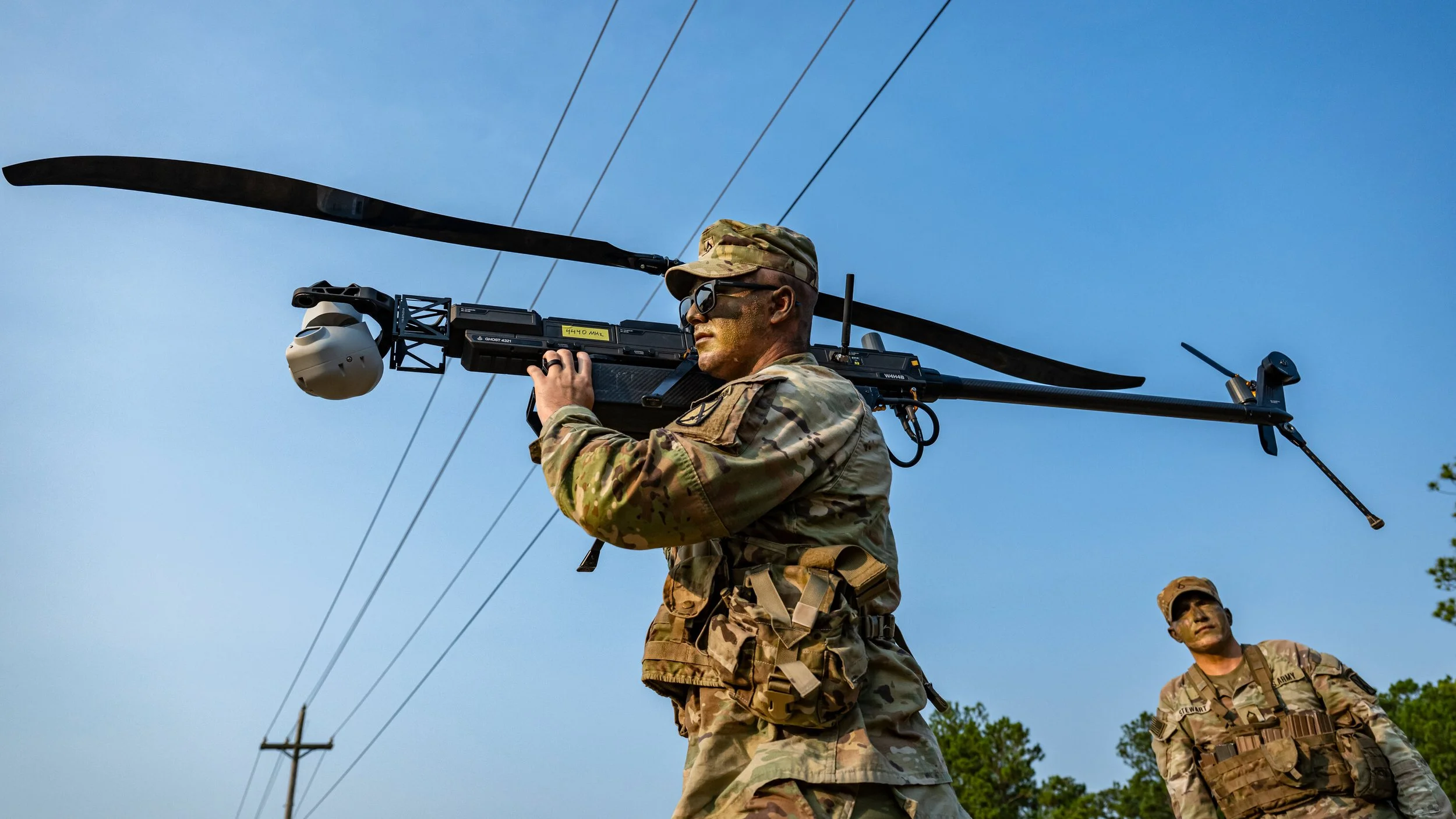
The Air Force exemplifies this empire-building mentality, hoarding billions for flashy projects like the F-35 and B-21 bombers—aircraft that cost more per unit than entire aircraft carriers—while pushing to scrap the A-10 Warthog, the one plane that actually supports ground troops effectively. Congress has blocked partial retirements twice in recent years, but Hegseth has let the full decommissioning slide for FY2026. Why? Because air superiority fantasies feed into fat contracts, kickbacks, and institutional prestige. Ukraine has proven that drones can make a mockery of these fancy toys, yet we keep pouring money into them as if low-cost threats don't exist.
The M7 rifle from the Next Generation Squad Weapon program is another glaring example. We're dumping over $367 million into FY2026 for this heavy, expensive "upgrade" that no one truly needs. The Marines wisely rejected it, sticking with their reliable M27, but Hegseth is letting the Army roll forward anyway. It's a classic case of fixing what isn't broken, wasting cash on hype when our troops could use those funds for basics like better training or reliable gear.
Then there's the ServMart cards, a system I witnessed firsthand that's rotten to the core. Every company gets one with a fixed budget, operating on a "use it or lose it" principle at the end of the fiscal year. Come September, it's a mad dash to spend it all—on pens, notebooks, and other crap we didn't need—just to justify asking for more next year. Battalions would race to "run the card," turning fake urgency into real waste. The USMC claimed they "passed an audit" in 2025? That's absolute bullshit. Troops are still joking about it today, and there's no real control or accountability; it's all lies designed to protect turf and inflate budgets.
This isn't isolated. Remember the $90,000 "insulator bushings" that cost pennies at Home Depot? Rep. Michael Waltz grilled Air Force officials in a 2024 hearing, and nothing's changed. We have 30% unused infrastructure across bases, with billions going untracked every year. The branches act like feudal kingdoms, defending their domains at all costs. Trillions are pissed away on prestige projects while light infantry capabilities atrophy and our readiness for a peer goes down the toilet. It's frustrating as hell— we're funding egos, not victories.
Light Infantry: Gone, and Nobody Cares
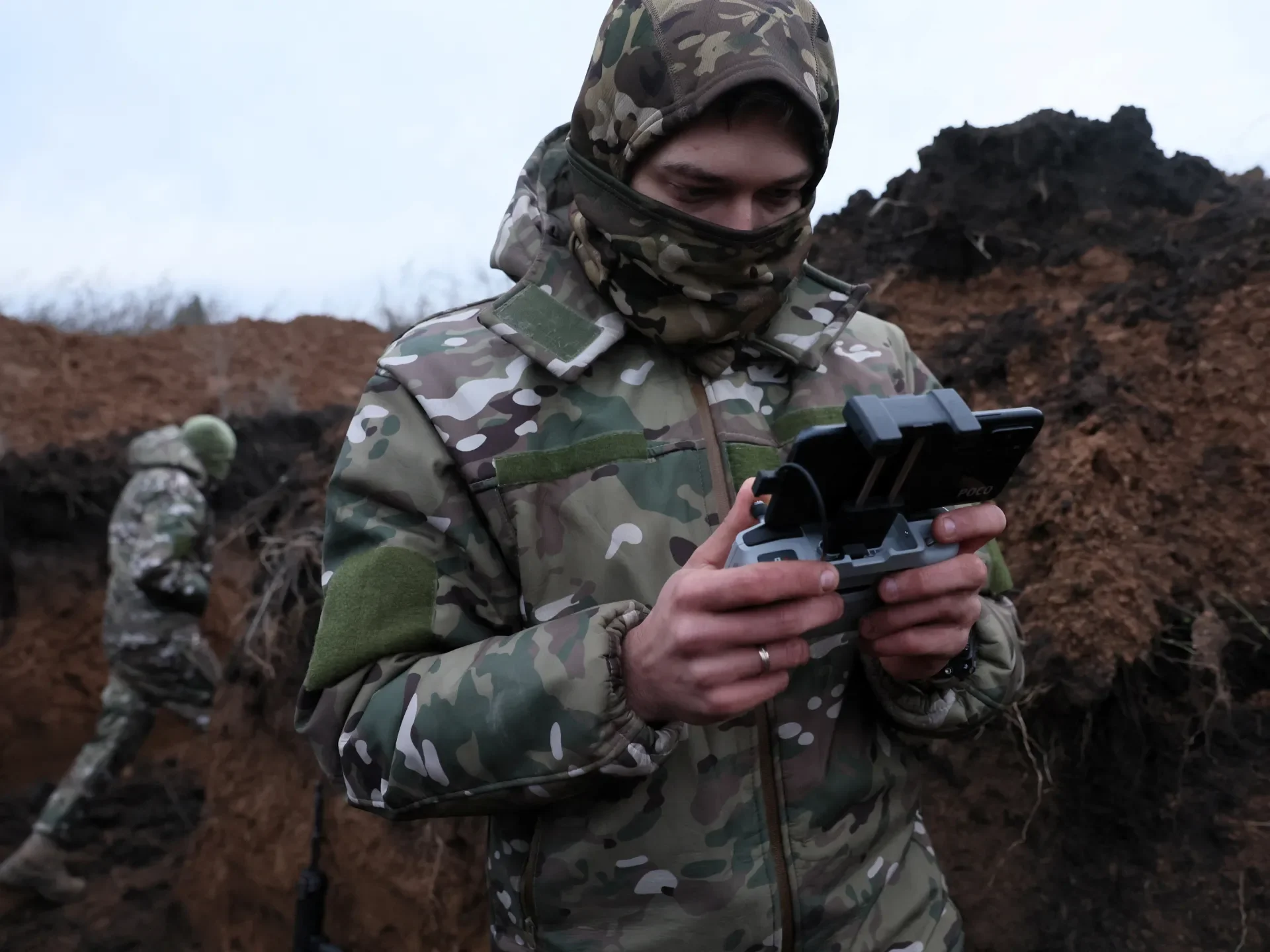
We killed light infantry after Vietnam, trading mobility for body armor, risk aversion, and the illusion of the "golden hour" medevac. Now everything is heavy mechanized: squads are bloated with reinforcements, platoons are weighed down, and every troop is strapped into 35-40 pounds of plates before adding ammo, water, or gear. Ukraine has exposed this folly—mechanized columns become easy targets for $200 drones that wipe out millions in hardware. Russia, meanwhile, deploys 2-4 man stormtrooper teams: no armor, foot-mobile, designed for hit-and-run operations. They practice recon-pull, scouting weak spots quietly instead of recon-push, which forces units into kill zones. We stick to big waves: slow, loud, and vulnerable—turning our forces into meat for modern tech.
Body armor is a leverage nightmare; those plates push your load out even an inch from your body, creating torque that makes everything feel 20% heavier. The load hinges farther from your spine, leading to chronic pain that has spiked 300% in the infantry since widespread adoption in the 2000s, according to DoD studies. Veterans from MACV-SOG or LRRP would laugh at our setups—sure, the material is superior, but the weight destroys mobility. SOG's no-armor doctrine allowed them to infiltrate deep behind enemy lines, crossing borders and ghosting through jungles to hit targets before anyone knew they were there. They traded the "maybe" protection of a chest hit for real speed: lighter loads, quieter steps, and faster exfiltration. Even today, those vets would ditch the plates; the edge of mobility saves more lives than any vest.
The real point of light infantry isn't to do everything—it's to deliver shock. These are short-duration operations: raid, recon, disrupt, and vanish. They're cheap to train and field, with no need for tanks or massive logistics tails. They won't out-gun a mechanized column or hold a trench indefinitely, but with surprise and violence of action, they're devastating. The enemy sees nothing coming until bodies drop. We're sacrificing maneuverability for "time in the field," assuming heavy armor equals staying power. That's wrong—light infantry is about shock, not endurance. Use surprise, speed, and concealment, not tech overload, bombs, or overwhelming firepower. Ukraine shows that drones don't need plates; they need eyes, feet, and guts.
Countering drones is straightforward for light infantry: field shotguns like 12-gauge buckshot to shred FPV drones mid-flight. Ukraine vets have proven it works (check Task & Purpose's footage: https://www.youtube.com/watch?v=07Q9PGDFDLE). The military is "looking into" more Mossberg 590A1s or Benellis, but we're not training for it—just fielding them without doctrine shifts. Light teams disperse naturally: small groups with low signatures are hard to spot. If you lose one, it's four guys, not a platoon. They adapt or die—the Ranger Regiment used to embody this: no plates, just ammo, grit, and a kick-ass mentality. Whole battalions trained light—fast, mobile, lethal. Now they're wrapped in plates, pretending to be Delta Force, and failing at both.

When did this all change? Look at Operation Red Wings in 2005: a four-man SEAL recon team went in light, no plates, no heavy gear. They got ambushed and wiped out. The official narrative blamed the small size and lack of armor, but the truth was arrogance—they ignored local intel, went in cocky, thinking elite status made them untouchable. Politics overrode tactics, and Marcus Luttrell's book was ghostwritten to spin it that way, with recent leaks confirming he barely wrote it. The "Mothers of America" era kicked in hard after that, with public outcry demanding we "save our boys" from every risk. Casualties on TV led to mandatory armor, even for recon, turning "protect every life" into doctrine. Now troops are lumbering targets, their profiles huge, surprise a thing of the past.
Vietnam drives this home: deaths spiked when "shake-and-bake" draftees flooded in—no real field training, thrown straight to the front lines. They didn't adapt: loud patrols, poor concealment, no maneuver, walking right into ambushes. But units like Lurps, Force Recon, and MACV-SOG had low casualties because they operated like the enemy—small teams, silent, adaptive, no bubble-wrap. They weren't risk-averse; they did what needed doing, valuing speed and concealment over gear that might or might not give a second chance if shot in the chest.
Training light infantry is cheap—it's about smarts, not cash. Practice on parade grounds or barracks lawns: reconnaissance drills, navigation exercises, dry-fire sessions, learning to communicate with and without radios, encrypting messages manually, mastering C-E-O-N-I concepts (cover, concealment, evasion, observation, navigation, intelligence), and operating independently. Force-on-force spotting and infiltration: one unit defends, the other sneaks in to find weak spots, conduct salute reports, and plan on the spot. Adapt mid-drill—no ego, honest "casualties." Marines at Lejeune could spend a week on this, saving ammo and blanks, building real skill without field costs.
Red tape is the real killer: military claims "costs per person" are high, blaming MREs, ammo points, and battalion budgets. Strip it down: dry runs, peer drills. Ukraine and Russia show small teams win. Check Task & Purpose's trench tips article by Jeff Schogol (with vet Ryan O'Leary): https://taskandpurpose.com/news/us-military-ukraine-trench-warfare. It shows why light beats heavy.
No intent to fix under Hegseth—he pushes fitness, not lightness. We're still "heavy" because it's safe—until drones make it suicide. It's infuriating: we're choosing comfort over capability, and it'll cost lives.
TCCC: Yesterday's Miracle, Today's Delusion
Tactical Combat Casualty Care (TCCC) is pre-hospital care with the promise of a logistics chain always close by—stop the bleeding, secure the airway, treat shock, then medevac the wounded within 20 minutes, reaching a hospital in under an hour. It worked in Afghanistan and Iraq because we had air superiority, with helicopters arriving on demand and no real threats to our birds. But this is delusional for peer conflicts. Ukraine has shown that medevacs now take over 26 hours, done by ground stretchers like in World War I, because there's no such thing as air superiority—it's just chance. Drones are everywhere, making battlefield care a nightmare. There's more emphasis on self-aid than hoping for a medic, because running IVs or popping pills in the field isn't realistic. You have to focus on sustainment: dealing with amputated limbs, severe burns, or infections for days at a time.
We're not equipped for that—we don't even think like that in our current military. My own experience drives this home: when I was wounded, a helicopter was on scene in about 20 minutes, and they weren't shot at or shot down. But in Ukraine, helicopters take off and get kamikaze'd by drones. Nobody has true air superiority due to drone swarms and peer capabilities that prevent it. The branches building empires need to wake up to this, but so do the troops on the ground. We're under a delusion that we'll always have the sky, and it's going to get people killed. Ukrainian veterans laugh at our plans, knowing we'll be so unprepared for sustained casualties in the field. We have to shift to prolonged care, not just quick patches—staving off infection, managing pain for hours or days. The passion here is real: it's disgusting that we're clinging to old insurgent-war tactics when peers have changed the game.
Tactical Atrophy & History: No Real Wins Since WWII
We haven't won a decisive ground war since World War II, and even that victory came with nukes dropped on civilian populations—a moral gray area that avoided a mainland Japan invasion we likely would've lost public support for. There's no evidence we've beaten a peer in one-on-one combat without dipping into that gray zone or massive help from allies. Japan surprised us with near-even casualty ratios; more of their deaths came from suicide or disease than our bullets, tech, or bombardments. Our society is quick-win obsessed, terrified of operating in a gray area with dozens of deaths a day across fronts. The Afghanistan pullout proved it: losses got inconvenient, and we quit.
Tactical atrophy is everywhere: we're top-down rigid, punishing initiative unless it saves lives for a Medal of Honor. The Marine Corps pretends to be bottom-up during the Crucible, where privates think for themselves, but in the fleet, it's unwavering discipline to orders—a detriment. Initiative is punished because it's not "instant willing obedience," even though adaptability has saved more lives on battlefields than tech or cool weapons. Our dependency on electronics is a joke—Ukraine shows comms get targeted, zeroed by artillery; they're back to runners because radios and phones pinpoint locations. Night fighting? Peers have equal or better thermals and tactics. Marksmanship? We're no better. But sure, we have IR lasers on every rifle, which is about as useful as a sign that says “shoot me first”, as seen in Ukraine. Ironic how when two peers meet, how tech cancels itself out and the victor is the one who adapts the fastest and innovates tactics, not spends the most money.
WWII physical training was brutal but effective—Training Circular 87 and Pamphlet 21-9 used calisthenics in circular formations: squat jumps, push-ups, pull-ups, grass drills, guerrilla drills, and tests like 300-yard sprints or 100-yard man-carries. It took 12 weeks to turn draftees from flabby to frontline-ready, proven even with load. No equipment needed, just bodyweight. Modern YouTubers like World War Wisdom try it and bomb, even if they ace today's ACFT—because WWII focused functional war prep, not arbitrary deadlifts or medicine ball throws. We ditched it post-war, thinking we'd be a "peace force," reinventing the wheel with CrossFit-lite that costs money and misses the mark. Running two miles or doing crunches doesn't prepare for war; explosive power and recovery do. Russia gets this—small teams, no armor for infiltration. We're wrapped in bubble-wrap, slaved to tech, and it's holding us back. It's frustrating—history screams the answers, but we ignore it for shiny gadgets.
Manpower & Fitness: Too Few, Too Soft
Eligibility is a crisis: only 23% of U.S. youth aged 17-25 qualify for service without waivers, meaning 77% are out due to obesity, drugs, medical issues, mental health, low ASVAB scores, no diploma, or criminal records. With a prime-age population around 32 million, that's maybe 7-8 million eligible—and under 1 million fit without major rehab like weight loss or muscle building. About 60% fail on weight alone, needing months of structured work to be frontline-ready.
A draft wouldn't save us in a Ukraine-style war—peer invasion with heavy losses. Ukraine conscripts men and women to hold the line, but we'd run dry fast, unable to replenish. During the Cold War, we kept the population fit for mobilization: high school fitness competitions, the Presidential Physical Fitness Award under Eisenhower and JFK—sit-ups, pull-ups, runs—to encourage readiness even without active war. Schools competed, presidents awarded medals, building a mobilizable nation. We ditched it post-Vietnam, going soft.
Social justice has clouded everything: DEI, trans activism, MeToo pushed women into infantry for "equity," not lethality. Feminists demand combat roles but go silent on drafts. Trans folks want service but pick and choose. Sexual identity politics disqualifies more through mental health flags or hormone treatments. It's divided us, making people unqualifiable or unwilling. Hegseth's cutting DEI is good, but the damage lingers—fitness standards are arbitrary, not WWII grit. We're too fat, medicated, divided. No mobilization without fit youth. It's disgusting: political lines have wrecked our readiness, and we'll pay in blood.
Bottom Line: Wake Up or Get Killed
$1.5 trillion farce — Russia and China spend less and adapt more effectively. It's not a cash problem; it's waste, delusion, and ego. Hegseth can help fix the culture — now fix the doctrine: emphasize light infantry, sustain prolonged care, use inexpensive drills, and foster real initiative. Study history, or lose tomorrow. The urgency isn't hype; it's a matter of survival. We're not ready, and if we keep pretending otherwise, we'll die pretending.