Navigating the "Trump Slump": Opportunities for Gun Owners and Preparedness Enthusiasts
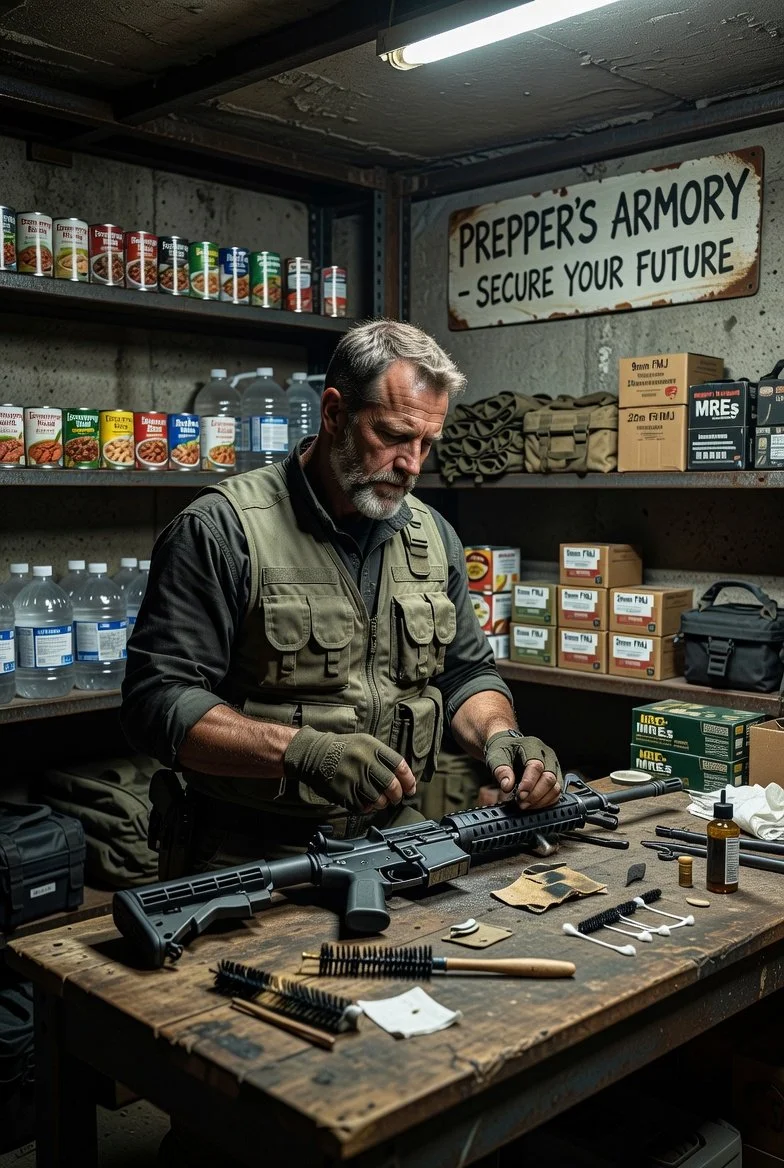
In the world of firearms and personal preparedness, market dynamics often swing wildly based on political climates, global events, and public sentiment. The so-called "Trump Slump" – a period of declining gun and ammunition sales during Donald Trump's presidencies – has returned in full force following his 2024 election victory and inauguration in January 2025. With gun-friendly policies alleviating fears of impending restrictions, demand has cooled, leading to a softer market for retailers and manufacturers. From January to September 2025, gun sales in 23 states and Puerto Rico dropped more than 4 percent compared to the same period in 2024. Overall, the industry saw sales dip below 1 million units over the summer for the first time in years, prompting concerns of an industrywide recession. This slump, while challenging for businesses, presents a golden window for individuals focused on building their armories and bolstering general preparedness. With ample supply and potentially stabilizing prices, now is an ideal time to stock up before the next inevitable surge.
Understanding the "Trump Slump" and Its Broader Impacts
The "Trump Slump" isn't a new phenomenon. During Trump's first term (2017-2021), gun sales fell sharply after the initial post-2016 election lull, with declines of up to 6.1 percent year-over-year as pro-Second Amendment policies reduced urgency among buyers. Fast-forward to 2025, and history is repeating itself. Retailers report slower summers, with some attributing the dip to "relief of concern that politics would deny some from being able to exercise Second Amendment rights." Gun stocks have largely underperformed, and several manufacturers faced bankruptcy or closures amid the slowdown.
This market cooling extends beyond firearms to ammunition and preparedness gear. With less panic-driven demand, inventories are healthier, and prices for popular items have stabilized or even softened. However, this calm also affects general preparedness trends. During high-tension periods, people rush to stockpile not just guns and ammo but also food, water purifiers, medical supplies, and other essentials. In a slump, these items become more accessible, allowing savvy individuals to prepare without competing in frenzied markets. Yet, as history shows, these peaceful interludes are fleeting – and wise preparedness advocates use them to fortify their setups.
Lessons from History: Panic Buying and Its Consequences
To appreciate the current opportunity, it's essential to recall how quickly markets can shift into chaos. Historical examples illustrate the dramatic swings in supply and demand, often leading to scarcity, rationing, and inflated prices.
The Obama Era Gun Ban Scares: Following Barack Obama's 2008 election, fears of stricter gun laws triggered a massive buying spree. AR-15s and similar rifles saw prices surge, with background checks spiking as buyers anticipated bans. This intensified after his 2012 reelection and the Sandy Hook Elementary School shooting in December 2012, when monthly background checks jumped by over 500,000. Ammunition became so scarce that stores imposed strict limits – often one box per customer – and prices doubled or tripled overnight. Popular calibers like 9mm and .223/5.56 vanished from shelves, forcing many to pay exorbitant markups from secondary markets.
Post-School Shooting Surges: Mass shootings have repeatedly sparked panic buying. After Sandy Hook, gun sales hit record highs as proposals for assault weapon bans circulated. Similar patterns emerged after other tragedies, like the 2015 San Bernardino attack, where December sales rose sharply amid calls for restrictions. In these instances, ammunition for common firearms – think 9mm for handguns or 5.56 for rifles – became nearly impossible to find at reasonable prices. Retailers resorted to gouging, with basic practice rounds costing two to three times their normal value, and buyers faced long waits or empty stores.
COVID-19 Panic Buying: The 2020 pandemic exemplified modern preparedness frenzy. As lockdowns began in March, Americans purchased an estimated 1.9 million guns that month alone – the second-highest on record – driven by fears of social unrest and supply chain breakdowns. Overall, nearly 60 million guns were sold during the pandemic years, with background checks surging 64 percent over 2019. Ammunition shortages were acute: 9mm, 5.56, 7.62x39, and .45 ACP rounds disappeared, leading to purchase limits (e.g., 50-100 rounds per customer) and price hikes of 200-300 percent. This wasn't just about guns; preparedness items like generators and non-perishables also flew off shelves, reminding us that panics amplify demand across the board.
In each case, scarcity bred desperation. Stores rationed stock, secondary markets exploited buyers, and many were left underprepared when they needed resources most. These episodes underscore a timeless truth: calm periods, like the current Trump Slump, are when smart individuals build reserves.
Seizing the Moment: Building Your Armory and Preps Now
With the slump in full swing, availability is high, and prices are more reasonable than during peaks. This is the optimal time to secure your armory and preparedness supplies, particularly in calibers prone to shortages. Focus on staples like:
9mm: Ubiquitous for handguns; always the first to vanish in panics due to its versatility for defense and practice.
5.56 NATO/.223 Remington: Essential for AR-15 platforms; historically scarce during ban scares.
7.62x39: Popular for AK-style rifles; supply chains can falter quickly in global disruptions.
.45 ACP: A go-to for larger handguns; demand spikes with self-defense concerns.
Other vulnerable calibers: .308/7.62x51 for rifles, .380 ACP for compact pistols, and even .22 LR for plinking and small game – all of which have faced gouging in past surges.
Beyond firearms, extend this mindset to general preparedness. Stock non-perishables, water filtration, first-aid kits, and backup power sources while they're readily available. Remember, history teaches that it's wise to prepare during peaceful times, when you can methodically build without the pressure of crowds or inflated costs.
One innovative option for ammunition stockpiling is Ammo Squared, a service that treats ammo like a commodity investment. Users set a monthly budget, allocate it to desired calibers (e.g., 35% to 9mm practice, 65% to 5.56), and let the system automatically purchase and store rounds in climate-controlled warehouses. With no membership fees and flexible shipping, it's a hands-off way to hedge against future shortages – especially useful for popular calibers that "suffer" during panics. As of 2025, Ammo Squared boasts over 100,000 customers and 22 million rounds in reserve, shipping millions of rounds nationwide. It's not just buying ammo; it's investing in future security. I personally am stashing $250 monthly [$50 to my go to war plan (12ga buckshot, M855, 9mm premium JHP, and .45 ACP JHP) and $200 to my training ammo stash (12ga buckshot, .223 practice, .45 practice, .40 practice, and 9mm practice)] and I will come out of the Trump presidency with roughly 15k-20k rounds of practice and defensive ammo combined.
The ATF Window: Act on Suppressors and Class 3 Items
Adding urgency to the current landscape is the rare reigning in of the Bureau of Alcohol, Tobacco, Firearms and Explosives (ATF). Under the Trump administration, significant reforms have eased burdens on gun owners. Most notably, the "One Big Beautiful Bill" signed in July 2025 eliminated the $200 tax stamp for suppressors, short-barreled rifles (SBRs), short-barreled shotguns (SBSs), and "any other weapons" (AOWs) effective January 1, 2026. While background checks, fingerprints, and Form 4 approvals remain, this removes a major financial hurdle, making these Class 3 items more accessible.
Such deregulation is uncommon and unlikely to persist beyond Trump's term, given shifting political winds. If you've had a suppressor, SBR, or other NFA item on your bucket list, now is the prime time to pursue it – before potential reversals tighten access again. Suppressors, in particular, have seen a sales uptick amid these changes, bucking the broader slump. Politically, now is the time to get a can, even if you don’t necessarily have a gun for it. The more people who own a suppressor, the better gun rights organizations can use the “common usage” argument against antigun legislation and courts. A .22LR can is merely a couple hundred dollars and there is a mere ten day waiting period, on average.
A Call to Action: Prepare in Peace for Turbulent Times
The Trump Slump may feel like a downturn for the industry, but for preparedness-minded individuals, it's a strategic breather. Historical panics – from Obama-era fears to COVID chaos – remind us how quickly abundance turns to scarcity, with limits, gouging, and empty shelves becoming the norm. By securing your armory now, investing in ammo via services like Ammo Squared, and capitalizing on ATF leniencies, you position yourself ahead of the curve.
As the adage goes, the best time to prepare is before the storm. In these relatively calm waters, take stock, build reserves, and ensure you're ready for whatever comes next. Your future self – and perhaps your community – will thank you.