BOOK REVIEW: SIX SILENT MEN SERIES
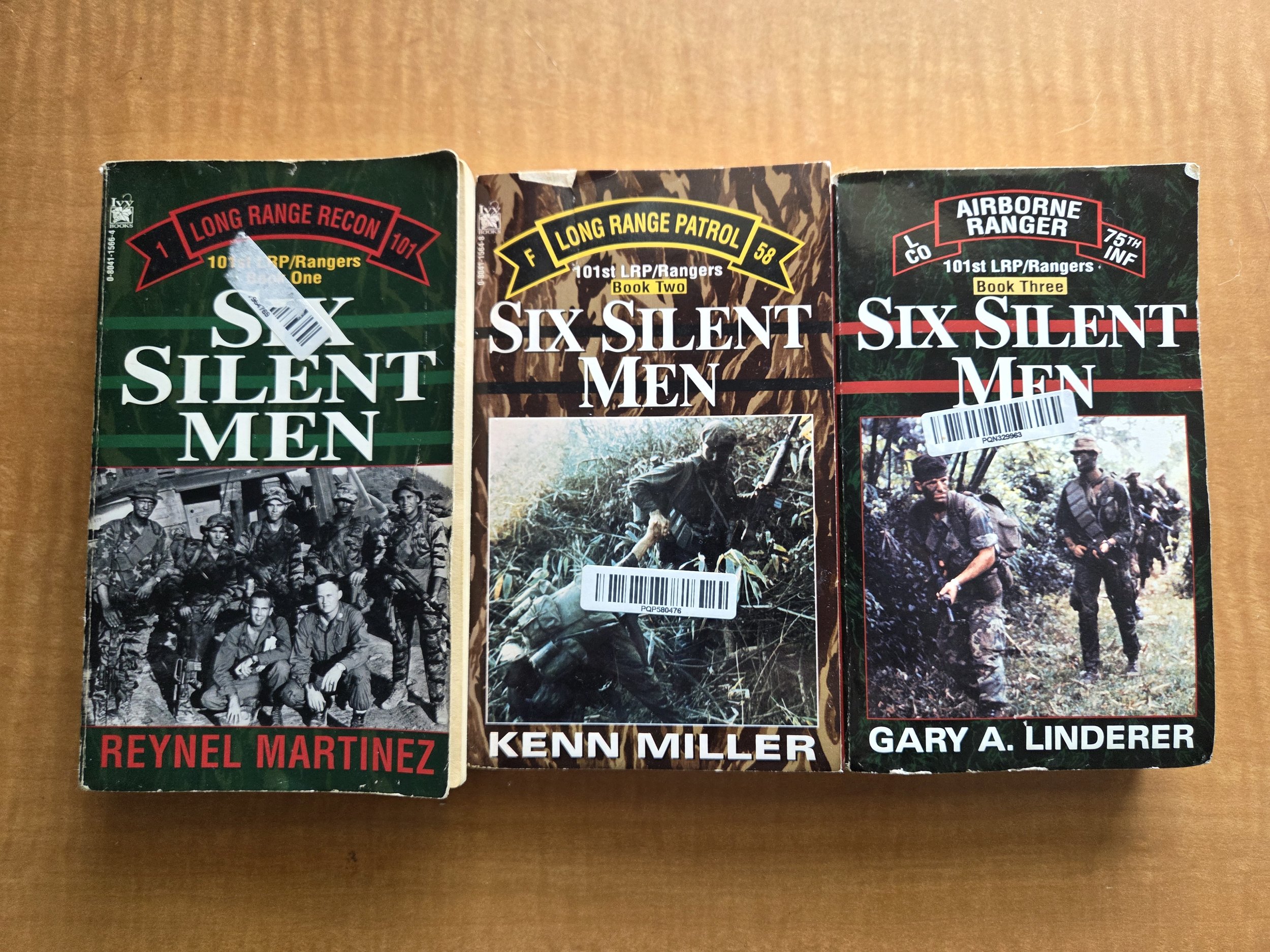
If you are a fan of reading about long range reconnaissance operations, you will love the Six Silent Men series. This series is action packed and terrific for the imaginative mind and very inspirational for the individual. After reading this series, there is no reason for the reader to not have a raw and unfiltered idea of the life, frustrations, fears, and talents experienced by the LRRPs of the 101st Airborne Division. I will resist the temptation to provide spoilers, and I will encourage you to read this series.
BOOK 1
The first book is authored by a LRRP named Reynel Martinez. The author is merely giving you an unfiltered view of the operations he participated in and witnessed during his tour(s) of duty. You will get an unvarnished idea of what it was like to join the LRRPs and how it felt to be misused, misplaced, and looked down on by commands that did not understand how to use a light infantry recon element. Some commanders would get it right, but all it took was one commander to make terrible choices, like denying extraction, to result in deaths and wounds.
The reader will read through the highs and lows of the LRRP experiences and the well-articulated stories will draw you into the story emotionally. By the end of the book, you will look forward to the next book in the series, and you will have a better understanding of the reality that these young warriors faced from their first patrol to coming home to a hateful country.
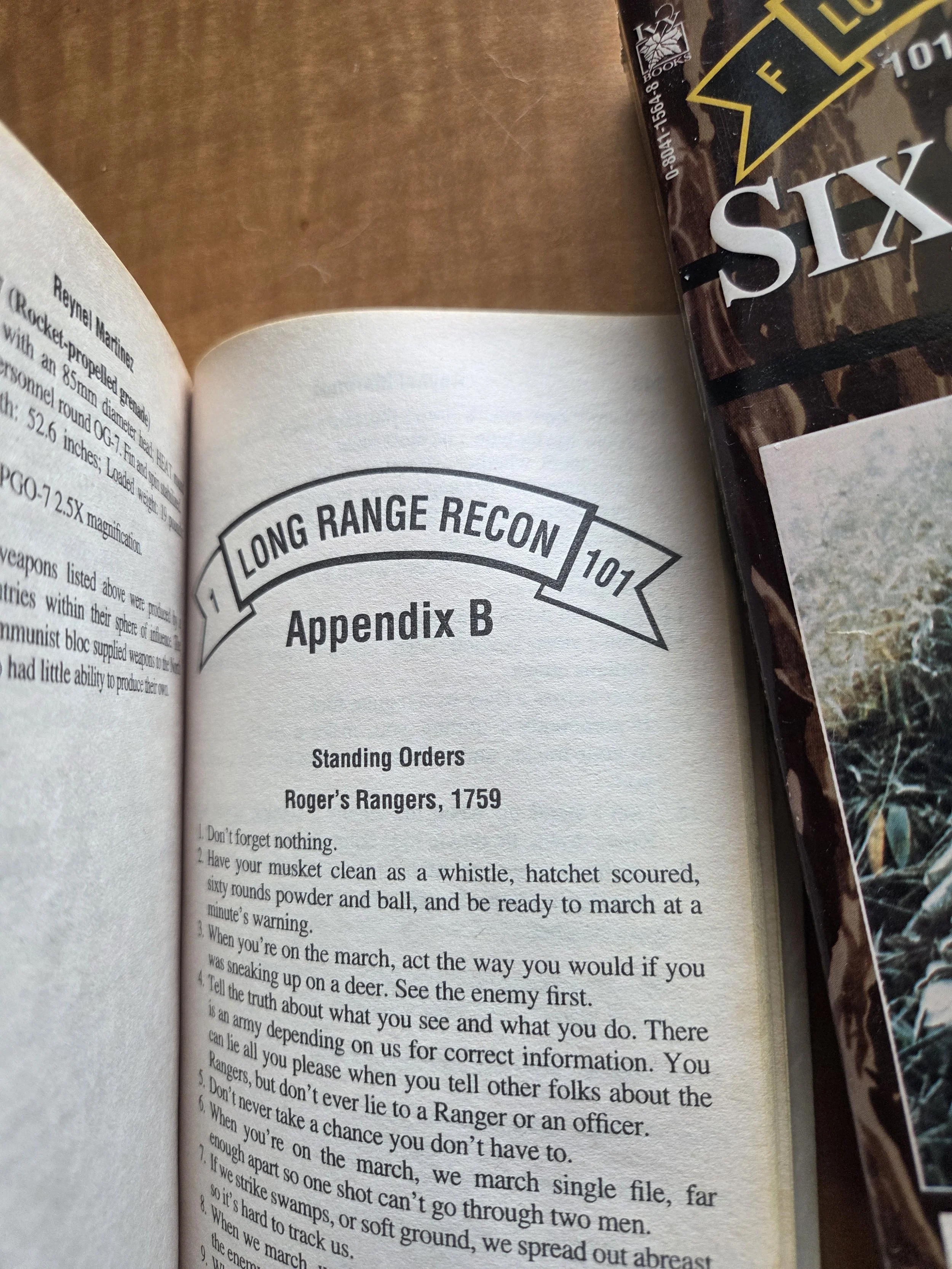
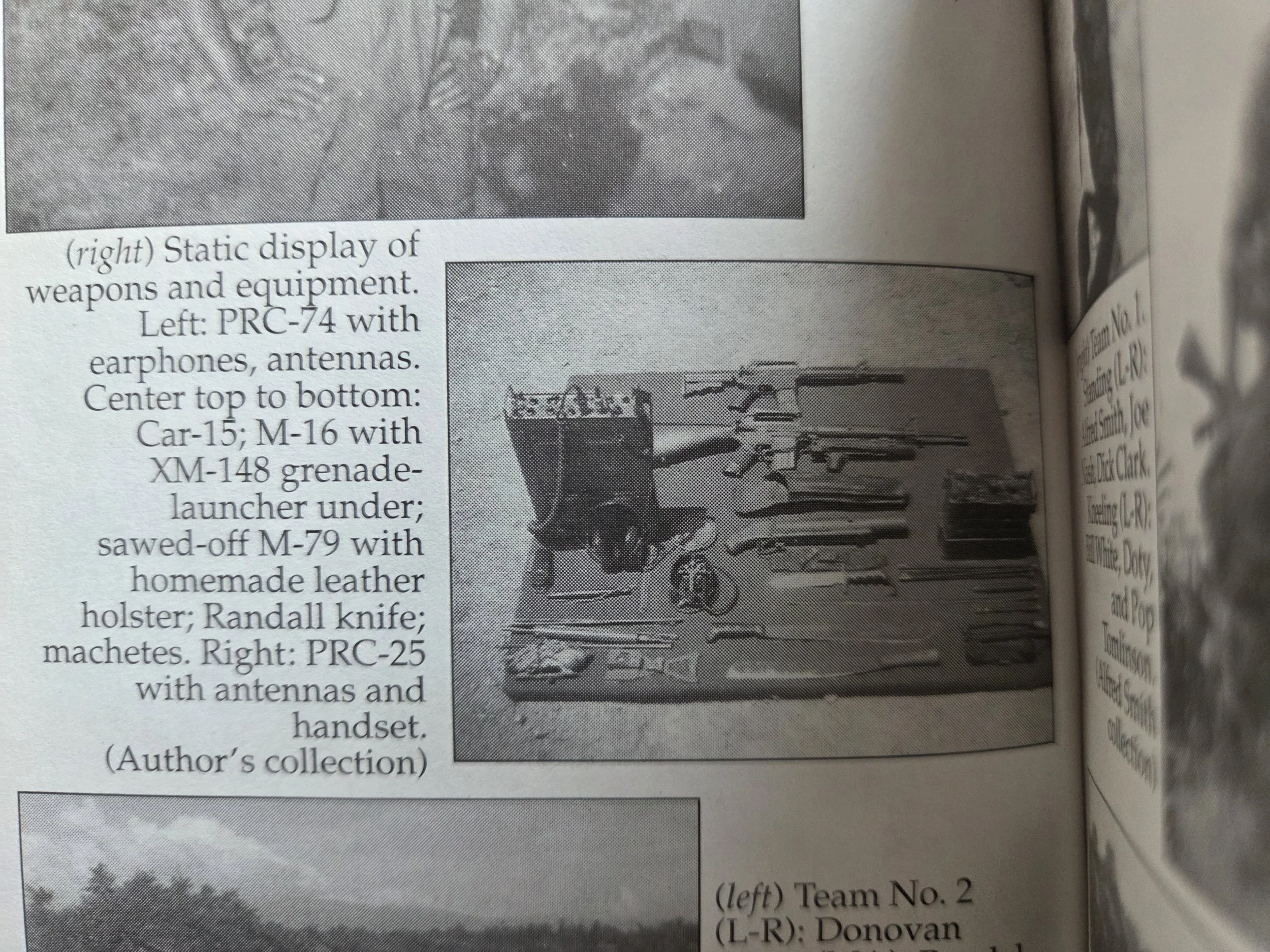
I absolutely love the end of the first book and how he goes into the details of the gear used by LRRPs. He explains the burdens of the weight carried on operations throughout the book, but you get to see each weapon articulated and explained as to what it is for and its origin or how it is carried. You also get an Appendix section detailing the rules of Rogers Rangers, which are still relevant and form the basis for operations performed by light infantry today.
BOOK 2
Kenn Miller has been on SF podcasts and done interviews discussing his experiences. But in those interviews, he glossed over a lot of details. In this smaller book, his articulate style of writing does the reader a favor by painting a picture with words. It is not a wordy book with a hard vocabulary, but rather easy to read. His style is more conversational and likes to expand on things that need details. He articulates feelings and visual experiences exceptionally well, and it drew me into his literary style.
Kenn Miller has spent a lot of time in the book talking about different operations that happened, but not necessarily ones he participated in. He attacks these stories in the third person like a professor. The way he explains the actions of the individuals on the team is simple but relatable. Despite working off the interviews from surviving team members, he does a good job describing the situation and intensity of the mission on the ground in a way you can play out the events of the book like a scene in a movie.
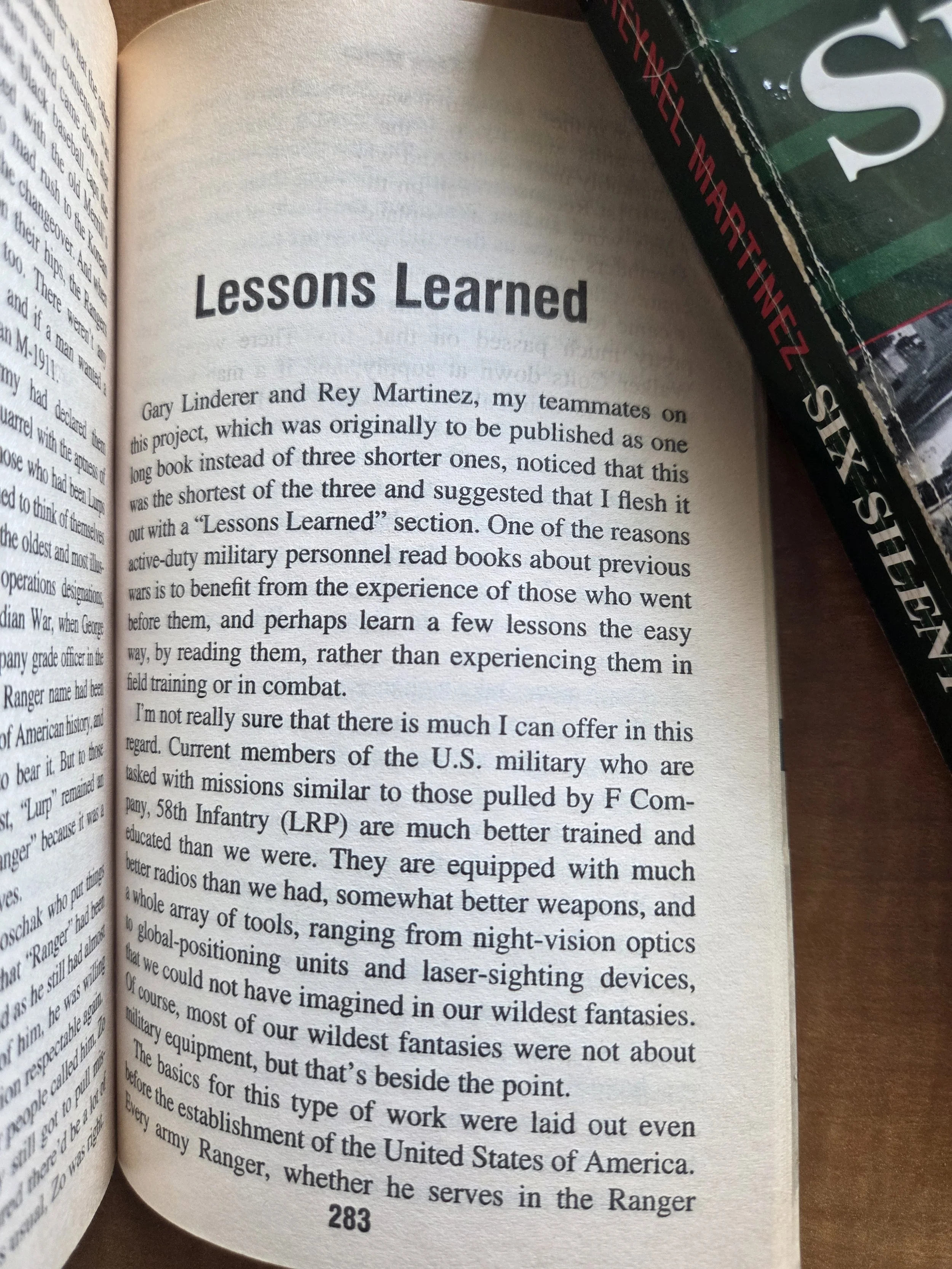
At the end of the book, Kenn provides a list of lessons learned and links his experience about Rogers Rules of Ranging and how they were applied in Vietnam as a LRRP. To tactical nerds like myself, I am all about looking at lessons learned, so this was pure intellectual porn for me.
BOOK 3
The third book was authored by the experienced Gary Linderer, who is no stranger to authoring books on his time in the LRRPs. Gary writes in the first person by discussing his experiences and feelings at the time. He has relatively short chapters that give you an idea of each mission or significant event. His short chapters are refreshing for the readers who do not like marathon reading, but frustrating when you crave nauseating detail. At times, as I was reading the thick book, I felt like he wrapped up the mission with a simple point that the team was extracted and that is it. I understand that most of the book is relying on his memories, but the buildup and momentum he started up through the chapter was immediately blocked off and dumped by abbreviated wrap-ups. Though he does often discuss the fate and future lives of the individuals involved in the operation. Some were able to recover and return home, some died, and some were never seen again. Hardly anyone returned after getting shot or severe wounds.
At the end of the book, a list of casualties is printed, and it is nauseating to think that this many men were killed in such a short time. If this kind of attrition happened today, our armed forces would not be capable of sustaining their numbers through volunteers alone. I appreciate that he also added in the section that discusses where the men in the book are now (the time of the book publishing in 1997). Unfortunately, due to this book being 30 years old, many of these men are no longer with us. Their stories and memories can only live on through the stories they shared, though as a veteran of war, I understand that some things must go to the grave with those of us who witnessed war.
PICTURES PROVIDED
The first and third book of the series provide a set of personal pictures in the middle of the book for the reader. Though I do not like giving spoilers, I want to share with you each of these ones and why I connect and relate with them.
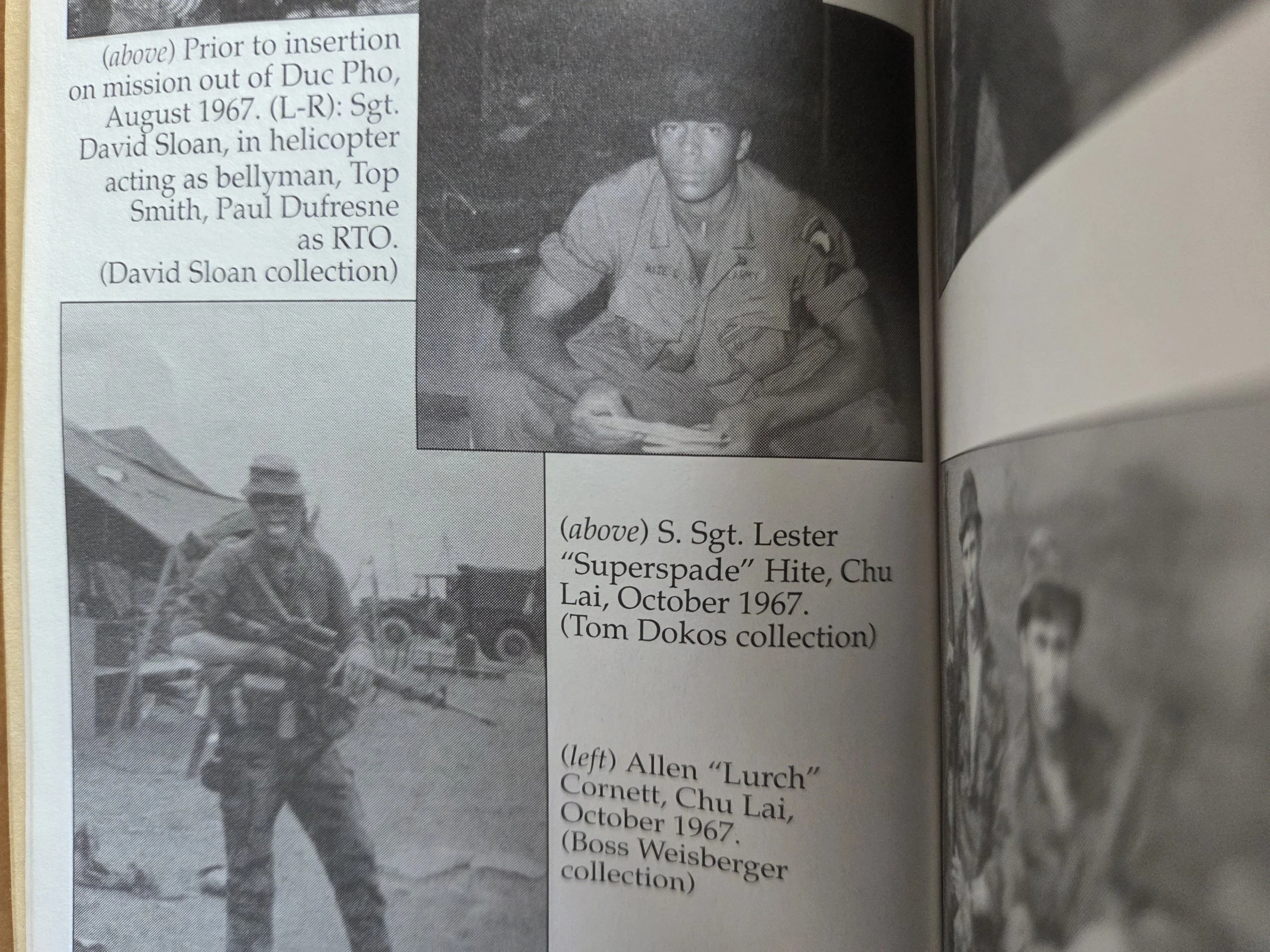
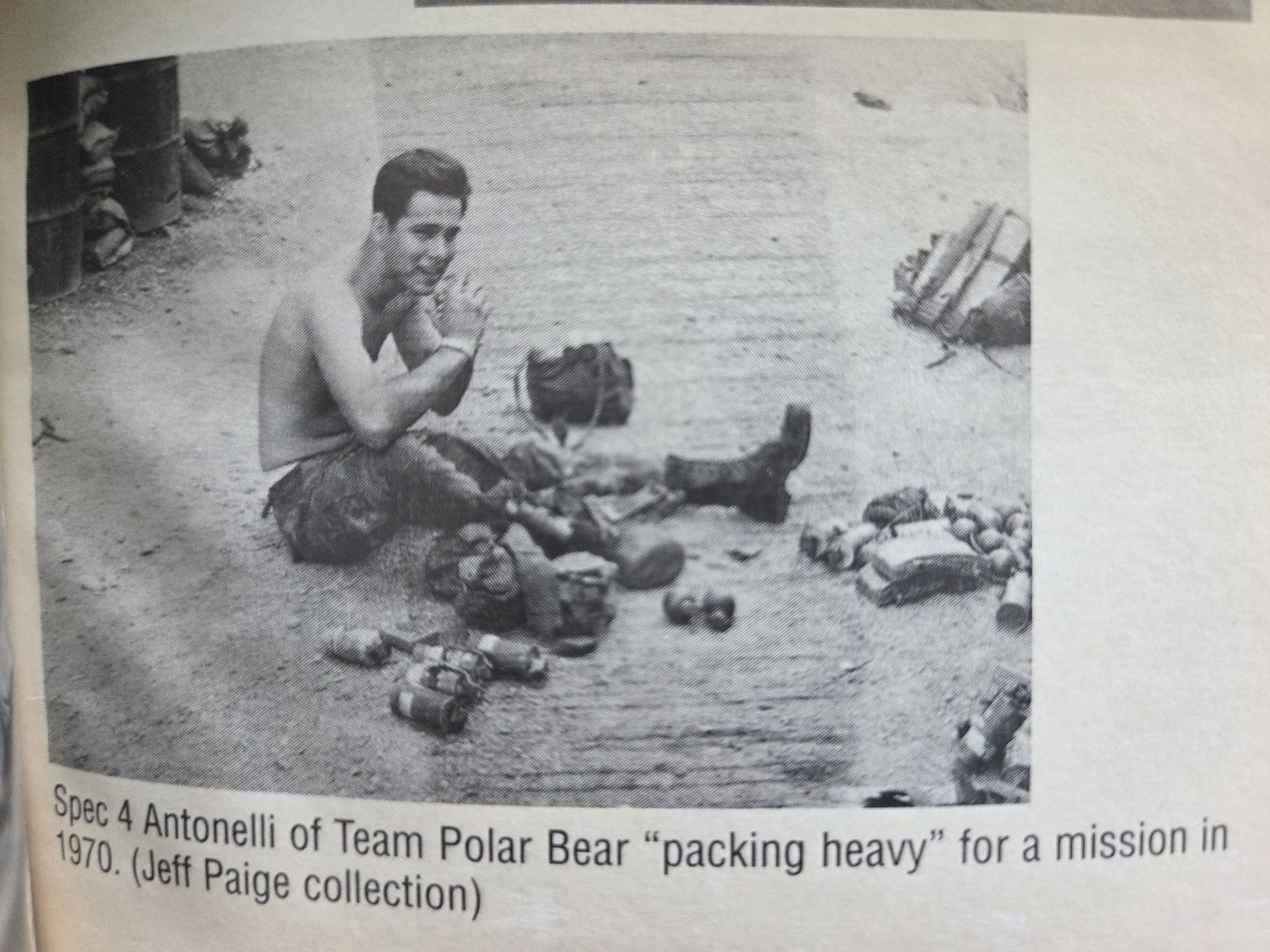
WHERE TO START
You do not have to start the series in order. They are each written in a way that some of the operations are covered twice or three times, but they are done from each mans perspective and understanding. Each experience gives a different amount of detail without being redundant.
You can find the series on Amazon, and often they will be in used condition from places like thrift stores or other private sellers with a lot of used books. These books are about 30 years old at this point, so they may have some age and be on the delicate side. For the more modern reader, the books are on Kindle for a lot less than getting the paperback versions like me. I am an old school low-tech reader, so I almost always get printed books to add to my library. To each, his own.
WRAPUP
The Six Silent Men series stands as one of the most honest and immersive looks at LRRP operations in Vietnam. Reynel Martinez gives the gritty first-person entry point, Kenn Miller delivers clear-eyed tactical lessons and third-person battle analysis, and Gary Linderer closes the trilogy with short, memorable mission snapshots and a sobering casualty list that drives home the human cost.
Whether you read them in order or jump around (each book overlaps missions from different viewpoints without feeling redundant), the series leaves you with a visceral understanding of what these young warriors carried—literally and emotionally—through the jungle and back to a divided country. The gear appendices, Rogers’ Rangers principles, and post-war updates on the men involved make these books more than war stories; they are living tactical and historical lessons.
Nearly thirty years after publication, the pages may be yellowing, but the accounts remain timeless. If you are a military history reader, tactical student, or simply someone who wants to understand the real price paid by recon teams, grab the series on Amazon or Kindle. Their stories deserve to be remembered exactly as these LRRPs told them.