IS .40 CALIBER A GOOD COMBAT CALIBER?
When .40 caliber first came out, it was the coolest thing since sliced bread. It was powerful, offered a new type of effectiveness on a human threat that could not be matched well by other calibers, and Law Enforcement was jumping to it all over the place. Lately, people have started abandoning the caliber in favor of the 9mm for perceived improvements in bullet performance and technology. However, I believe the .40 caliber still has merit in a combat application.
WEIGHT
It is no secret that the .40 S&W is a heavier bullet when compared to the 9mm. The popular choice for most agencies that use the .40 is 180 grain. That is 30% heavier than the standard 124 grain loading for 9mm. Of course, 147 does exist, but not too many militaries or agencies are issuing it as a standard loading. The added weight of the individual bullets means more weight on your person, which many people would critique. To me, two extra magazines with 15 rounds of 180 grain .40 S&W is only about 1/10 of a pound more than if I was carrying two magazines with 124 grain 9mm. Not really enough of a difference to even matter in my opinion, but it is more for those who like to argue over numbers instead of experience.
CAPACITY
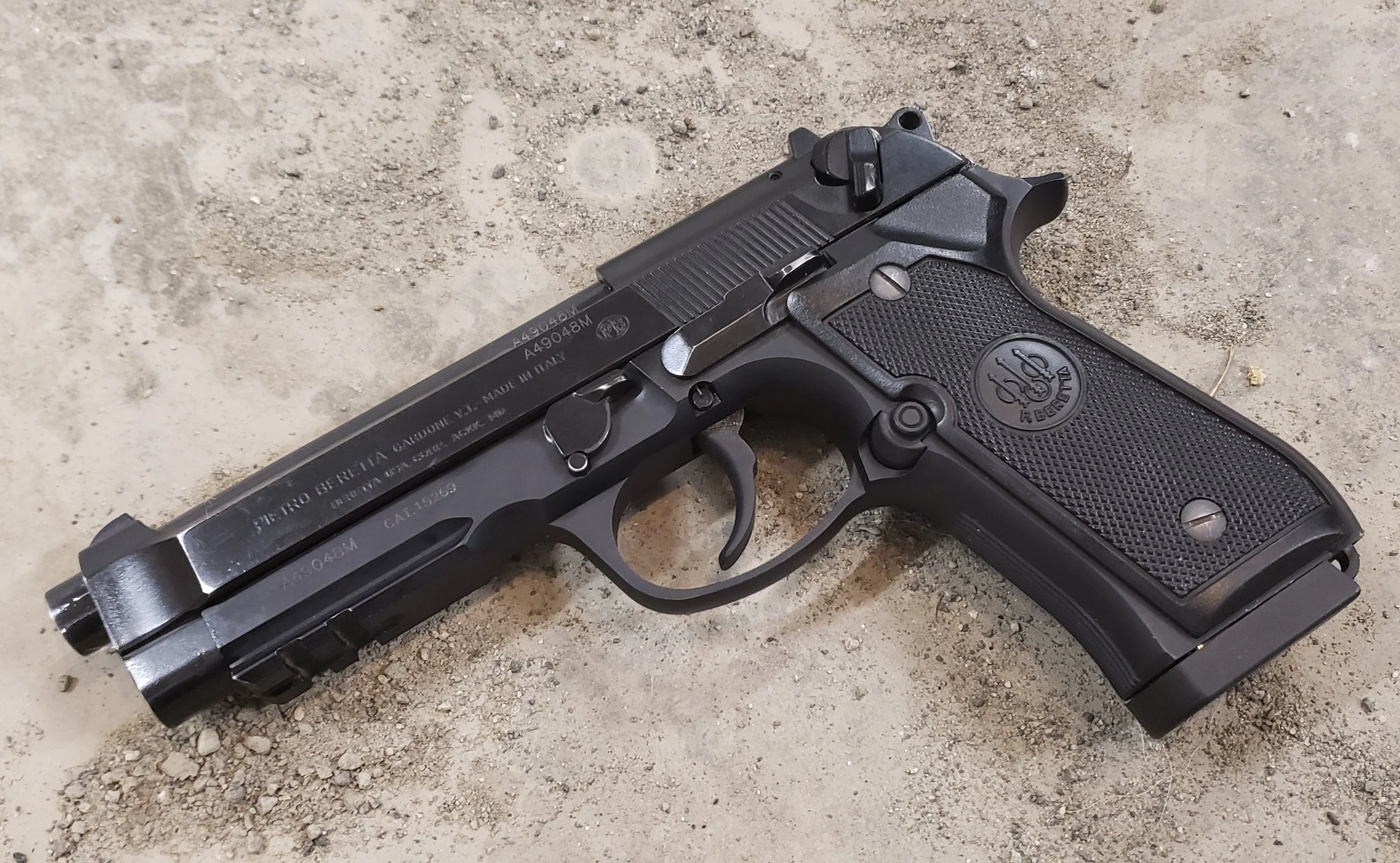
It is no secret that most .40 caliber pistols out there are not going to have the same capacity as a 9mm. DUH! It is a bigger diameter and it is trying to fit in the same size magazine and platform as the 9mm. But if you look at it, there is really only a difference of 2 or 3 rounds in the magazine. Some oddities would be my Beretta 96A1 that has 11 round magazines for .40 S&W versus the 15 round magazines for 9mm.
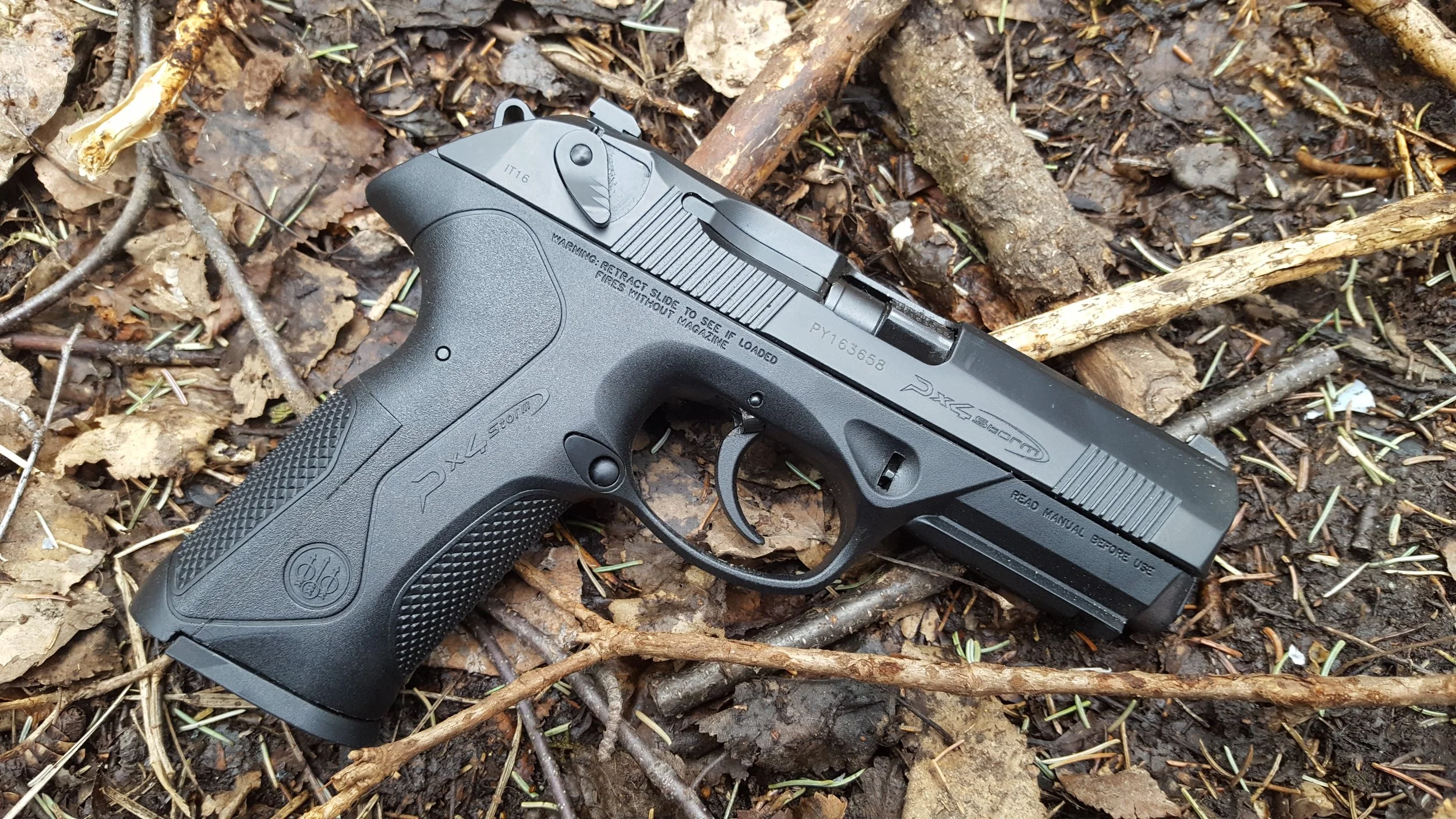
Even with the PX4 Storm, it holds 14 rounds of .40 S&W while the same magazine can hold 17 rounds of 9mm.
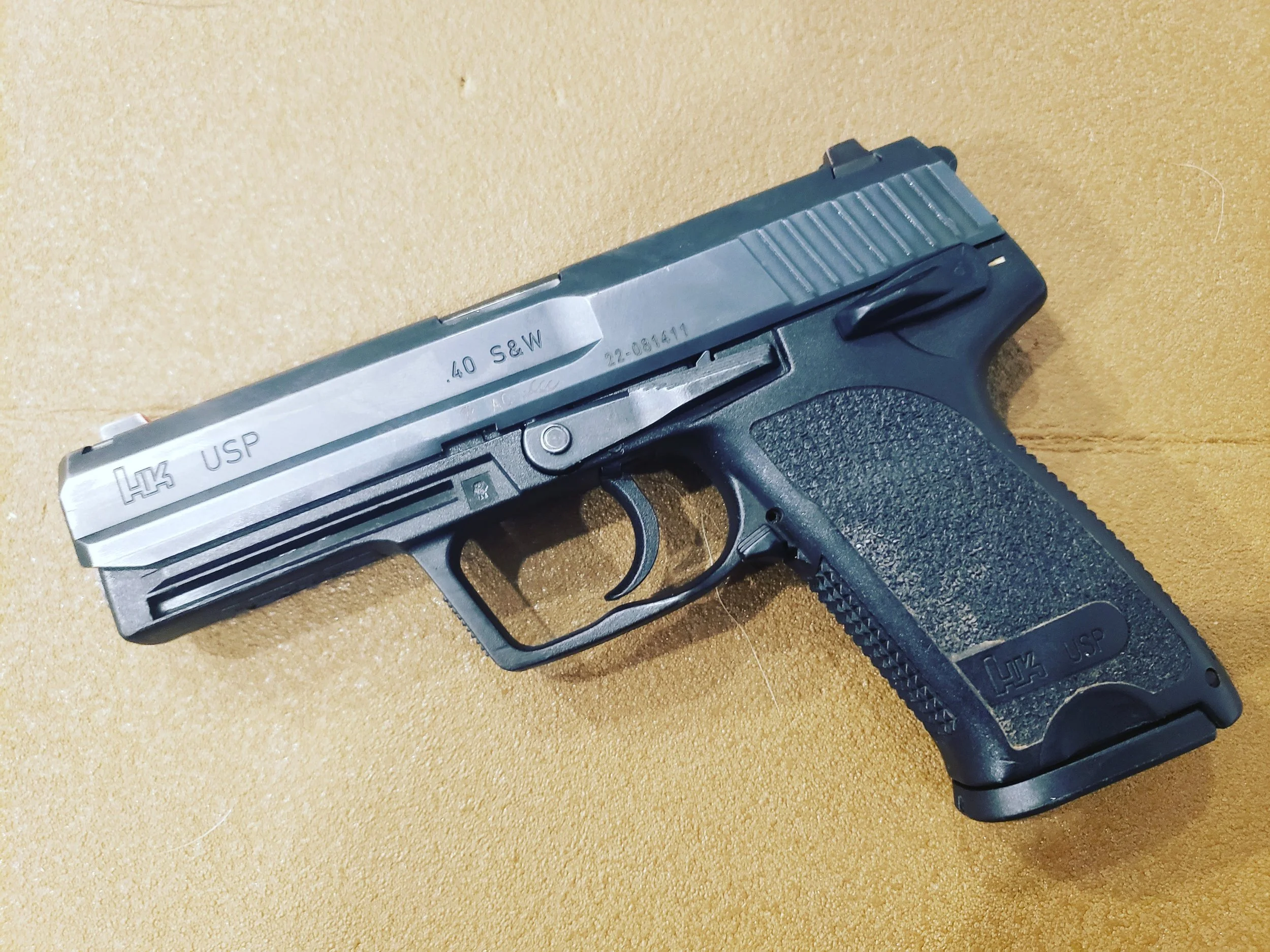
But with pistols like the USP40, I am actually able to get 14 rounds in the magazine, which is only one round less than the 9mm. Even with the H&K P2000, there is only a one round difference in magazine capacity for the two calibers.
I guess the big question is whether capacity is really the biggest issue ever in combat. Well, in my experience, there are two different types of situations that you can run into that will dictate how many rounds will be needed in a firefight, particularly in a pistol. First principle to remember is that range will be the ultimate factor. More range equals more time to deliver decisive shots. The closer you are, the less time you have on your side. But this also requires discipline and experience, which is not a common virtue, even in the military. Even I am guilty of often sending a few extra "FUCK YOU" rounds towards my target out of anger. But no, in my opinion and experience, two or three extra rounds are not going to rob you of your life. The .40 S&W in most pistols will have enough capacity to serve its purpose. Many people will want those extra rounds in the magazine as a "feel good" measure, but that doesn't mean it is practical.
DURABILITY OF THE PISTOL
One of the biggest issues people have with the .40 S&W cartridge is that it is quite hard on pistols. This is true. For the most part, pistols have a hard time withstanding the pressures delivered by this cartridge. However, certain pistols are made AROUND the .40 S&W with the understanding of this cartridge’s pressures. Pistols like the H&K USP and the Sig P229 were made specifically to handle the .40 S&W. Personally, I think that pistols chambered in .40 S&W have a long enough service life to withstand plenty of training and combat. I think it is overblown that pistols chambered in .40 S&W require regular maintenance. If you really want to get technical about the pressures, the .40 S&W pressures are actually on par with the 9mm NATO. However, chamber pressure does not equal slide velocity. With that said, there are still a good amount of .40 caliber pistols that will hold up well to regular usage as a service pistol in .40 S&W.
RECOIL/SHOOTABILITY
It is often reported by shooters that the .40 S&W is snapping and the recoil is just "TOO MUCH" for them to be able to get accurate hits of "FAST" follow up shots. I have been shooting a lot of different calibers and I can tell you that you do get a bit more felt recoil in the .40 S&W cartridge, but it depends on the pistol you are shooting. I would argue that the PX4 Storm and the H&K USP tame the .40 S&W to the point that it is no more on recoil than 9mm NATO ammo. Even with those pistols that are not specifically designed to handle the .40 S&W, you will notice that the pistol goes back on target fast and that what you are getting is merely a little more vibration. Shooting the .40 S&W in a full size firearm is not going to require you to be objectively more involved in the control of that pistol.
I have known several females, including my wife, who have found the .40 S&W to be just as controllable and manageable as the 9mm, although they do notice a higher level of vibration and recoil transferred back into their hands during shooting. With a minor amount of focused training, these women were capable of handling the .40 S&W and even the .45 ACP calibers with relative ease and confidence. I will say, however, that having additional strength can always be beneficial when it comes to the more technical aspects of shooting. If you properly apply your strength and technique, you can help prevent or significantly mitigate muzzle flip, and potentially assist in a faster and more efficient cycling of the firearm’s action.
TERMINAL BALLISTICS
It is no secret that the .40 S&W was born because of the failure of the 9mm. Realistically, it was made to basically deliver 10mm performance out of a 9mm sized pistol. But the point was that this bullet was supposed to deliver better terminal and barrier performance. This was one of the biggest reasons for people following the FBI in adopting the .40 S&W. Even today, with all the bullet technology advances, the .40 S&W does a better job in barrier and terminal performance.
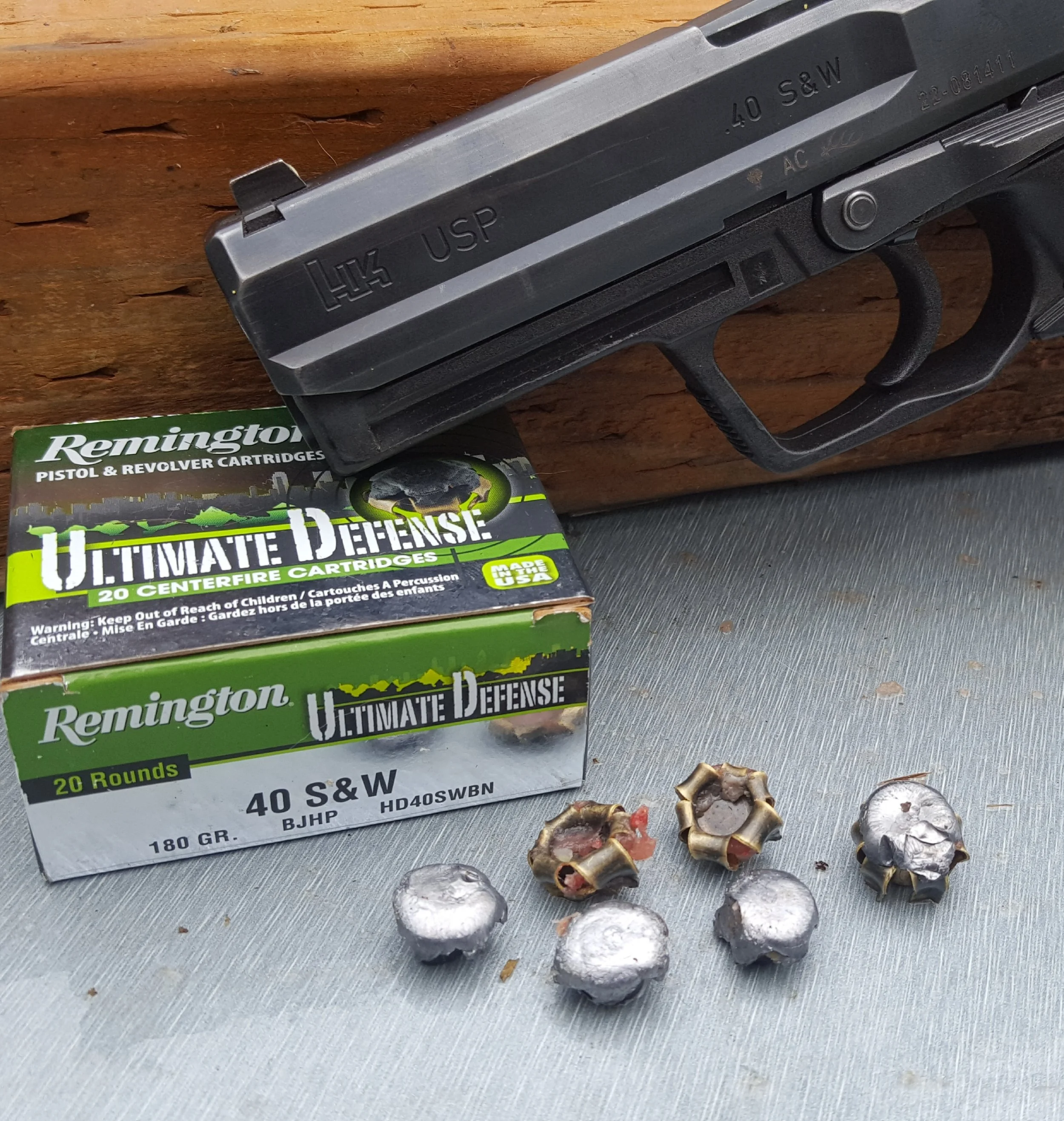
On my YouTube channel, I tested a good amount of 9mm and .40 S&W hollow point loads, and one of them was the Winchester 180 grain JHP. It comes in a white box and is considered a very basic and "CHEAP" hollow point.
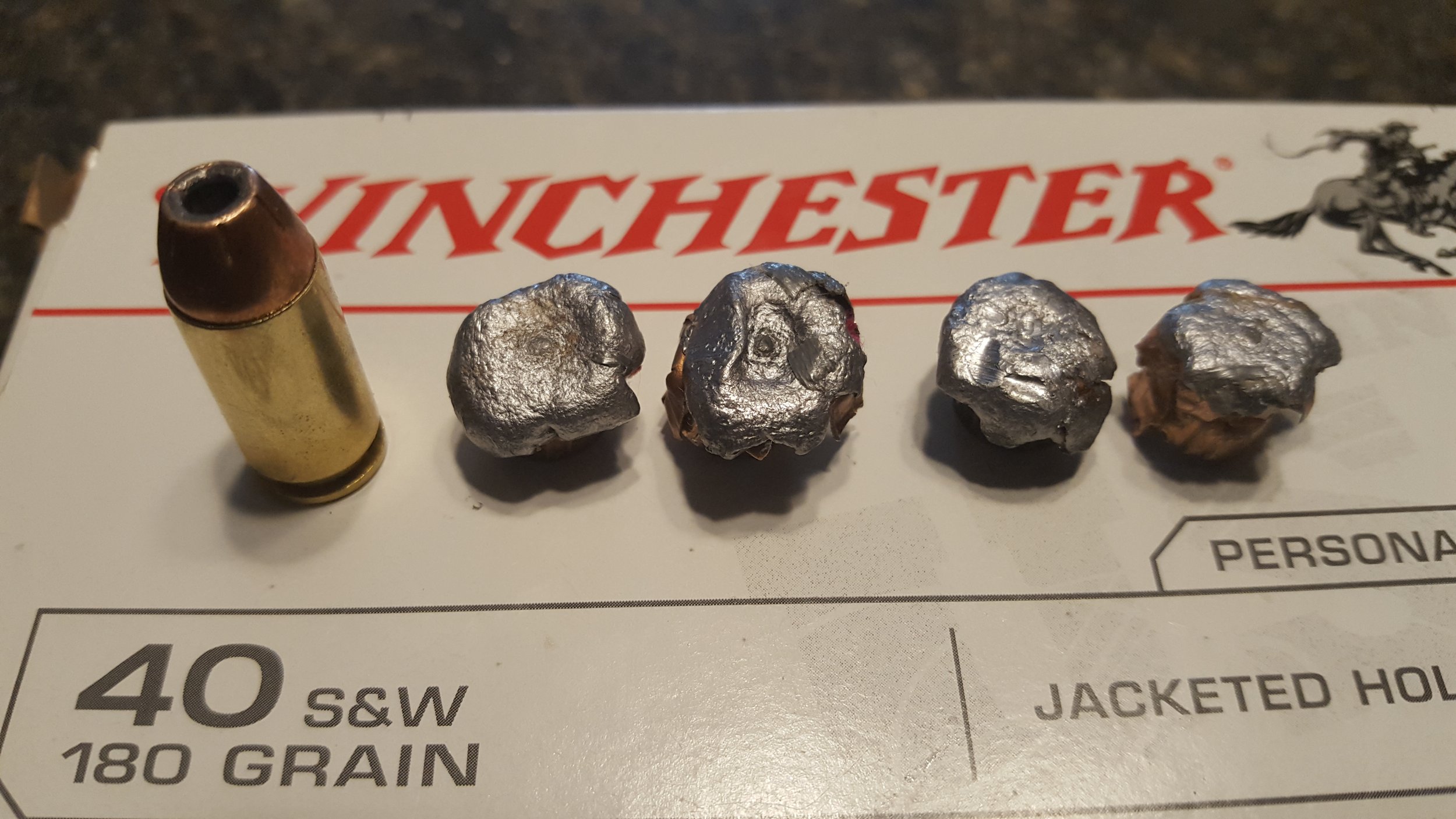
I did some digging on the Winchester Law Enforcement website and I found that the .40 S&W is the only basic JHP design that actually meets and exceeds the FBI standards for terminal ballistics. It is not by much, but I found it interesting that it exceeded the standards, even through barriers compared to all the other calibers. As a combat caliber, I think it is pretty awesome that the .40 S&W, without any fancy upgrades, is able to perform well, even thru auto glass. This means that relatively any .40 S&W hollow point that you can find at the store will probably perform well through many different barriers due to its weight, size, and velocity. This would make it easy to stockpile ammunition for combat.
COST
When it comes to cost, the .40 S&W is definitely going to cost a little more than 9mm. It is just the way it is, but I think that the difference is not too much if bought in bulk. If the military were to invest in the .40 S&W, they would not be too happy when the cost per round is a penny or two higher. The military likes to cherry-pick where they put their millions, and good ammunition and weapons is not a high priority for them, but buying guns that cannot be trusted not to go off uncommanded or buying weapons that are ridiculous and unpractical seems to be acceptable.
As someone in a militia or someone prepping for their combat wet dream, I think the benefits of the bullet outweigh the cost. You can get most of your practice in dry fire, and maintaining proficiency does not require tens of thousands of rounds on the range. I would argue that you could develop yourself to be a proficient pistol shooter with deliberate dry practice and about 2,000 rounds of live fire. Realistically, most of the skill development and maintenance is in dry fire practice, but live fire is needed for the verification that your dry fire training is doing it’s job.
WRAPUP
I realize I may have sounded a bit like a used car salesman pushing the .40 S&W, but my intention was simply to approach the topic from a realistic perspective. If you don’t believe it’s a suitable round for combat situations, that’s your prerogative. From my point of view, it remains a solid choice for those who are experienced and skilled shooters, particularly individuals who want the ability to deliver more impactful shots when relying solely on a pistol for self-defense. At the end of the day, that’s what truly matters. If you find yourself using a pistol in a combat scenario, it means you’re already in a difficult and potentially dangerous position. With that reality in mind, it seems reasonable to want a pistol and caliber combination that can provide a tangible advantage in the fight. After all, that advantage might be the critical factor between living to share your own story or having it told by someone else.