TISAS 1911A1 REVIEW: 1,000 RDS THROUGH A BUDGET WWII 1911 CLONE
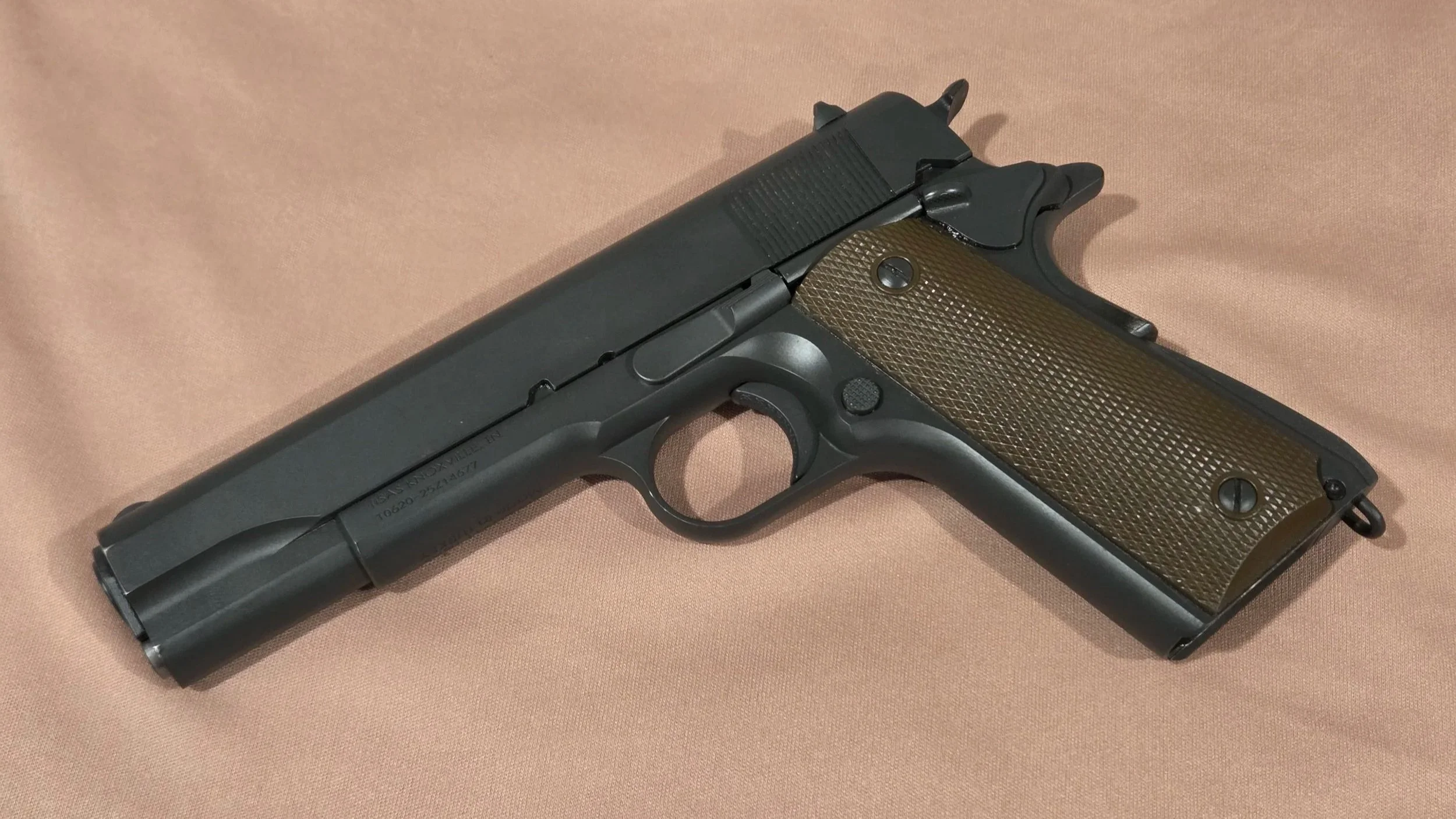
A 1911 is about as American as apple pie. So, when Turkey started cloning the storied and legendary M1911A1 for under $400, I was curious but skeptical. The Tisas 1911A1 is a very close interpretation of the 1911 that was issued to service members during and after WW2. Many people praise this pistol as being one of the most accurate and faithful recreations of the iconic pistol that served the US military.
Me putting 1000 rounds through a 1911 is nothing big in my own eyes, but there are a lot of people out there that would think that a full case of .45 ACP is cost-prohibitive. Fortunately, it is not prohibitive, especially when you shop around and find that you can get .45 ACP for much less than $400/case. With that said, this pistol was interesting to test and use. I learned a good amount about how to set up my 1911s to the tension and specifications I want. More on this later.
NOT A NEW PISTOL
This pistol is anything but new. I saw the first Tisas M1911A1 when I still lived in Alaska and really wanted to try out this cheaply priced 1911. I loved the craftsmanship, but I was weary of it having spring tension issues. Reviews were spotty and it took a few years before I decided I had the time and the inclination to get back into the 1911 game. Let’s just say that this pistol scratched an itch I had in the middle of 2025 when I really felt the inclination to return to my roots. I always wanted a WW2-style 1911 that I could carry, LARP with, and put an unnecessary amount of wear on the pistol.
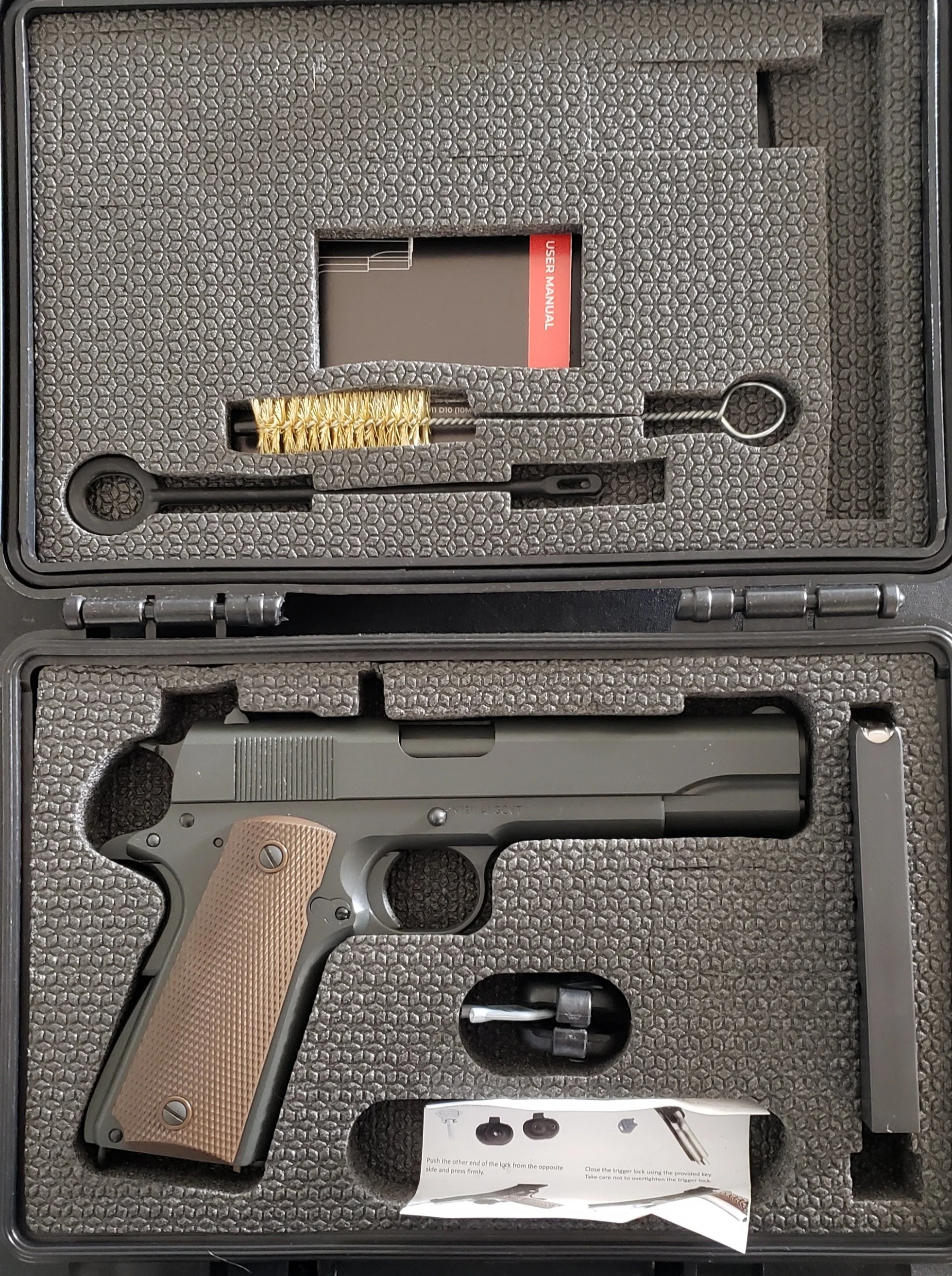
FIT AND FINISH
The Tisas 1911A1 has a gray Cerakote finish on nearly every part of the pistol. The Cerakote finish is one tough bugger. It is thick and it wears like a parkerized finish, even though it is just a Ceramic coating. This is a double-edged sword for me because I like wear on pistols. It gives the pistol character and makes it look like it is actually worked with, which is awesome. However, this also means that the pistol will resist wear and tear a lot better over time. The Cerakote finish on the barrel and barrel link had an interesting way of causing an unnecessary amount of friction, causing the pistol to jam in place (just out of battery). I found that after dousing the inside with BreakFree CLP, I never had those issues. I understand the merits of Cerakote, but sometimes things that are supposed to be slick, like Cerakote, tends to act like a set of brakes on the action.
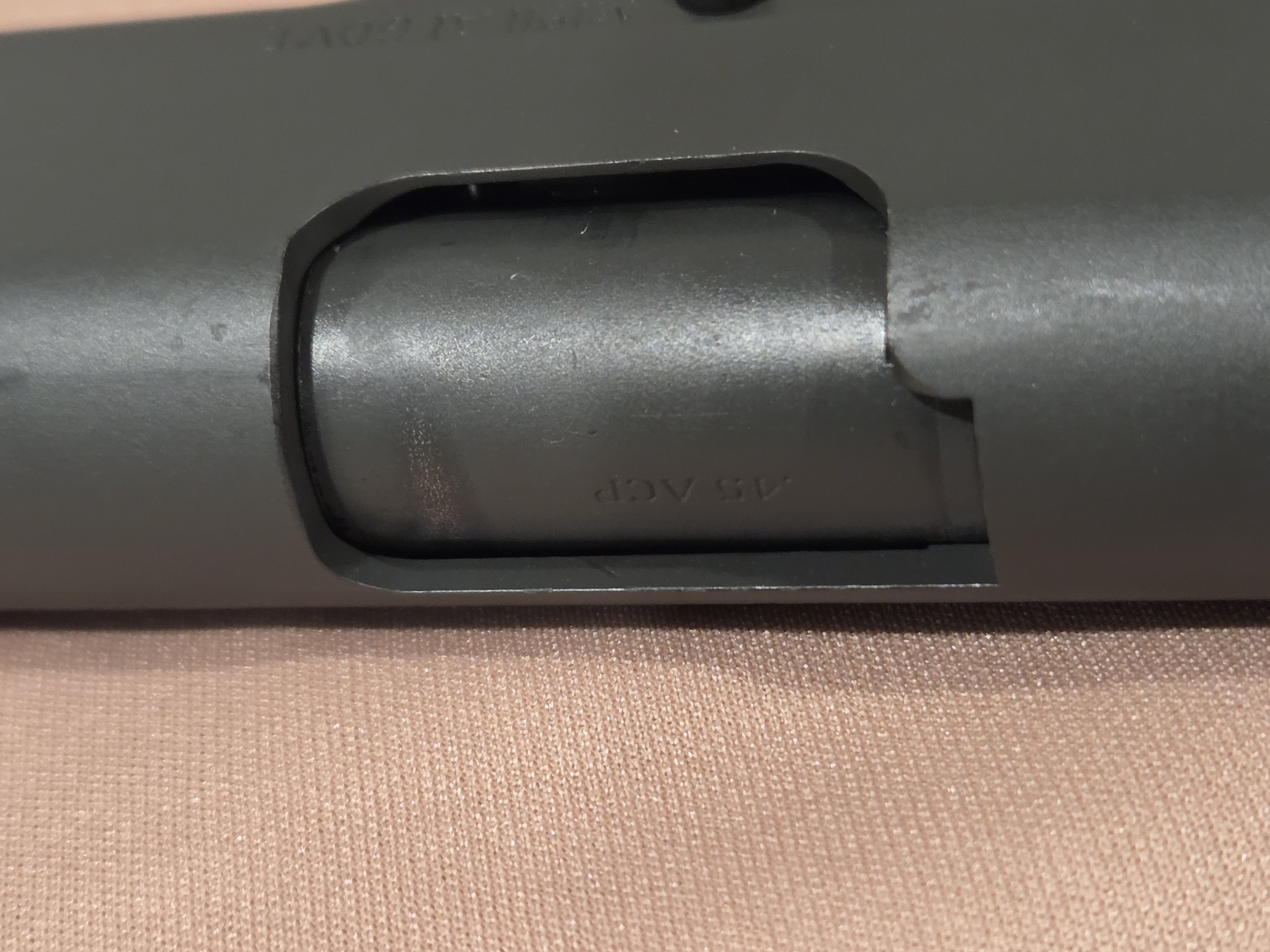
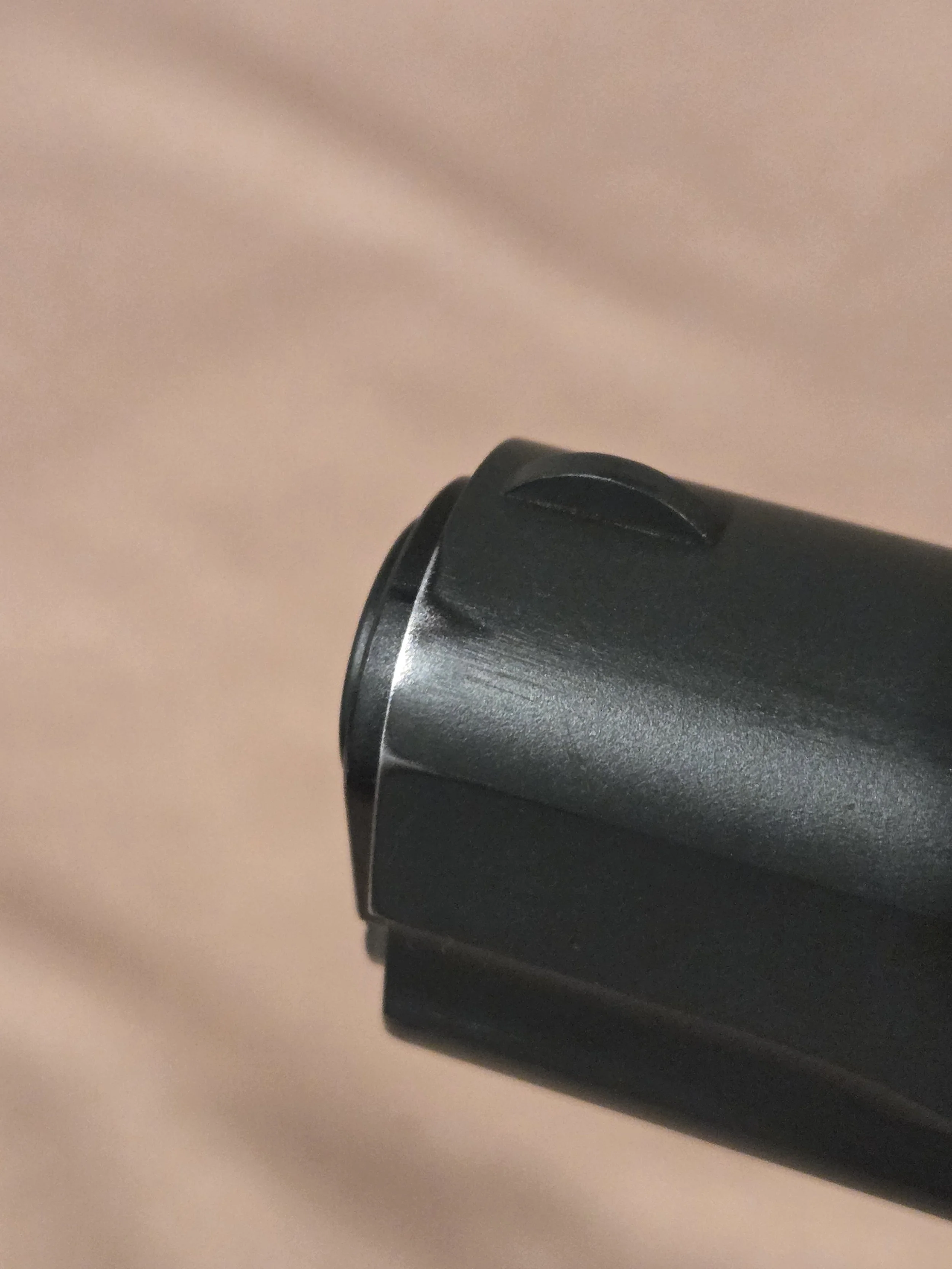
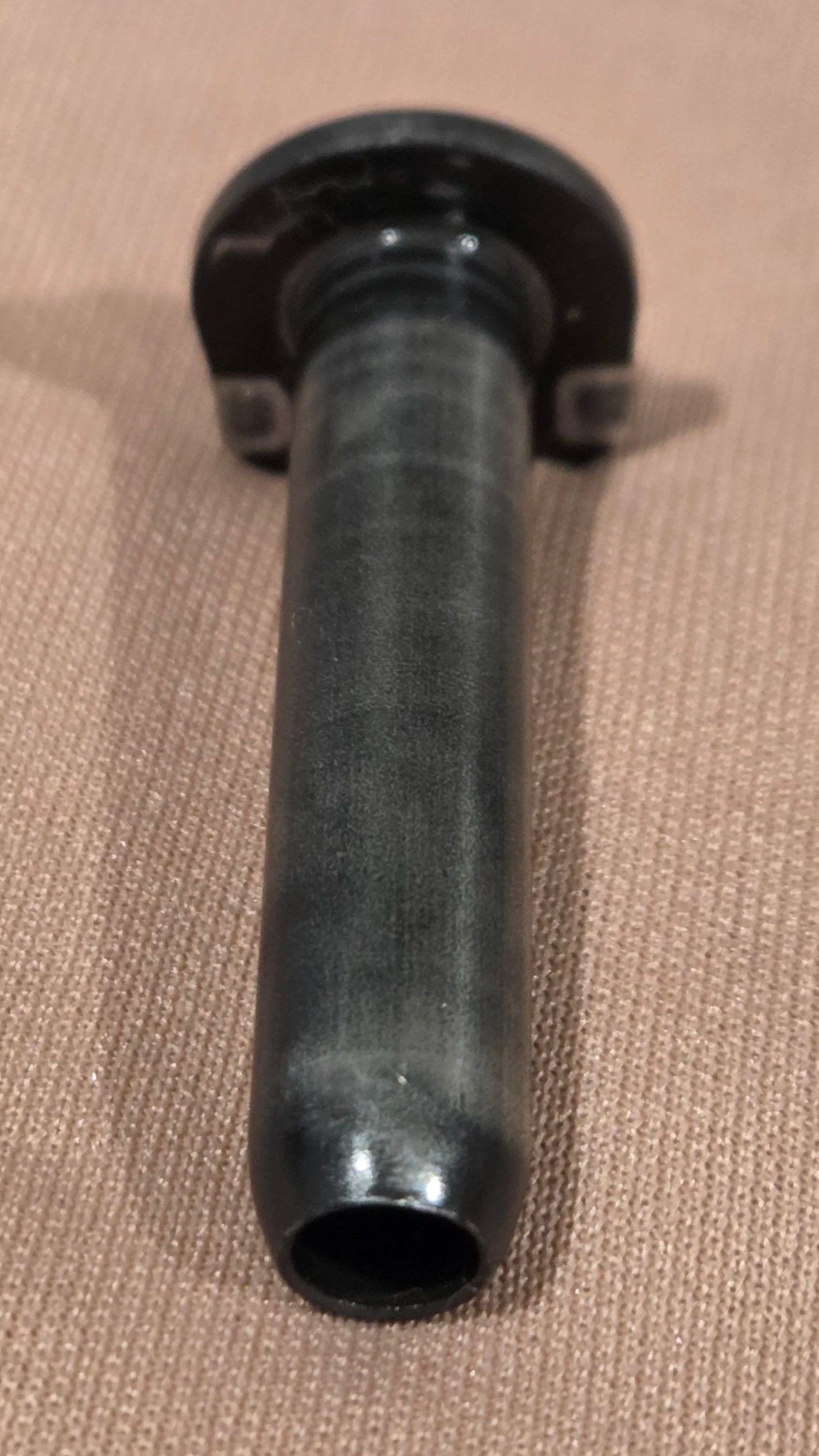
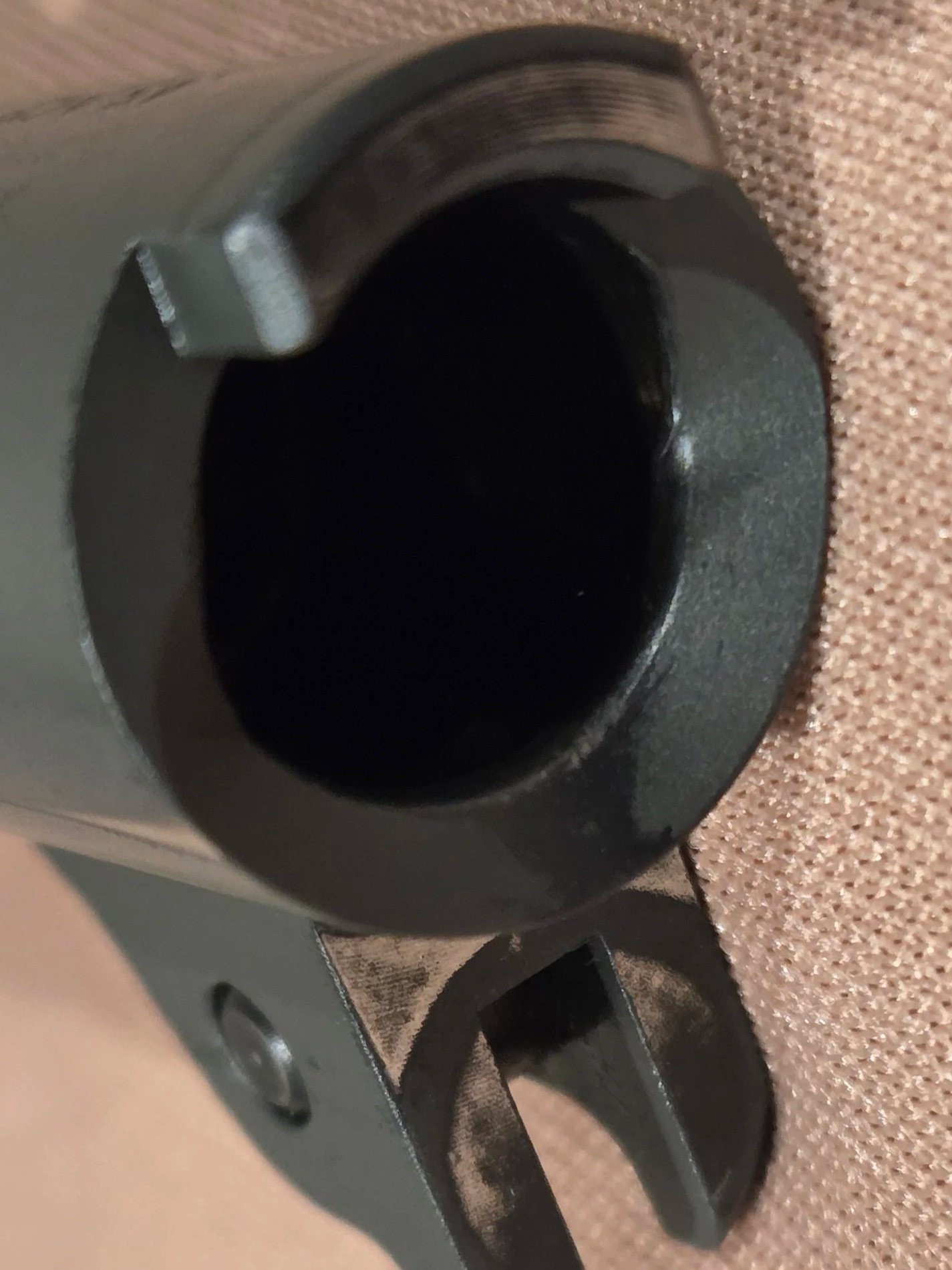
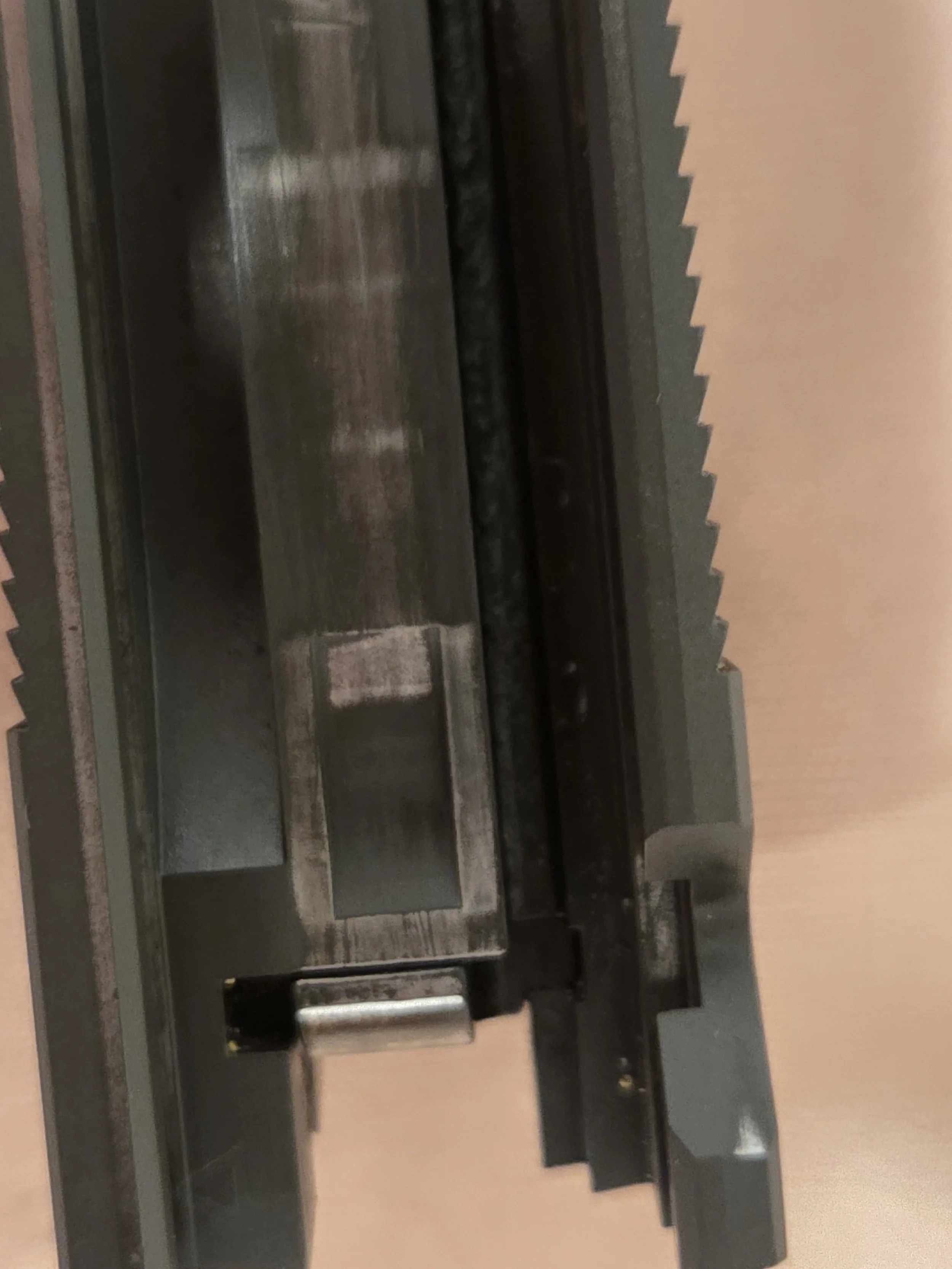
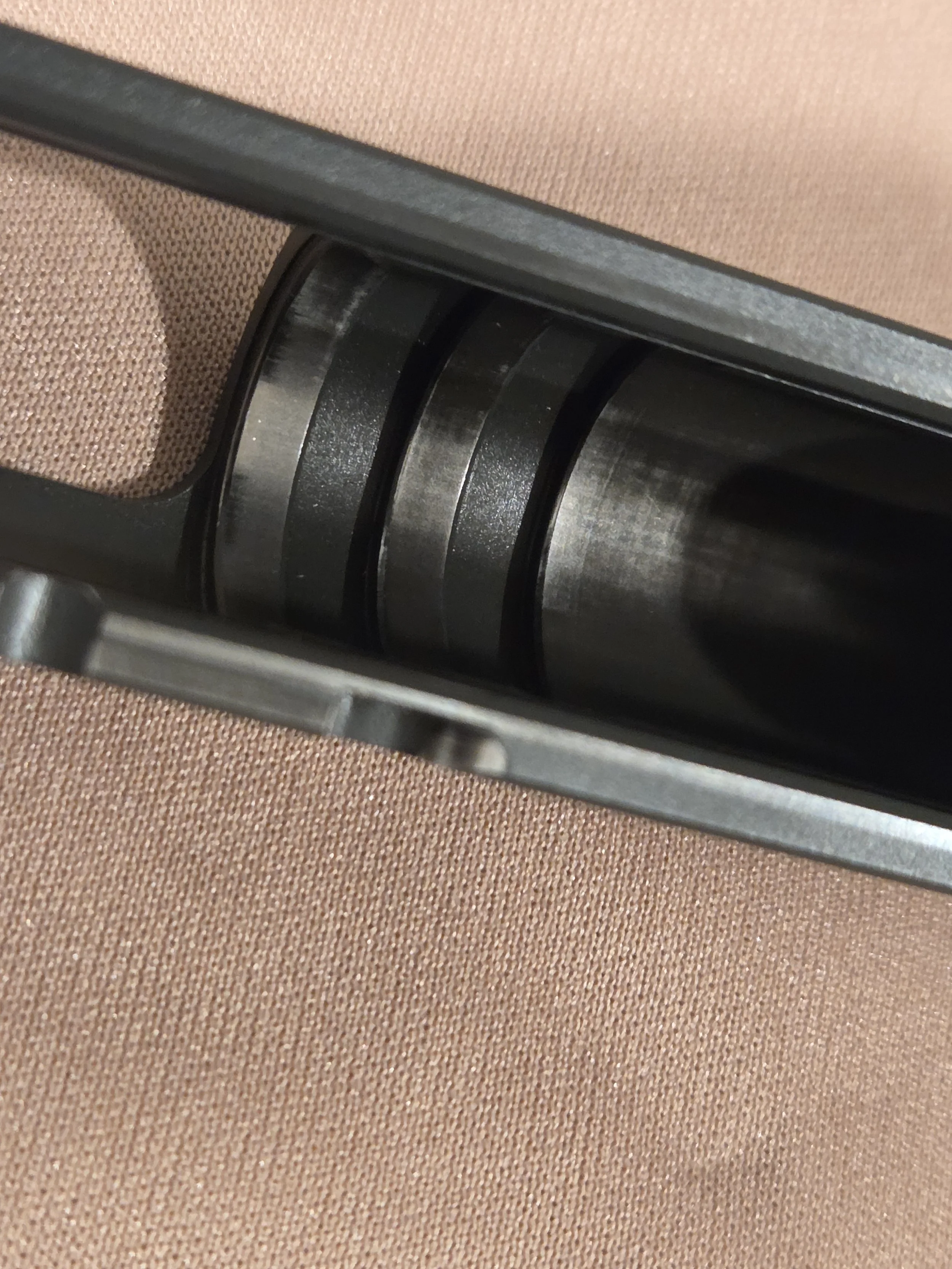
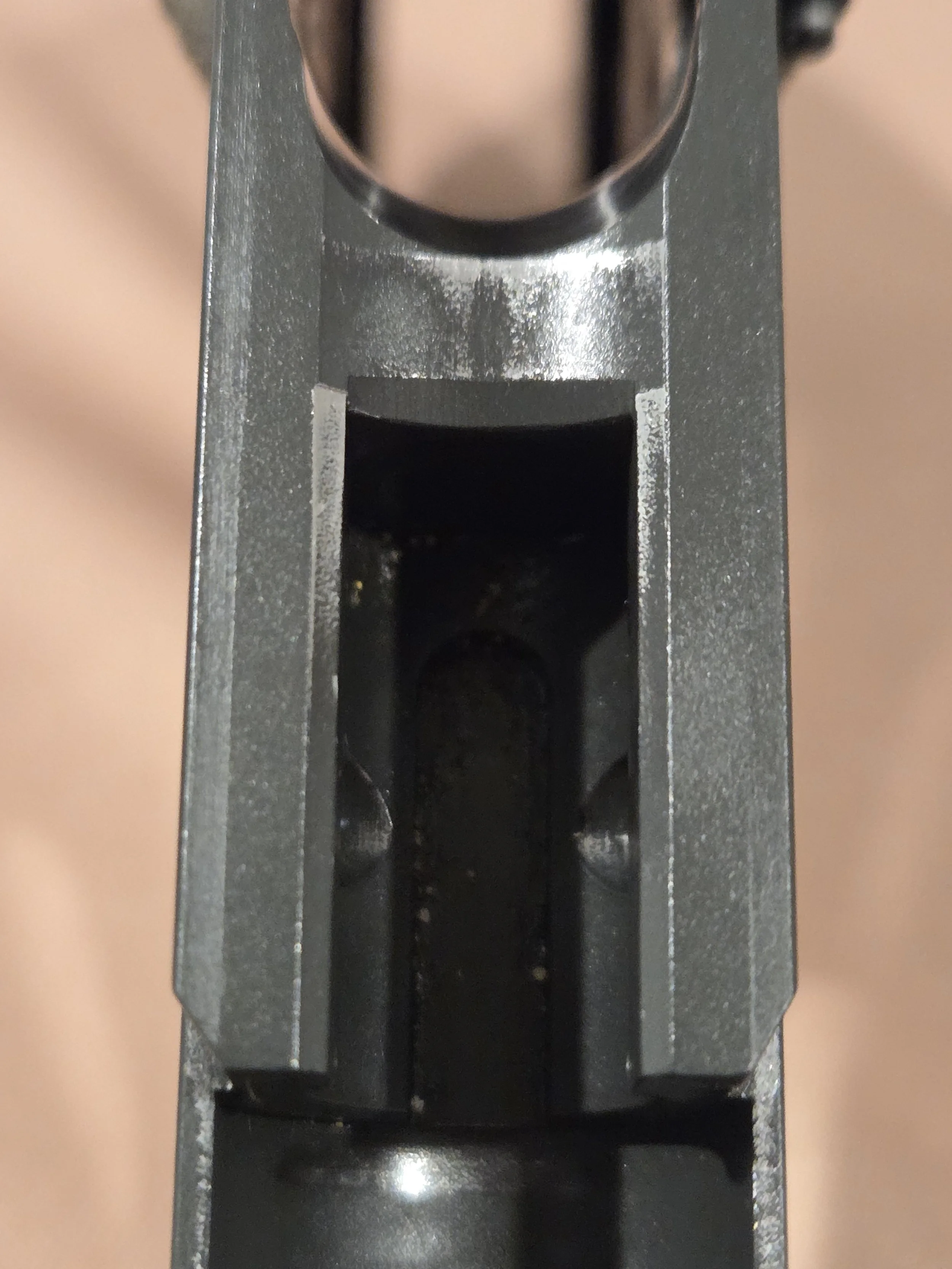
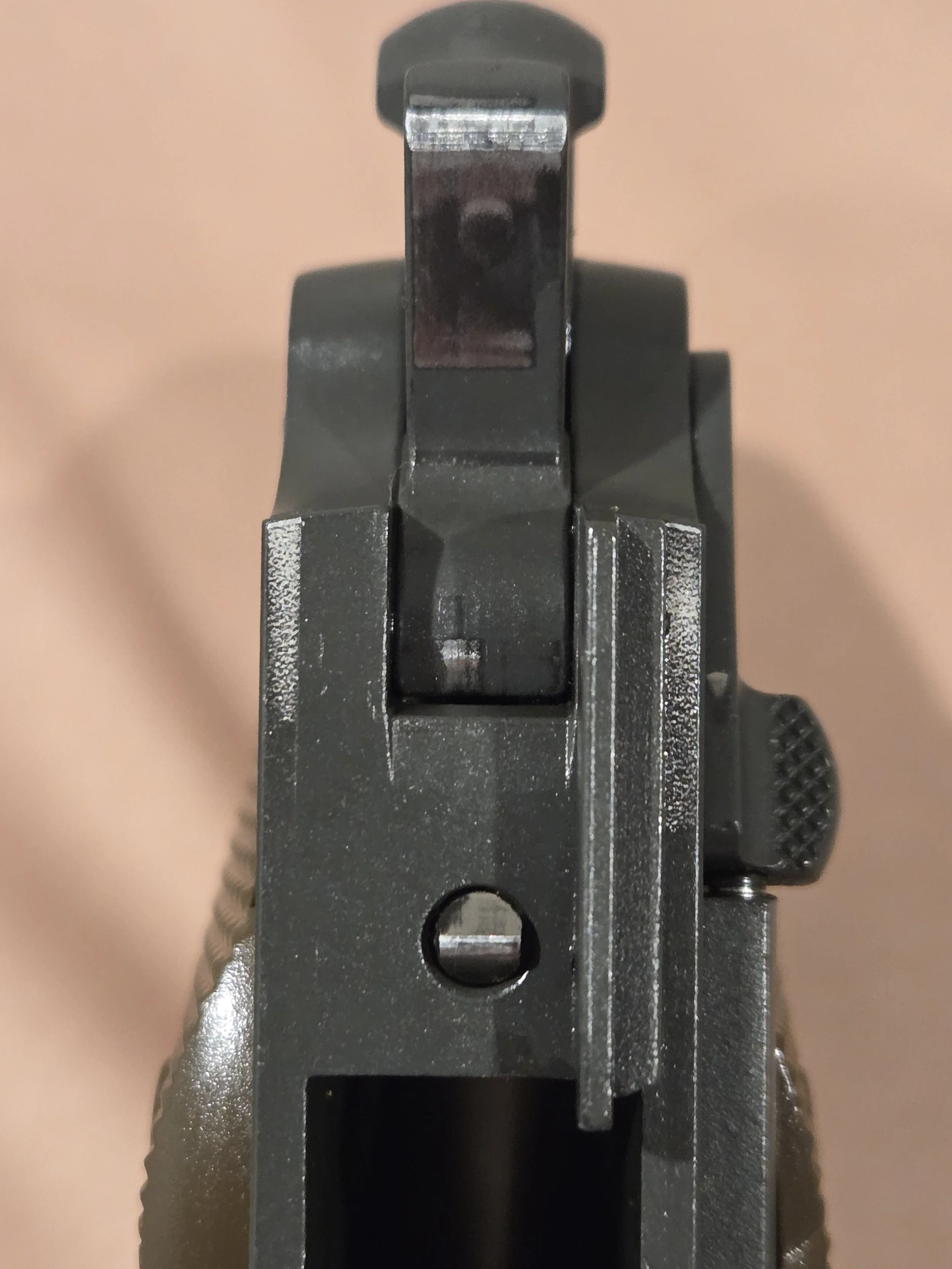
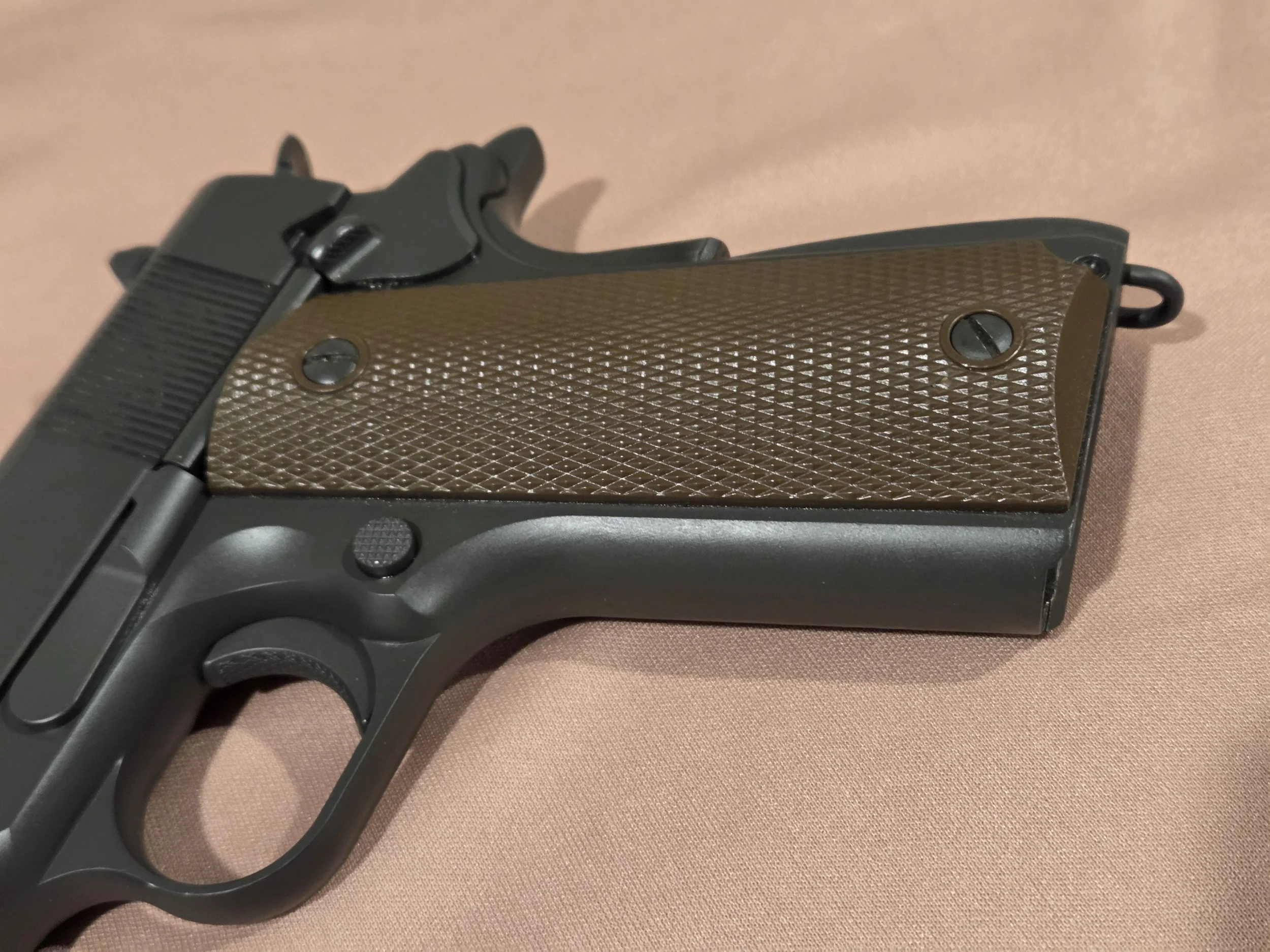
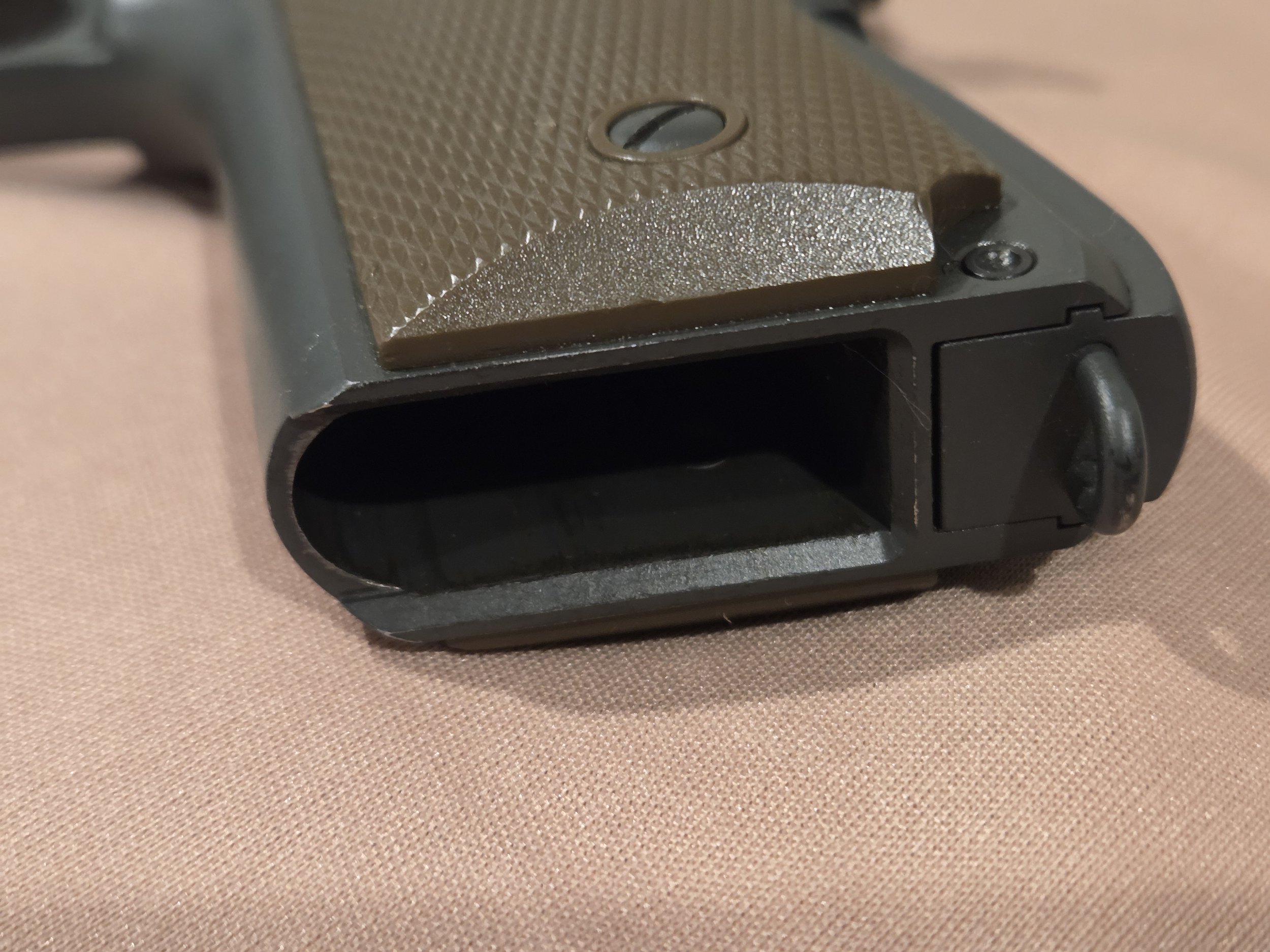
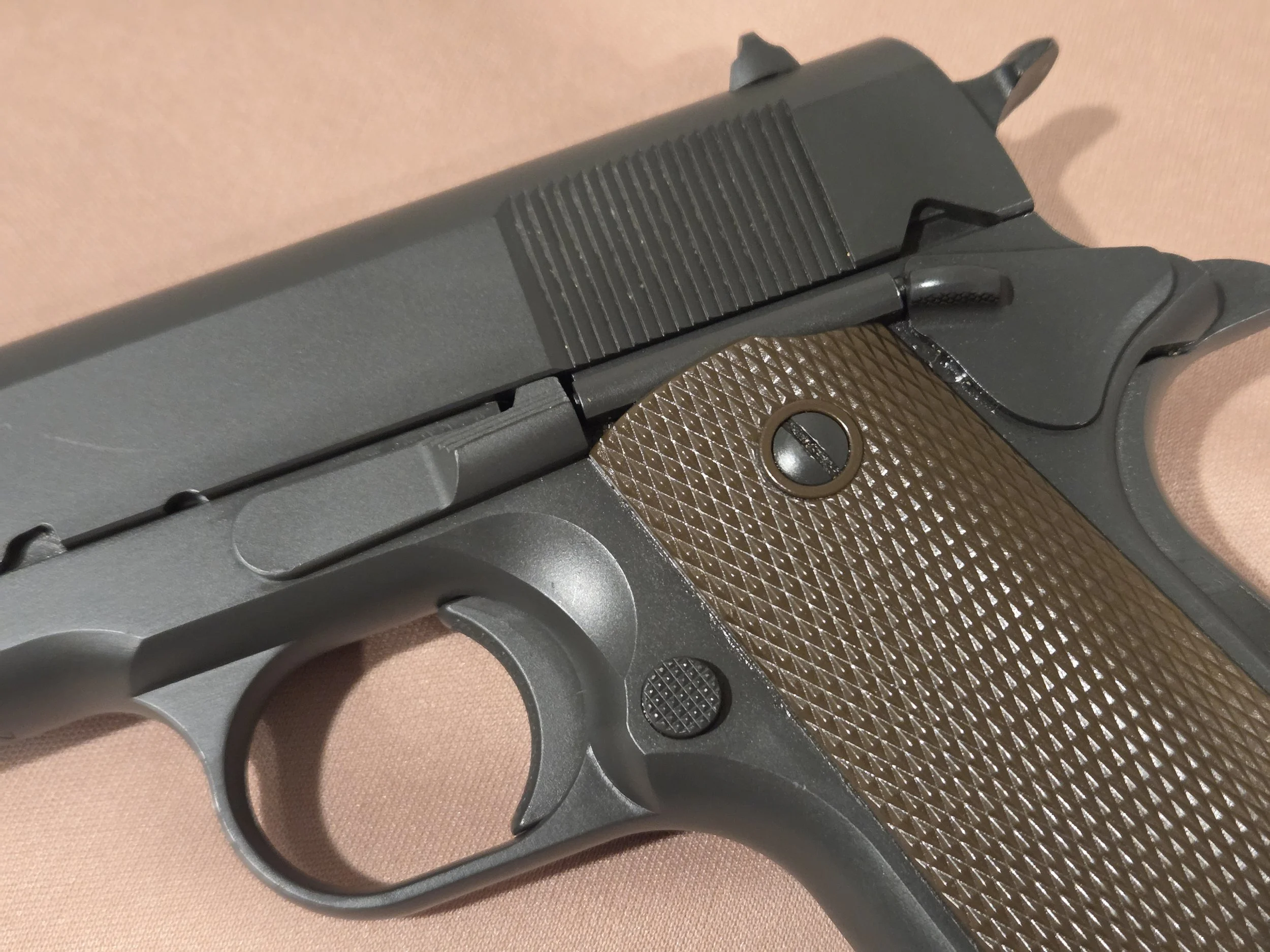
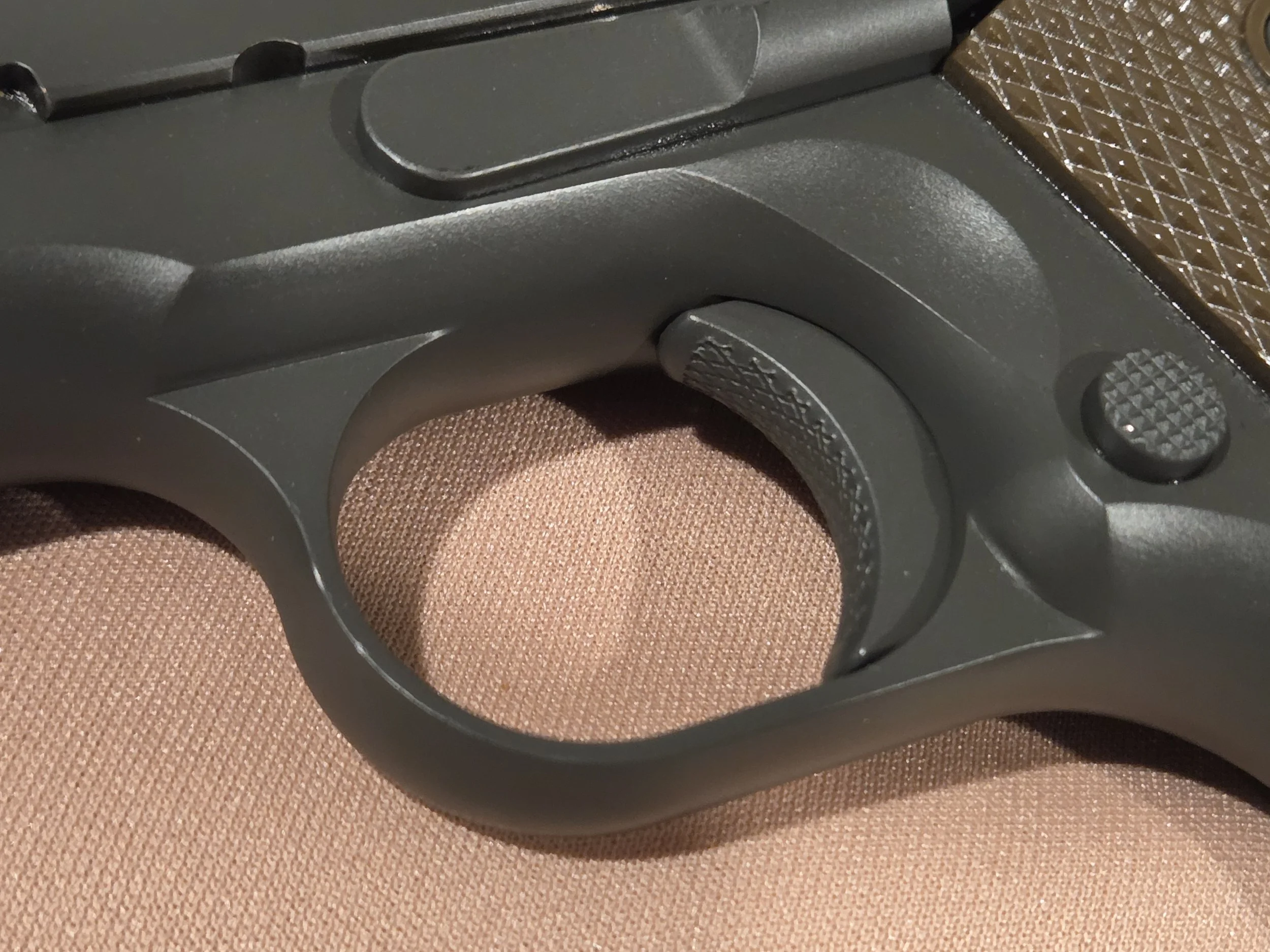
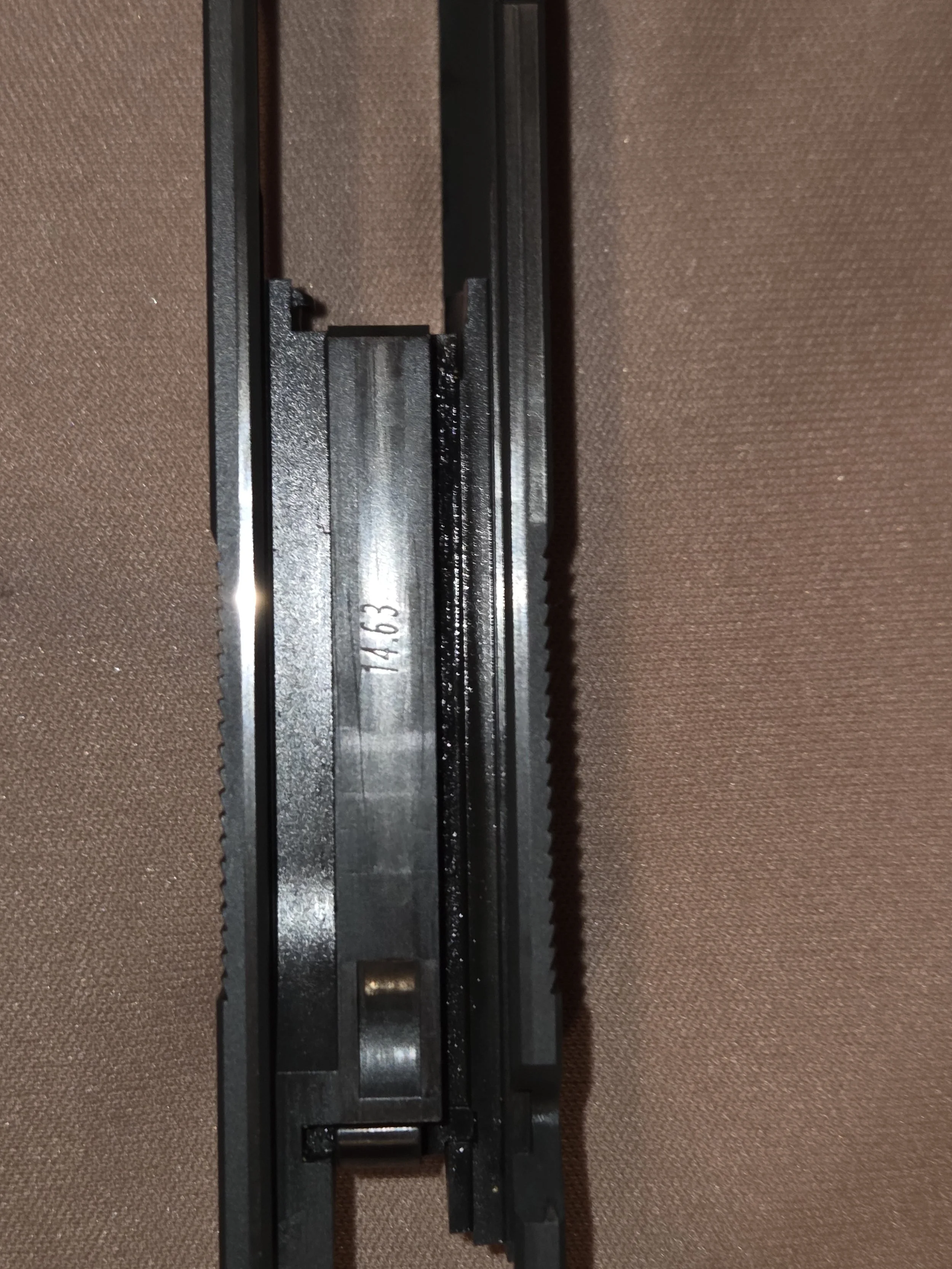
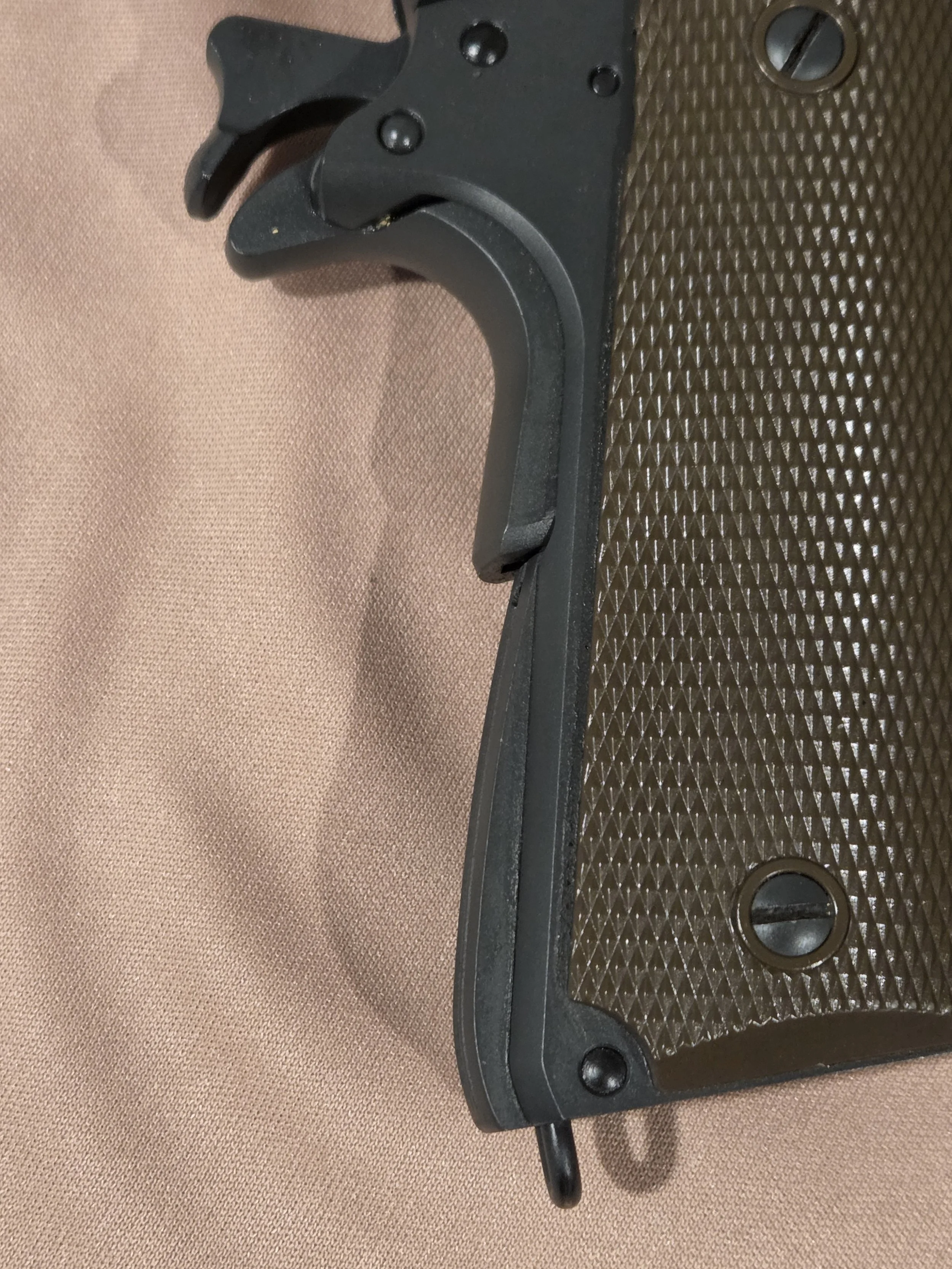
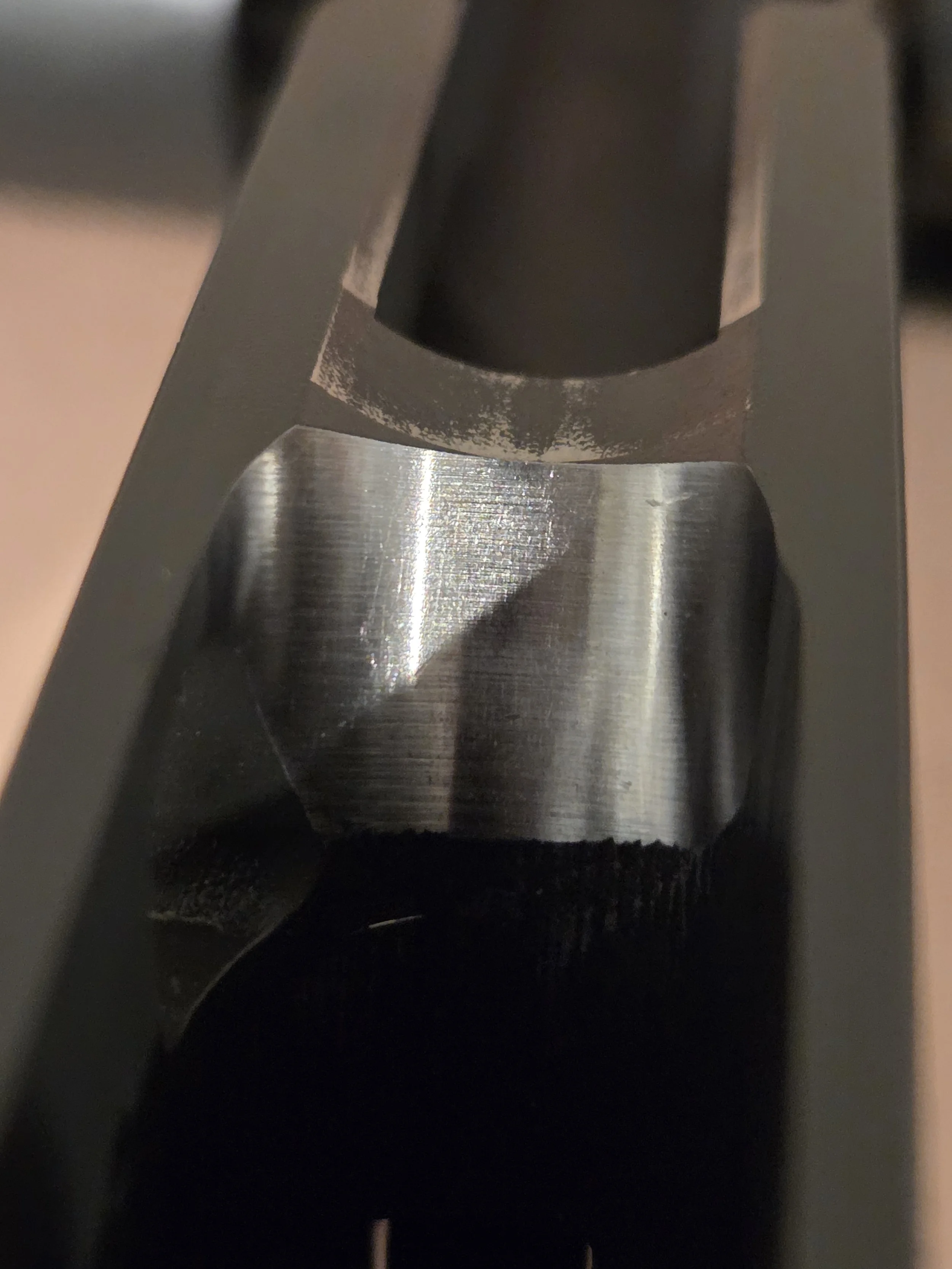
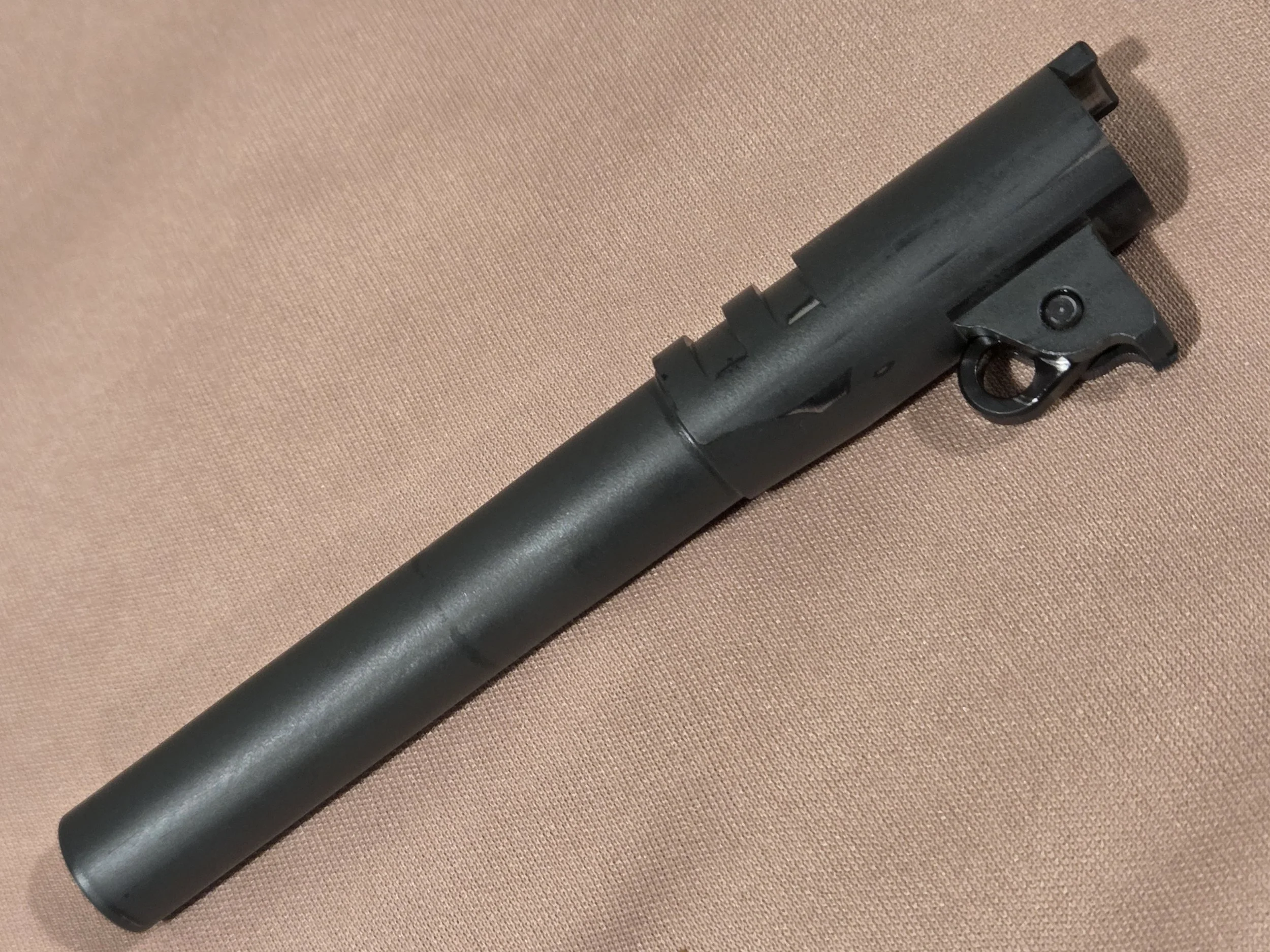
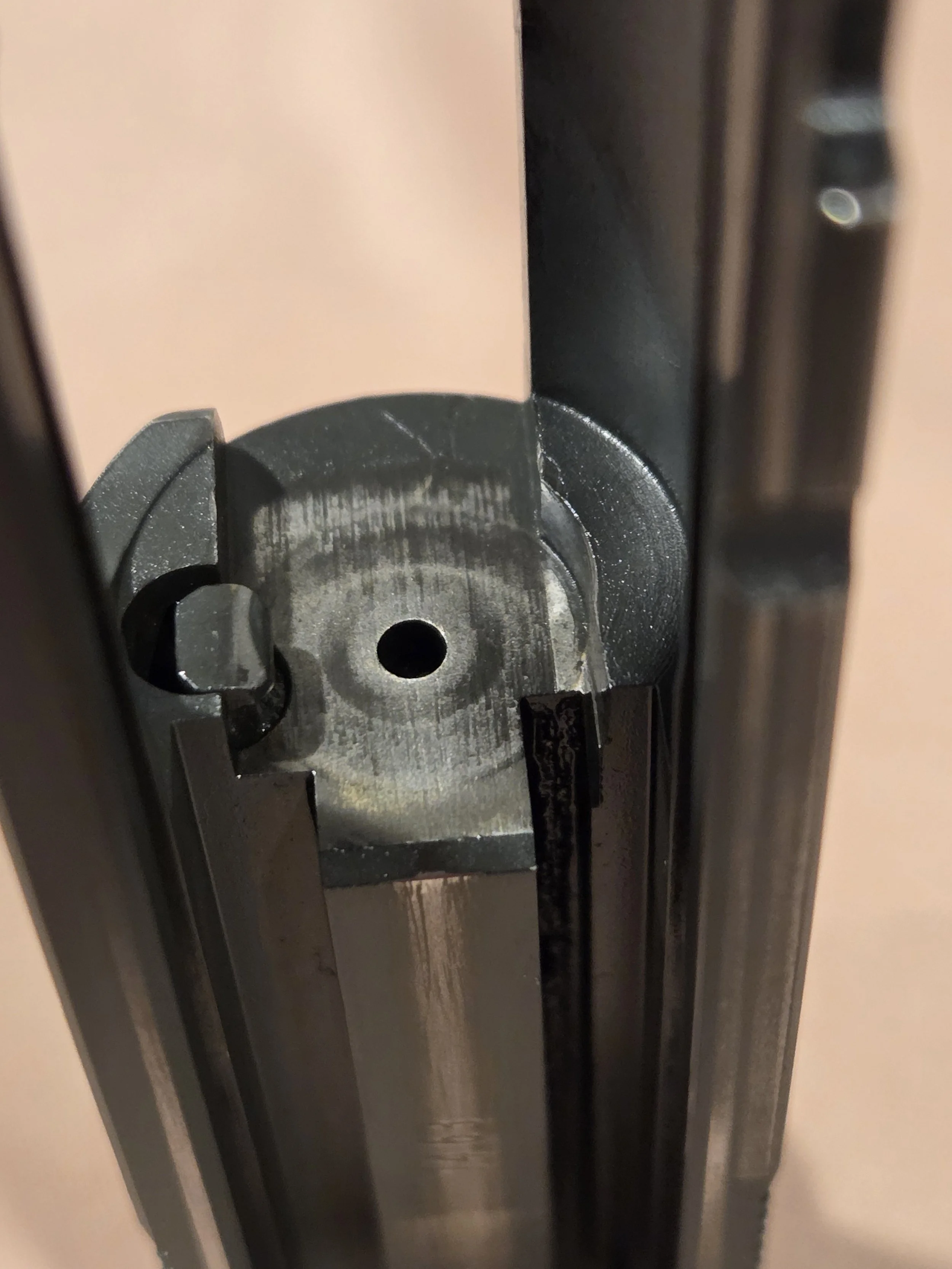
When I first got the pistol, I noticed that it was very tightly fitted. I had a hard time initially working the pistol action and noticed that it was a bit stiff in slide to frame fit. The springs were not tight, but the fresh Cerakote and the metal-on-metal friction made the pistol hard to manipulate for the first hundred rounds. Some people do not like this, but I wasn’t too worried about it. With finishes like Cerakote, you are adding to the size of the pistol and making the fitting tighter, which means shooting it is necessary to loosen up the fitting and wear all the surfaces that rub together constantly during cycling.
NECESSARY MODIFICATIONS
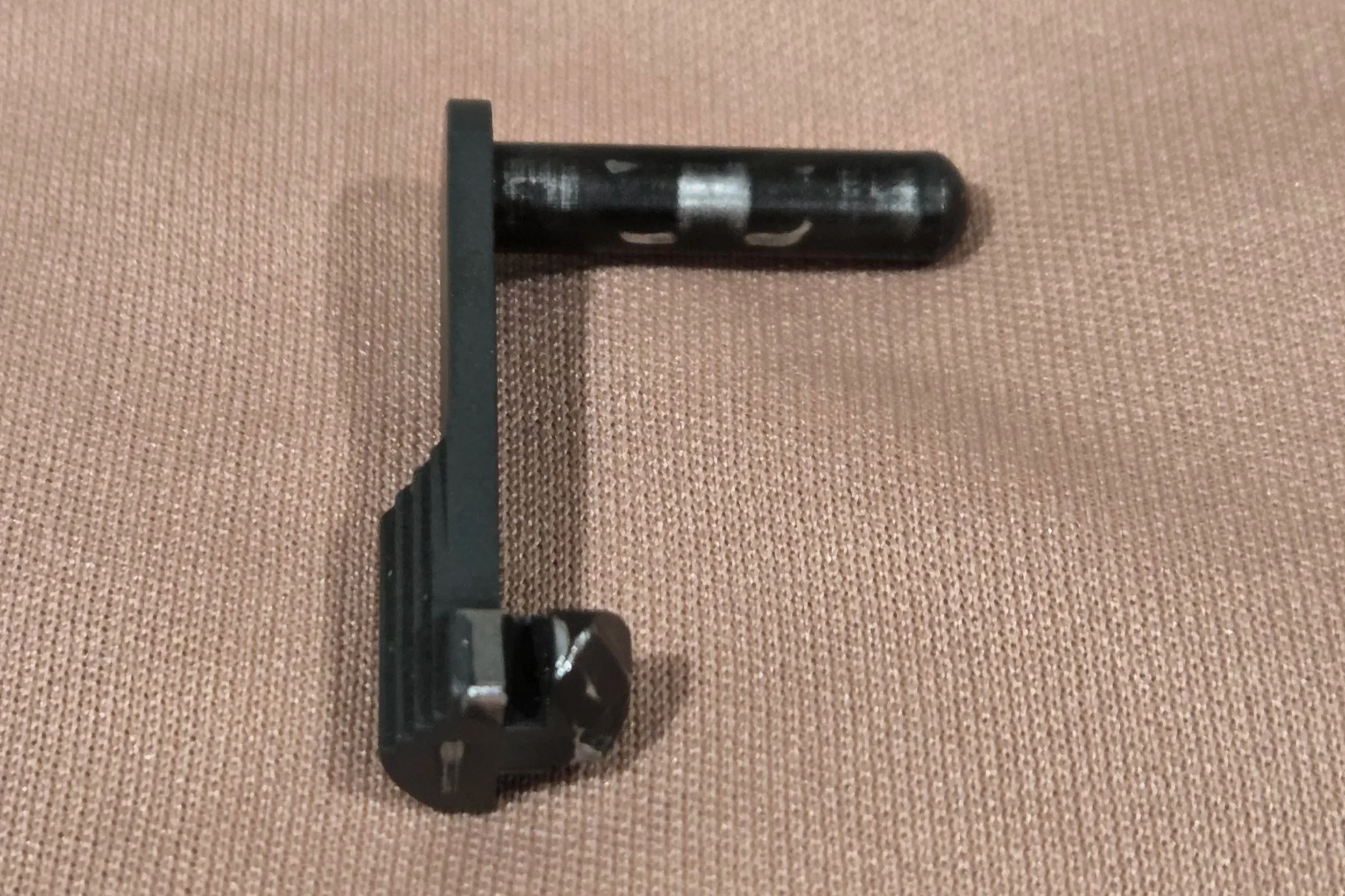
When I first shot the pistol, I was having issues with the slide locking back when there was still rounds left in the magazine. I had some issue with a Kimber doing this in the past, so I took a file to the brass marked areas on the slide stop where the nose of the projectile was obviously rubbing. I ended up shaving off enough to prevent the slide from locking open…. DOH. It ended up being an issue caused by a terribly weak safety plunger spring. This was obvious by the adjoining symptom of the safety having a piss poor tension and nearly imperceptible tactile feedback. I ordered a new slide stop from SDS and then ordered a Wilson Combat plunger spring kit. BOOM, the problem was resolved instantly. As you can see from the picture below, the safety plunger assembly was not only using thin springs, but also the plunger itself was short compared to the Wilson Combat option ($5).
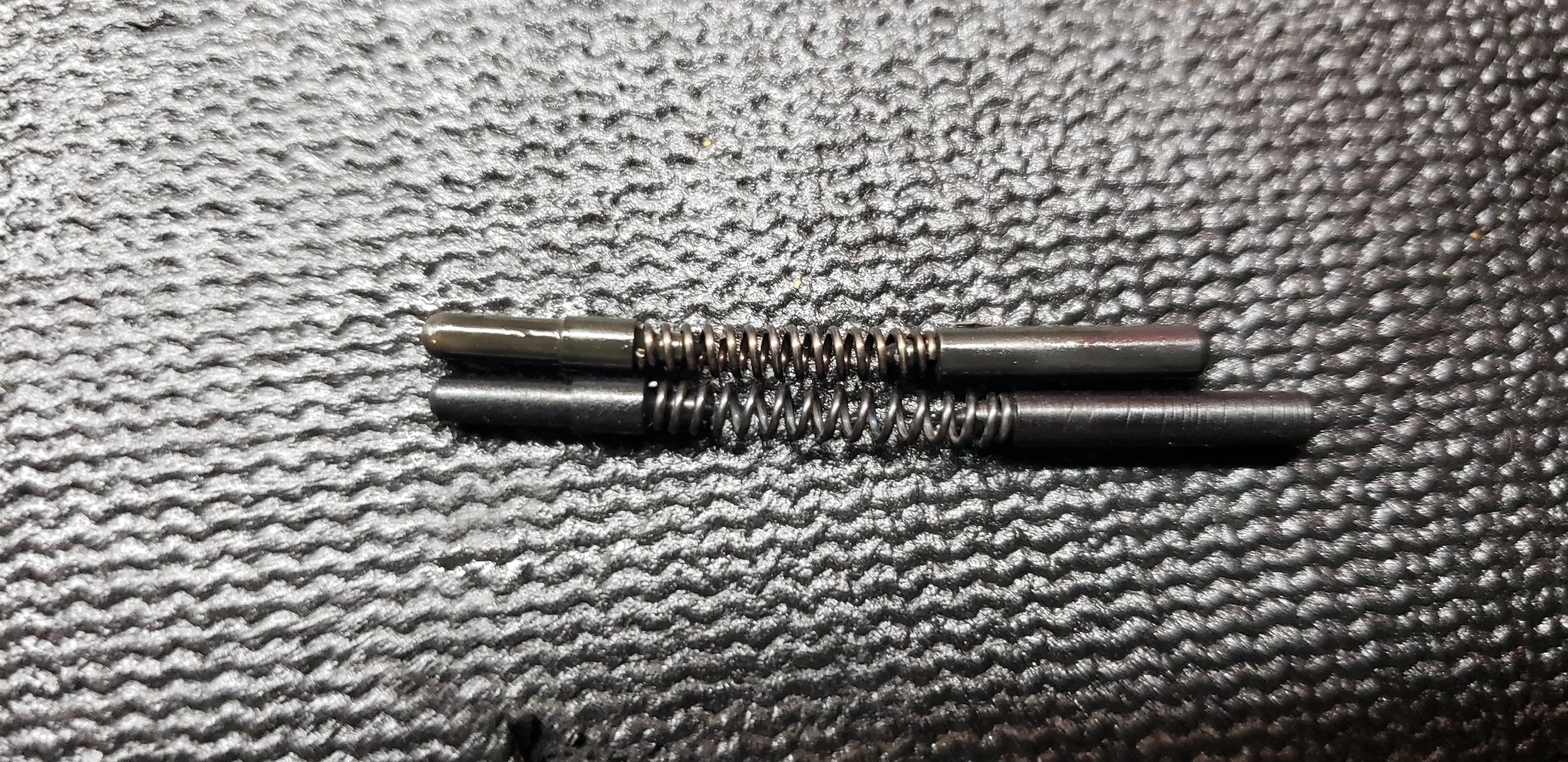
When I got the pistol, I was noticing that the hammer did not have much force behind it, indicating that the main spring was not very strong. I ended up ordering a 23lb mainspring (GI SPEC) and I upgraded the recoil spring to an 18lb Chrome Silicon Spring, based on my experience with how long they last compared to the 16lb variety.
I know some guys get really animated and serious about their spring weights. Some like light springs to speed up cycling, and others like me want heavier to give longer life to the pistol. In addition, I also upgraded the firing pin return spring to a stronger one due to the risk of the pistol firing from inertia if dropped on the muzzle. The good news is that Tisas already ships the pistol with a titanium firing pin, but an extra power spring is easy insurance.
I know some people will get a bit salty about needing to have pistols right out of the box. The issue is that 1911s were made to a specific design parameter and not every manufacturer will follow that design 100% or else they will just be playing copycat. It is like how the Ruger RXM is basically a Glock Gen3 without being called a Glock. They all are basically 1911s, but each company wants to put their own spin on it. One of the first things that a company will get wrong is the springs. Luckily, there are only a few springs you will need in order to properly setup your 1911. It costs less than a magazine, and will save you a lot of trouble.
MAGAZINE RELIABILITY
When it comes to 1911s, it is all too common that certain 1911s will only function reliably with certain magazines. The Tisas was a bit of an odd duck, because it did not function right with any of my Wilson Combat magazines. I had two types of Wilson Combat magazines, but they were both 8-round magazines. I found only the 7-round Springfield magazines to be completely reliable. Luckily these magazines cost less than $15 per magazine, making them the best option for stocking up.
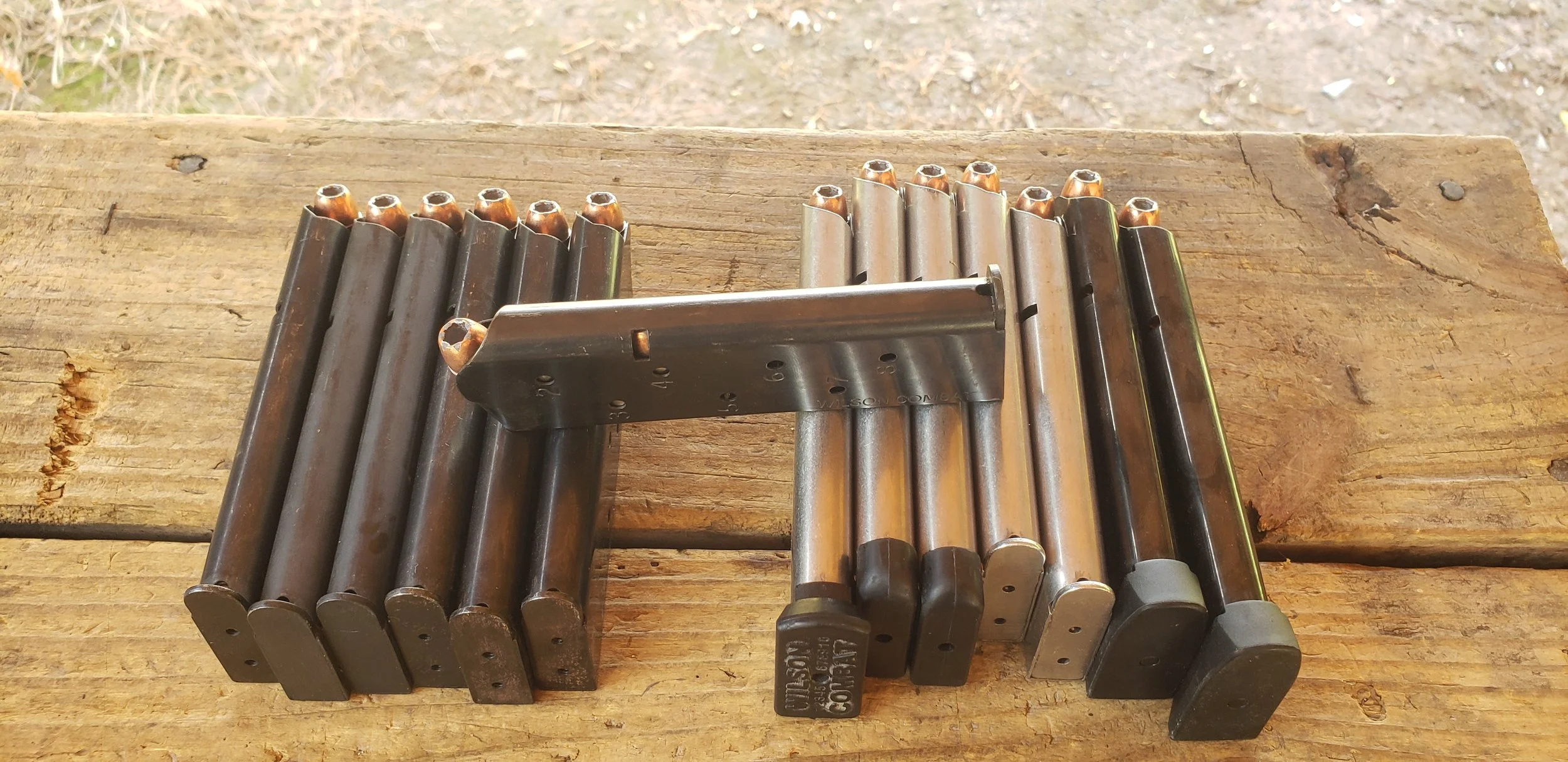
7rd magazines to the left and 8rd magazines to the right. Loaded with 230gr Gold Dot JHP
When I did some reading online, I realized that I am not the only one who has seen the Tisas 1911 fail to function 100% with Wilson Combat magazines. In the past, people hailed the expensive magazines as the best option for serious 1911 users. Perhaps the 7 round variety would work better, as it had for the Marine Recon guys who used 1911s.
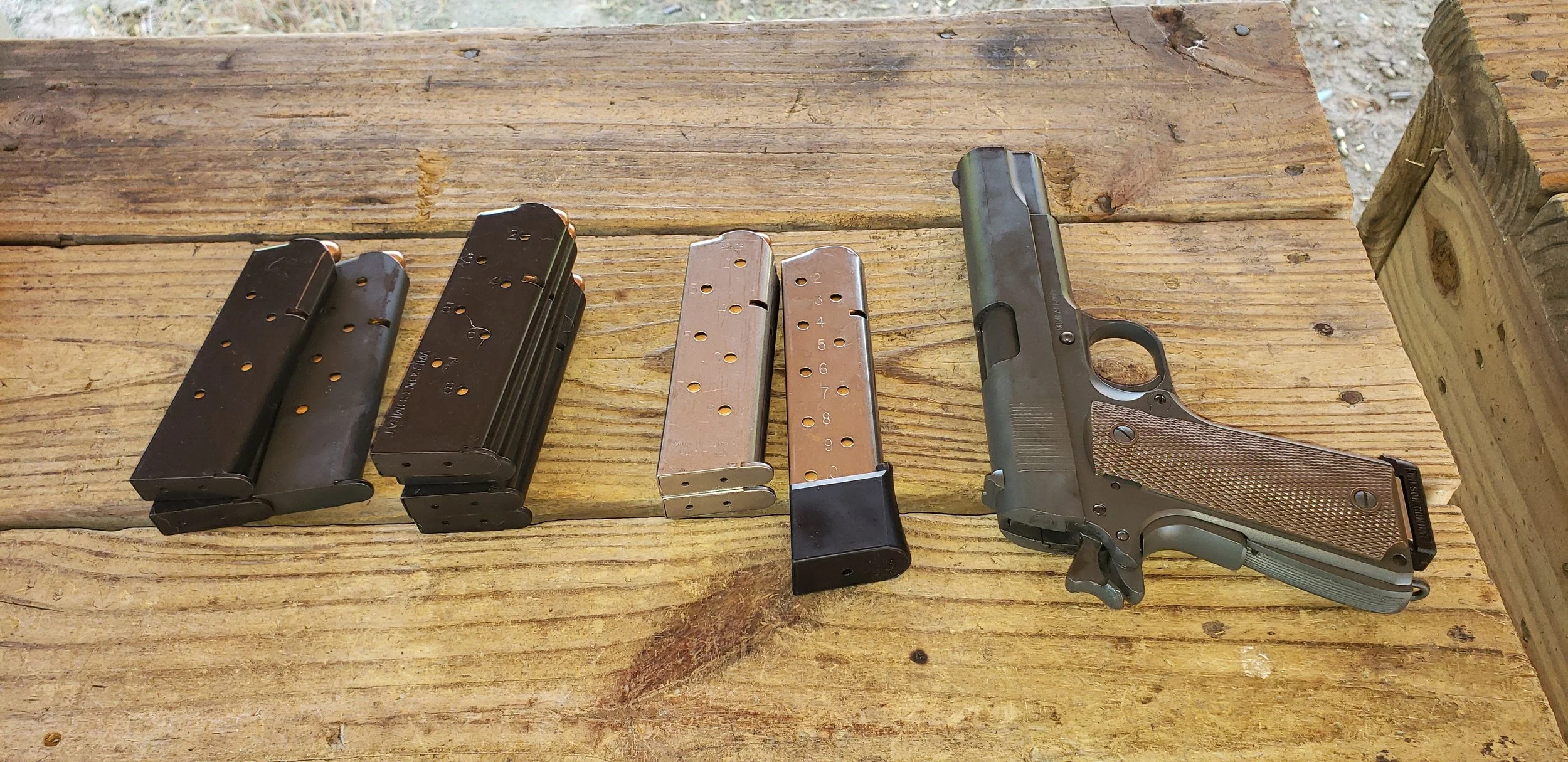
On the left are the 7rd magazines from Springfield and Mec-Gar. to the right is the 8rd mags from Wilson Combat that were finicky. The stainless mags to the right were all Chip McCormick (CMC). The Tisas 1911A1 Service model was reliable with all but the Wilson Combat magazines.
The Mec-Gar magazines that came with the pistol functioned flawlessly, and even seemed smoother than the other magazines I tried in it. Throughout my testing, I constantly tried and retried the Wilson Combat magazines and they never were completely reliable. The last round would be nose up and the slide would pin it up against the feed ramp. My theory is that the slide is partially outrunning the magazine spring. This could just be an issue of needing a stronger recoil spring or mainspring. Alternatively, this could be as simple as the tilting follower of the 8-round magazines biting me in the ass.
SHOOTING EXPERIENCE
During the 1,000 rounds of testing, I shot roughly 600 rounds of 230 grain Winchester white box ammunition. I shot roughly 200 rounds of 230 grain Speer Gold Dot and another 200 rounds of 230 grain Remington Ultimate Defense with zero malfunctions of any kind, even while FMJ was giving me issues. I also shot about 300 rounds of 230 grain Capital Cartridge FMJ. I shot well over 1,000 rounds overall in a total of 4-5 range sessions.
After having the pistol properly sprung, I found the pistol to be a joy to shoot. I tend to have a greedy grip on pistols, and I only got hammer bite on the first range session. The 1911 has a way of conditioning the webbing of your hand and thicken the skin.
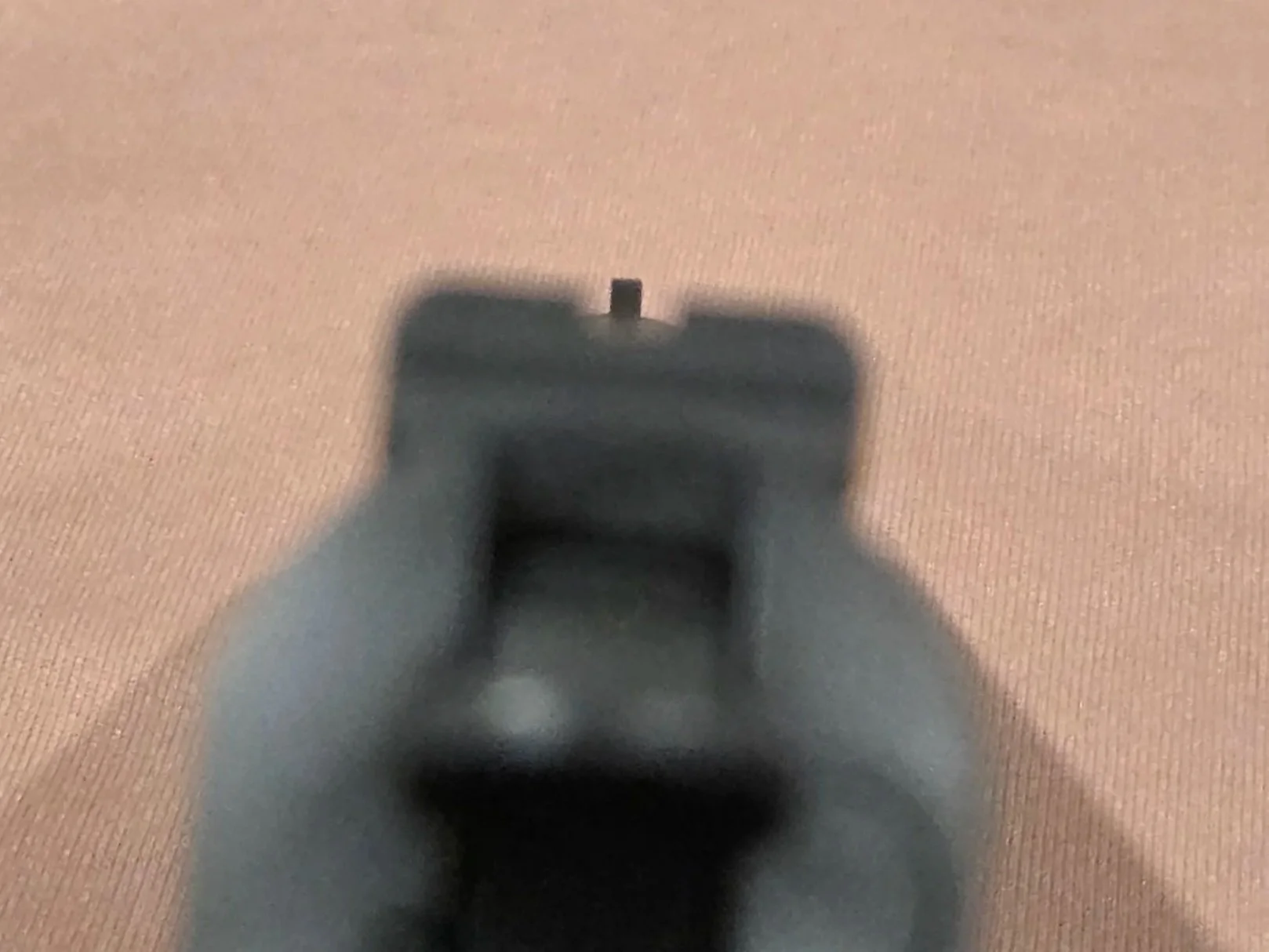
The sights on the 1911A1 are the classic minimalist design, small, square, and plain. My goal with this pistol was to get good with the sights. By todays standards, they are virtually non-existent. However, what I found is that these small sights are not minimal, but precise. They are easy to line up well and they came from a time when people understood that pistols are for close range, not sniping. Today, people want the sights to jump out at them and then be able to take a 100yd shot. With this pistol, I saw first hand that we are trading off sight precision for visibility.
The ejection on the Tisas 1911A1 can only be described as being about as consistent as a drunken fire hose. It will eject in any dang direction it pleases. I have had brass fling more forward and even to the left a bit. This is fine because the ejection port is small, but the cases eject in a consistent and violent manner, which is the key, rather than consistent vectors of ejection.
The grip profile on this particular pistol is relatively rare since most manufacturers make their 1911 with the flat mainspring housing. I personally felt like this version of the pistol worked out perfect for me. The trigger reach was easy due to the short trigger and the hump on the mainspring housing made control relatively easy.
After just a week of practicing with the sights and the pistol properly sprung, I was able to perform the CSAT qual cold with pretty good results. The sights are going to be a weak point for a lot of people, but honestly, as long as you train your grip solidly and practice visual acuity, you shouldn’t have an issue. Even in low light, the small sights silhouetted nicely and were easy to aim with a little practice.
YOUR MILEAGE MAY VARY
I had my own experience with this pistol that is unique to me. The funny thing about factory 1911s is that you can have 5 of the same 1911 and they will all behave differently and fall within a relatively wide spectrum of tolerances. The 1911 blueprints that most manufacturers use today are based on the military 1911 which intentionally incorporated wide tolerances, allowing manufacturers to do minimal fitting and work to make sure the pistol is good to go.
Tisas is churning out these steel suckers for a killer deal with forged components instead of MIM. I think you can deal with the $20 spring package and take care of this right out of the box to ensure there are no issues based on spring tension issues. For 1/5 the cost of a used Wilson Combat 1911, you can get a forged 1911 that merely needs to have springs installed to tension them right.
WRAPUP
In the end, the Tisas 1911A1 proved itself as a solid, no-frills homage to the GI classic—forged steel, reliable after a quick spring tune-up, and accurate enough to humble modern polymer pistols at the range. Over 1,000 rounds, it ate everything from cheap FMJ to premium JHP with minimal drama once I addressed the factory springs and stuck to Mec-Gar or Springfield 7-rounders. The erratic ejection? A non-issue—violent and effective, just like Grandpa's warhorse. The Cerakote held up like armor, resisting wear even after deliberate abuse, though it needed an oil bath to break in those tight tolerances without locking up.
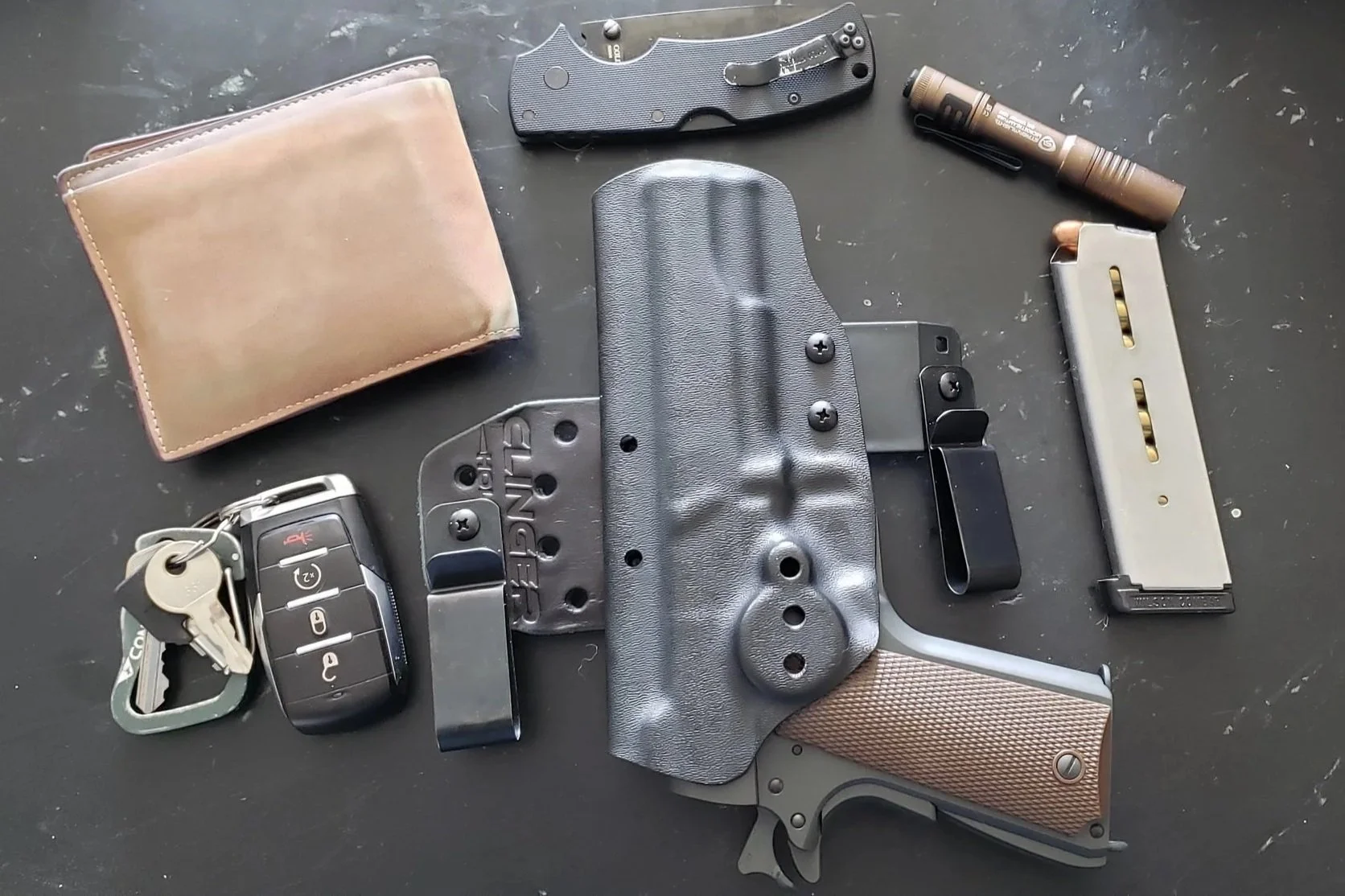
At under $400, it's not a safe queen or a custom race gun—it's a working man's 1911 that rewards a little elbow grease with timeless performance. If you're nostalgic for WWII vibes without the collector premium, or just want a budget beater to LARP with, grab one. Just budget $20 for springs and expect some break-in quirks. Your mileage may vary based on tolerances, but mine? I'd trust it in a holster any day over a $1,000 wonder-nine that feels like a toy.