BERETTA APX A1 TACTICAL 3K UPDATE
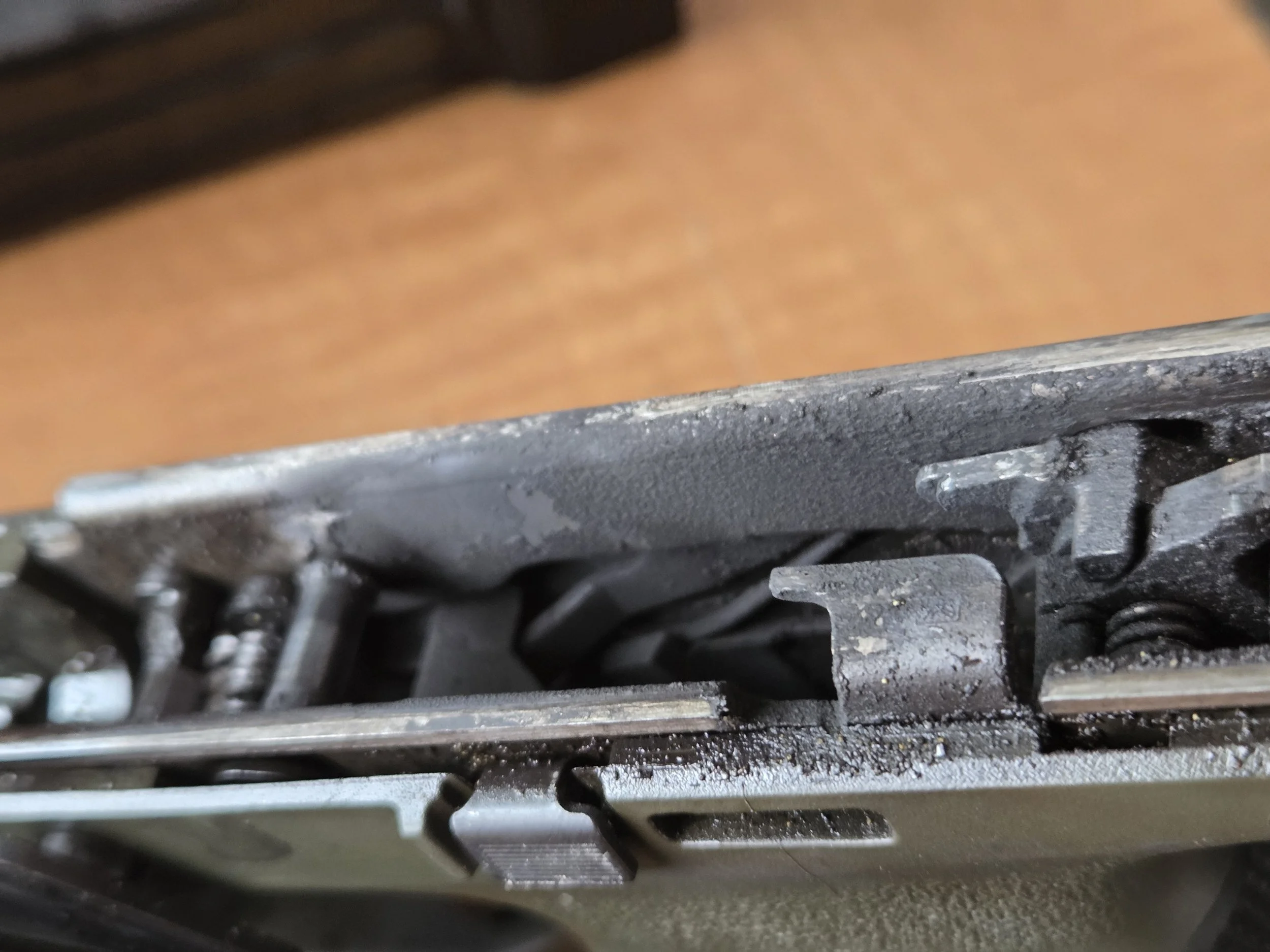
On the journey to 3000 rounds, I found out some harsh truths about shooting a pistol suppressed. I had several things that led to a disaster around the 1600 round mark in my testing. I had a buddy help me shoot off 2k at a range and it was all supposed to be suppressed shooting with NO CLEANING!!! This was, in hindsight, ambitious. However, I thought the first 1k was going well because I had minimal issues with the striker, cycling, etc. However, this pistol was brand new and the can was well lubed with EWL30 and EWG to prevent firing residue from overwhelming the spring and piston.
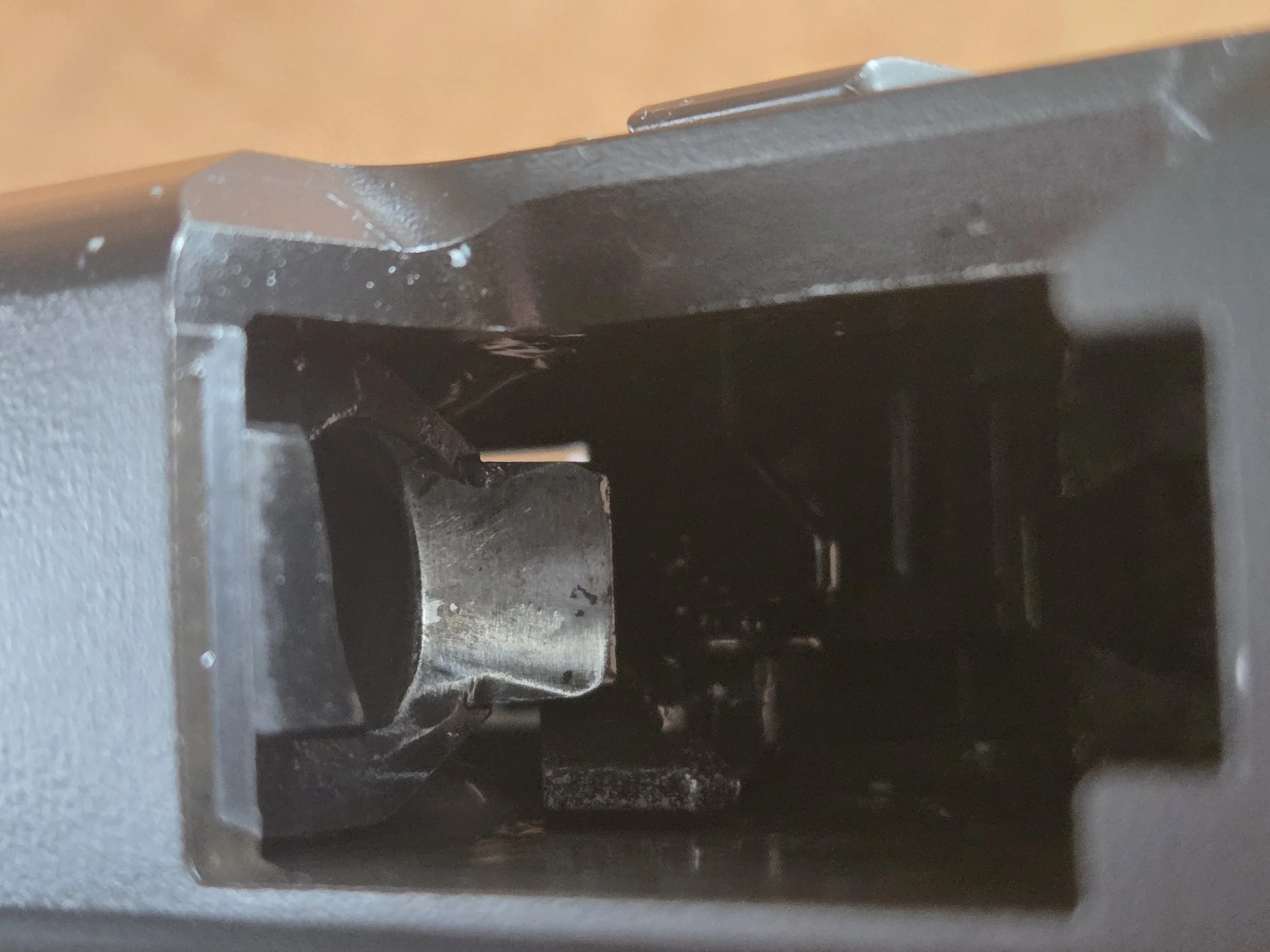
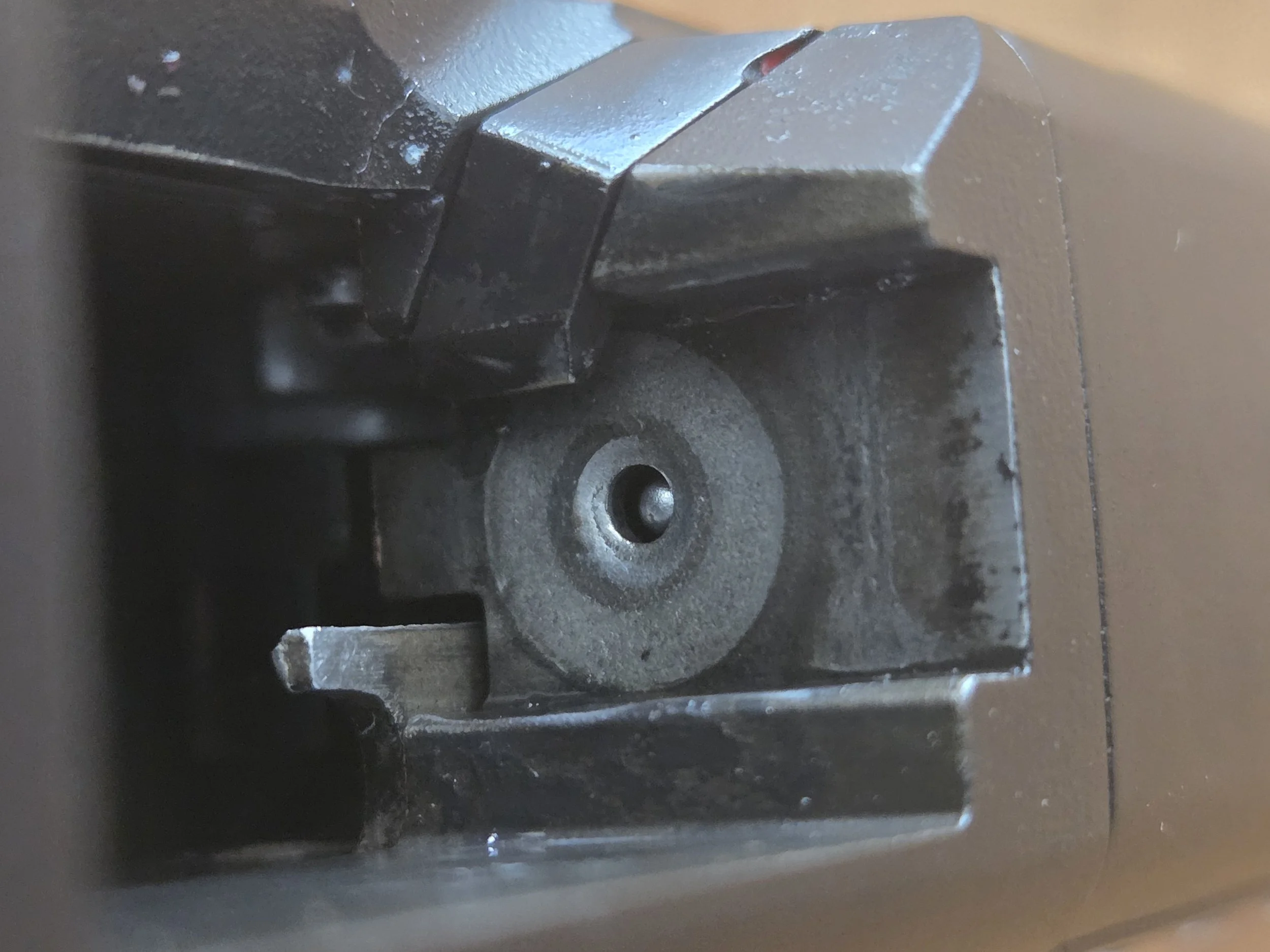
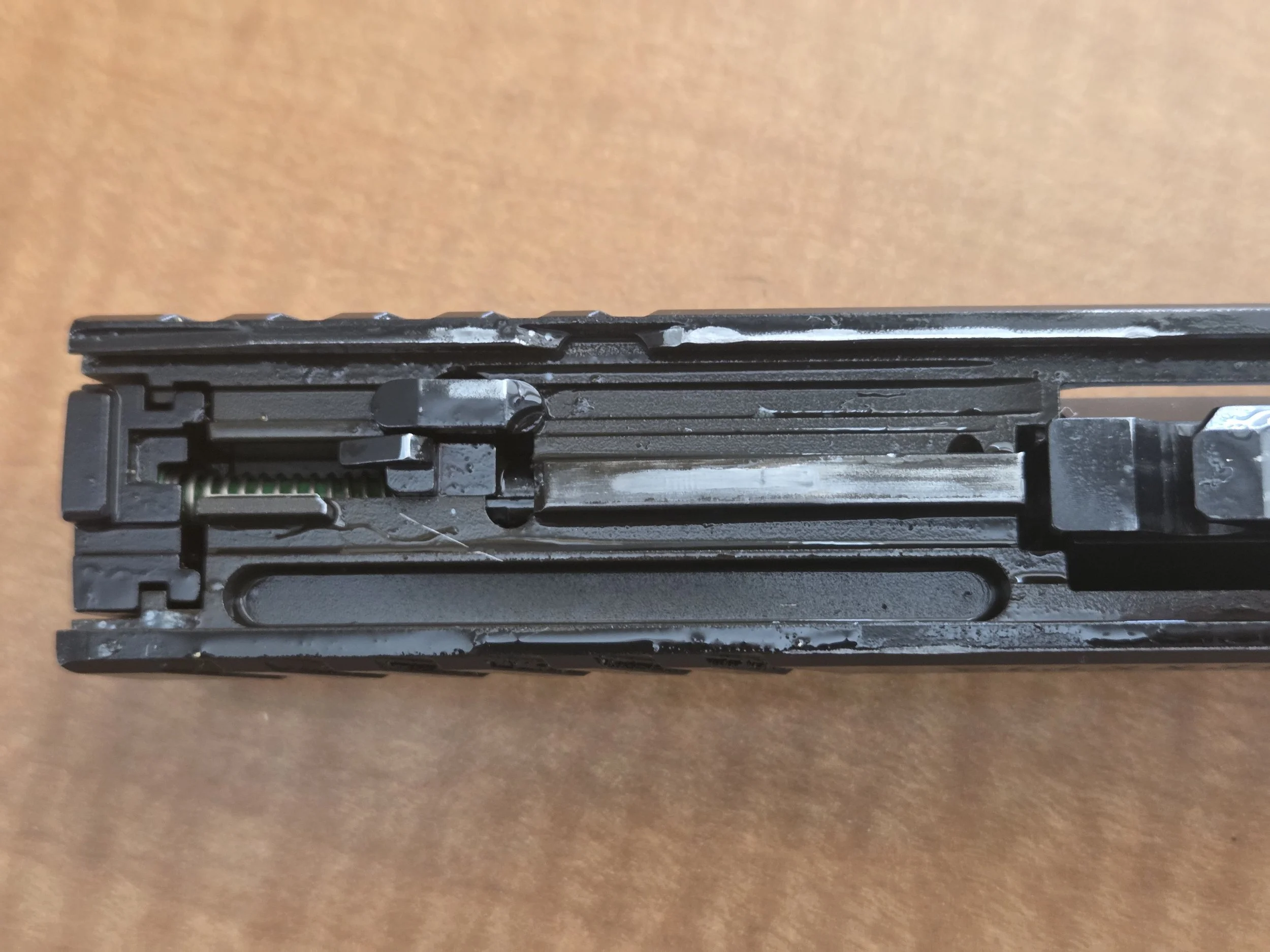
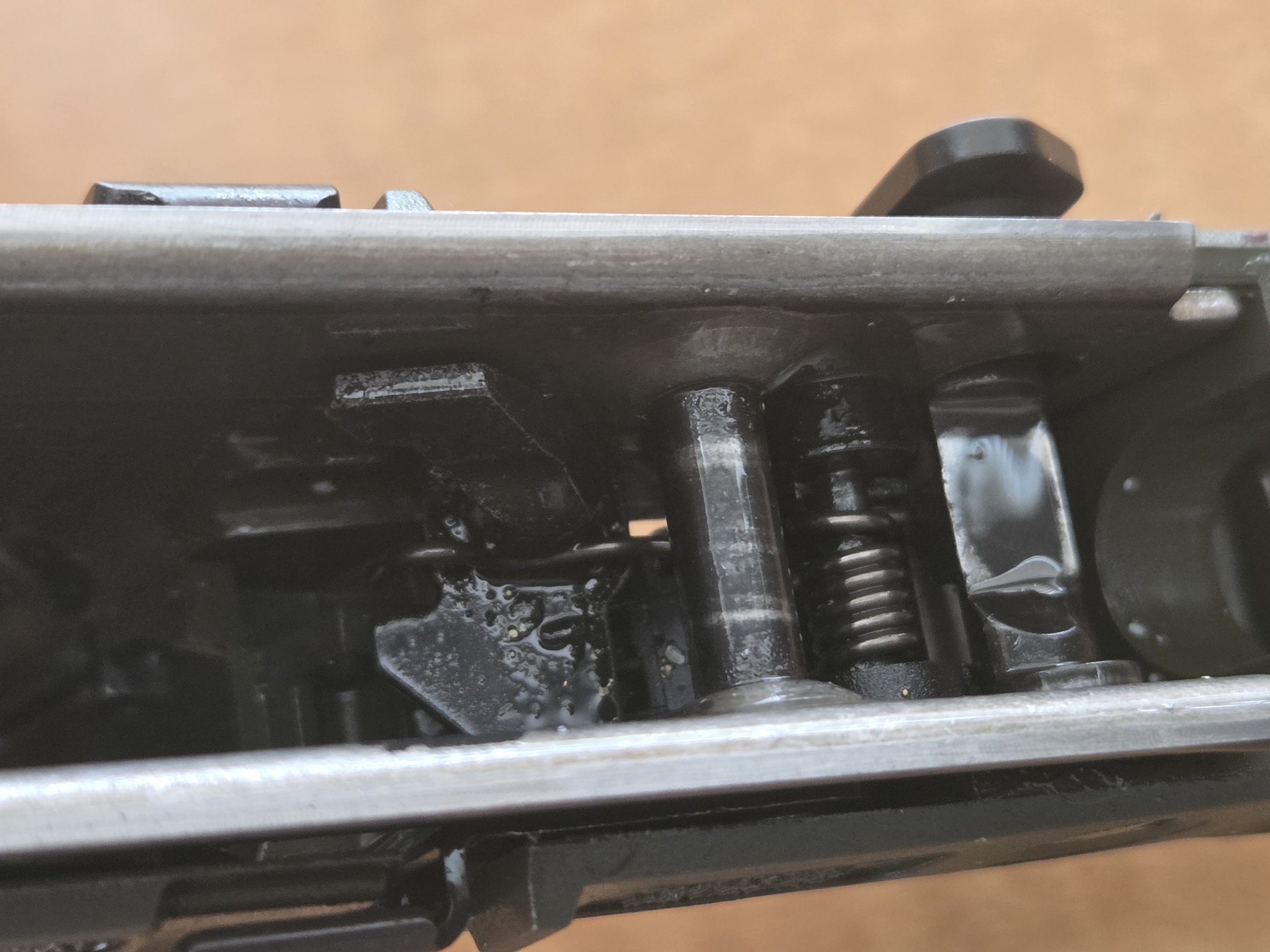
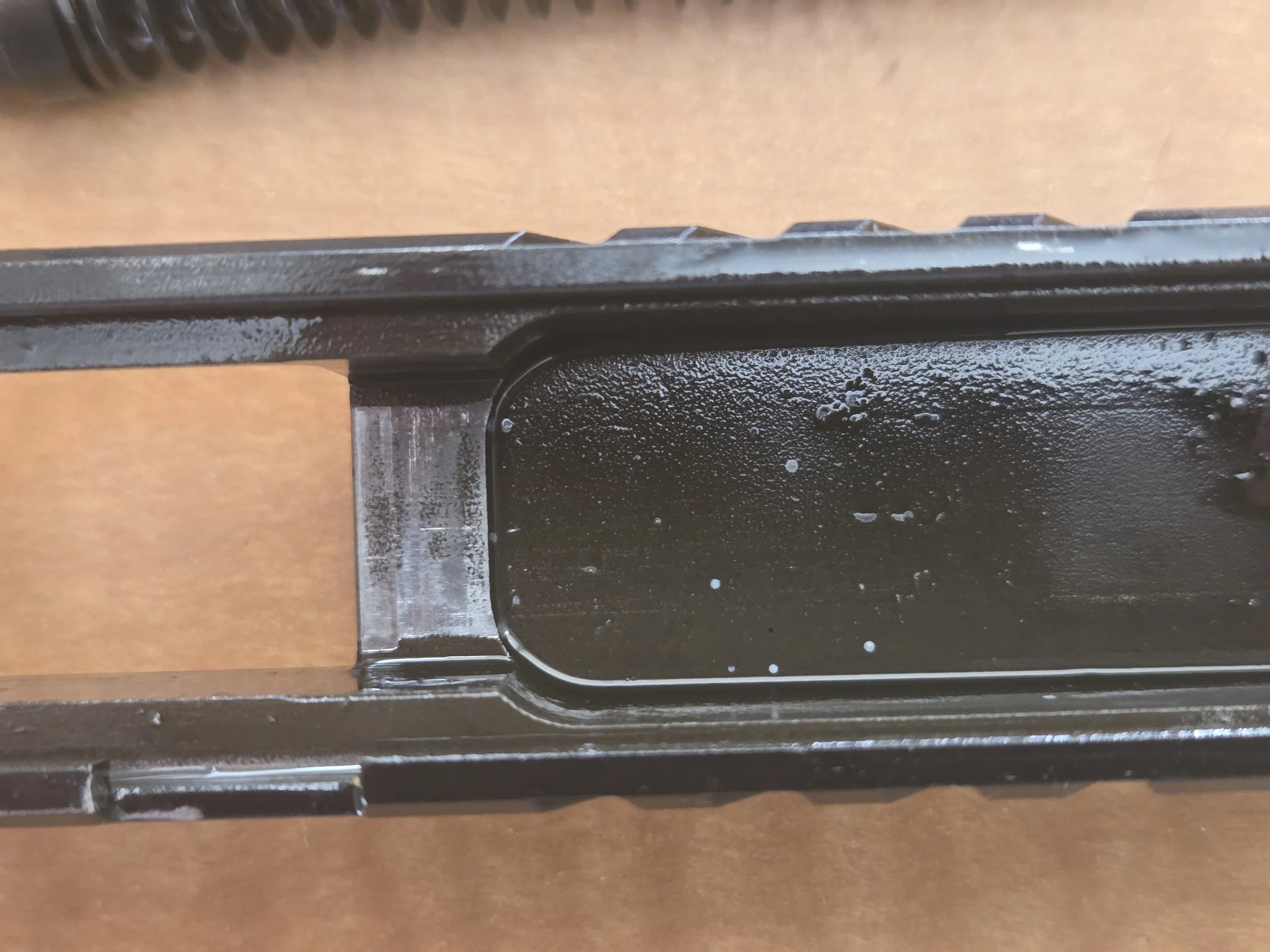
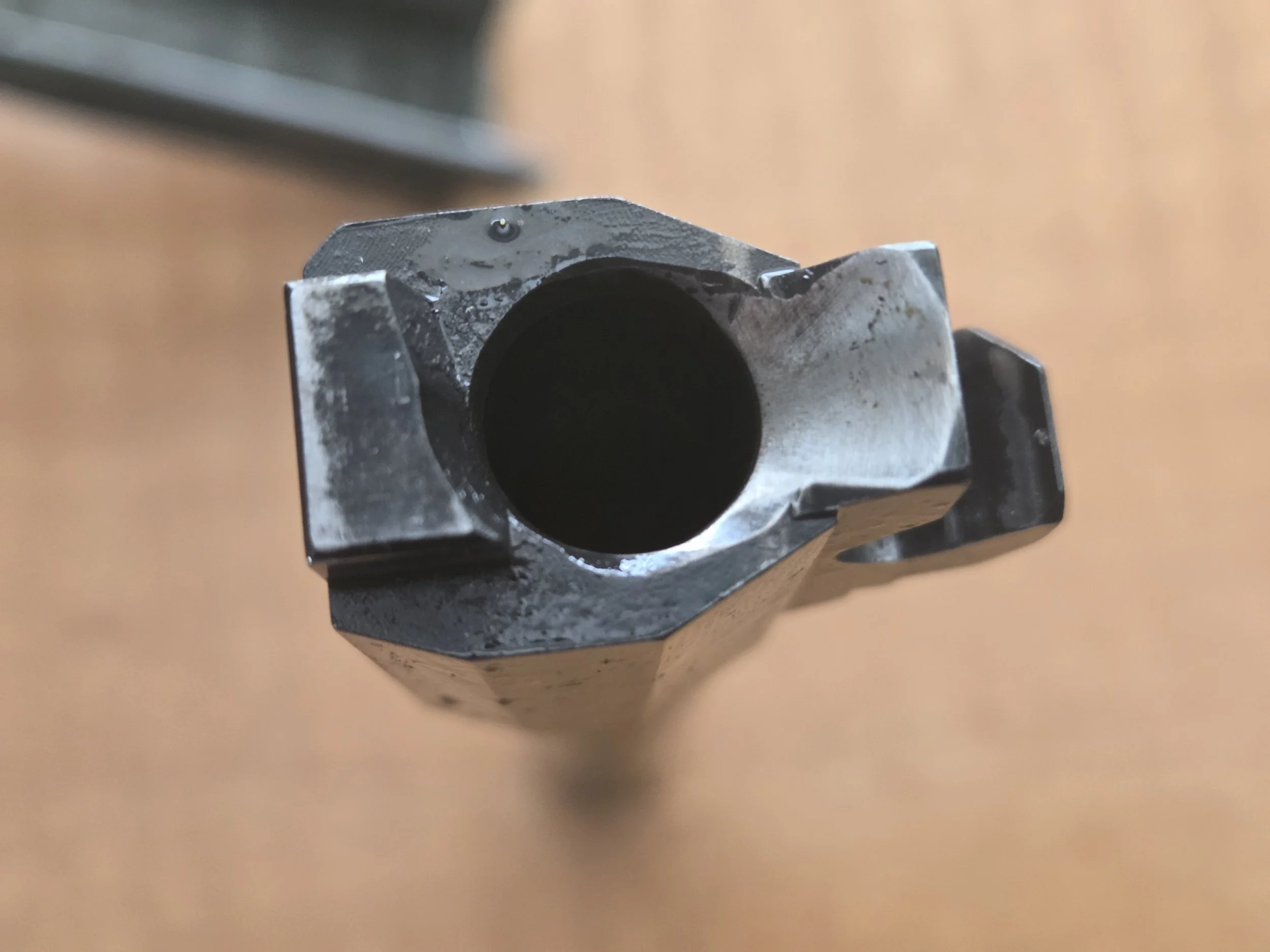
After the first 1k, I took pictures of the interior of the pistol and had to jump through some major product hoops to clean the poor Dead Air Mojave afterwards. Needless to say that the pistol was bone dry in most areas, and functioning relatively well overall. However, I liberally lubed the pistol after that range session and let it sit for almost two weeks. By then the lube had wetted down the firing residue, but had not done anything of note for the action. Also, the excessive lubrication I put on the breech face and barrel seeped into the striker channel.
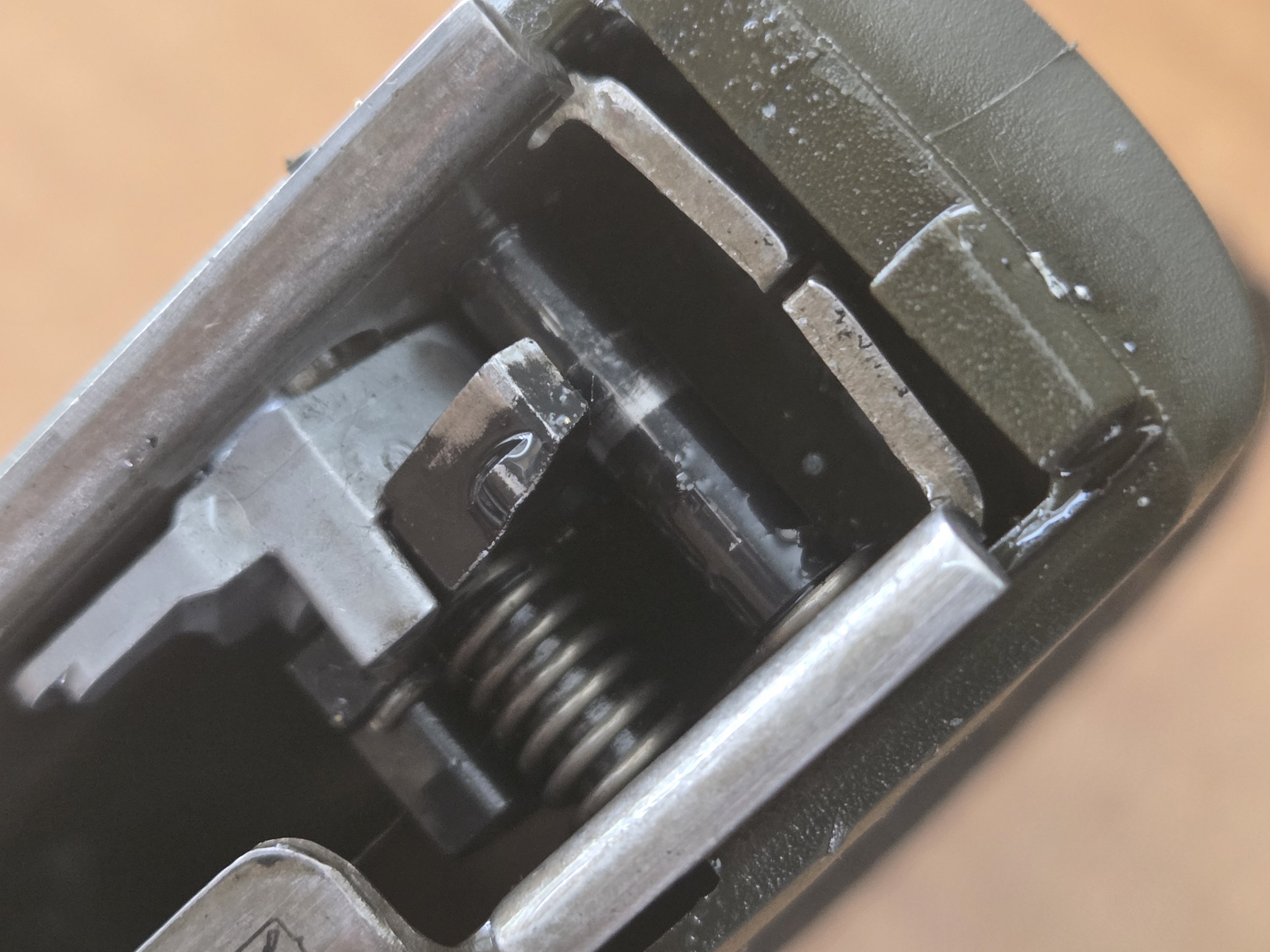
After cleaning the suppressor for days with a bunch of water-based chemicals from Slip2000, I lubed it with EWL and then headed to the range. I breeched my procedure of using the thicker and more long lasting EWL30 and EWG grease on the piston to keep the suppressor running. If you thought your AR internal piston got dirty, watch a suppressor take all that firing residue from high pressure ammunition and kick it back into the pistol and saturate the piston and spring system.
After about 600 rounds of suppressed shooting, we started getting light primer strikes on the pistol. It seemed like a fluke at first, and I paid it little mind and figured it was an ammo manufacturers defect. This happened several times and then I looked at the very shallow striker impressions on the primers and tested the forward travel of the striker and saw from the gunk cleanout channel (just behind the breech face) that the striker was being impeded and the cleanout hole was clogged with a black paste with little brass-colored flakes from the back pressure. I simply squirted EWL into the firing pin hole in the breech-face hoping it would douche itself clean.
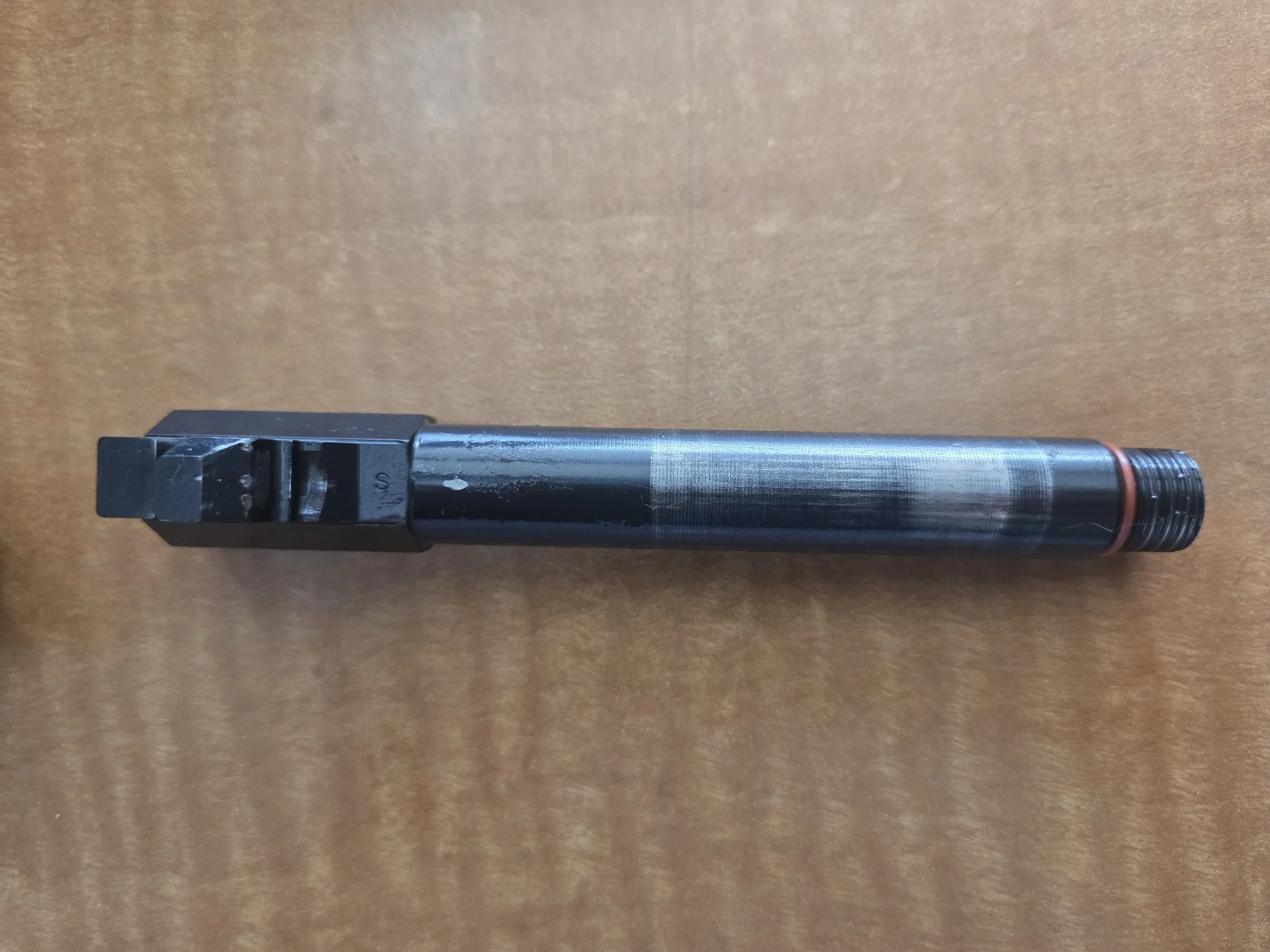
After a few mags, the issue started getting better but a new problem arose in the form of the piston seizing up and not reciprocating properly, effectively turning the light 4.5” barrel into a relatively heavy 12+” barrel, causing cycling issues such as failures to eject due to the barrel being incapable of moving somewhat independently of the suppressor. This caused obvious wear on the bottom of the barrel that was unnoticed until I called timeout and decided it was time to do a field cleaning on the pistol.
Just before calling timeout on the test, I started having a failure of the pistols trigger to reset. The trigger bar was so gunked up that it was pinched by a paste-like substance made of firing residue and EWL being ground against the chassis and the grip frame. I had to manually reset the trigger often and finally squirted a ton of lube into the side of the chassis, and it did help a little, but the suppressor kicking so much crap back made the effort about as useful as using a spoon to bail water out of a sinking canoe.
Also, this was the point that magazines were starting to get stuck in the magwell from all the backpressure throwing all the firing residue back into the action and the EWL basically making a paste out of it to fill in all the grooves. One of the 21 round extended mags had issues where the follower just seized up against the magazine wall due to all the buildup and failed to walk the rounds up. This was just one of eight magazines that gave us drama, and we knew what the culprit was.
Finally, I called it quits and decided to break down the pistol and do an improvised cleaning of the pistol with a roll of paper towels. I took the backplate off and found the striker channel relatively clean, but sopping wet from the EWL, which was resolved fast. I used Q-tips the clean out the channel and found little remaining fouling, indicating the gunk cleanout was working in conjunction with EWL flushing it.
When I removed the Chassis, the grip module was almost entirely black and the chassis was a brownish color when it was supposed to have a stainless finish look. I wiped down the trigger bar and the trigger smoothed out immediately. I did my best to wipe the pistol down in the field. It took a good ten minutes to give the pistol a good wipe down and put it back in service without a can. After that cleaning, the pistol ran flawlessly.
After the Mojave cooled down a bit, I took off the back plate and the pistol was fused to the inside of the suppressor, as was the spring. I squirted a good amount of EWL in it and let it soak a bit before putting it on the pistol for a few mags to hopefully loosen up some of the fouling. The suppressor worked again, but I decided not to chance it anymore, so we spent the last 1200 rounds shooting the pistol without the suppressor attached.
Upon arriving home, I immediately took the pistol apart and gave it a deep cleaning as I should have after the first 1k. The pistol is back in service after about 30 minutes of work, and it is showing every bit of the stress it was put under. I love the look of the pistols wear, but I do not like some of the things I put it through on the way.
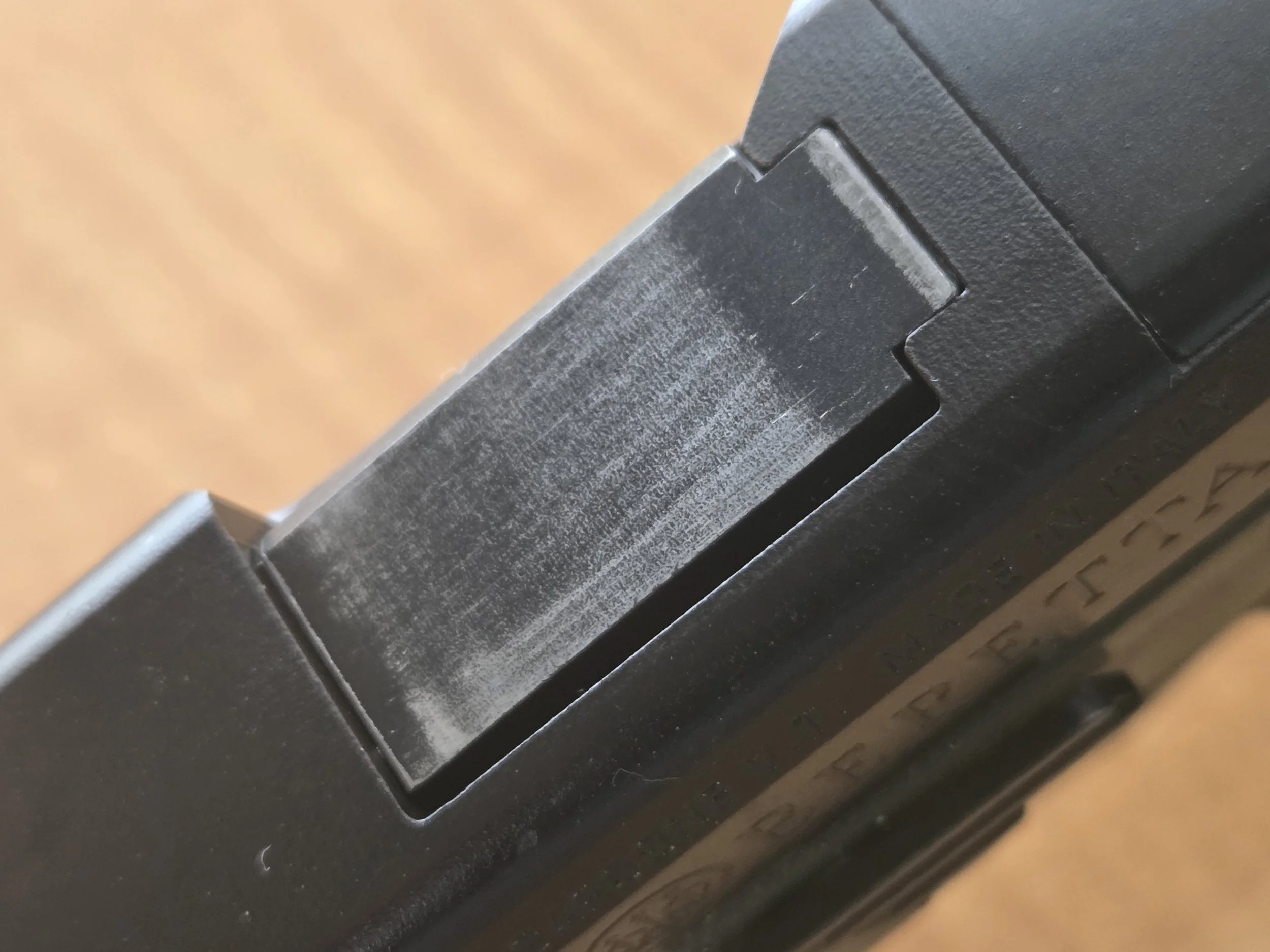
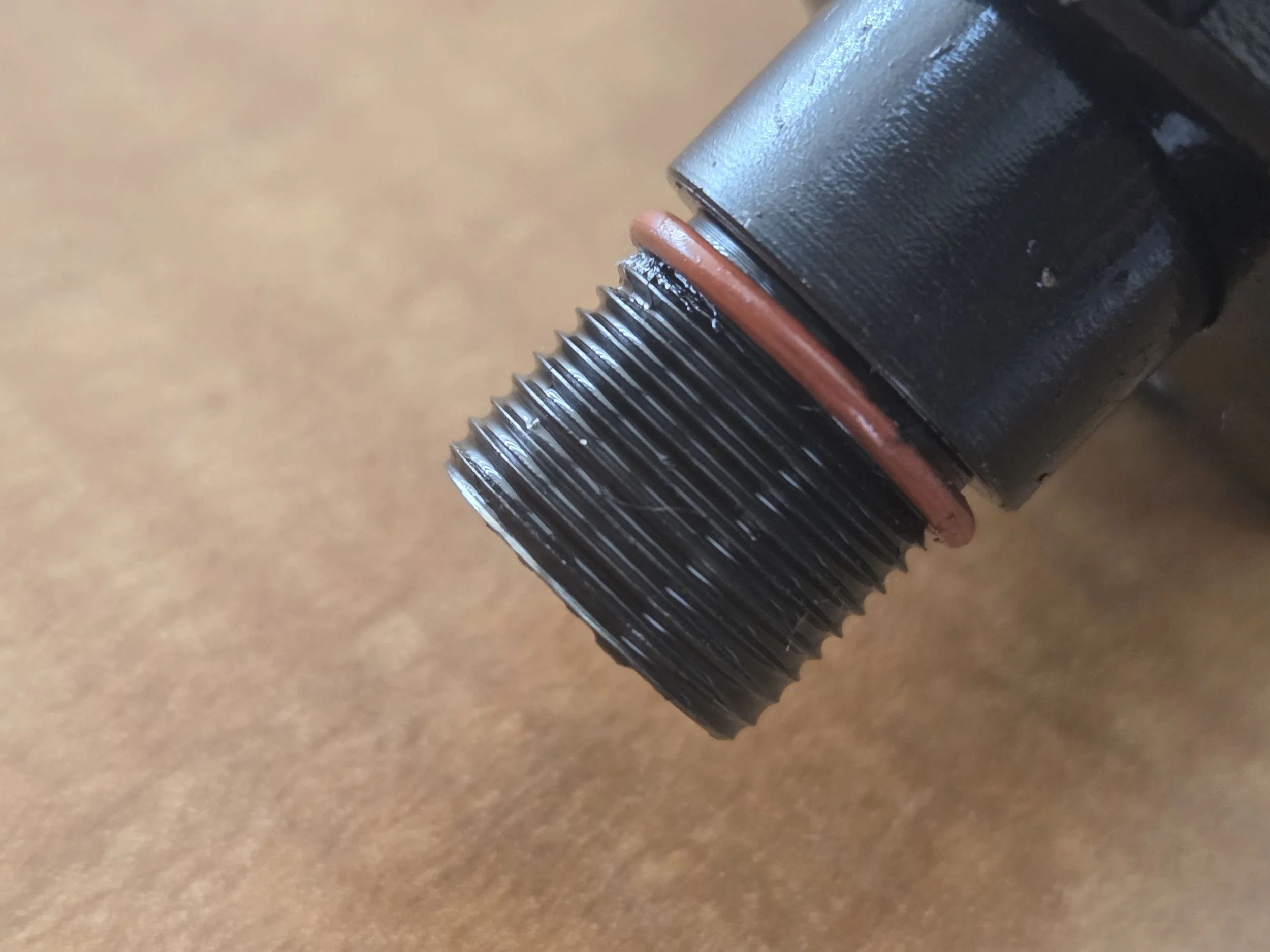
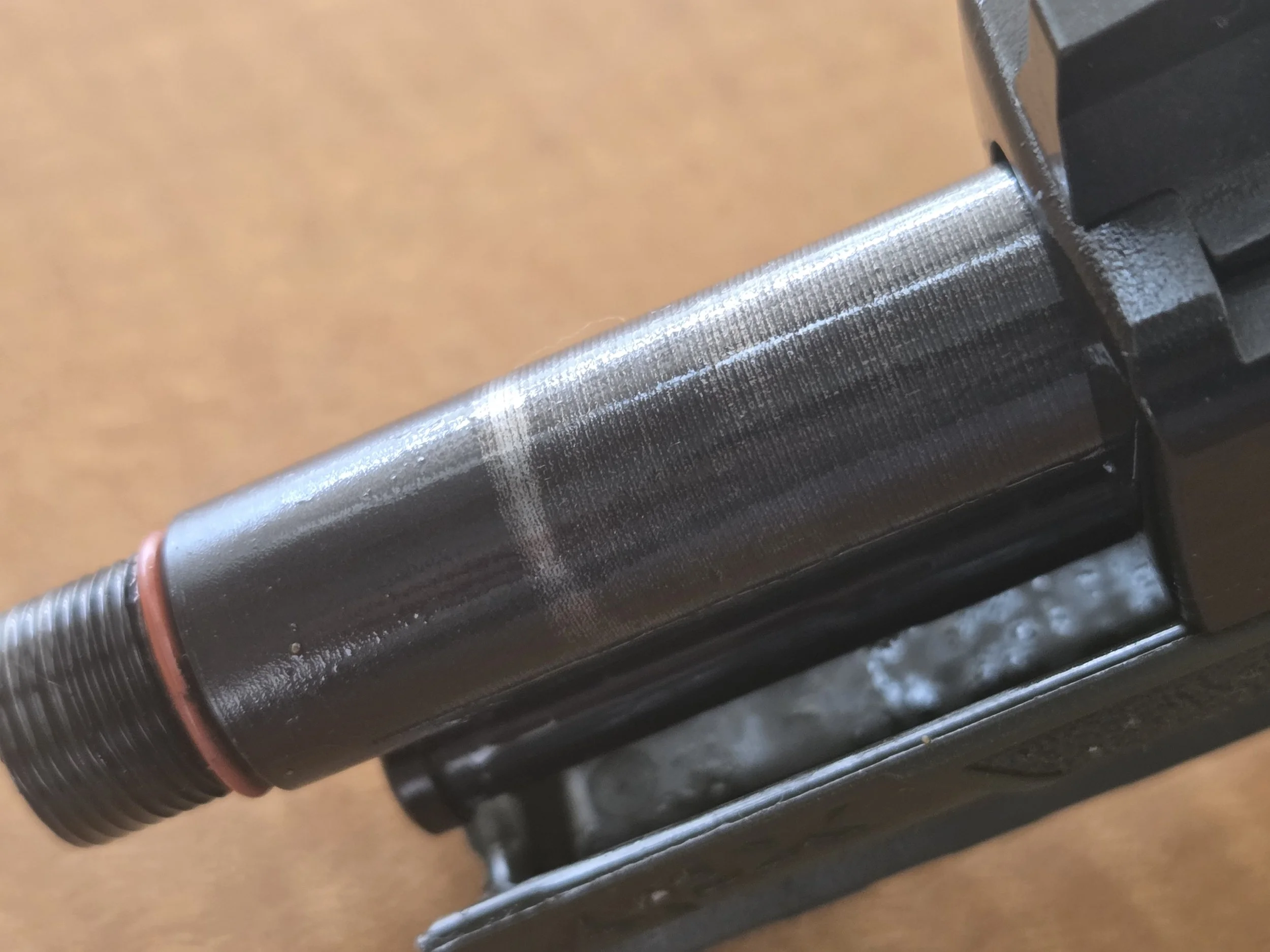
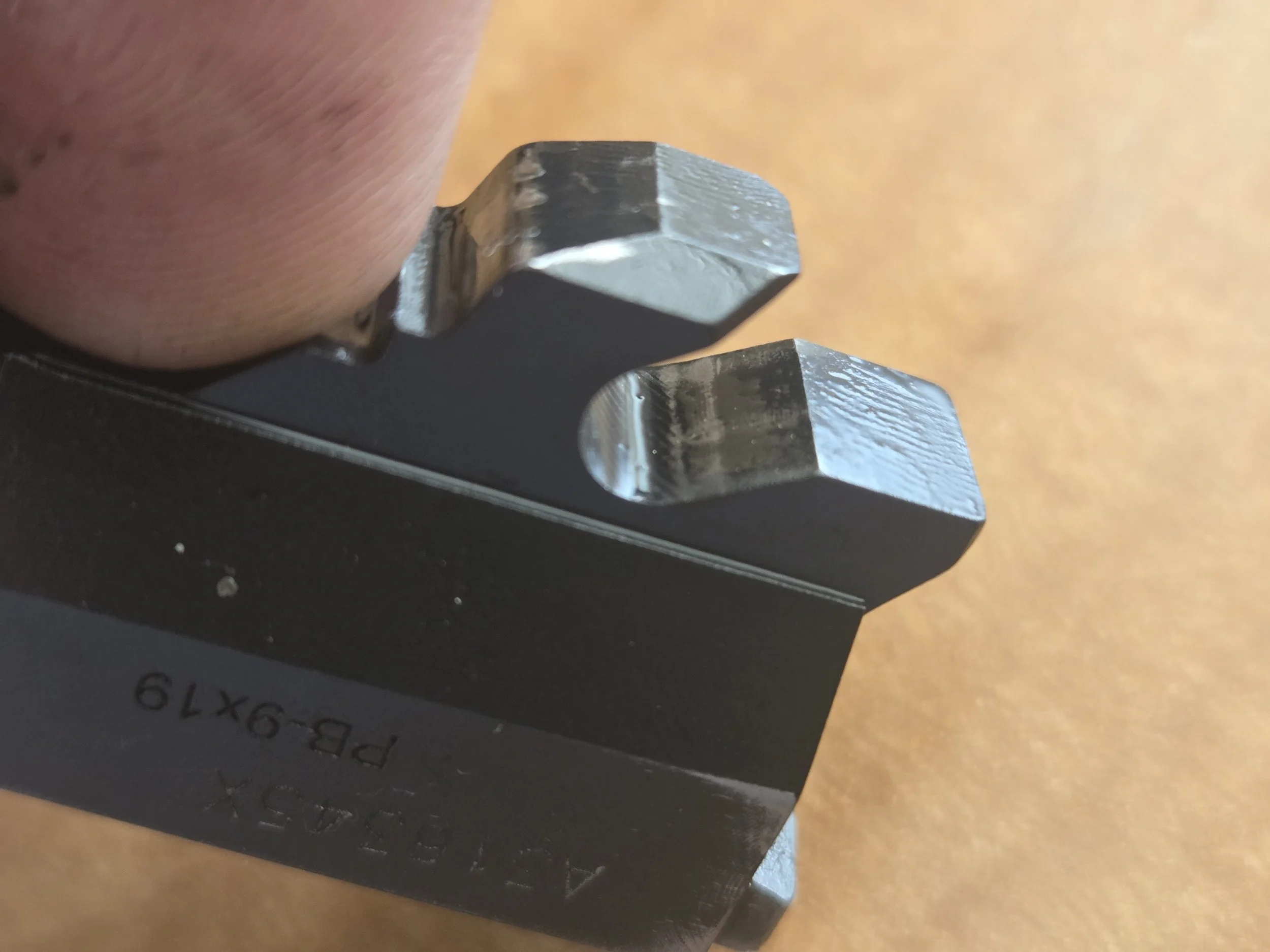
I am no suppressor expert, and the results I encountered could be expected if you had any serious experience with suppressors. The pistol was not designed to be shot for thousands and thousands of rounds suppressed while neglecting things like proper suppressor maintenance, lubrication, and expecting the pistol to be just fine with ammo that has the same pressure as +P+.
I think the pistol could have gone on most of the testing without any issues if I were more careful in my lubrication. I effectively created the conditions for the failure by adding a liquid to an environment that was receiving excessive firing residue back into the action. The technique of keeping the action wet works good for unsuppressed weapons when you just want to keep it running without cleaning. When you are shooting suppressed, it is like adding spritzes of water to a surface while you are bombarding it with flour.
The over-lubrication was the cause of a series of issues, and then poor lubrication of the suppressor piston before going to the range added insult to injury. This pistol works fine suppressed, but it is a simple machine and you have to understand how your lubrication methods can have an adverse effect on its performance, especially during high round count testing.