HK45C TACTICAL: BUILD YOUR OWN MK24
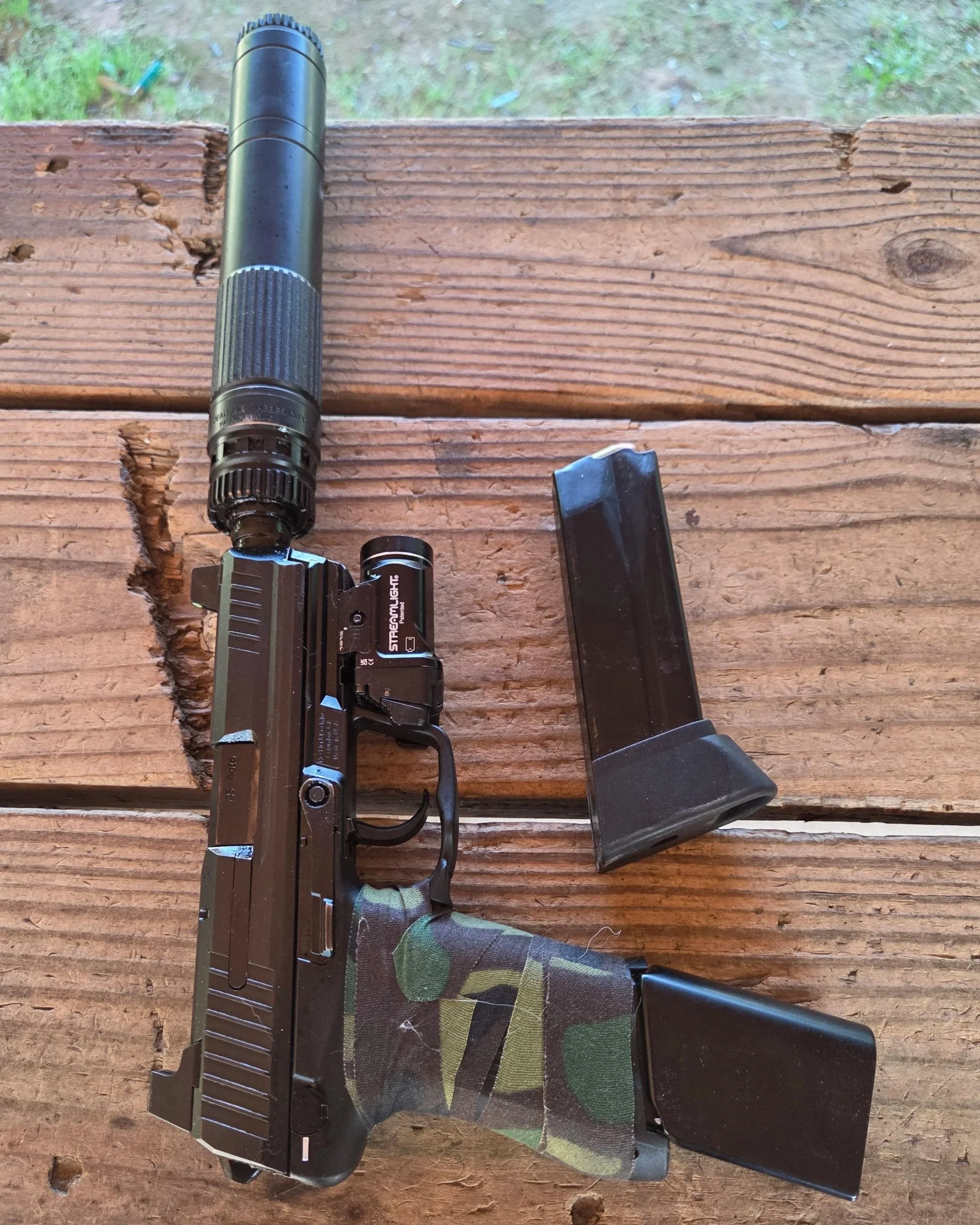
The company Heckler & Koch is renown for their durable platforms and being able to pull off projects like upgrading the L85 Rifle for the British Army or designing the MK23 for US SOCOM. They have almost always chased Law Enforcement and Military contracts and developed pistols and rifles around their prospective clients’ needs. These feats of firearms engineering, combined with manufacturing techniques like cold hammer forging and achieving match grade accuracy through the utilization of a poly-rubber O-Ring, have made the H&K name a trusted one.
WHERE DOES THE HK45C COME IN?
There is a ton of speculation around the details of the development of this pistol, but just know that H&K developed it specifically to answer a SOCOM request. After the HK45 project fell through and the military stopped looking into going back to the .45 ACP (THEIR LOSS), H&K had a pistol developed that was a compact version of the HK45 that would serve as a more compact offering to SOCOM to augment the MK23. Notice I said AUGMENT, not replace. The MK23 still serves as a handy standalone pistol for long range recon, but the client wanted a .45 ACP pistol that could serve as a sidearm that was serviceable as a concealable weapon and one that could be dressed to the nines for a tactical operation.
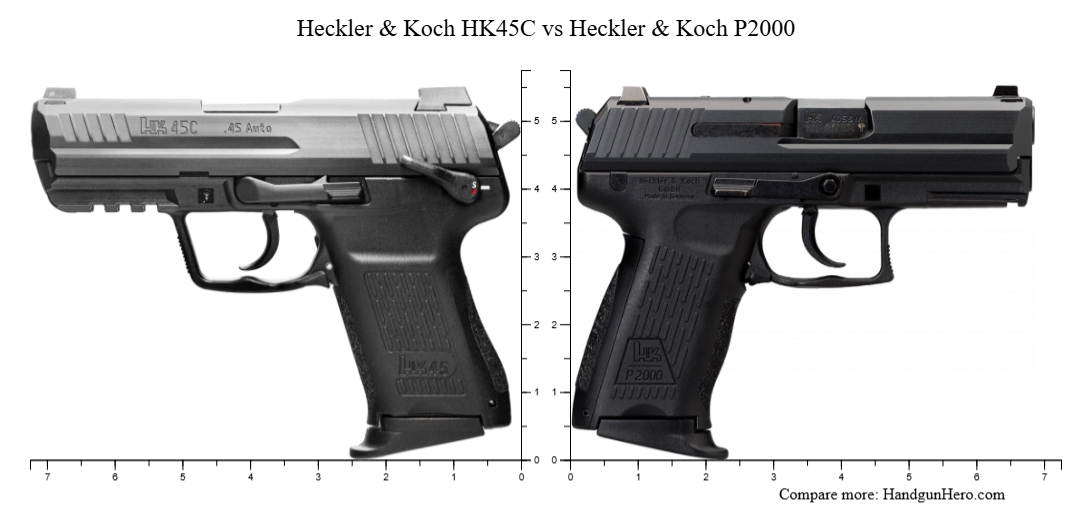
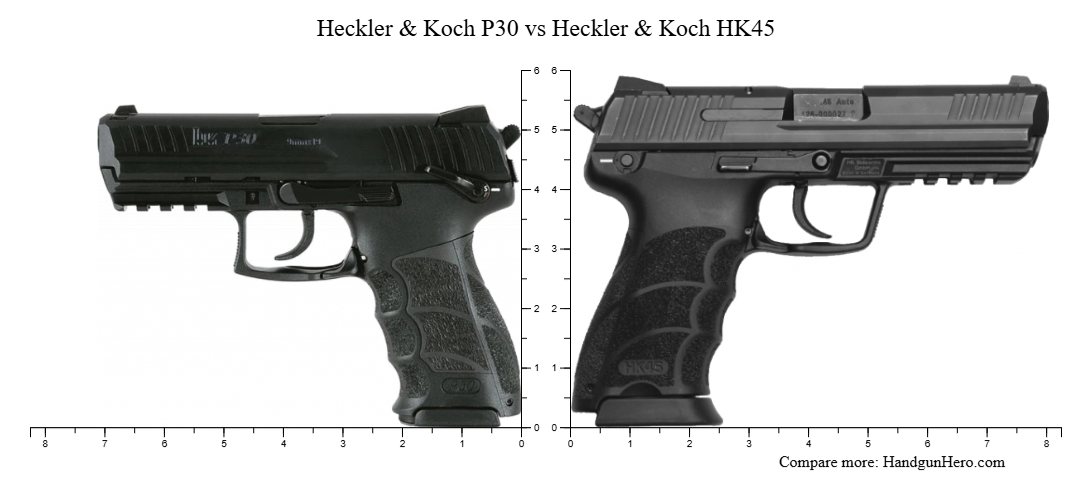
If you take a good look at the pistol, it is basically the .45 version of the P2000 and the HK45 is the .45 version of the P30. This simplifies the looks and feel of the pistol and demystifies the origins of the looks and all that. All they did was slap a picatinny rail on the dust cover and give the pistol the manual safety/decocker of the HK45, but that is pretty much it. Essentially, the HK45C Tactical is the basic pistol that is used by SOCOM as the MK24 MOD0, and I really liked the idea of it, so I had to get my own and build out my own idea of the MK24 for my needs.
BUILDING A SYSTEM
When I decided to get this pistol, I decided that this pistol was going to serve as a suppressed system. It would only be fired suppressed and it would be used for home defense and taking out varmint on my land. This resulted in me acquiring a number of items that I felt were essential for building out this system. Here is a list, and the cost of each item:
H&K HK45C Tactical ($900)
Dead Air Mojave suppressor ($950)
M16X1 LH piston ($75)
Streamlight TLR7 Sub ($150)
15rd extended magazine ($120)
Heavy LEM trigger system ($200)
2 spare 10-rd magazines ($110)
Modular holster ($35)
If you add in the price of a case of ammunition (1,000 rounds) of .45 ACP practice ammunition, then you can add in another $400-$450. The total investment I had to make to get to 1k for this review was $3000 ± $50, not including taxes.
This is how I make calculations about investing in a new firearm. I view them as a system, not a singular item. At the least, I will look at the cost of 1k rounds to break-in the pistol and get acclimated to the characteristics of that specific firearm. As of this review, I have over 1,000 rounds through this pistol.
CHARACTERISTICS OF HANDLING
The HK45 Compact on its own is actually a pretty nice pistol in terms of recoil when it is unsuppressed. The muzzle bucks a little more than a 1911, but the felt recoil is lower. I found it tough to be able to get accurate splits on the HK45c at 15yds under 0.55 seconds. This isn’t that bad, considering that I was shooting something so incredibly light and I was shooting at a 10” steel gong.
When suppressed, the HK45C is much better. It feels more like an underpowered .45 ACP being shot. A lot of that is obviously going to do with the fact that the the suppressor has a bit of weight, keeping the muzzle down a bit. But in general, the shooting experience of the HK45C is made so much more pleasant when it is suppressed. I have gotten feedback from owners of the HK45, and they say that the recoil is not much different, even though the overall weight of the pistol is different.
The suppressor I was running was not perfect. Even though it was a more expensive suppressor, and it is classified as a relatively low backpressure can, I got alot of crap sprayed in my face. During the last 400 rounds of shooting, I forgot my sunglasses and had to quint to prevent all the crap getting in my eyes, even with the can completely dry.
You can see me flinching and squinting from the backpressure and anticipation of it getting in my eyes.
This made me consider the FLOW 45 M from HUXWRX. It is lighter and just a tad shorter in OAL. But it also would be a bit of a gamble if my primary motive is the limit backpressure and getting stuff back in my face. If I remember correctly, the Mojave and the FLOW 45 M have very similar reviews in terms of relative backpressure.
I didn’t notice a discernable difference in suppression with the full length of the Mojave vs the K configuration. If I remember to wear my eye protection, the Mojave 45 works just fine. And as long as I limit the amount of EWL that I put into the baffle system, it will not spit back at me too much.
GRIP
The grip is a direct descendant of the P2000, but without any finger grooves. This is not so bad when you are shooting with dry hands, but will definitely be an issue with sustained practice or in sweaty conditions. For this reason, I judged the grip to be a prime candidate for hockey tape. This minor change is temporary, adjustable, and cheaper (by more than half) than official Talon Grips. The hockey take gives you some tacky grip and the texture of the fabric it is made of gives you a solid hold.
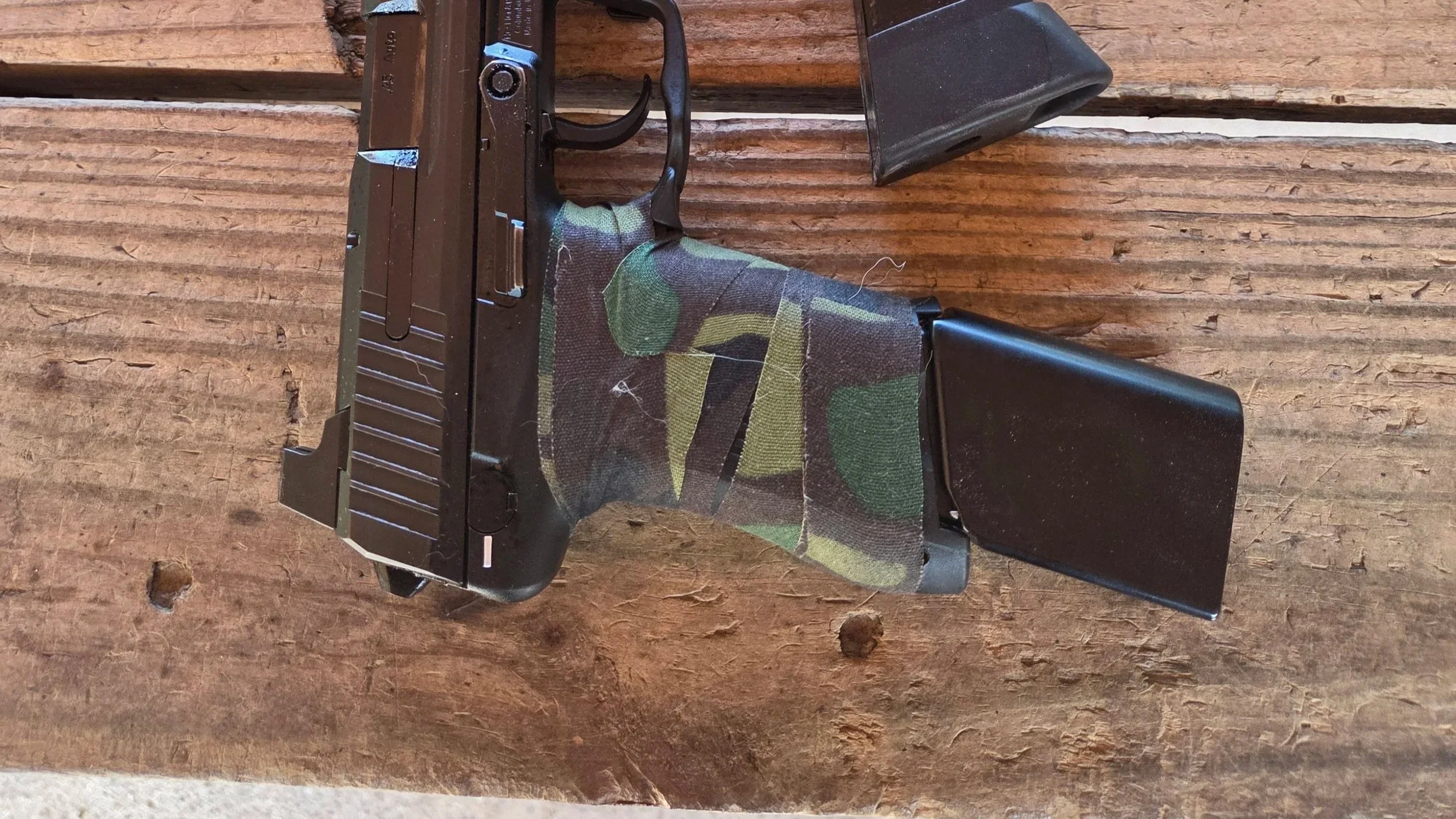
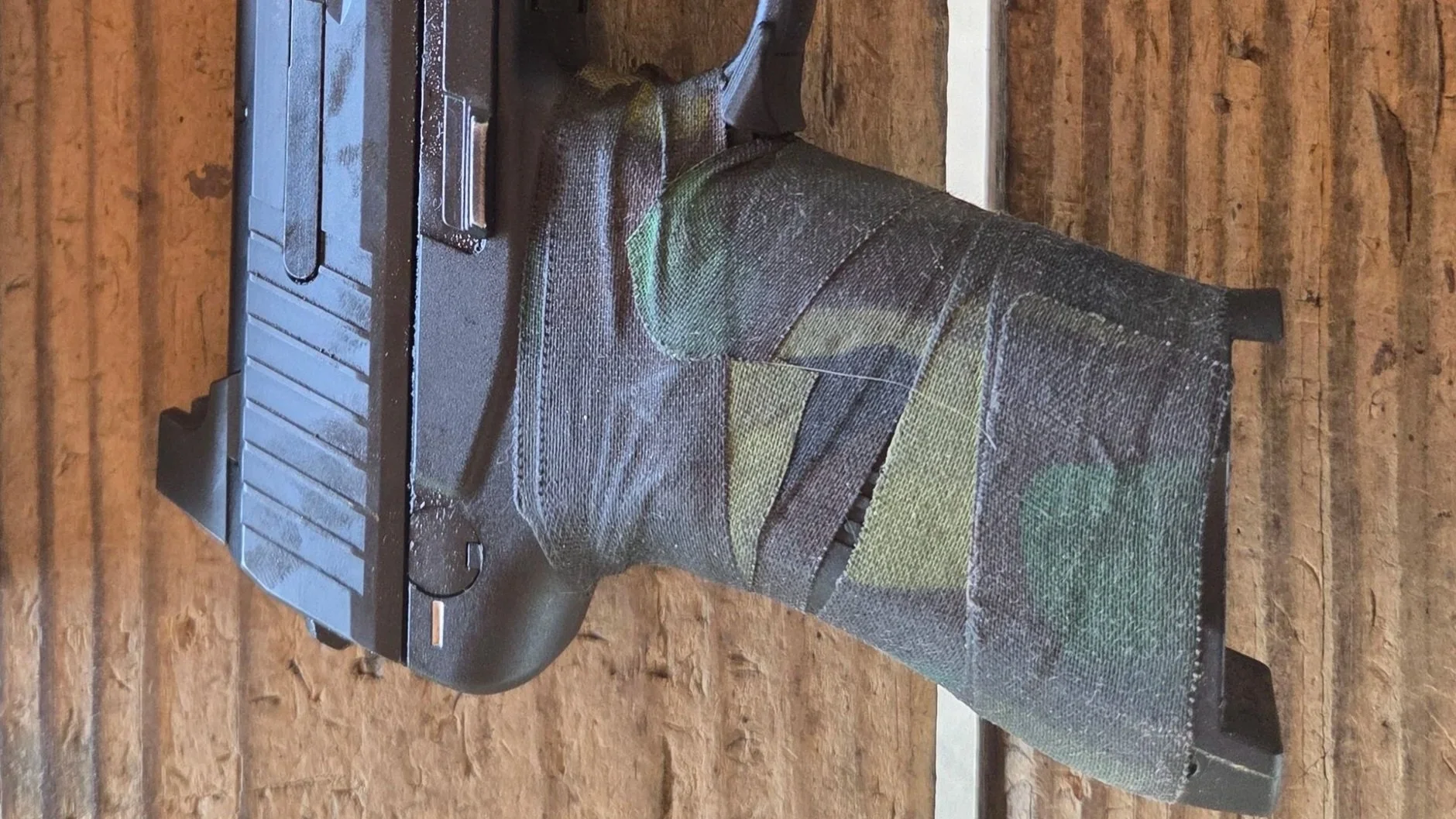
As you can see, the tape went from fresh and relatively clean to blackened and crumpled in a period of 400 rounds. This is fine because I can just replace the tape and it only takes about 15 inches of tape to wrap the grip up. This means my roll of hocket tape is going to last a really long time.
I used the small backstrap on the HK45CT because I was mostly going to shoot in gloves when I took the pistol out to my land as a varmint (coyote) killer. For this reason, I spend a decent amount of time on camera shooting with gloves on. Gloves must be trained with because they add bulk and limit dexterity in areas.
TRIGGER
I am not a trigger snob, but I recommend you spend the extra dough and get yourself an LEM trigger system. The stock double action is probably in the neighborhood of 15 to 18 pounds, which is nearly 1.5X the weight of a normal double action, and you feel it. It is smooth, but you definitely feel it on the range and in practice. Often, the range time would turn into a grip training session rather than a shooting session, and that was no bueno. I train my trigger finger on DA/SA, but this one was a bugger. Just get the LEM conversion on HKparts.net and save yourself the trouble. You can install it yourself and then dry fire with it.
When practicing, definitely use a snap cap due to the force that the firing pin is being hit by the hammer. Whether you are running the stock hammer spring or the LEM one, the hammer is going to hit incredibly hard. Lets just say that the likelihood of having a light primer strike, even with a dirty gun, is next to none. This means you are gonna have to protect the firing pin during dry fire. The firing pins are not cheap to replace, and you will need extra new roll pins if you have to replace them, so don’t force more spending unnecessarily.
CONTROLS
If you have ever handled the P30 or the P2000, you will be familiar with the HK45C. The ambidextrous nature of the pistol is very accommodating, unless you have the V1. Again, I recommend the LEM trigger system for it to be truly ambidextrous. The pistol even takes down like the P2000 through pulling out the slide release lever.
RELIABILITY
During the range sessions I had with this pistol, I had only one malfunction, but it was an oddball. It was basically a failure to feed, but the round was nose up in the magazine.
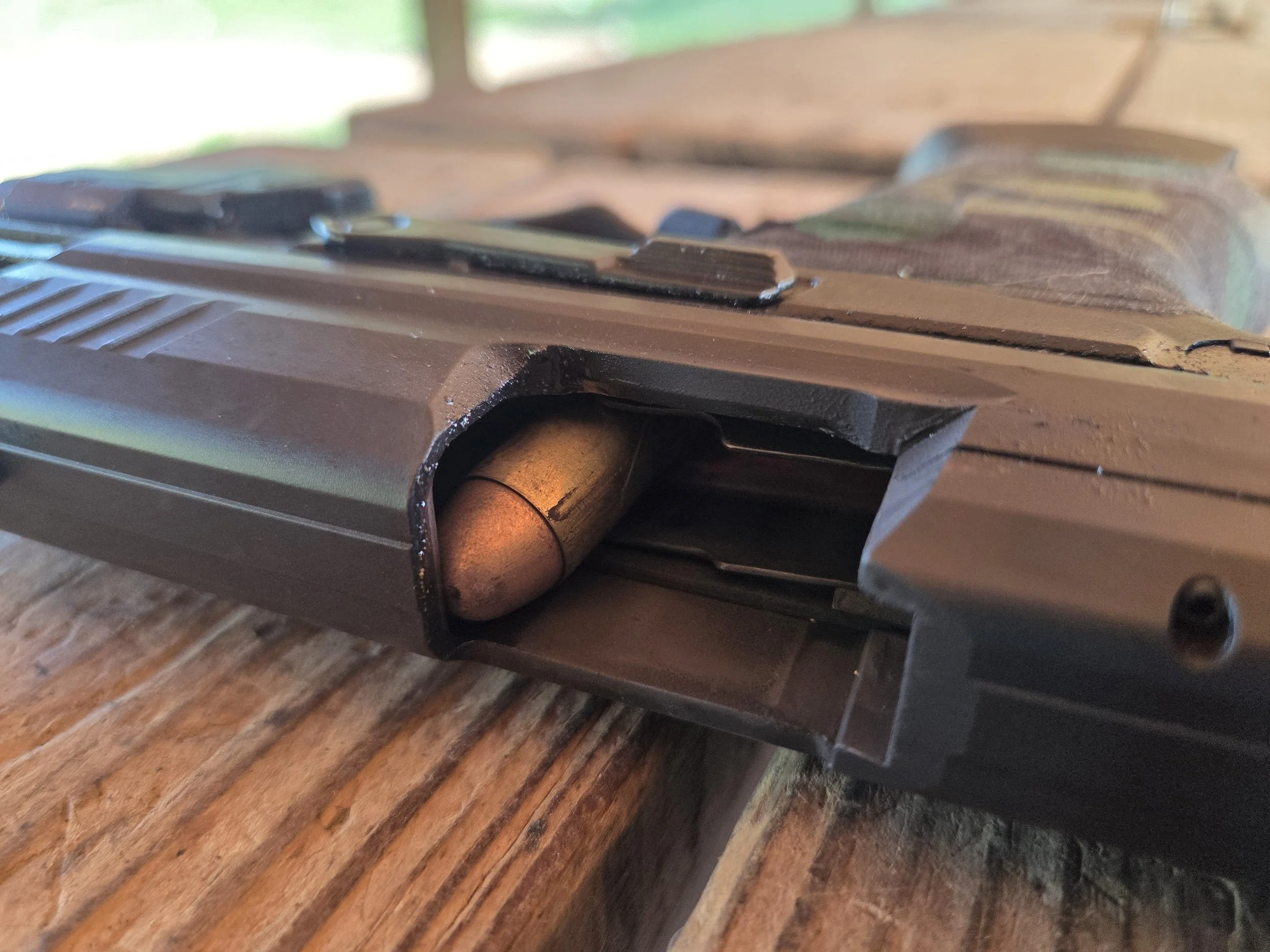
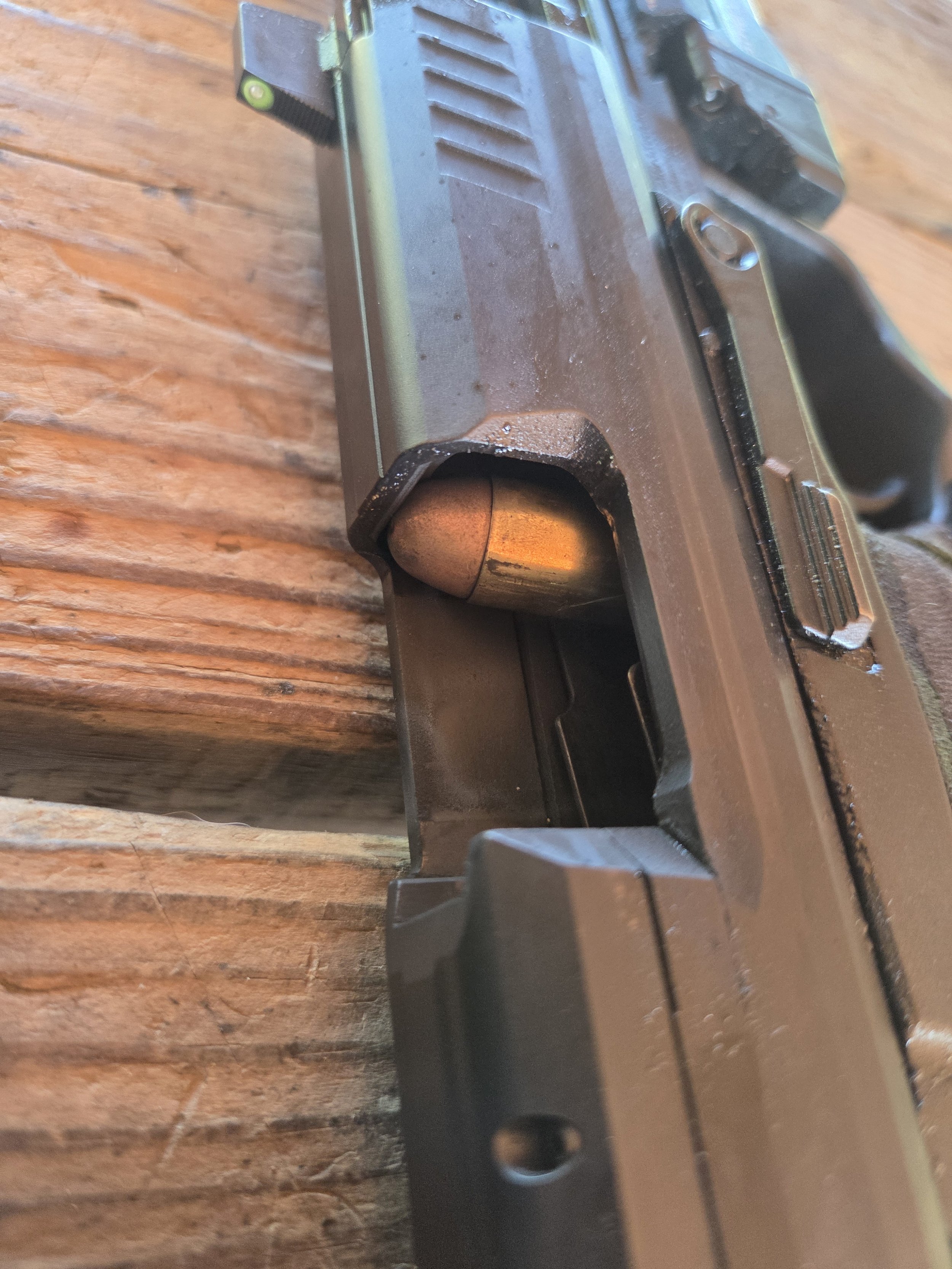
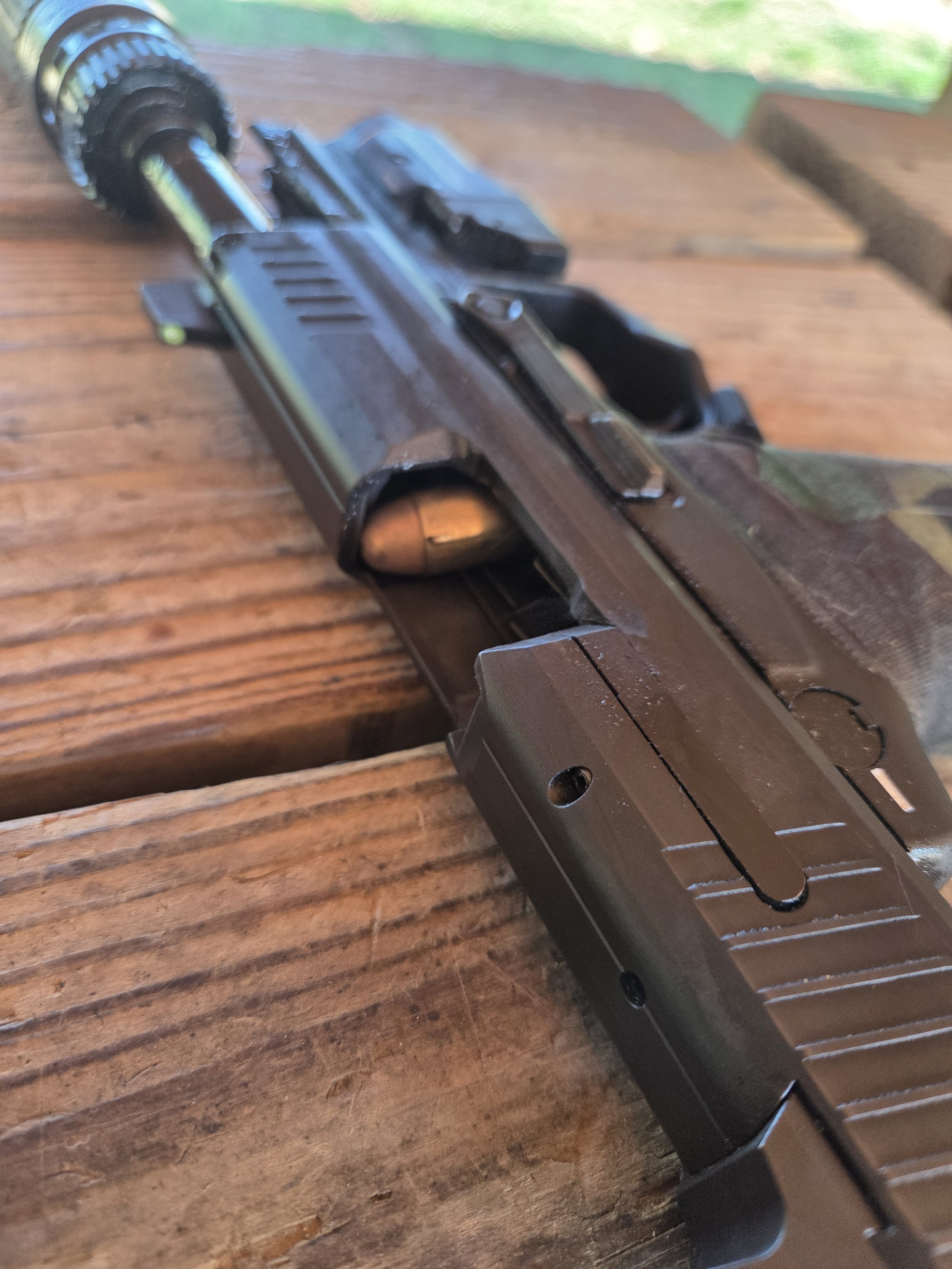
This happened in one of my 4 10-round OEM magazines, BTW. I was a bit surprised at the malfunction, and it was simple to clear using the standard procedure of locking the slide back and removing the magazine, but it was worthy of note and pausing the range session for a photoshoot of HK reliability.
ACCESSORIES
I do not know of many people who would opt for the HK45C Tactical without intent to dress it up and maximize the capability of the system. I myself went into the purchase with the intent to have my own version of the MK24 MOD0 by the end of my build. This was not cheap, but it was less costly to get something like the MK23 and go from there. In fact, when you look at the entire system plus the case of ammo used to break in the gun and train on it initially, the whole system costs the same as a MK23 ($2600) with nothing added.
SUPPRESSOR
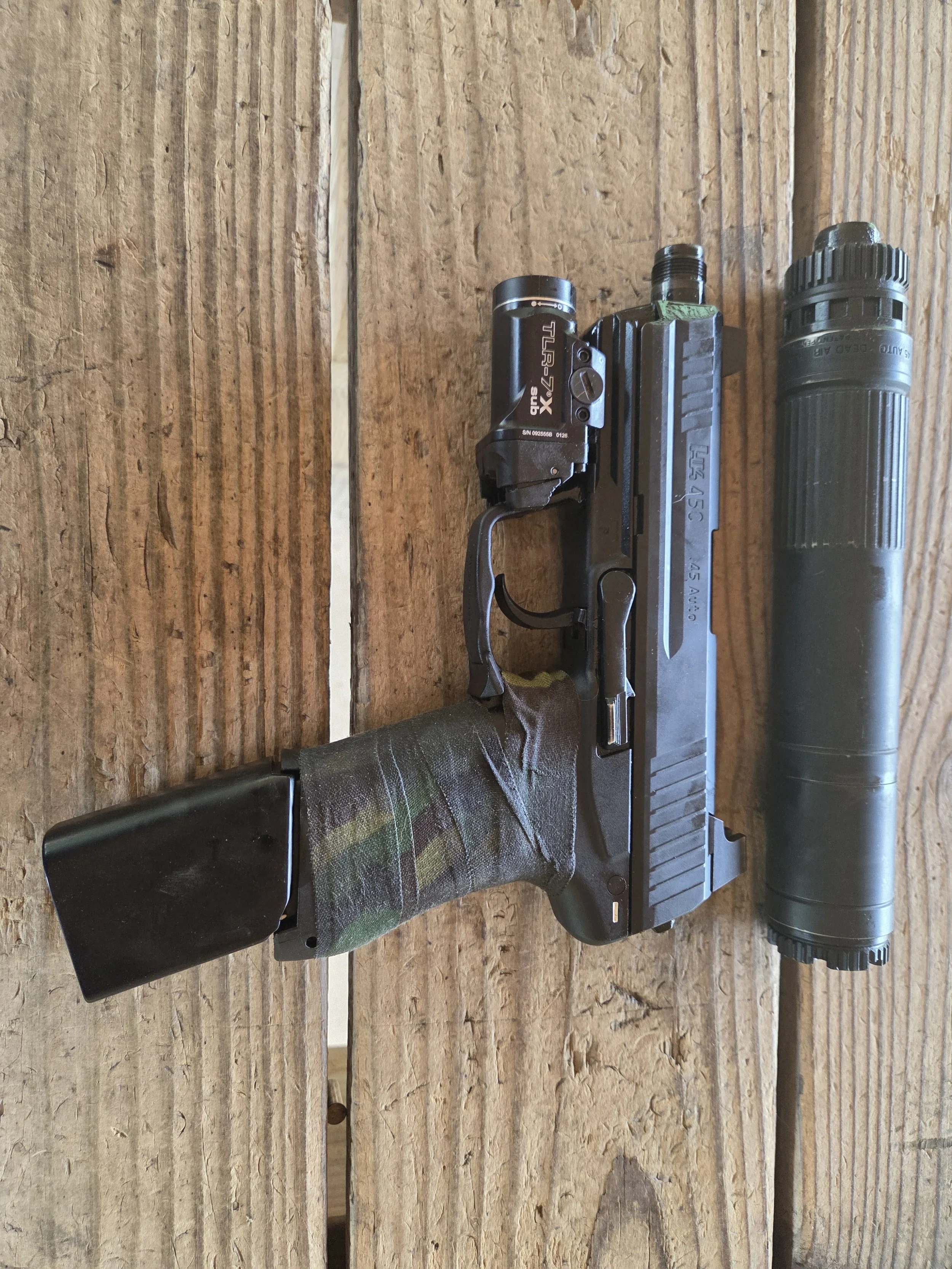
I feel like the HK45C was designed to live suppressed most of the time. Once you get a suppressor on this pistol, the recoil changes and there is virtually no POI shift to speak of out to 25yd. Granted, I found the pistol to need a bit of a 12 ‘0’ clock hold to hit the center of my 10” steel gong.
The pistol and the suppressor are going to work best lubricated lightly. Do not be too liberal with lubrication unless it is your first time shooting the pistol and suppressor. In that case, I have found SLIP 2000 (Gun Lube/EWL/EWL30) to be the optimal lubricant that is good for everything from lubing and cleaning the pistol. It withstands the heat of sustained shooting well and makes cleaning a breeze.
HOLSTER
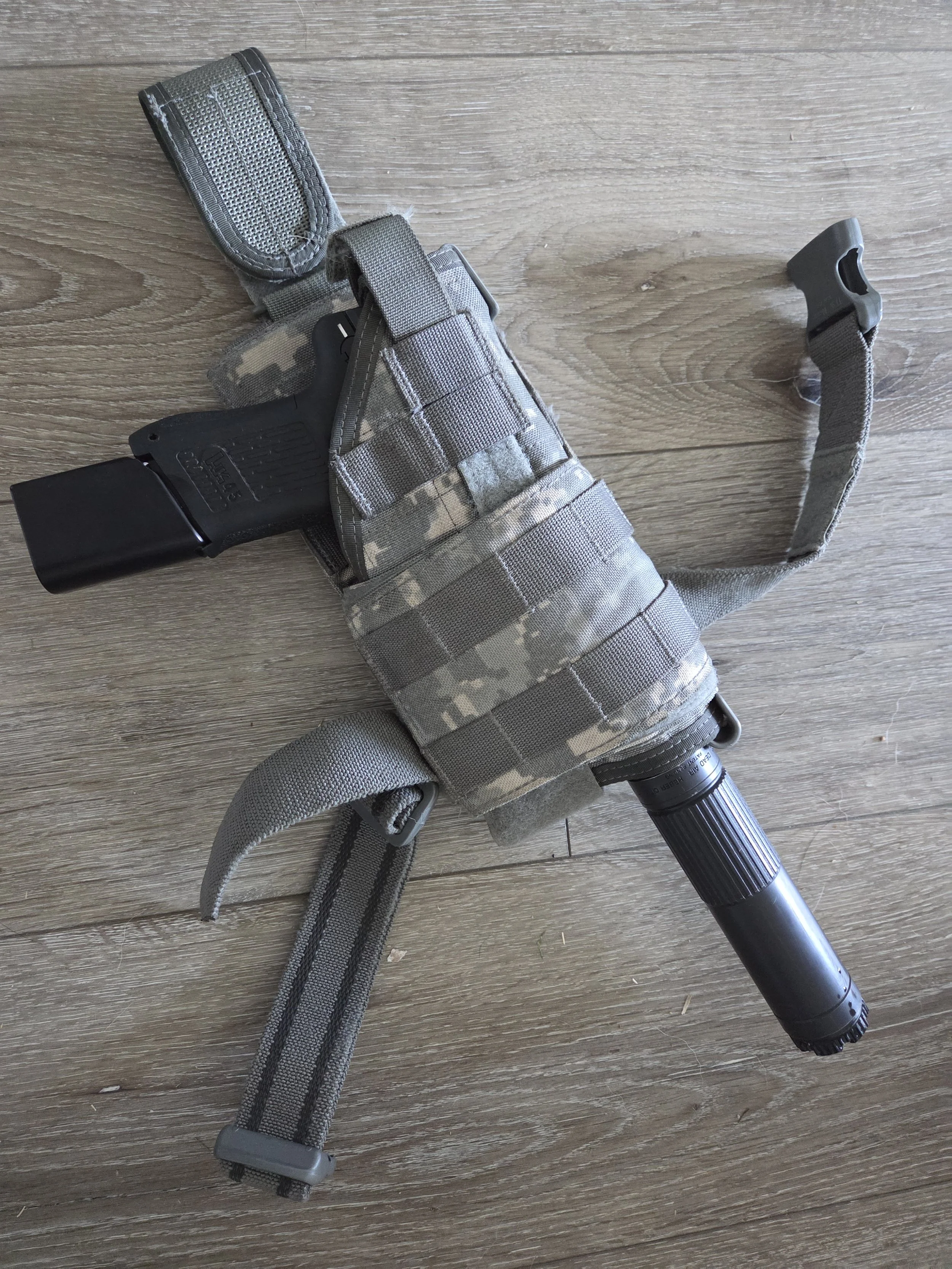
The HK45 Compact is not a hard pistol to find holsters for. That said, the HK45C Tactical is virtually impossible to shop for. The holster I ended up with so I could LARP properly, was a UCP universal service pistol holster that I modified to be able to use the HK45C Tactical with the Mojave attached. I basically took out the front cross-screw and cut the bottom Velcro strap to allow the suppressor to hang through.
The pistol does not fit comfortably with the light attached, but that can easily be remedied by cutting away the internal velcro that limits the lights travel. The good thing about surplus UCP garbage like this is that it is dirt cheap and made for serious usage, so all you gotta do is paint or dye it to your liking.
WEAPON LIGHT
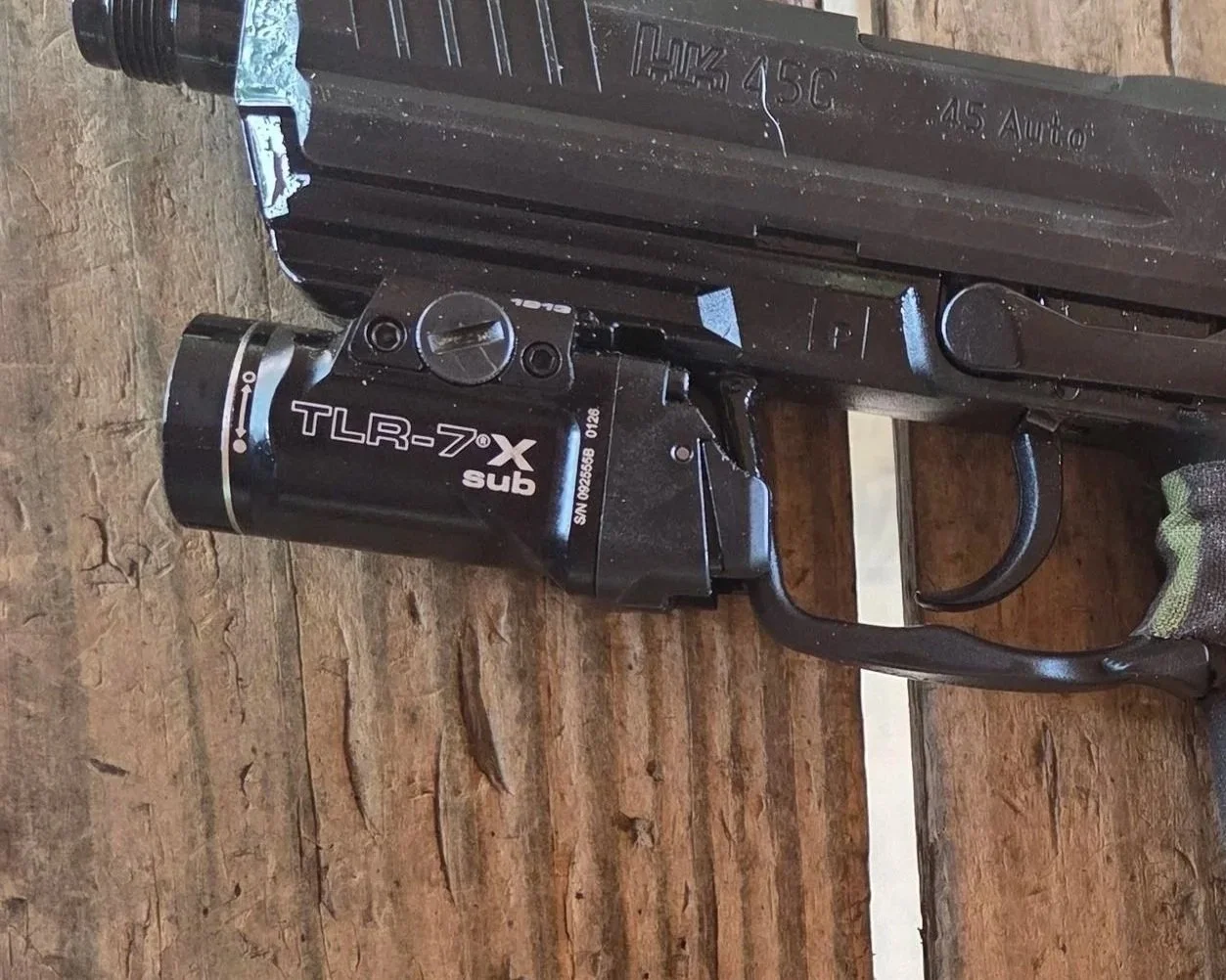
The only light you will find to fit perfectly on the HK45C is the Streamlight TLR-7X Sub. This little beast is powerful for it’s size and fits perfectly. After a good amount of shooting and training with the pistol, I have not had an issue with the screw backing out, which is par for the course for Streamlight. I had issues with the reliability of the TLR-7 back in the day when mounted on the M&P40C 2.0 and P229 in .40, which gave me a bad taste in my mouth for the system. It seems like they have changed the design, and it is more reliable.
EXTENDED MAGAZINE
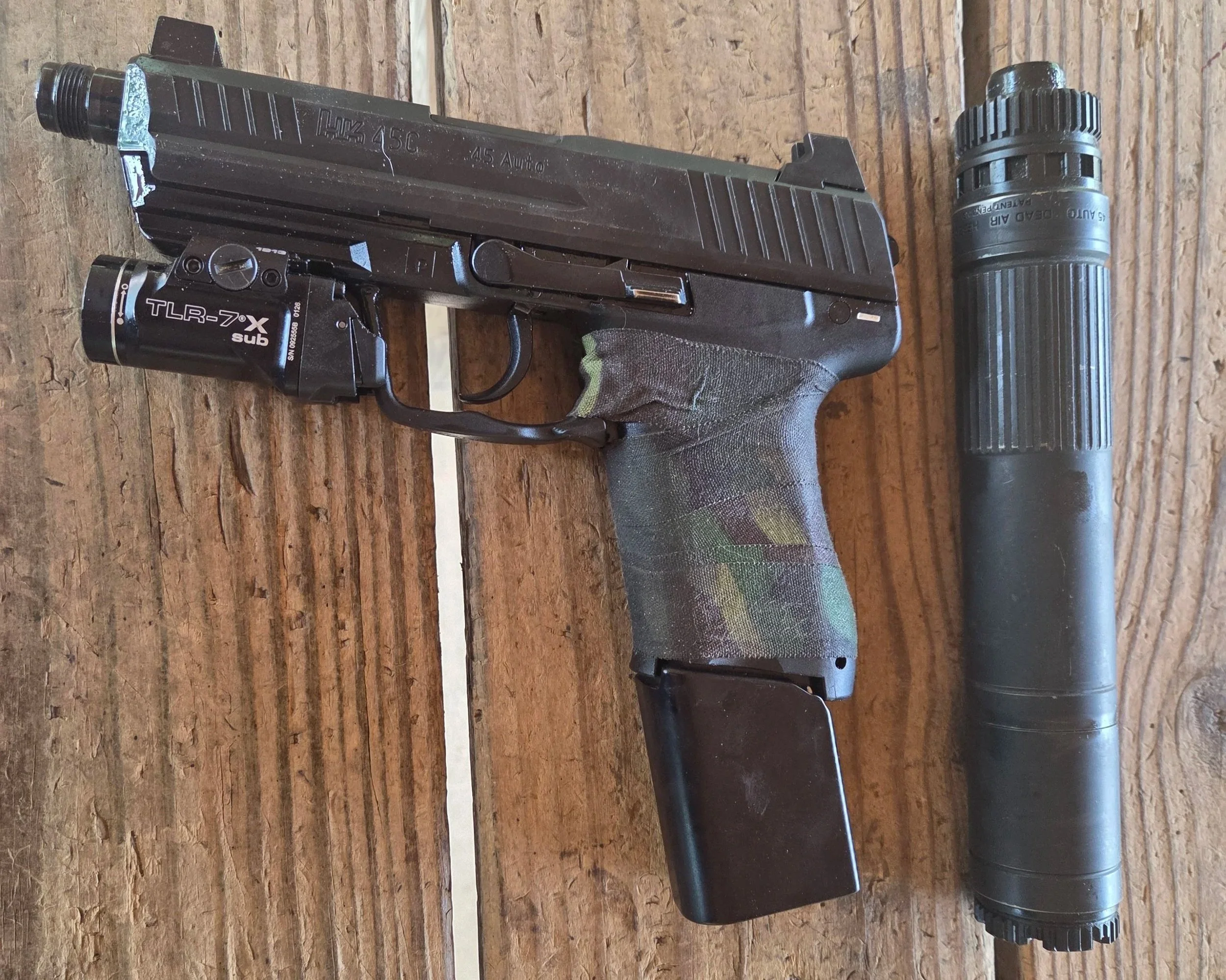
The magazine I got was supposed to be the 15 round extended magazine from HKparts.net. It was a bugger to load at first and I have only been able to get 14 rounds into the magazine, essentially making it a 14+1 magazine. However, I do appreciate the metal bottom on the magazine to prevent it from disassembling itself during range sessions. That said, the pistol is about 8” tall with the extended magazine in it, which is the same as the length of my Mojave in full length configuration
ACCLIMATION & FAMILIARIZATION
When I first handled the HK45C Tactical unsuppressed, I knew I was really going to be challenged to hold the gun still while I pull the trigger. I knew I would have to take weeks to get used to the DA/SA system, and that it was not optimal to use the ‘cocked & locked feature of the V1 system, so spending the extra $200 on the LEM was a personal choice to accelerate my proficiency. If I stuck with the V1, I would have to wear down the hammer spring until the trigger pull was manageable, effectively wearing the spring into optimal weight.
Once I installed the LEM system, the pistol became more shootable, but with the heavy LEM installed, I still had work to do (whether I had it light or heavy). The sear and hammer engagement points were not polished out and it was going to be on me to do that, just as it will be on you if you buy an HK with an LEM system.
The grip was another thing I had to get acclimated to. Each grip is different and the circumference of a grip can have a great effect on your perceived trigger pull, because we are built to hold and squeeze with all fingers simultaneously. It takes deliberate practice to be able to pull the trigger without moving the other fingers or try to get them to back up the trigger finger. With the heavy DA/SA, I was well outside of my comfortable trigger weight class, and it would take a decent amount of training to overcome that trigger weight. Even with the LEM conversion, I had to spend a decent amount of time practicing to shoot without moving my other fingers.
TRIGGER DRILL
This is one of the most vital drills you can do to acclimate yourself to the trigger and test your ability to isolate the trigger finger from the rest of the hand. You start with your finger straight and off the trigger, along the frame, and then you pull the trigger as fast as you can without moving the sight picture. I spent a whole day practicing this and my trigger finger was getting a workout just defeating the heavy LEM wall.
If you wish, you can add in a laser trainer into the chamber to ensure that you are actually maintaining a good sight picture and ensure that you have actually achieved a good hit. You will notice that when you add the suppressor, the front of the gun will be much heavier and it will change your style of gripping the pistol. You will need to press your palm into the grip more to keep the gun steady.
I personally load the 15rd magazine and just take it out before charging the slide with the training laser in the chamber. Even if I messed up and tried to charge the gun, it wouldn’t be able to get into the chamber. But I was willing to take that risk to train realistically with the weight I would actually handle on the range.
If you wish to put yourself under time, or want an industry reference, you should aim for less than 0.4 second on a dry fire par timer. A good time is 0.25 of a second, which is darn near maxing out the capability of the brain to process visual/audible information and take action on a predetermined plan.
PRESENTATION DRILL
This drill is pretty straight forward. You start from a ready position and then press out to the target and prep the trigger on the way. Then you simply align your sights and break the shot. You can easily start from 1.5 seconds and build to being capable of delivering 25 yard shots consistently under 1 second.
TRANSITION DRILL
One of the unsung heroes to target acquisition is the deceptively simple transition drill where you bounce back and forth from target to target and put an aimed shot on each. This style of practice teaches you rate control, reacting to an acceptable sight picture, and processing visual data.
Do not concern yourself with timing the transitions at first. Worry more about making sure that you are getting a steady rhythm and building shoulder strength in order to handle fast movements and steady aiming.
EXPECT WEAR
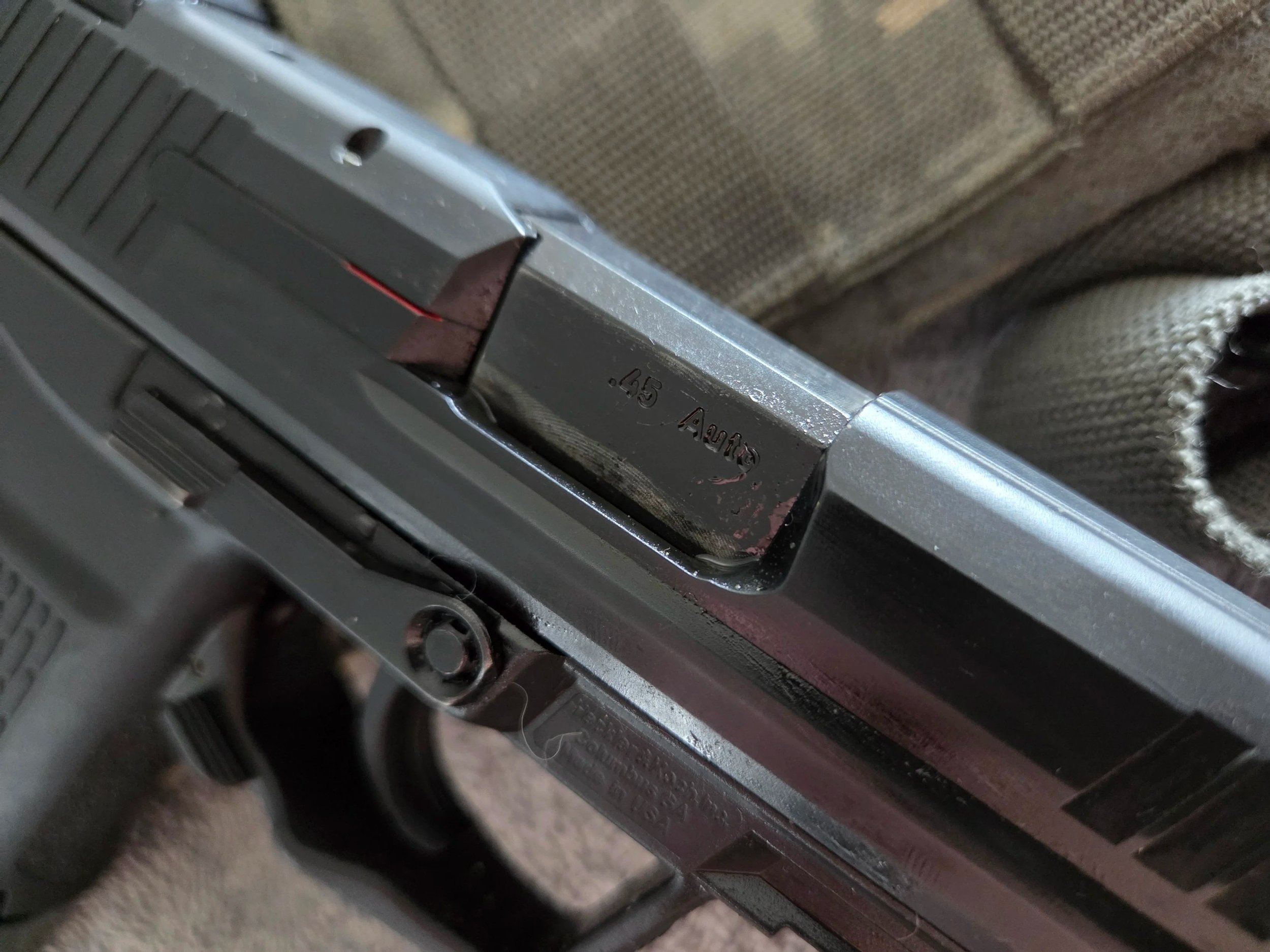
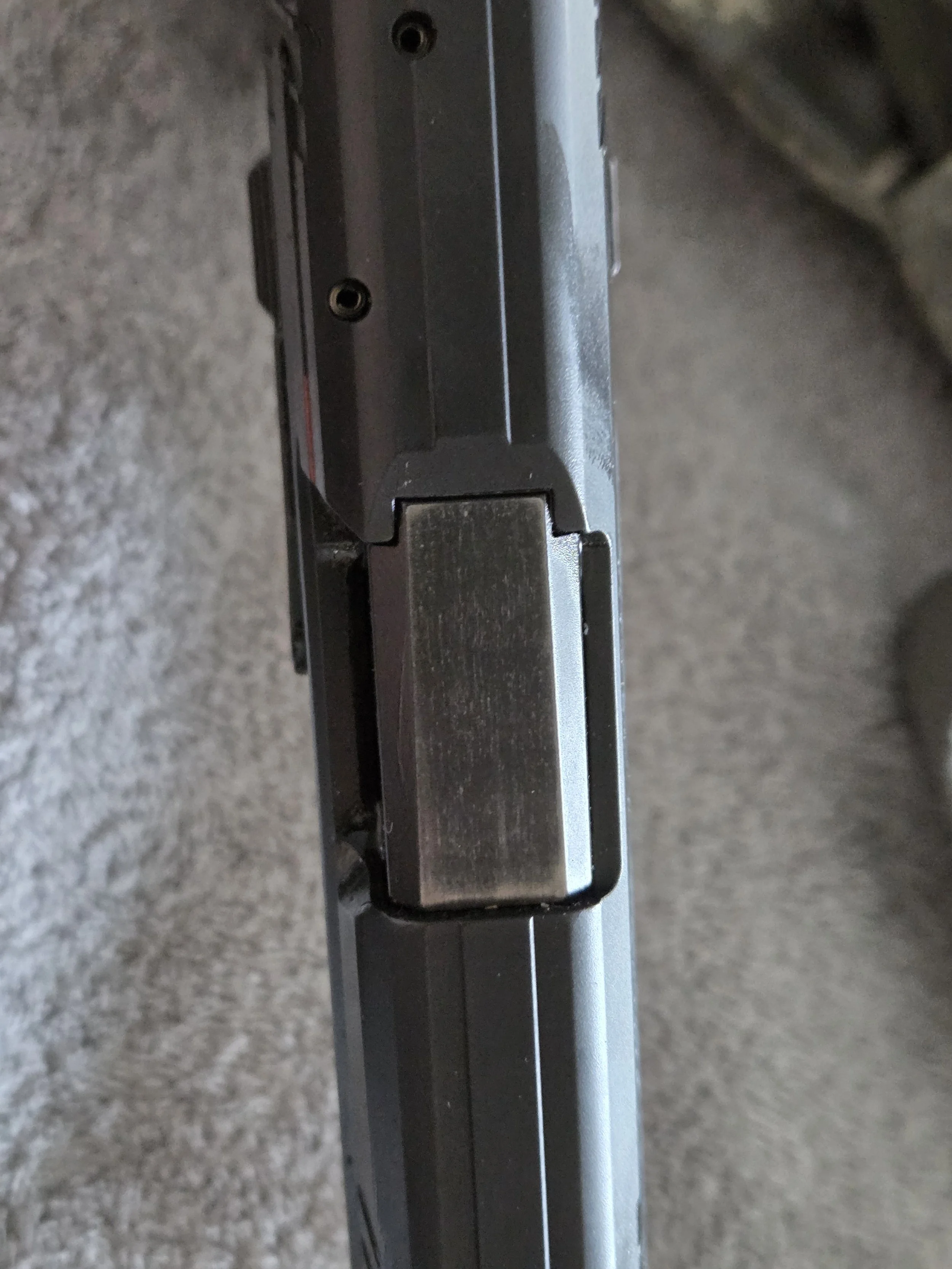
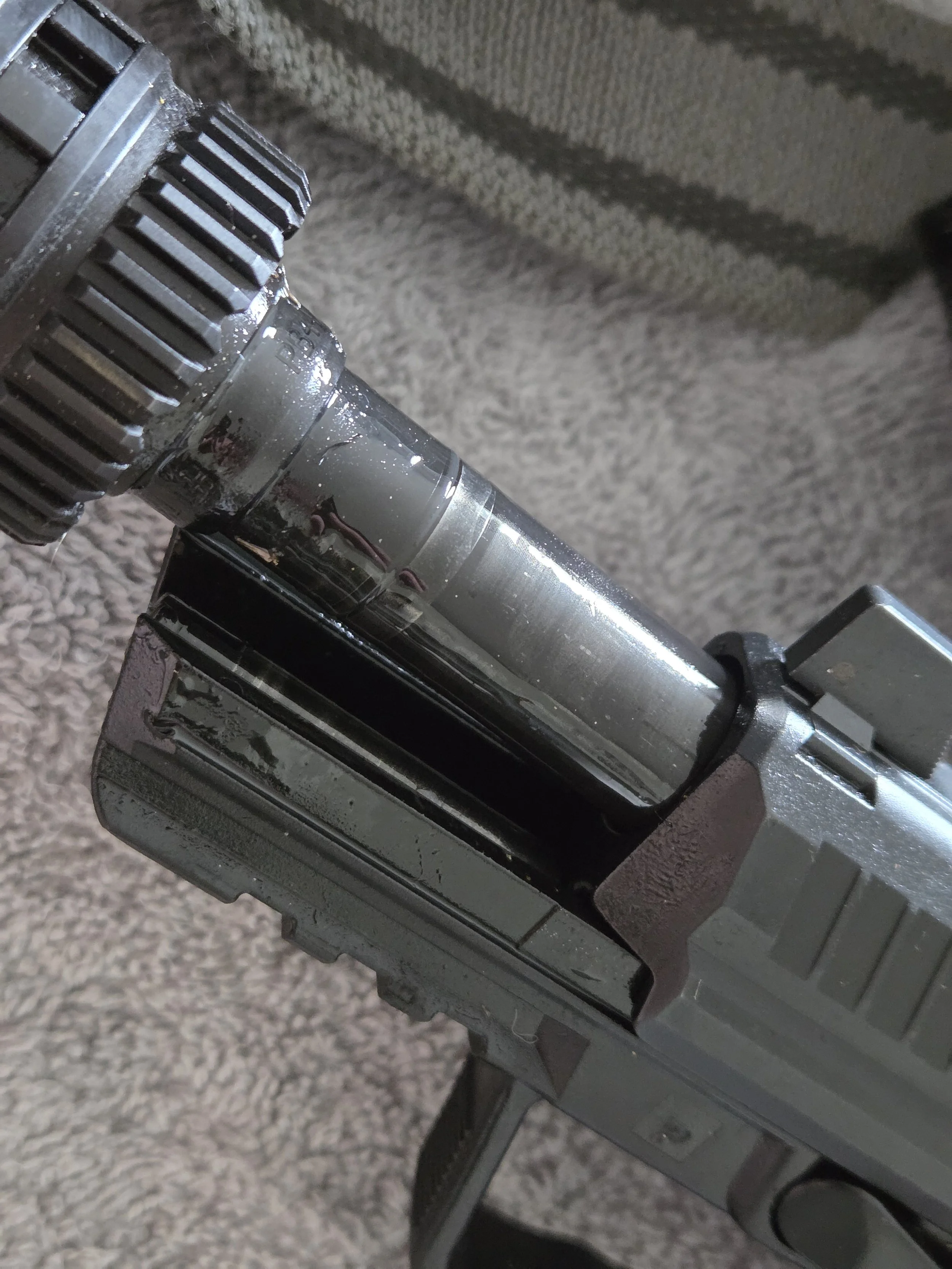
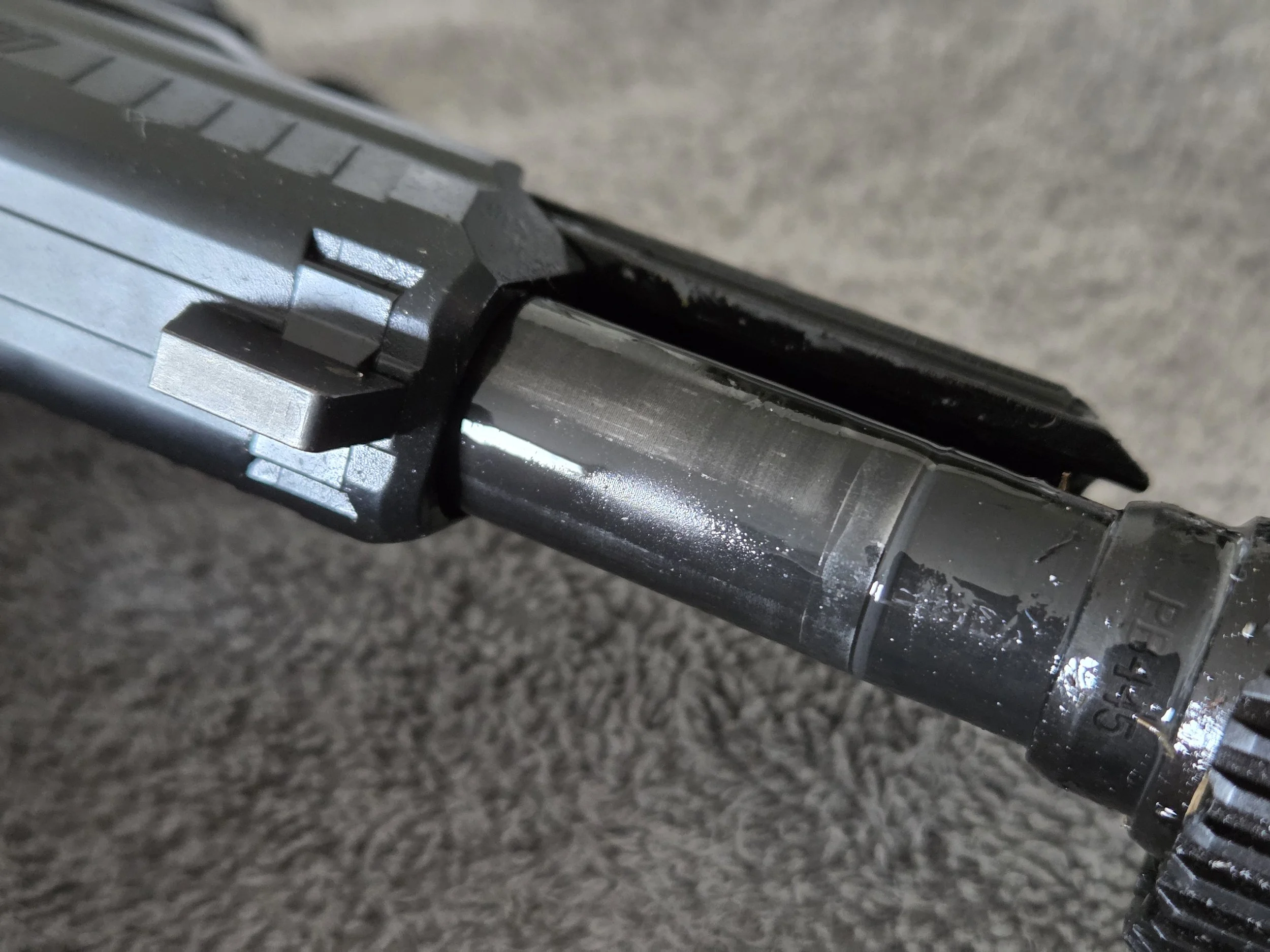
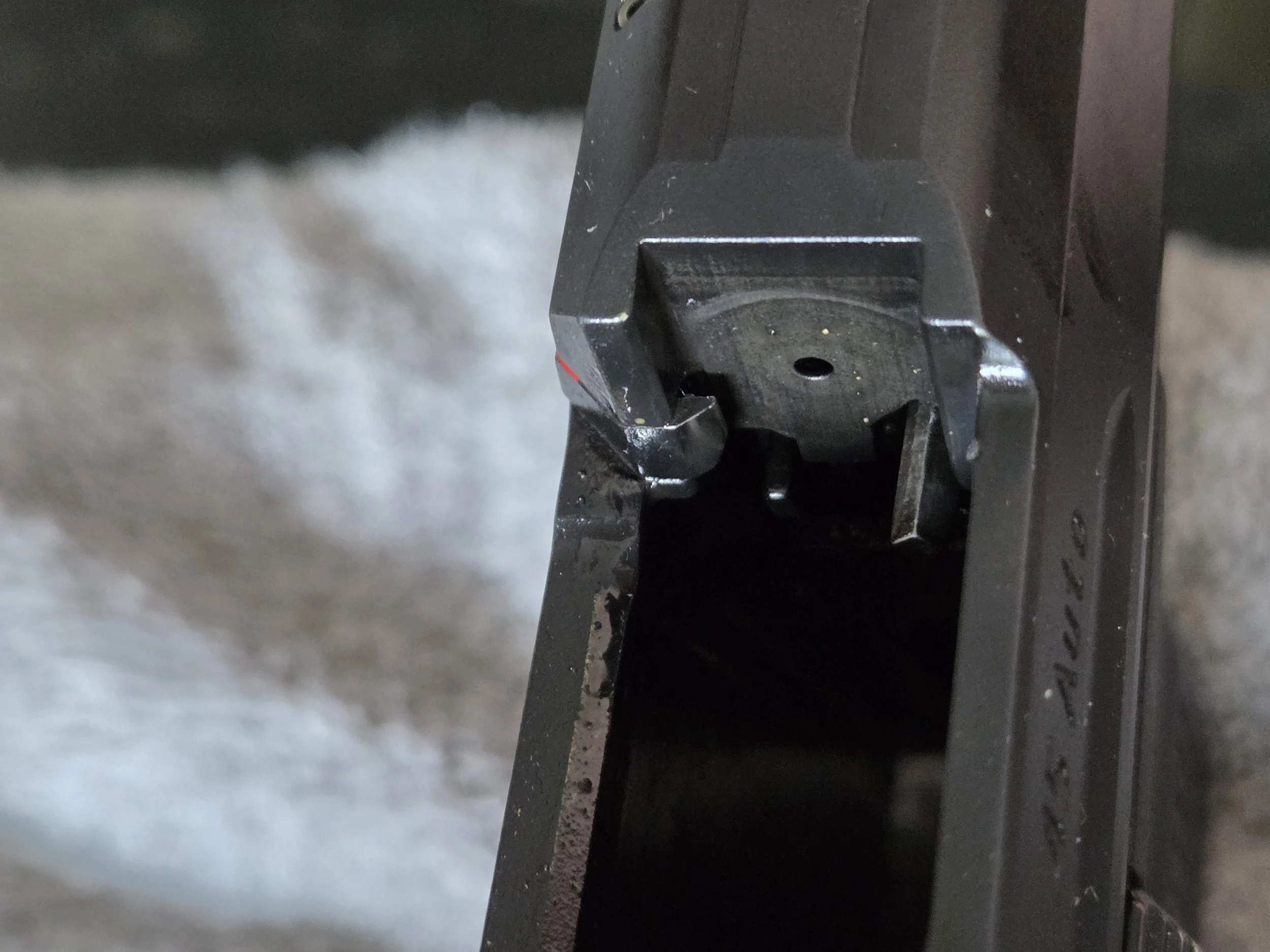
If you want a pistol that looks sexy and untouched after a lot of shooting, you may want to look elsewhere. the HK45C Tactical maintains the nitrocarburizing finish on the components. It is relatively cheap these days, but it penetrates the metal and prevents corrosion. With that said, this pistol wears relatively fast with the suppressor hanging off the end of the gun. After 600 rounds total, this is what my pistol looked like. After 1k, it is just a bit more worn, but not too much worse.
BUILD YOUR OWN MK24
This pistol is a great Barbie doll for building out your own interpretation of the MK24 and making it into a mini powerhouse. Add an extended mag, different trigger, a light, and most importantly, a can. This pistol was built to be used and abused in service of its owner. That is the main drive that I had for this pistol. If I could have one gun to serve as an offensive or defensive roll, this pistol would be it. It is light, maneuverable, shootable, durable, and will outlive us all. Unless I make a million dollars overnight, I am not going to be able to shoot this gun to death, and you most likely won’t either.