Beretta APX A1 Tactical: First 1,000 Rounds Suppressed
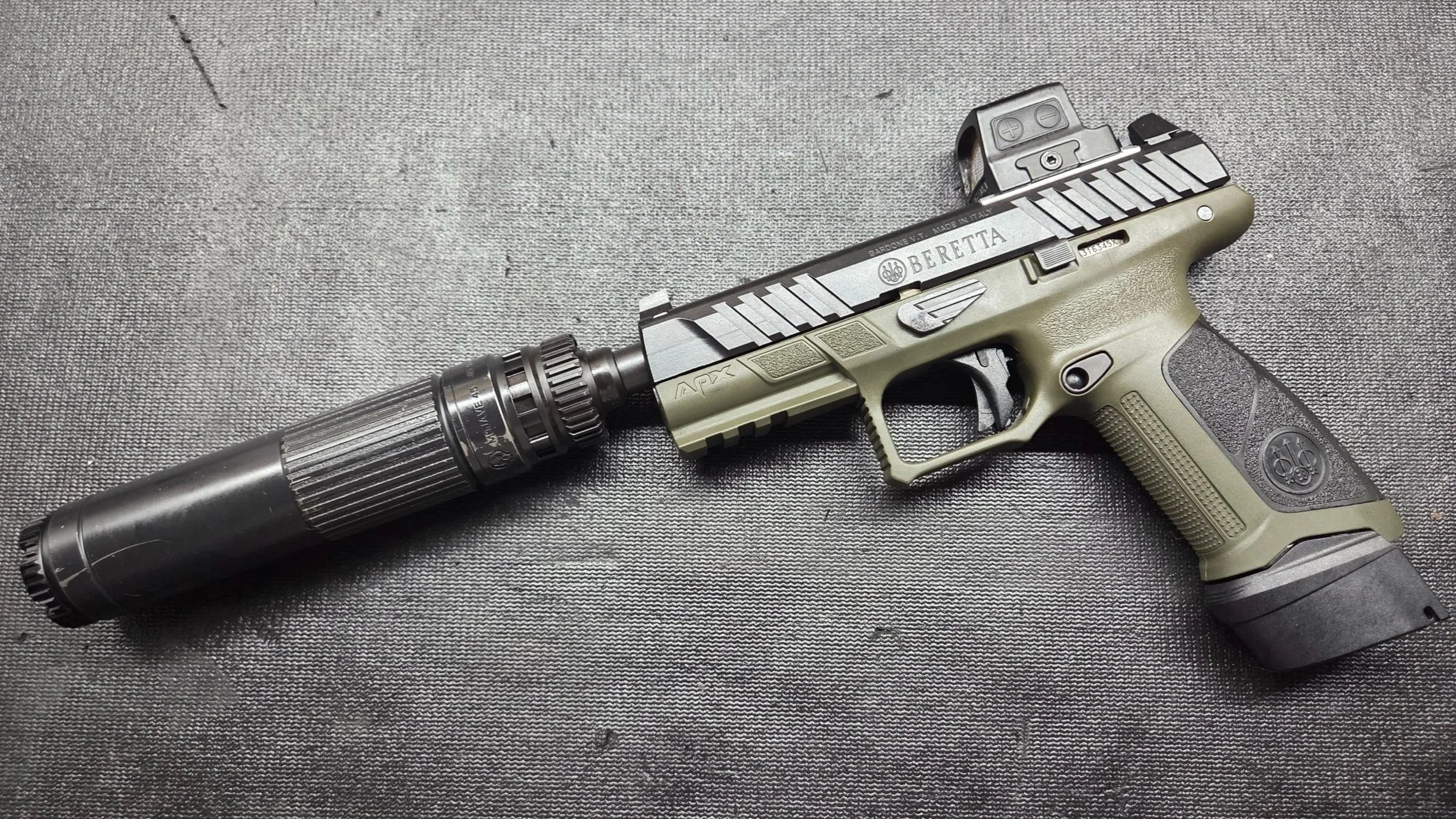
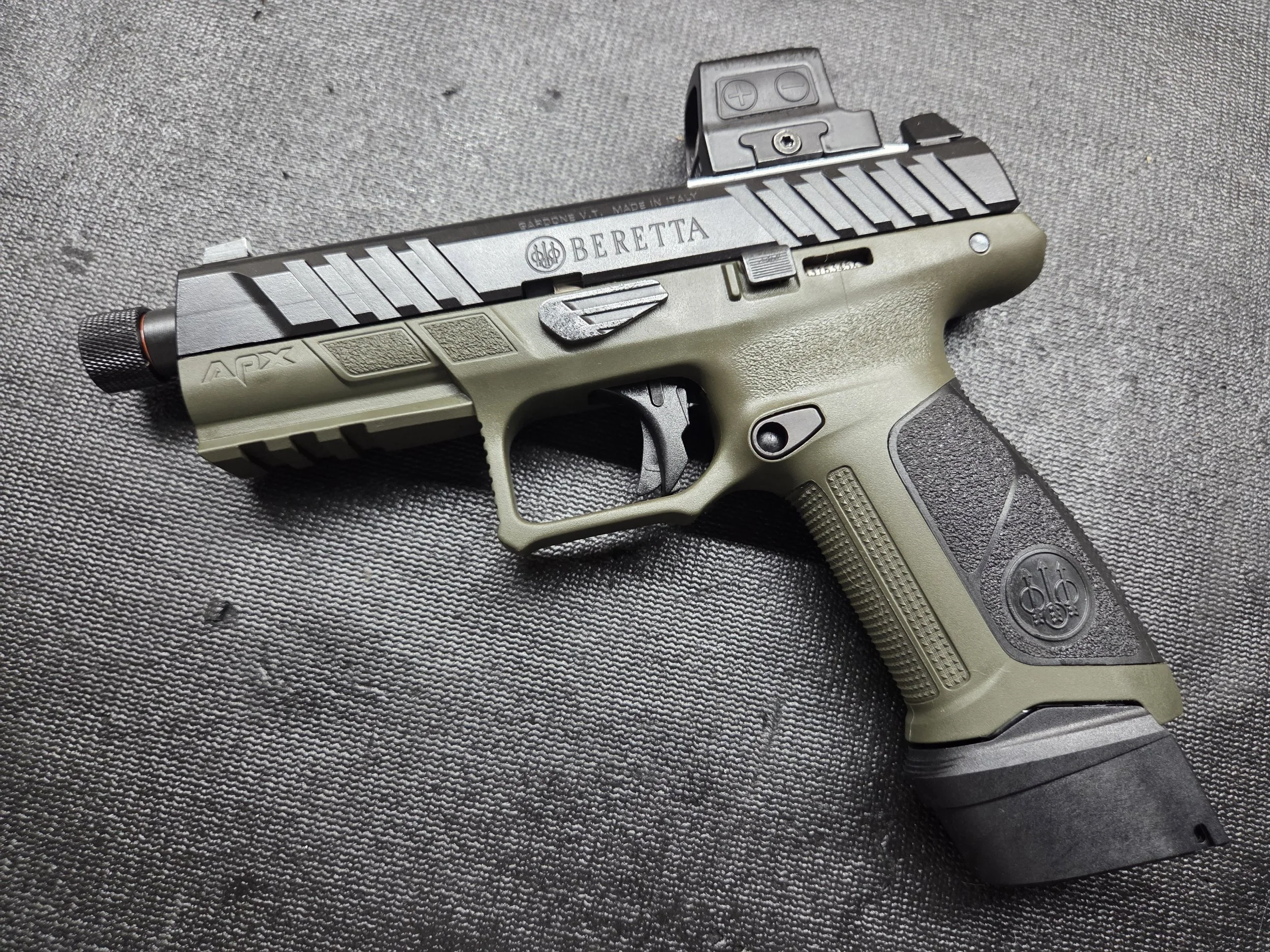
The APX A1 Tactical is marketed as the flagship of the APX A1 lineup. It’s a full-size, suppressor-ready, optics-capable pistol that ships with three 21-round magazines and usually sells for under $600. It was supposedly developed with input from an Italian military unit to include features that matter to guys who actually use pistols hard. In reality, the biggest differences between this and the standard full-size APX A1 are the threaded barrel and the extended magazines. Everything else is basically interchangeable, which is a good thing. The platform was already built to handle +P+ abuse, even when suppressed.
TESTING PROTOCOL
I wanted to test this pistol the way I actually plan to use it — suppressed, with hot ammunition, and without constant cleaning. So I set up a long-term test: 5,000 rounds with no cleaning. I’ll lube it with SLIP2000 EWL every 1,000 rounds in all the usual friction points to keep everything wet. The first 1,000 rounds would be shot almost entirely suppressed using Winchester SG9W50 115gr high-pressure ammunition. This is the same stuff the military runs (M1152 spec) and it sits right around 39,500–39,700 PSI. The pistol is supposedly rated for a 30k-round basic service life with this kind of ammo, so I figured this was a fair way to start pushing it.
For this first segment I wanted to see how the pistol handled real-world suppressed use with hot ammo. Everything was shot suppressed except for the initial zeroing and POI/POA checks. I ran a mix of drills on a dueling tree and a 50-yard gong, plus some casual shooting at smaller targets to stay sharp. The goal wasn’t a full accuracy test — it was to see how the gun behaved as fouling built up and whether anything started to degrade.
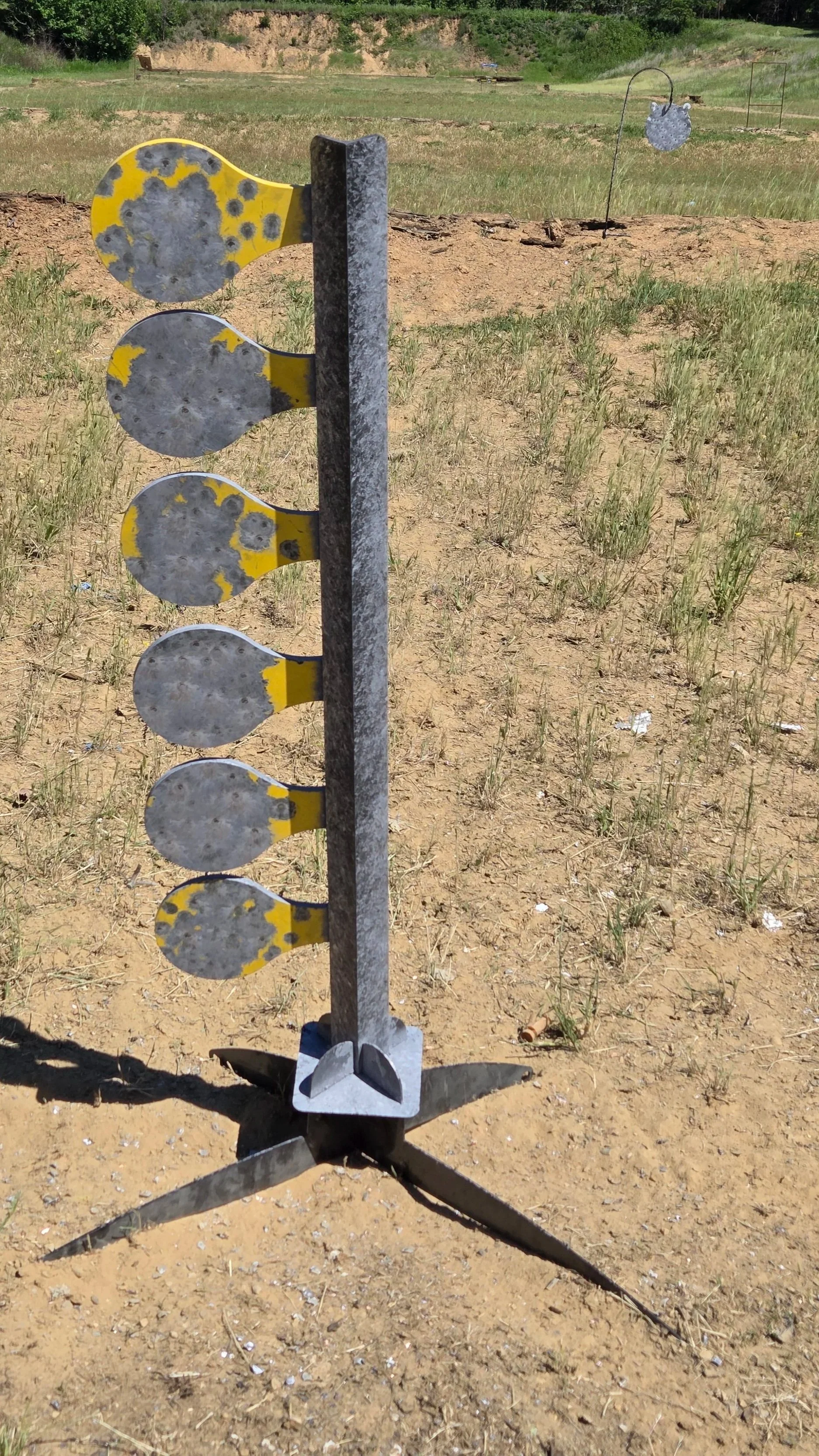
THIS IS JUST A VISUAL REPRESENTATION OF THE STEEL TARGET SETUP THAT I HAD. SAME TARGETS, BUT THE GONG WAS AT THE NEXT LINE BACK.
PREPARING THE PISTOL
Before I started, I had to get a couple things sorted. I picked up a custom machined plate from DLAH to mount my Holosun 509.
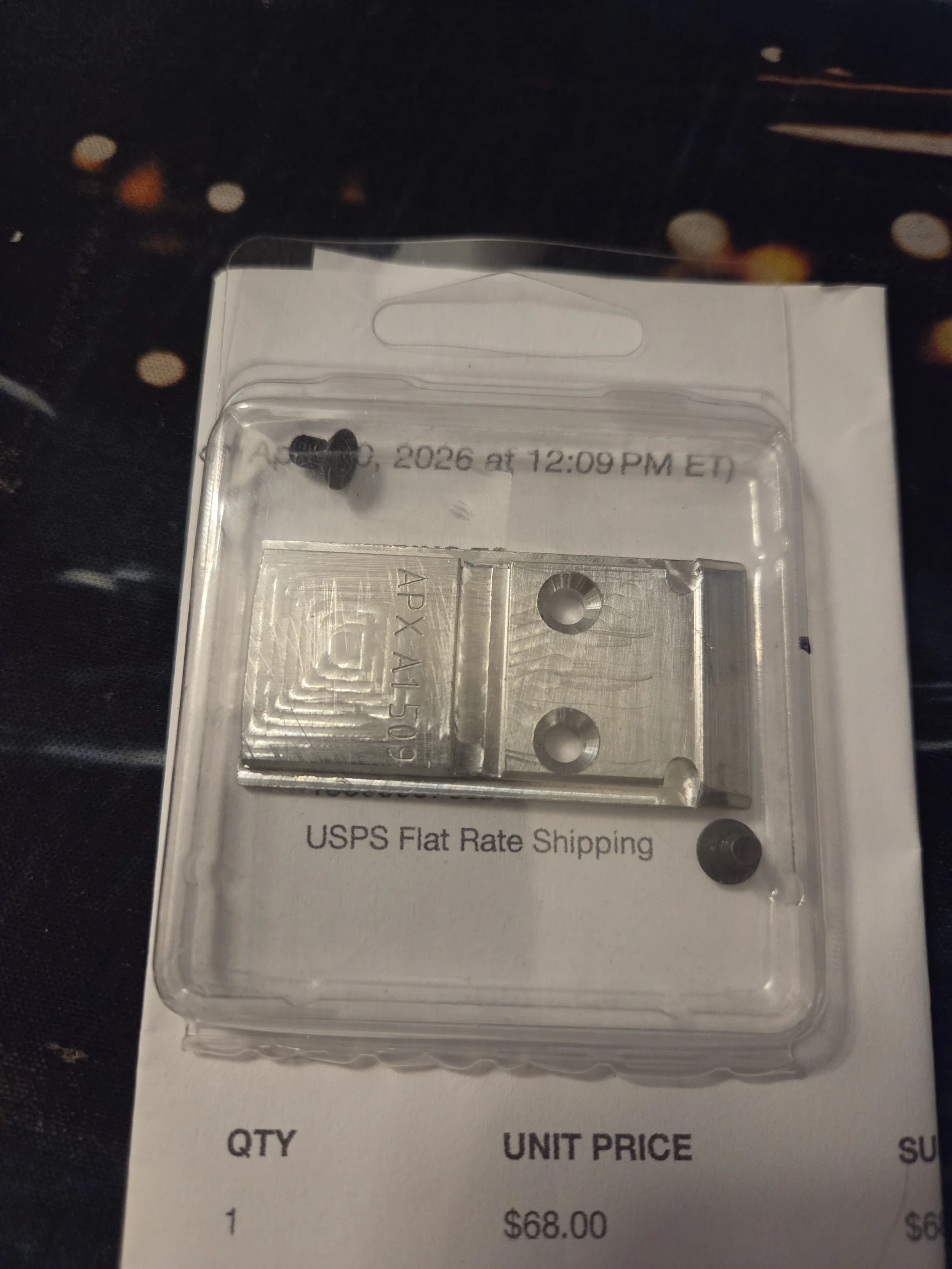
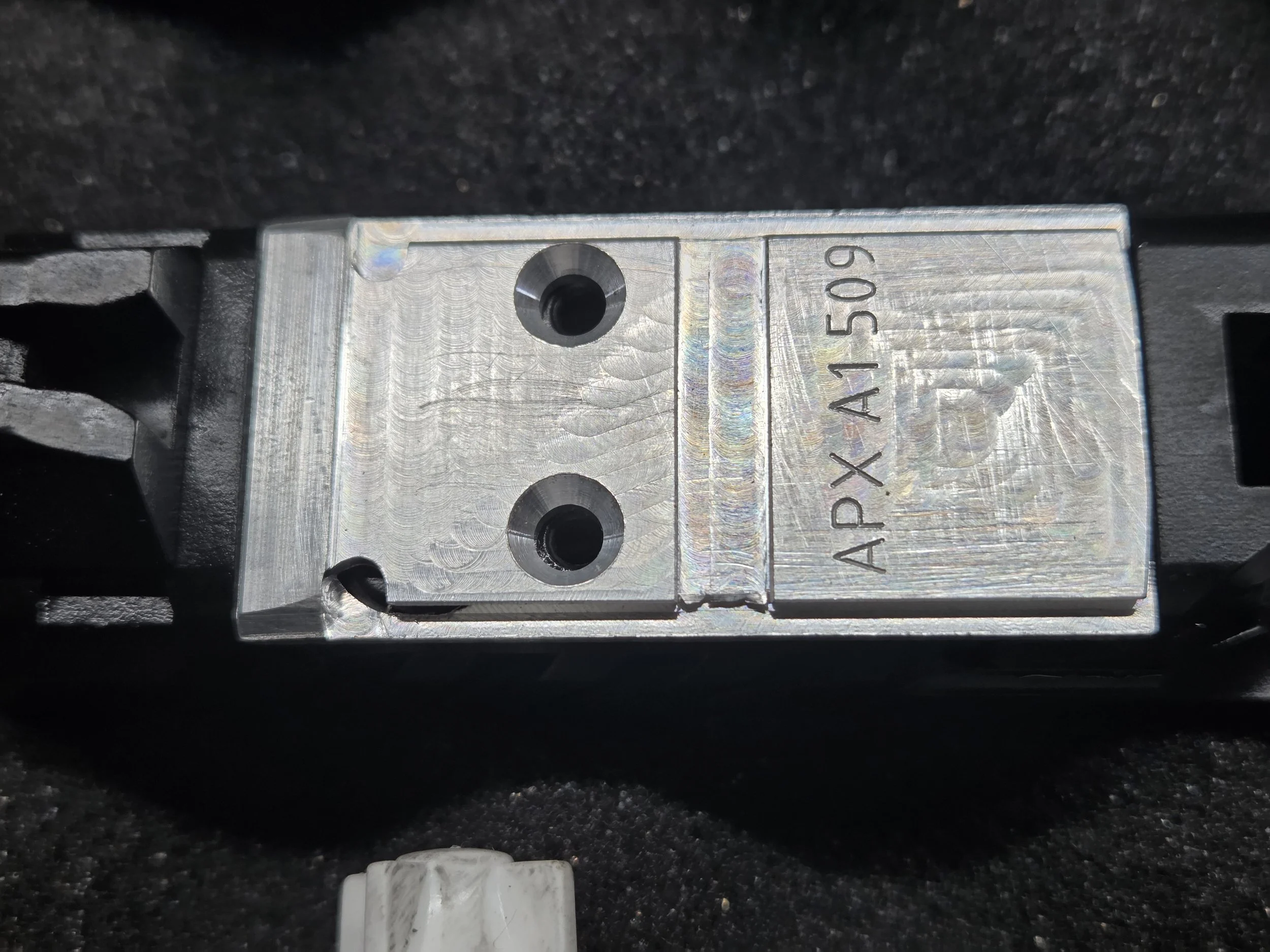
Beretta’s plates are cheaper, but this one was made for the enclosed dot I was running. It wasn’t perfect out of the box, but it was solid enough to do the job.
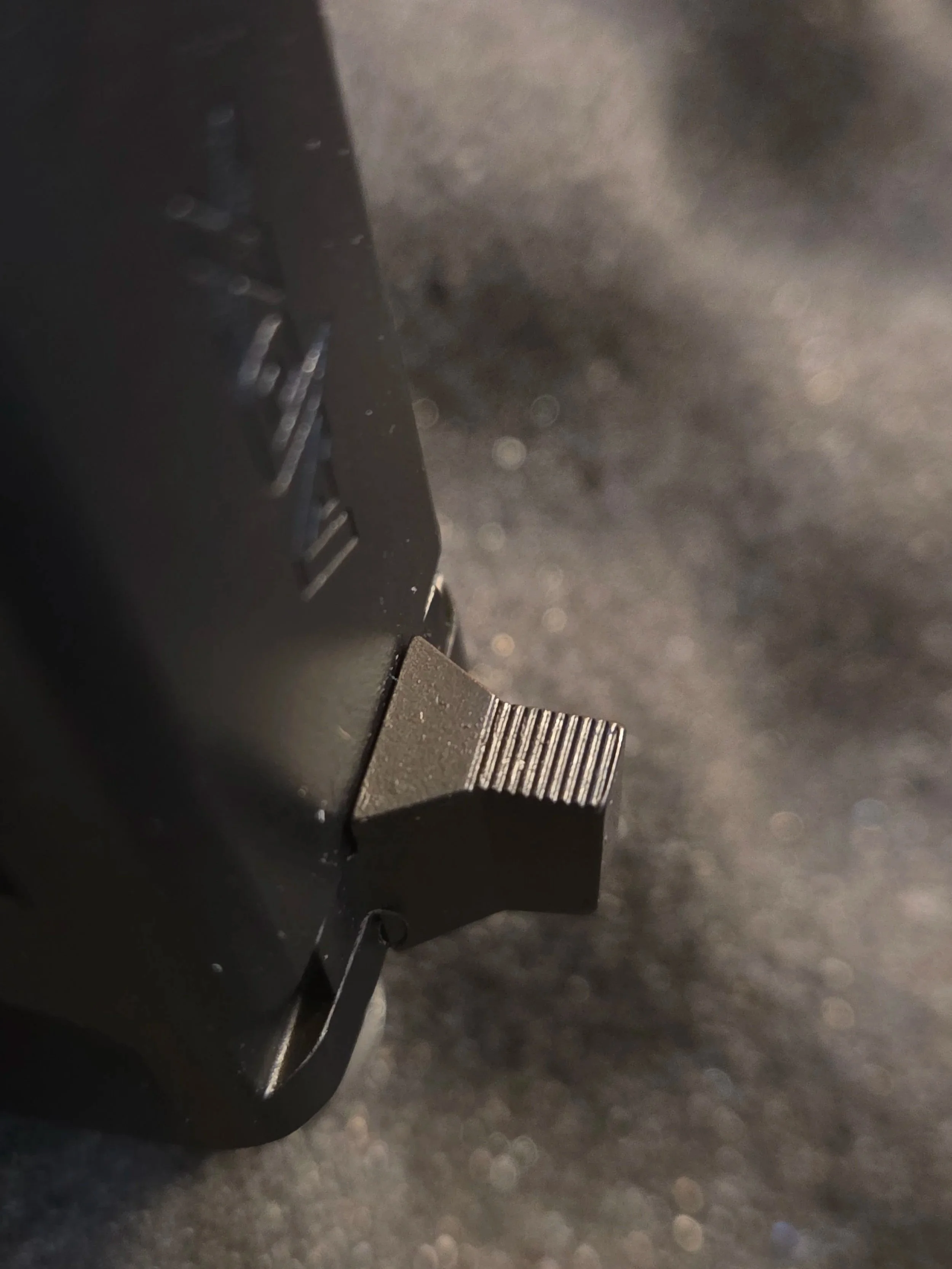
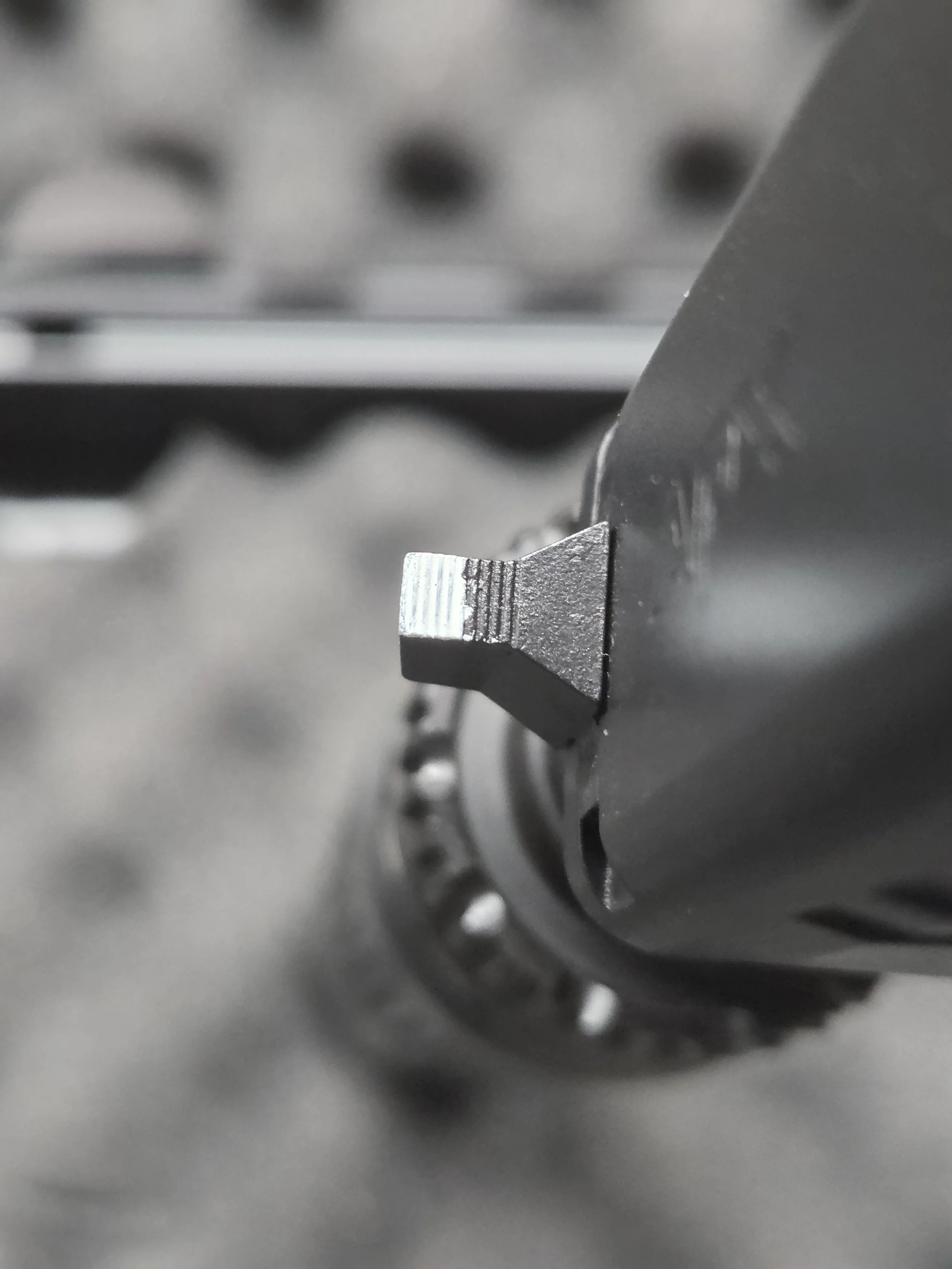
I also painted the tip of the front sight white for a little better visibility since the stock ones are pretty plain.
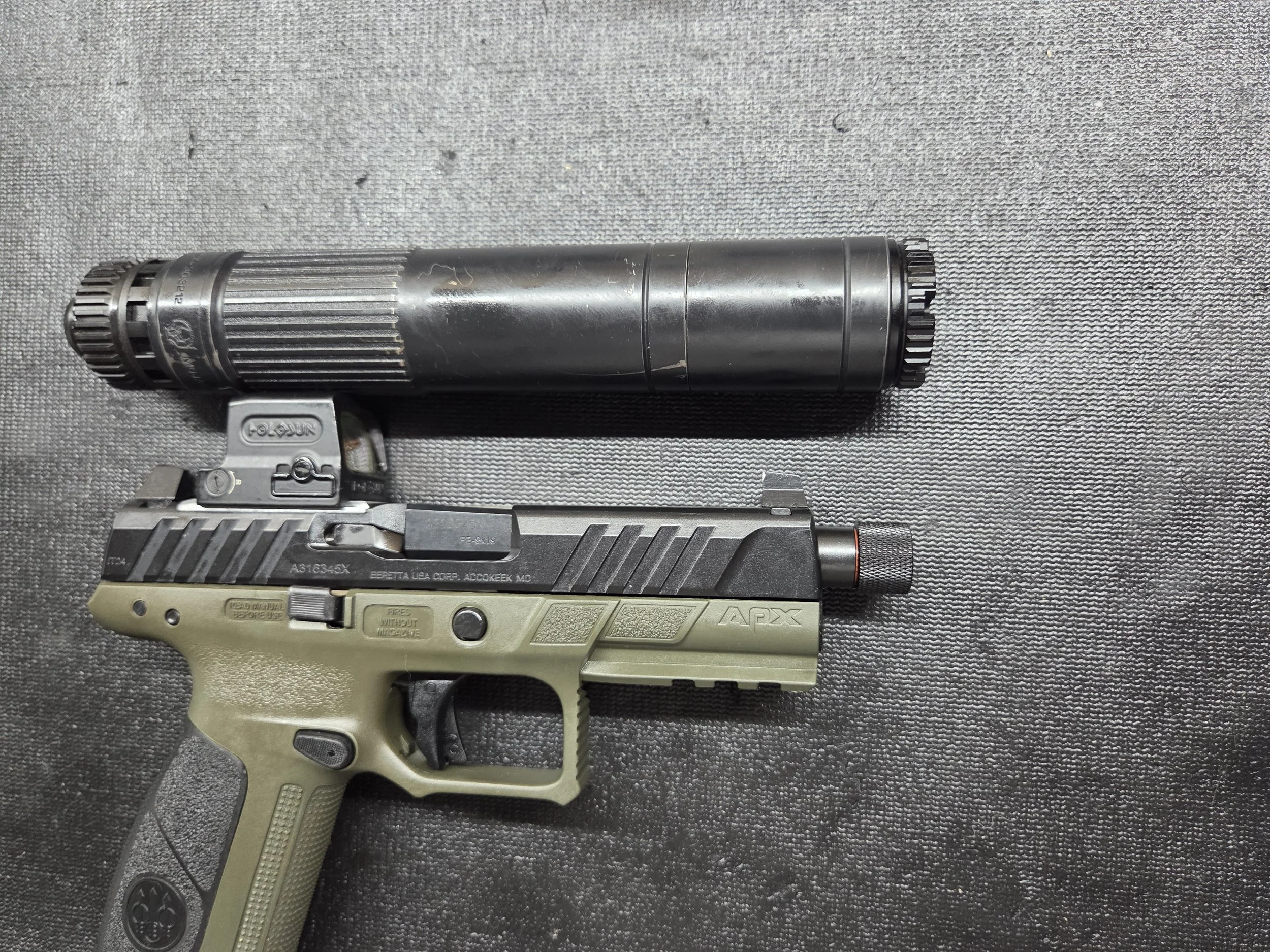
For suppression I ran my Dead Air Mojave 45.
The action on the pistol was noticeably stiff at first, which makes sense — the recoil spring is built for a 20k-round service life with military loads. Everything inside looked clean and well machined before I started shooting.
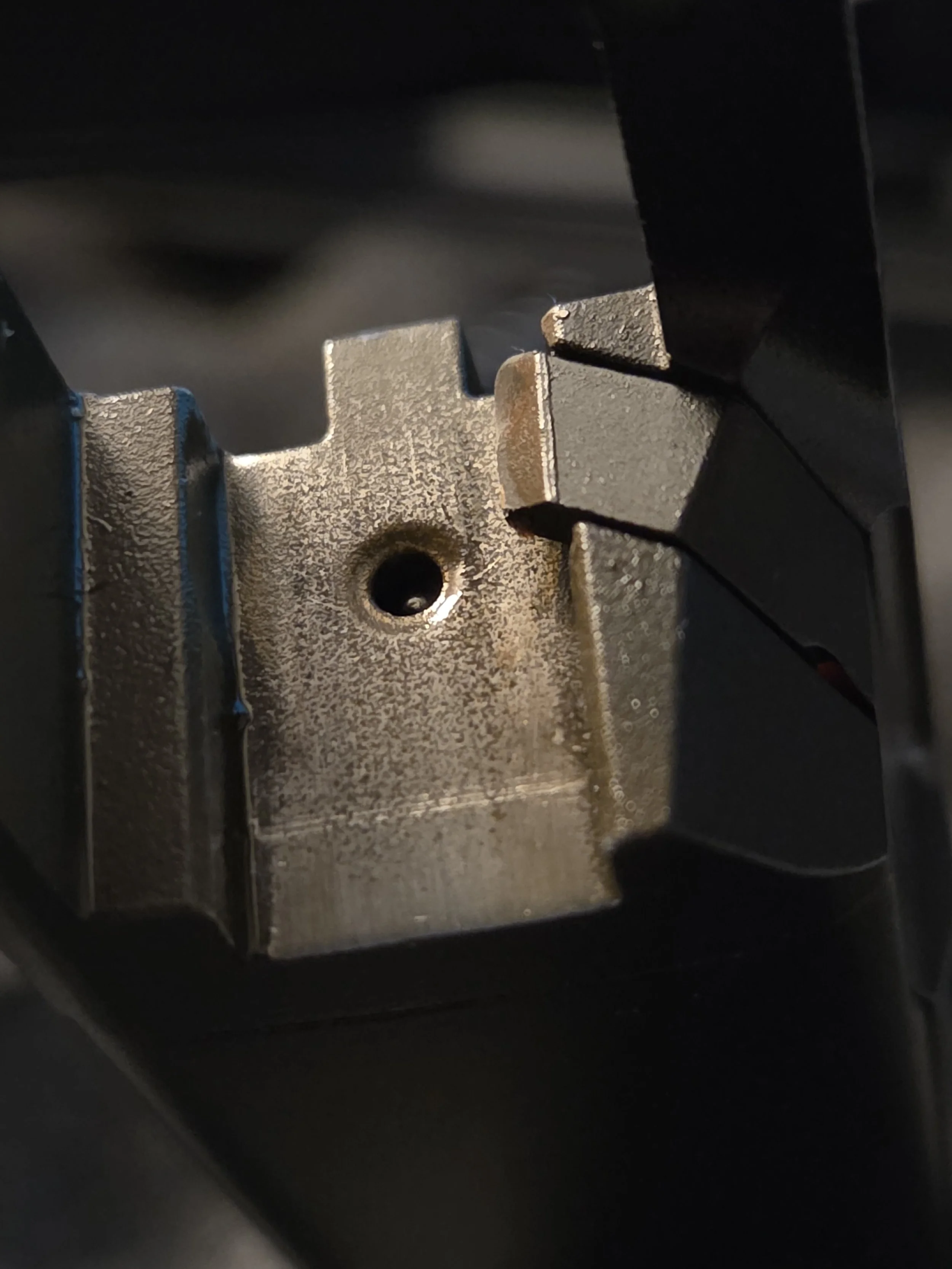
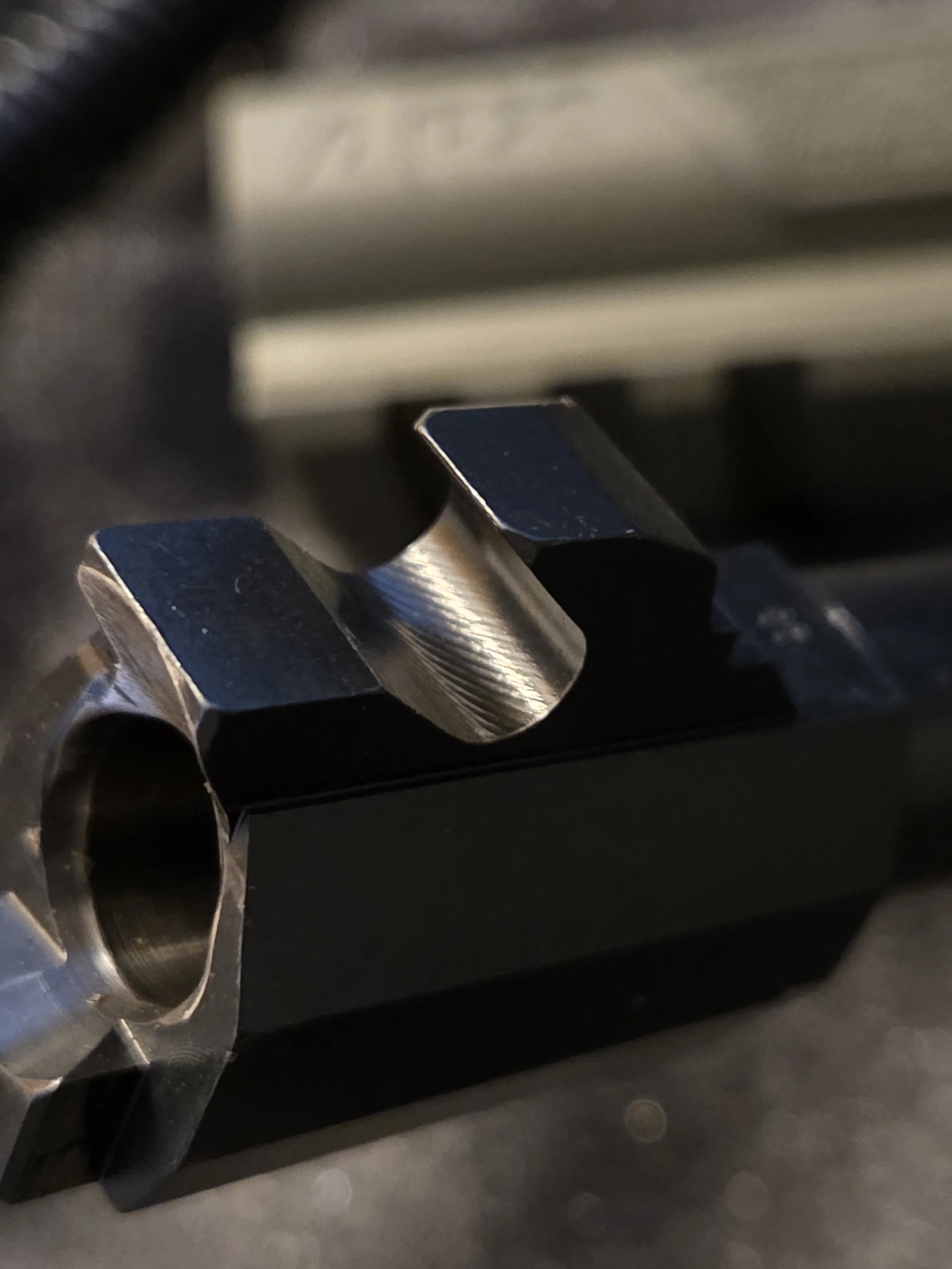
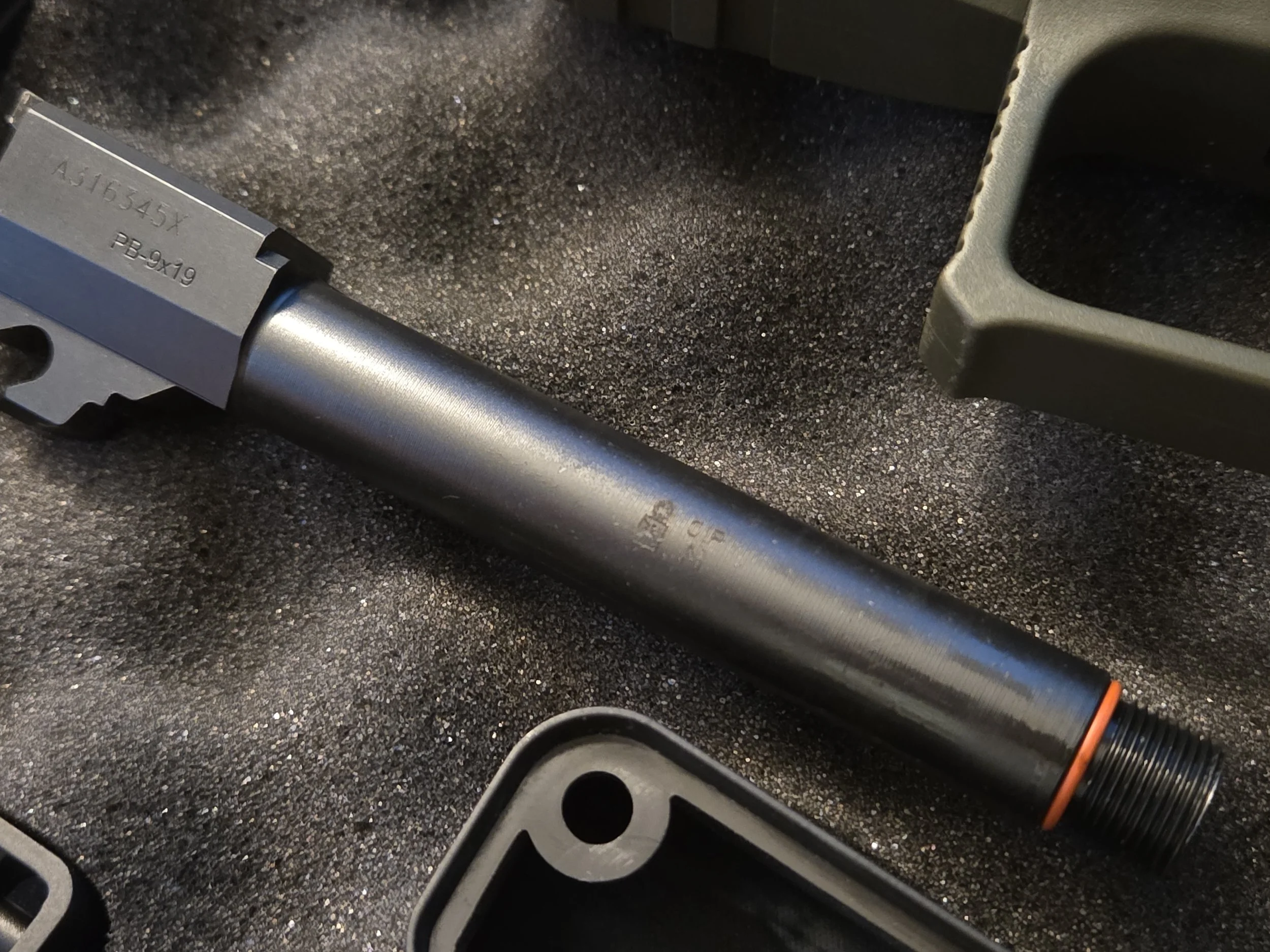
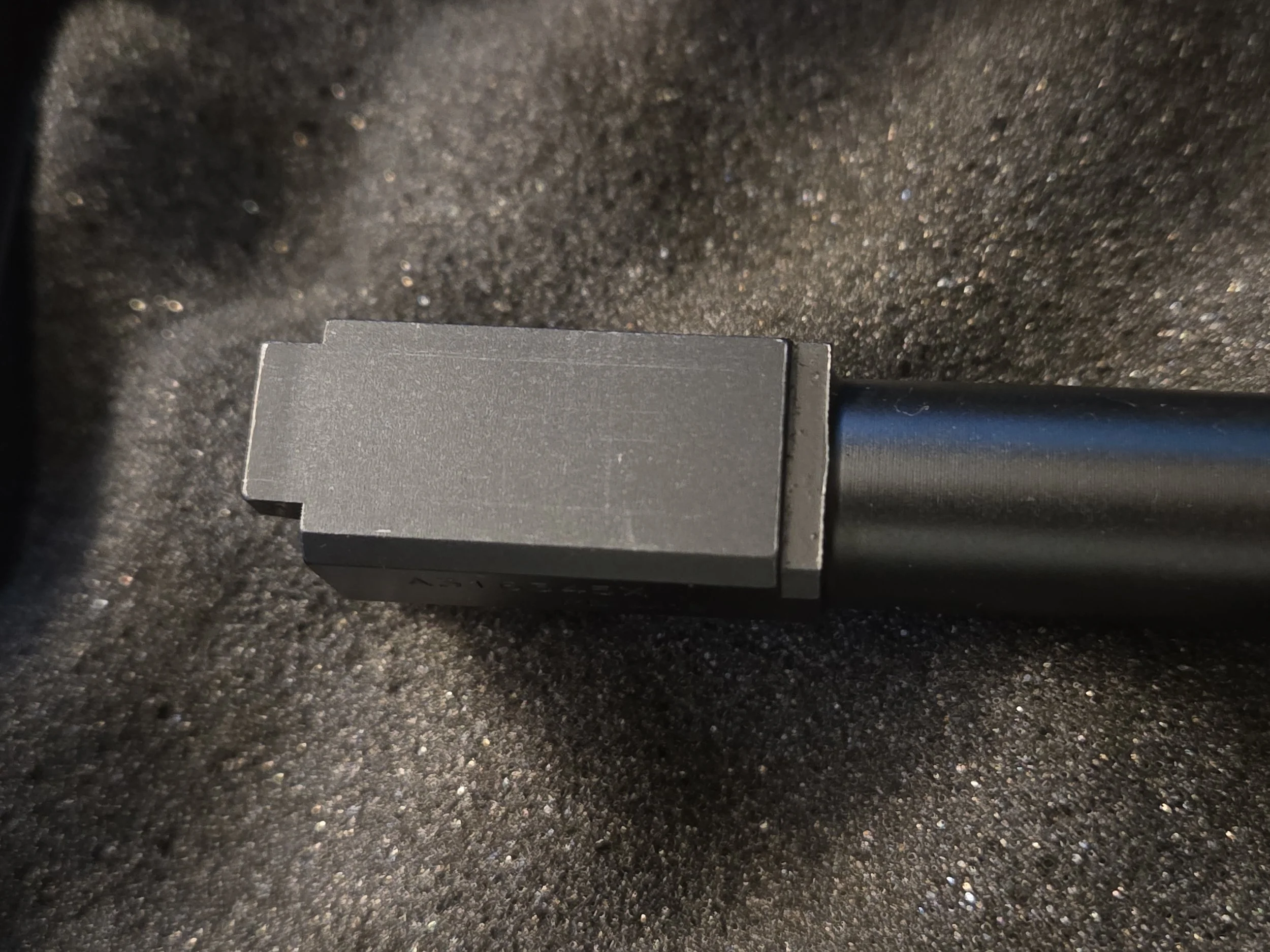
RANGE SESSION
I started by zeroing unsuppressed so I could use the irons as a rough co-witness reference, then threw the can on and confirmed zero on a 10-inch gong at 50 yards. Once the dot was settled, the pistol hit right where I pointed it. I ran some drills on the dueling tree and did a decent amount of transition work to keep things interesting over the course of the thousand rounds.
The Mojave 45 is supposed to be a lower back-pressure can, but it still threw a decent amount of gas and fouling back at me early on. I hit the inside of the can pretty hard with EWL before I started, and after the first few magazines it settled down and wasn’t spitting as much into my face.
One thing that stood out was how the suppressor changed the handling. With the full-size Mojave hanging off the front, recoil felt more chaotic and the gun didn’t return to target as cleanly as it did unsuppressed. Without the can the pistol snapped right back on target and was easy to run fast. With the can on, I found myself constantly retightening it every 50 to 80 rounds for the entire session.
Overall, it took me 3 hours to shoot all 1,000 rounds through the pistol. I took my time loading, but I was also policing up the brass I shot, along with some of the other shooters at the range. I unfortunately did not gather any footage from the shooting session, but I did take pictures of pertinent information.
MALFUNCTIONS
Around the 600-round mark I hit a bad box of the Winchester SG9W50. You can usually tell when this ammo is undercharged because the recoil feels way off. For about half that box I was getting rounds that barely made it out of the barrel. Three of them didn’t even cycle the slide — I actually watched the bullets tumble through the air after leaving the muzzle and fall short of the dueling tree. I also had a couple failures to eject that were clearly from lack of pressure. These weren’t pistol malfunctions. They were ammo problems.
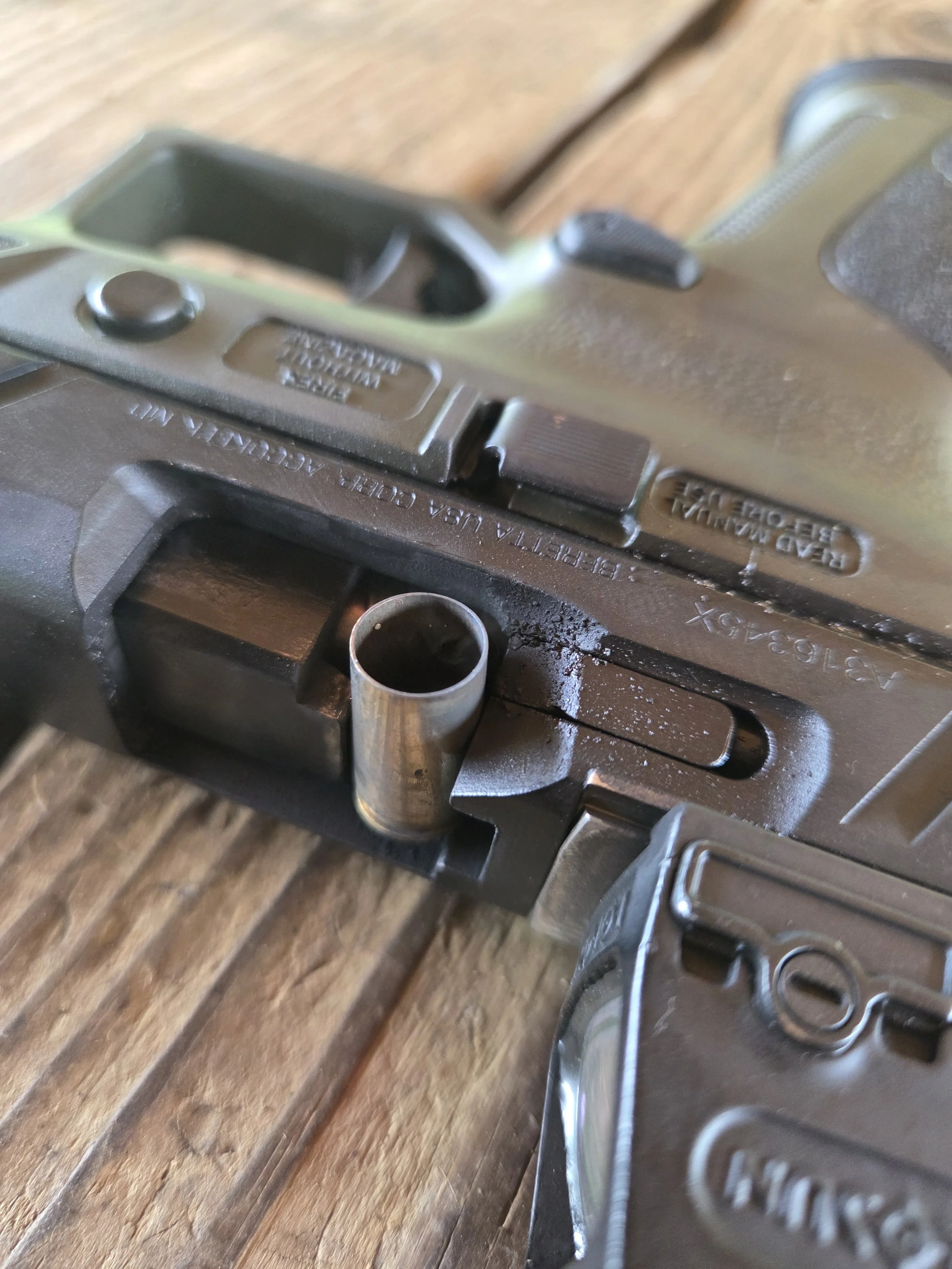
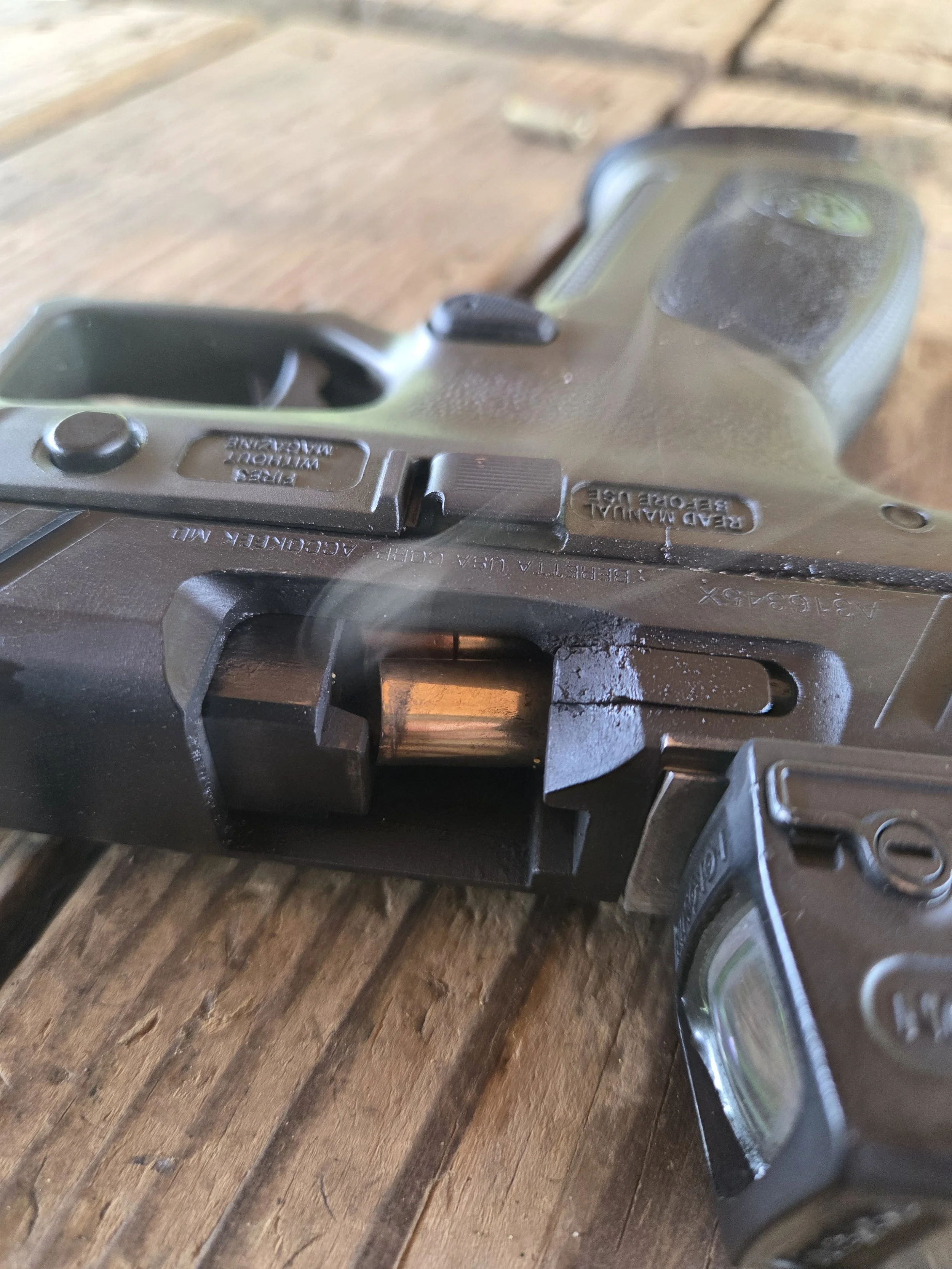
EJECTION PATTERN
The APX A1 platform normally ejects pretty consistently, usually around the 3 or 4 o’clock position and relatively close to the shooter. With the suppressor mounted, ejection stayed very consistent at roughly 3 o’clock, with brass landing between 3 and 6 feet away. That kind of tight, predictable ejection with hot ammo usually means the recoil spring and extractor are still doing their job properly.
POST 1,000-ROUND INSPECTION
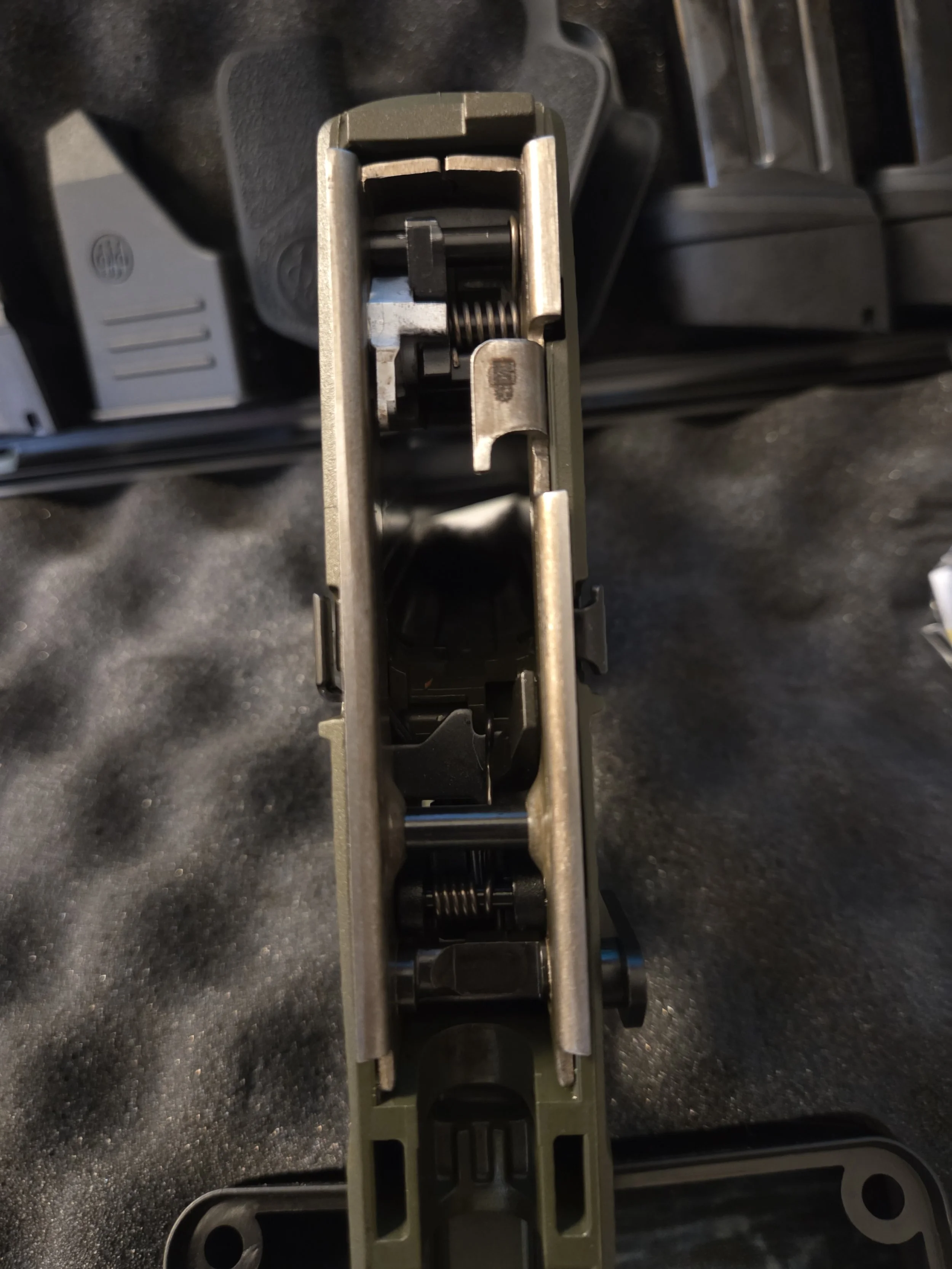
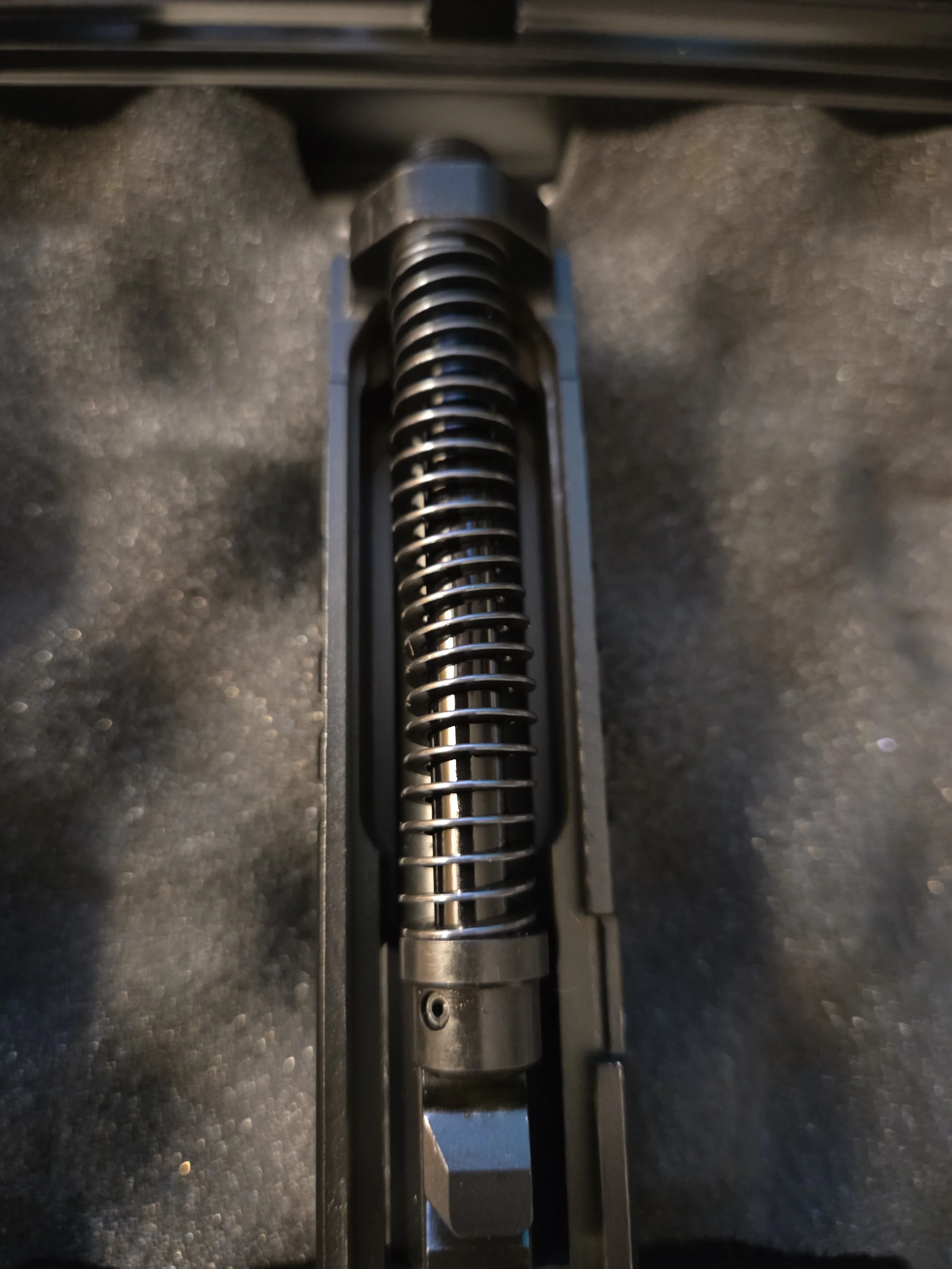
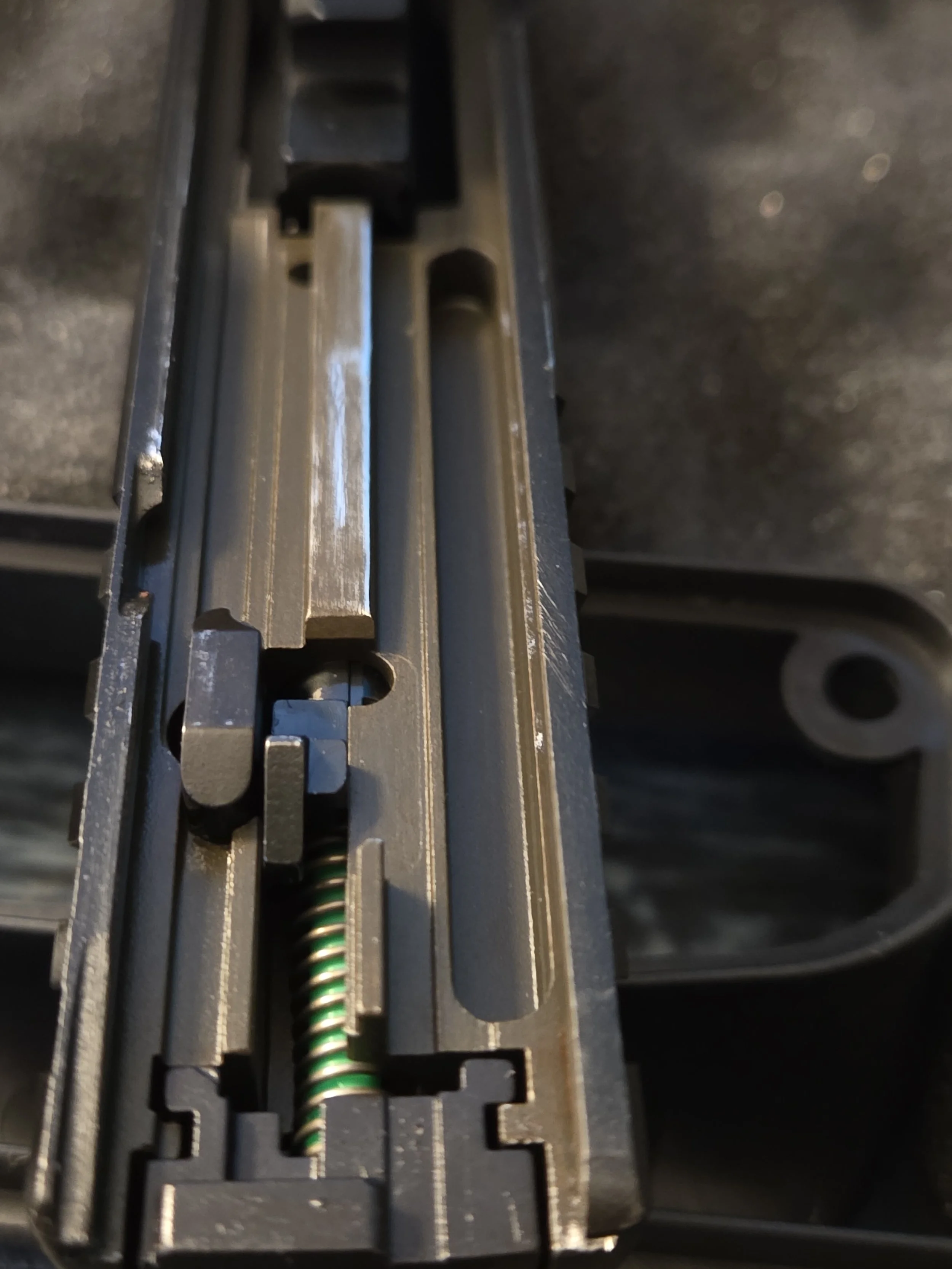
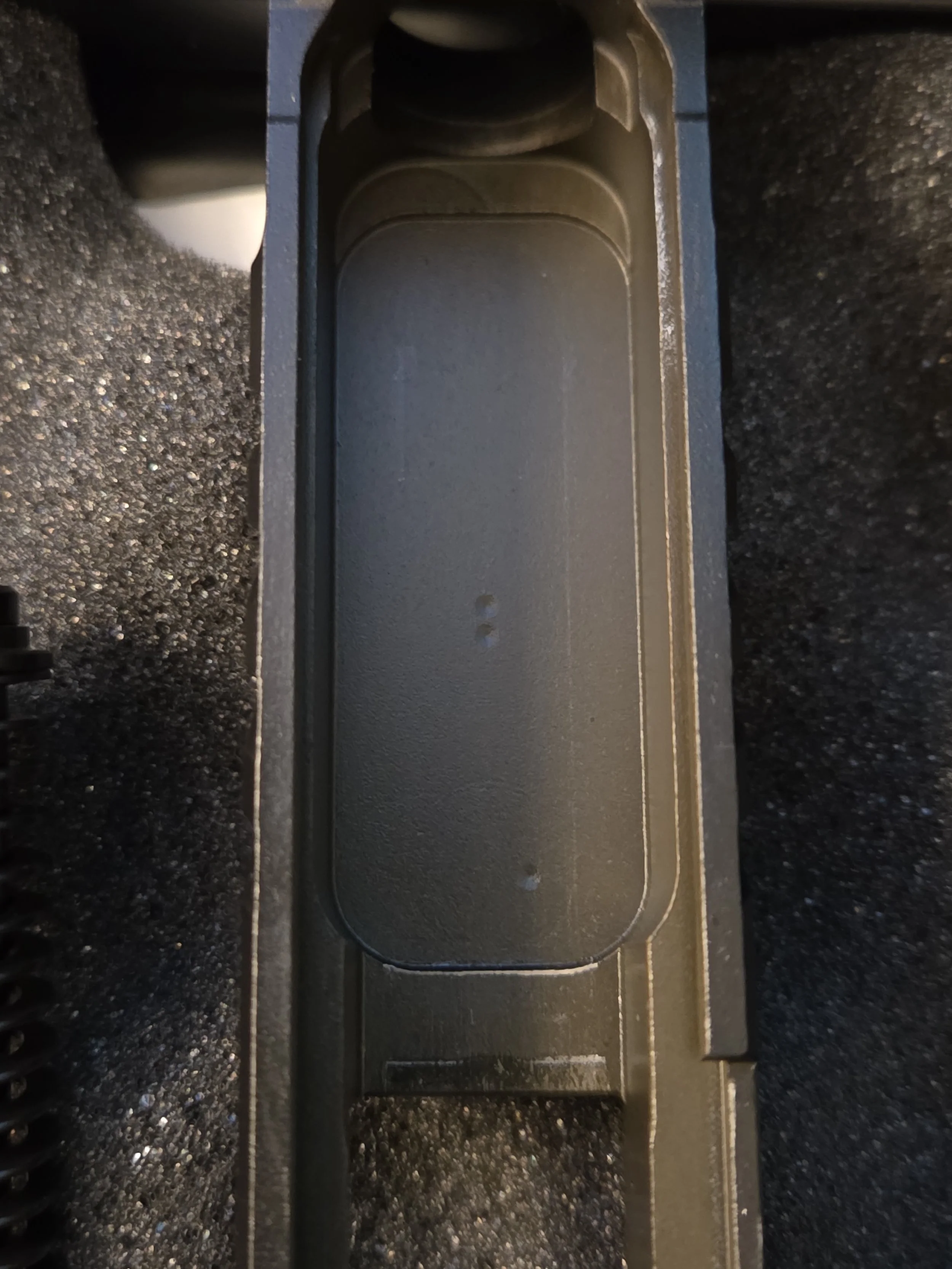
After I shot all 1,000 rounds and got home, I took the pistol apart to see what was going on inside. It was pretty nasty, exactly like I expected after that much suppressed shooting with hot ammo and no cleaning.
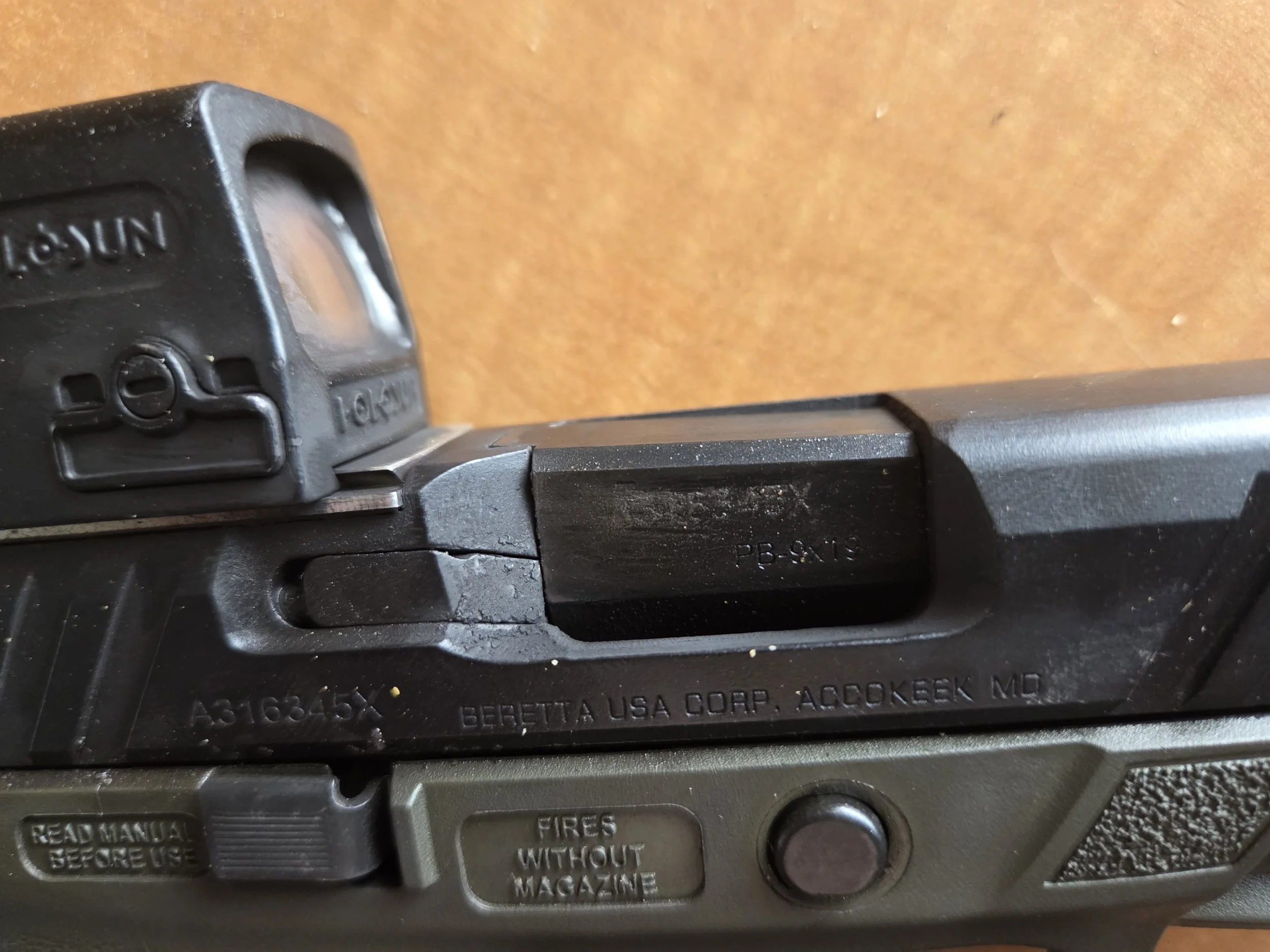
The chamber and breech face had a solid layer of firing residue packed in.
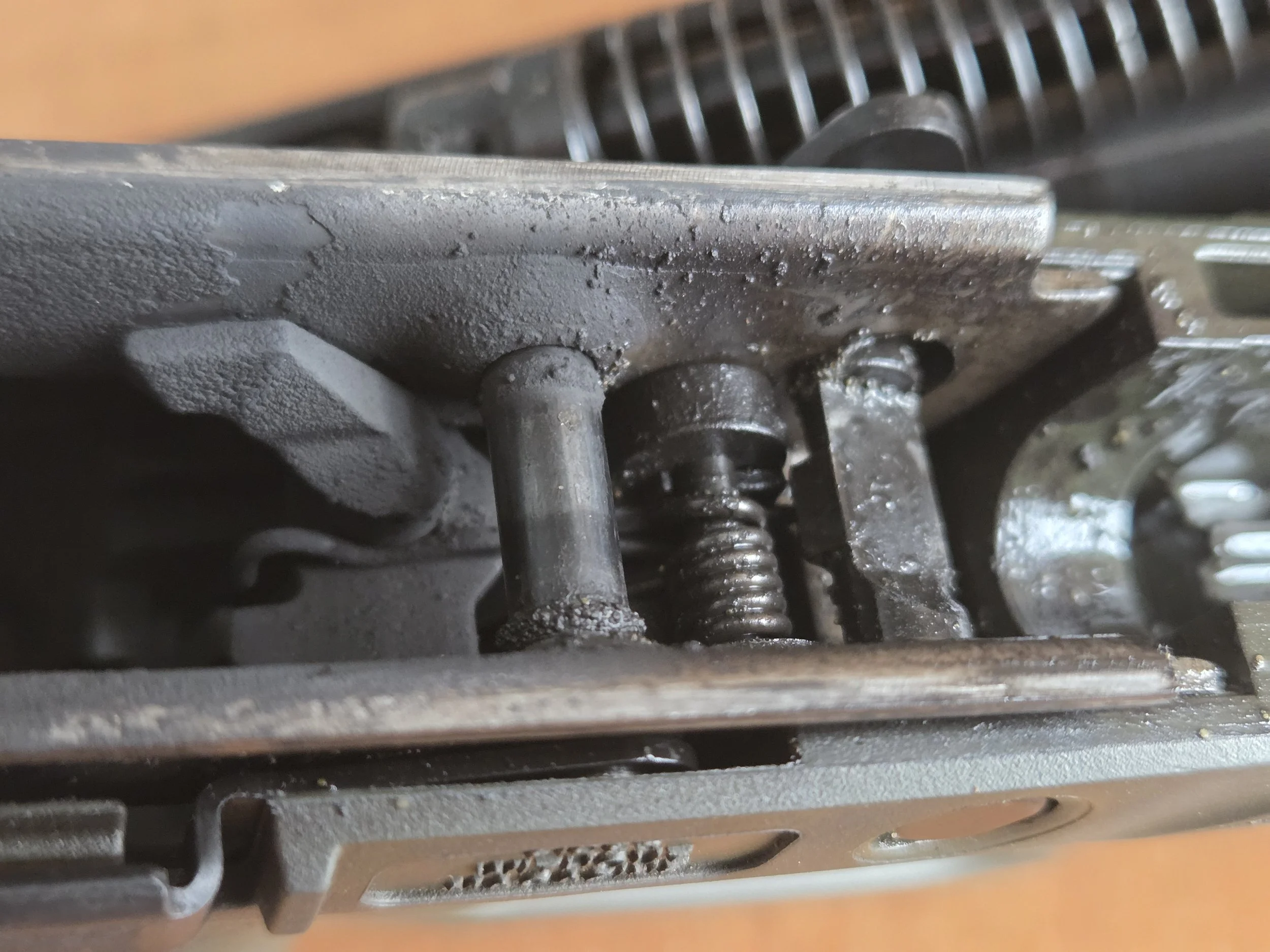
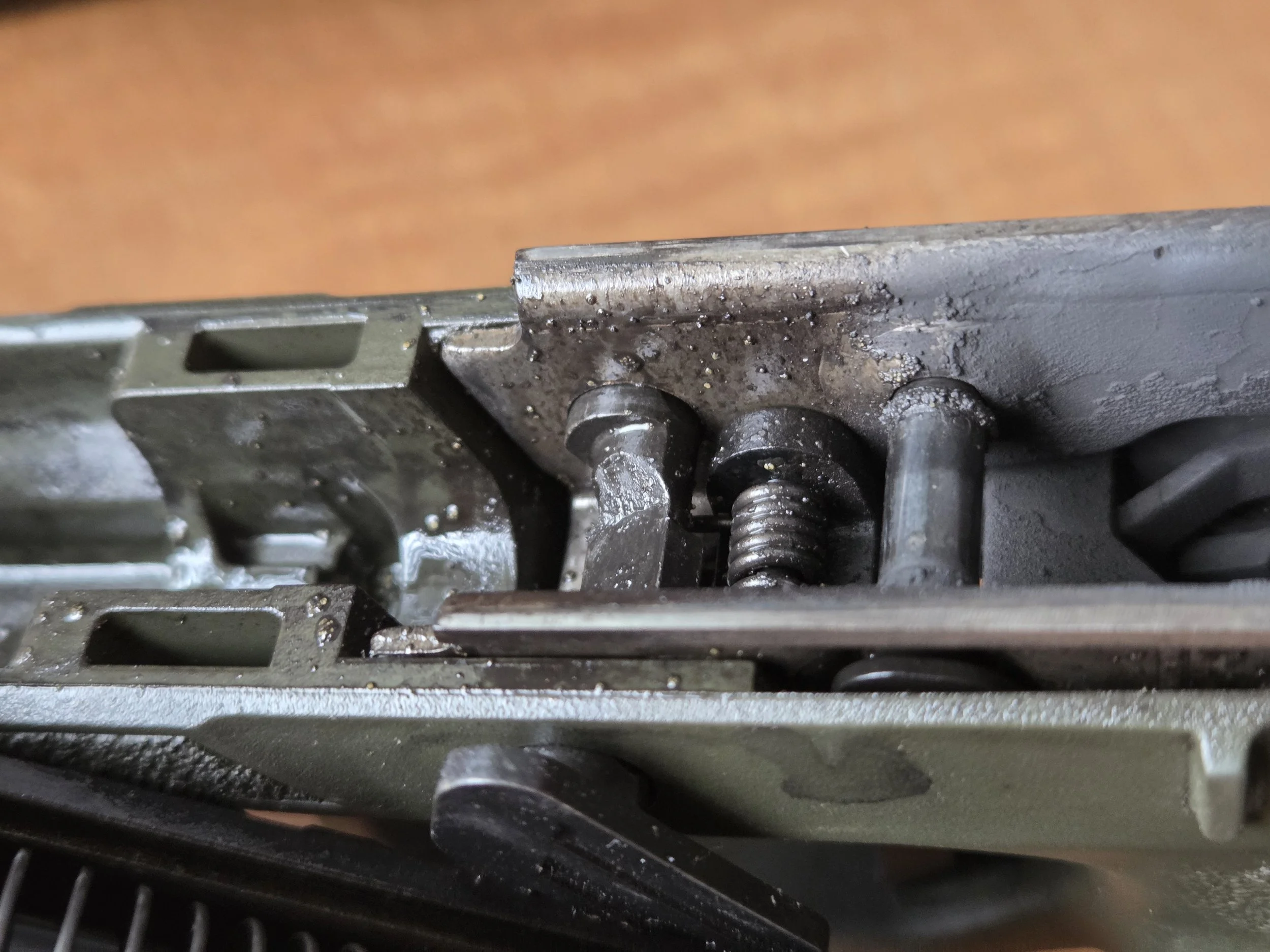
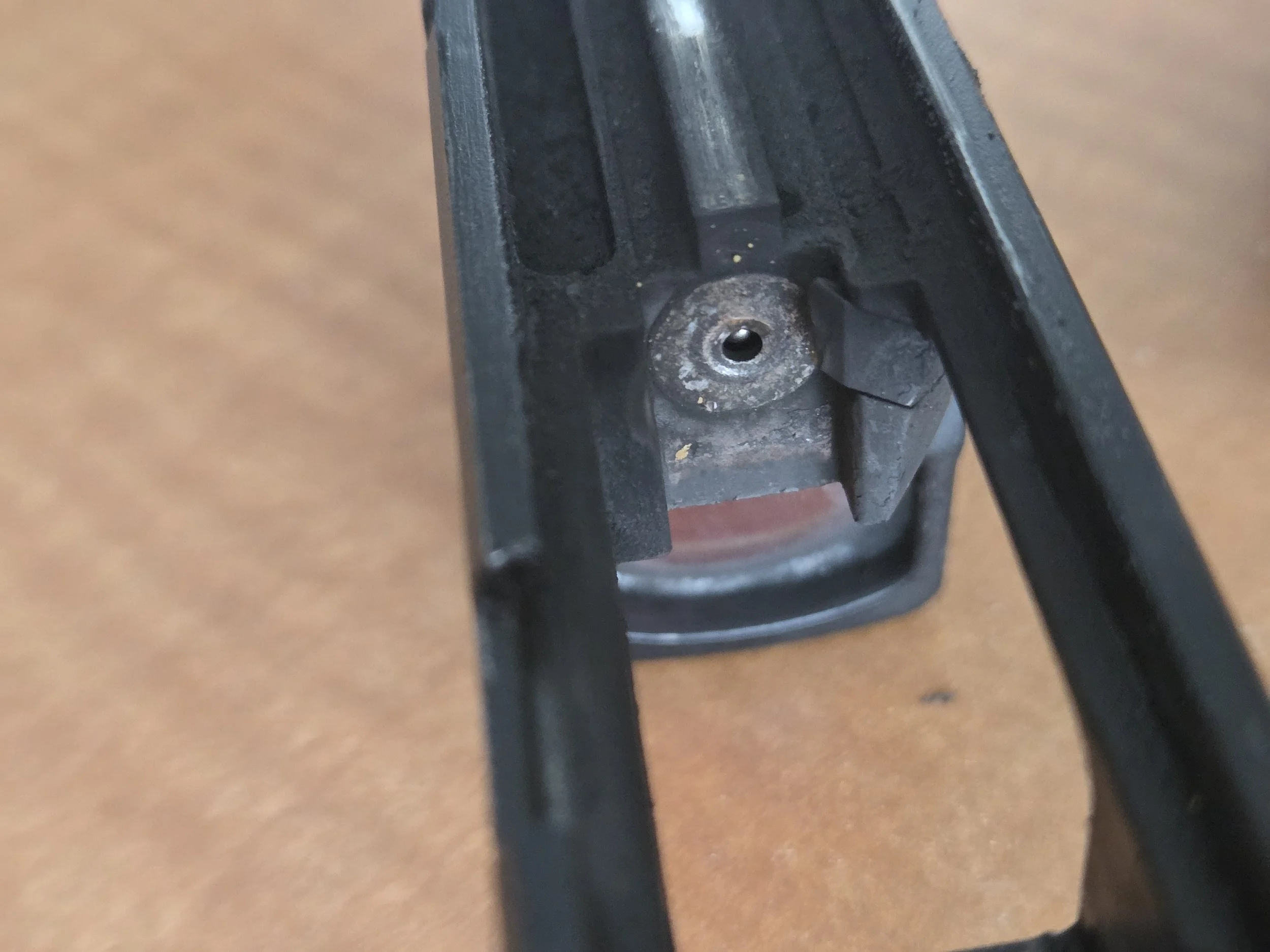
The striker channel and sear area were caked as well.
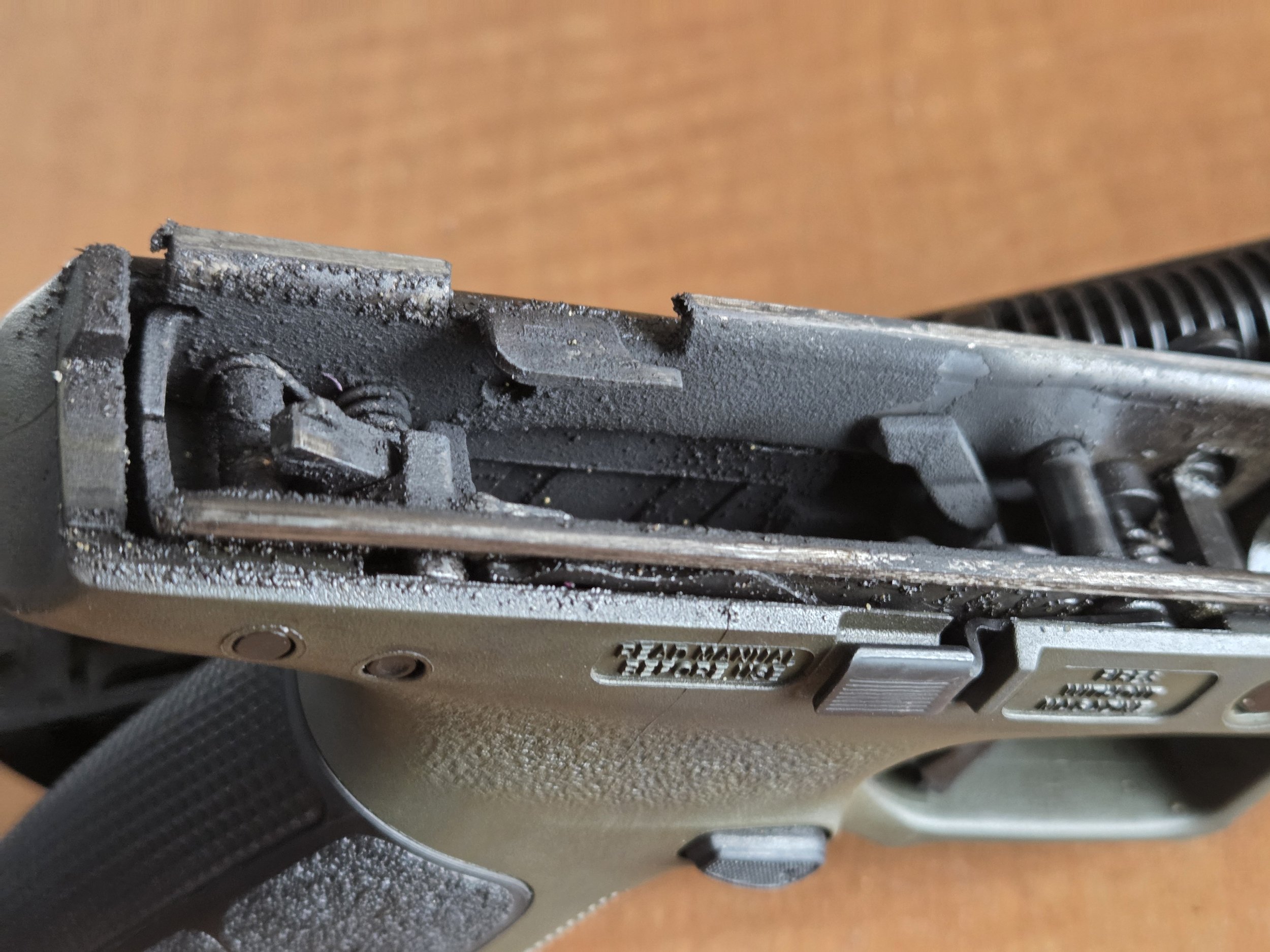
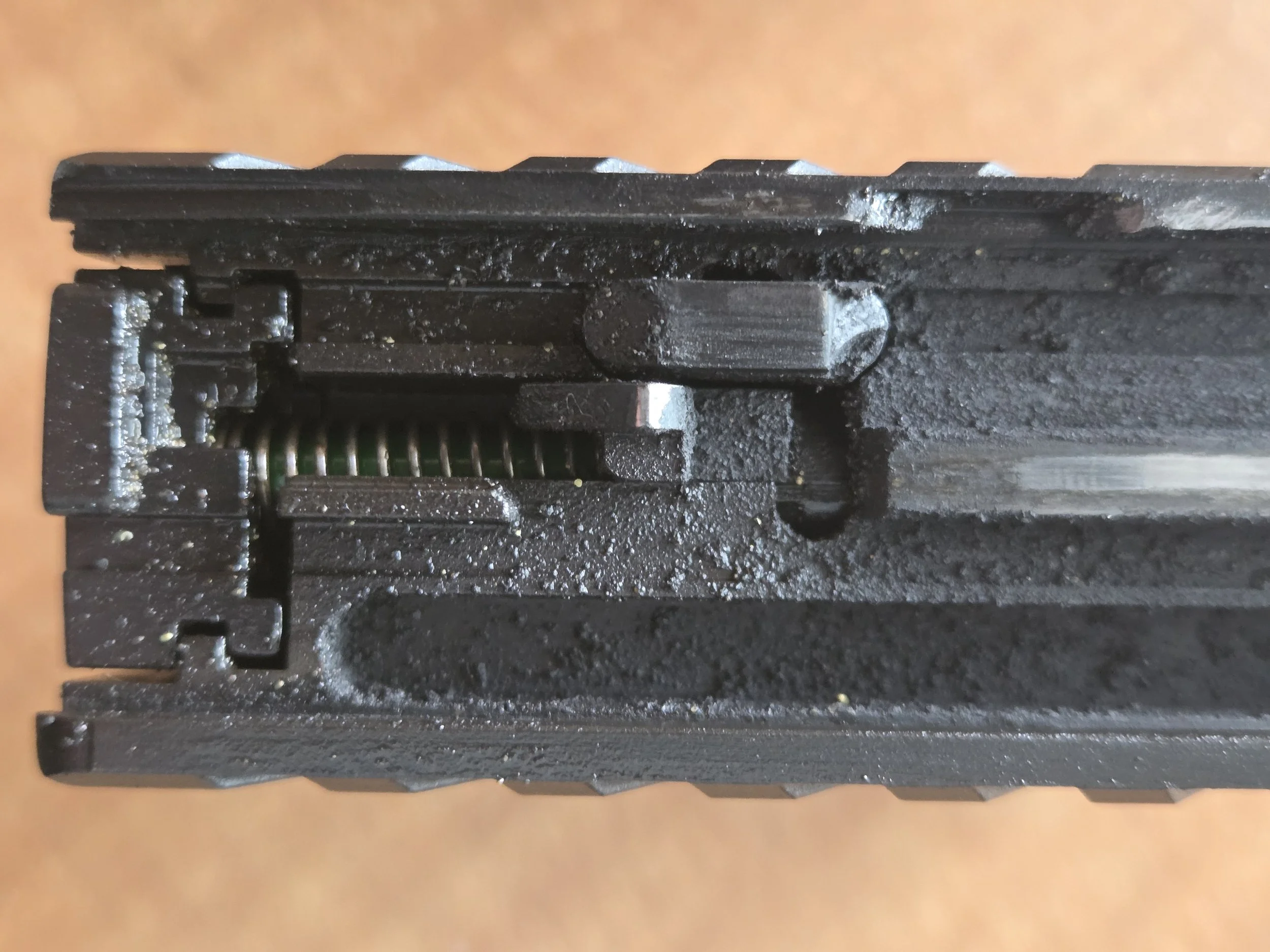
The rails still had lube on them but were dirty.
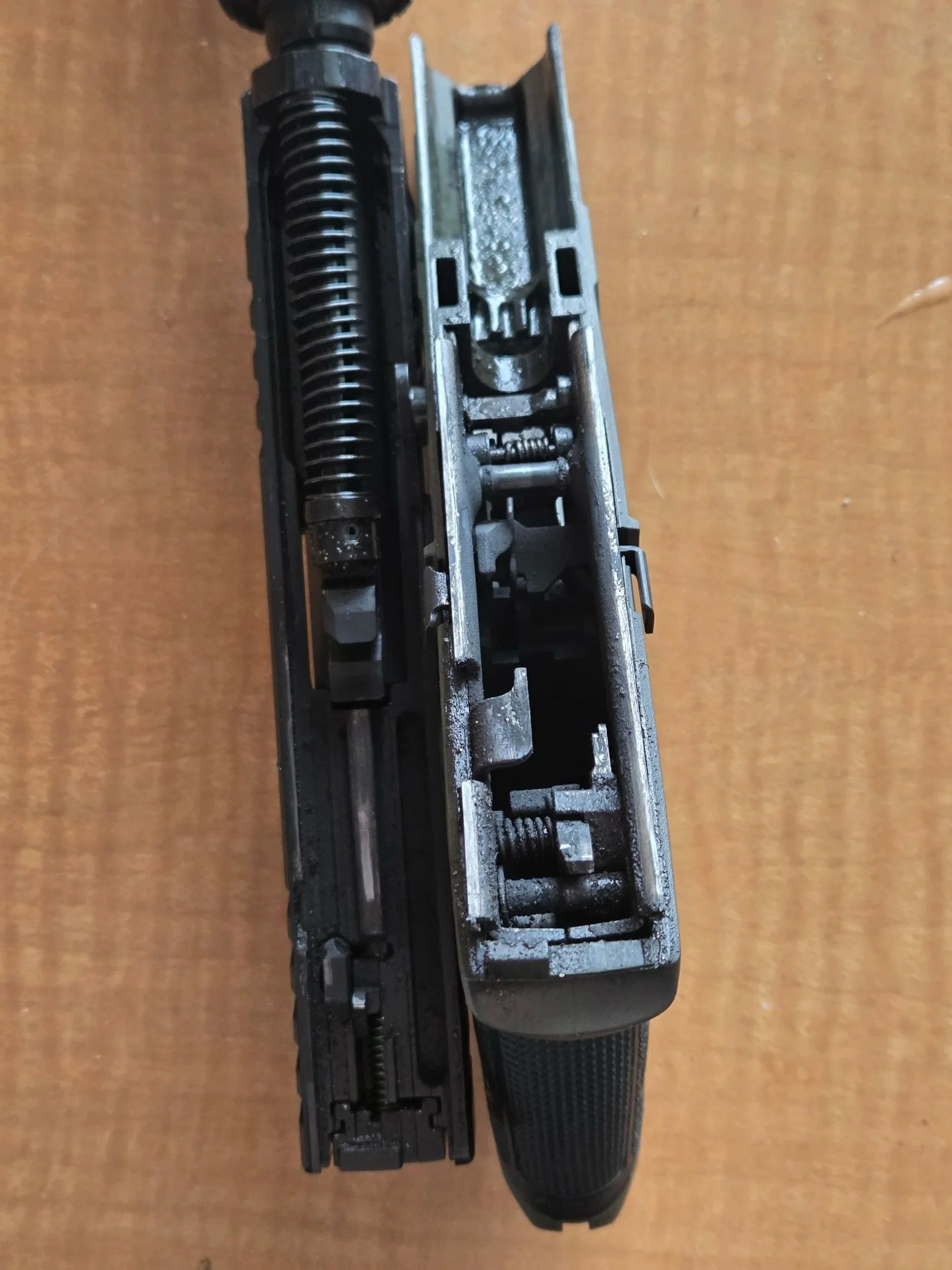
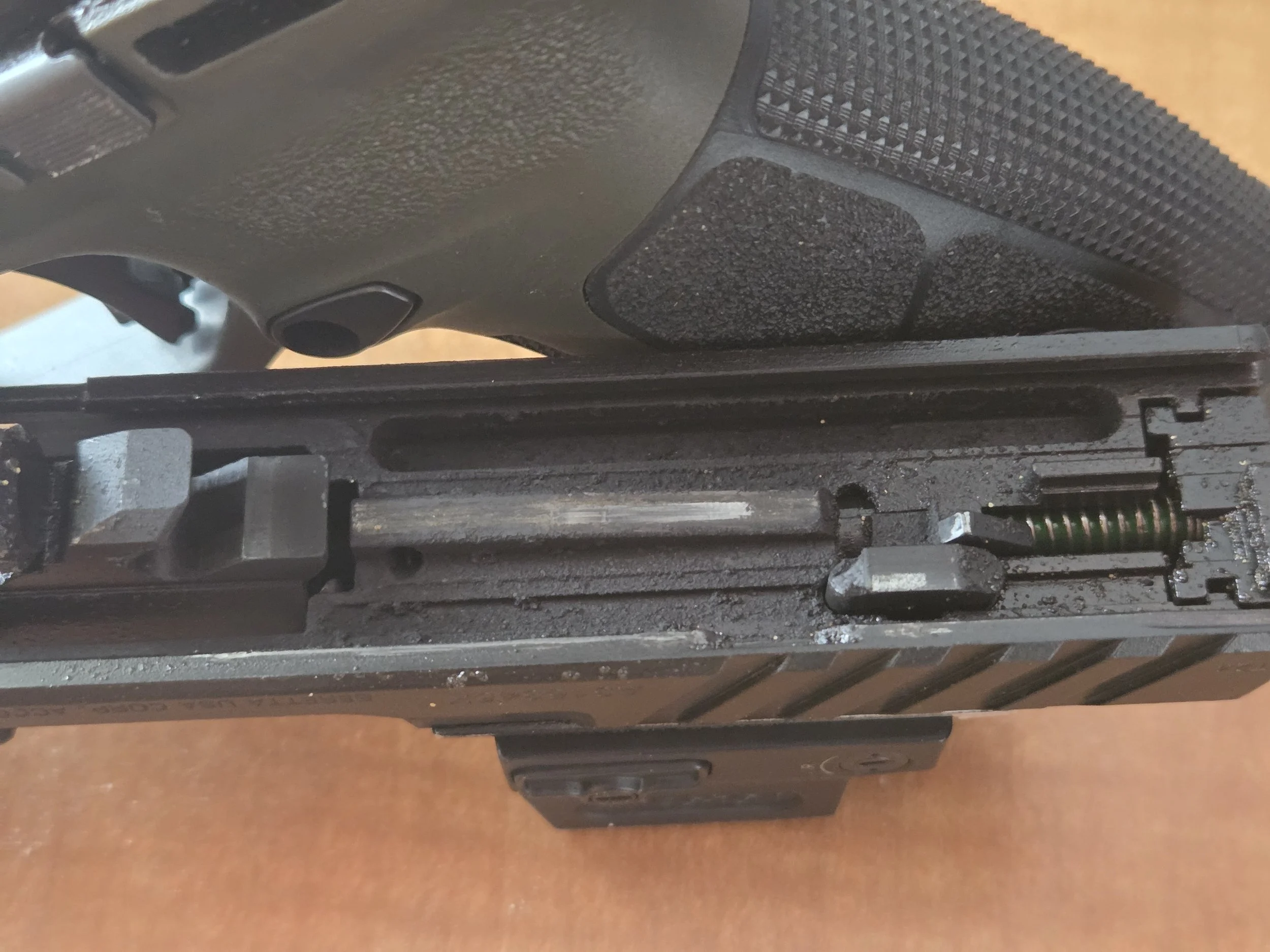
Nothing looked excessively worn or damaged, but the amount of fouling was obvious. I took photos of everything before I cleaned and lubed it back up.
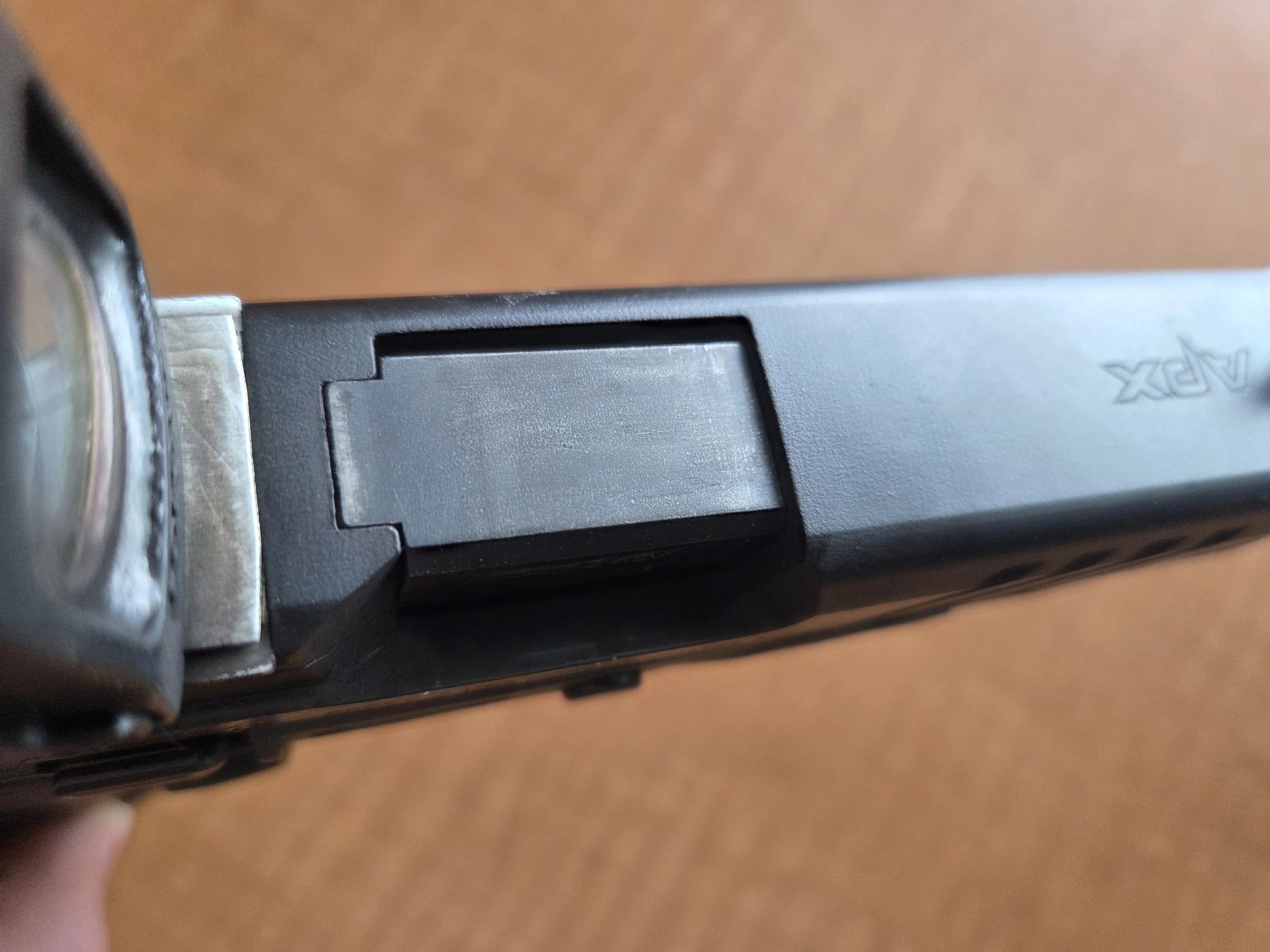
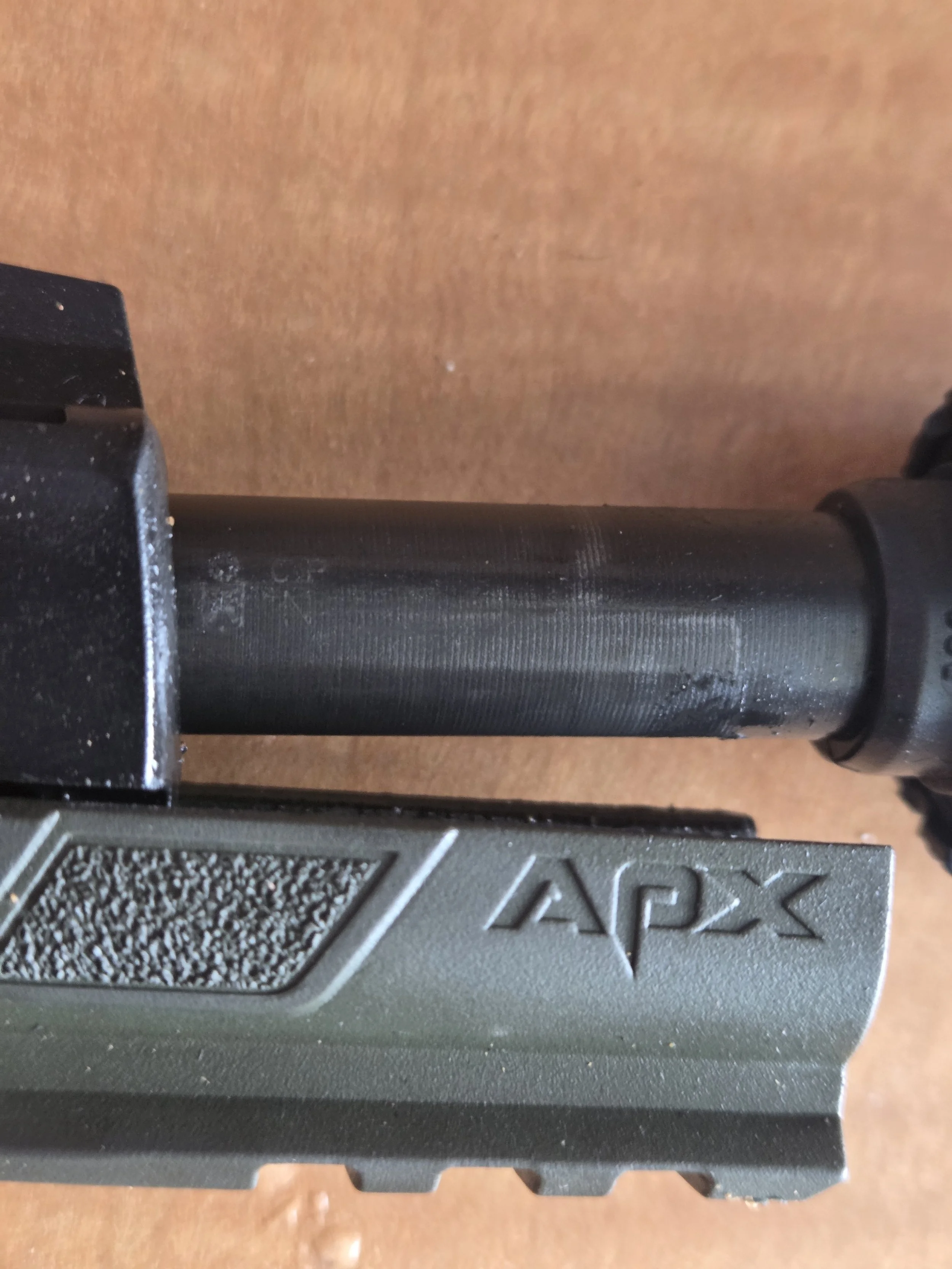
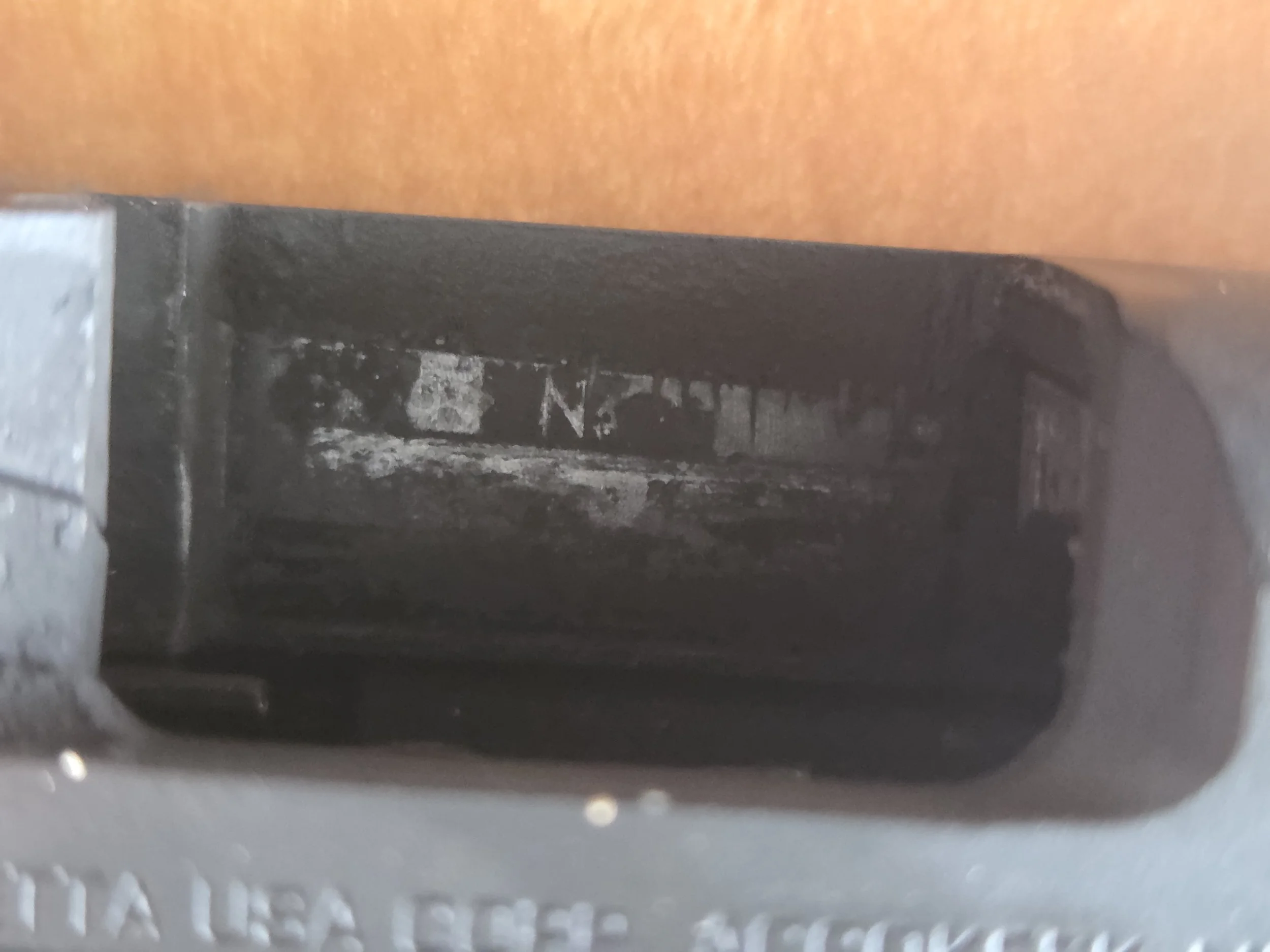
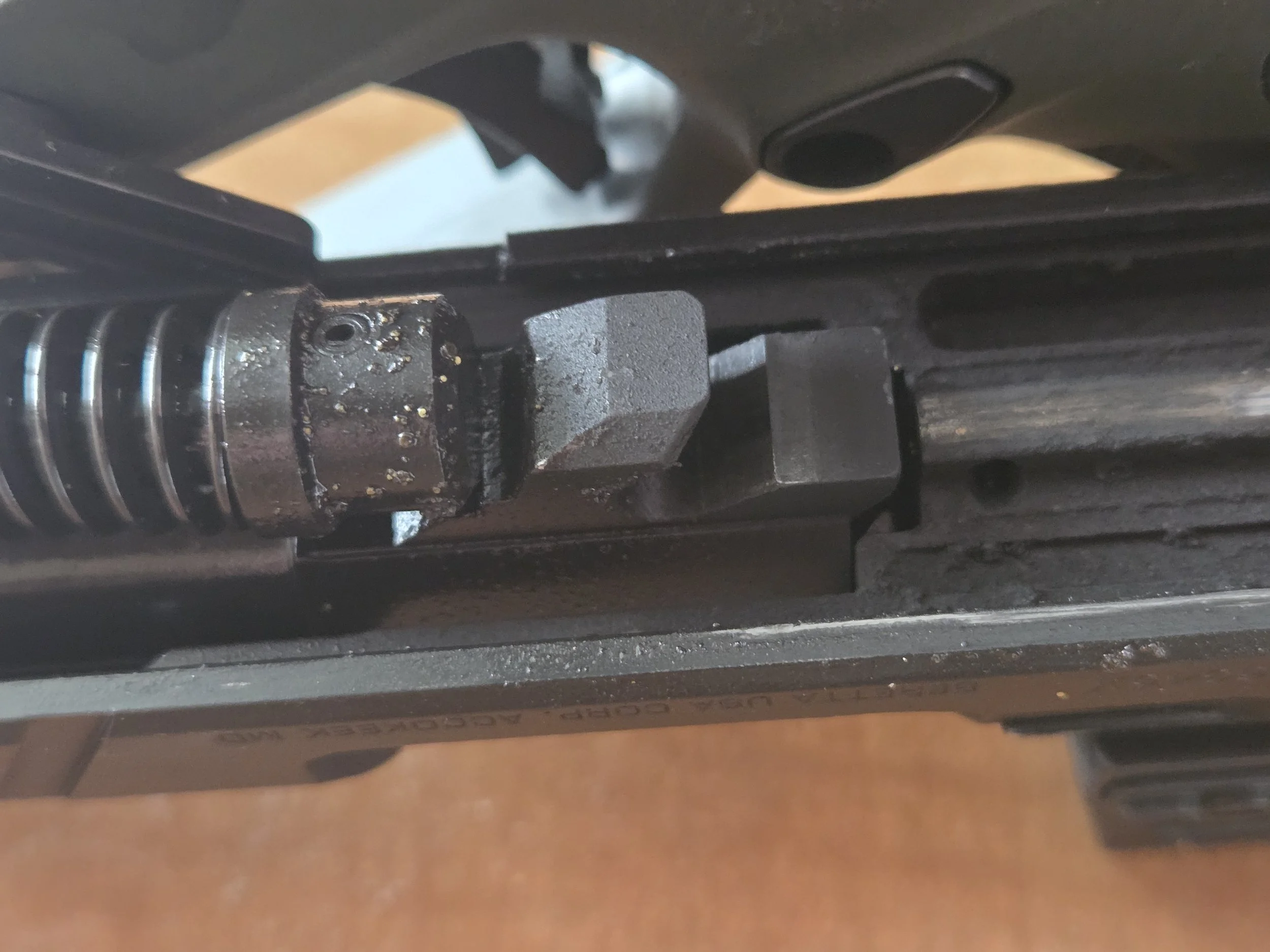
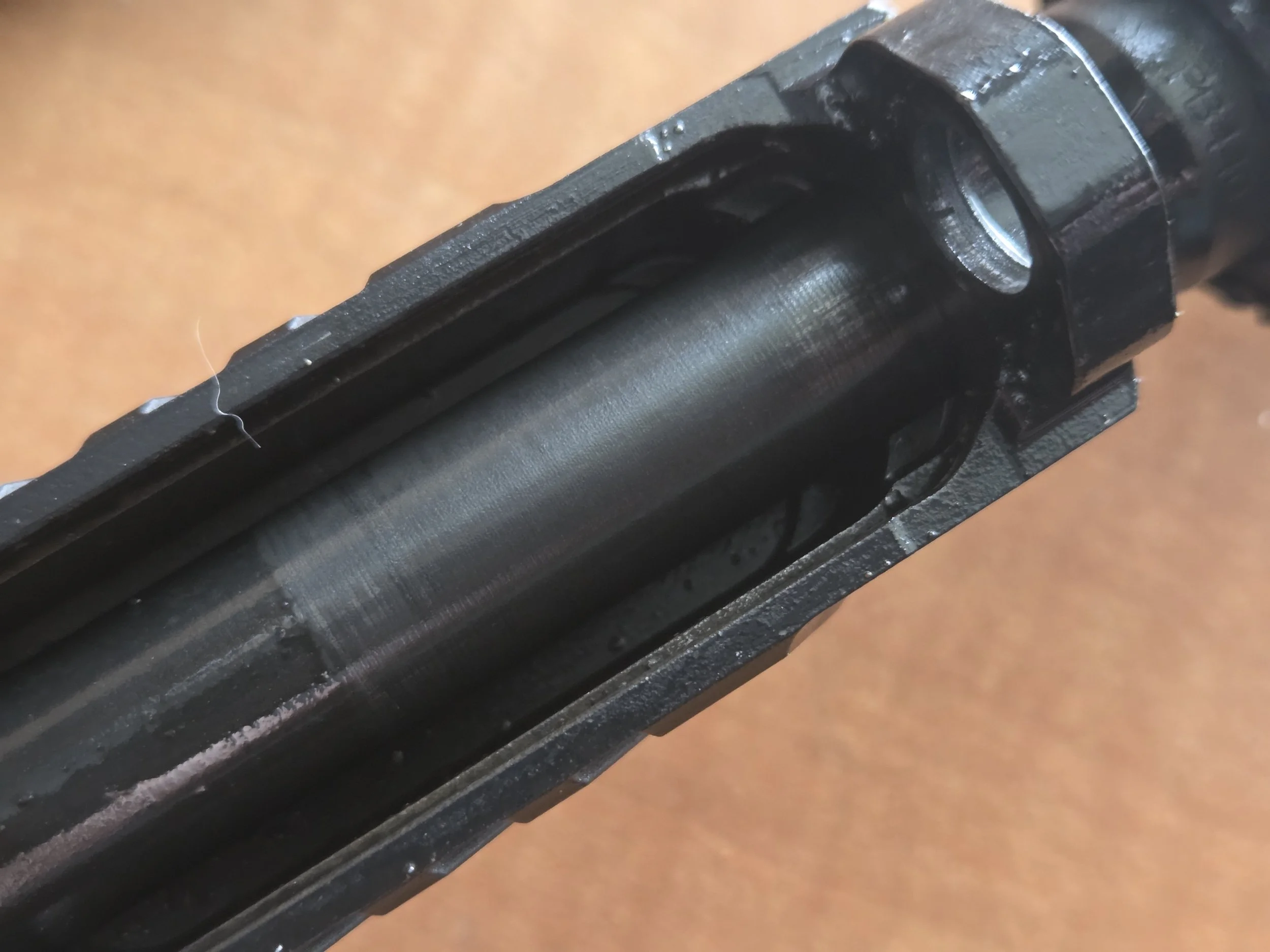
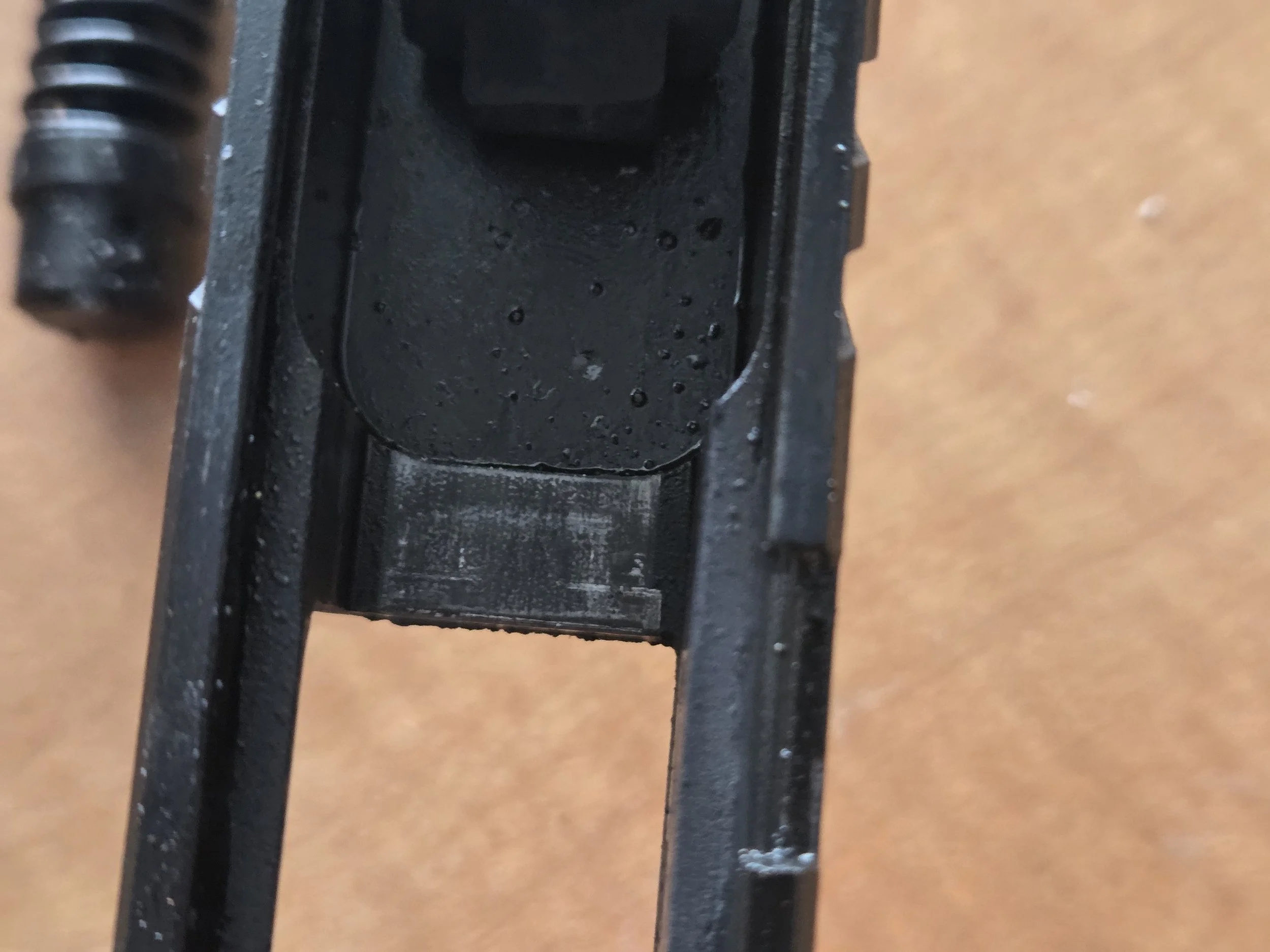
After reassembly I hit all the usual spots with SLIP2000 EWL — rails, chamber, feed ramp, striker/sear interface, barrel hood, recoil guide rod, and the suppressor threads. The only thing I actually cleaned was the suppressor itself. I gave it a 30-minute sonic bath in SLIP2000 Ultra Clean and it came out looking a lot better.
ASSESSMENT
After 1,000 rounds suppressed with hot Winchester SG9W50, the APX A1 Tactical did pretty well. It ran reliably once I set aside the bad ammo. All the malfunctions I had were clearly from underpowered rounds and not the pistol. Nothing in the gun itself gave me any real problems.
When I tore it down, there was heavy carbon and residue built up in the chamber, breech face, and striker channel like you’d expect after that much suppressed fire. Even with all that fouling, I didn’t see any abnormal wear on the rails, locking surfaces, or extractor. Ejection stayed consistent the whole time, which tells me the recoil spring and extractor are still in good shape.
The suppressor-ready setup worked fine. I didn’t notice any meaningful POI shift when I went from unsuppressed to suppressed, and the pistol stayed accurate enough on the 50-yard gong for what I was doing. The biggest hassle was having to stop and retighten the Mojave every 50–80 rounds because of the extra weight up front.
For a suppressor-ready tactical pistol in this price range, I’m happy with how it performed in the first thousand rounds. It handled the heat and the fouling without drama. I’m planning to keep pushing it through the full 5,000 rounds the same way to see how it holds up over the long haul. I will be mixing in steel cased ammunition as well in order to test it with low pressure ammunition in bulk, so you can get an idea of it’s performance.