BERETTA APX A1 COMPACT 5,000 ROUND PERFORMANCE REVIEW
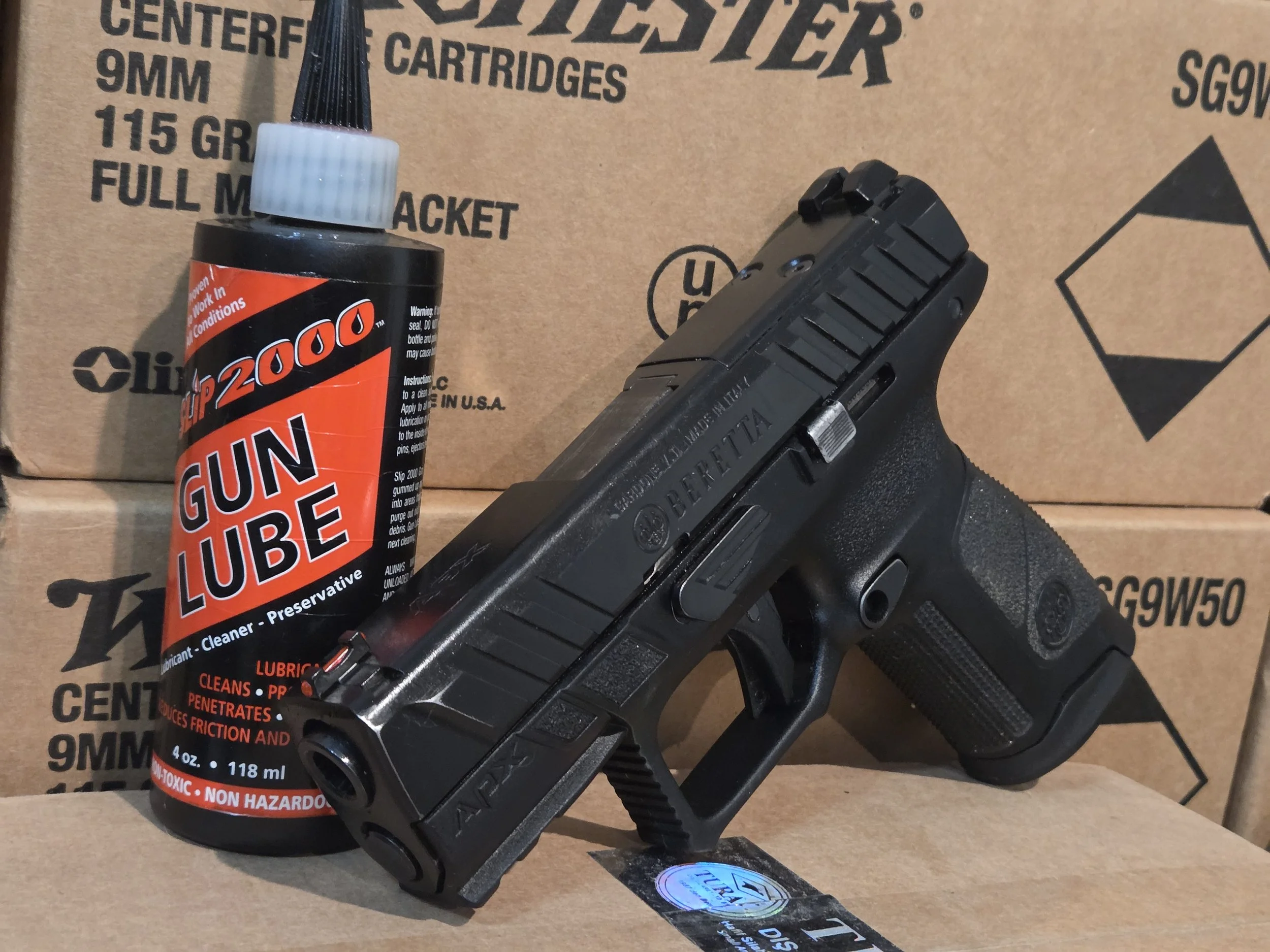
The Beretta APX has finally reached the 5,000‑round milestone. This is still a small fraction of what this pistol is built to endure, but I believe my experience at this round count will give prospective users a clear sense of its capability and handling characteristics at this stage.
FUNCTIONAL WITHOUT CLEANING
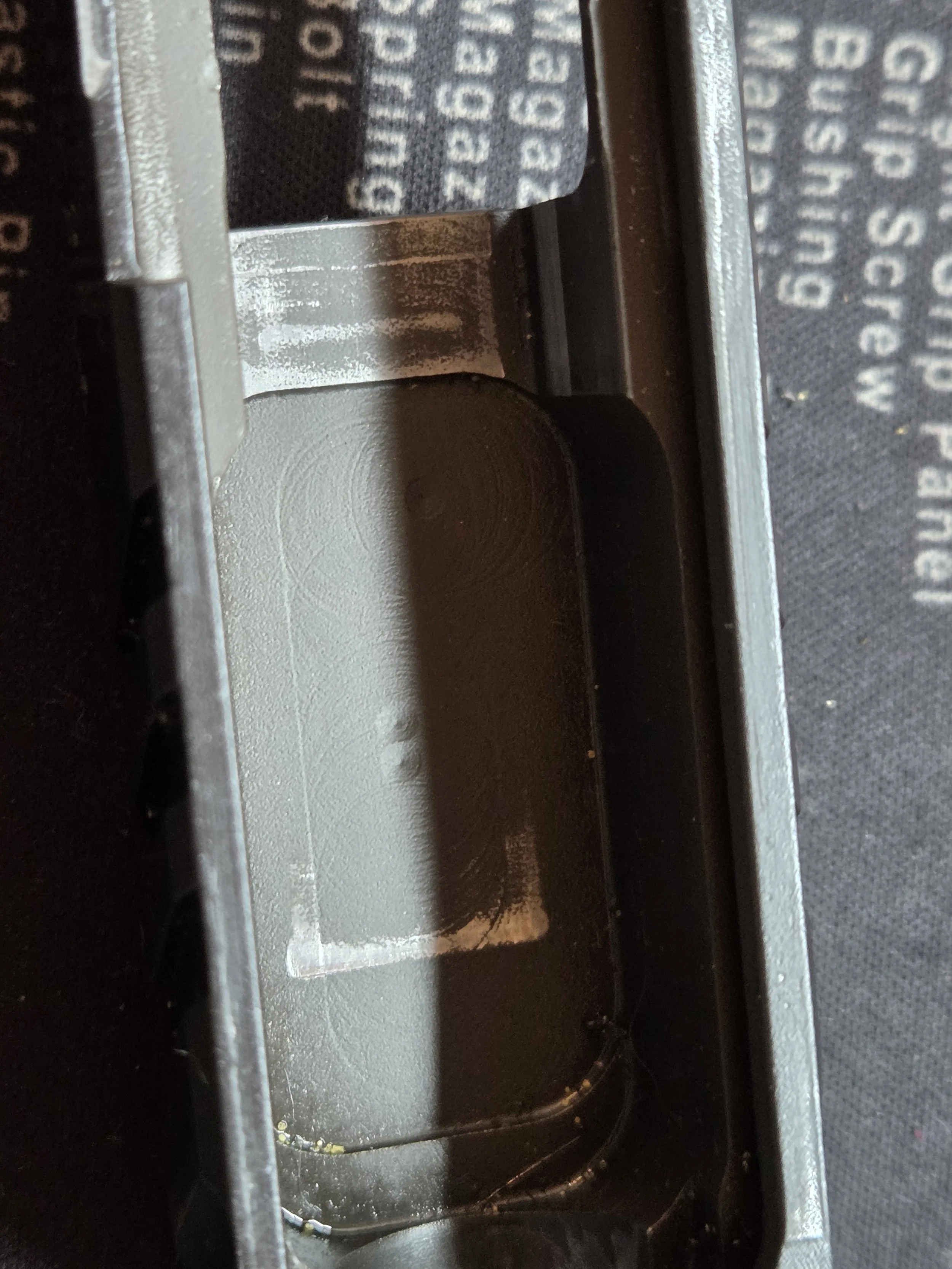
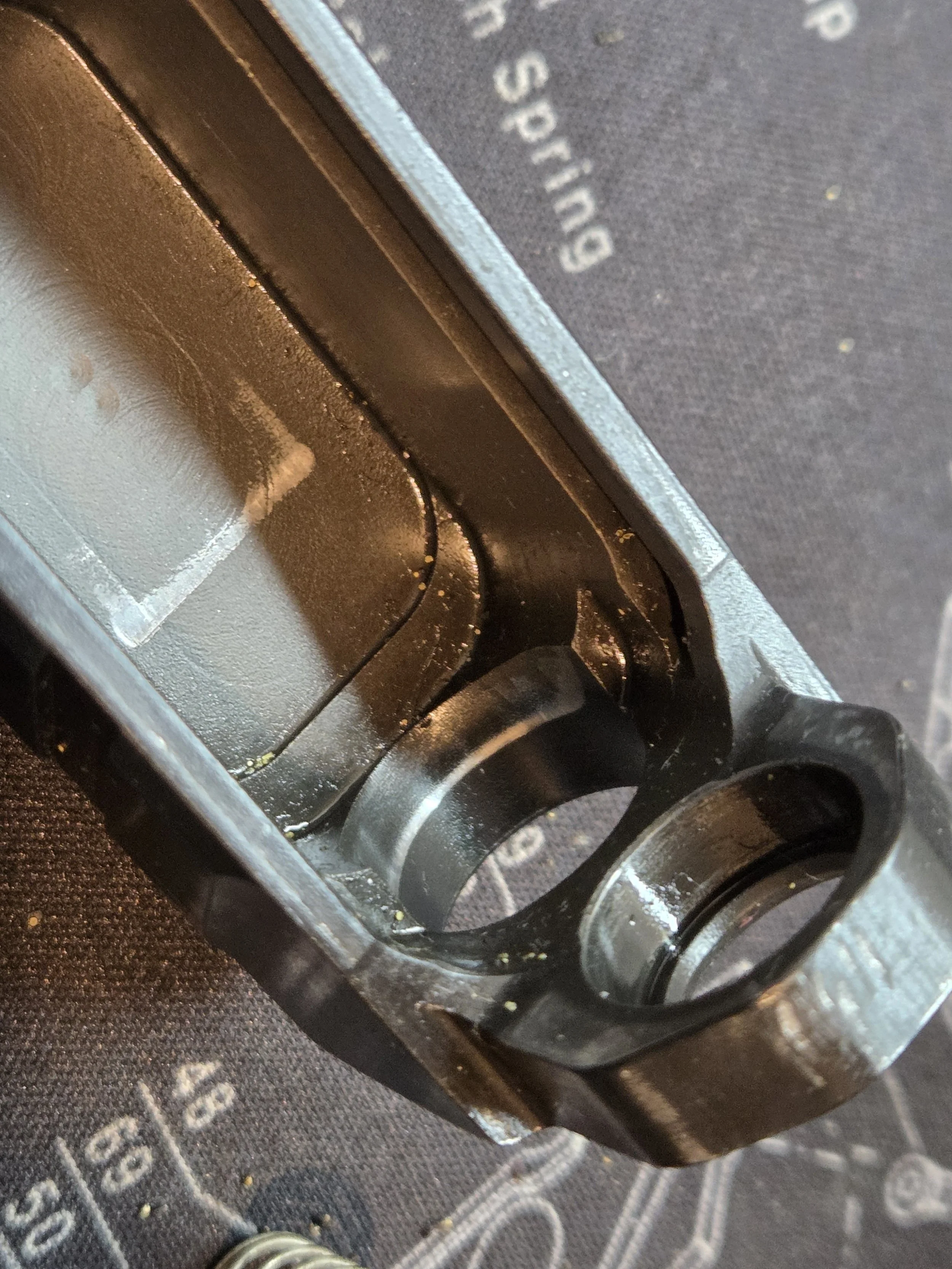
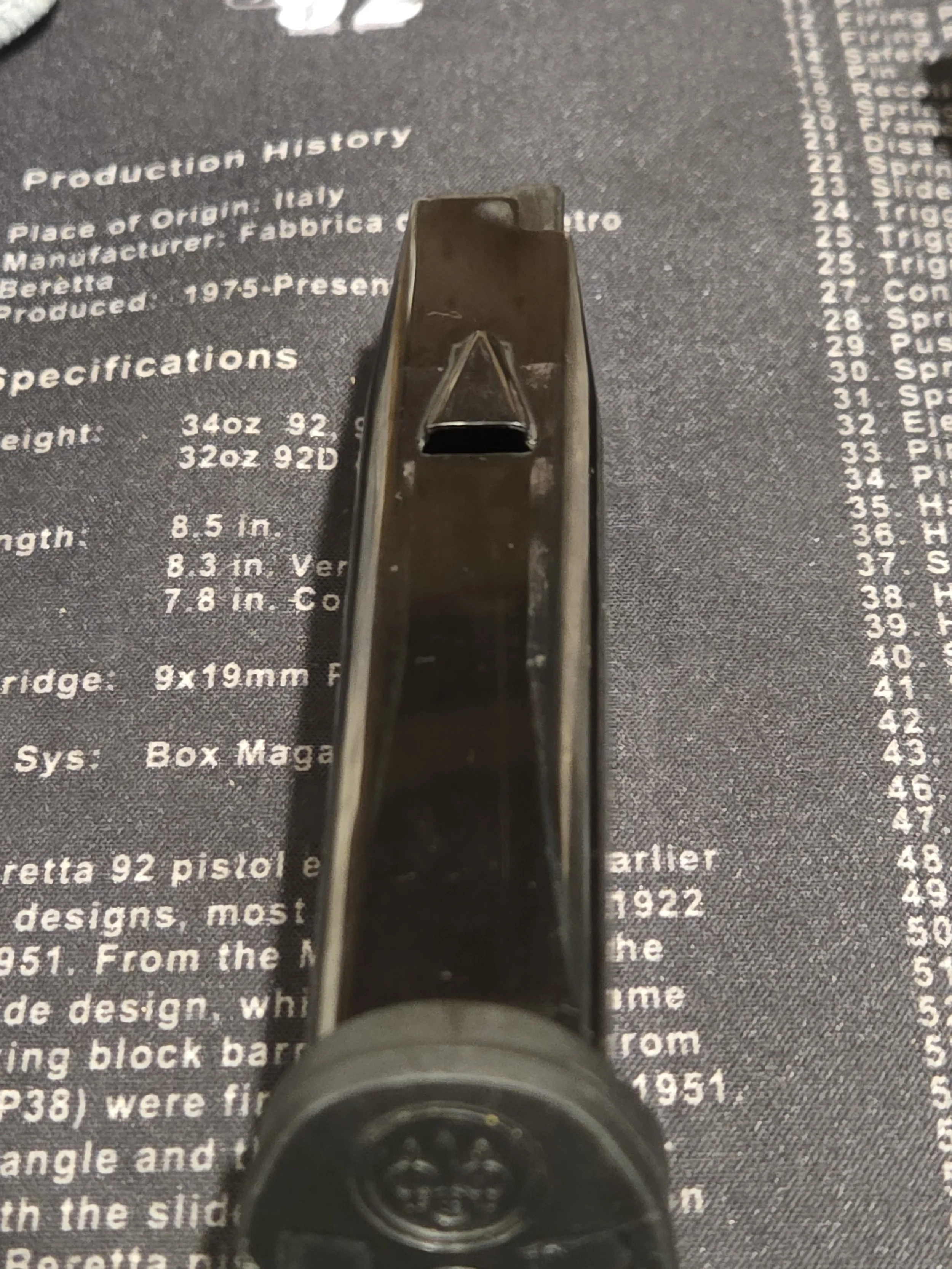
I have not cleaned this pistol for 2,000 rounds and the inside of the pistol was incredibly caked and nasty with firing residue. However, despite the fact that I have not even lubricated the pistol, it functioned smoothly as if it were lubricated the entire time. The magazines never gave an issue on ejection, and the brass ejected in a pretty consistent manner.
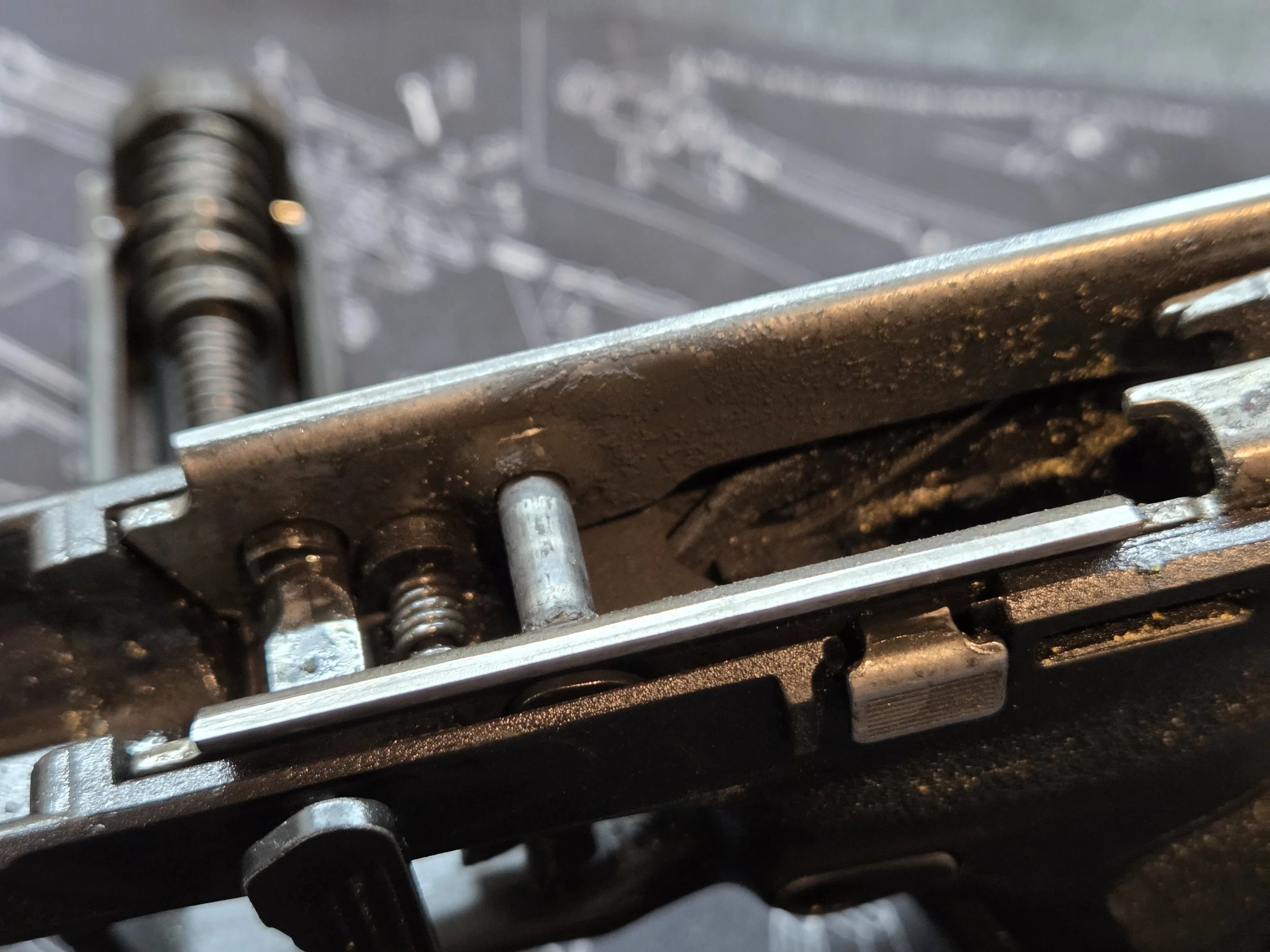
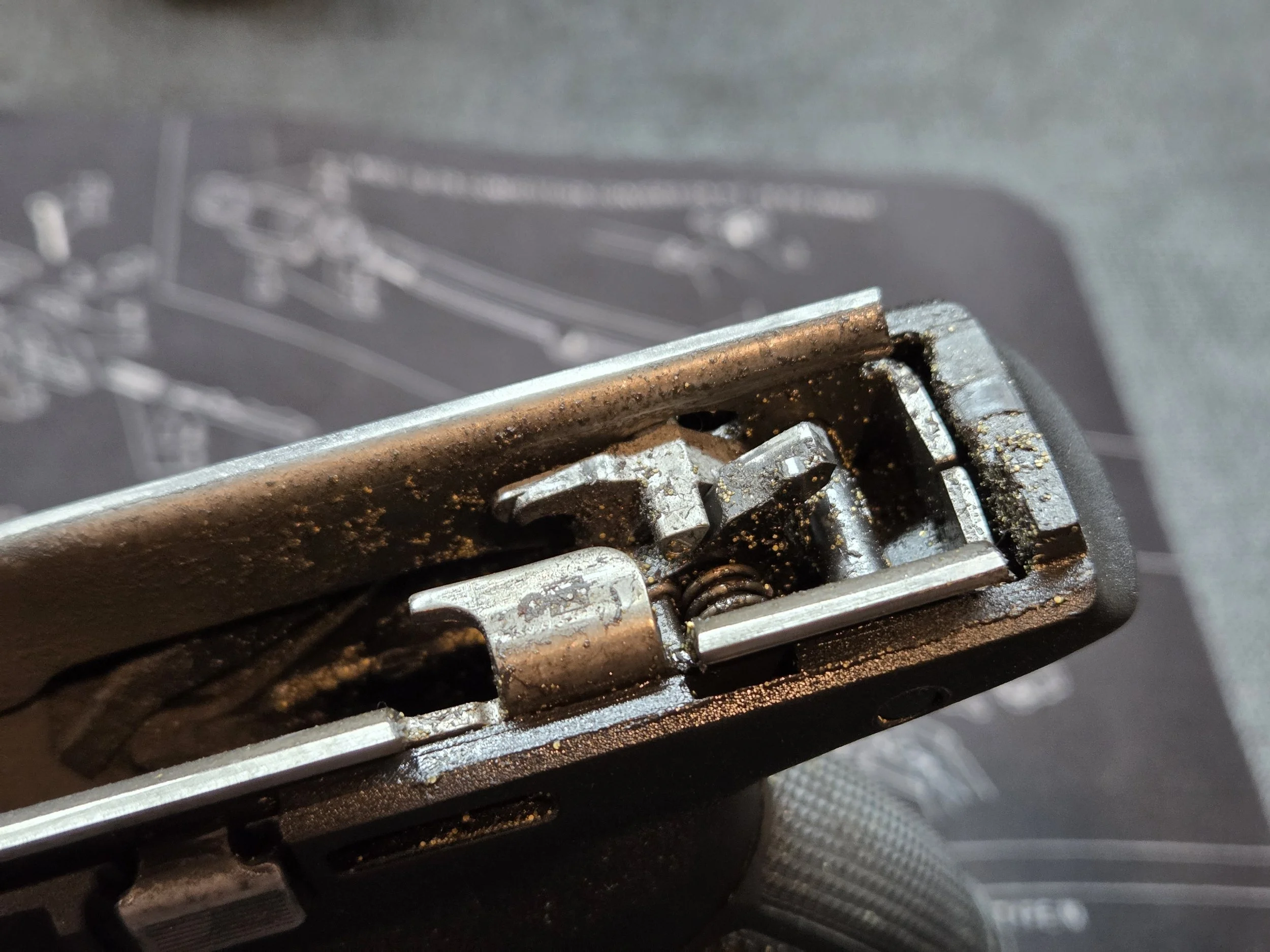
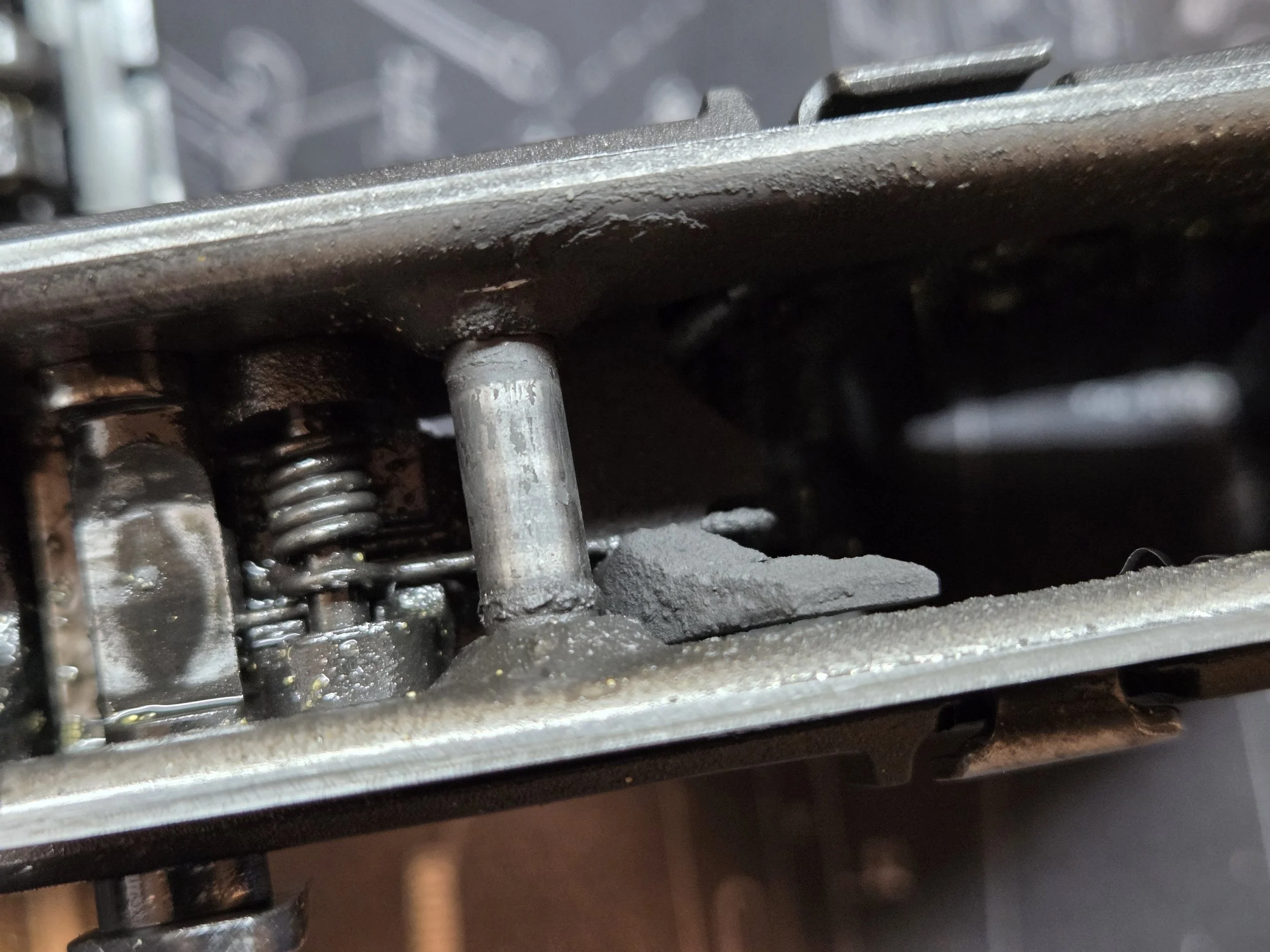
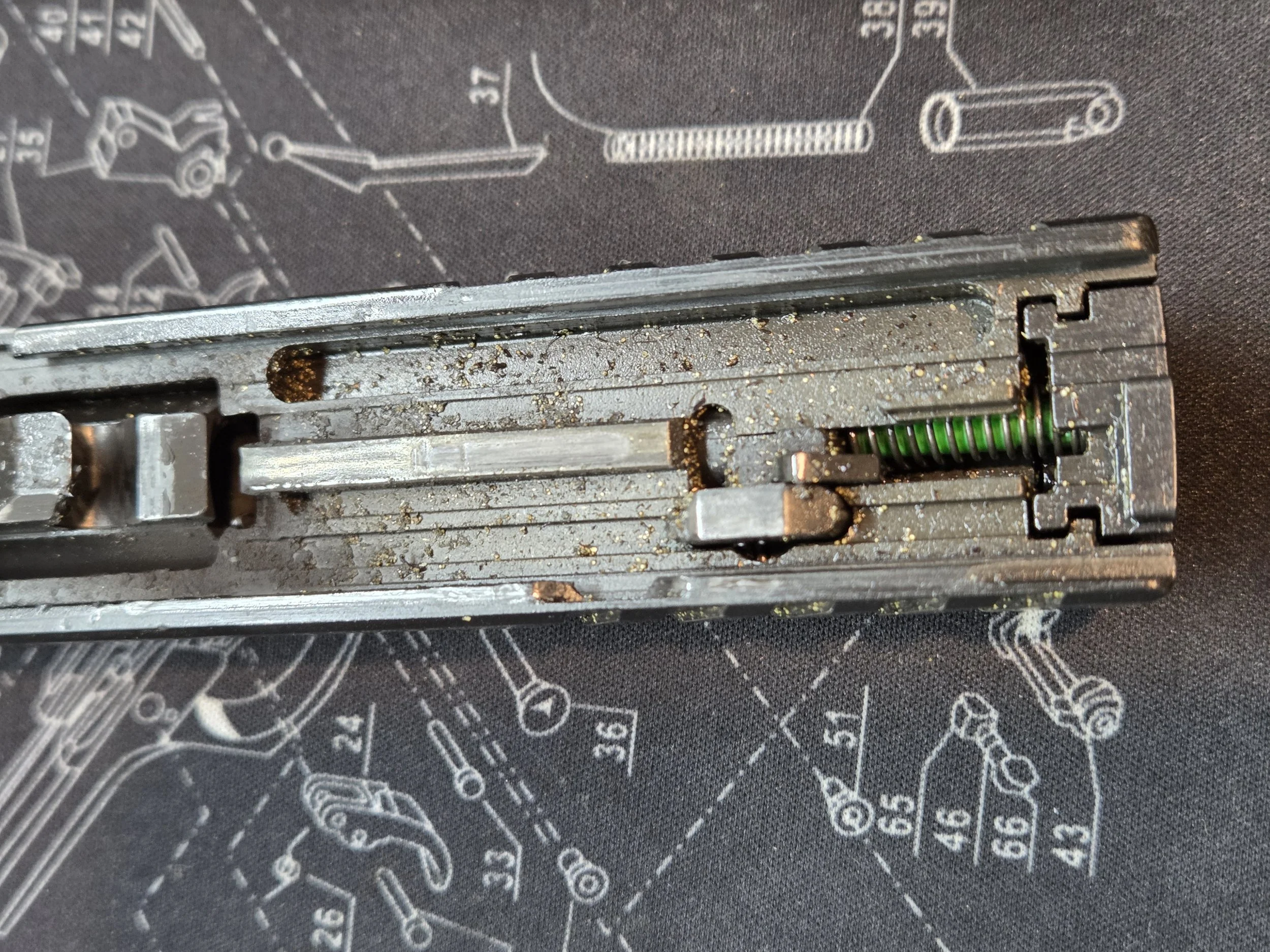
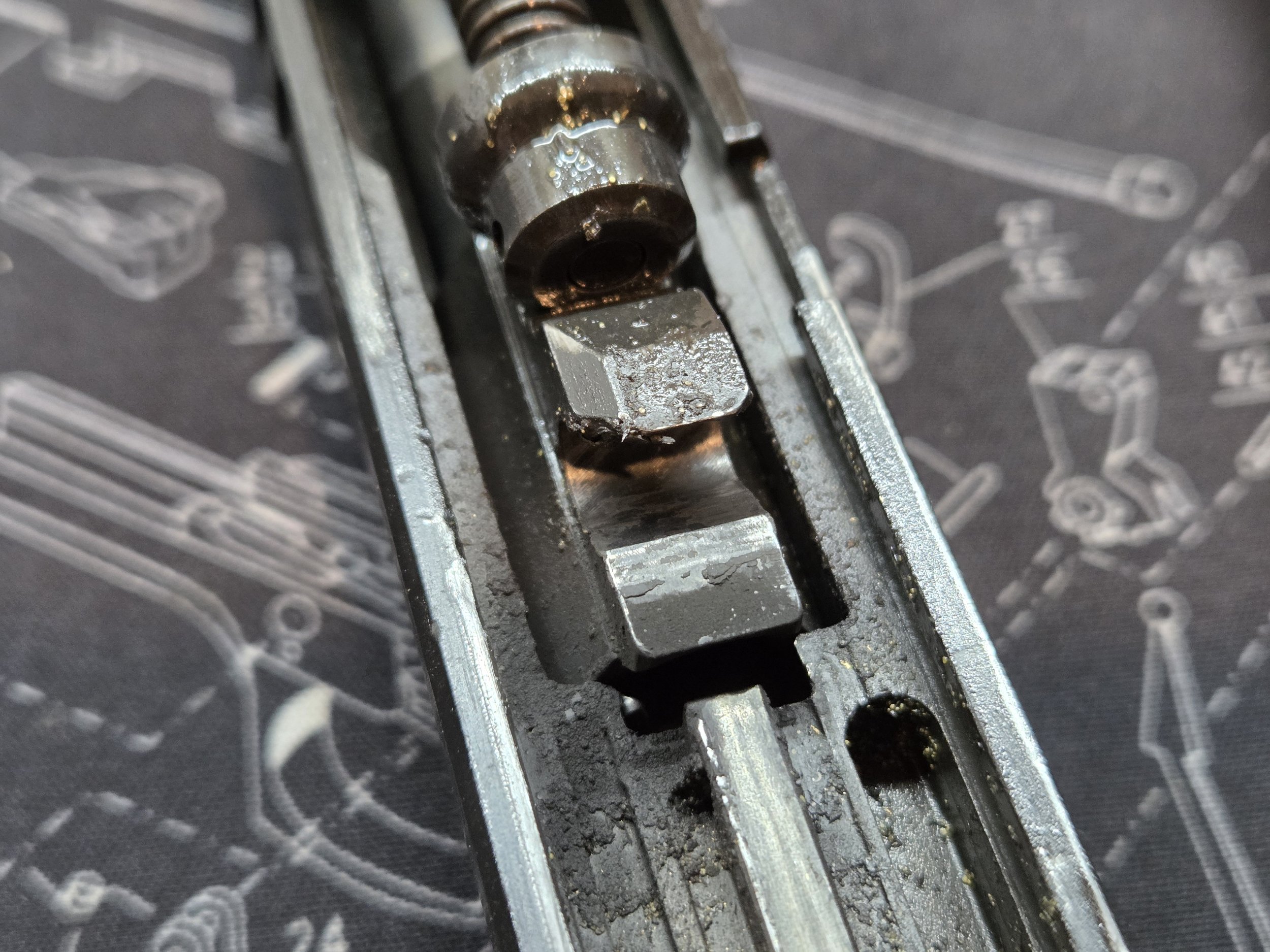
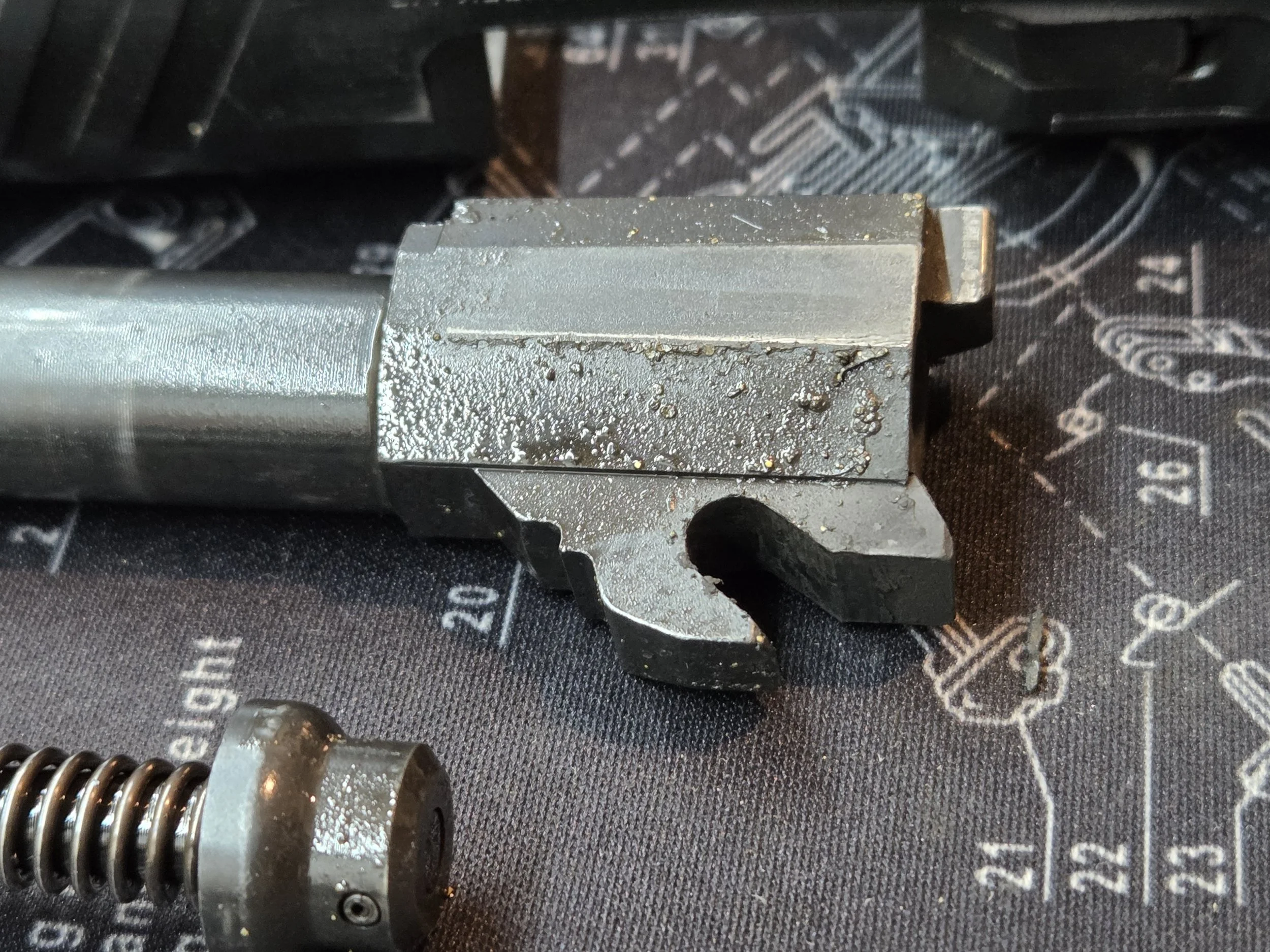
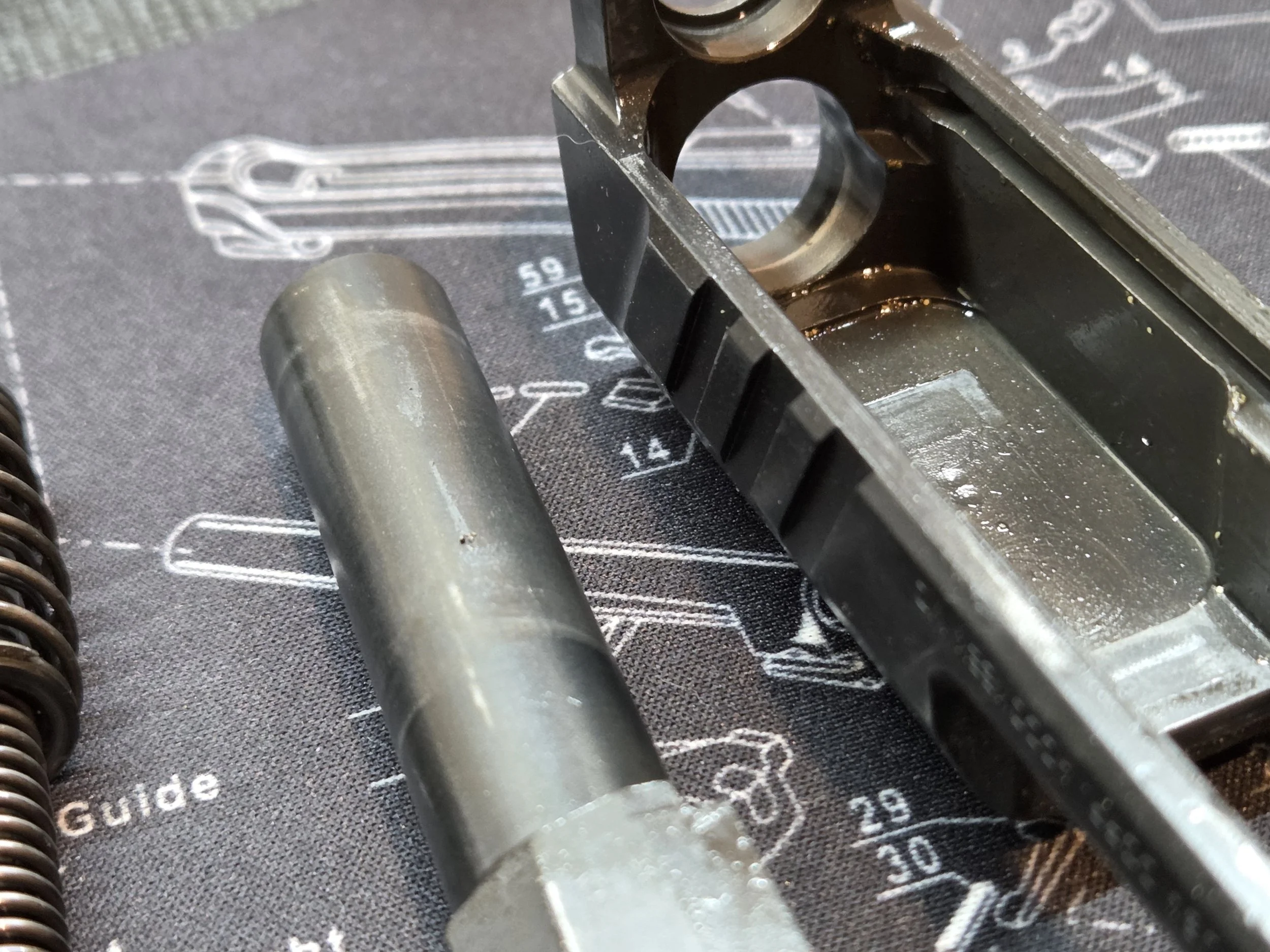
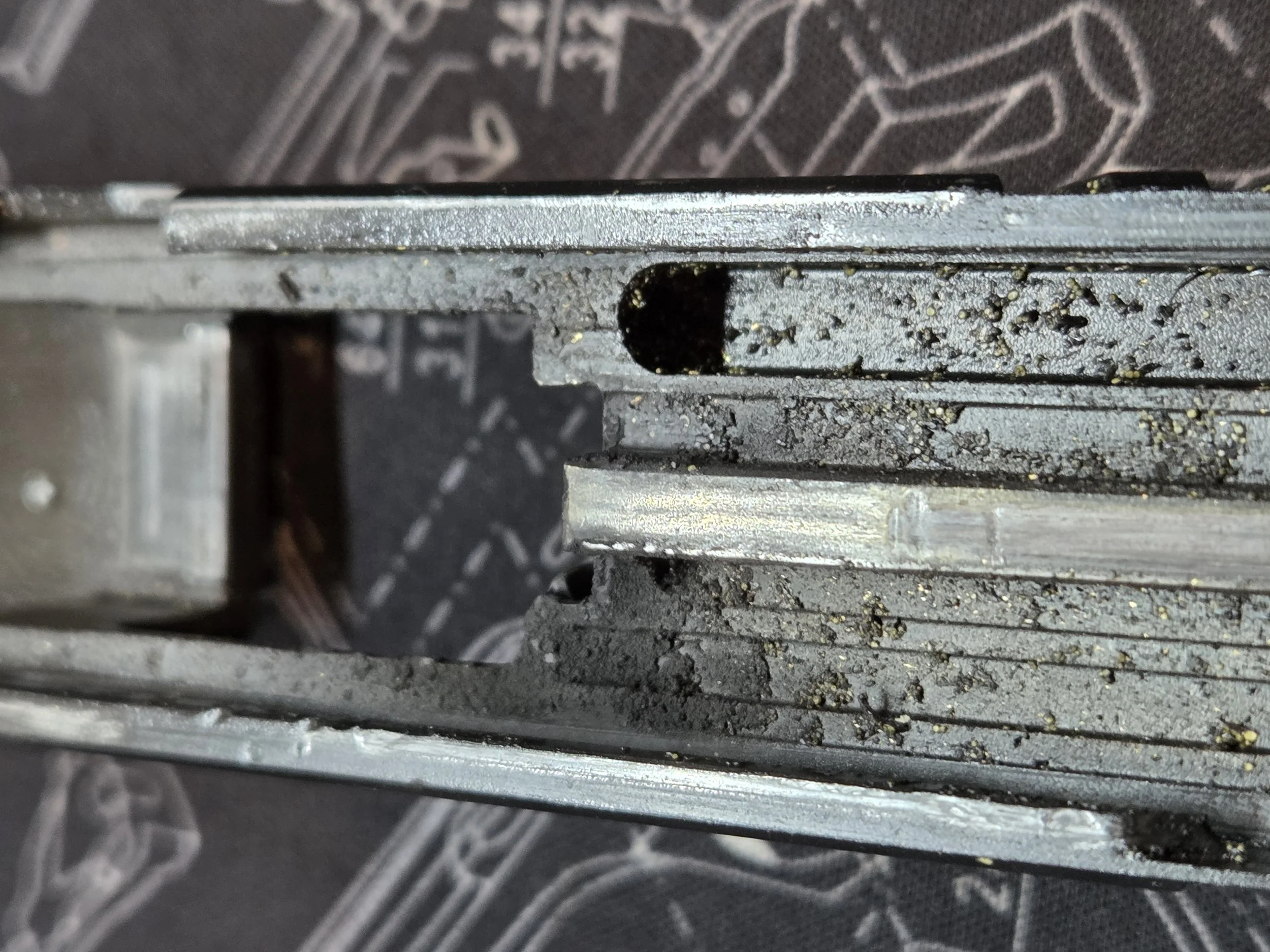
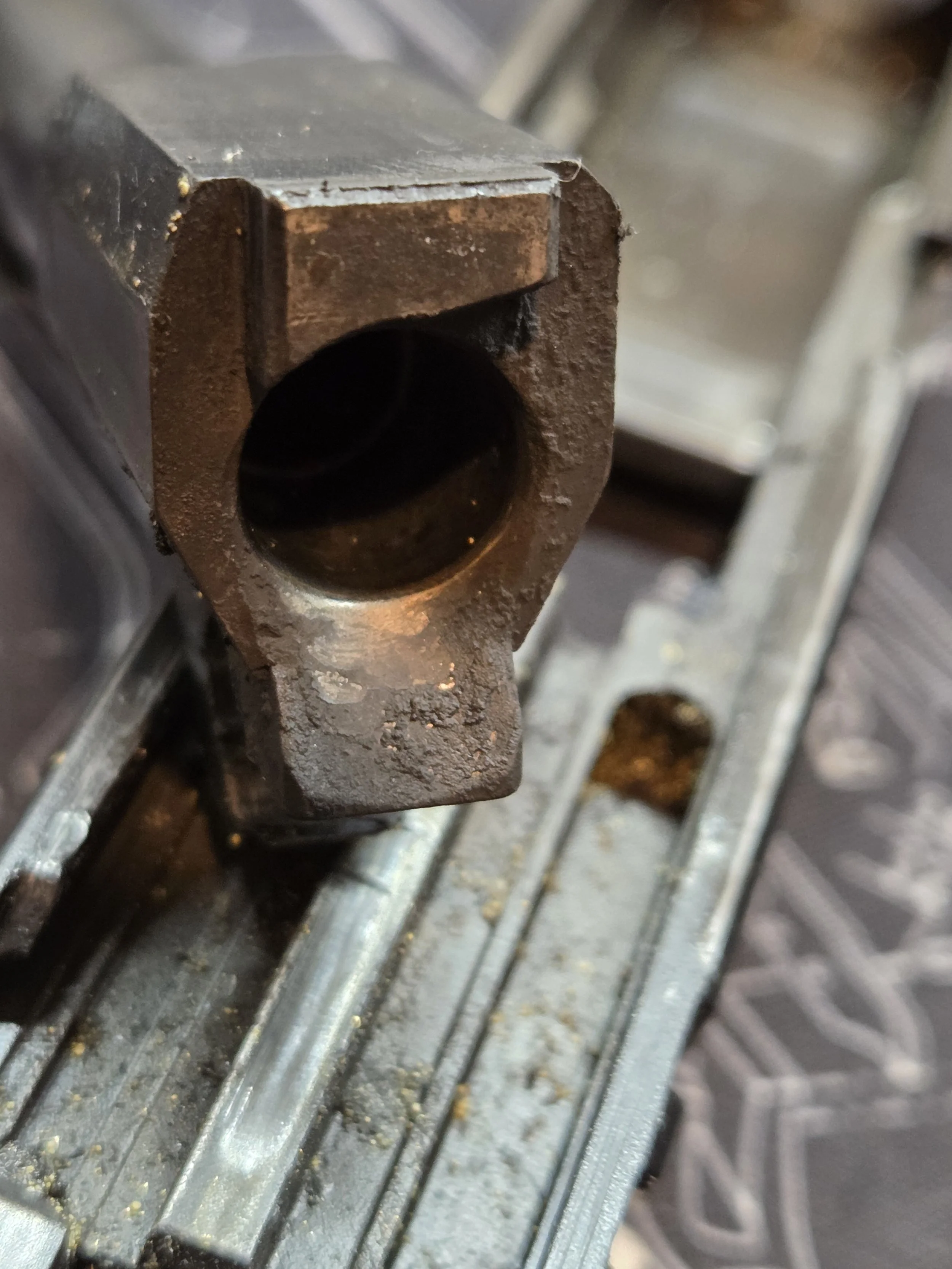
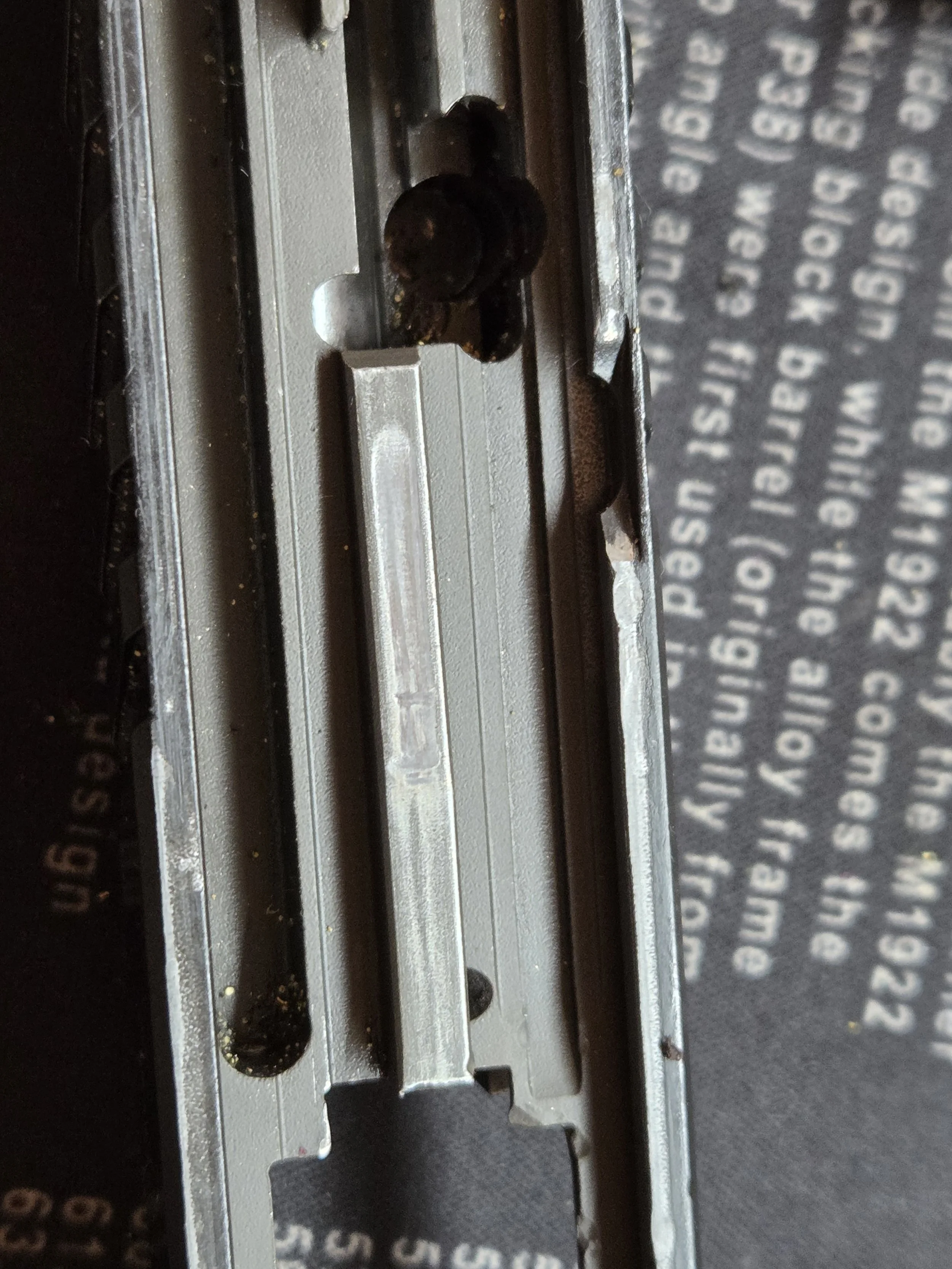
I personally feel that the finish that is used on the pistol, along with the smooth stainless chassis rails works together to make the action smooth and prevent firing residue buildup from slowing down the slide velocity. Most of the buildup happened on the feed ramp and on the inside of the chassis where the magazine seats, but the brass flakes that the high-pressure ammunition throws back into the action was EVERYWHERE and using brake cleaner spray just left gray dots everywhere that had to be brushed away afterwards.
BRASS ANALYSIS
I took pictures of the brass at random intervals and kept an eye out for striker drag or shallow primer impacts. In this last session, I could see that the impacts were ever-so-slightly shallower, and a few of the primers showed the beginning of drag, which is not surprising. I am shooting nothing but +P+ ammunition, which can play with timing. Also, the striker channel was getting a bit more gunk in it than normal after not being cleaned properly, or lubricated at all.
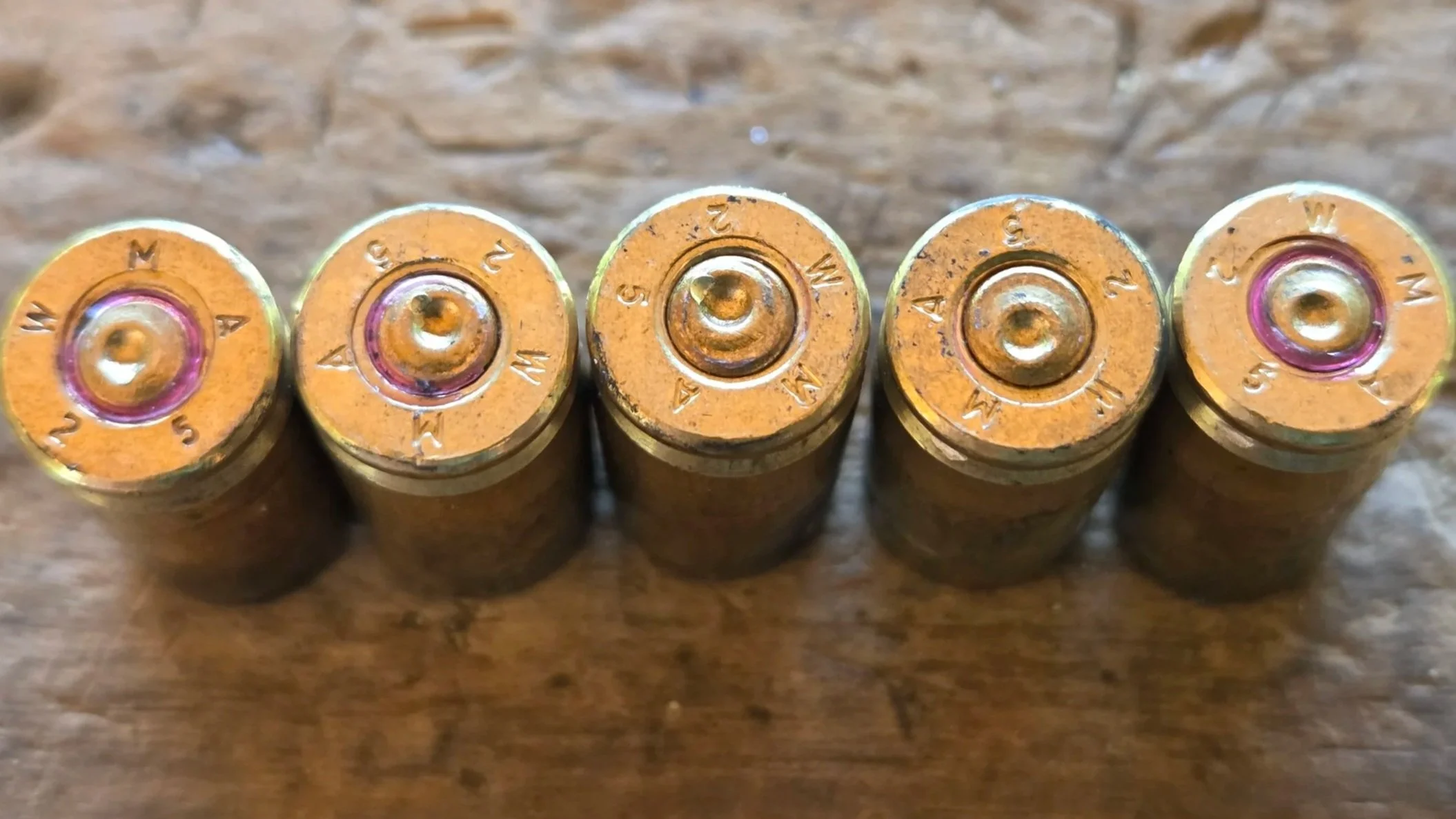
#2 AND 3 OF THE 5 PIECES OF RANDOMLY SELECTED BRASS HAVE SLIGHT STRIKER DRAG.
The ejection pattern on the brass was not inconsistent in relative direction, but a few times, the brass would eject out of the left or just barely eject, as you can probably see in the video. Overall, the brass was ejecting to the 4 ‘o’ clock with good consistency and made quite a nice pile after the last range session where I ran through 800 rounds in 3 hours.
DETAIL DISASSEMBLY & CLEANING
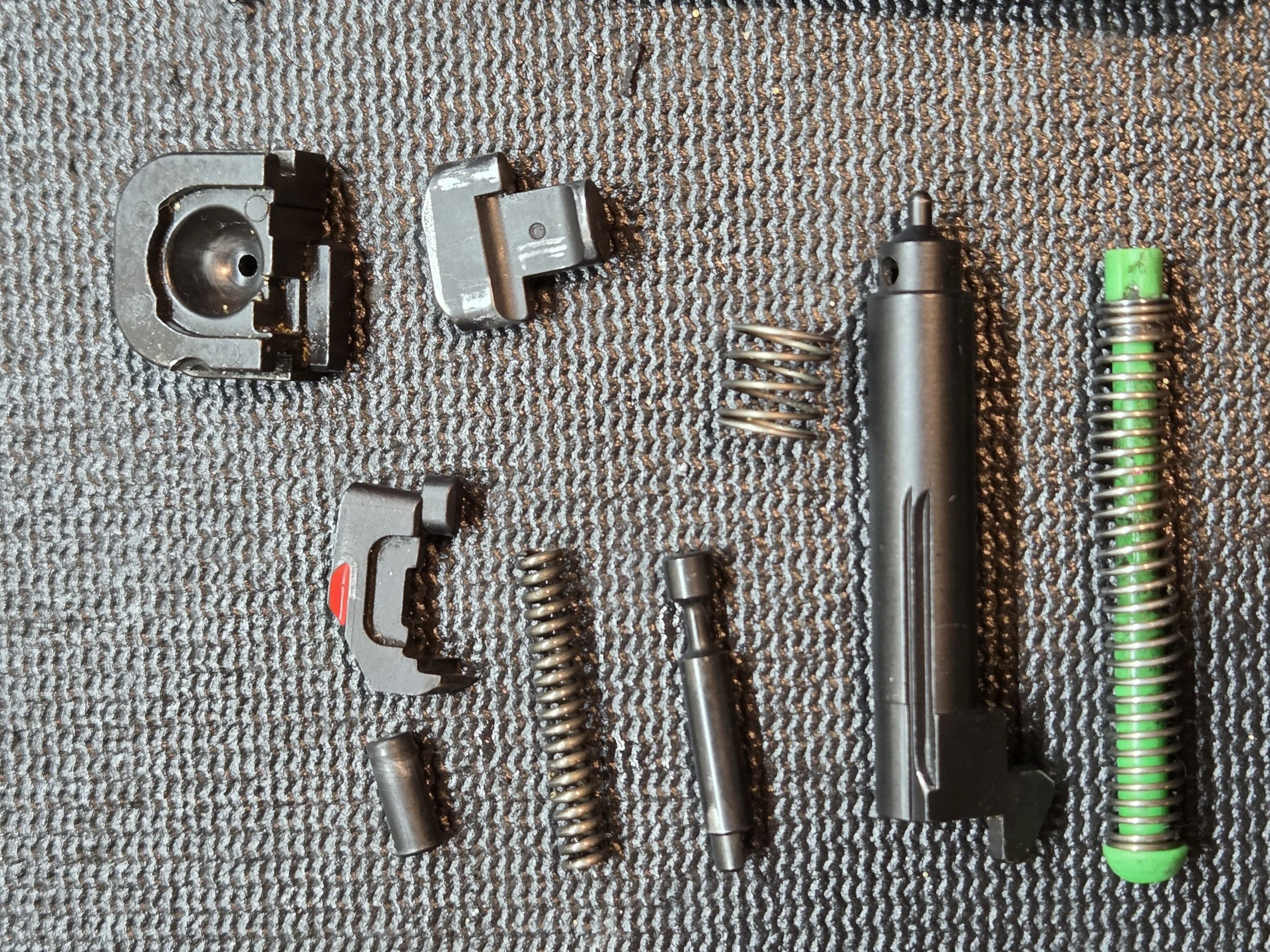
Detail stripping the APX is fairly simple but it requires some serious force to remove the rear backplate on the slide. The extractor spring is ridiculously tight and will challenge you to compress it, by design.
The frame is relatively straightforward to strip. You merely lift a J-Spring around the rear pin and drive it from right to left and then take out the slide takedown lever before compressing the cocking lever pin while lifting the chassis system out.
I flushed the chassis down with brake cleaner and brushed out piled on firing residue on the interior of the chassis just behind the barrel camming pin Everything could have just been given a general wipe down, but the whole interior had SLIP2000 and that brass firing residue everywhere and in little grooves and pockets I couldn’t reach with a Q-Tip.
The frame was nasty with firing residue and the brass flakes, which necessitated just flushing it out with brake cleaner.
***JUST FLUSH THE INTERNALS UNDER HOT WATER INSTEAD OF USING HARD CHEMICALS IN AN AEROSOL CAN. THE INTERNALS ARE PERFECTLY CAPABLE OF WITHSTANDING BEING SOAKED WITHOUT THREAT OF CORROSION. SAVE THE CLEANER SPRAY FOR FLUSHING AWAY ALL THE LUBRICANT AFTER IT HAS BEEN CLEANED IN HOT WATER. ***
After flushing all the frame and chassis parts down and clearing out most of the flakes, I reassembled the pistol frame with relative ease by reversing the takedown procedure.
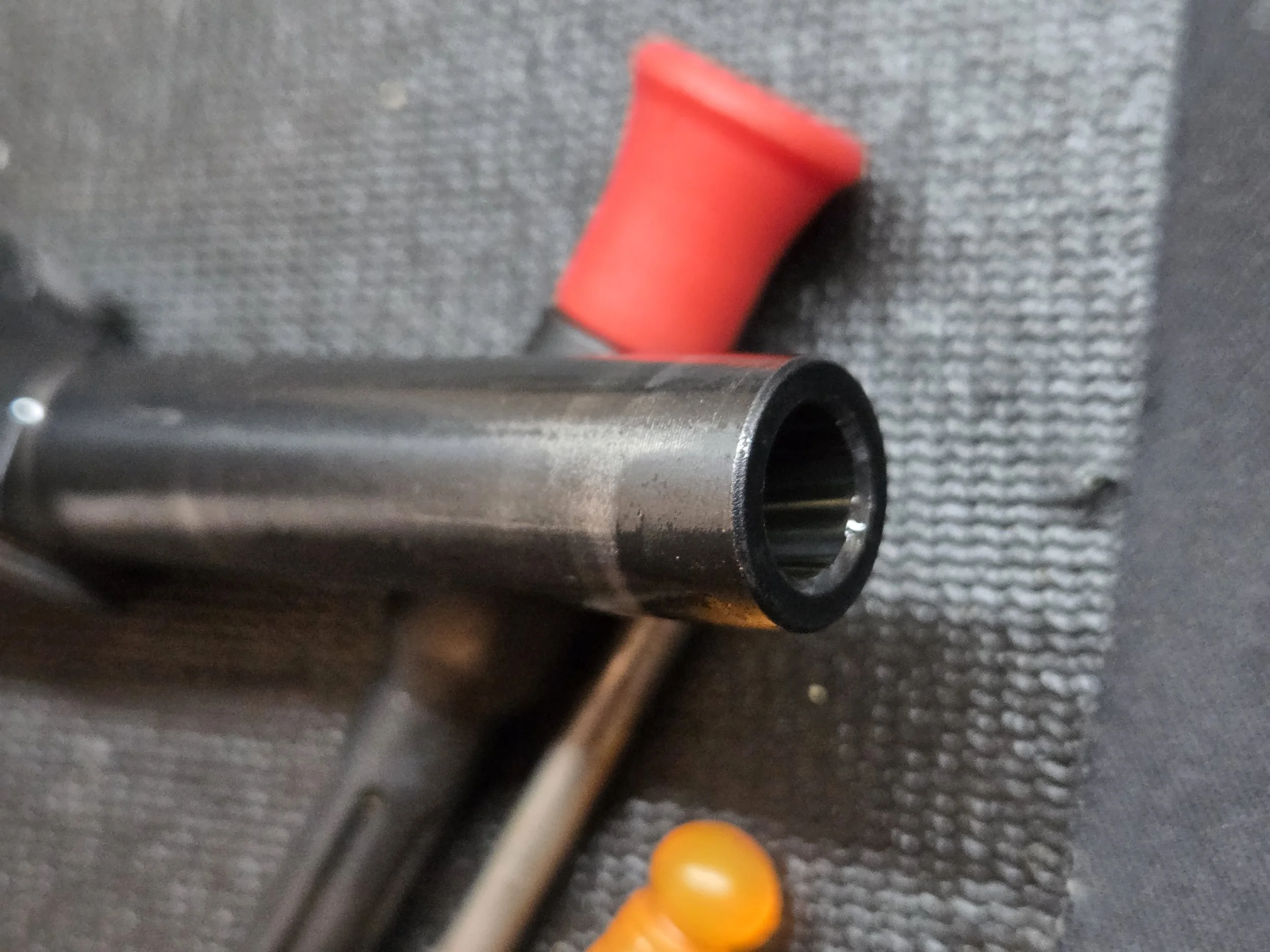
The front sight fiber optic tube was exposed to so much heat during my last range session that it warped the fiber optic front sight. It is a miracle that the little red tube didn’t slide right out during firing. I had a spare tube on-hand and quickly replaced the tube with fingernail clippers and a lighter, making the front sight red fiber optic even larger and bulbous than it was out of the box.
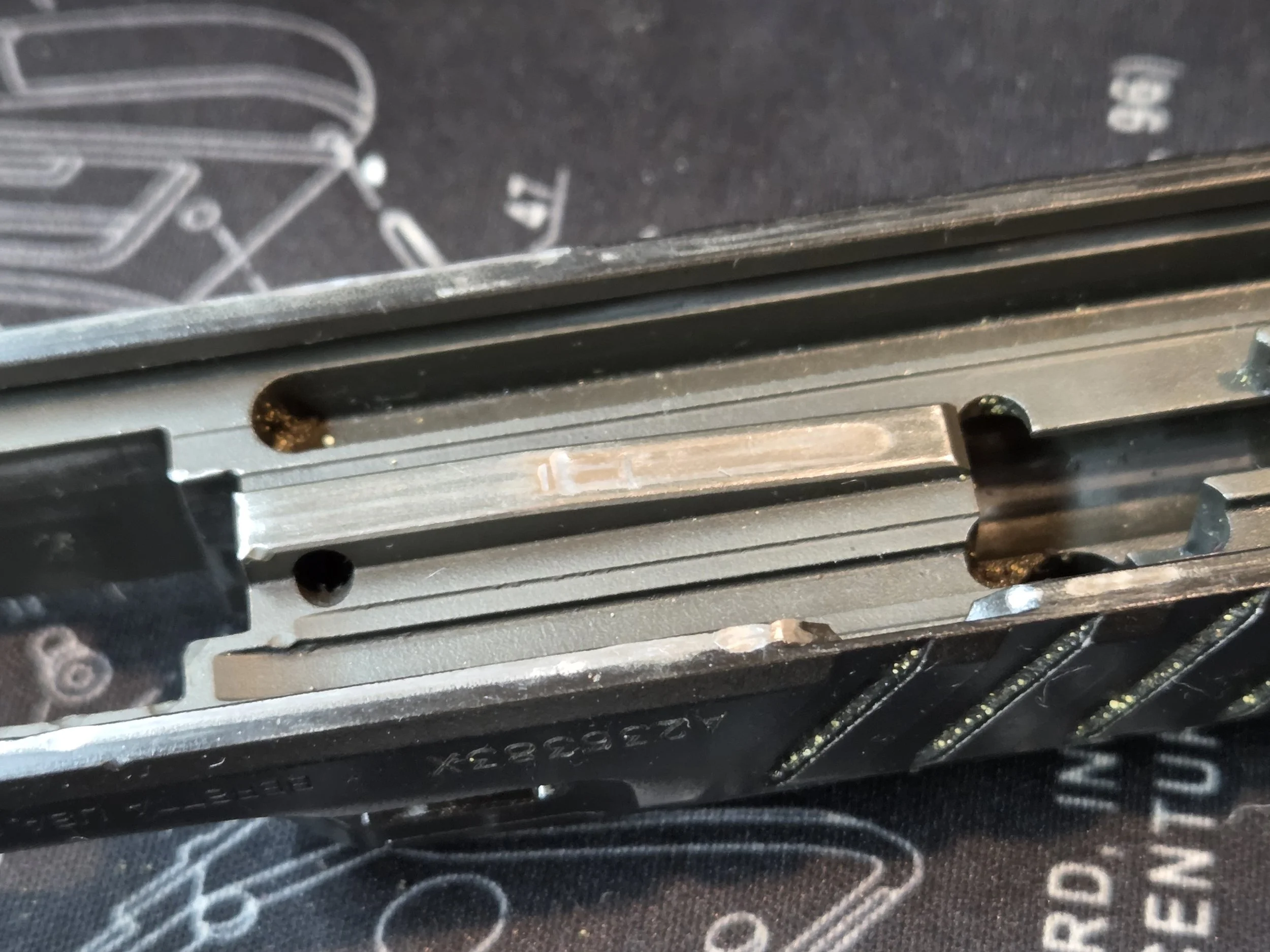
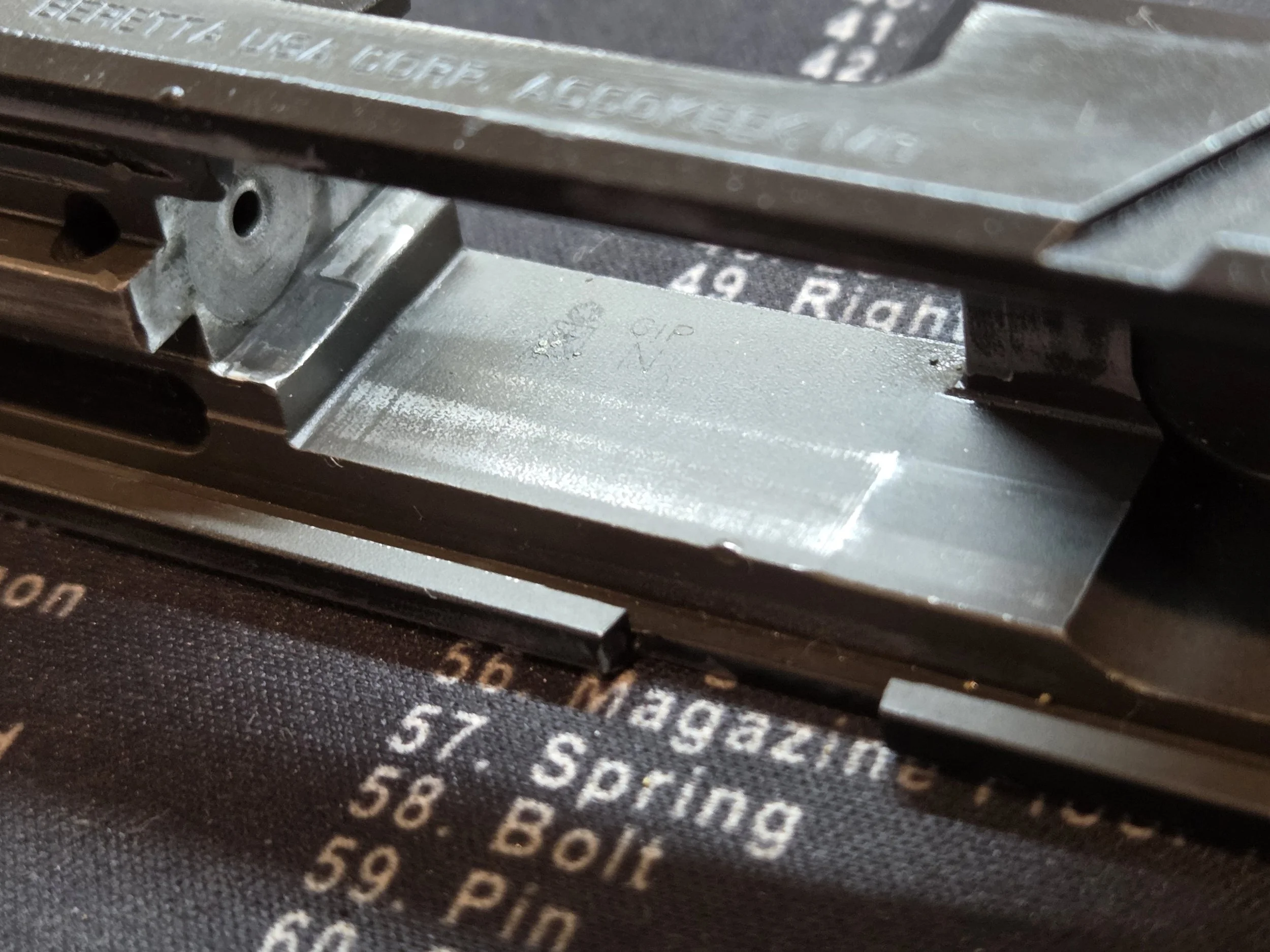
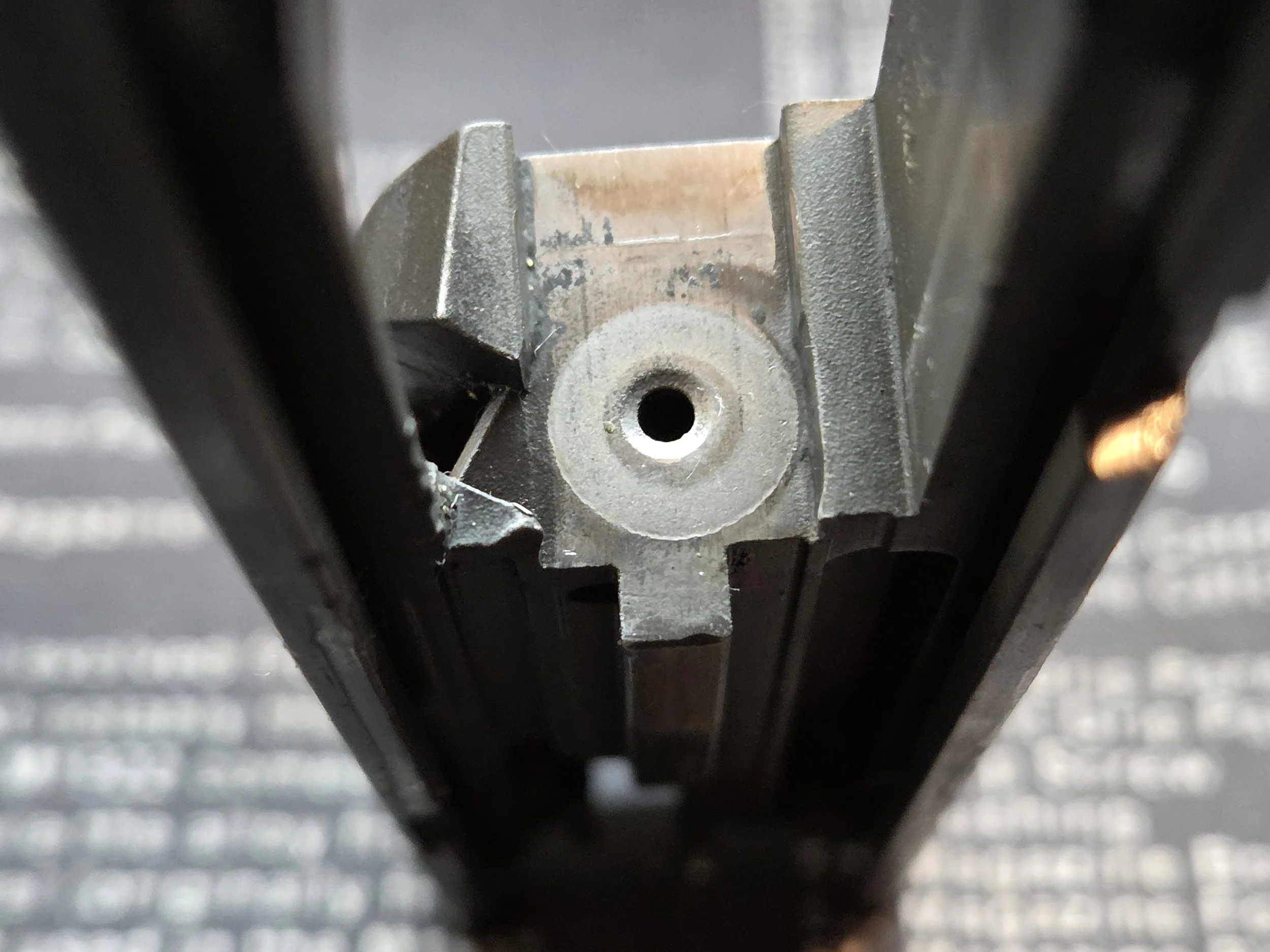
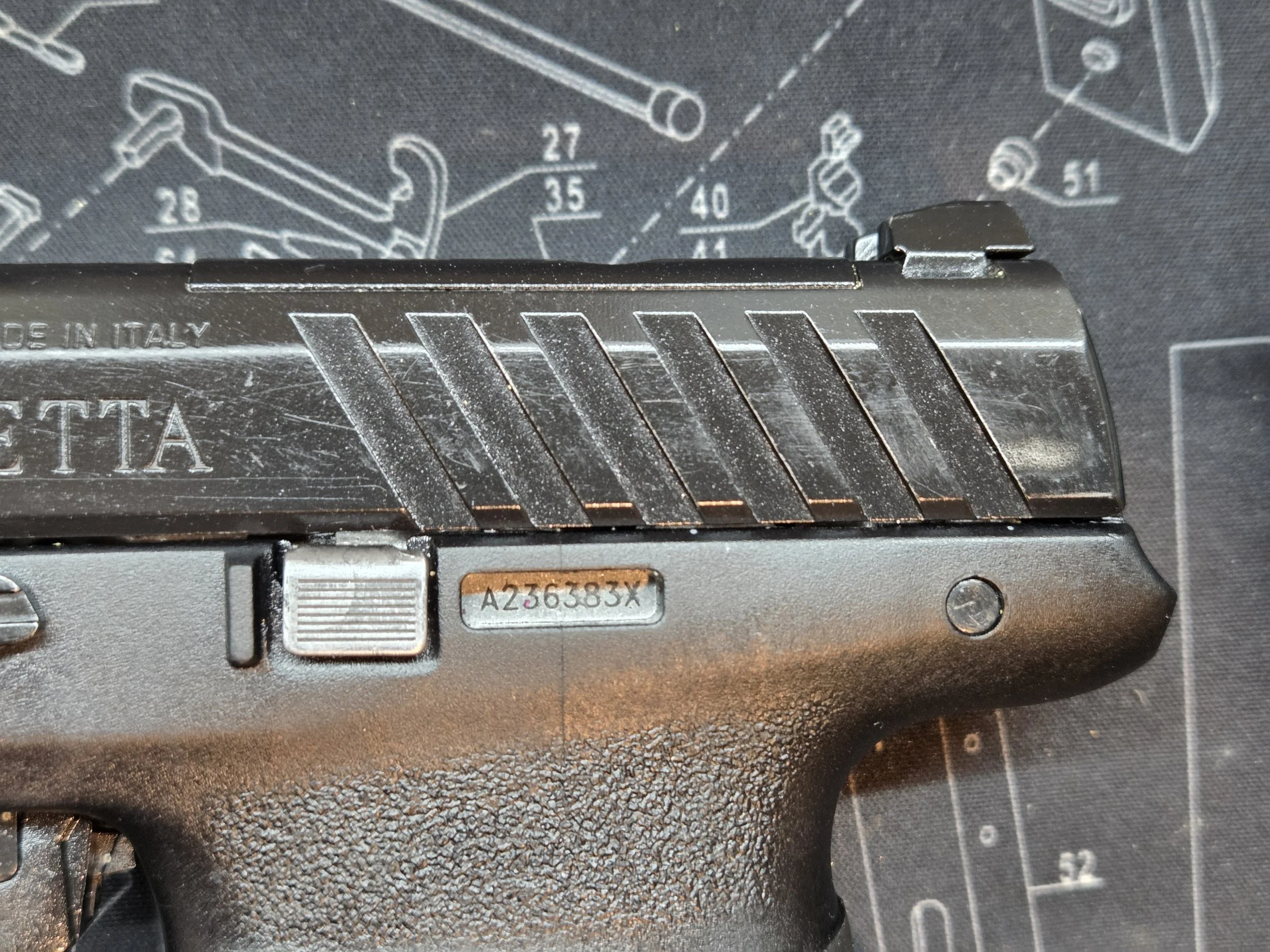
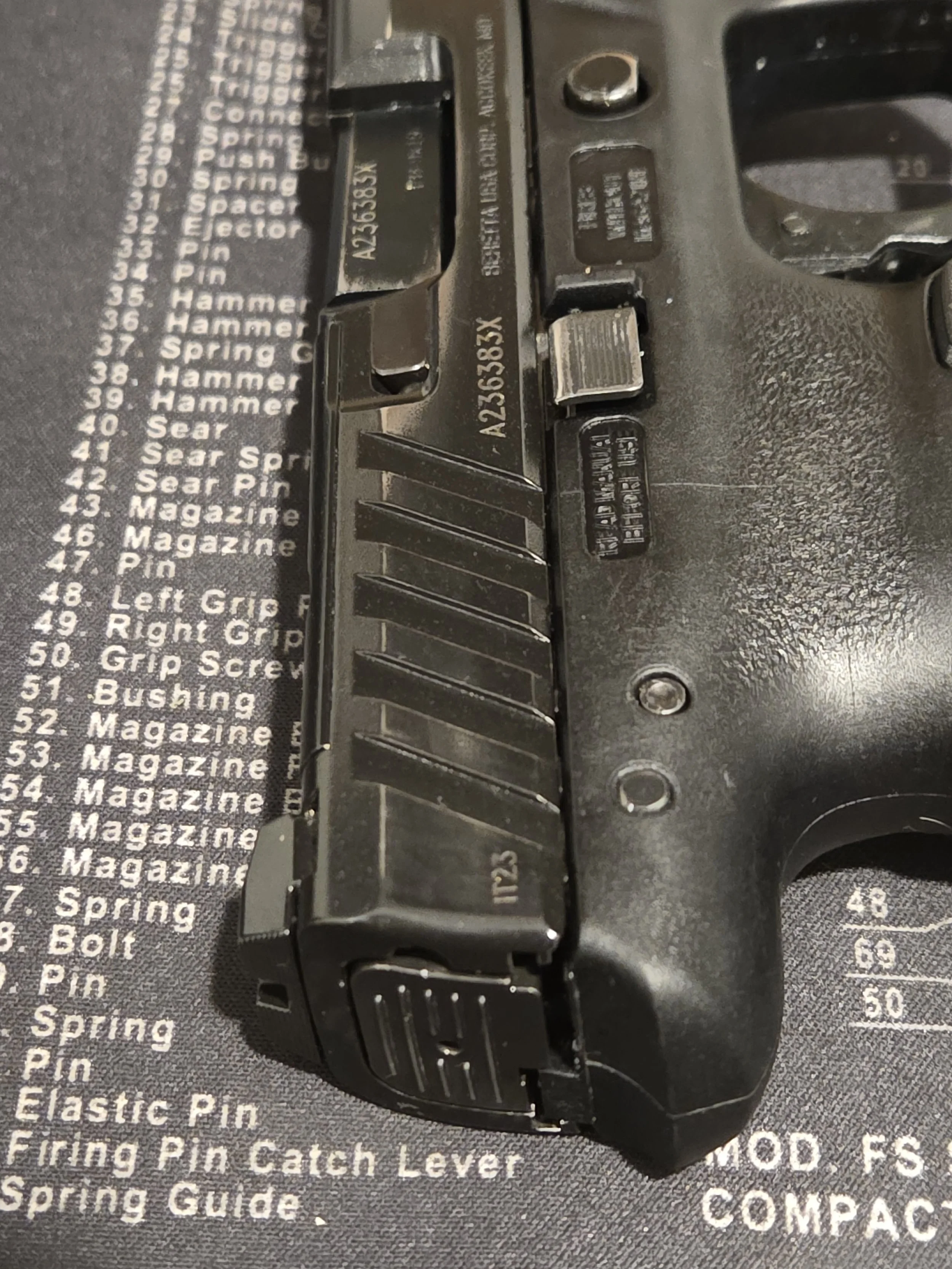
After taking apart the slide, I found that the slide components were showing very little wear, but the striker was caked on the front and the gunk cleanout channel was clogged with firing residue, which is problematic for the proper function of the striker. The cleanout channel was stuffed so bad that I had to spin a flathead screwdriver in the hole to open it all the way back up. If I was cleaning the gun regularly and dropped a single drop of EWL into the gunk cleanout channel every time I cleaned the pistol, the striker would have stayed pretty unobstructed. But that is to prevent the need to do a detail disassembly because the EWL acts like a carrier to firing residue and prevent buildup and caking.
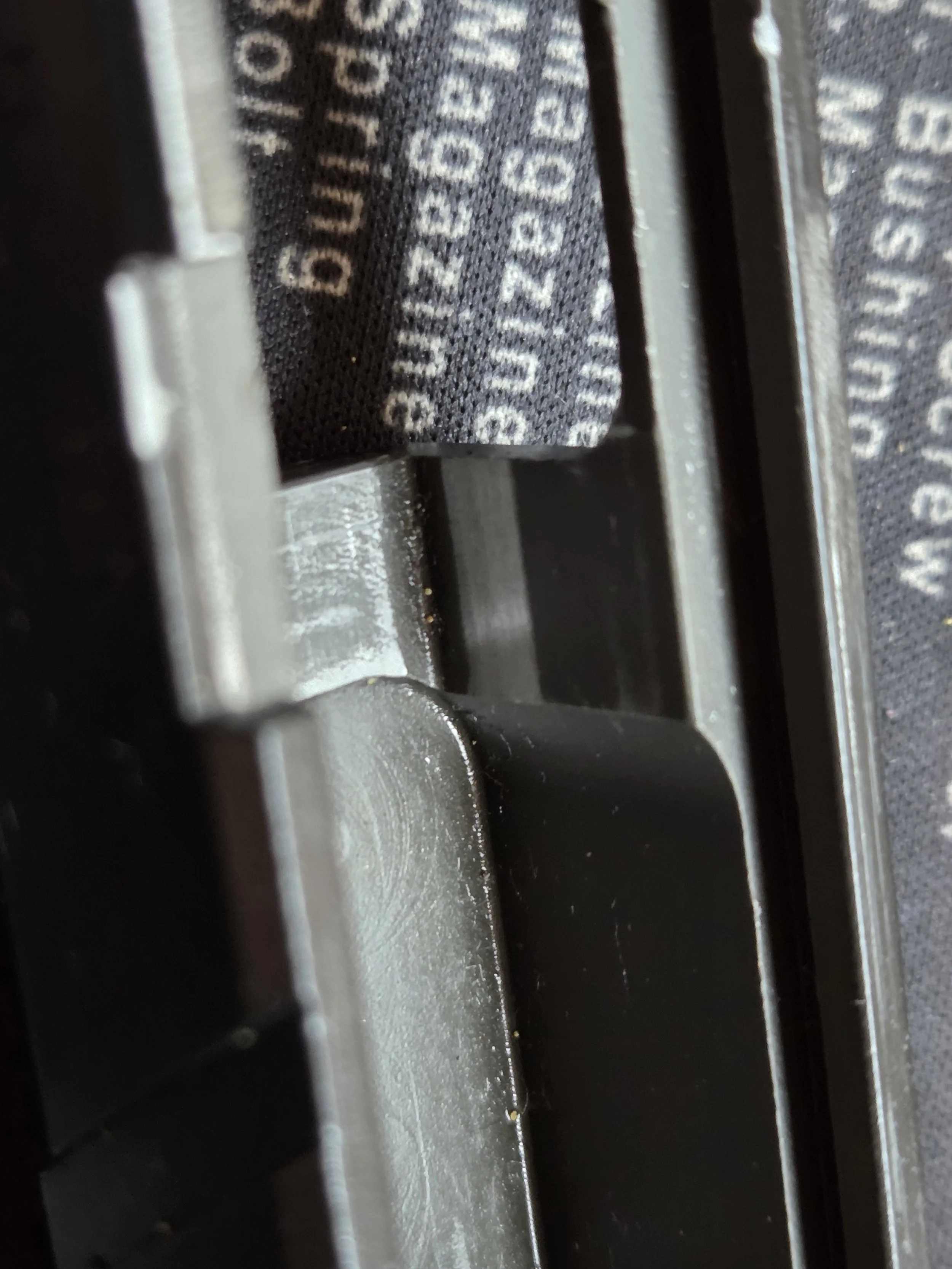
All the slide components showed little wear for the relative work they were put under in the last year with dry fire and live fire. I did a detail wipe down on all the components and arm-wrestled the slide back together. Once the pistol was all assembled again, the action was smooth and the trigger had a firm wall and a smooth break. A clean gun that has a bit of wear on the internals can make a notable difference in performance.
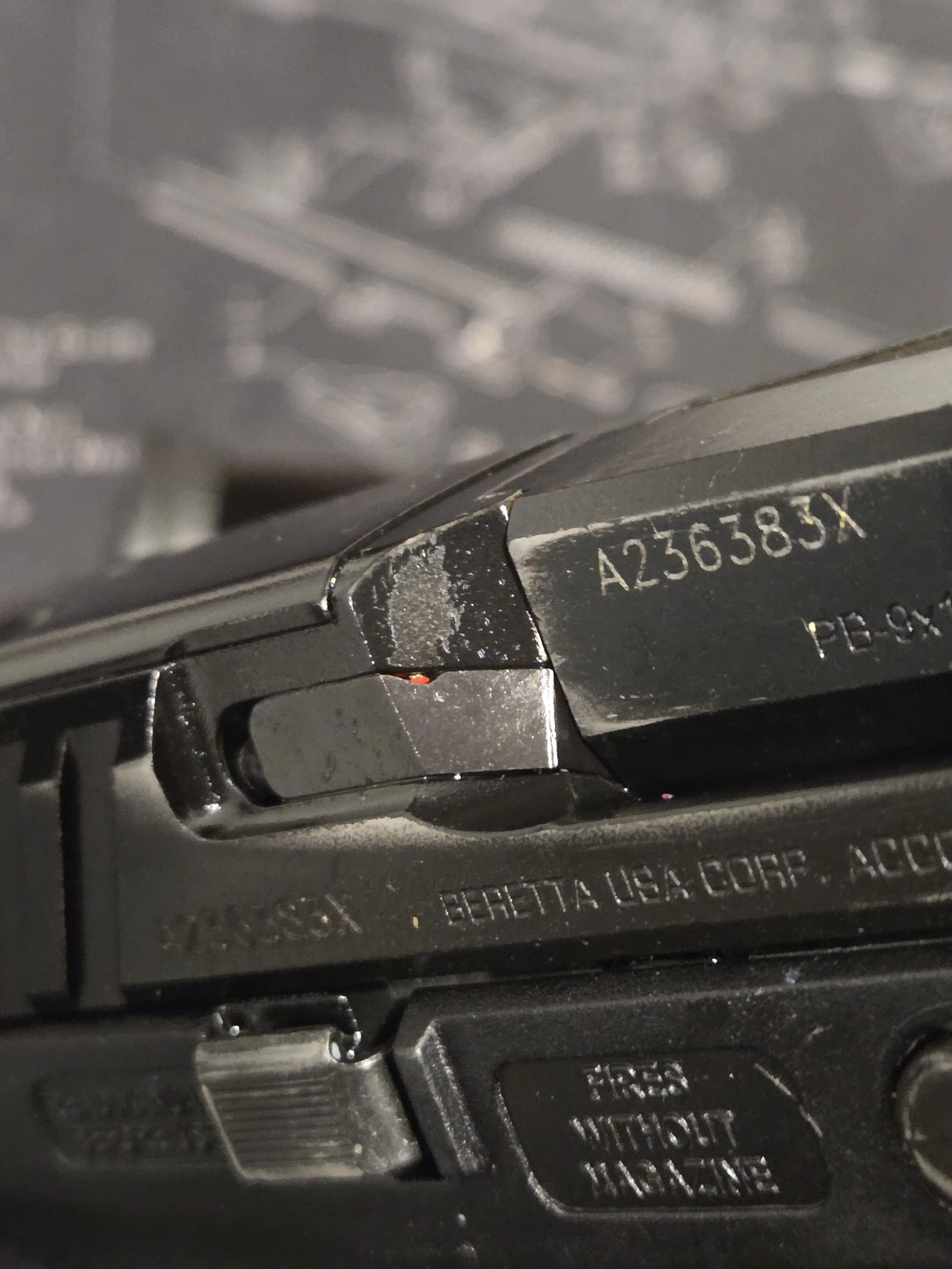
SHOOTER INTERACTION
For this pistol, the quirk it has is a trigger that does is quite deceptive. When dry firing the pistol, it seems like the pistol would be relatively mediocre to shoot due to the solid wall and the slight amount of mush before the break. After shooting the pistol for 5,000 rounds, it seems the trigger has next to no mush anymore, and the trigger is slightly lighter on the break. I do not have a trigger gauge, but it has a notable difference compared to my younger APX A1 Tactical. Most guns will change in shooting characteristics after 1k, but this one needed more to have a significant change. That is actually not a bad thing, That is actually a testament to the design and a good sing for longevity, in my experience.
Of all the pistols that I have used over the years in this size category, the APX A1 Compact is a cut above the rest in price, quality, and handling. The pistol handles hot loads with absolute grace and its trigger becomes better as the round count improves, without changing dramatically in characteristics. This is a compliment to the system and engineering behind the pistol.
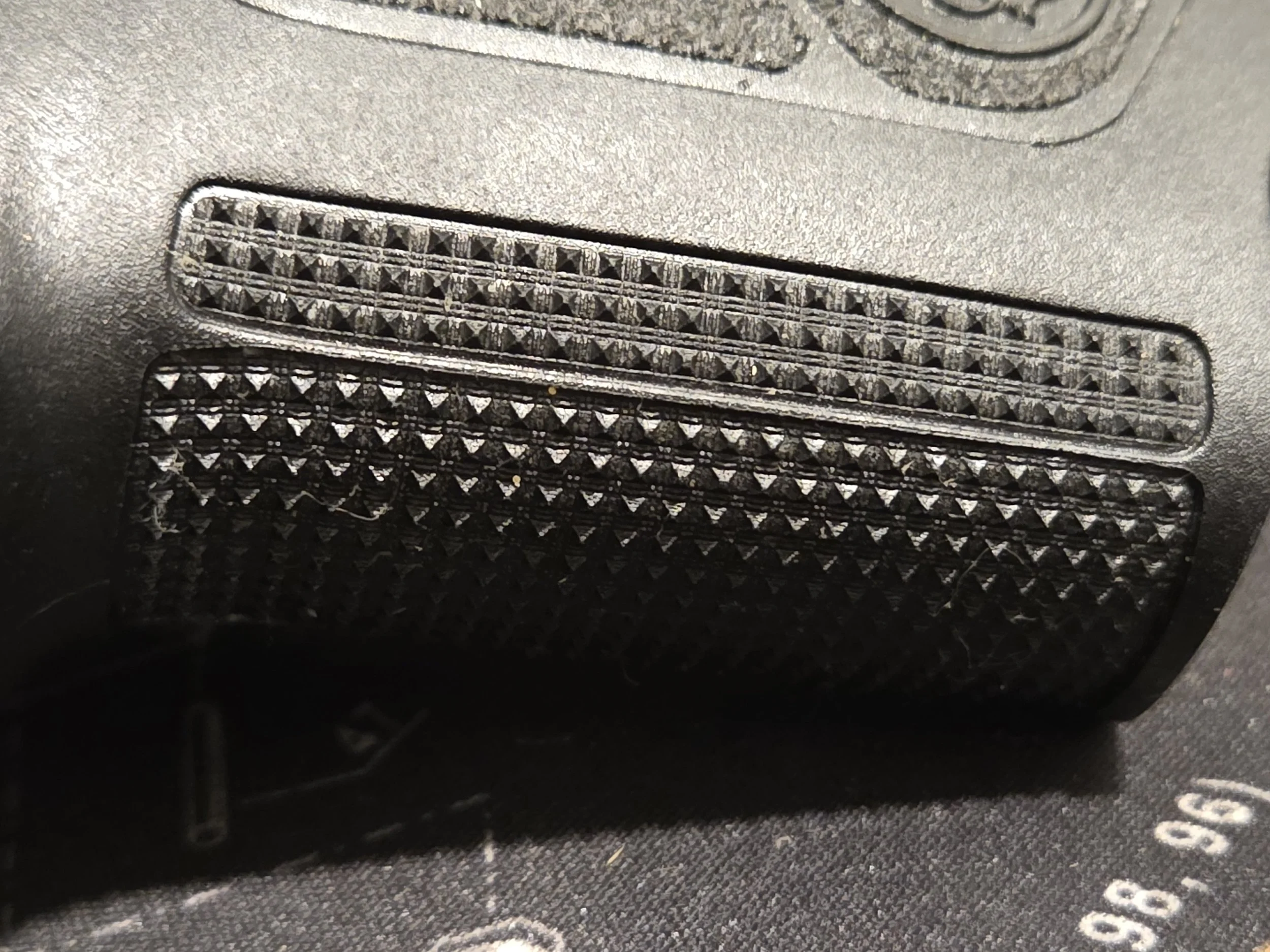
The grip is minimally textured, but allows a solid hold to control the recoil with confidence. Most of the shooting I have done with this pistol was in heat where you are sweating out of all your pours just for existing in the Arkansas humidity. Some people may feel that the pistol needs more texture, but I do not think that it will seriously increase your performance in a notable manner. With that said, I have had good luck with a roll of hockey tape in this environment, if you absolutely want a grip modification option.
ACCESSORIES
In previous reviews, I noted that the A1 family of the APX pistols were lacking holsters. Luckily, my favorite holster maker CLINGER HOLSTERS has holsters for the full size APX A1, which means it works for the compact as well. I just recommend you not get the optics cut unless you have an optic attached.
FINAL THOUGHTS
This is just the beginning for this pistol. The recoil spring will not need to be replaced at this time, but will need to be watched as I approach the window for replacement at the 7500 to 10,000 round milestones. From this moment forward I am shifting to SAAMI-spec ammunition to test the pistol on my land with dynamic drills and see how it handles cycling the lighter loaded ammo.
I have spare parts on hand and one of the parts I am looking forward to swapping out is the striker spring. I am not convinced that the reduced weight competition spring on the A1 models is reducing the trigger weight or feel to any noticeable degree. I personally think the original striker spring would be better for a neglectful user overall, and I will replace the springs as I find it necessary.
Overall, I have come to love the wear and tear of the pistol. The outer wear is minimal for the quantity of holster work I have put in, but it is so nice to look inside at the wear on the barrel and the slide where the real friction happens. I have become attached to this pistol and it has given me a new respect and love for Beretta. Of all the companies that are cutting corners in production in favor of Gucci looks and trigger feeling, Beretta is standing firm producing pistols that are capable of serving military, police, and civilian clientele with minimal changes to the design. It is nice to have a pistol in my safe that doesn’t make me feel like a Beta Tester in 2026.