SPRINGFIELD ARMORY SA-16 A2: AN ACTIONABLE M16A2 CLONE
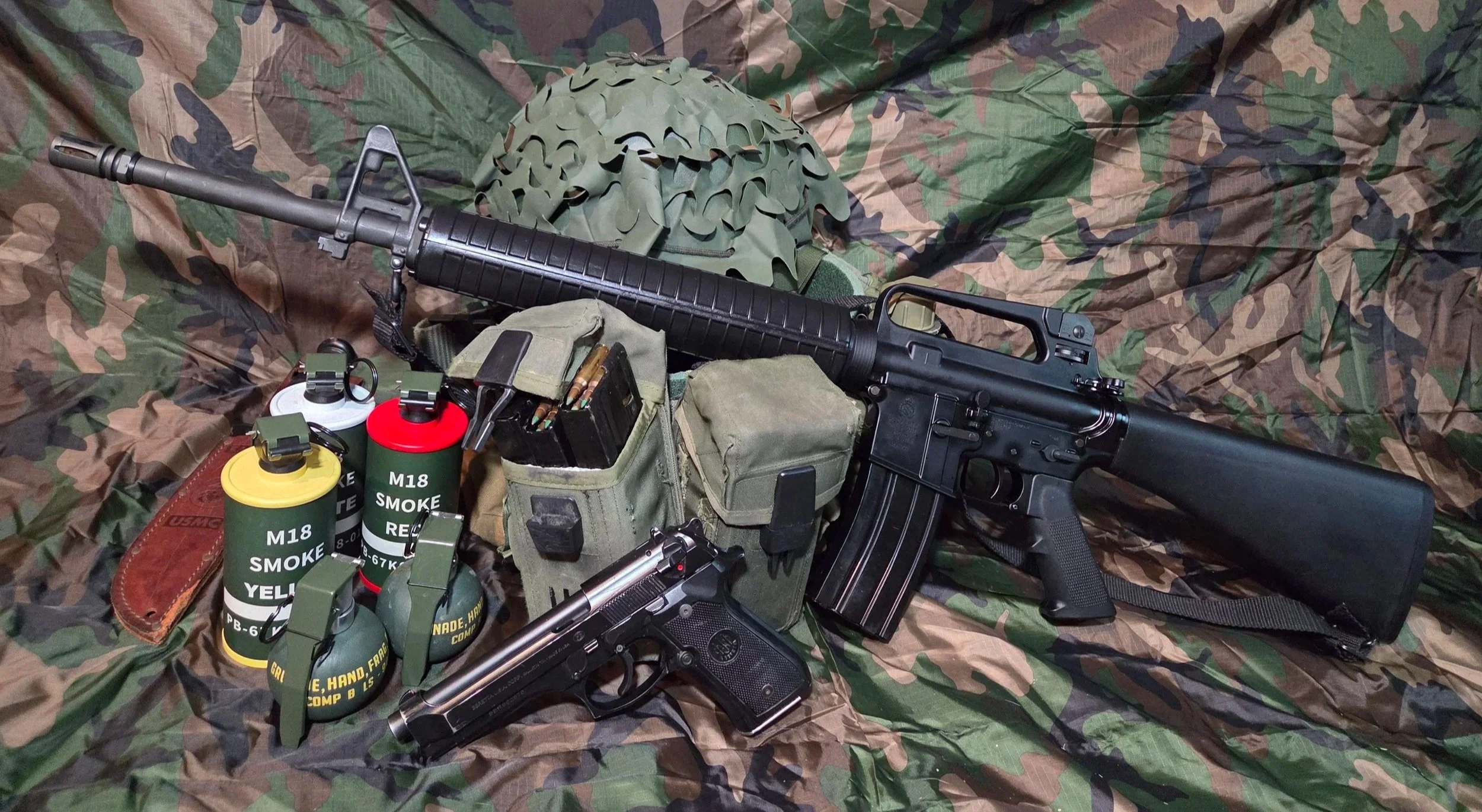
The Springfield Armory SA-16 A2 is a retro revival of the iconic M16A2 service rifle, bringing classic military ergonomics and proven reliability into the modern civilian market with a 20-inch government-profile barrel, fixed carry handle with A2 sights, and traditional triangular handguards. This clone delivers exceptional long-range accuracy, minimal recoil, and that unmistakable nod to Vietnam-era and post-Vietnam military heritage—perfect for collectors, precision shooters, or anyone craving the satisfying "ping" of authentic iron-sight plinking. In an age dominated by optics-ready flat-tops and short-barreled carbines, the SA-16 A2 stands as a timeless performer that reminds us why the A2 configuration earned its legendary status for durability and shootability.
SA-16 A2 FEATURES
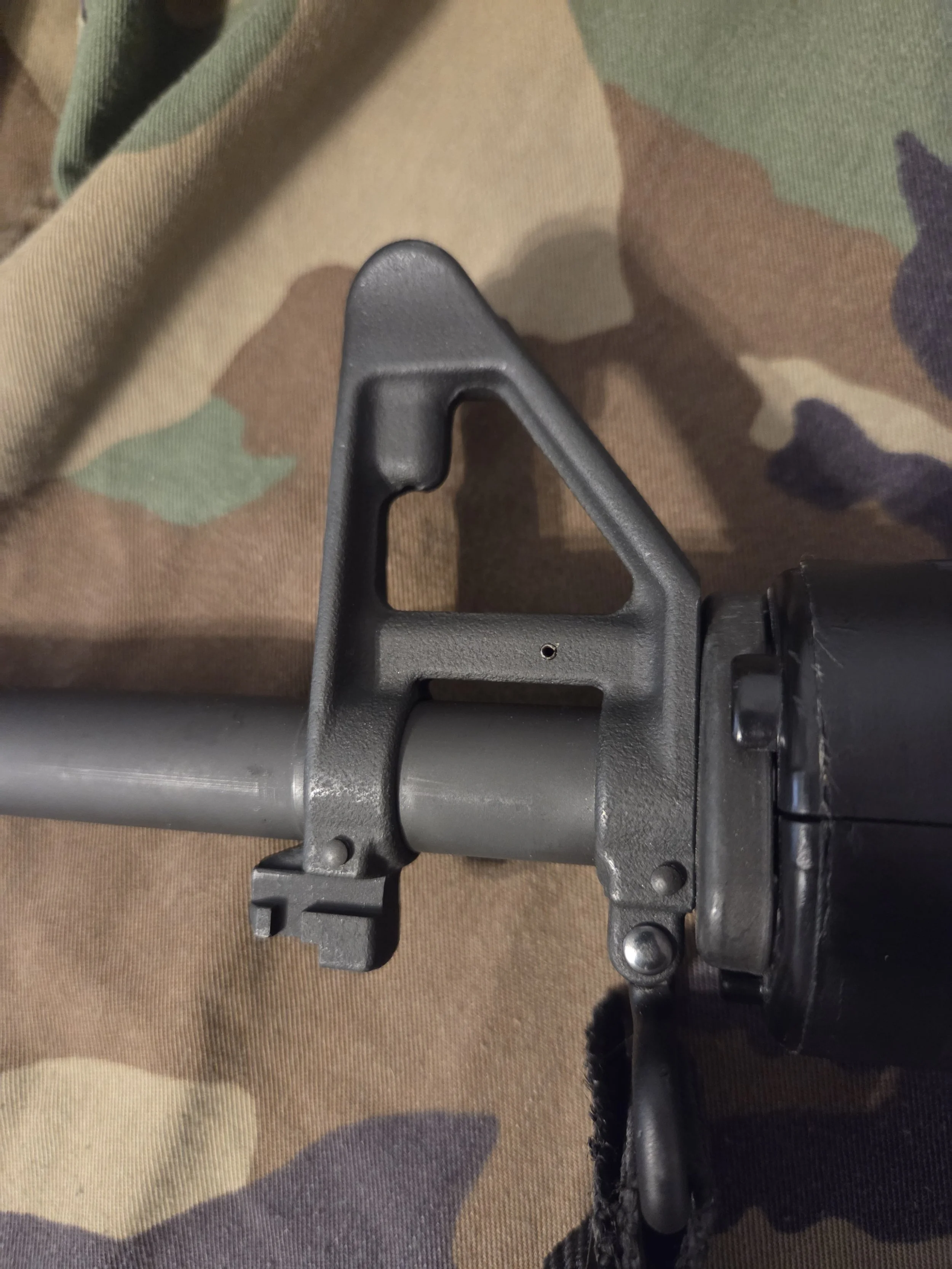
The SA-16 features are pretty much what you would expect of any M16A2 clone. It is about a meter long, has a built-in carry handle with A2 sights, the ribbed handguards, a round forward assist, thicker barrel profile, front and rear sling attachment points, bayonet lug, A2 flash hider, trapdoor buttstock, and the A2 grip. The rifle has a blackened finish, which is not necessarily accurate to military rifles, but is non-reflective and looks good and consistent.
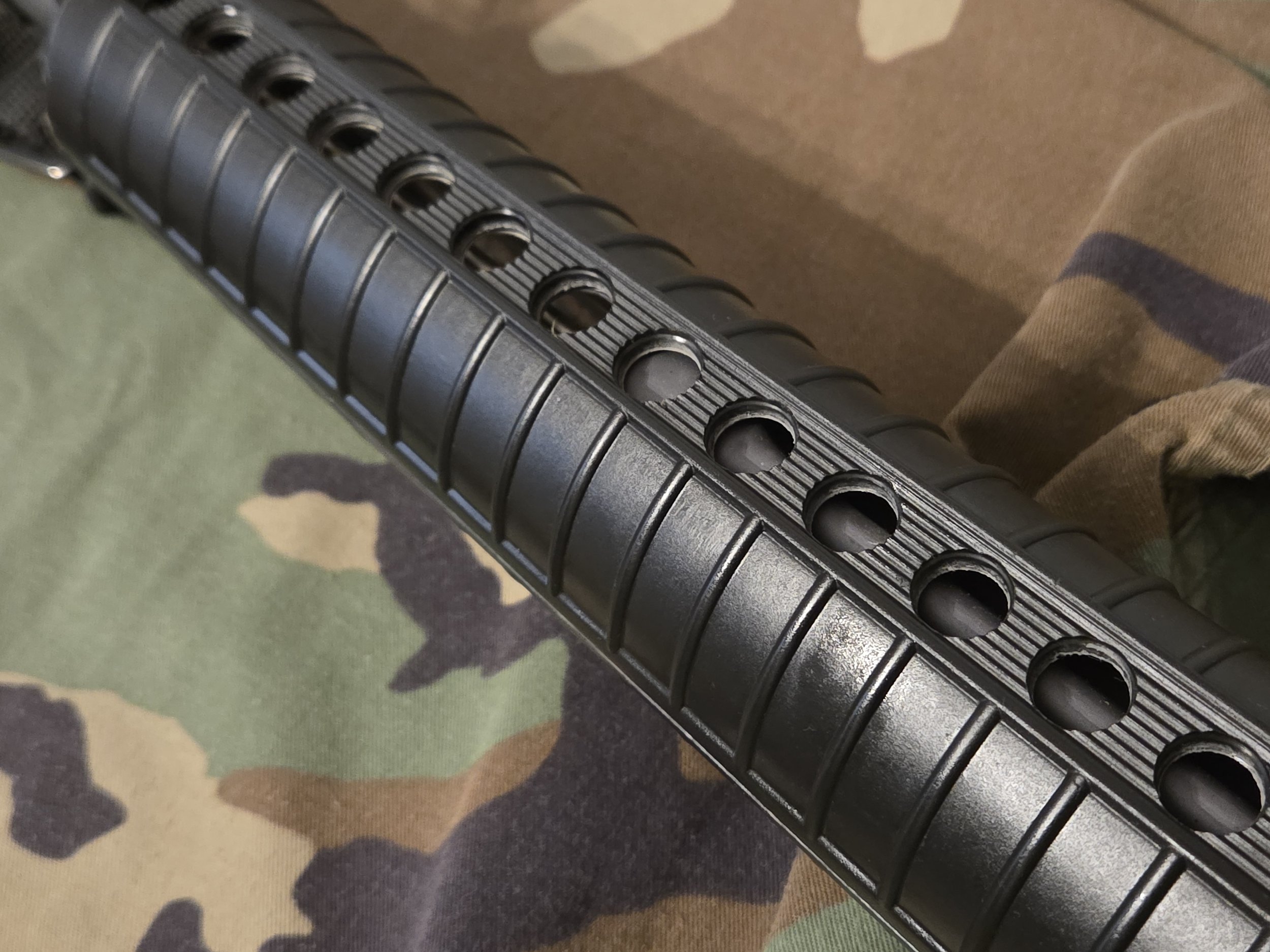
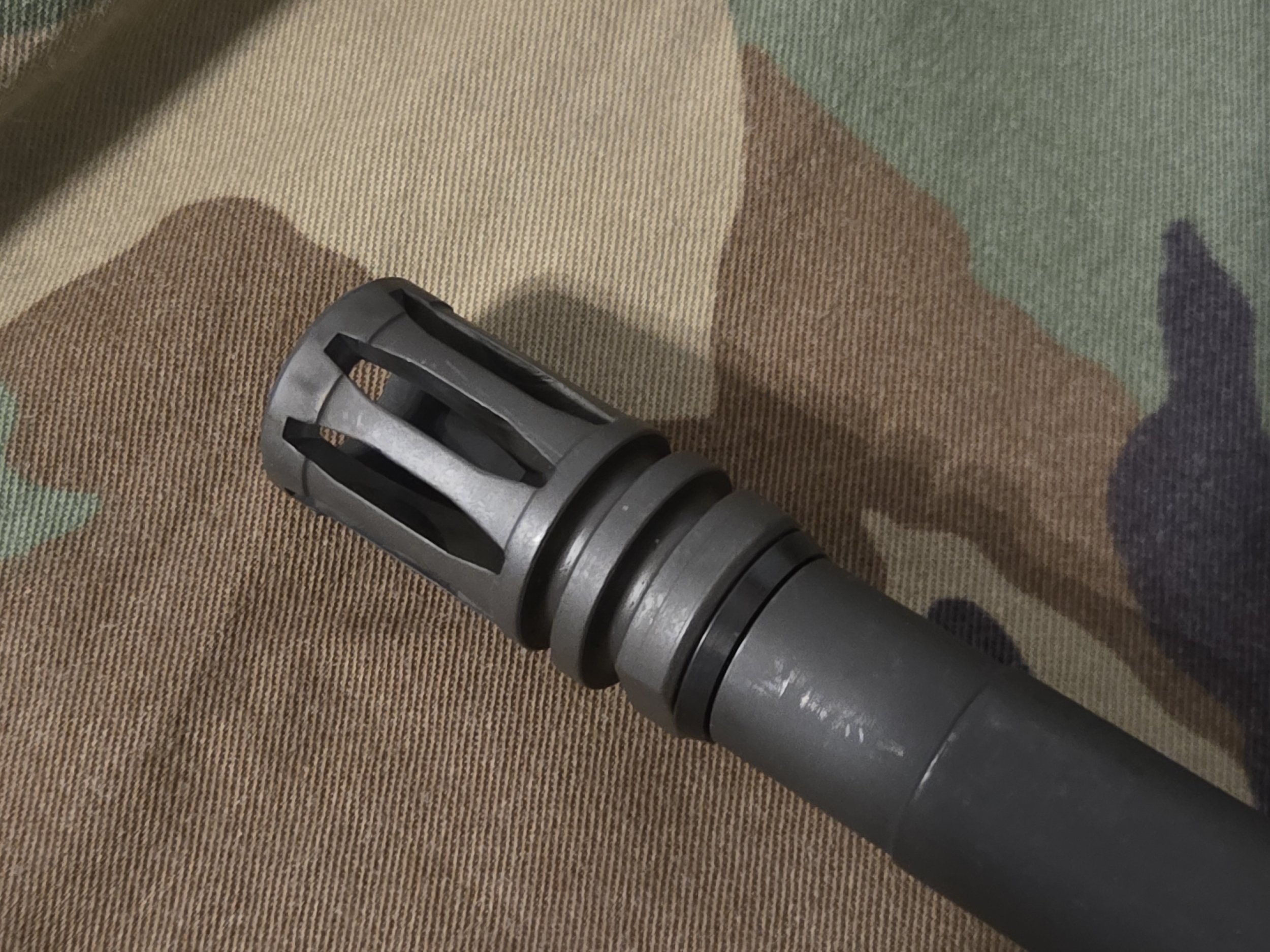
The SA-16 A2 is pretty light and maneuverable compared to many contemporary rifles of the modern era. Most rifles have open rail systems that feature aluminum or steel handguards, depending on the manufacturer. The M16A2 maximizes the use of polymer and aluminum, while leaving little room for gadgets and attachments. This allows the weapon to maintain a light and nimble feeling of about 7.5 pounds unloaded.
BUTTSTOCK
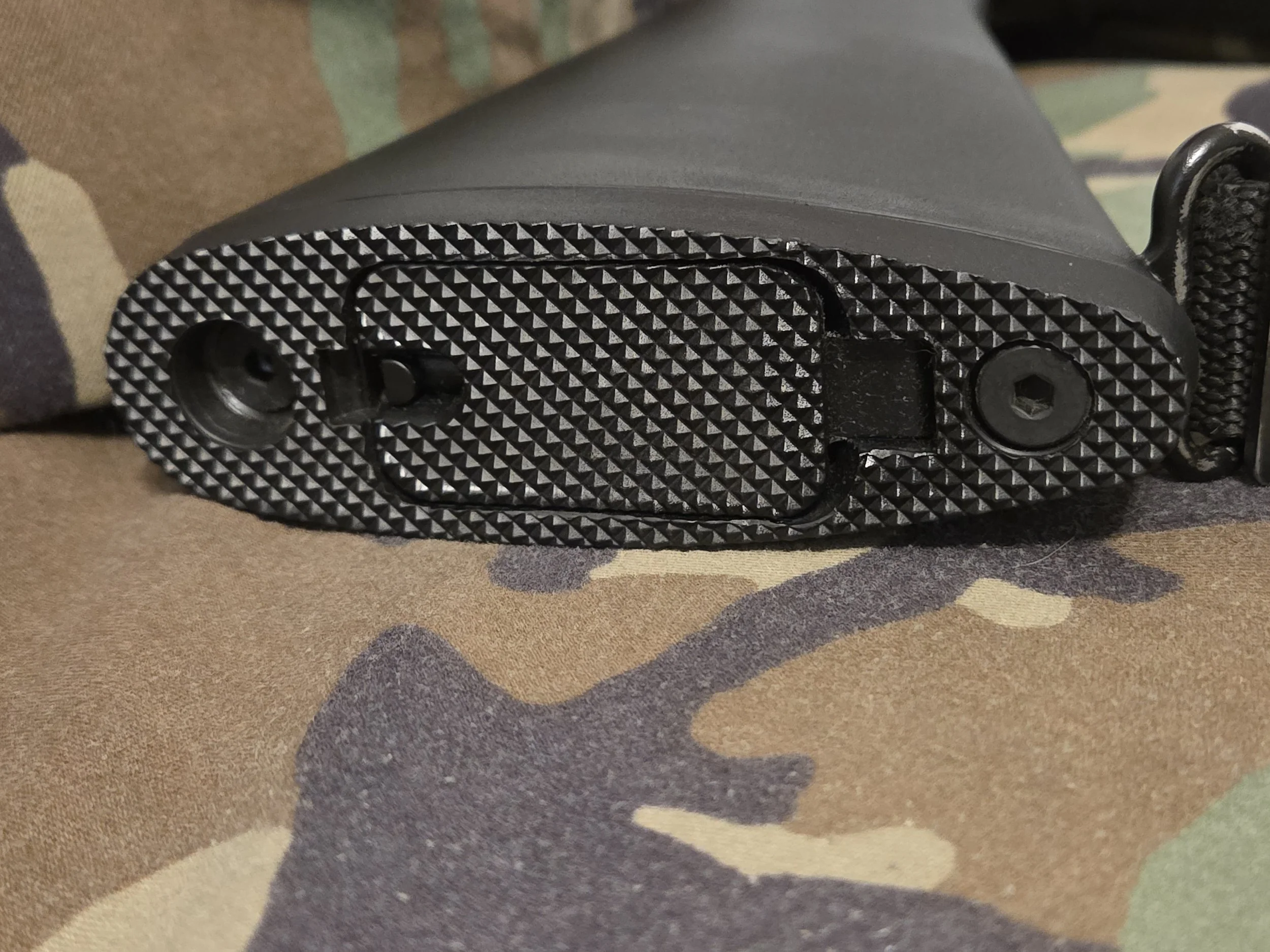
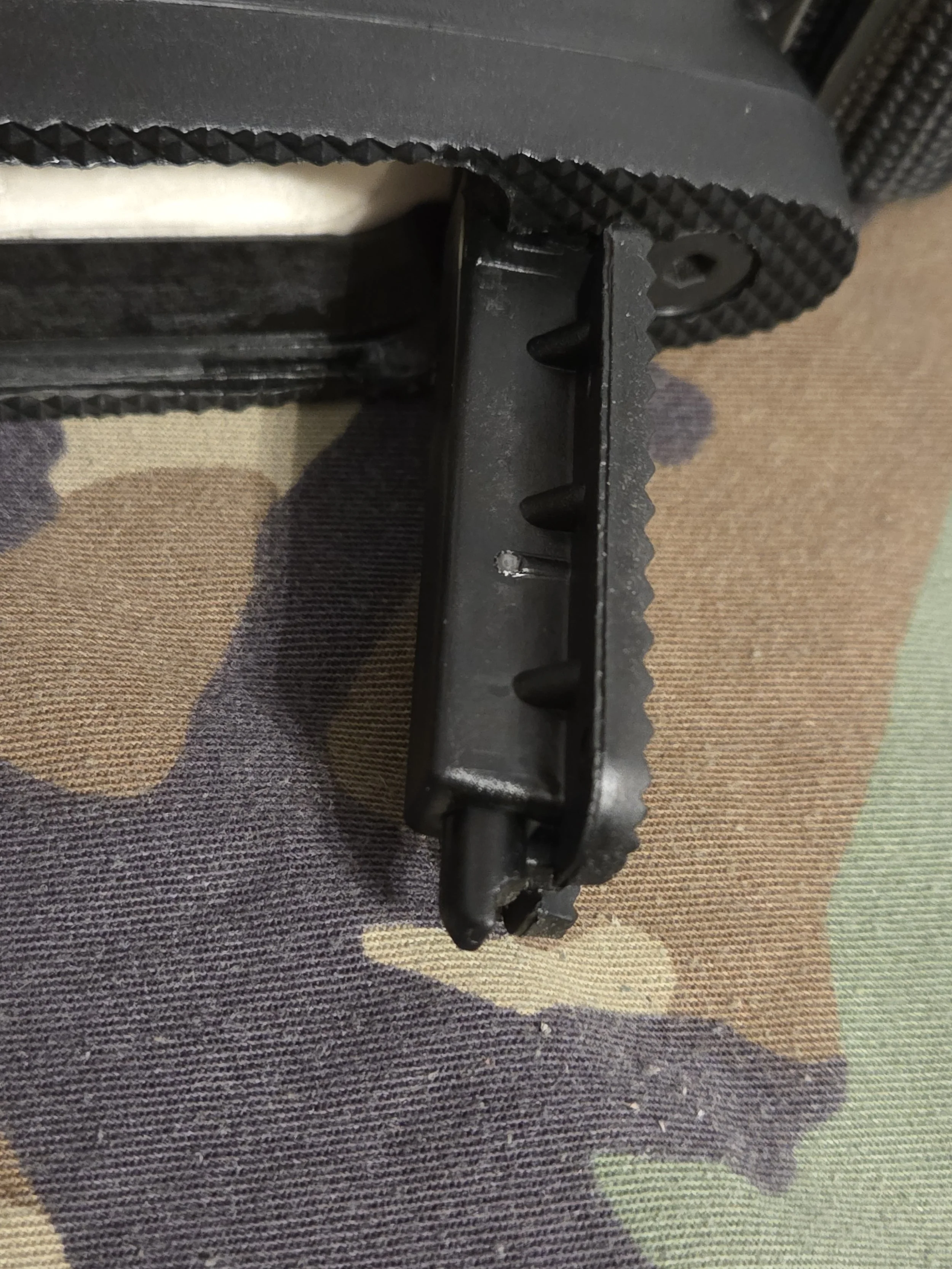
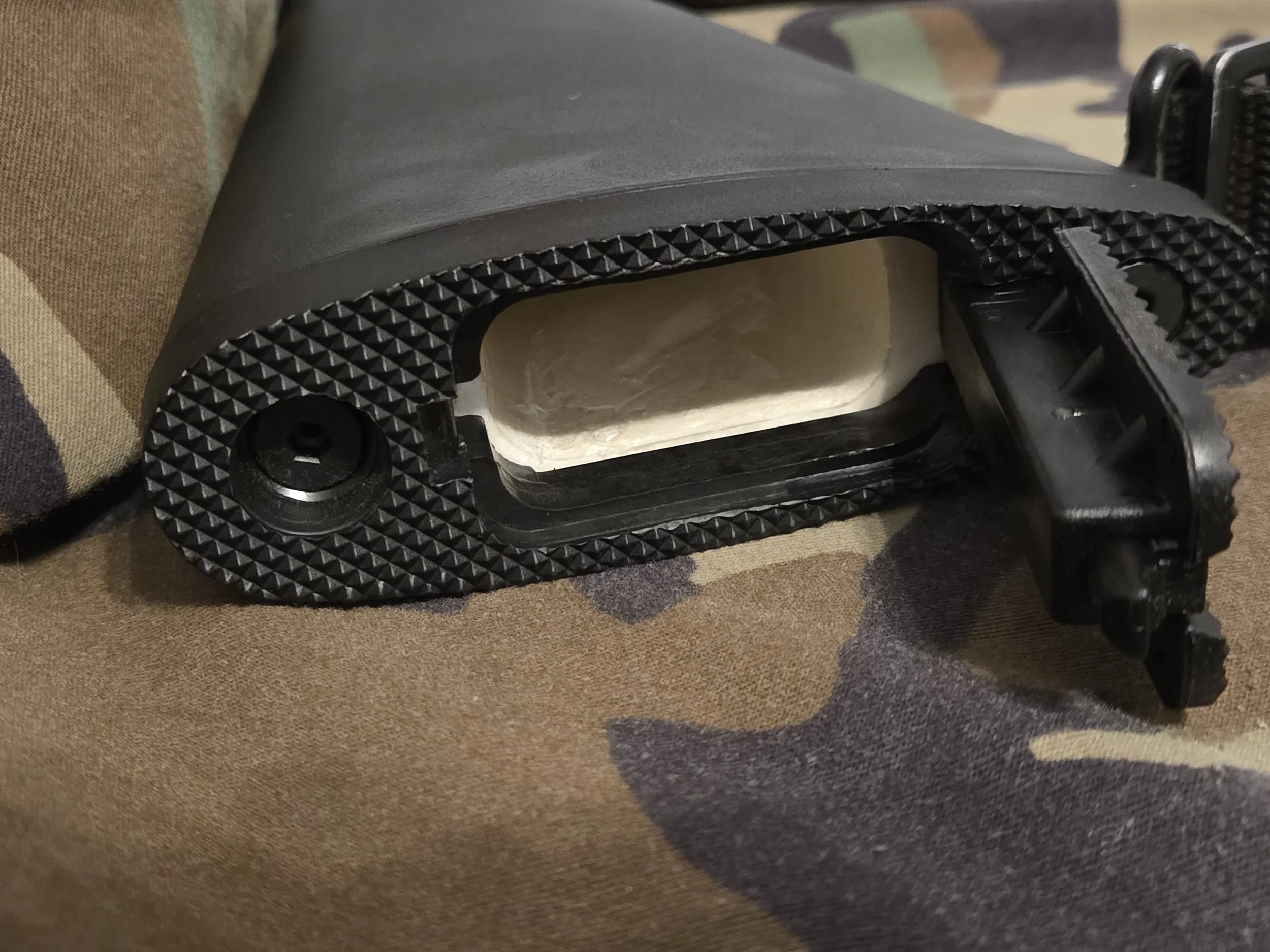
The buttstock of the rifle has a somewhat cheap and light feel that may just be the result of modern polymers and the ability to manufacture lighter and stronger materials. The stock matches the color of the frame and receiver, which may be a point of critique for some clone purists. The buttstock storage door is polymer and is a bit of a bugger to open. It offers good storage capacity, as the M16A2 did, but the door being polymer instead of steel has some people critiquing it. I personally am fine with having less parts that can rust shut.
HANDGUARDS
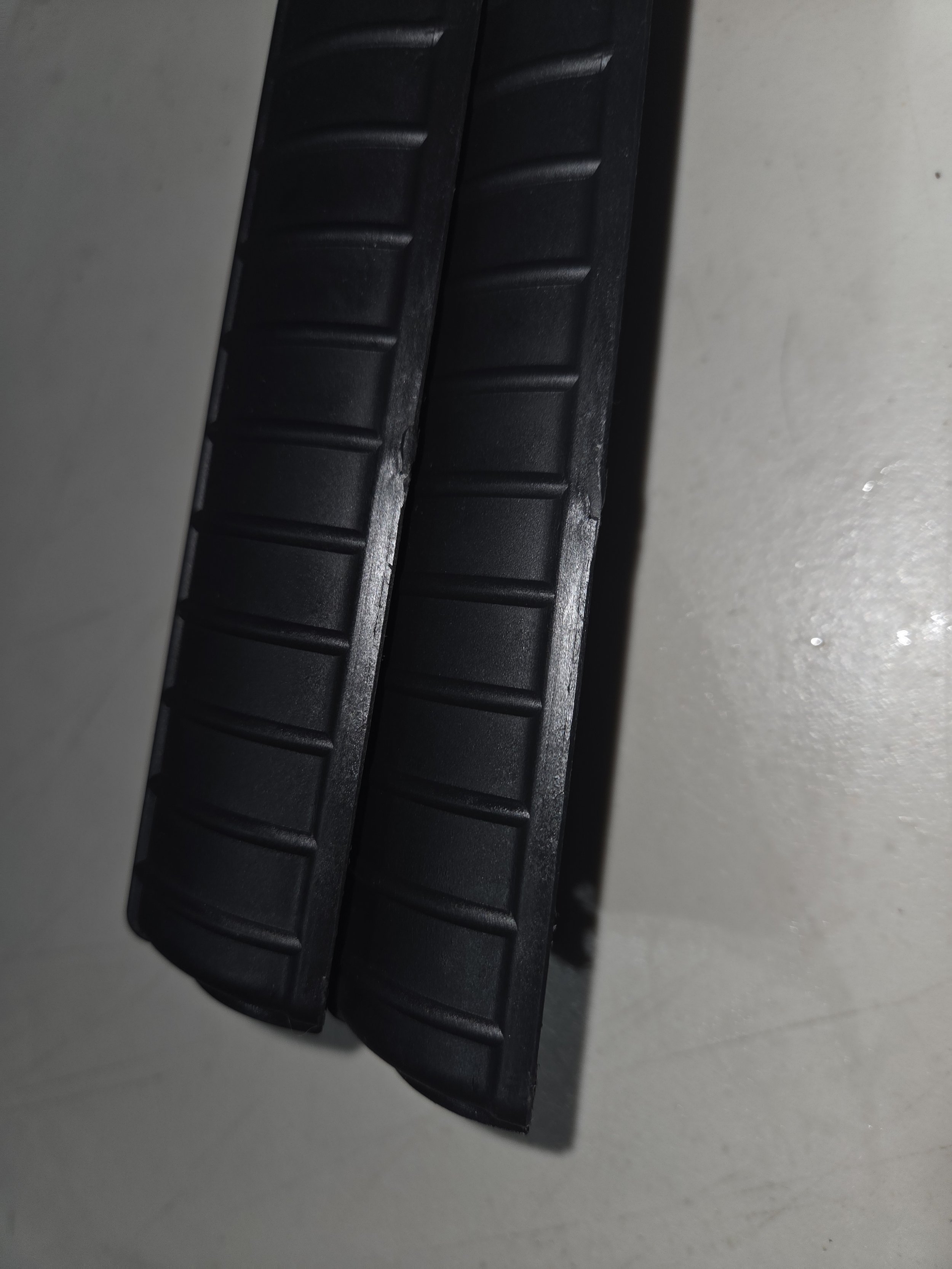
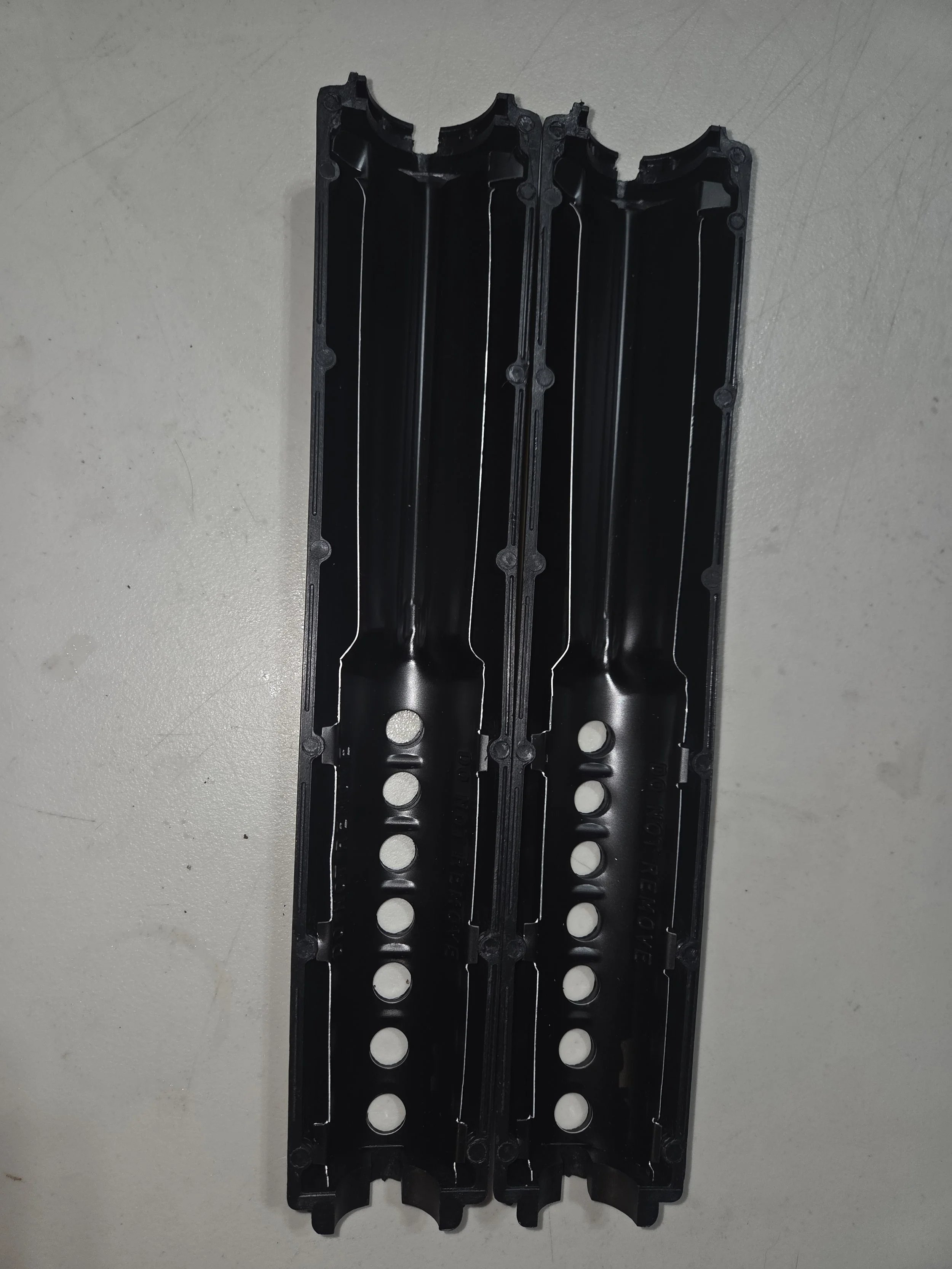
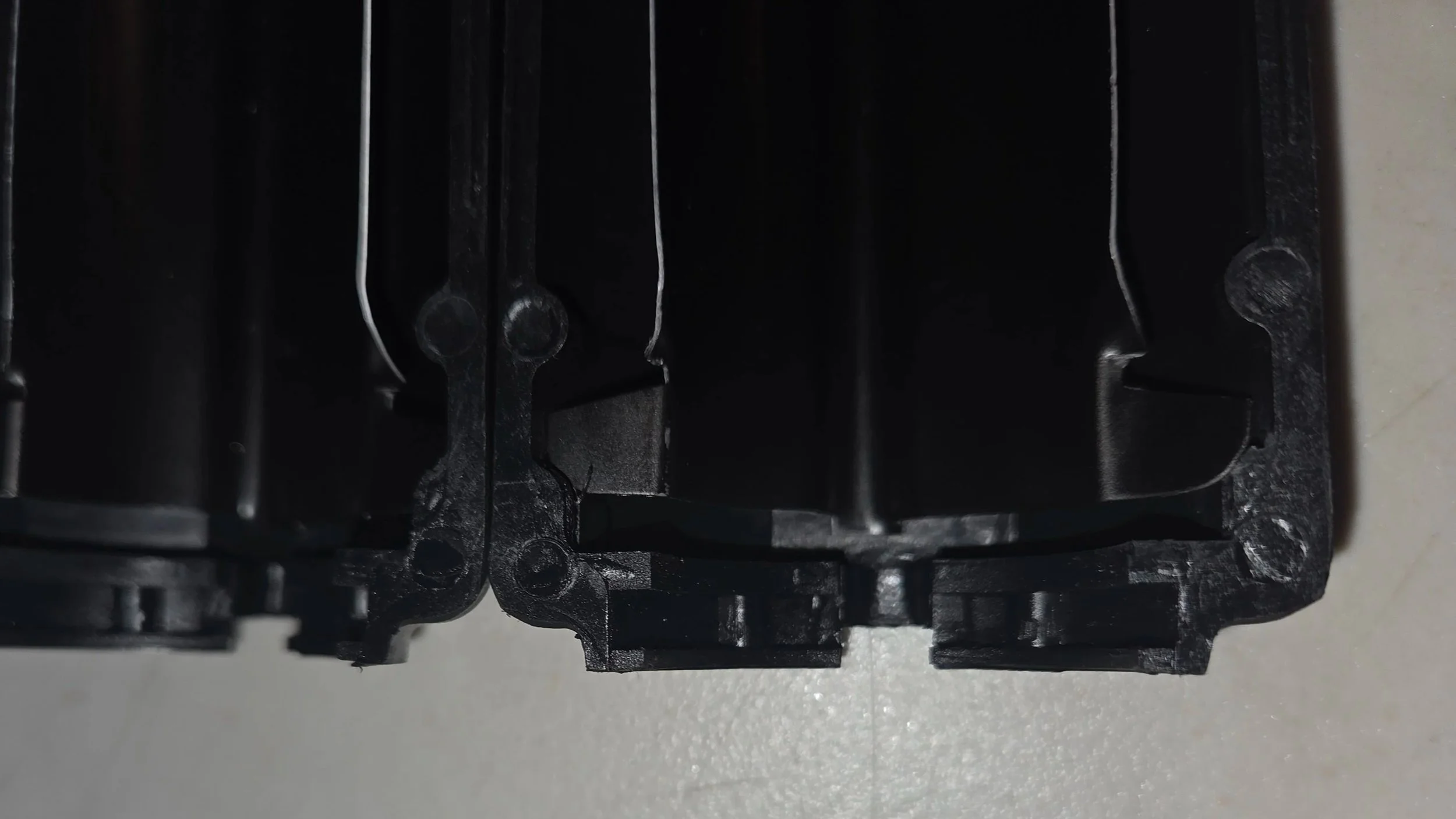
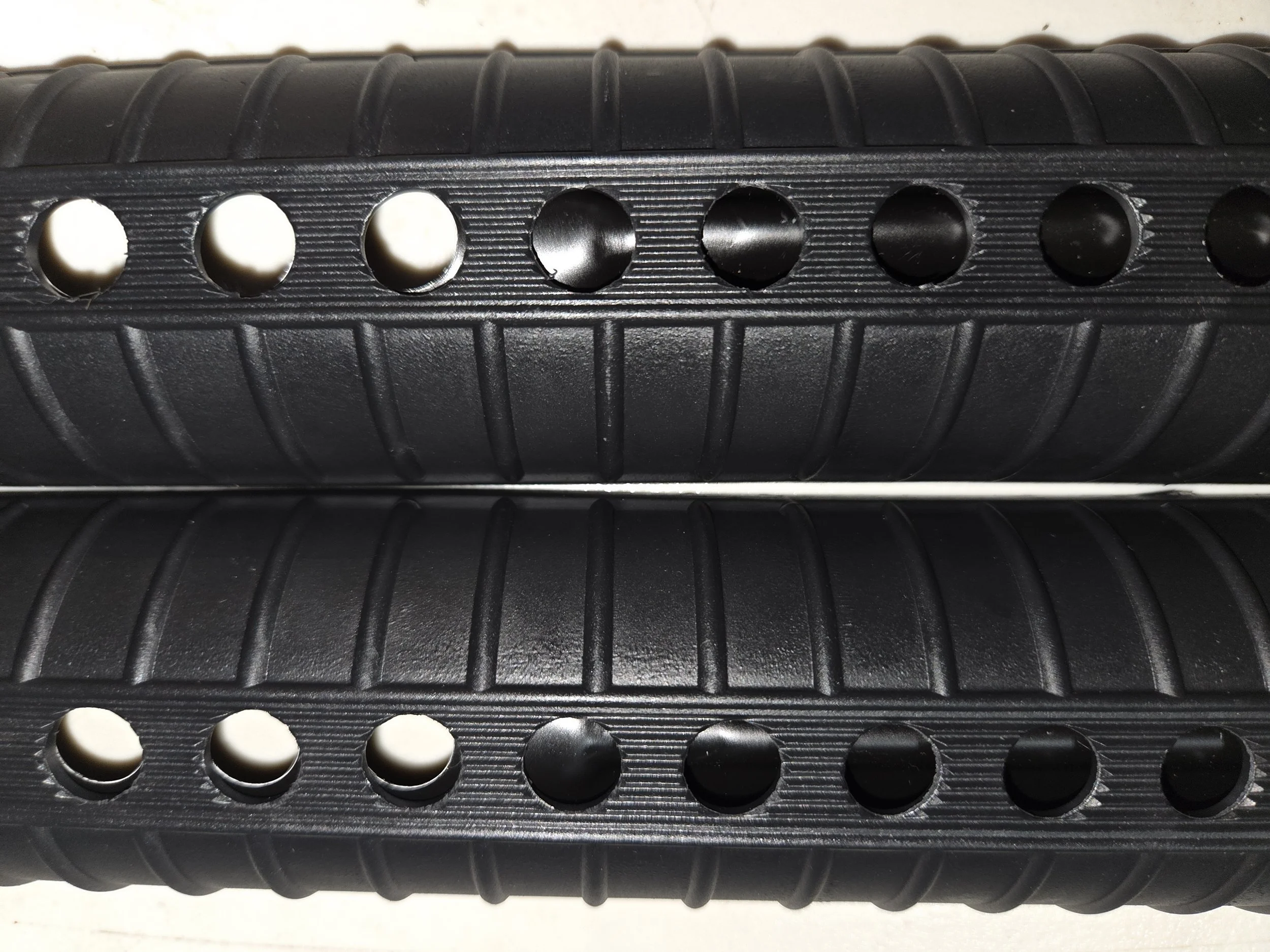
The handguards on the rifle are a source of frustration for many users. The handguards are not quite made right. The openings that accept the handguard lugs is a bit too large and it allows a slack in the handguards. The handguards are well made and seem sturdy and have black internal heat shields as opposed to most others that use reflective and unfinished stainless steel. I replaced the handguards almost right away with handguards made by H&R for their M16A2 line. Those were made right and they fit perfectly around the barrel locking points.
UPPER/LOWER RECEIVER
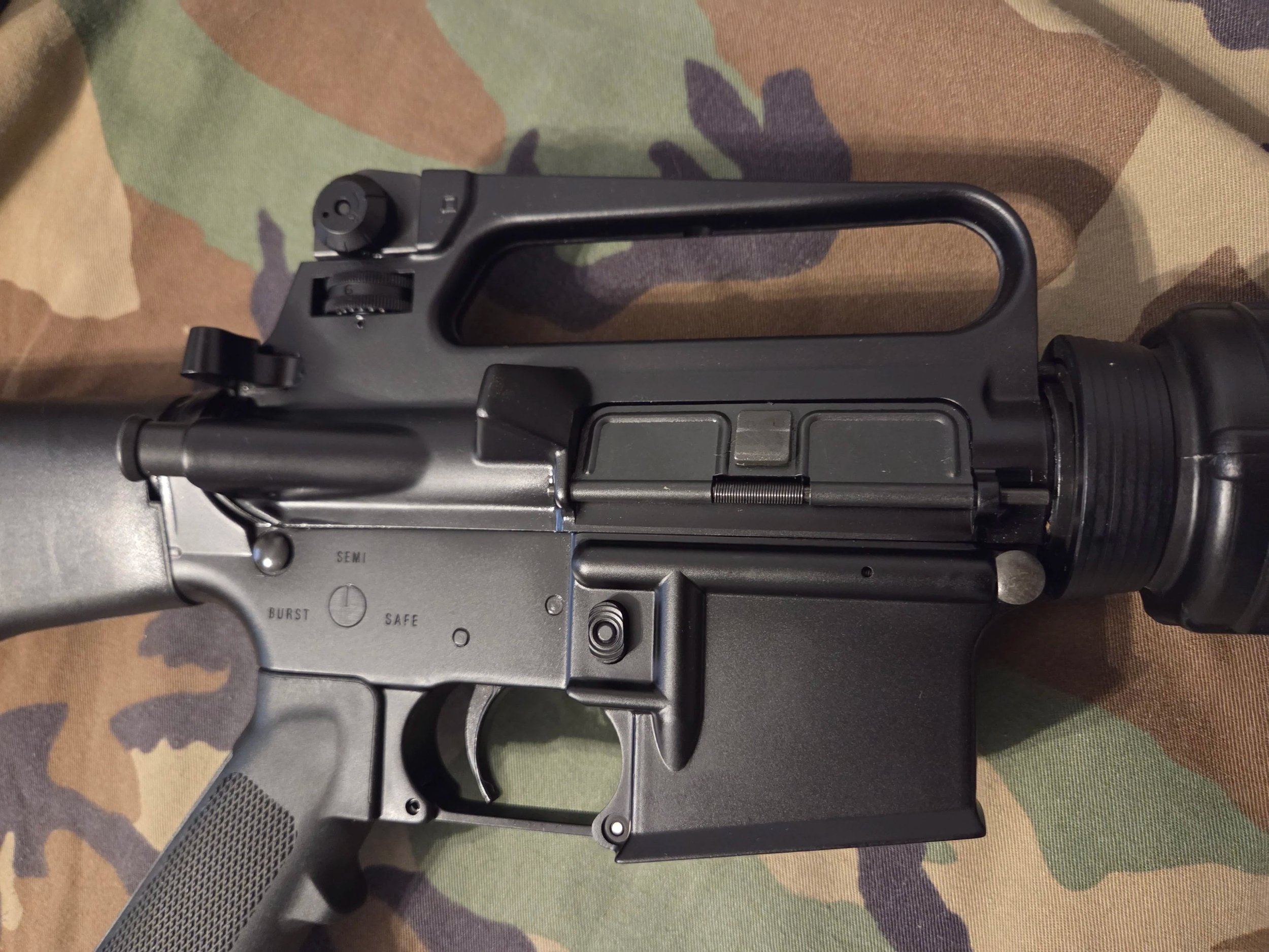
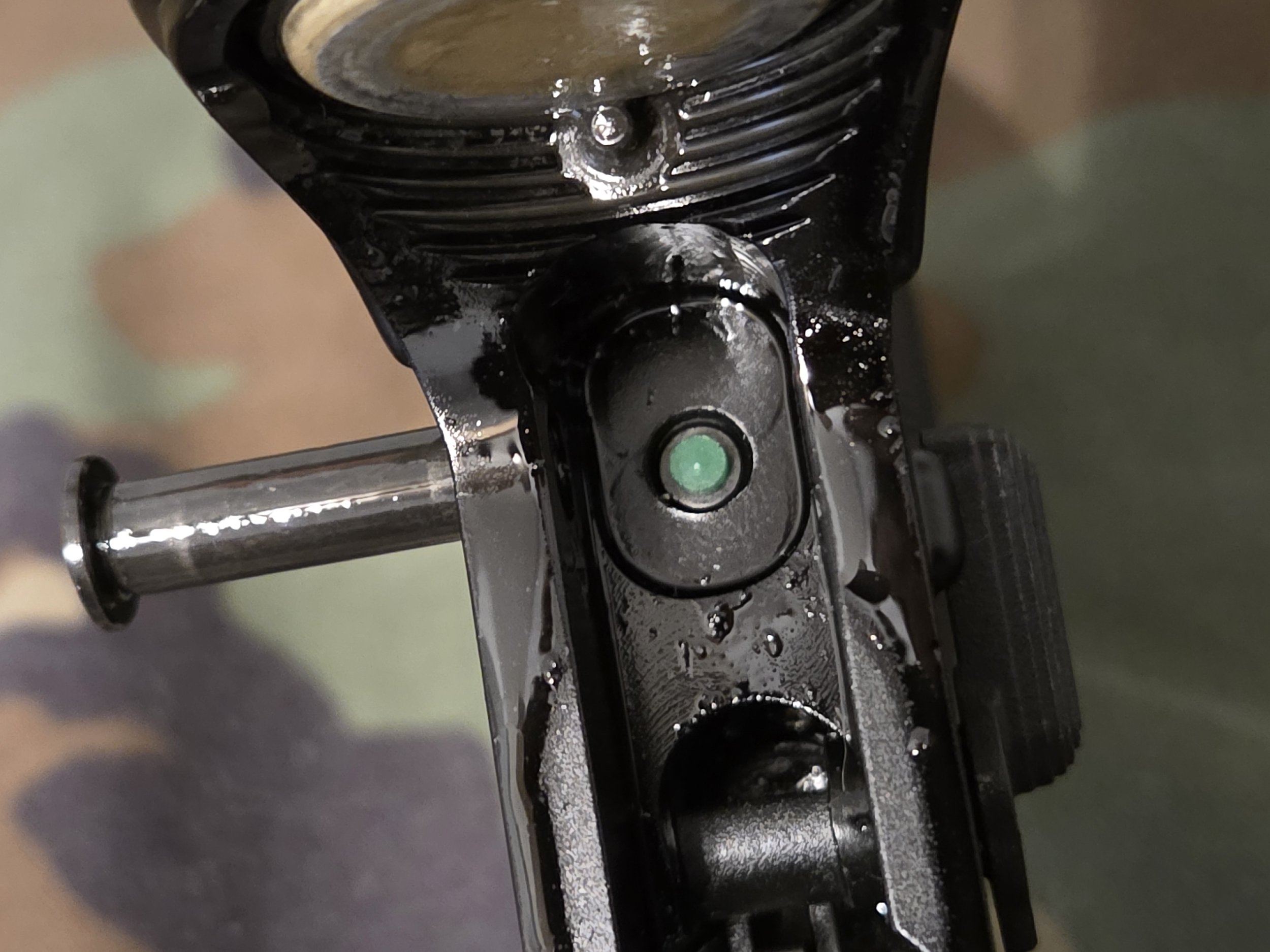
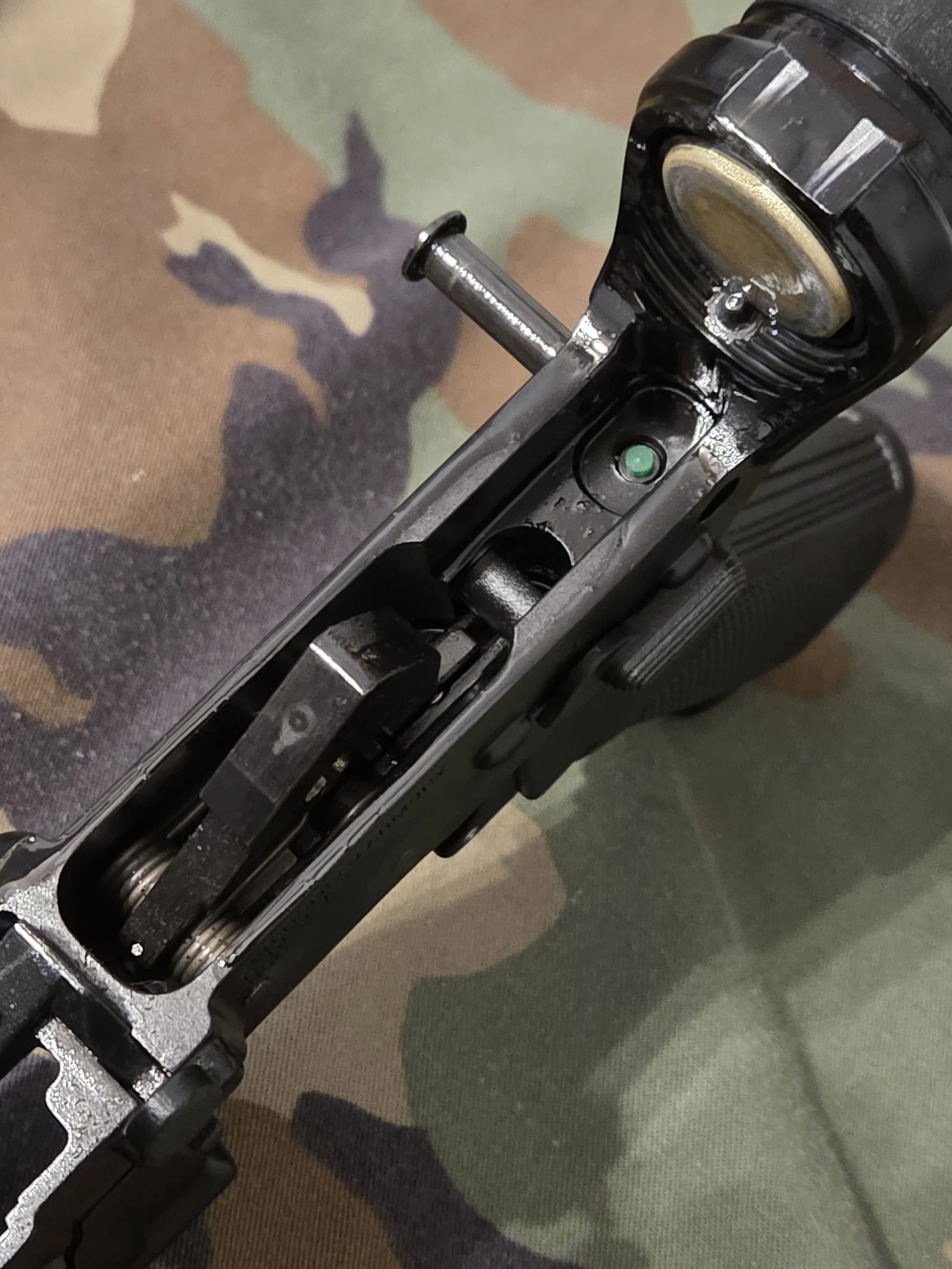
The receiver and lower fit together perfectly and they are made really well. The trigger is your standard mil-spec trigger and the magazine catch is perfectly tensioned. The charging handle on the rifle has a pretty stiff spring and a good claw grasp on the receiver. The finish on the rifle is a bit porous and adds a bit of friction to the action and components at first, as most AR rifles. On the other hand, I really appreciated the receiver tensioner that Springfield calls the Accutite tensioning system in the lower receiver. If there is one thing that I do not like on a rifle, it is the giggling of the receiver and lower. I usually have to use tight wads of paper towels to prevent this, but I was pleasantly surprised to see this system in place.
AESTHETICS
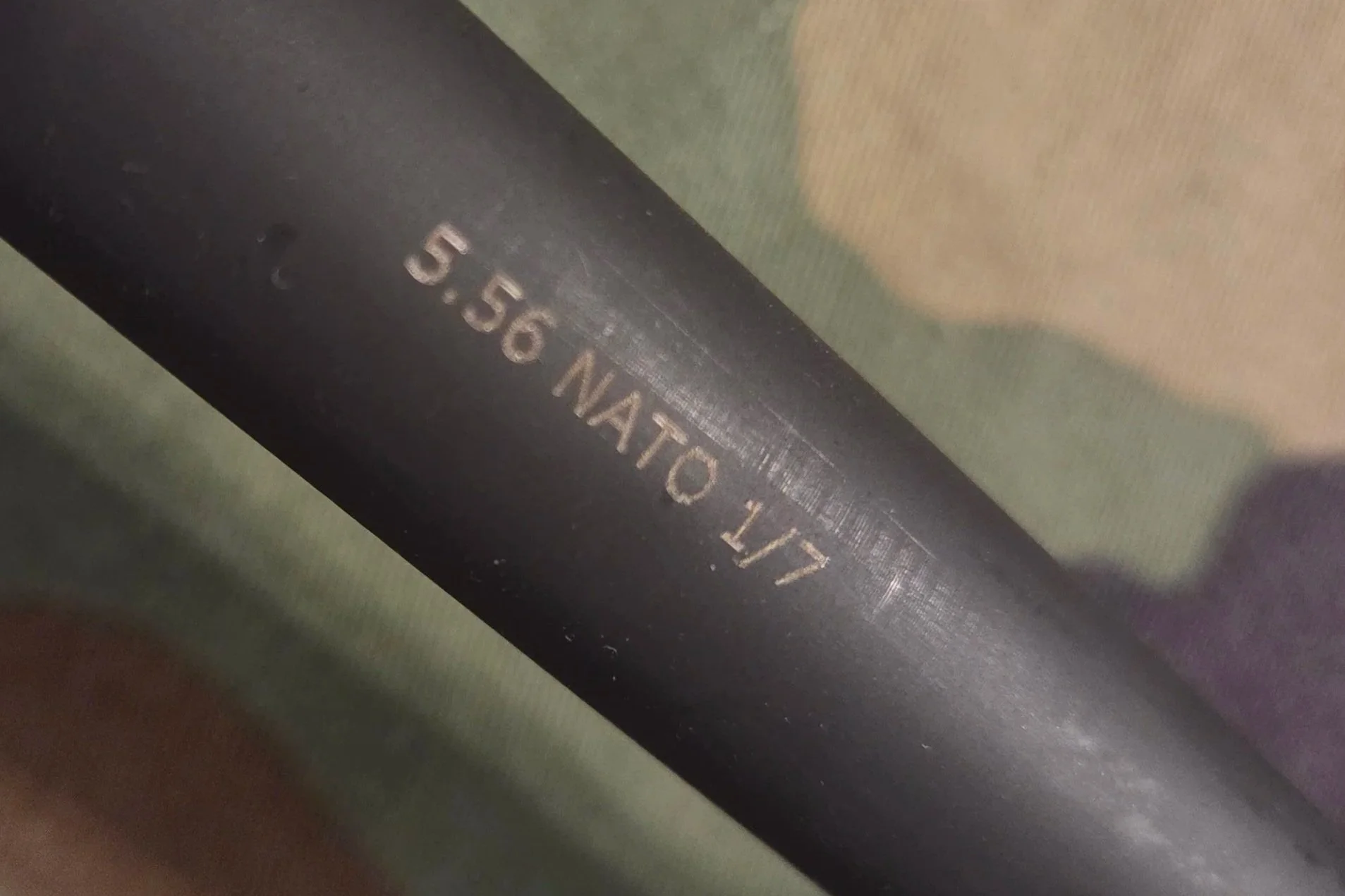
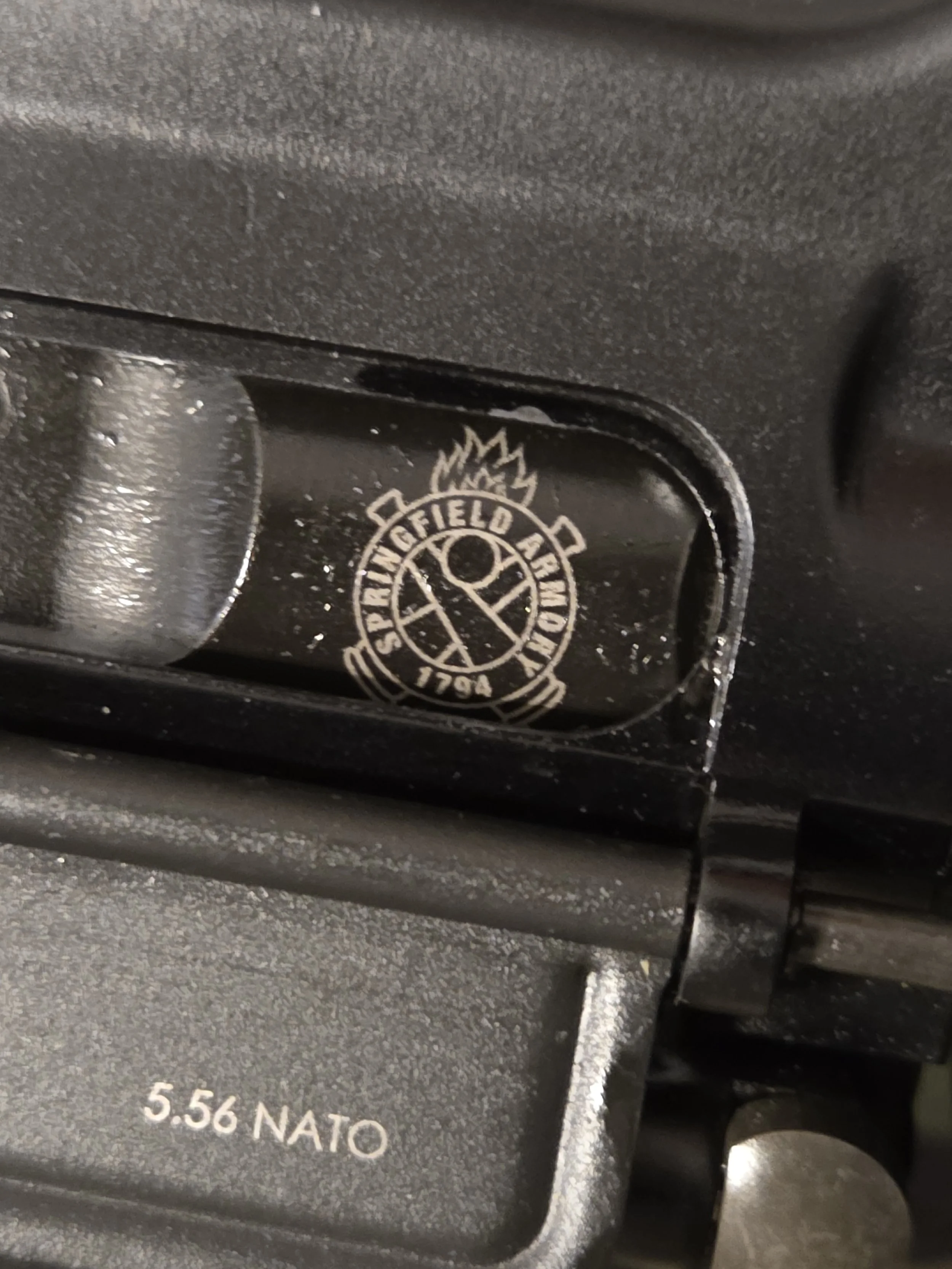
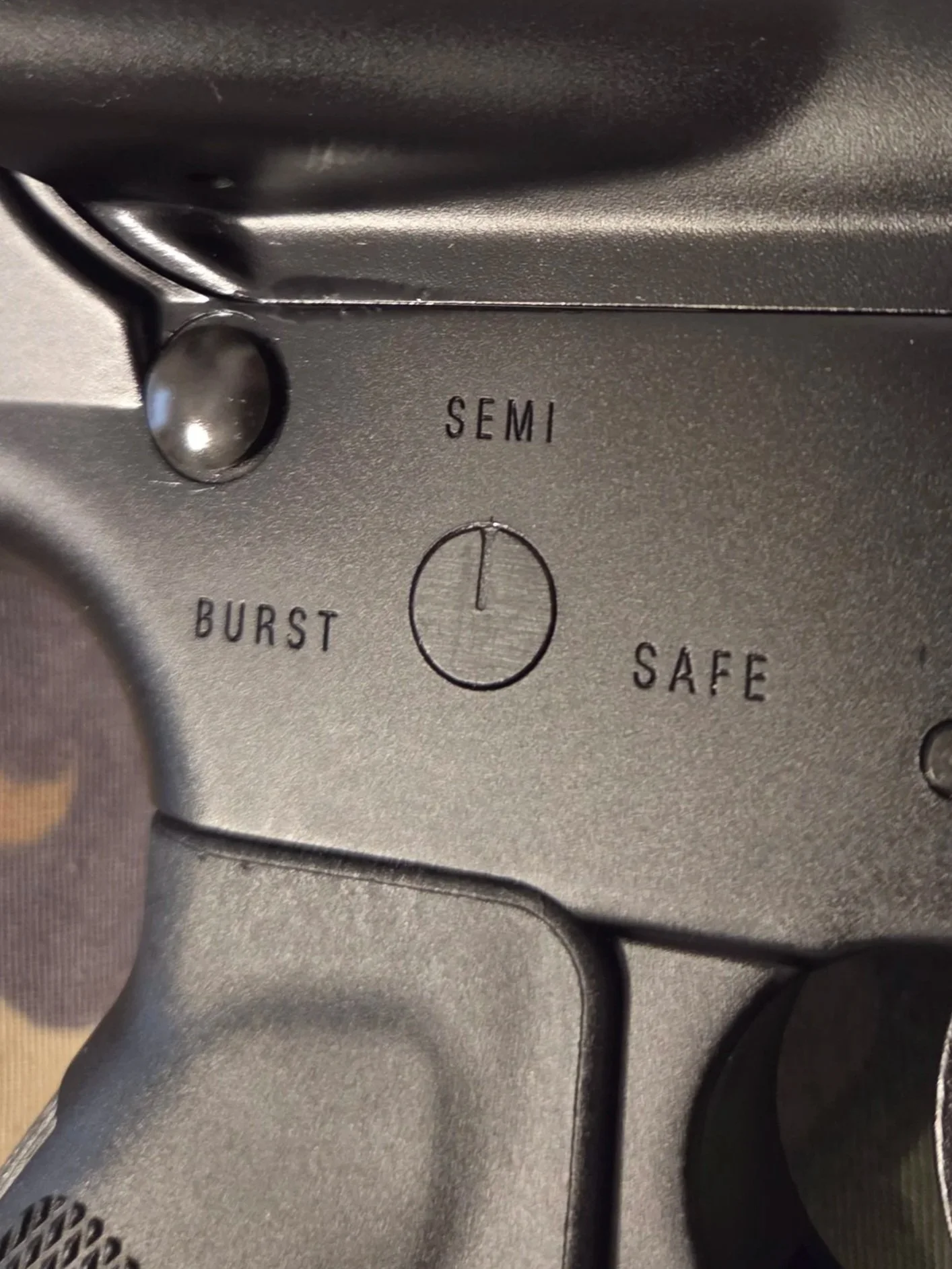
The barrel has the caliber engraved, but it is not like the deep stamp that you would see in the barrel of a military M16. The logo on the bolt carrier group sticks out proudly, but I never truly noticed the logo unless I was staring at the bolt, and that was not very often. In addition to the logo on the bolt and the bright labeling on the barrel, they put the ‘BURST’ label on the rifle, as an homage to the M16A2 design. This is kind of cool, but I do not feel like it does anything for me since I am not much of an aesthetic snob.
SIGHTS
The sights used on the SA-16 were the selling point for me. When looking for a rifle that I could use exclusively with iron sights. The iron sights of the A2 rifles are always a bit tricky on the eyes when the sun is behind you. The reflection of the rounded countersink tends to reflect and wash out your ability to see the front sight and confirm alignment.
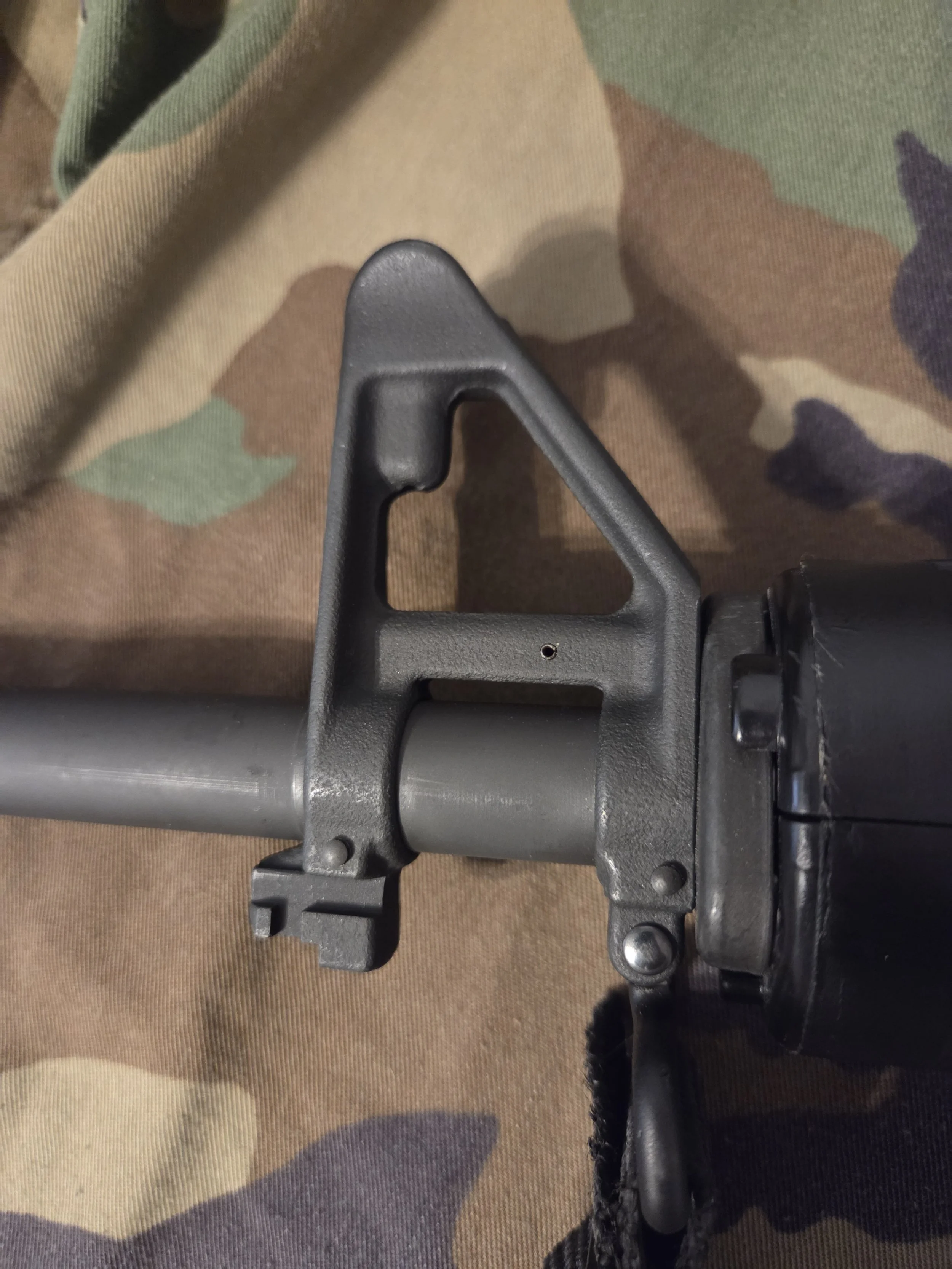
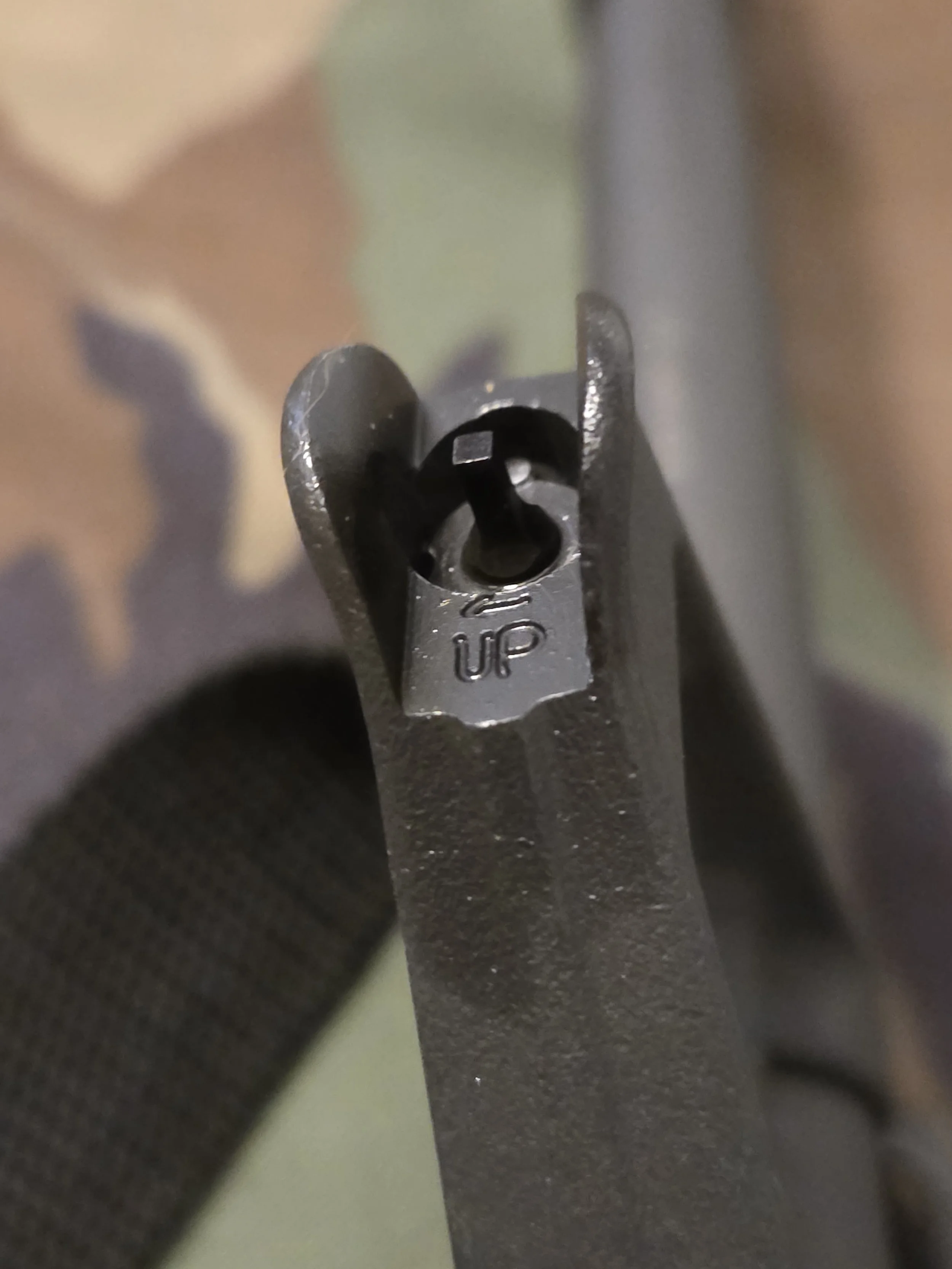
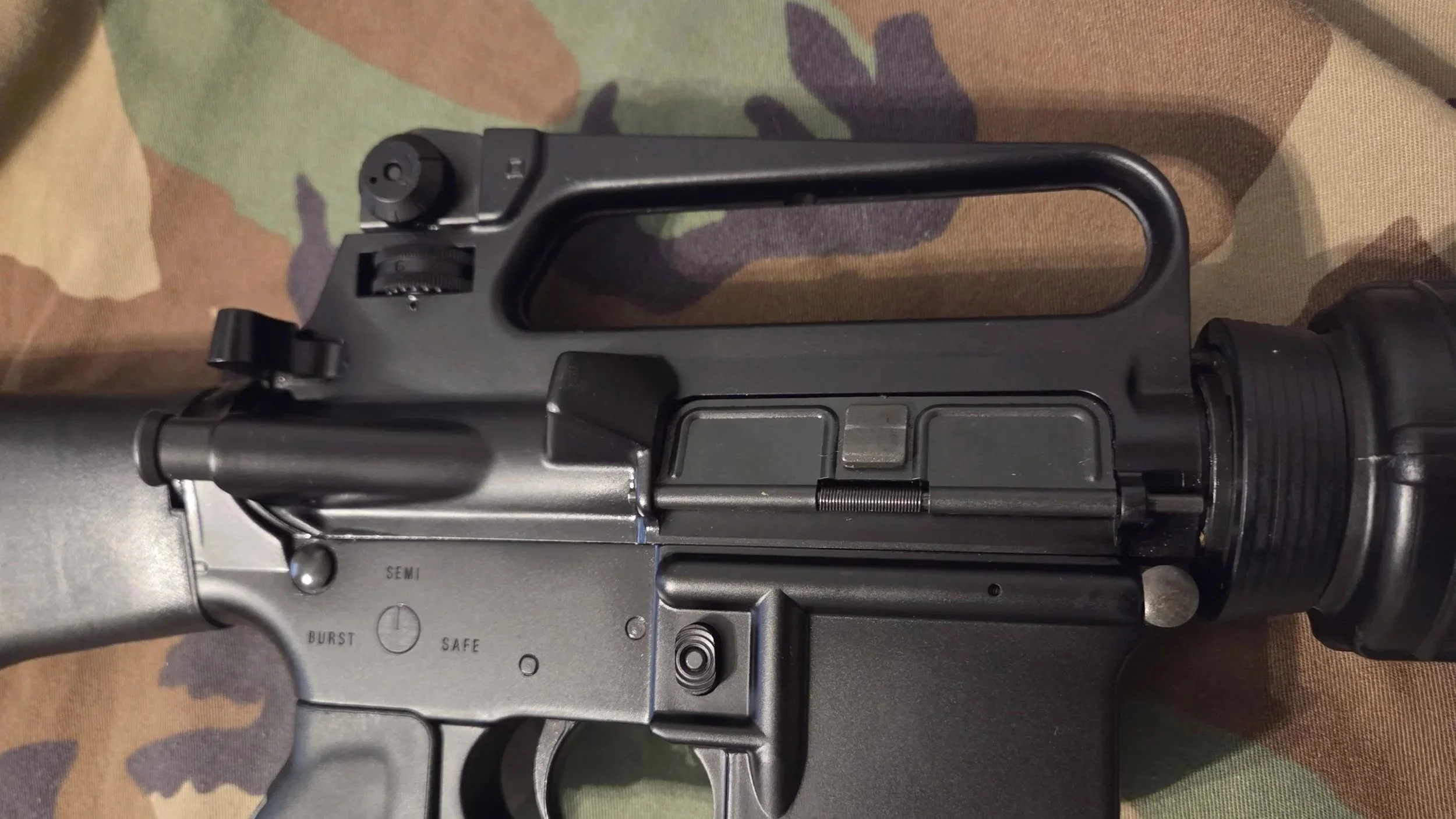
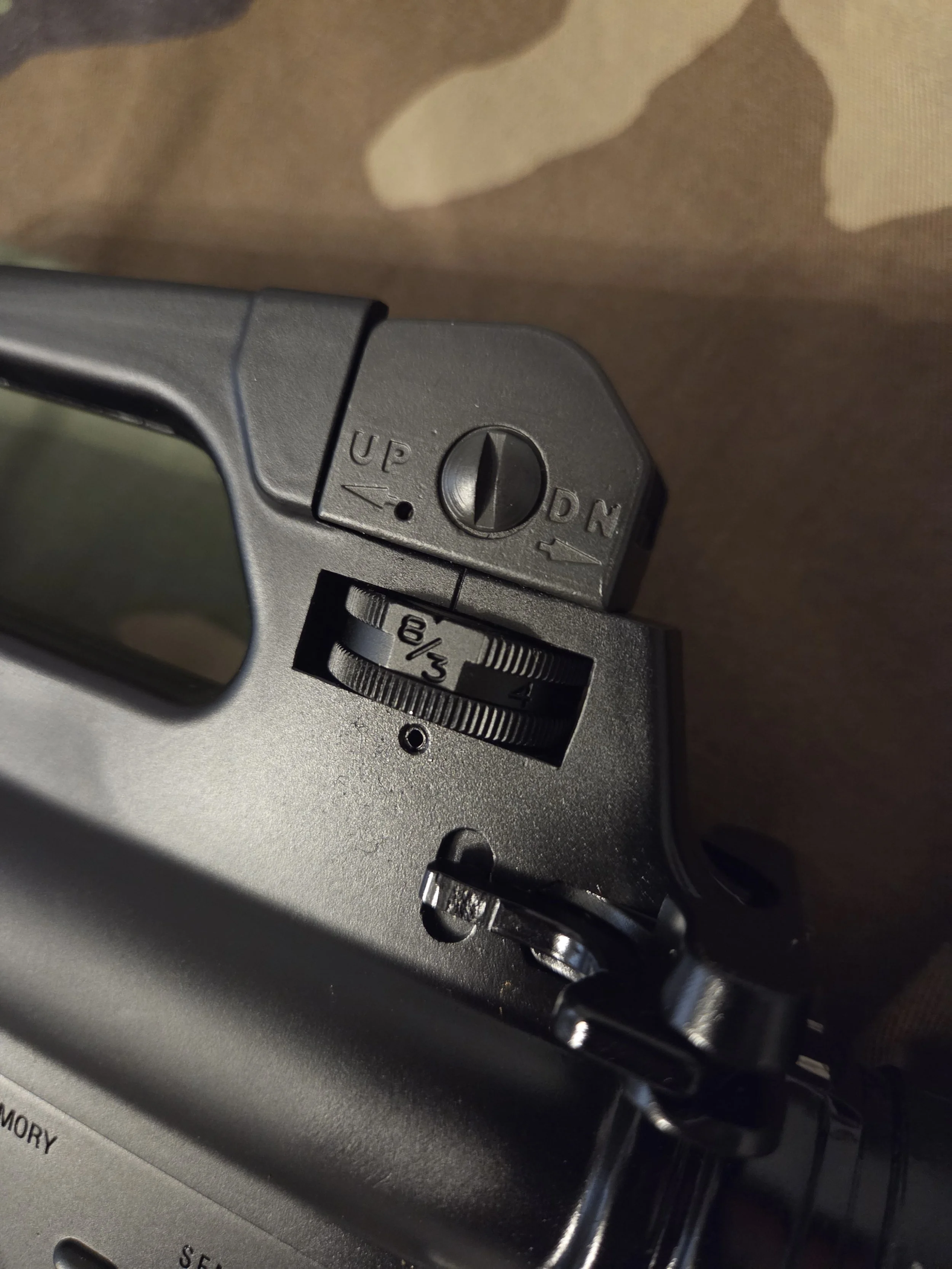
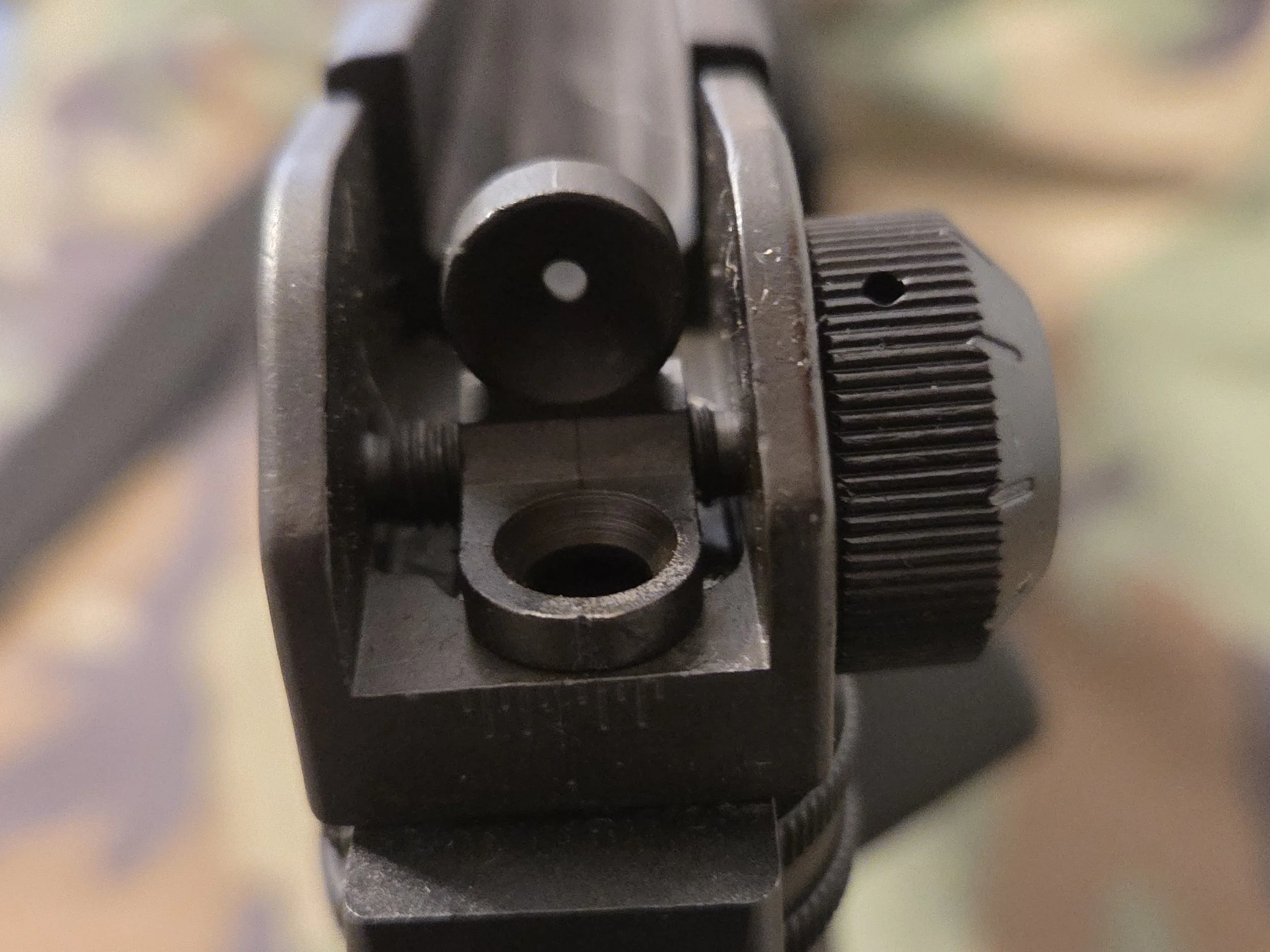
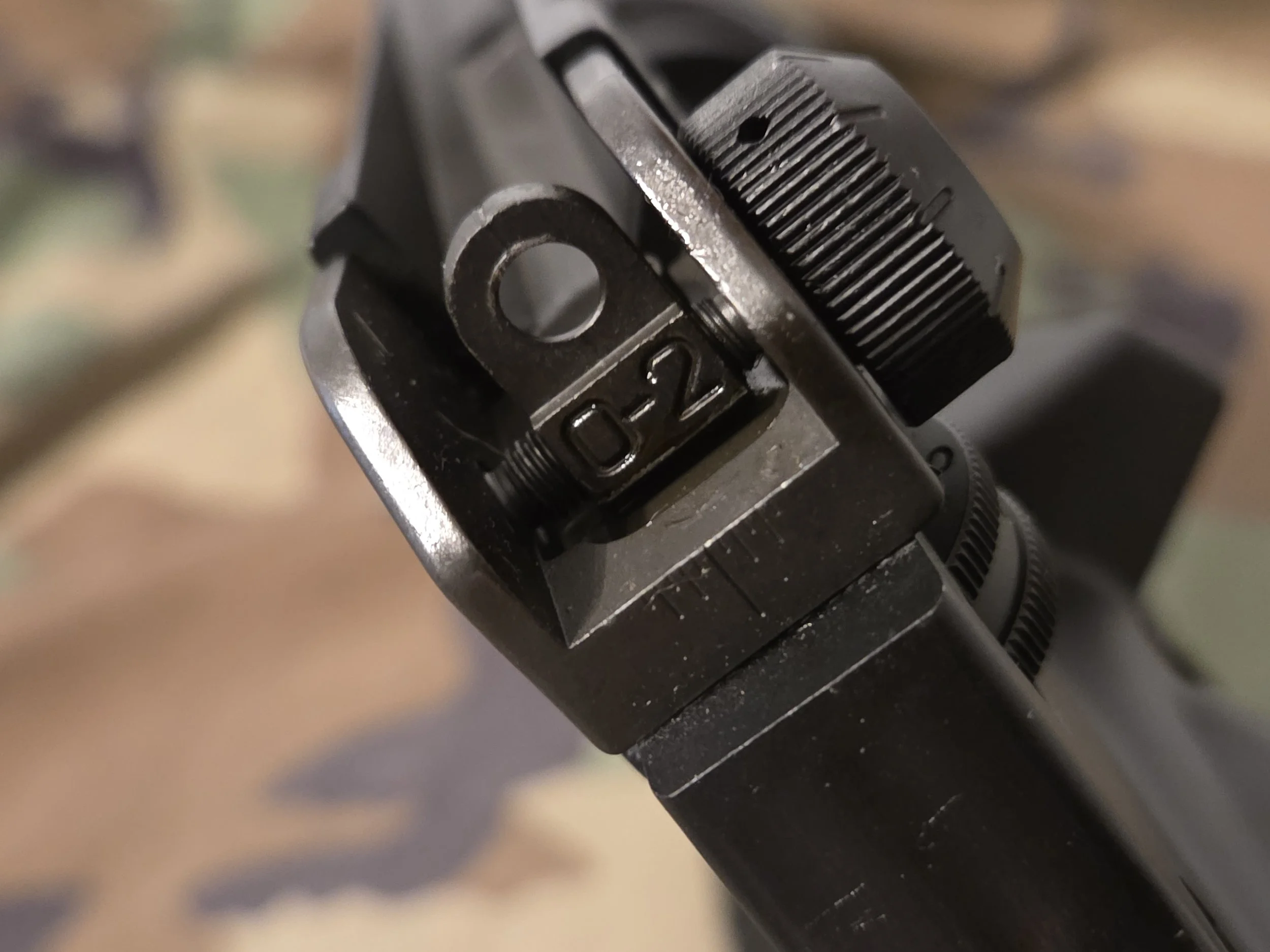
The best thing you can do is take 5 matches and put the flame (middle of the orange/yellow) on the sight face. This creates a matte buildup that absorbs light instead of reflecting it. This is the easiest and cheapest way to black out the rear and front sights. You can also invest in a Zippo lighter for $20, if you are into that kind of thing.
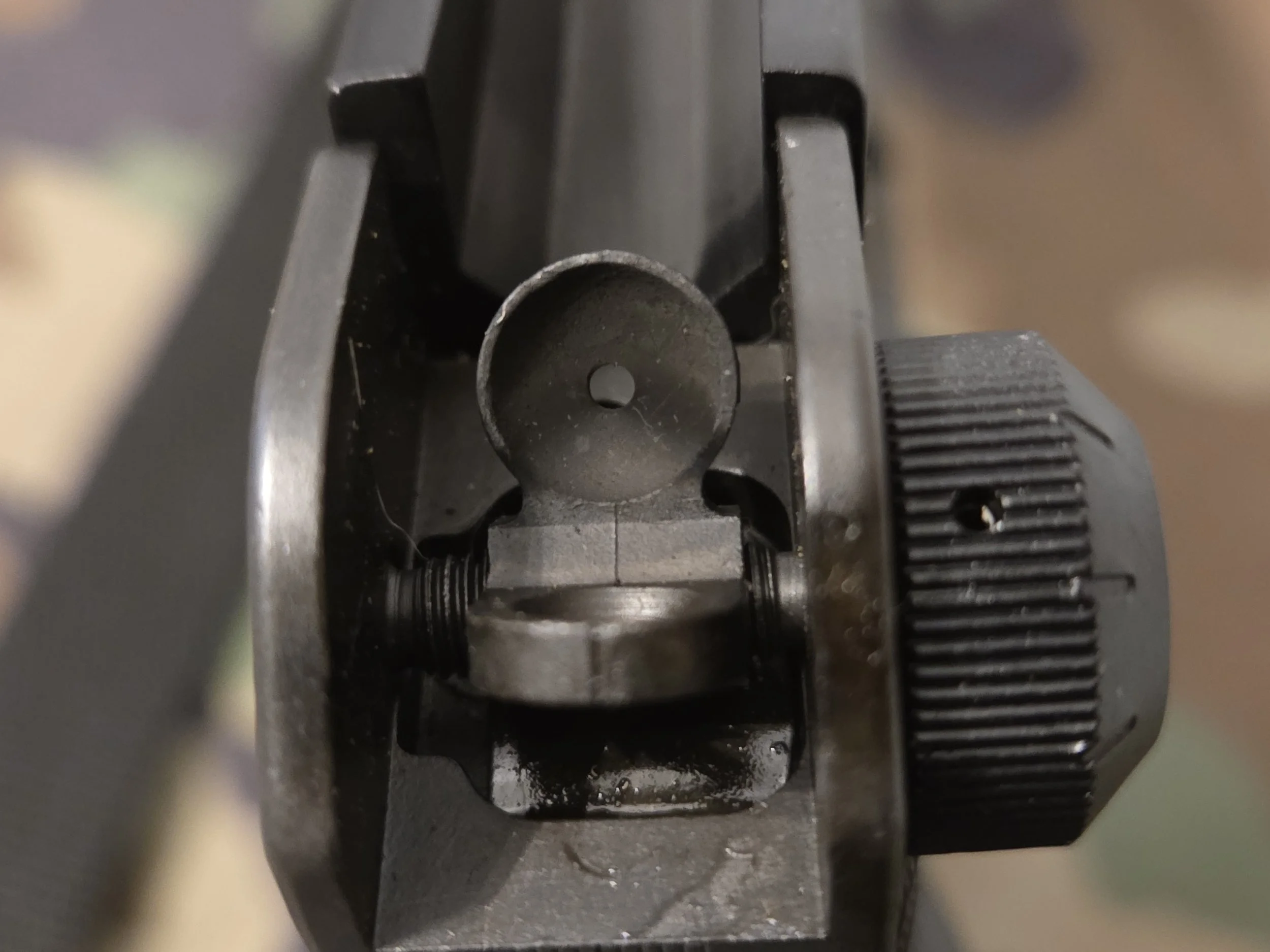
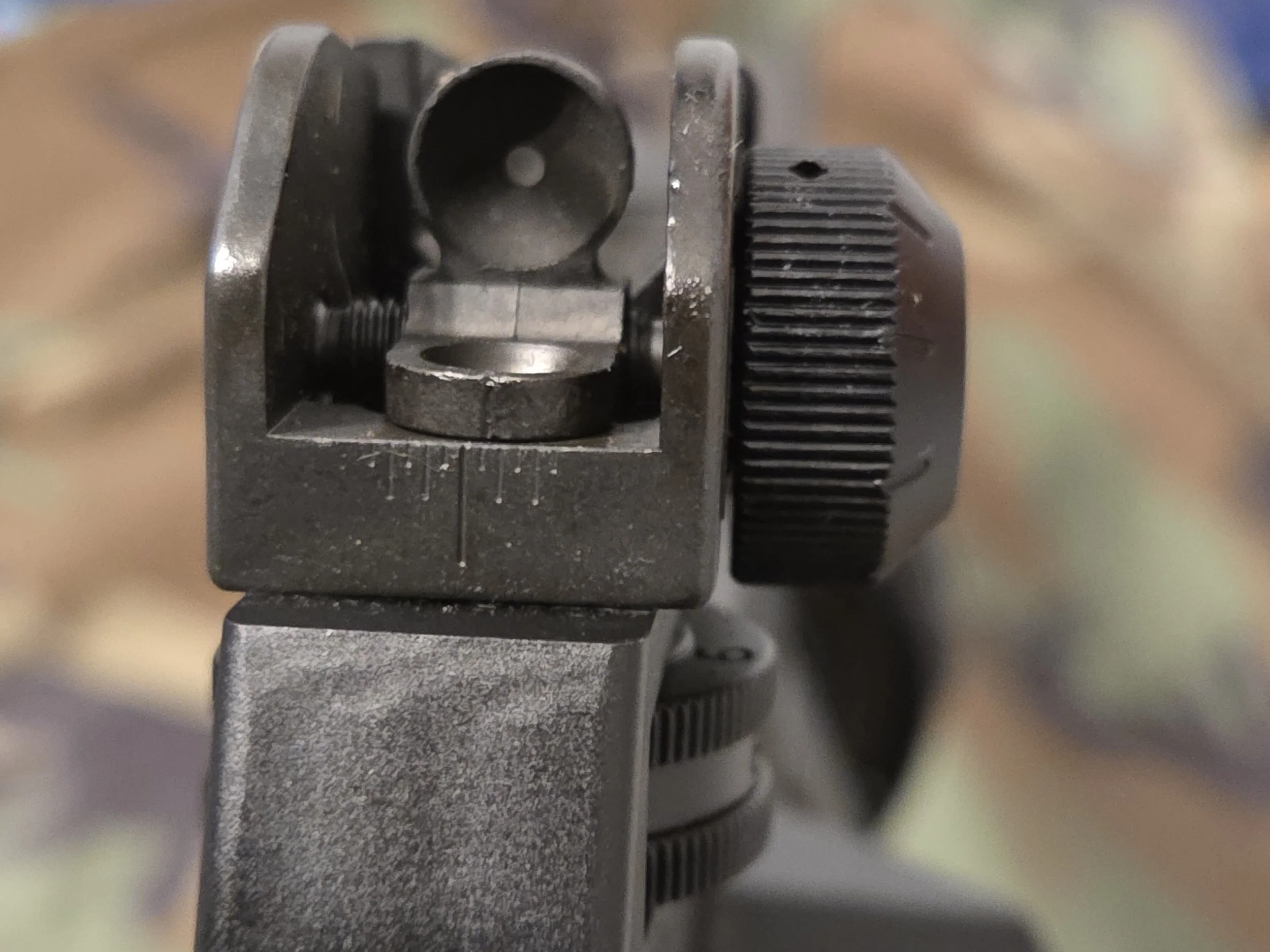
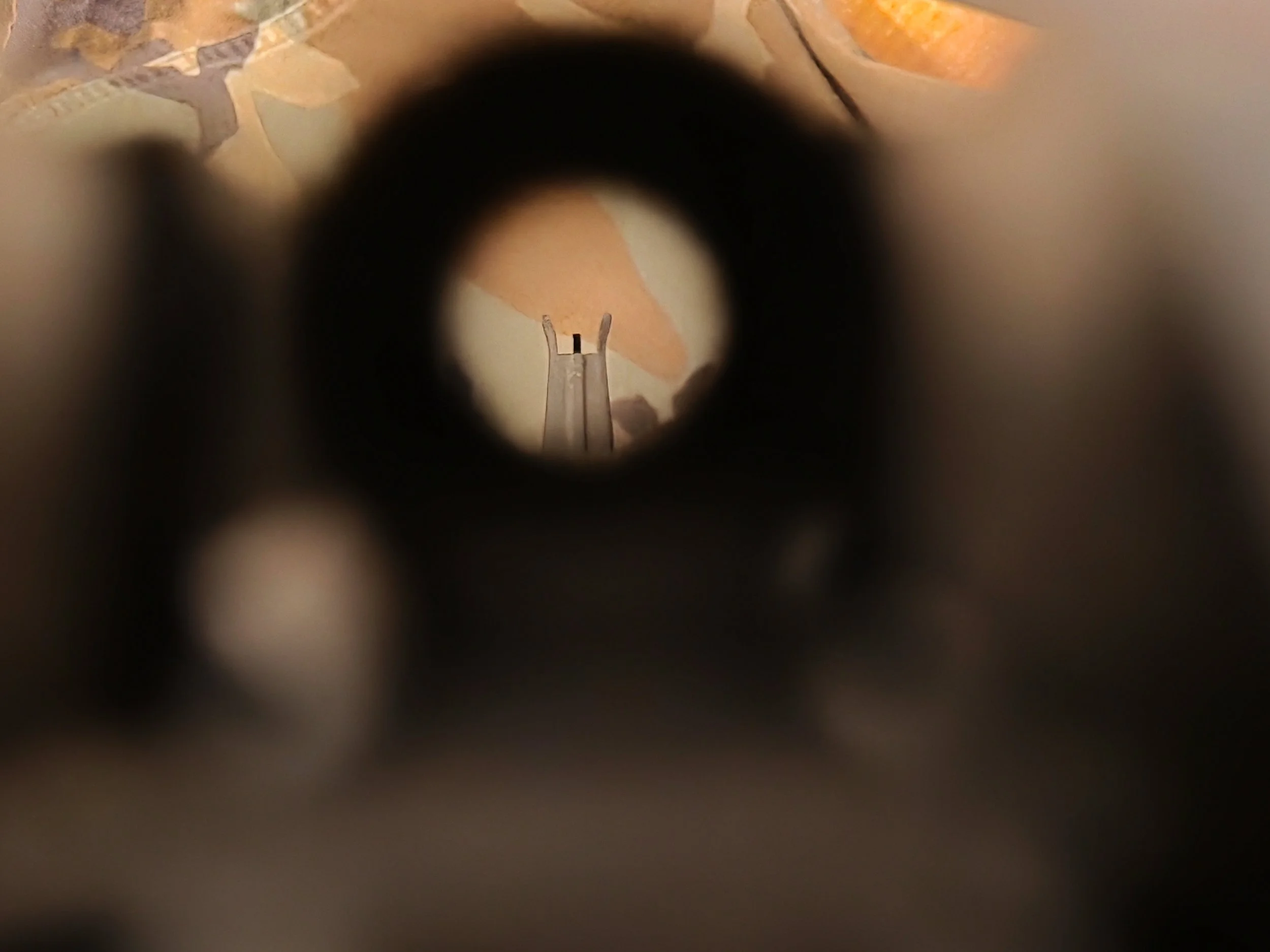
When I took this rifle to the range for the first time, I found that the sights were a bit off. I was not even on paper at first. For the record, I was shooting Magtech M193. I had to turn the front sight several rotations to get on paper. I think I had to toy with shooting at 25 yards, 50 yards, and 100 yards before I was finally happy with the elevation. I had to spin the windage knob about 10-15 clicks to the right, but that was perfect to get the rounds to hit where I wanted them to go. After zeroing, I did some free-hand shooting and was able to score some pretty sweet hits about the size of my fist from 25 yards.
MY BREAK-IN PROCESS
My method of breaking in the action is to create as much friction on the natural friction points as possible. This is done by running the action dry while training on the new rifle. The driest this rifle will be is after getting it for the first time. I spent hours dry firing the rifle with snap caps and running the rifle as I intend to run the rifle when I am shooting it for testing. This ensures that the friction points are able to wear in naturally and aggressively prior to live fire. The repetitions I get from dry fire practice simultaneously prepare me for the range by allowing me to get slightly more acquainted with the manual of arms.
The rifle merely had factory oil when I initially got it. I spent the better part of three hours practicing reloads and malfunctions on the rifle right out of the box. The finish on the rifle was gritty and made running the charging handle very rough at times. As I ran the rifle more and more, the action loosened up and started to show the signs of wearing in.
On the second day, I ran CQB and IMT drills over and over. The rifle got a little scuffed up while it was being held rough against my body while short-stocking it. The finish held up really well on the exterior and the action ran as smooth as butter for me, despite not even teasing it with lubricant.
After taking the rifle out for zeroing and shooting the first 200 rounds, I finally cleaned and lubricated the rifle for the first time. I left the rifle heavily lubricated in the action to allow the CLP the opportunity to penetrate the metal prior to taking it to the range and zeroing the iron sights. While at the range, I oiled the rifle frequently through the outside, in order to keep the bolt gliding in the bolt carrier and the locking lugs gliding smoothly. Once I was finished shooting, I cleaned the rifle and lubricated it lightly for the next dry fire training session.
BAYONET ATTACHMENT
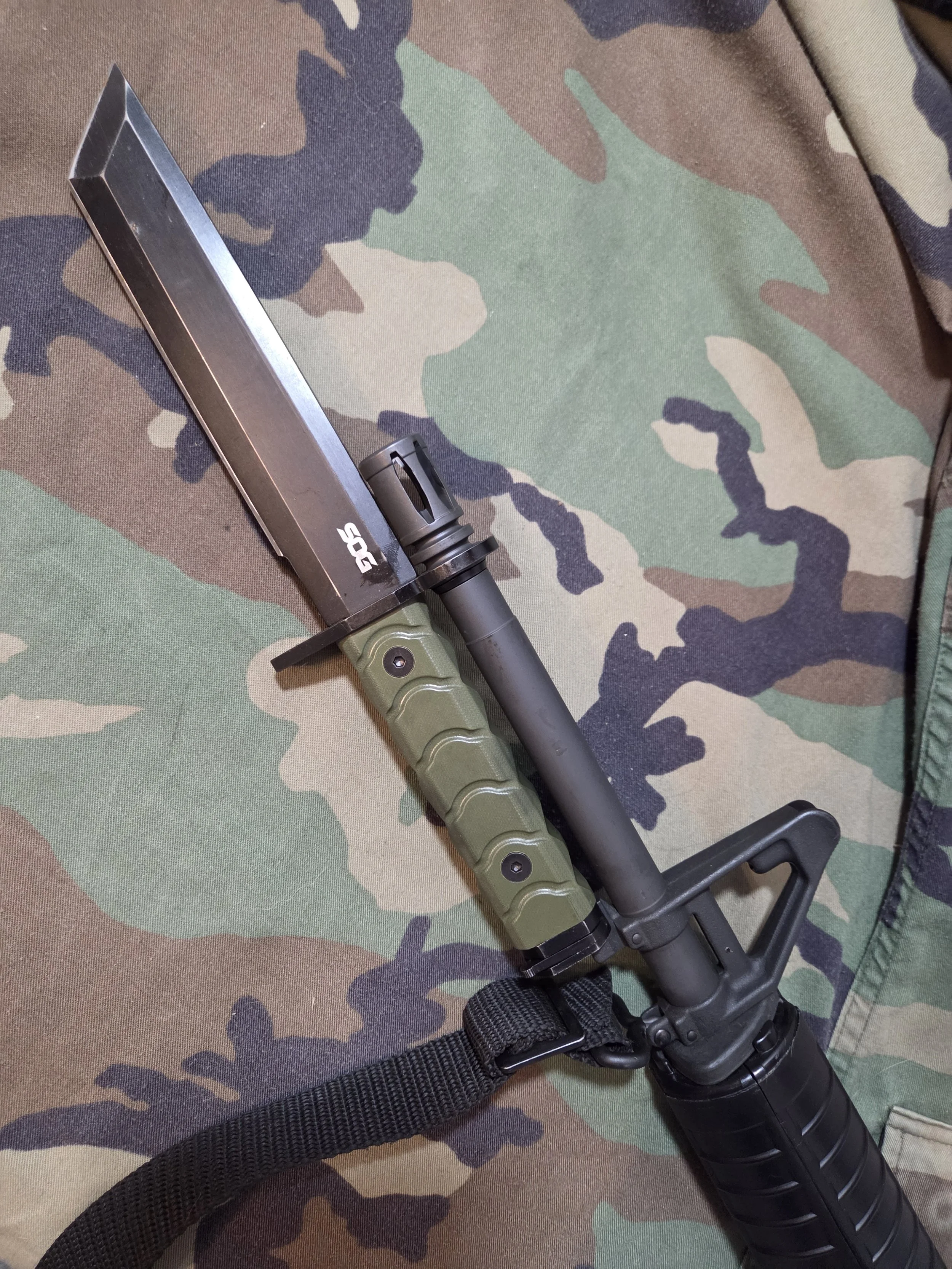
SOG bayonet (BAR15T OD) attached to the SA-16 A2 bayonet lug.
Adding a bayonet onto the end of a rifle is a roll of the dice. Old soldier wisdom was to zero the rifle with and without the bayonet attached to the rifle. Prior to shooting with the bayonet attached, I shot the rifle at 100 yards with M855 to make sure I was grouping well. The impacts were relatively high, but they were within what you would expect from a rifle zeroed at 36 meters.
When I shot the rifle with the bayonet attached, there was a slight increase in elevation, but nothing too spectacular. I will not say my groups were anything impressive, but I was able to keep the shots in the general area that I was aiming. i wasn’t going for perfect, but rather just getting the rounds out as long as th. The front sight was almost completely covering the target I was using as a reference and there was relatively thick fog obscuring visibility.
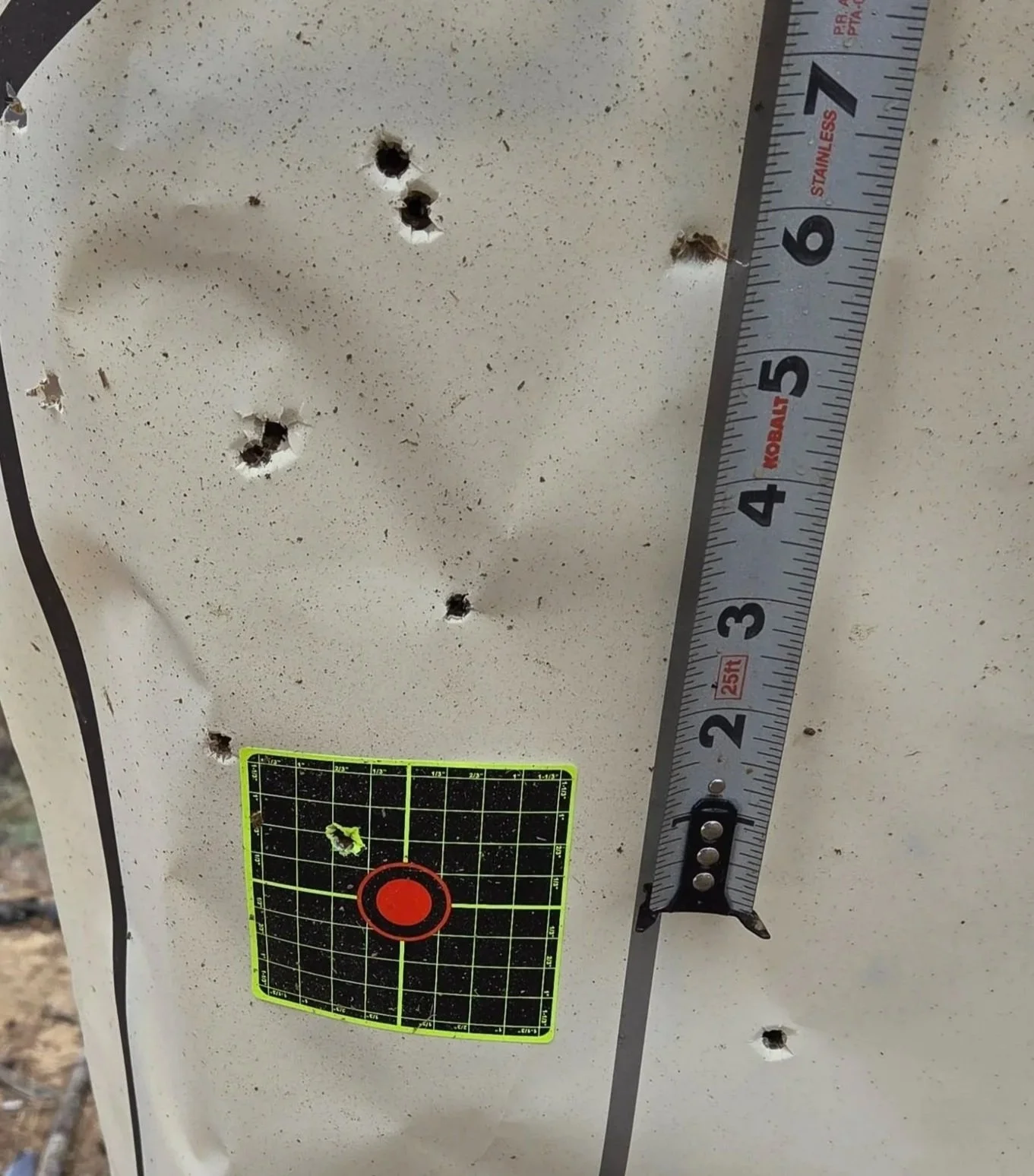
10 shots from the SA-16 A2 . bottom 3 shots were without the bayonet attached and the other 7 were with the Extrema Ratio Fulcrum Bayonet attached. The shot at the lower right of the measuring tape was from another rifle I was testing on the same target.
The bayonet being attached did not seem to raise the point of imnpact too much, but it was a measurable amount at 100 yards. The square target in the picture is 2.5 inches in diameter, so i would say that I did pretty good for just cranking off rounds at a target and grouping roughly 4-6 inches above my point of aim when the point of impact is 1.5 to 2 inches without the bayonet attached.
IS THIS CLONE FAITHFUL TO THE ORIGINAL DESIGN?
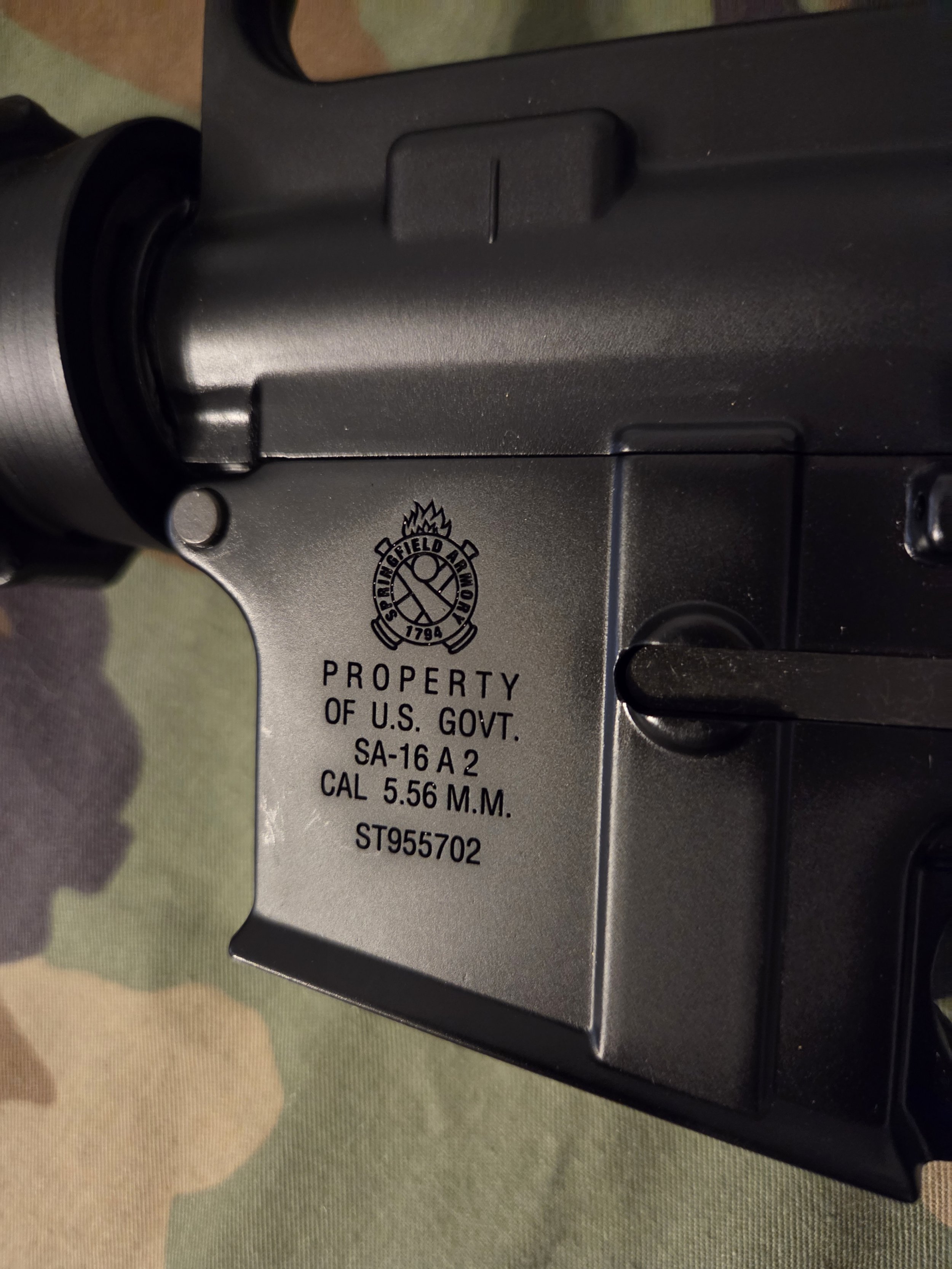
The Springfield SA-16 A2 includes some thoughtful nods to the M16A2, such as the “BURST” selector stamped into the receiver and the “PROPERTY OF US GOVERNMENT” marking on the frame, among other subtle details. Beyond those touches, it’s essentially a modern interpretation of the M16, and I think Springfield did a solid job of bringing a functional tribute to the M16A2 to market. Personally, I don’t mind that the receiver color isn’t an exact match or that the buttstock isn’t all steel; what matters to me is a rifle that functions reliably and is built to withstand rough, heavy-handed use. I believe this rifle can deliver that kind of durability and dependable performance.