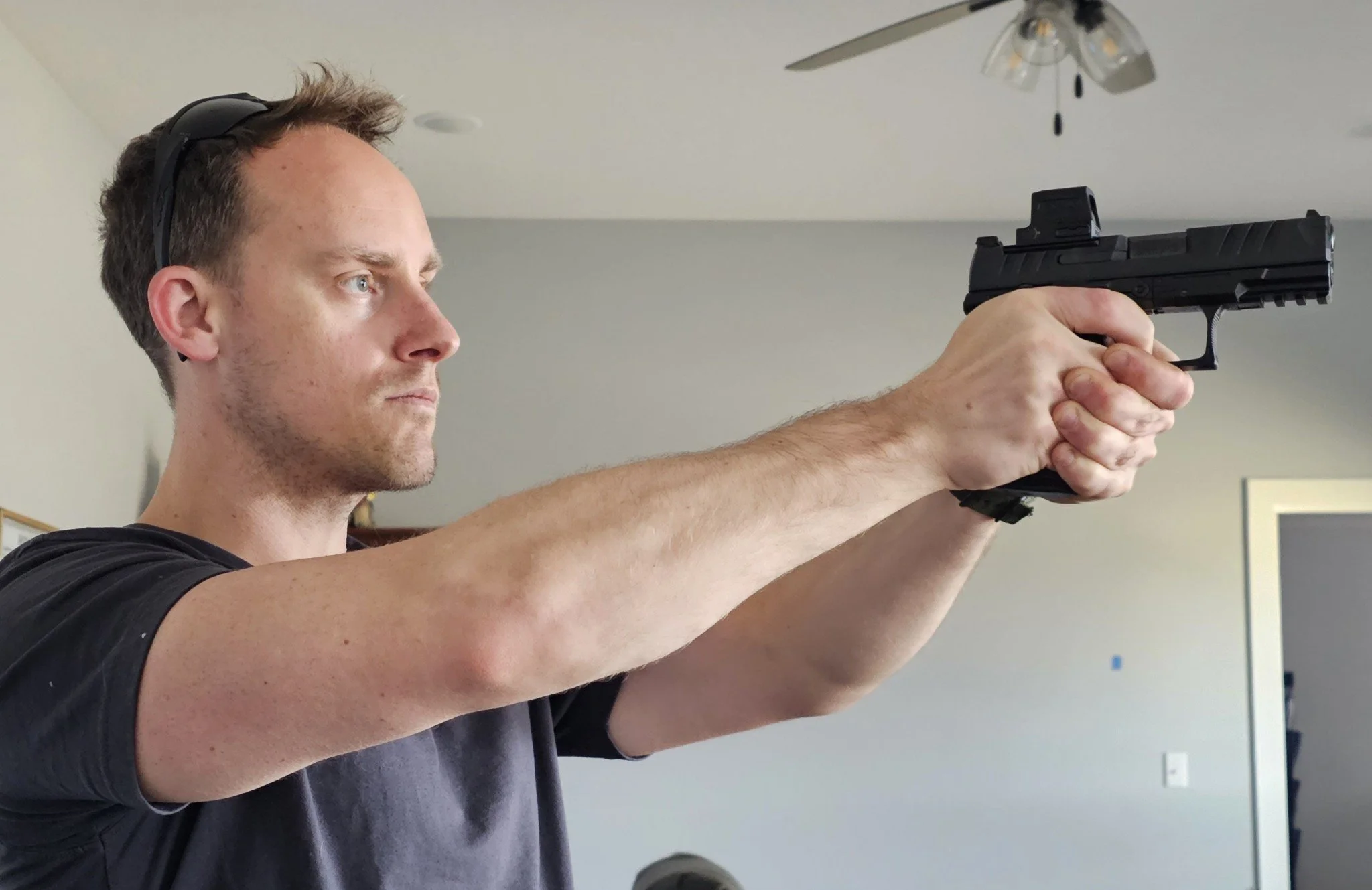
INTERMEDIATE DRY FIRE TRAINING
To succeed in real-world performance, train consistently and professionally, not just until a goal is met. Practice under all conditions—weather, fatigue, sickness—aiming for reliability over speed. Speed comes with familiarity, but true skill requires hard work, dedication, and maintaining high standards regardless of circumstances. There are no shortcuts, only commitment.
BEGINNER DRY FIRE TRAINING
This is a simple guide to dry fire practice. It covers safety, unloading your firearm, and the gear you need to begin. It explains why dry fire works and why it's worth doing. Finally, it offers 5 drills to improve your skills, along with videos to help you learn the techniques.

THE ART OF THE PRESENTATION: GETTING RIGHT ON, RIGHT AWAY
The art of presenting a weapon is a fundamental skill in adaptive combatives that emphasizes smooth, controlled movements to transition from concealment or carry to an effective defensive or offensive posture. It requires precision, minimal exposition, and situational awareness to ensure readiness without compromising safety or tactical advantage. Mastery involves understanding the mechanics of the specific weapon, body positioning, and maintaining a calm, deliberate approach to avoid unnecessary escalation while remaining prepared to respond decisively. Proper training also focuses on integrating presentation with drawing techniques to optimize reaction time and maintain control under stress.

PRACTICE THE PROPER COMBAT RELOAD
The combat reload is important to practice correctly in order to make security and functional behaviors under fire a habit, even under adrenaline.
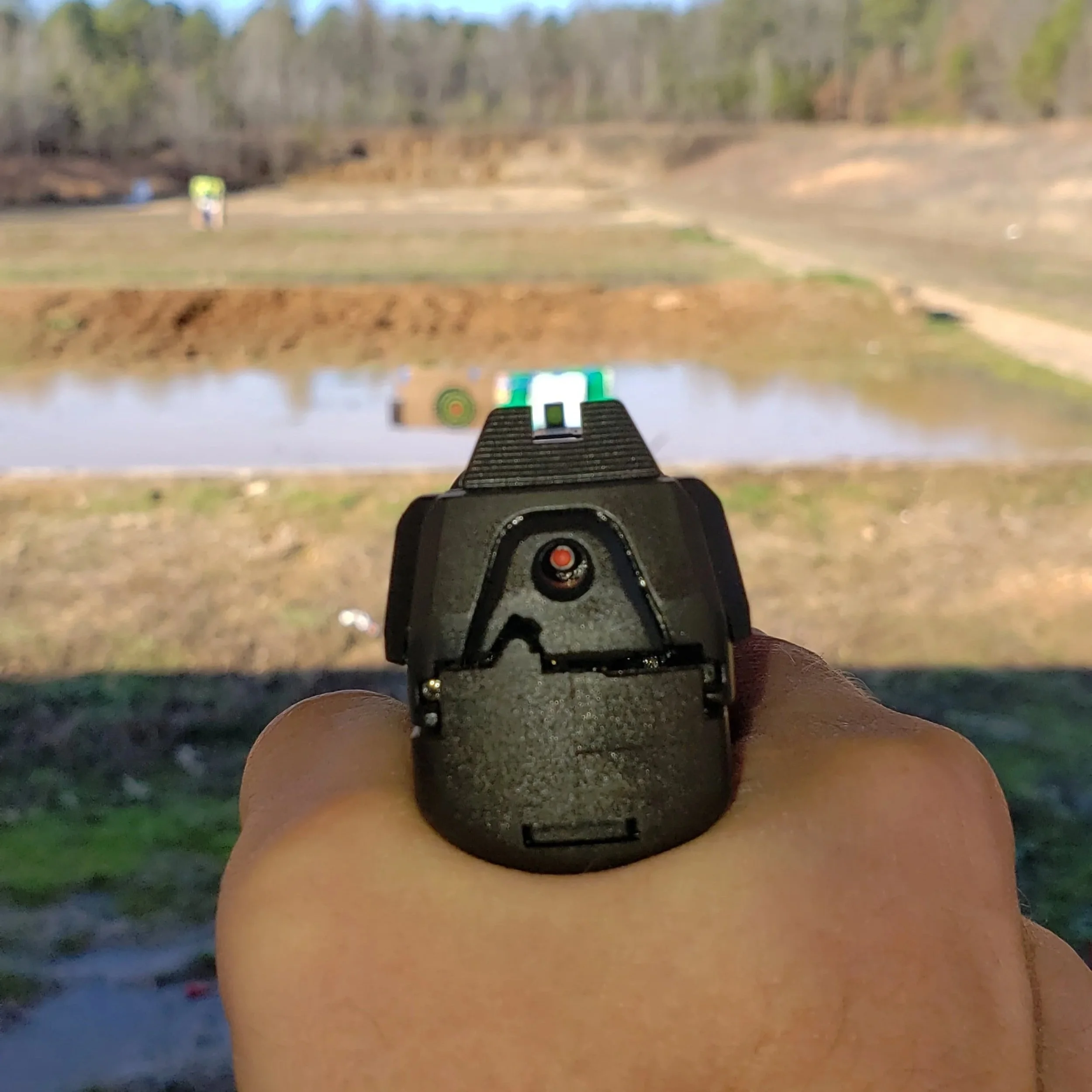
OPTIMIZED ONE-HANDED PRACTICE
Shooting one-handed is one of the most challenging skills you can develop. However, just like practicing reloading under pressure, it is crucial to prepare for this type of contingency to ensure you can respond effectively in any situation.
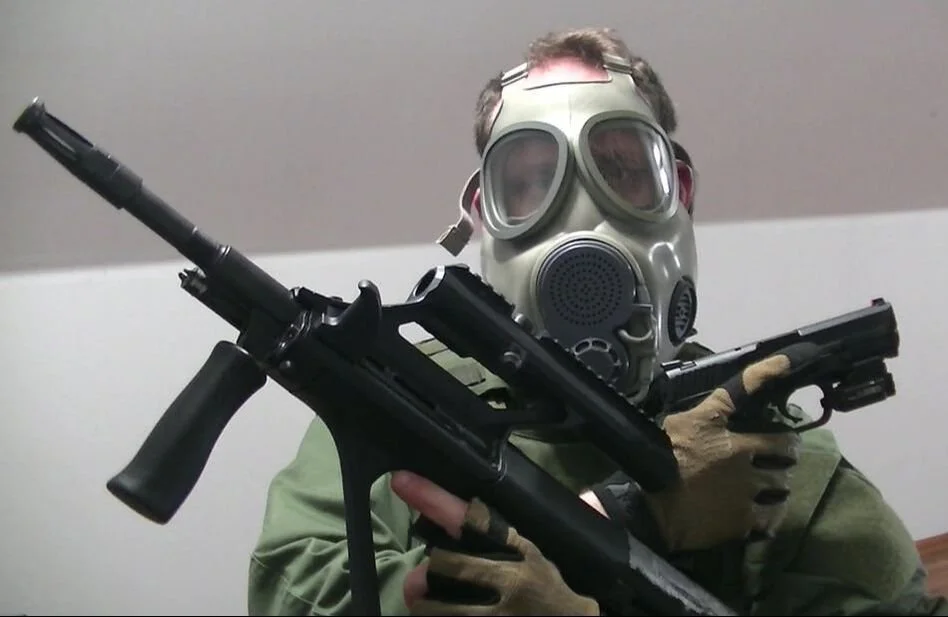
RIFLE TO PISTOL TRANSITION DRILLS
The rifle to pistol transition drill is an excellent method to maintain continuous fire toward the enemy. Mastering this skill requires more than just physical ability; it involves a level of finesse and strategic thinking that resembles an art form. Proper execution ensures fluidity and effectiveness in dynamic combat situations.
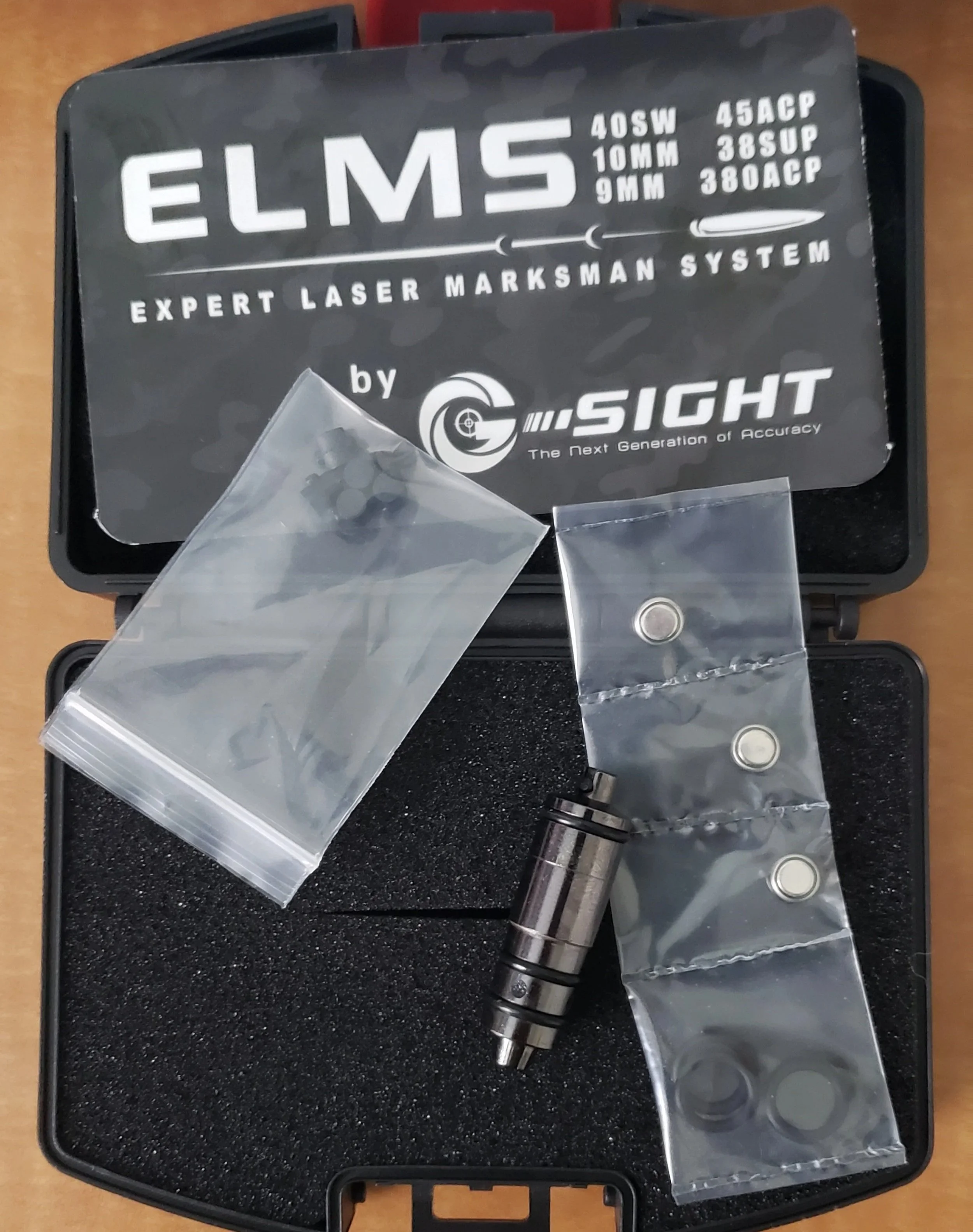
LASERS FOR TRAINING & DRY FIRE PRACTICE
Laser trainers are an excellent tool to help develop and refine your skills, providing immediate feedback and enhancing muscle memory. However, it is still essential to have a fundamental understanding of why dry firing is important and how to properly incorporate it into your routine.
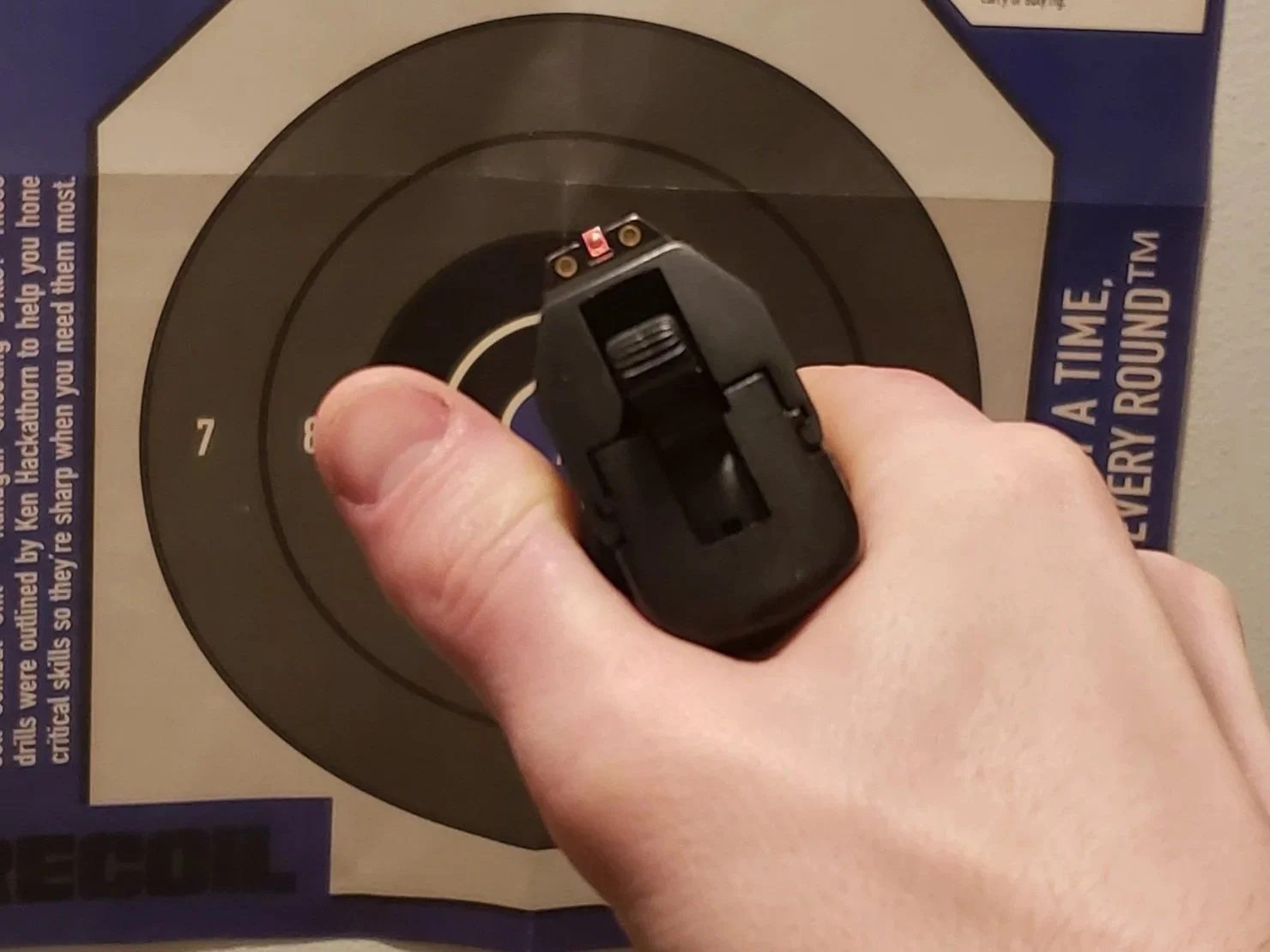
TARGET-FOCUSED SHOOTING
We’ve all been taught to focus on the front sight when aiming for an accurate shot. However, this concept has often been misunderstood and oversimplified over the years. It’s similar to trying to stare intently at the front of a car moving at 100 mph while the surroundings become a blur. This method is not very effective, particularly in dynamic combat shooting situations where both you and your target are constantly in motion. Maintaining flexibility in your focus is crucial to adapting to fast-changing environments.

TRAINING FOR PERFORMANCE
Have you ever wanted to improve skills like seeing quickly, reacting faster, aiming faster, spotting danger sooner, and staying calm under stress? There are ways to train your brain to stay sharp and work better.

TIER 1 TRAINING SECRETS
Delta Force and FBI HRT are top military and law enforcement units specializing in counterterrorism. Their rigorous training and selection make them elite shooters and operators. This article explores that training.