COMBAT TOURNIQUETS: WHICH STOPS THE BLEED BEST?
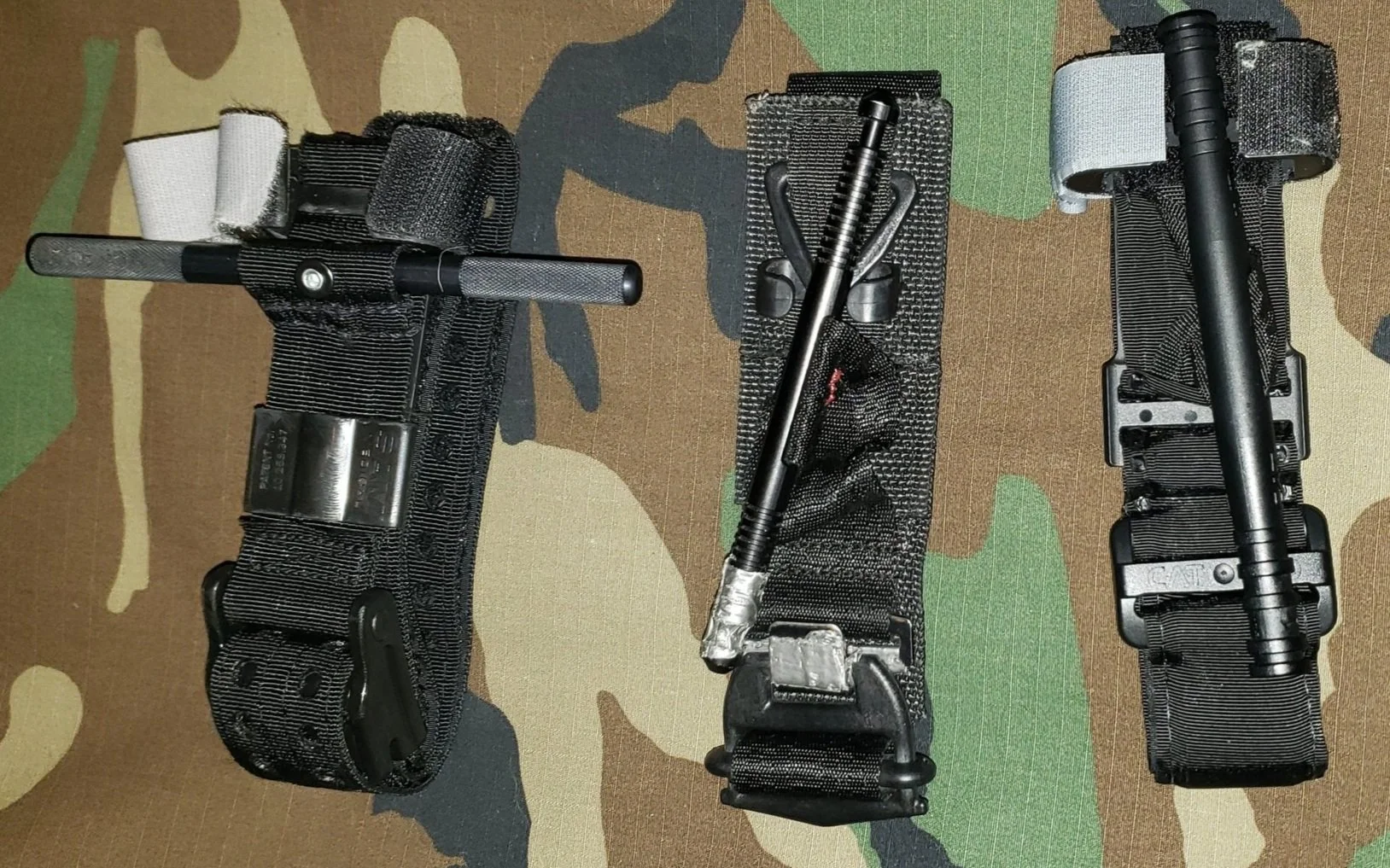
Competence in Tactical Combat Casualty Care (TCCC) is just as important as shooting and fighting. The common saying is "if you can learn to poke holes, you should know how to plug them". The most common preventable cause of death in the beginning of the Global War On Terror (GWOT) was extremity hemorrhage. This is solved by having a rugged and user-friendly Tourniquet. The Committee on TCCC (CoTCCC) is the authority most of us look to for what TQs are "combat-worthy". They have a relatively short list of approved TQs, and people love to debate the merits of each and which is BEST. I am going to compare the SAM Extremity Tourniquet, CAT TQ, and the SOF-TW TQ based on my uses, my experiences, and other objective and subjective points of data.
POLARIZING DECISIONS
The subject of which tourniquet is the best has been an argument for years, and will only continue as more and more TQs come on the market and are certified by the CoTCCC. I have had a lot of time practicing with the three tourniquets I am going to present in this article. They each have merits and limitations for the end-user. My intent is not to make a choice at the end of the article, but to provide additional information through my experiences. Medical technology changes constantly and techniques vary on the environment, user capability and knowledge, resources available, and the problems that need to be solved. Keep this in mind as you read, and remember to seek additional training on a regular basis.
CAT TOURNIQUET
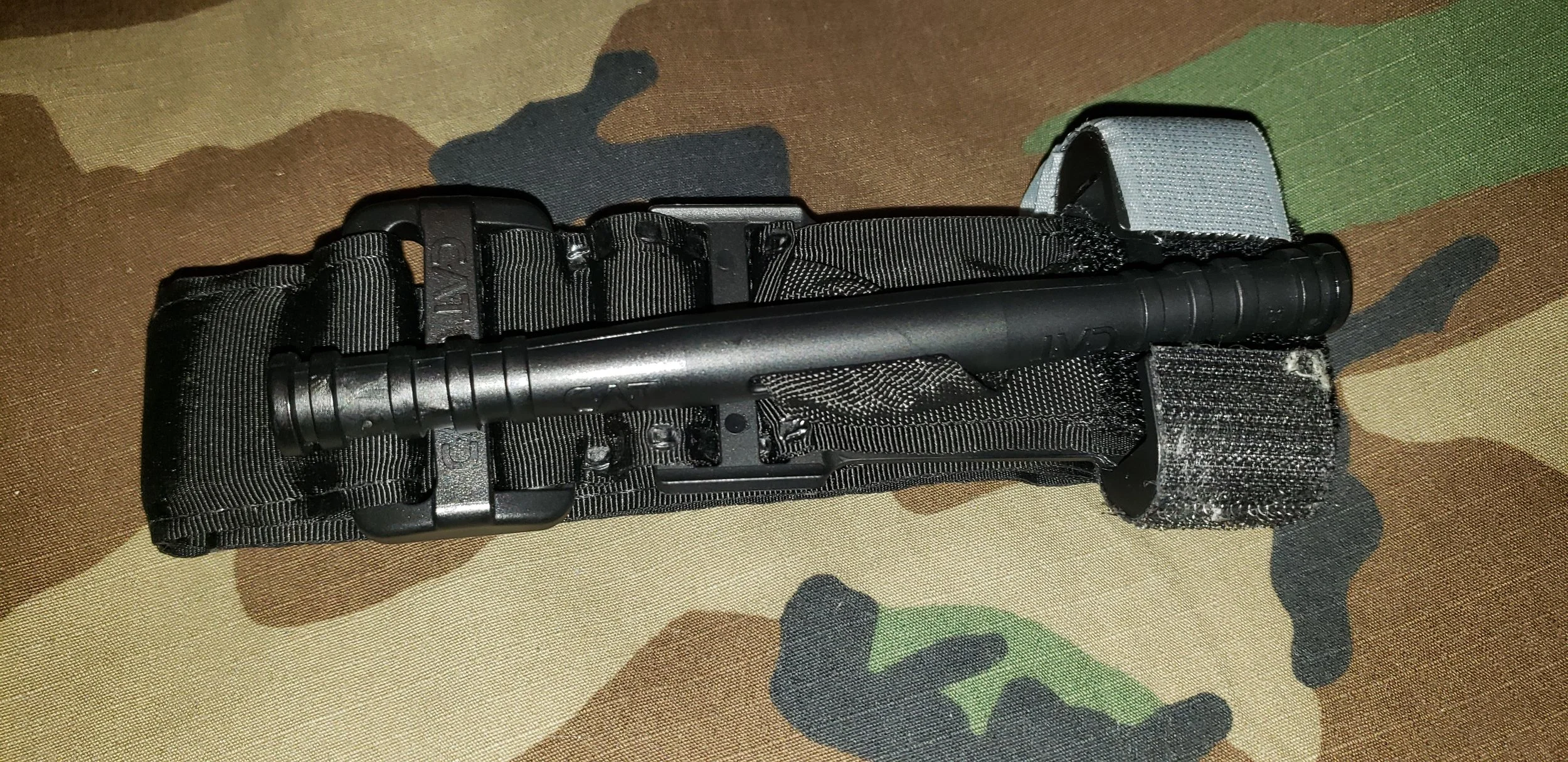
The CAT Tourniquet is arguably the most popular and most recognized tourniquet on the market. It has loads of copies and rip-offs on the market, which many people fall for regularly. The design features zero metal and relies almost entirely on a thin nylon base stitched to a thick Velcro strap. The CAT has seen multiple generational upgrades that have improved the strength of the polymer buckle and given the windlass more durability. The nylon base that houses the buckle and windlass is extremely flexible and the nylon strap is a two-ply system that is spot-melted together instead of stitched. The CAT TQ is a one-use tourniquet. You cannot repeatedly use the tourniquet or train with the tourniquet you intend to use. Best option is to buy one CAT to train with and one to hold and reserve for real-world use only.
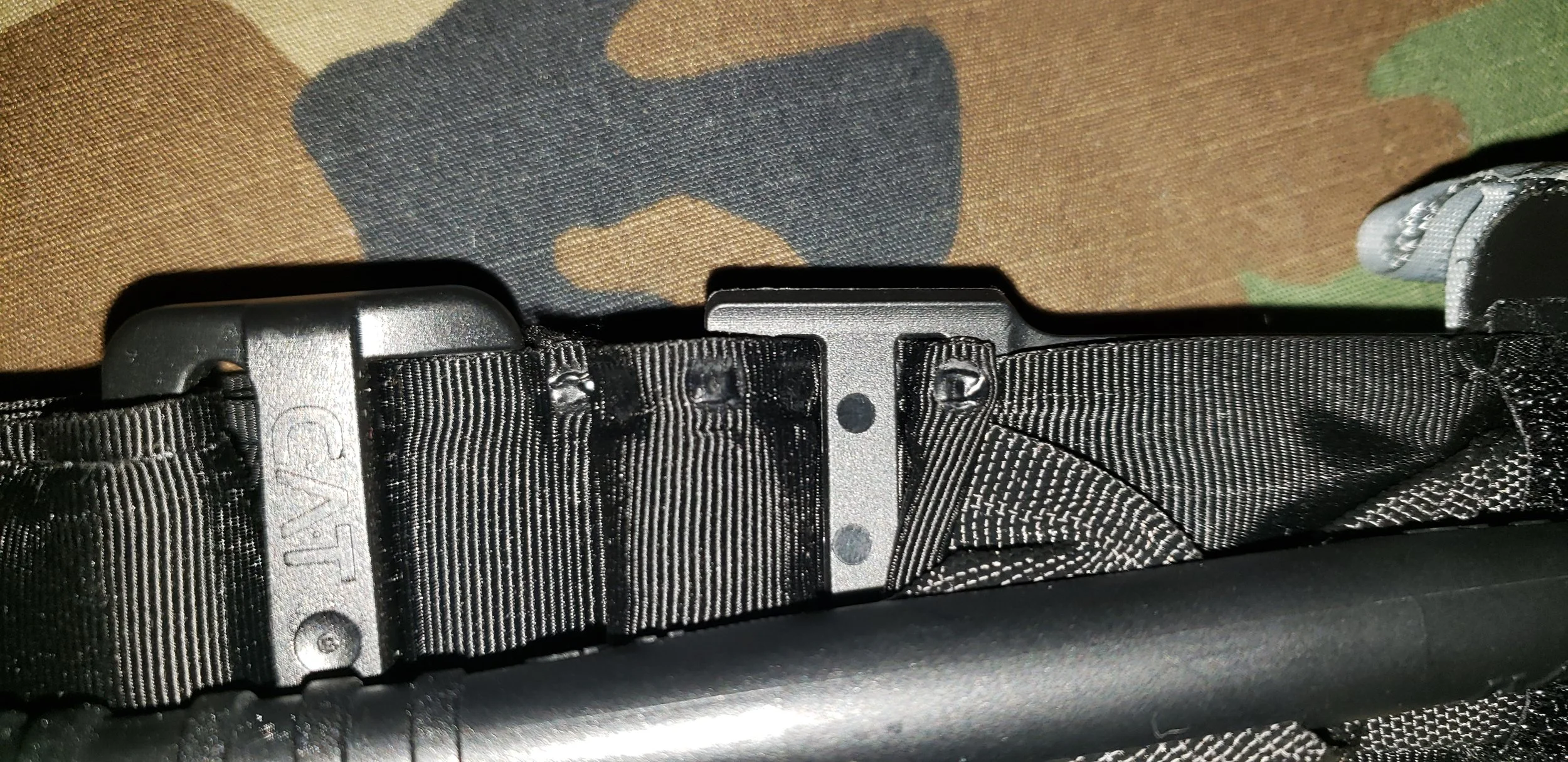
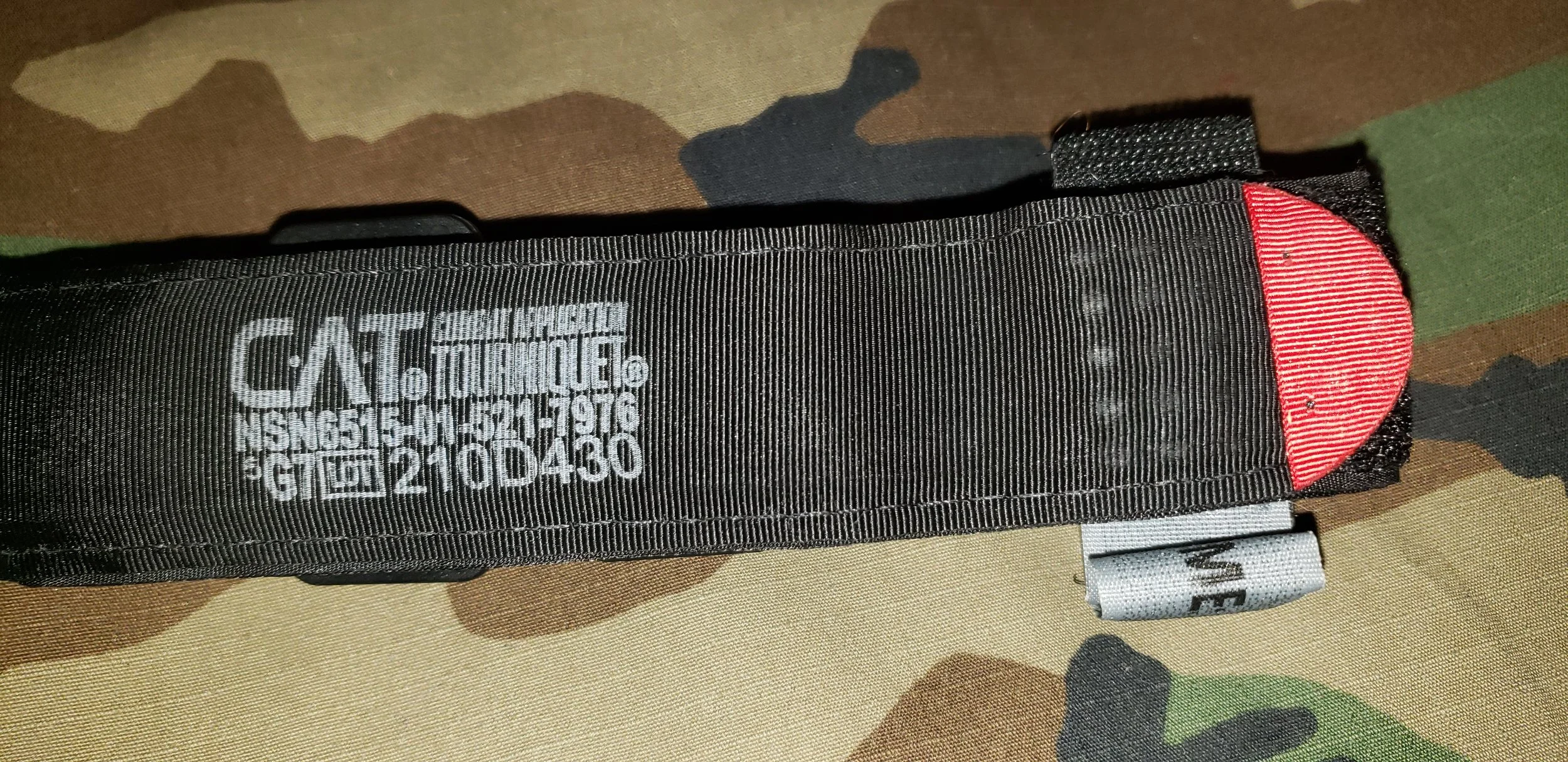
The strap features a convenient rounded red mark that acts as a pull tab. I prefer to fold this tab in on itself to give greater traction and grip when conducting the initial pull. This may not be a good thing if you have to unthread the strap from the buckle in order to wrap the TQ around a large extremity like a leg. The windlass is stiff, but has a slight flex to it. It is simple and easy to spin, making this a terrific tourniquet for one handed self-application. The time strap is thick and doubles as a way to hold the strap excess in place.
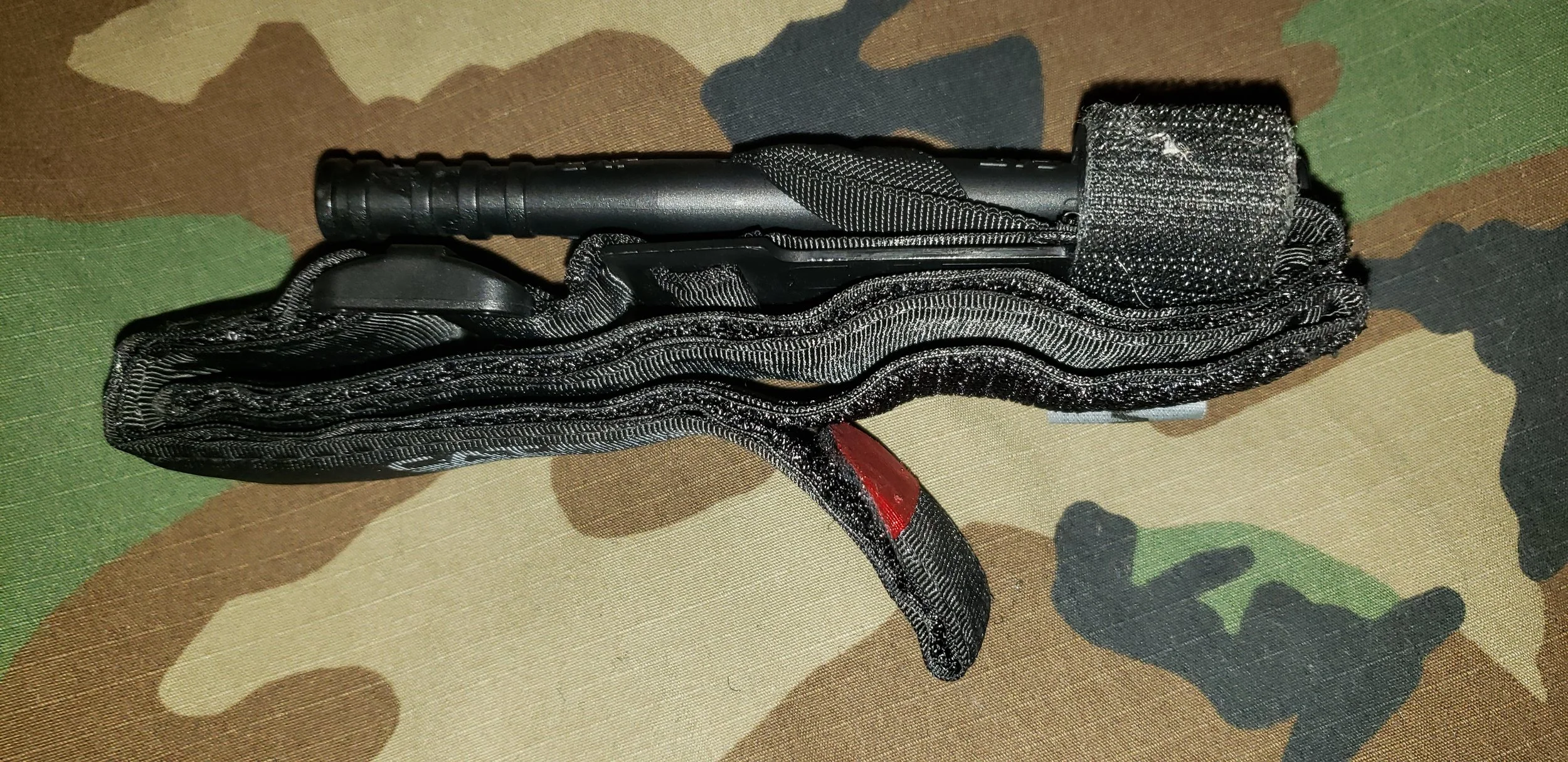
The CAT TQ is completely dependent on the Velcro system on the strap in order to hold tension, though it seems to hold up well in most situations from sand, snow, water, and even blood. However, when used on an arm, I ran into constant issues with not having enough Velcro to occlude the limb properly without painstakingly wrapping the strap up to maximize the Velcro contact. Also, the Velcro strap is very susceptible to being pulled off during movement or snagging. Over time, the nylon cinching system does loosen up slightly, making it necessary to further tighten the windlass an additional turn or two. When training with the CAT, you have to undo the strap and stretch out the internal tightening strip all the way to prevent your training CAT to form a "memory", thus throwing off your performance consistency. With all this said, if you get a good pull right away, this TQ is the fastest one to occlude one-handed, in my experience.
SAM EXTREMITY TOURNIQUET
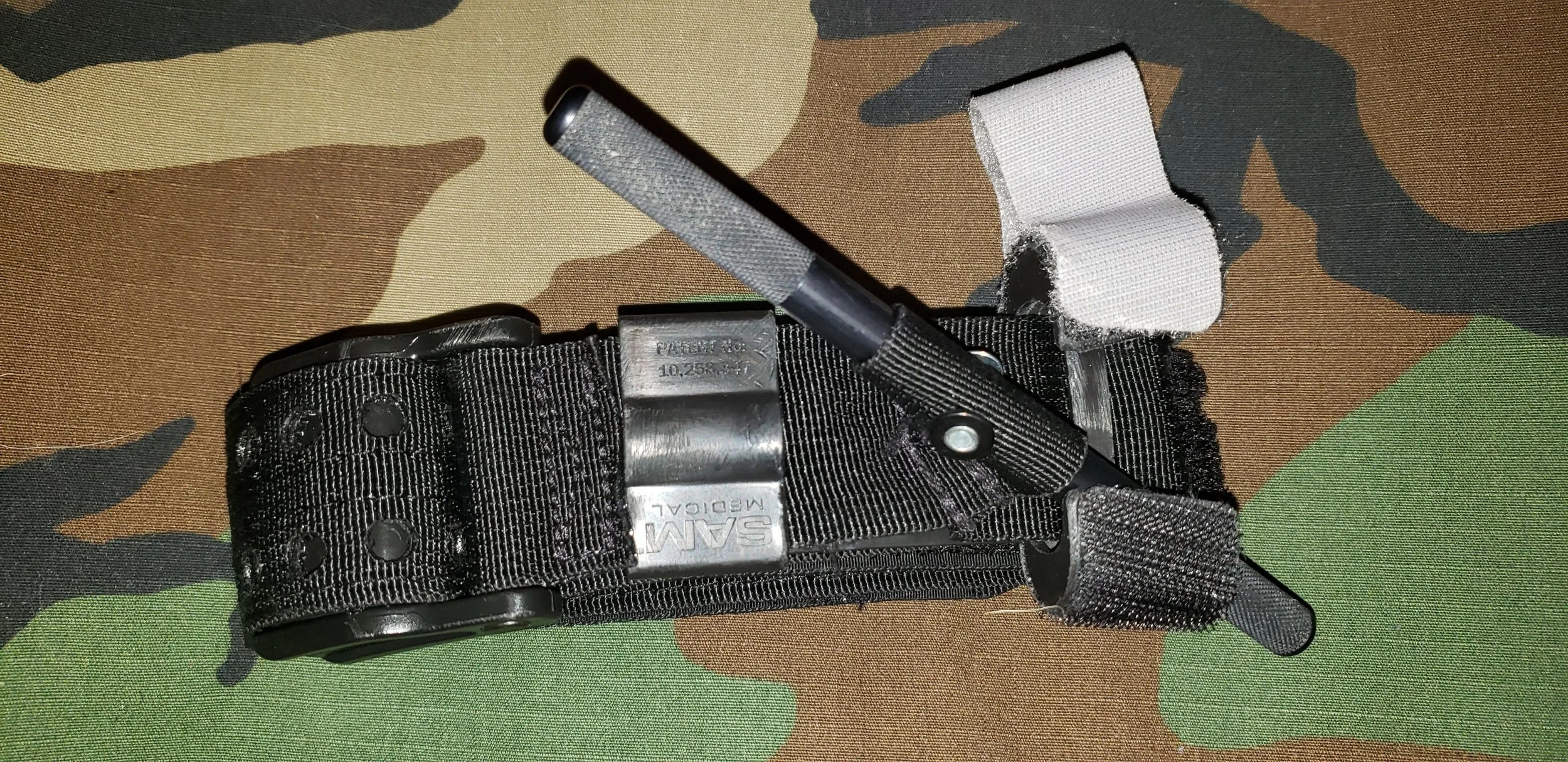
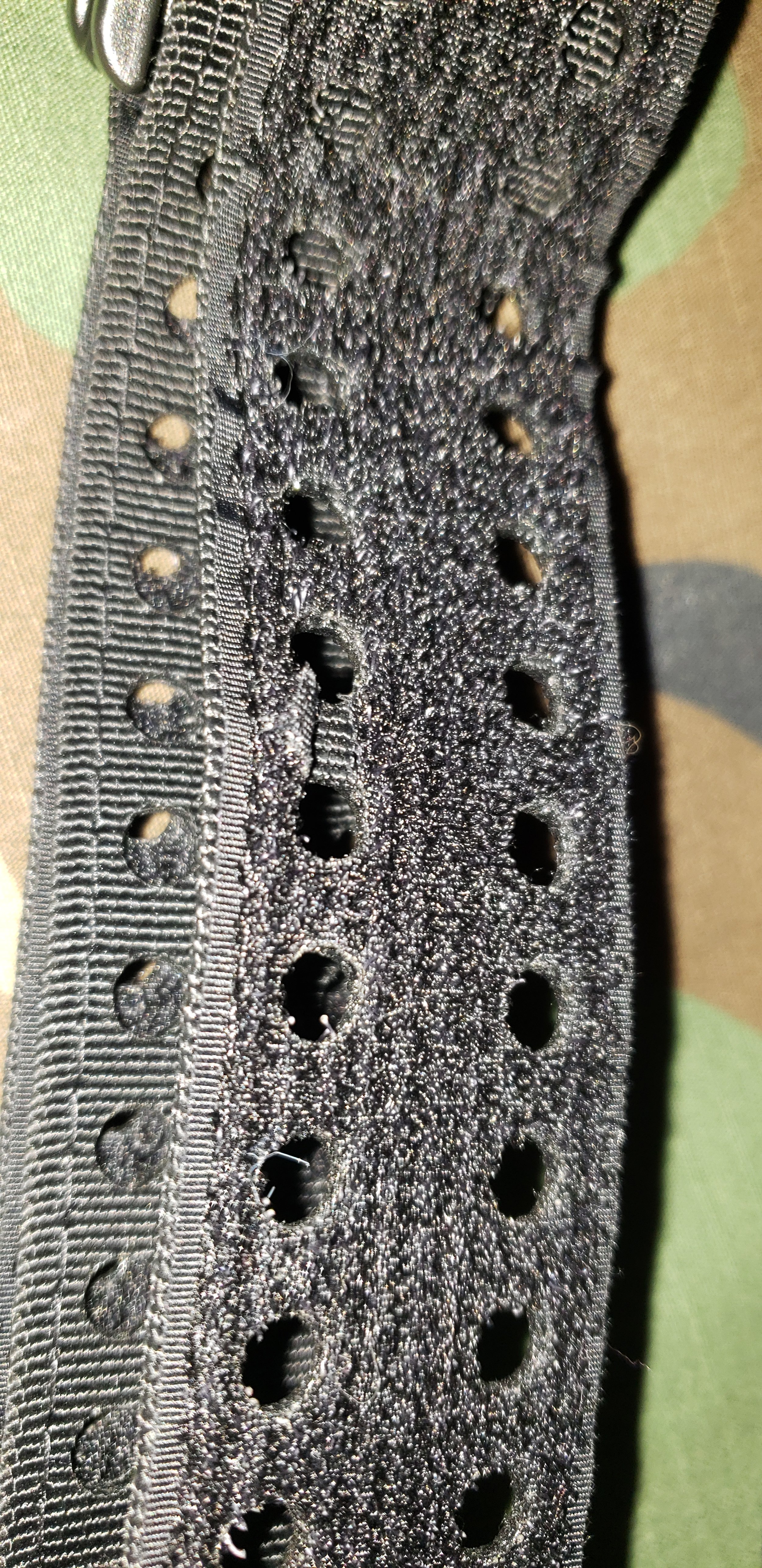
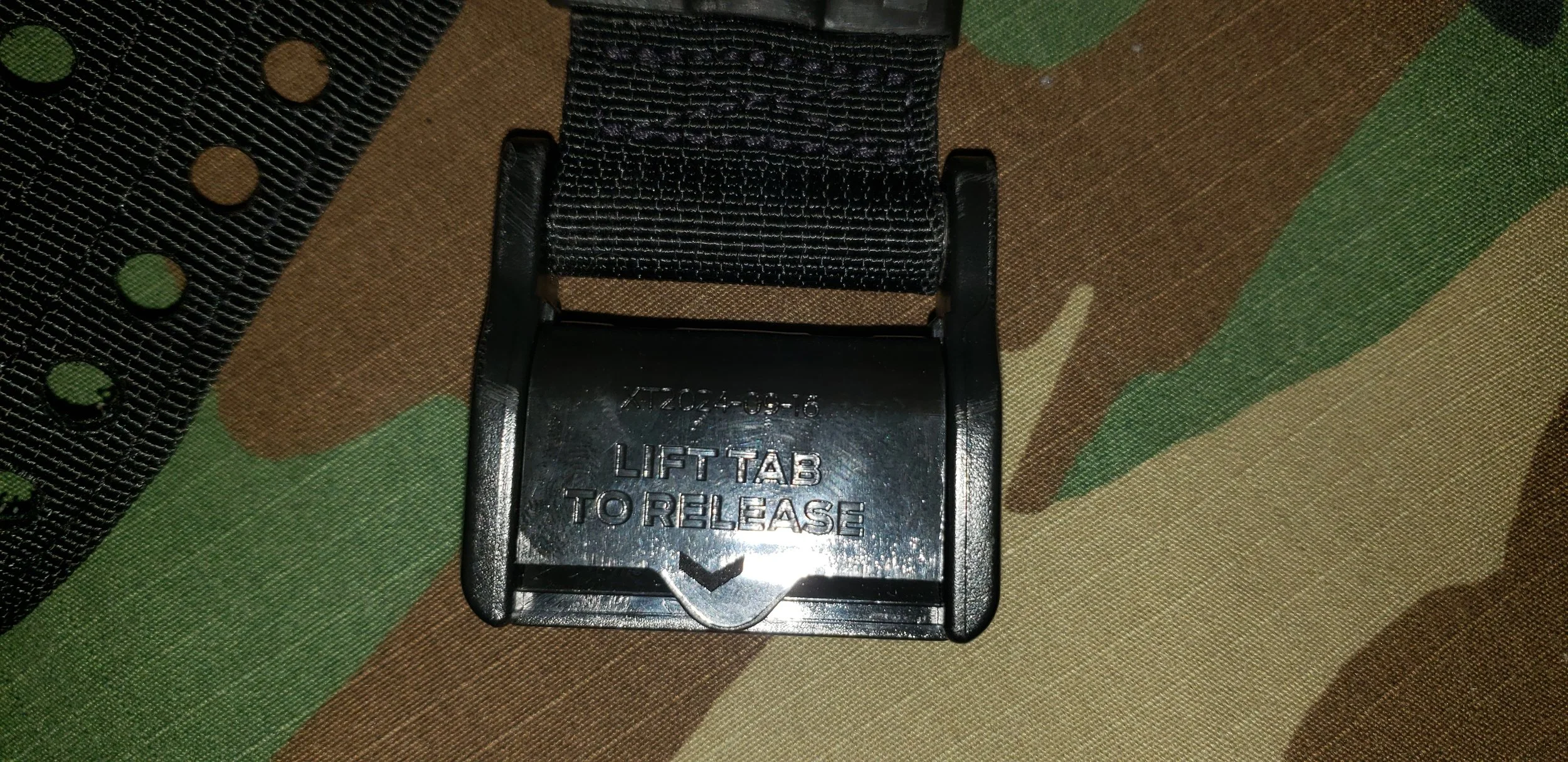
You may have heard of SAM splints, but perhaps the SAM Extremity TQ is new to you. Just as their splint is simple and effective, their TQ follows suit. The layout of the SAM TQ is similar to what you see in the CAT TQ, but with some important changes. First off, the strap is made of a thick nylon weave and has a relatively thin layer of Velcro with two columns of holes covering the length of the entire strap. The holes correspond with two prongs that stick out of the TRUFORCE buckle system. The base is made entirely of nylon and is called the TRUFLEX base, which is designed to flex around the extremity and give distributed force as you turn the windlass.
The metal windlass is knurled and is considerably long for good one handed leverage on spinning the windlass. The time strap is advertised to be compatible with NVGs so you can read/record the time of application under all conditions.
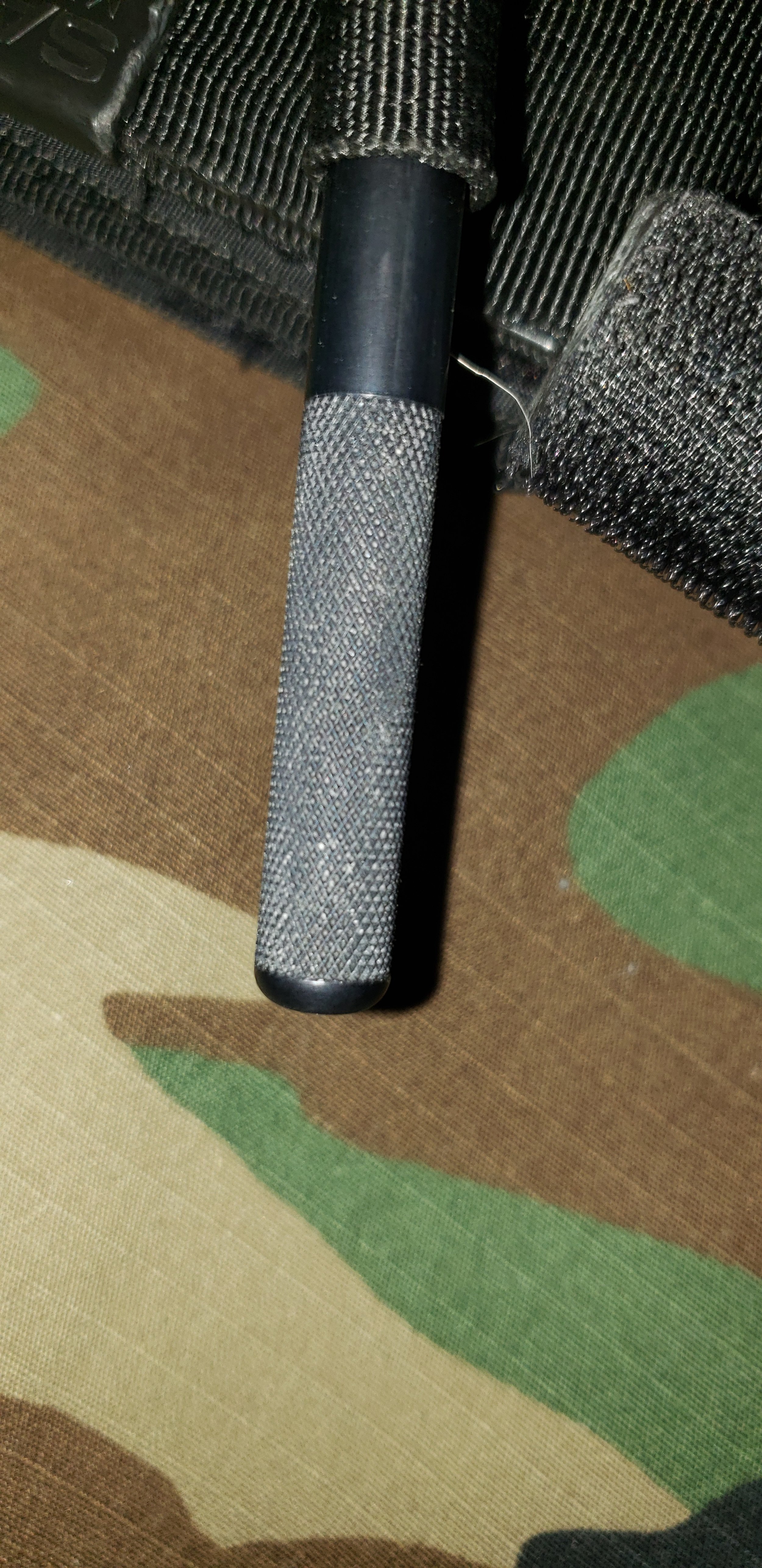
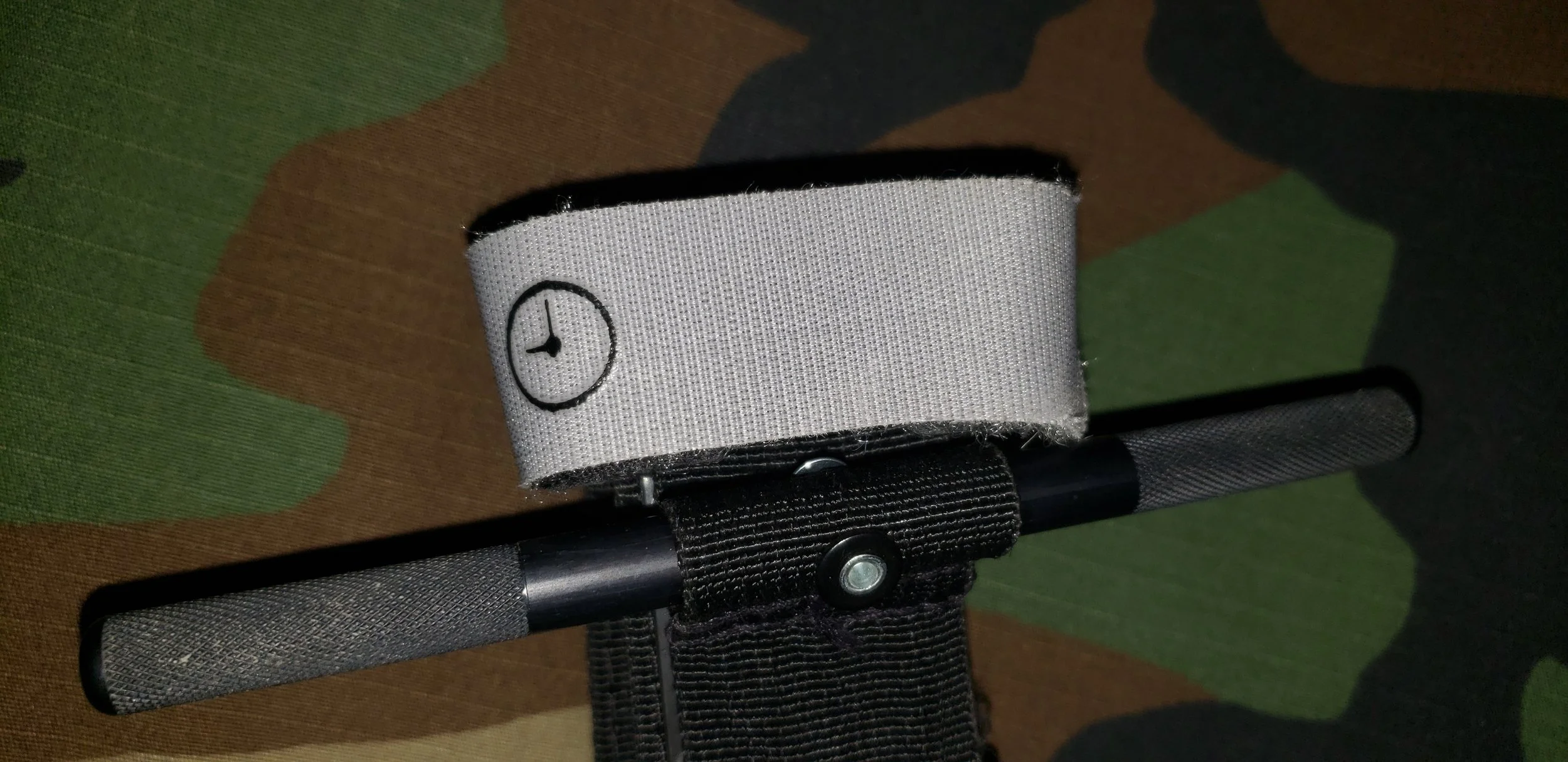
My experience with this TQ is favorable. I like the locking buckle system, which is designed to lock out the prongs once you have pulled the strap hard enough to establish that optimal baseline pressure. The Velcro on the strap just feels like a secondary source of security, which is how I use it. The TQ windlass only needed one full rotation (360 degrees) to cut off the circulation to my arms. For my leg, I found that a high and tight placement, through clothing, would result in the buckle locking down too quick, requiring me to turn the windlass 2.5 turns to make up for the clothing interference. The knurling on the windlass had this annoying tendency to snag on clothing that was loose, so I intentionally have to mind how I am turning it.
The SAM Extremity TQ is not as common as other TQs on the market, but it seems to be a good option. It is strong enough to train with it without worrying about durability, and its buckle system is rugged and keeps the TQ right where it needs to be. You can train on the CAT TQ and then use the SAM the same way, but possibly with better reliability and faster results. I will admit that the SAM TQ is stiff at first and the nylon definitely is tight around the windlass, but after a few practice repetitions, the TQ loosened only slightly and became easier to use. The SAM TQ is so thick that it is virtually impossible to fit in a pouch other than a universal TQ pouch. The buckle is just too fat, making the TQ a great candidate for a pocket. This SAM TQ is a good match for the CAT in that it has a good buckle system that cuts the time for self-application, making it just as fast as the CAT when you are done cranking against the hard nylon strap. This TQ had a tendency to pinch the heck out of my arm, creating a bit of a distraction that disrupted my training on many occasions and left me with many painful and red pinch marks.
SOFT-T WIDE TOURNIQUET
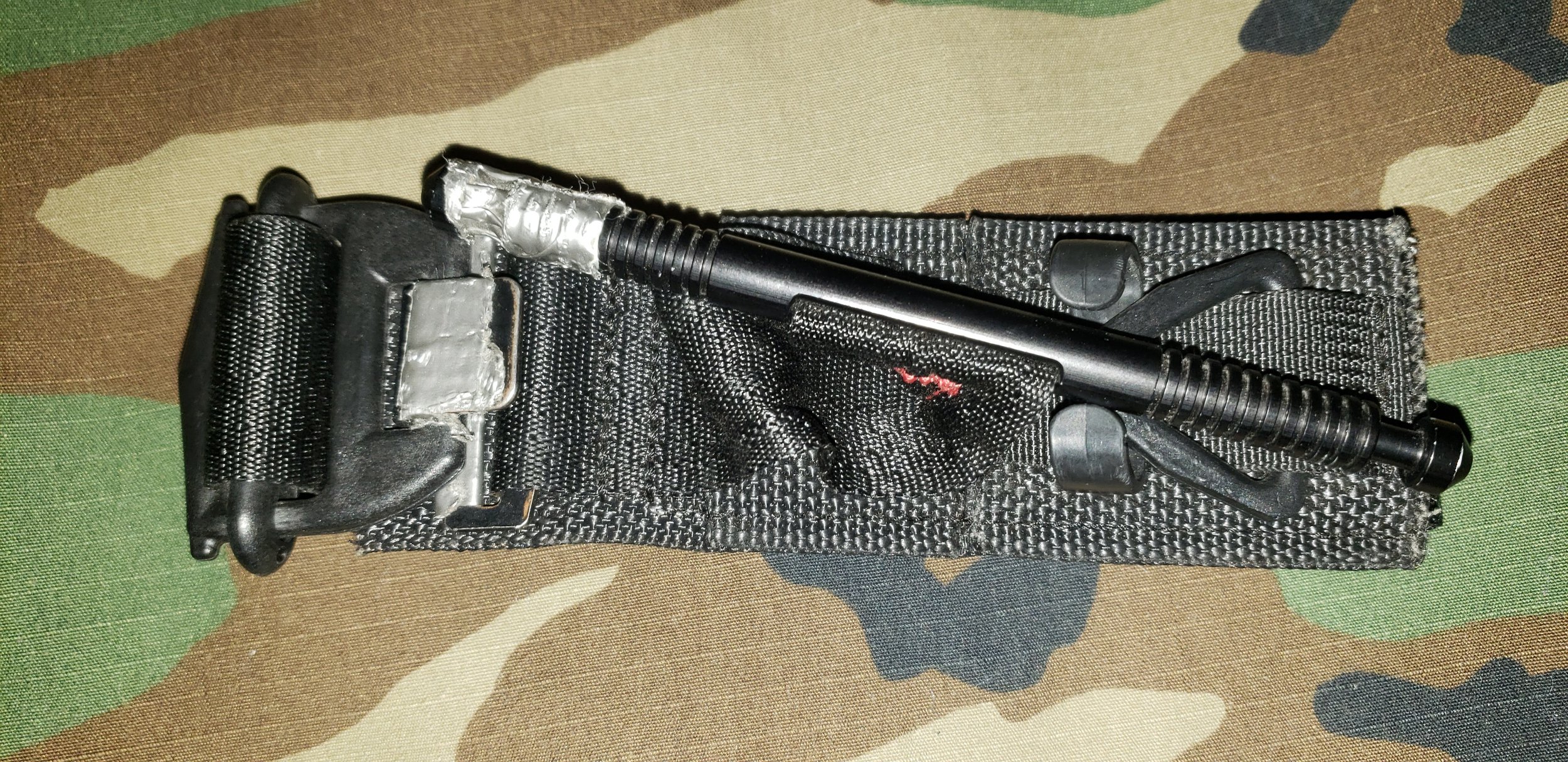
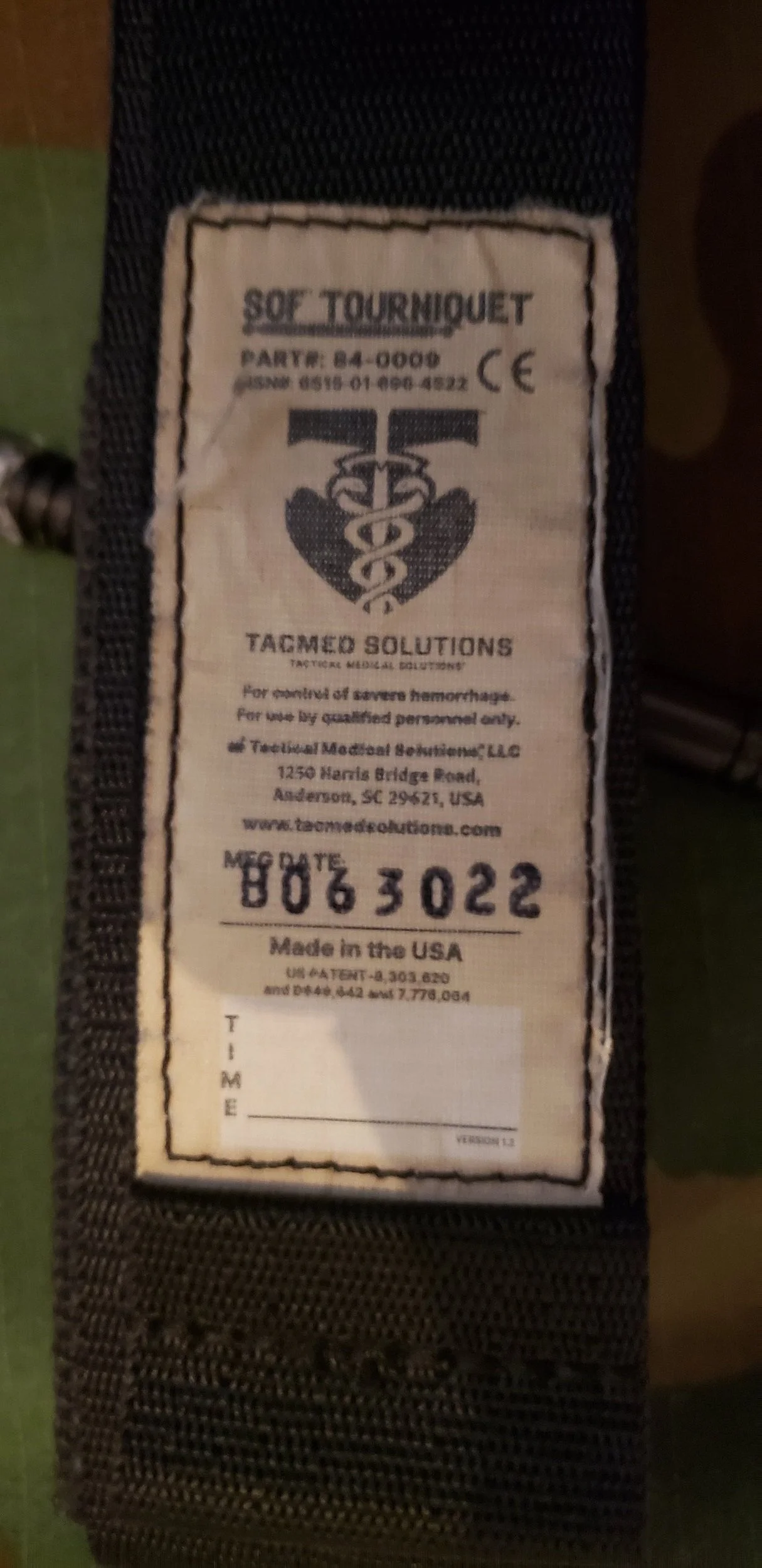
Of the tourniquets on this list, the SOFT-T wide is probably right behind the CAT in terms of popularity around the globe. It has also seen multiple generational improvements to give the design a more competitive edge. The strap on the SOFT-T reminds me of a seatbelt strap. The buckle system is more of a tightening tri-glide and the buckle holds onto a metal hook that is strapped to a thick nylon weaved base. The bottom of the base used two tracks of weaved-in rubber for keeping the TQ in place. The windlass is a coated metal with texturing for grip. The method of securing the windlass is a thin polymer hook system coupled with a hard polymer triangle that holds the windlass on cutouts in the windlass. The time is recorded on the end of the very long and generous strap, in a small area at the bottom of the label.
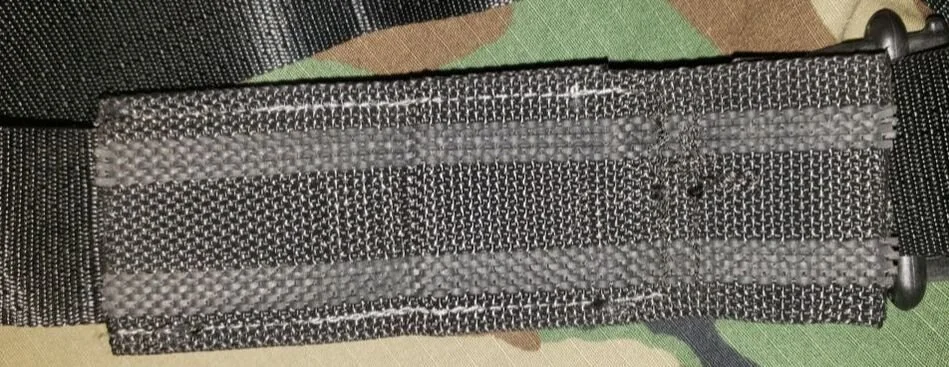
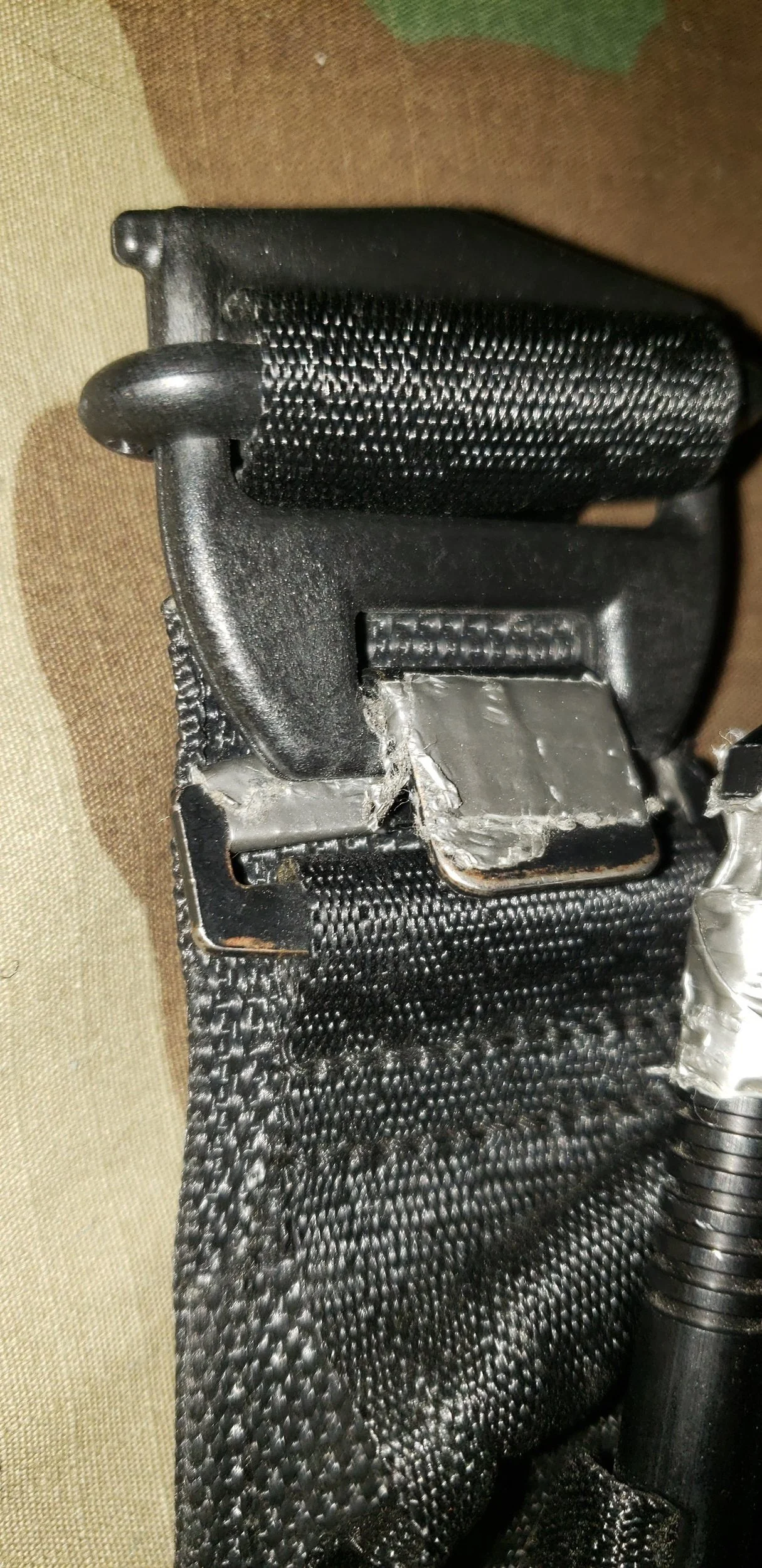
This tourniquet is very small in profile, but it has an issue with being loud and clanky. I use strips of duct tape to soften the clanking when the tourniquet is in my cargo pocket. The generous amount of strap allows this TQ to be used on a large variety of individuals. Also I will note that the weaved base is very flexible, allowing the TQ to form around the extremity immediately. You will make your money by securing this tourniquet tight with the strap before turning the windlass. In some cases, the windlass is hard to turn once you are almost completely occluded because of how rigid the strap is and how much of the strap is rolled up during each turn. This tourniquet is great to train with and use, and its buckle system is very easily held in place for a long time without flex, thanks to the tightly woven strap and base.
The biggest problem you will experience with this tourniquet is getting the strap tightened sufficiently. The rubber on the base can help you ratchet the TQ into place. However, the rubber can work against you because it may secure in place outside of your reach when you mount it on your arm. Also, the windlass is a bugger to turn when occlusion is nearly achieved. The triangle is hard to secure the windlass in with one hand, lending the small wings to be a good design addition to help hold the windlass tension. You will want to practice a fair amount with this TQ to get fast. This TQ is very fast to reset and prep, lending it to be a good value for training and usage.
TOURNIQUET TRAINING STANDARD
I test and train with my tourniquets by conducting self-application under a time of 30 seconds with my eyes closed. This means I will have to do one-handed applications without sight and often with gloves on. I will confirm occlusion by checking distal pulse and usually getting tingling in my hand/foot is a good indicator. This is the standard I have for myself. I will start training with the tourniquet in my pouch or pocket, engaged in shooting. On the beep, I will seek cover and then deploy the TQ appropriately for the extremity. I say all this because I want to illustrate my standards for performance for a tourniquet I am going to use, and so you understand how these tourniquets are being used.
Ultimately you are going to have to use your best judgement to decide which TQ is right for you. You can get a CAT that is pretty much a single use TQ but easy to use, a SOFT-T that stores small but needs some training to be fast, or a SAM ET for performance similar to the CAT but with a slight improvement. These tourniquets all cost about the same amount, so price is not going to be a game changer. It all depends on what you want.