ROCKY S2V PREDATOR BOOTS: THE IDEAL RUCKING BOOT
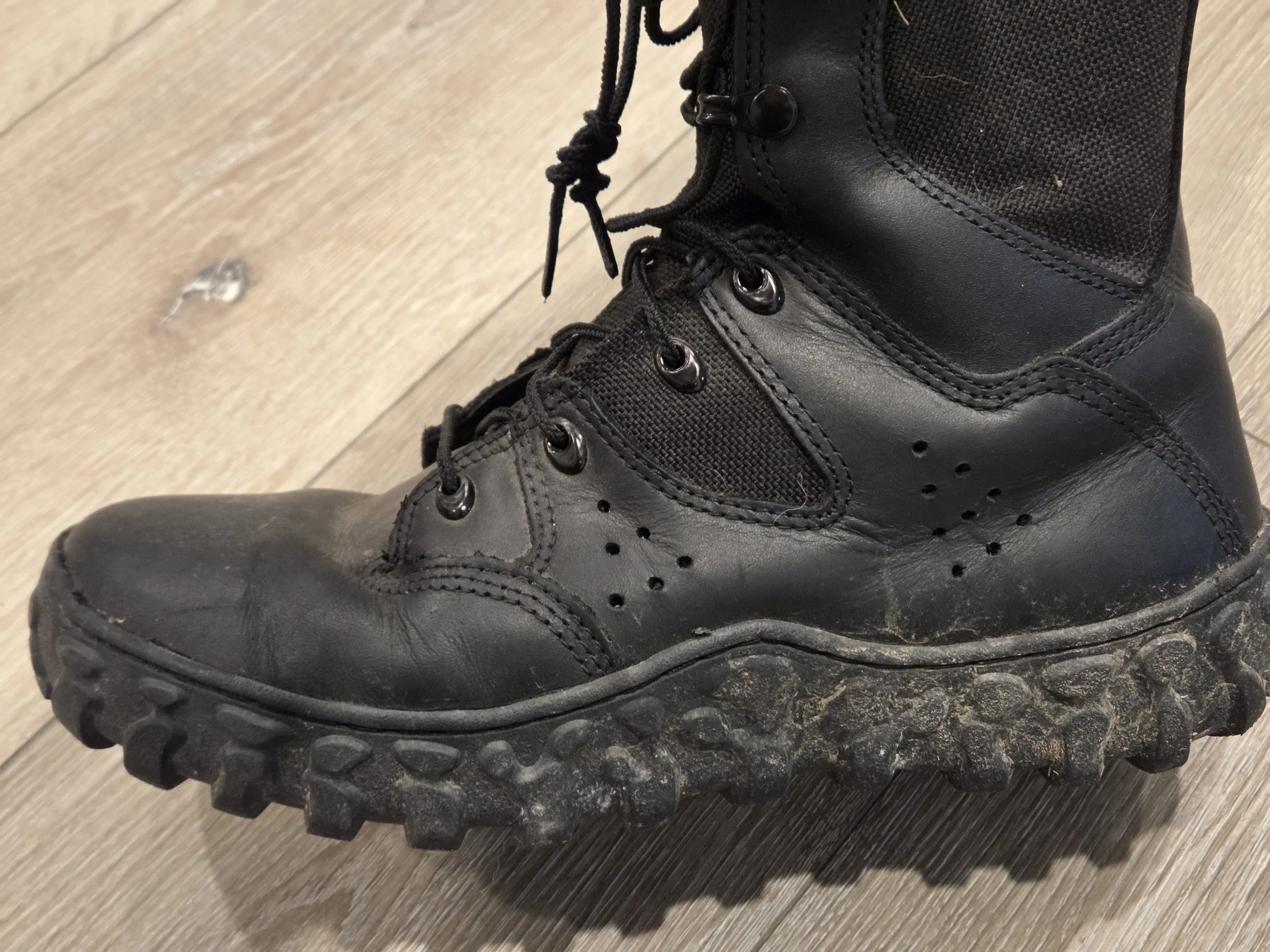
Rocky boots have a good reputation for being high quality, tough, and comfortable. In fact, some people in special operations credit the Rocky Predator boots with being the best boot for heavy ruck marching. The boot has numerous features and designs that make it ideal for this application, and general infantry usage. I have a good number of miles on the tan predator boots I own, and I have noticed a few things about the boot that make it one of my favorite types of boots to wear in the field or just on a leisurely ruck march.
MY EXPERIENCE WITH BOOTS
Let me preface this article by making the audience aware that this is not a review on the boots from the perspective of a boot snob or someone looking to rate it based on every little thing. I wore Danner boots that I was issued in the Marine Corps Infantry, and I have been on quite a lifelong journey to find good boots. I have a good amount of experience in looking aty boot design and finding what works and what will be bad for you, but I will not geek out here.
I am doing this review strictly from an end-users perspective as someone who laces up and goes into action as a layman. I will not bother you with the drama surrounding metal versus polymer eyelets, or specific provided laces and such. I will keep it simple and talk in plain language here.
So again, do not go into this thinking I am going to cut the boot in half and give you a cutaway idea of the construction and why it should be bought or avoided, like Rose Anvil on YouTube. I will simply give you my experiences based on wearing these boots. If you want to get insights on how to take care of boots or maintain them and look for specific features, I will have an article in the TTPs section for boot selection. The selection process I use is the only time I geek out of boot design. Other than that, a review is not the place I will do it.
MY SPECIFIC TEST BOOTS
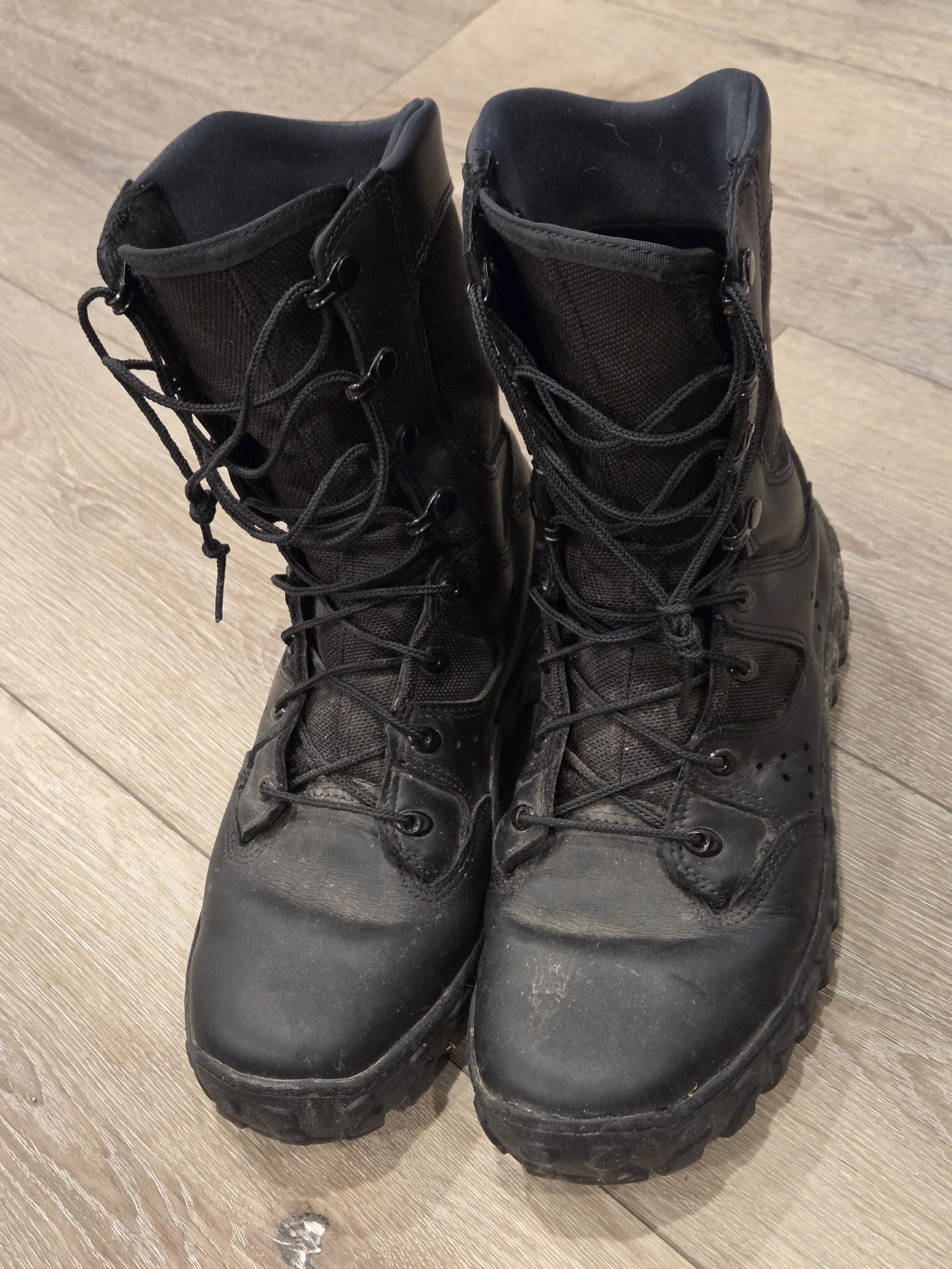
The specific Predator boots I tested for the break in are the outdated style #RKC075, which seems to have been replaced with the newer version of the Predator boots. However, I originally got acquainted with the Predator boot through my tan version. The tan version of these boots, the #RKC072 are still in production as the earlier generation boot and are slightly less expensive than the current generation. Regardless, my experience is specifically on the S2V military Predator boots, the Black and the Tan versions. I imagine most people will want and be able to find the tan versions easily.
FANCY FEATURES
These boots seem to be made from the ground up to be used as a rucking boot. The sole is not only glued on, but sewn on as well.
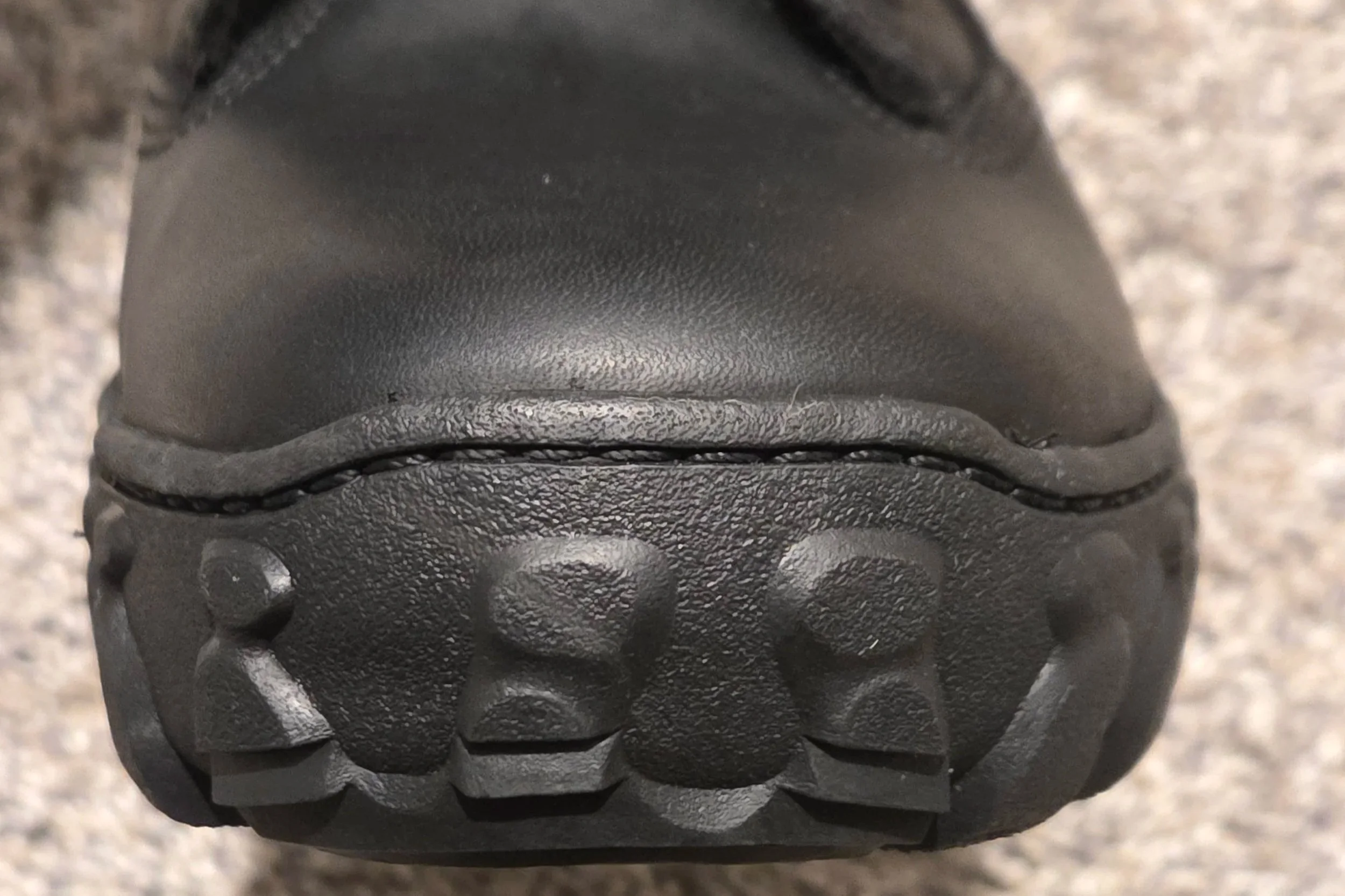
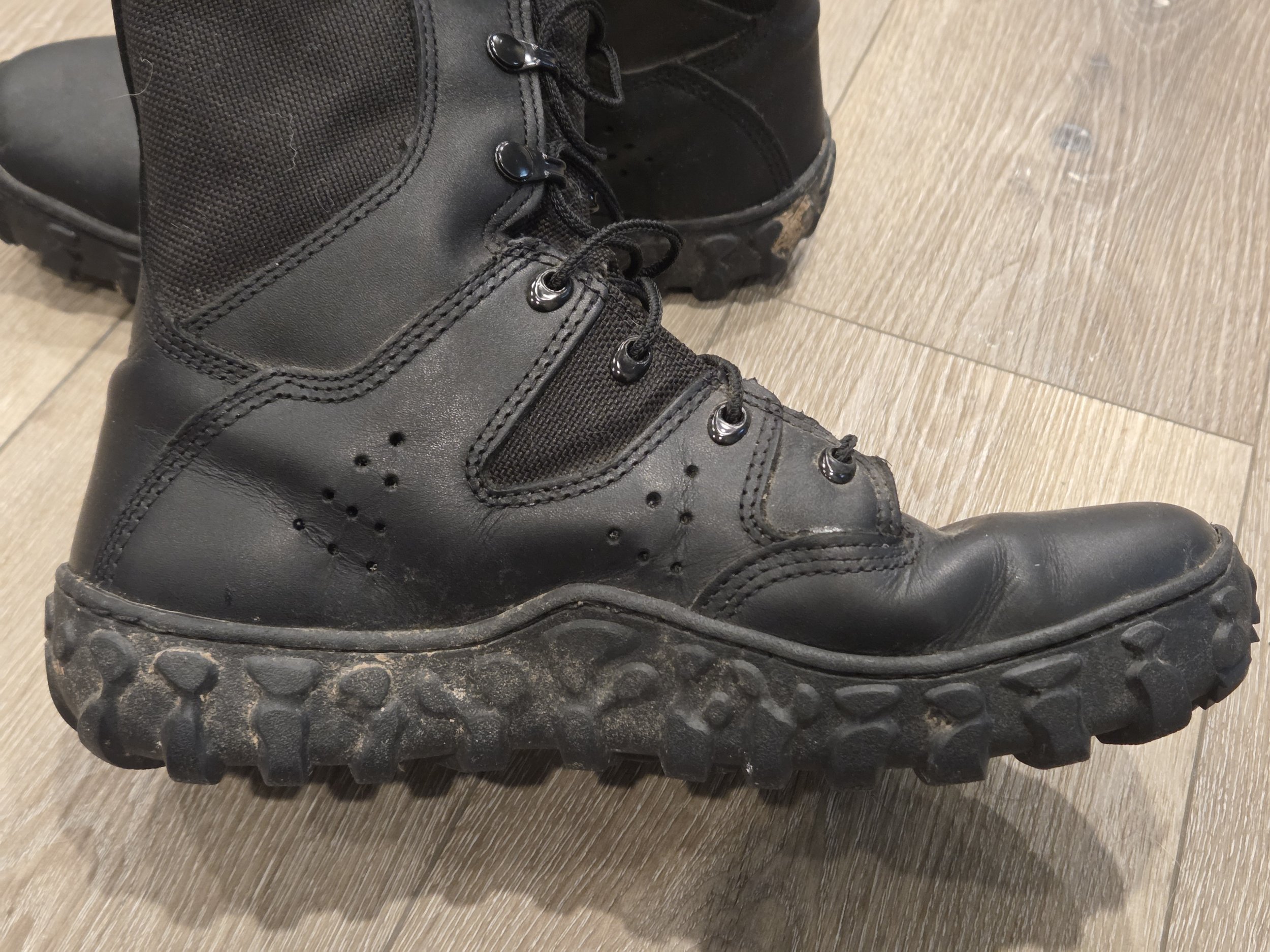
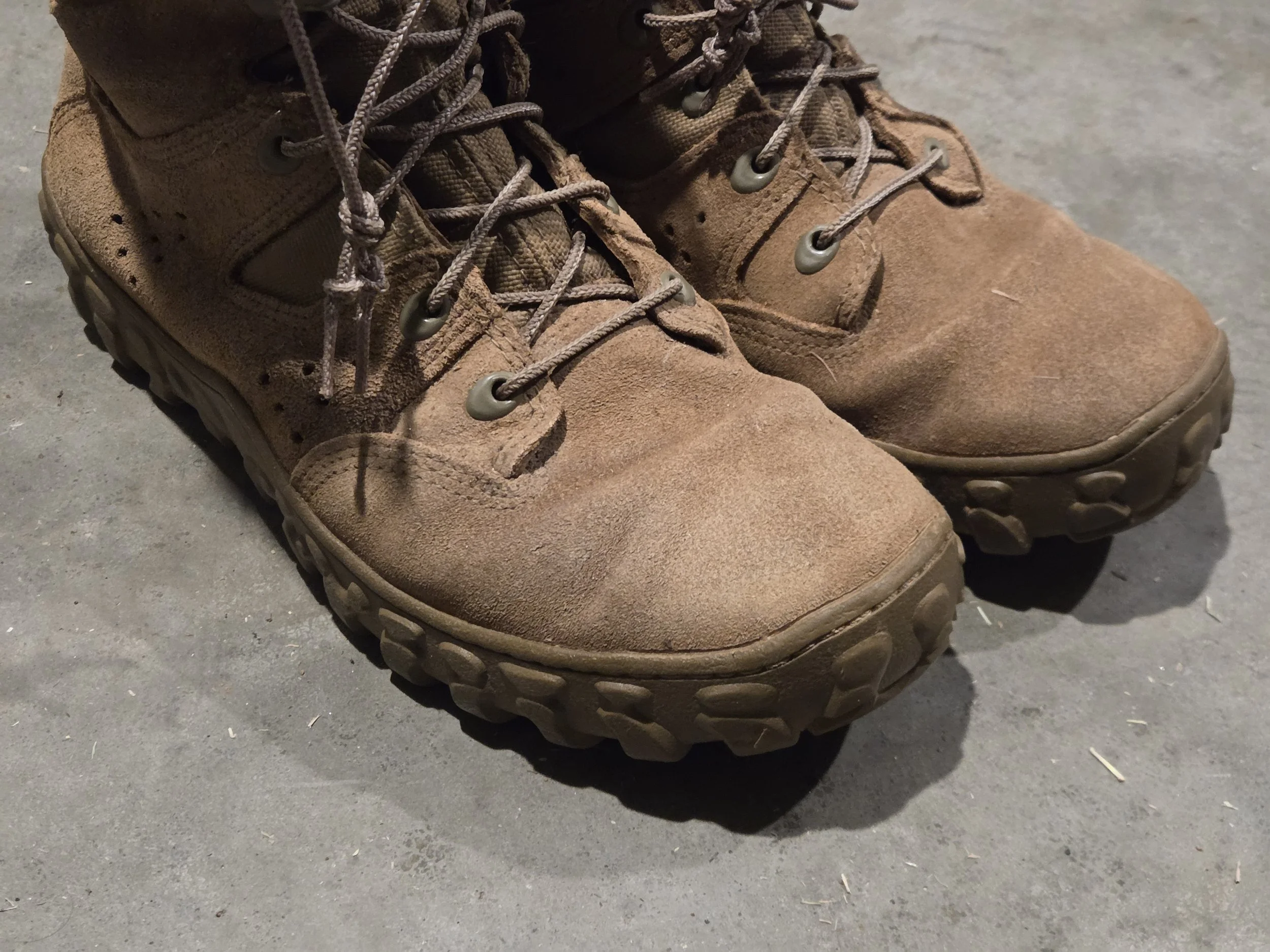
The recessed stitching around the front is a huge life saver since kicking with your toe is a common occurrence, and can wear the stitching out quickly.
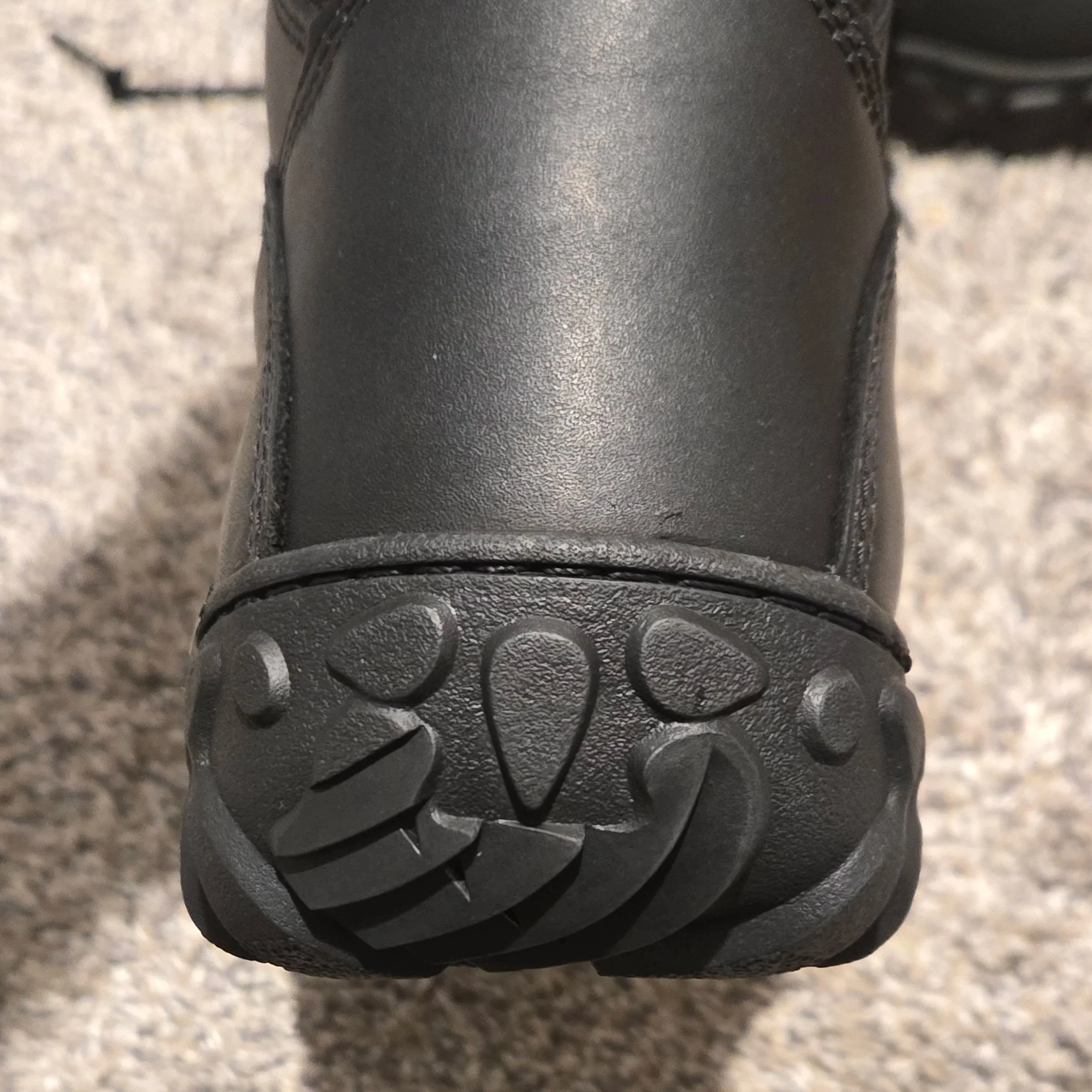
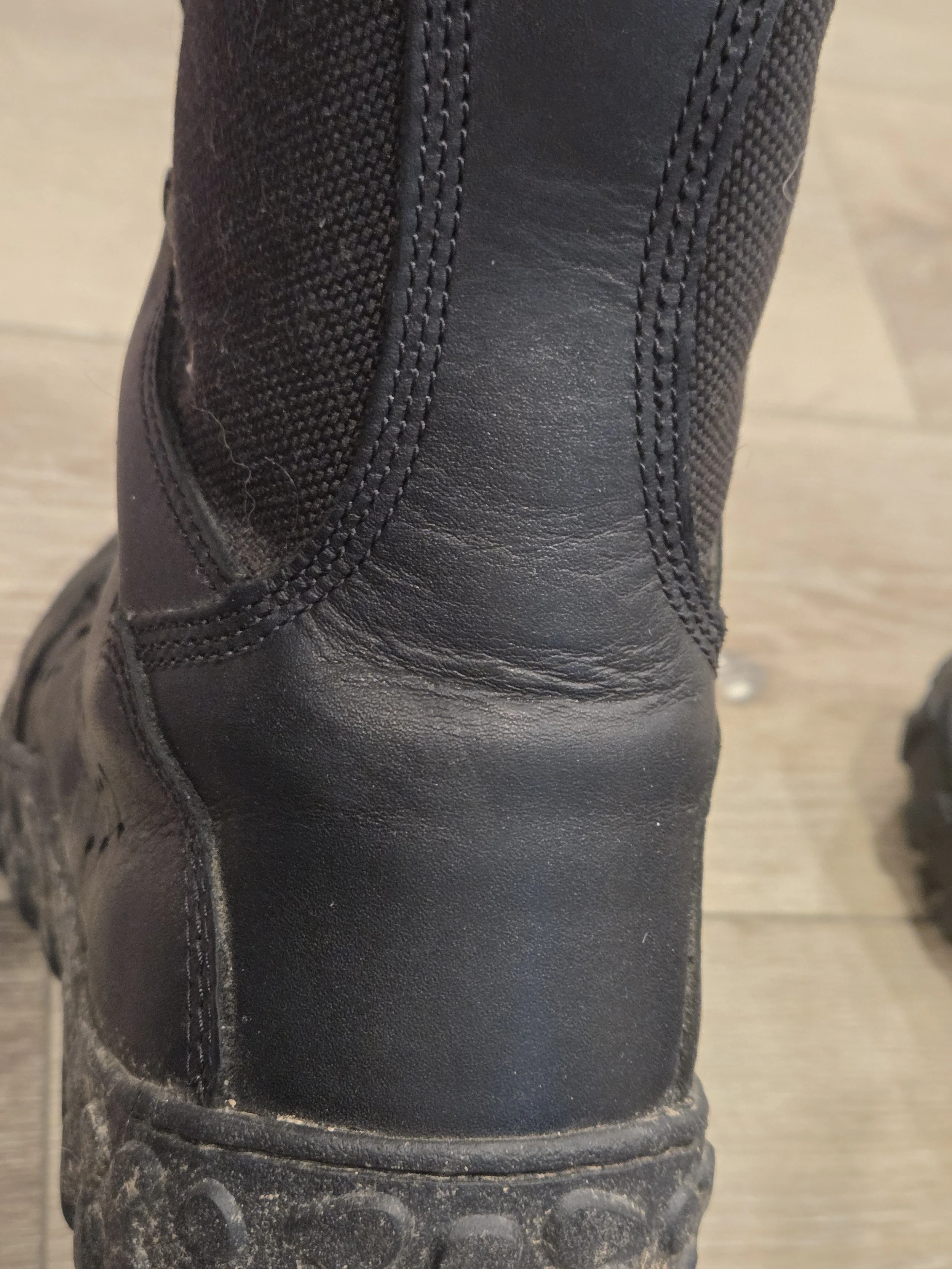
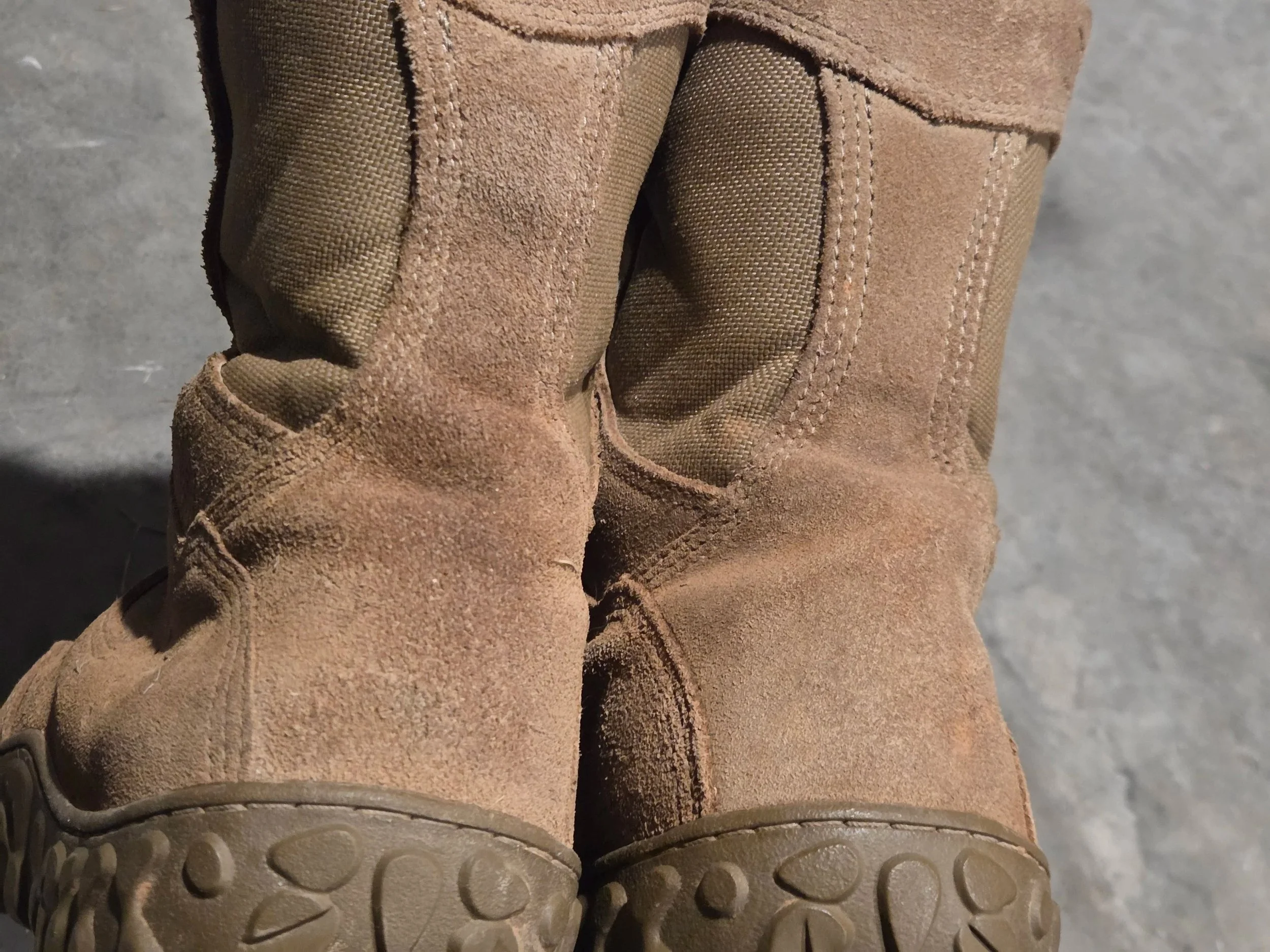
The recessed stitching on the heel region is equally important since many boots will delaminate from the heel, such as the original Jungle Boots from the Vietnam War era.
The inside of the boot is breathable and contains a separate flexible and fast drying sheet of fabric, which helps keep your feet from building up hot spots.
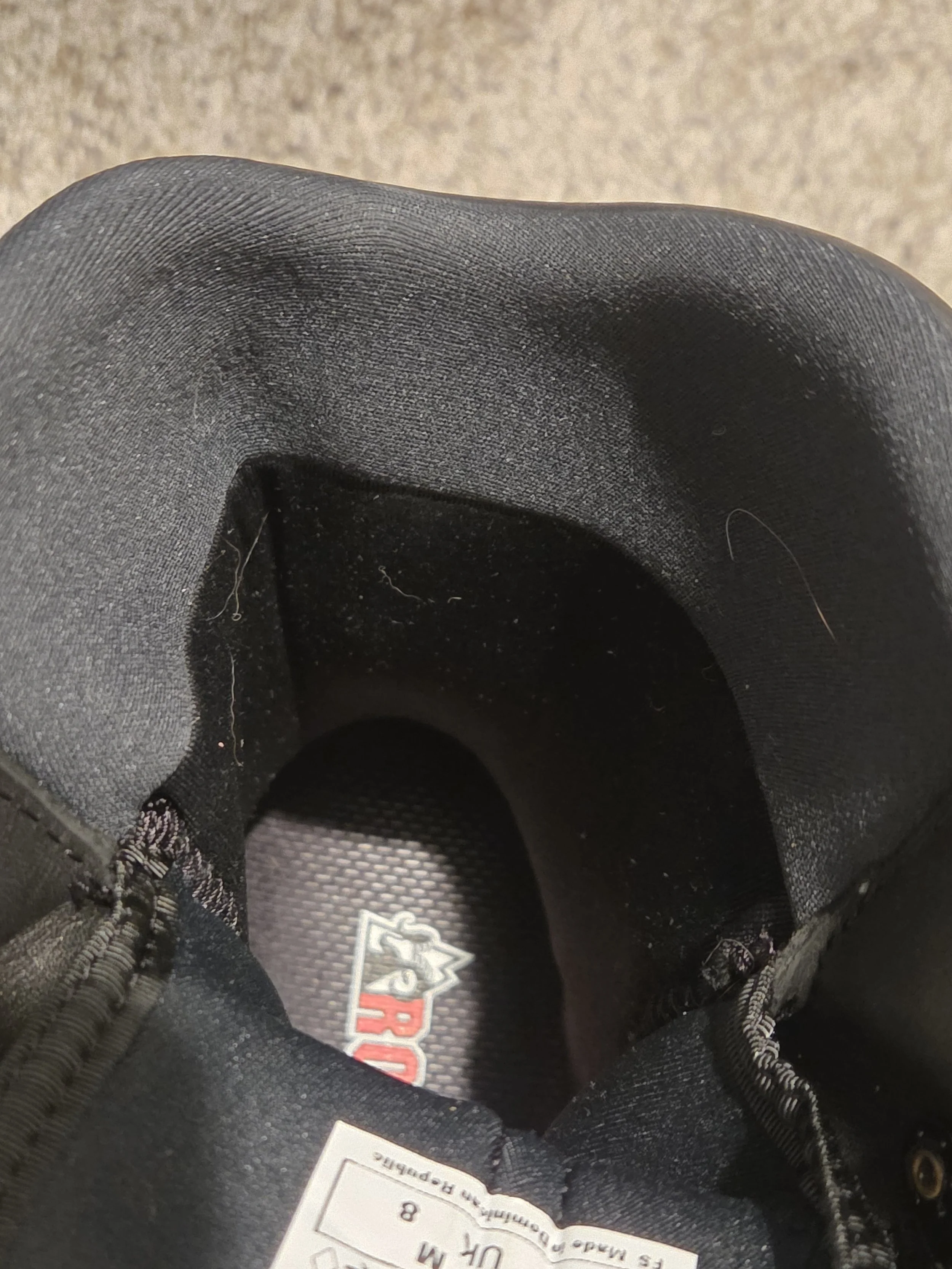
The patented breathable fabric fully wraps around your foot like a comforting pillow that breathes as you walk.
The walls of the boot are mildly stiff and cushioned, which helps support your ankle and stabilize it from sudden twists on uneven ground.
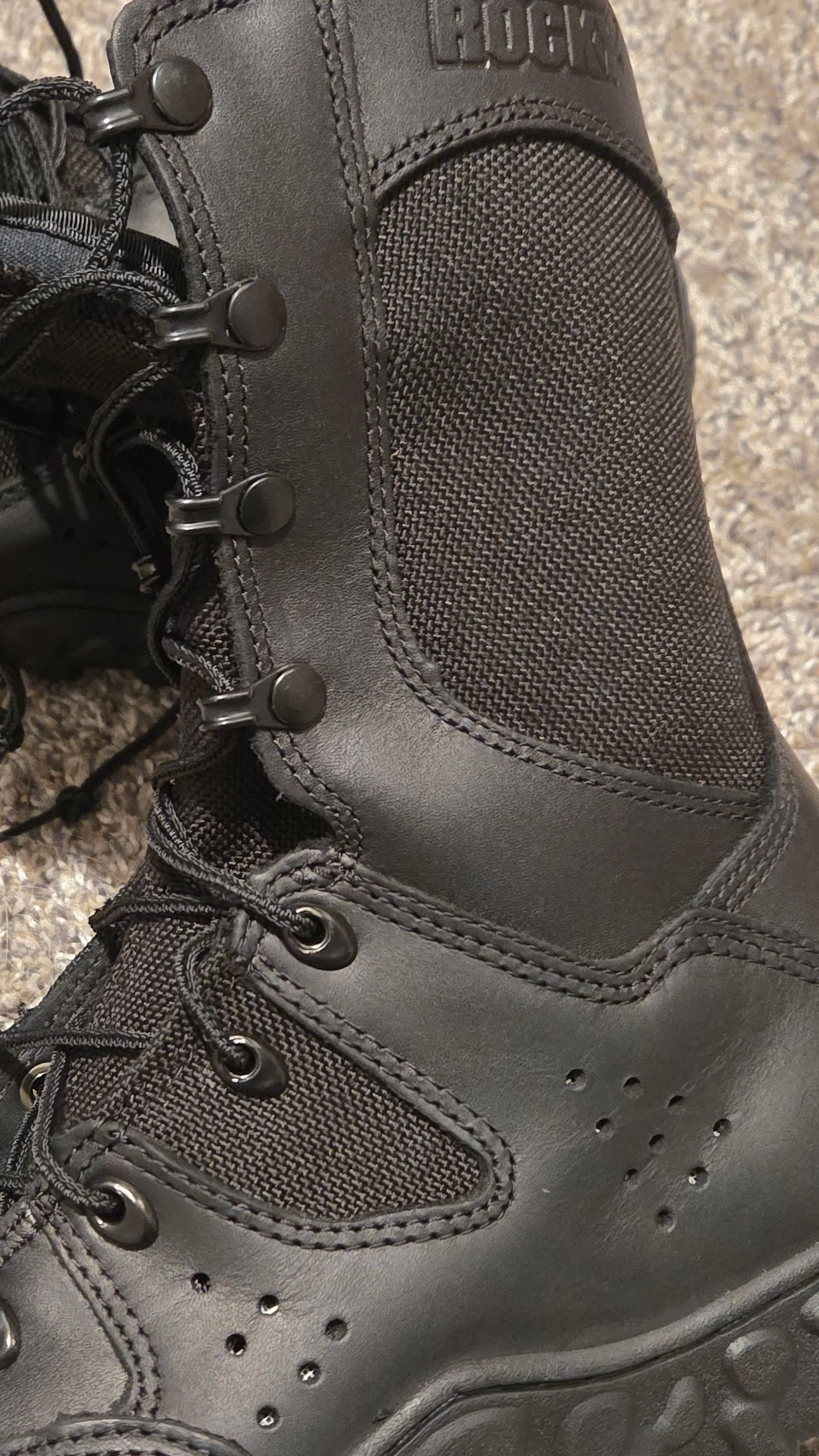
Due to the inner lining and the thick nylon walls, the ankle support is just right without compromising articulation of the ankle too much.
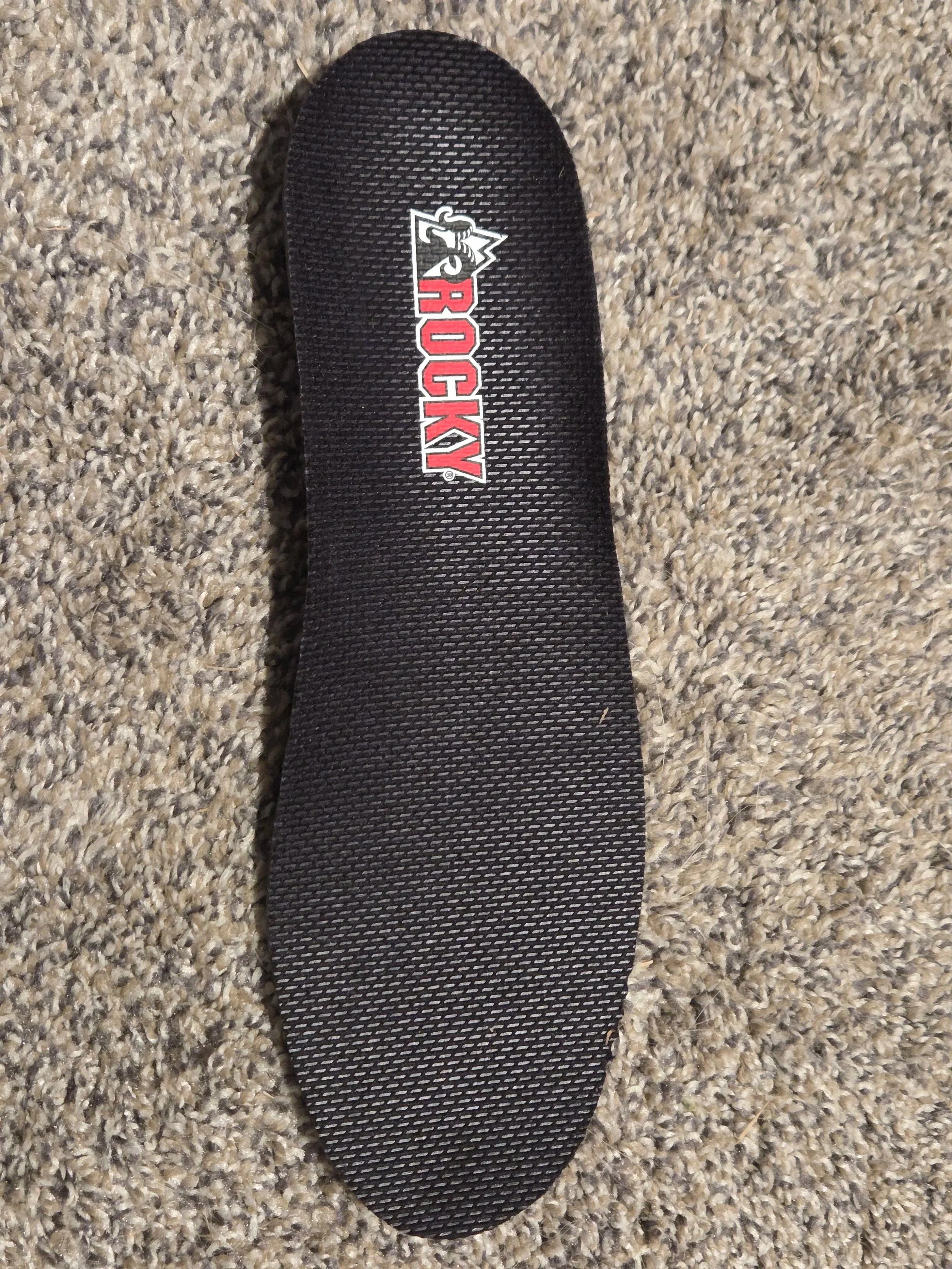
The insole is well cushioned and provides a nice gel-like surface to absorb the shock from your walking.
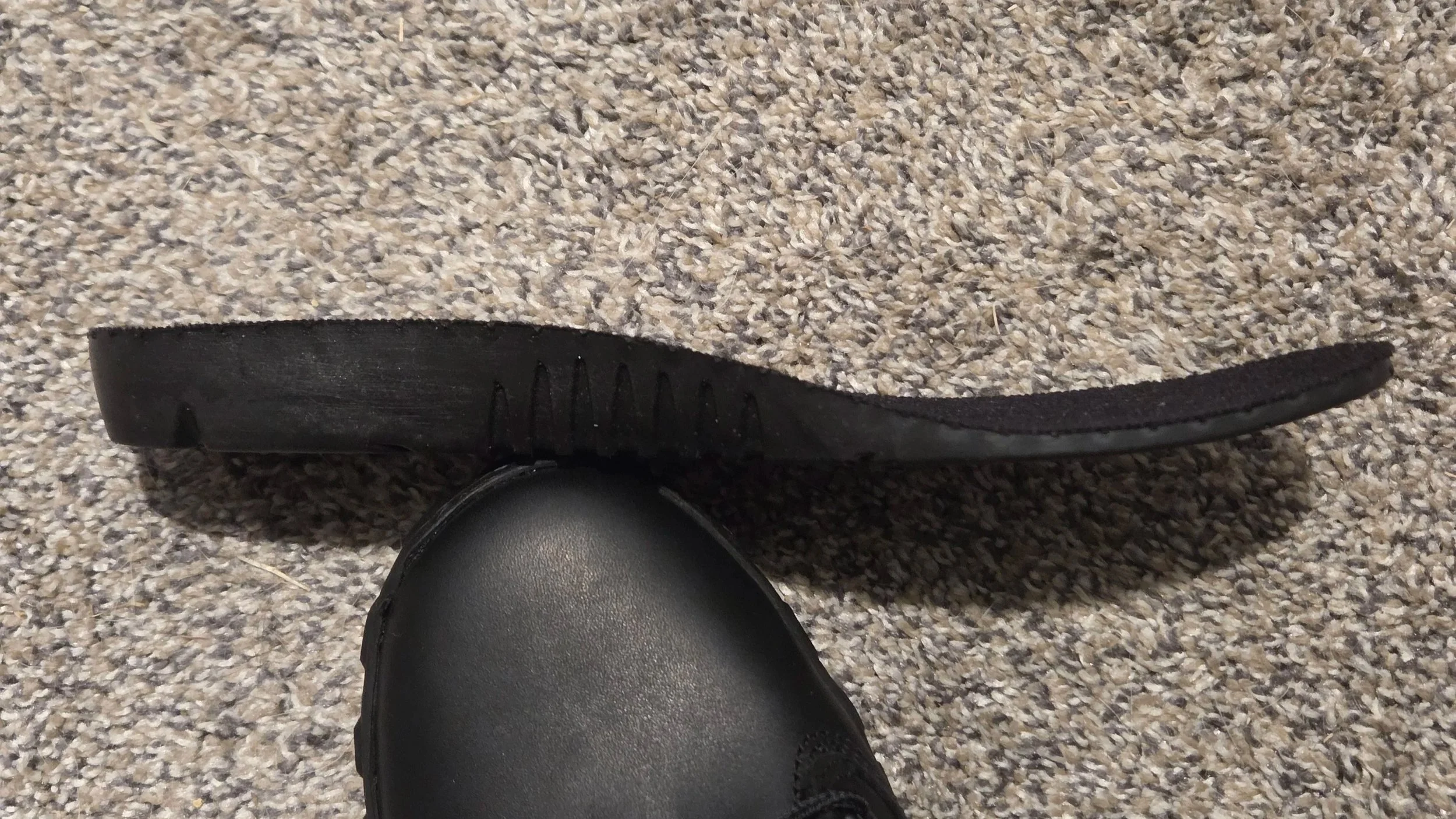
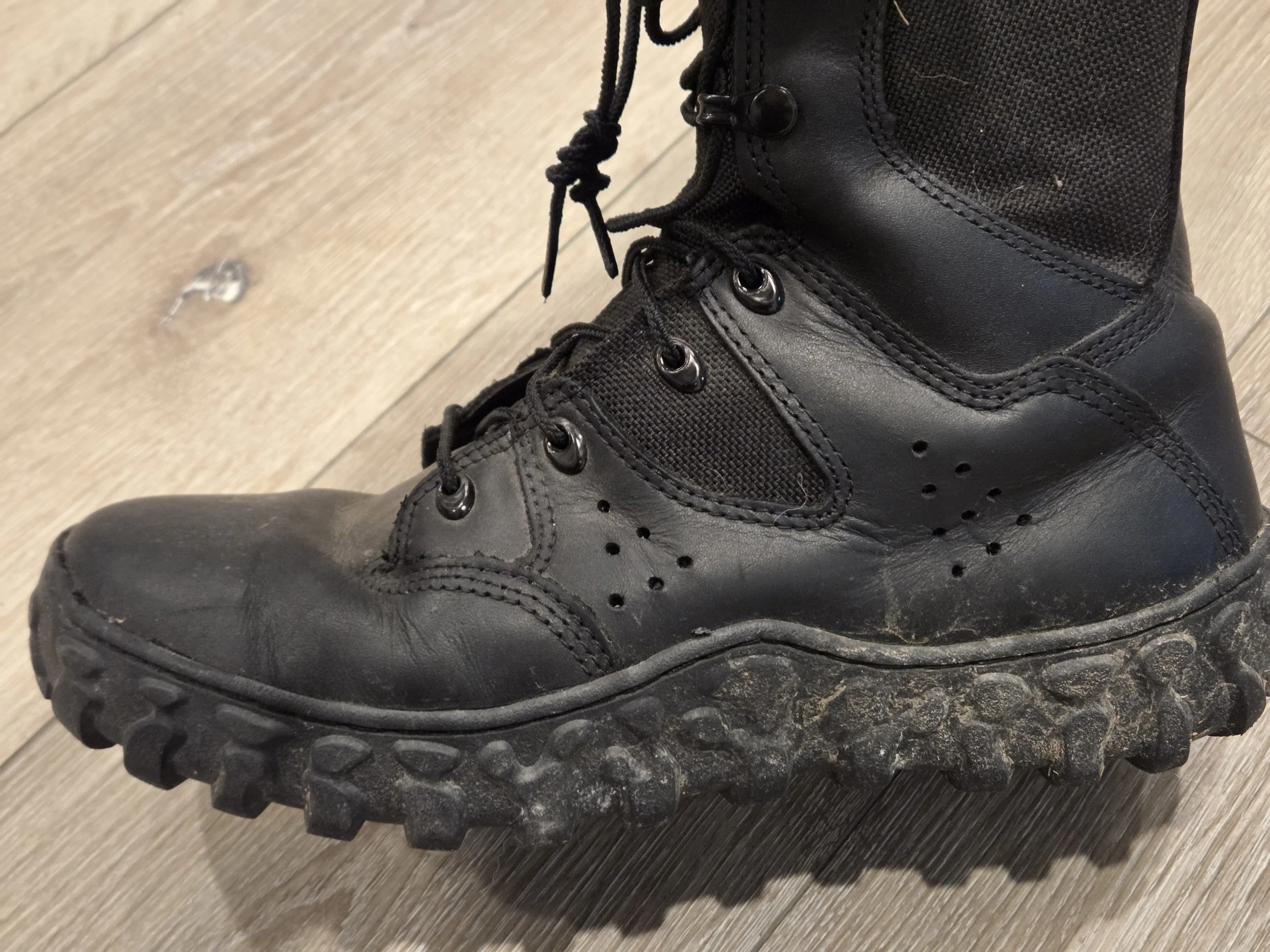
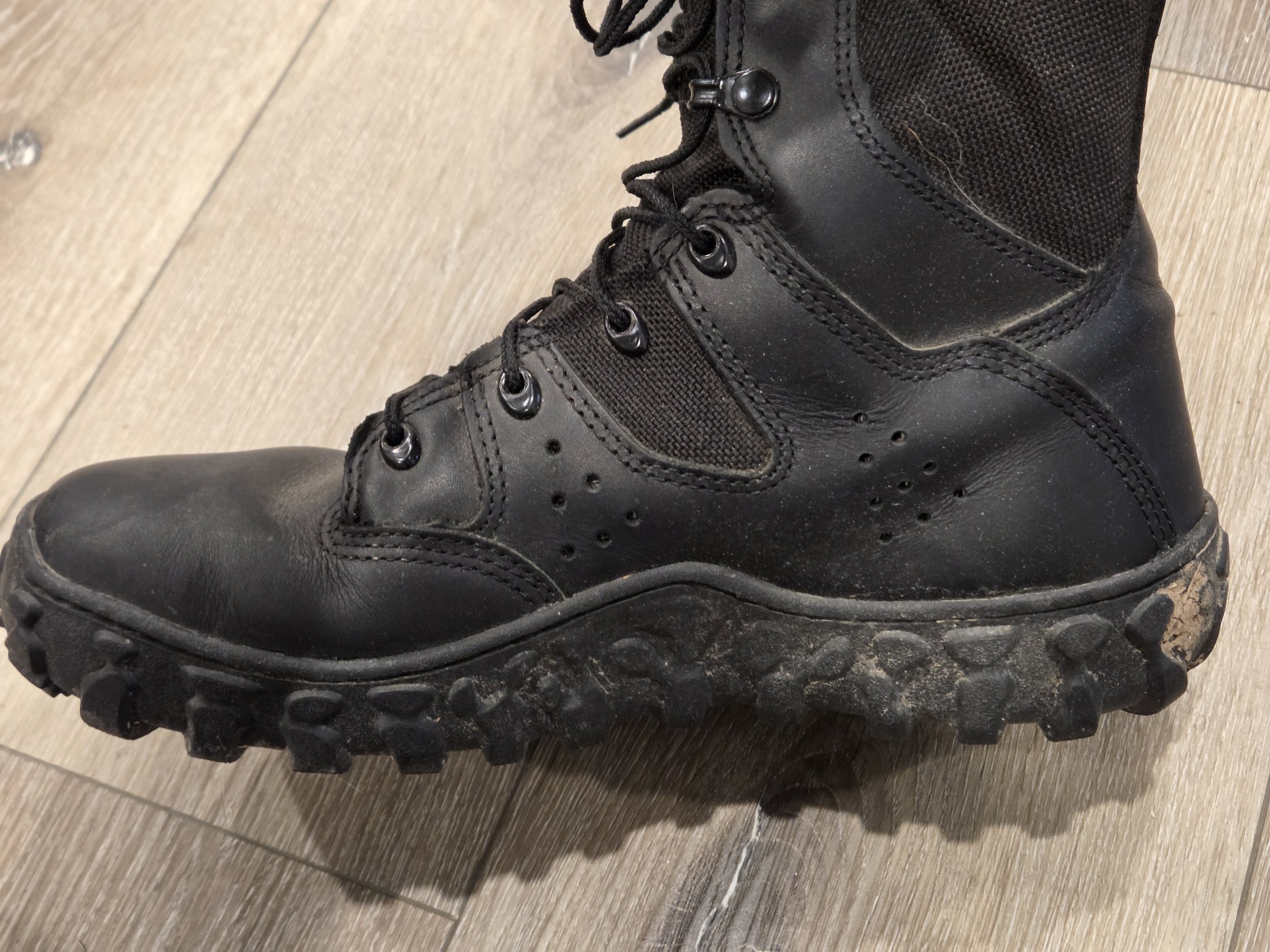
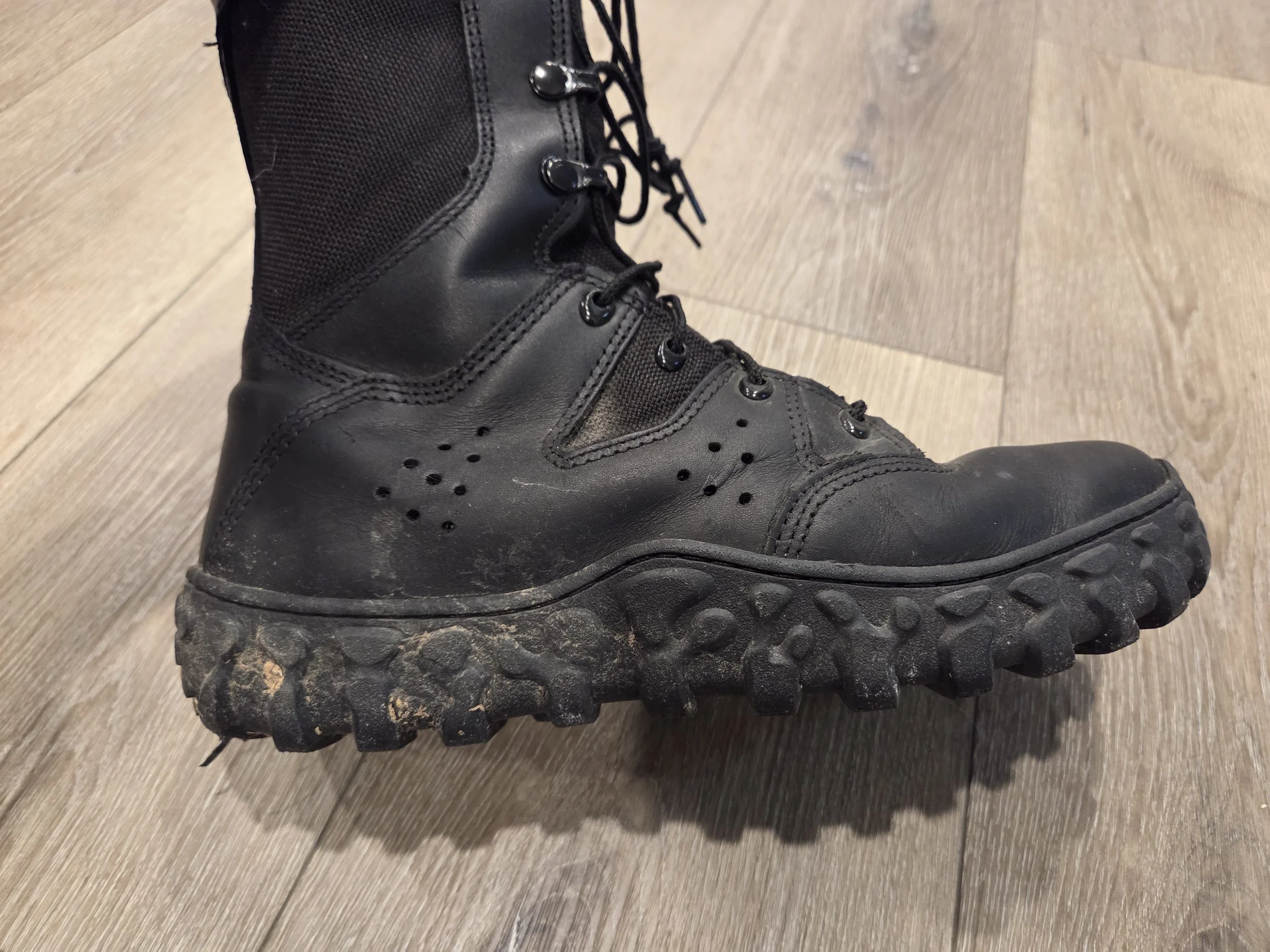
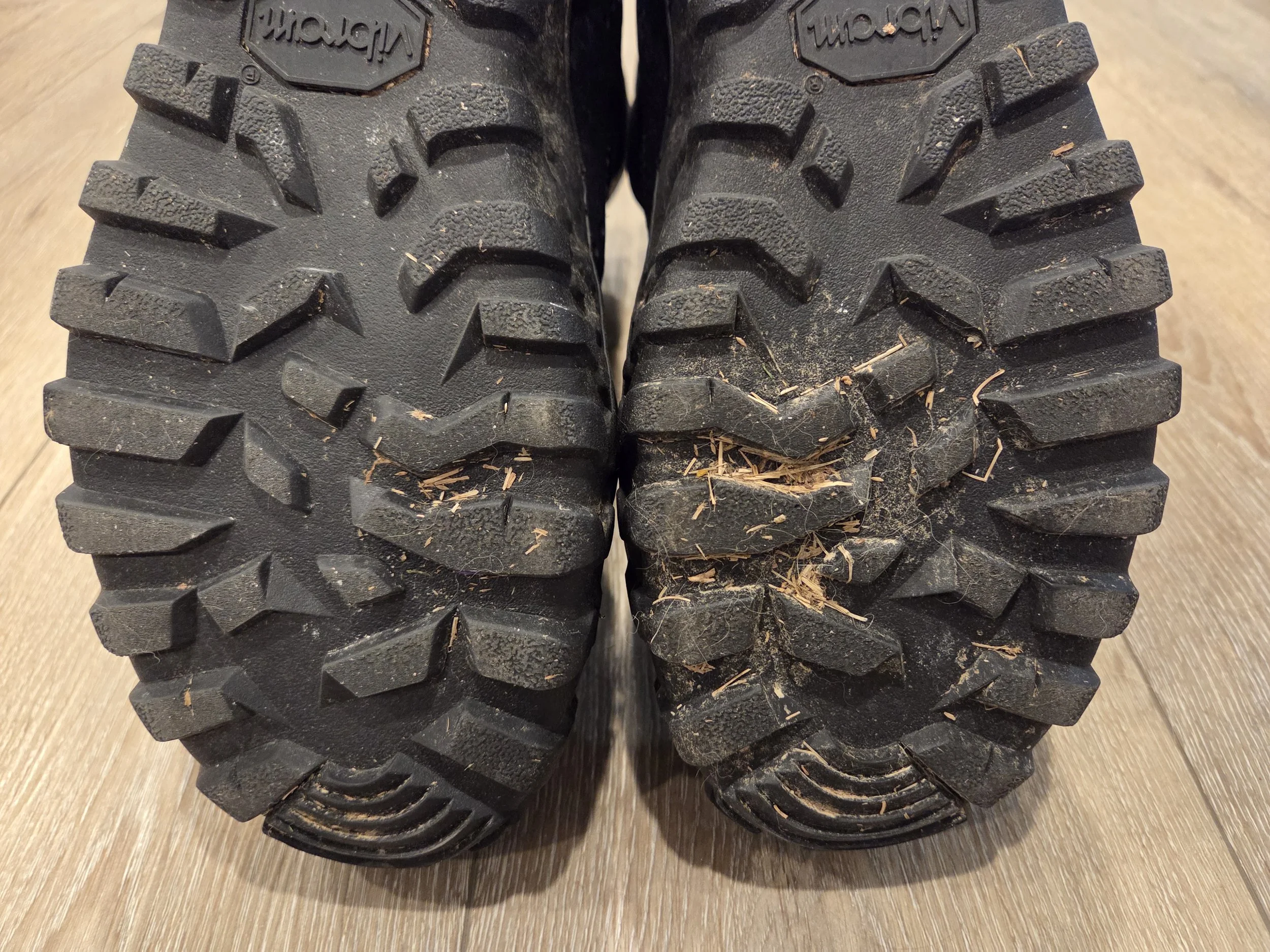
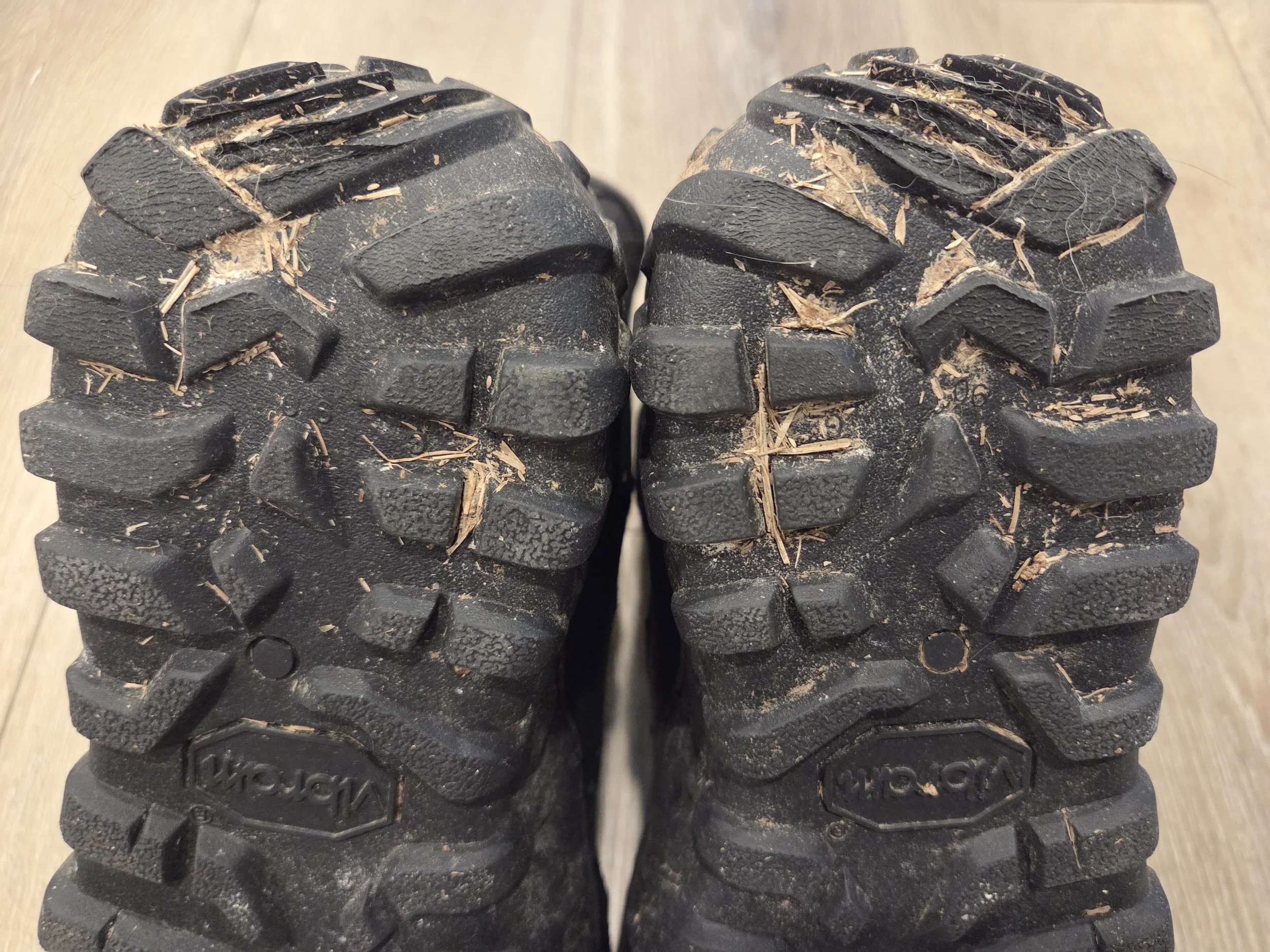
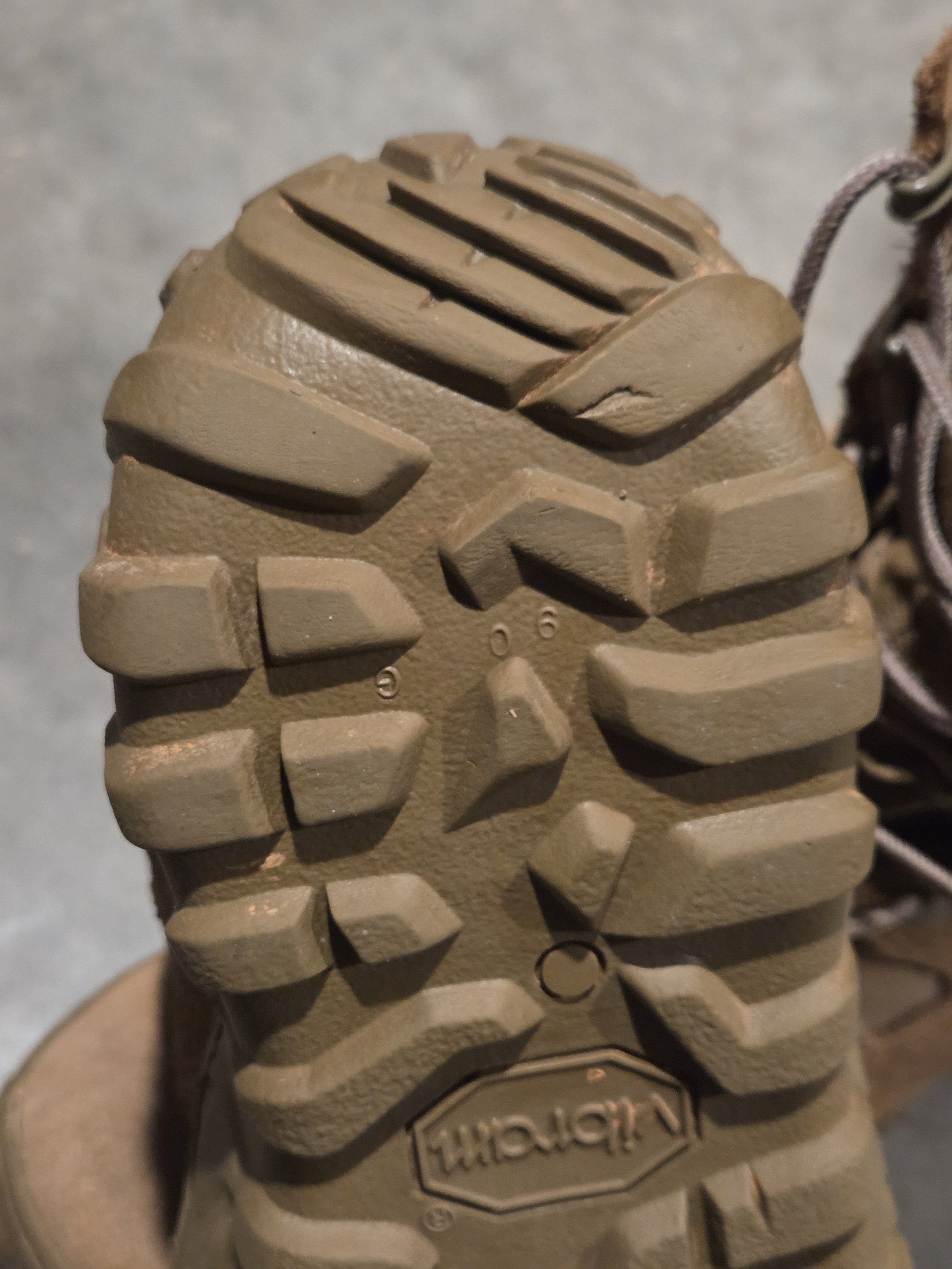
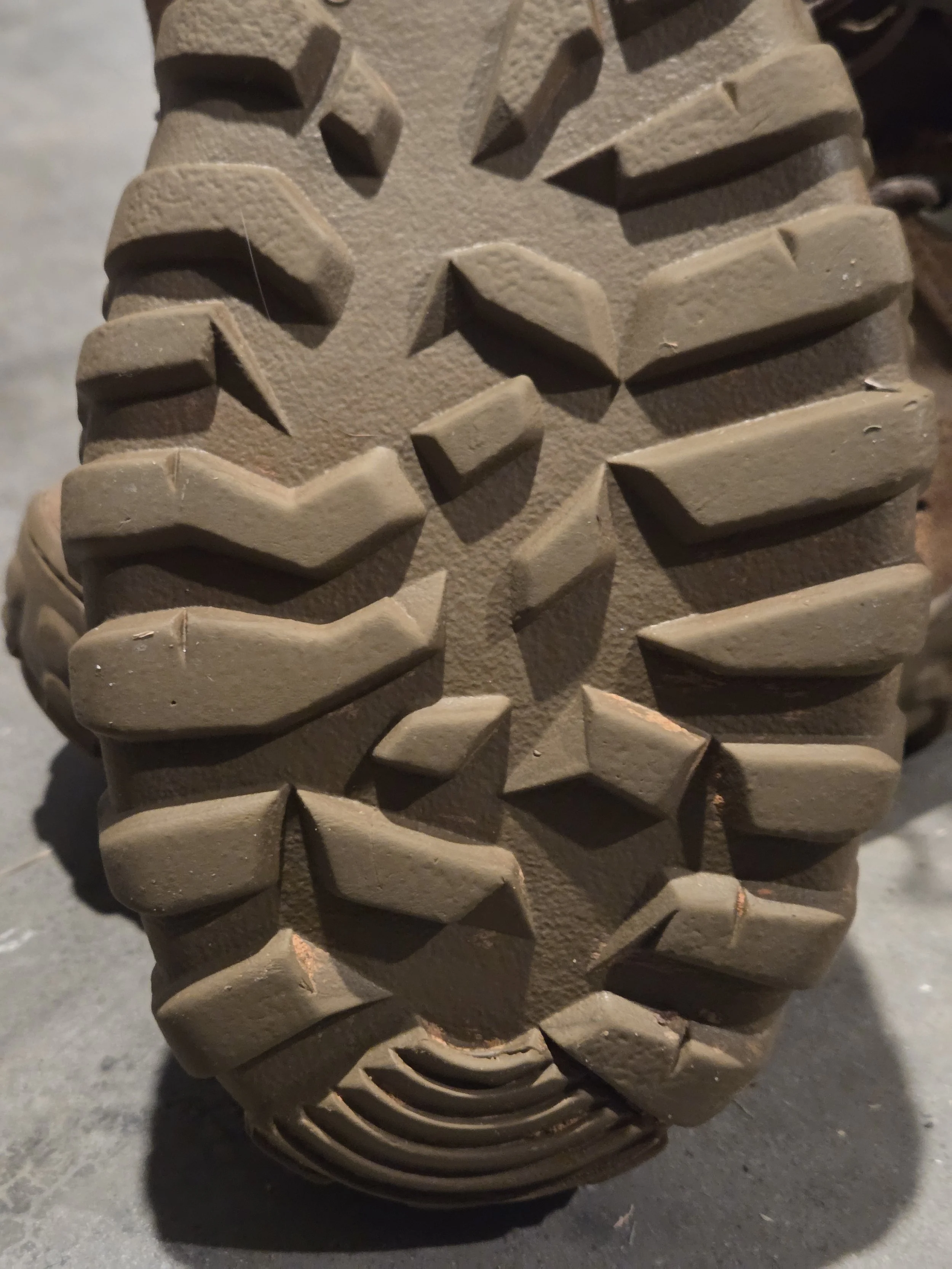
The sole of the boots are the sweet spot for me because they have that cool pattern that is supposed to give traction without allowing clingers like mud and debris.
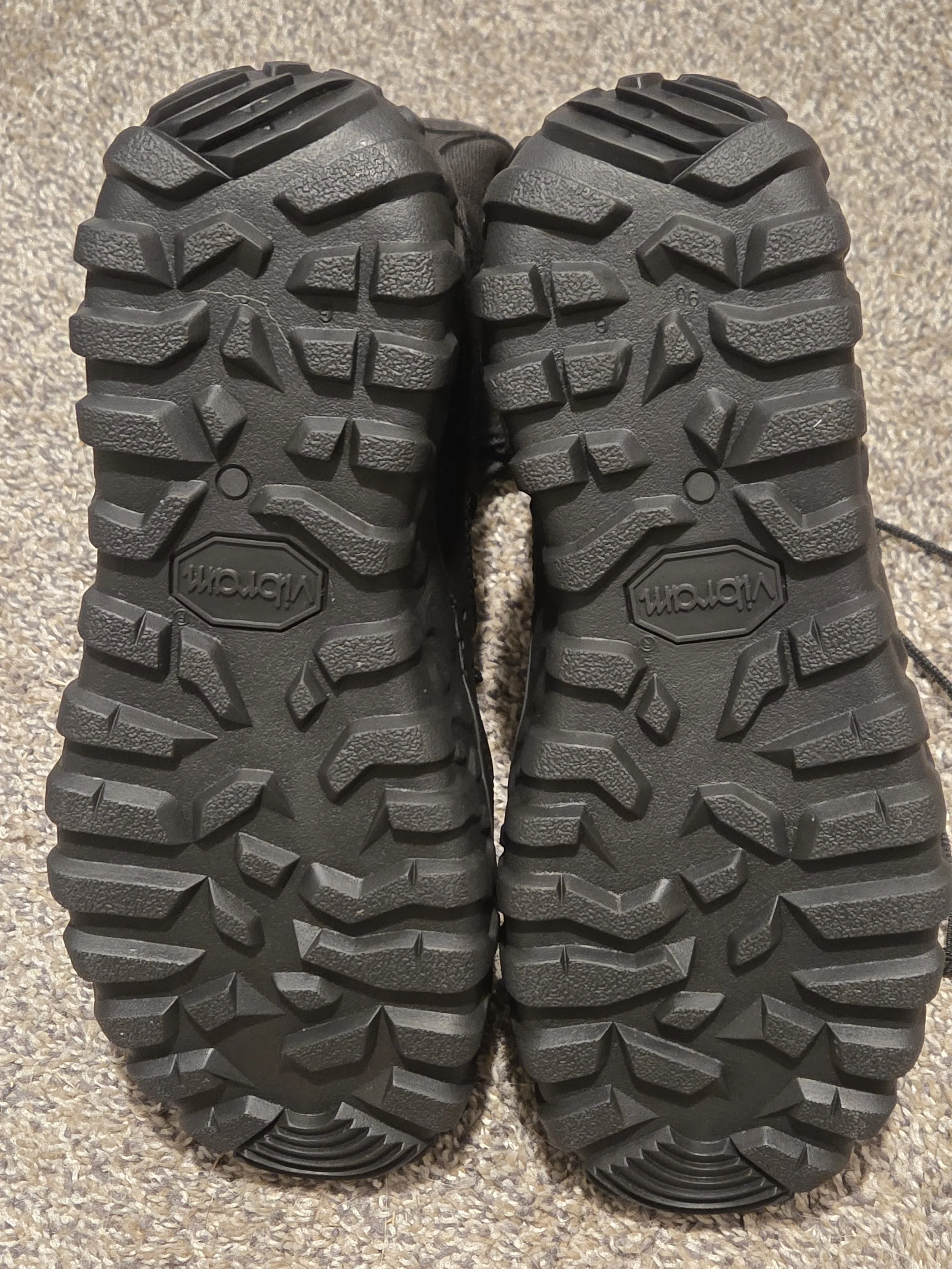
Notice the texturing on the tread, which will be the first thing to wear off during use.
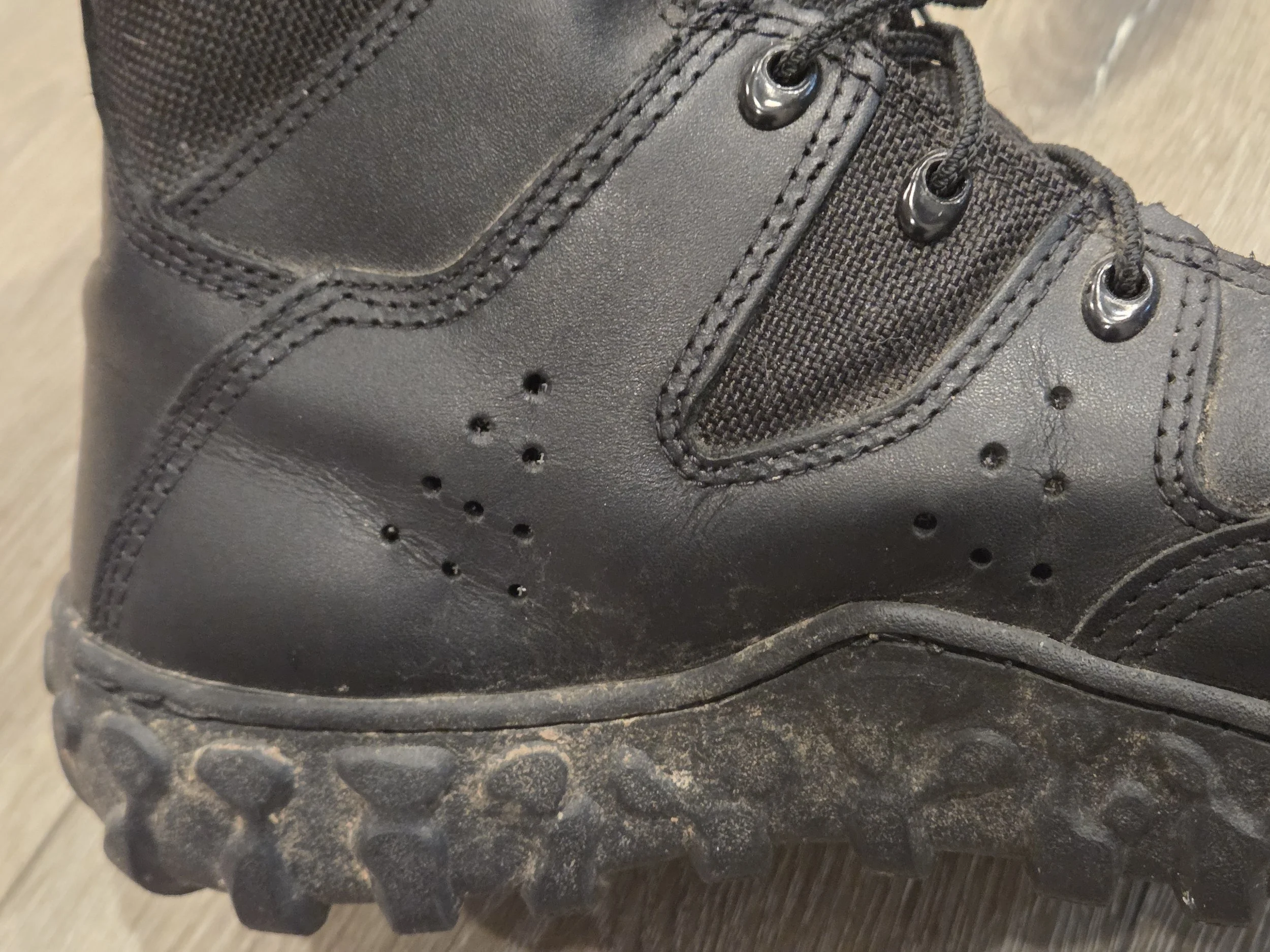
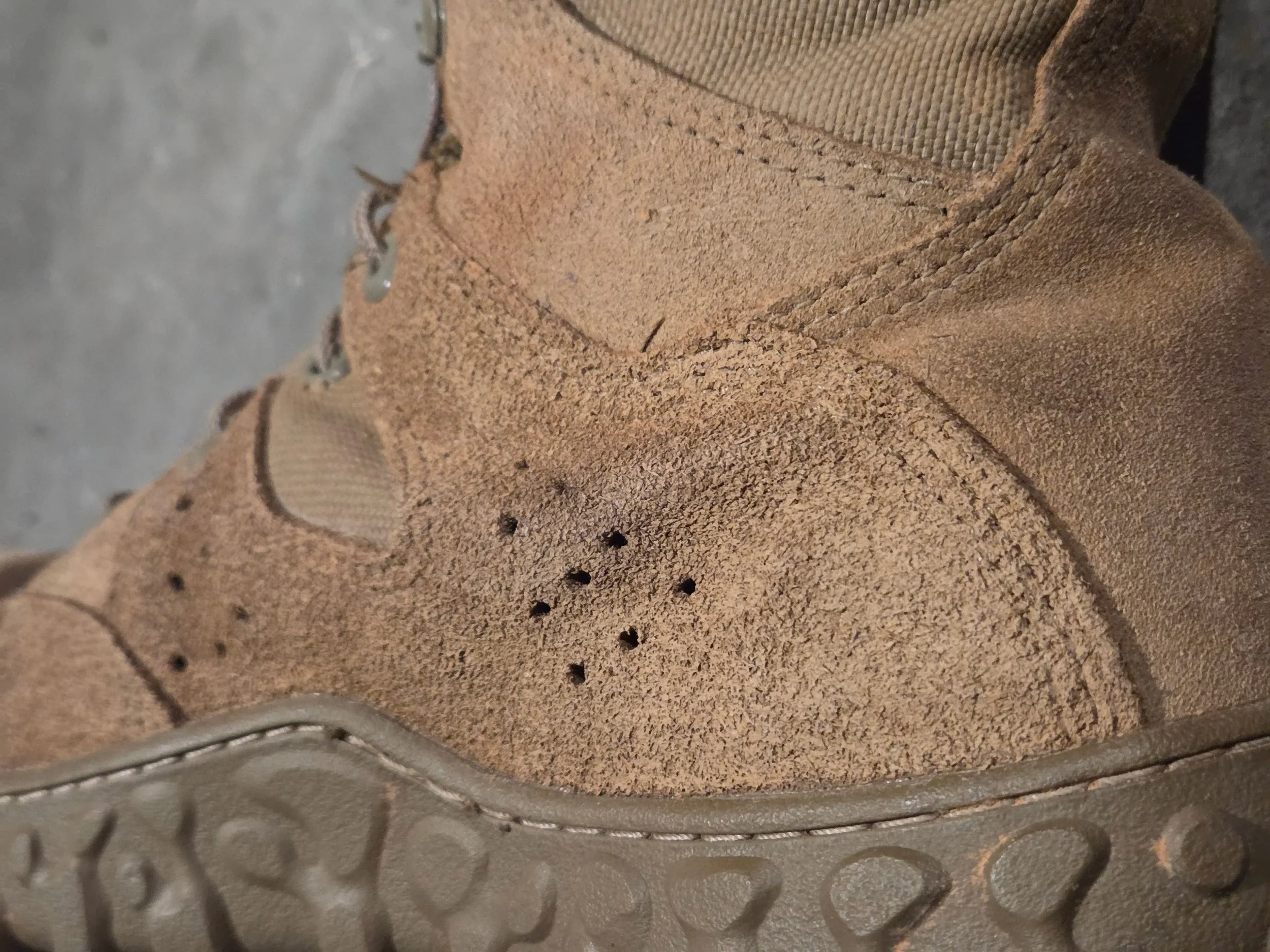
The body of the boot contains several reinforced vent ports that allow the feet to breathe, even in wet conditions.
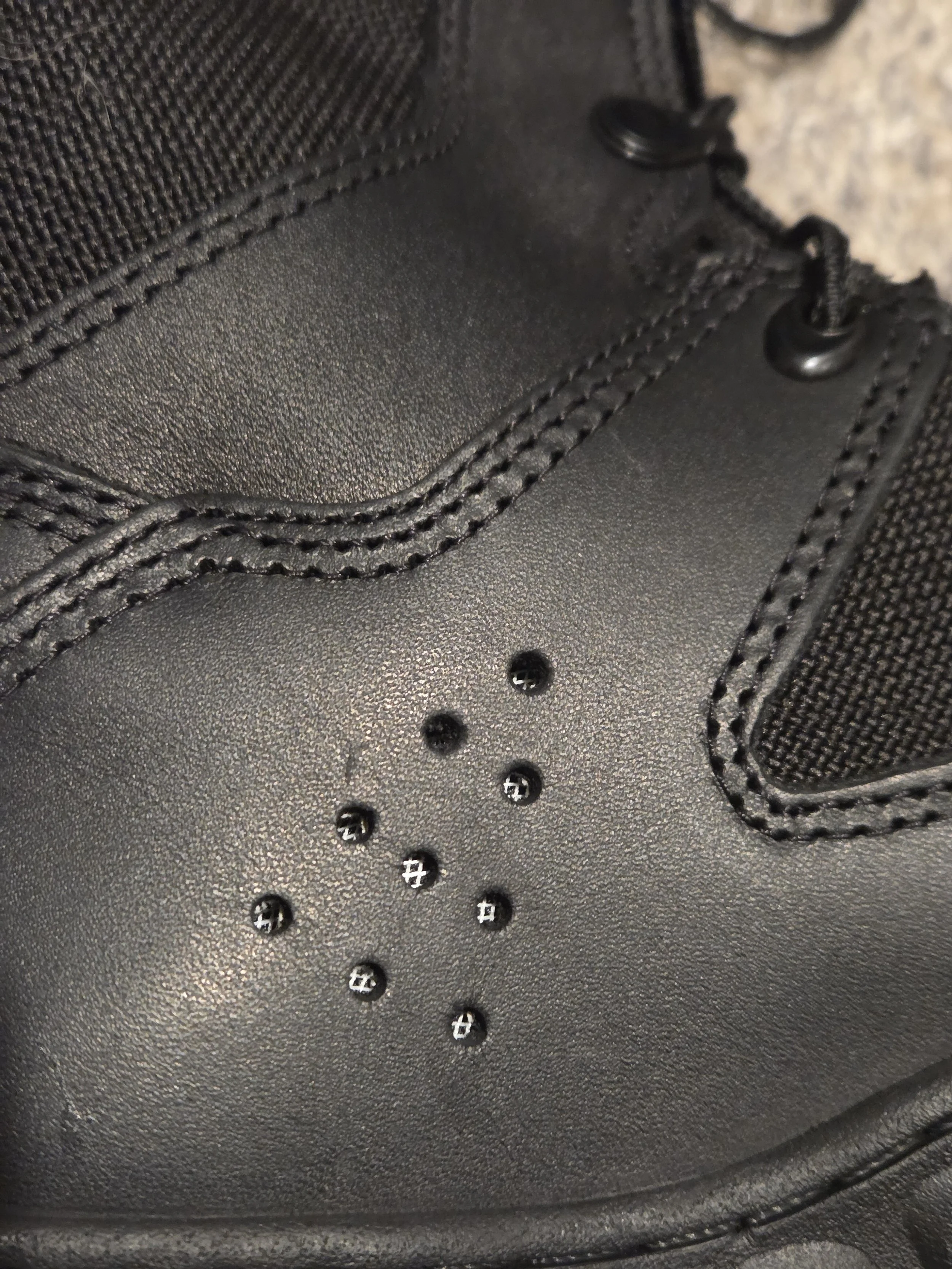
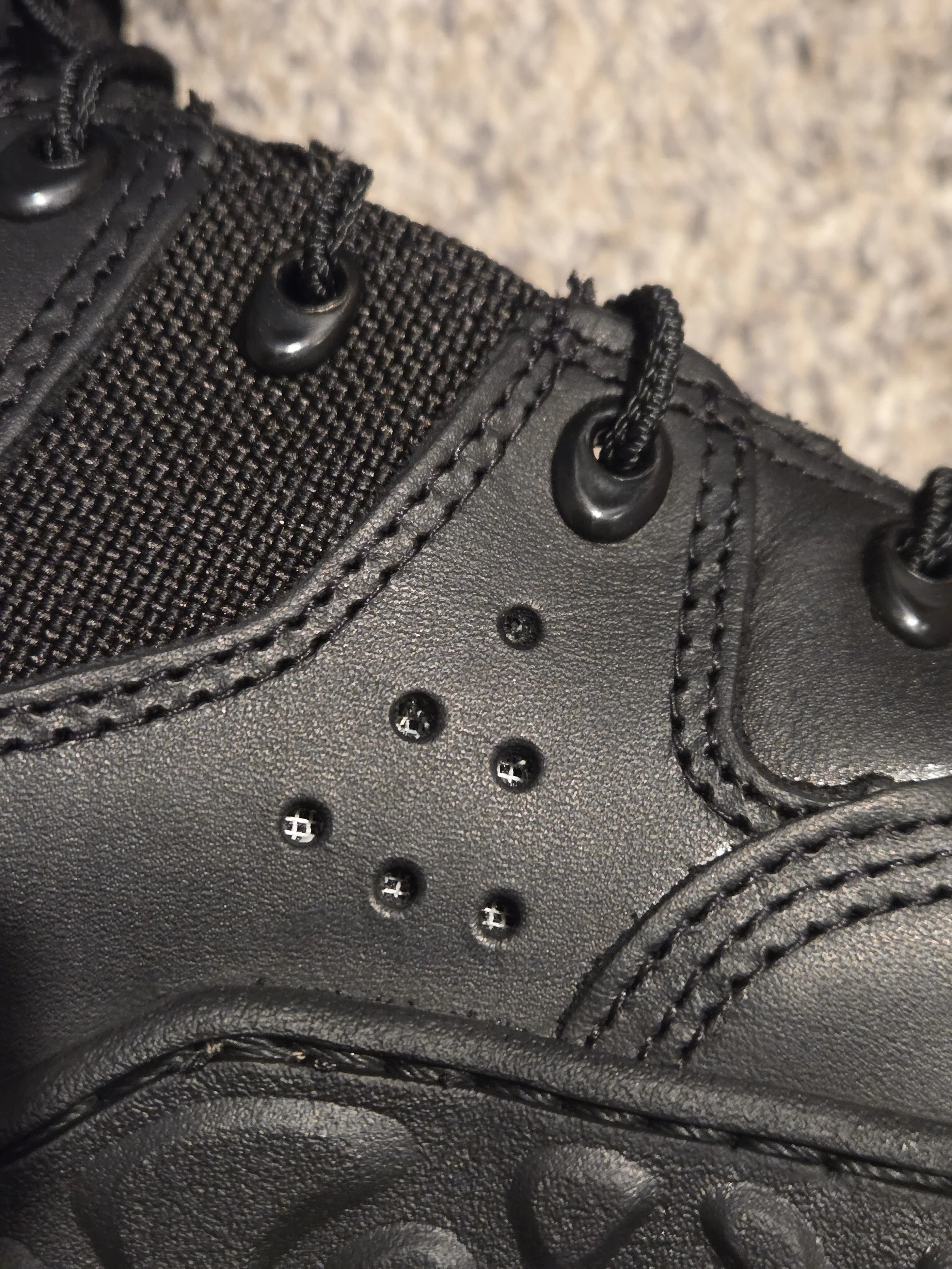
The body of the boot is triple stitched and is well designed. There are single strips of leather that are placed in such a way that reinforces the natural movement of the ankle and foot.
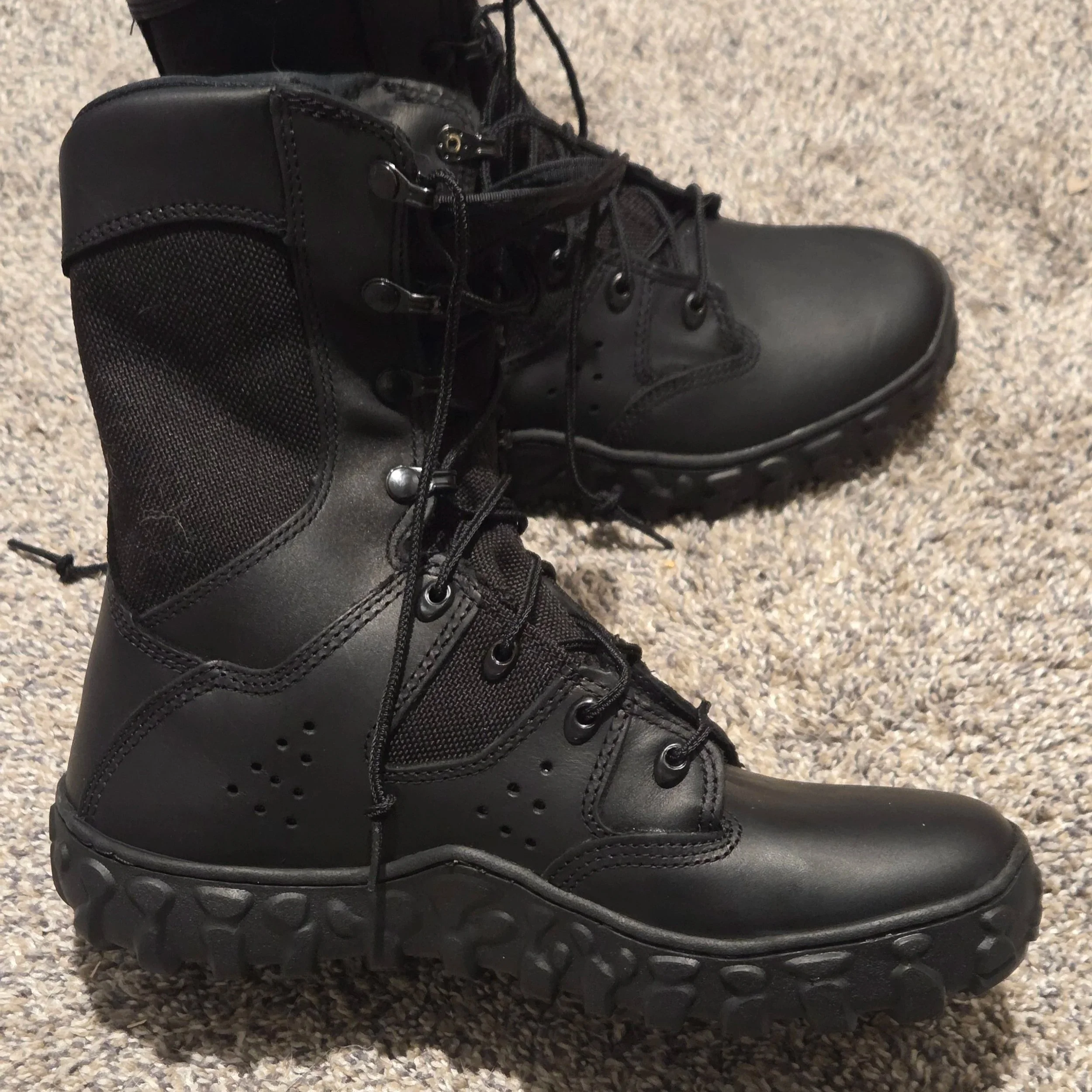
Notice the sheen on the leather. This is in stark contrast to the tan version that is just plain leather. It’s debatable whether this type of leather is more durable or resilient.
The black boots are finished with a slick finish that gives them a shined appearance. The leather almost feels fake, in a way. The 1000-denier Cordura Nylon on the ankle and top of the foot are flash resistant and help with flexibility. Nylon does flex over time, and is fast-drying. Nylon like this has been a top choice in some of the best military boots since the Vietnam war era.
To take it from the horse’s mouth (straight from their site)
The Rocky® S2V Predator Military Boot is a high quality Coyote Brown boot that wears comfortable even in the toughest of conditions. This boot can be worn with all applicable Operational Camouflage Pattern variations and is uniform-compliant in settings that call for a GSA/TAA compliant boot.
Made of flash-resistant, water-resistant leather and 1,000-denier CORDURA® nylon, this combat boot is coated for flame resistance. Drainage vents with advanced S2V Sieve technology circulate air in and push water out, allowing you to quickly "walk-them-dry".
The durable, triple-stitched military boot stays together through wear and tear, and reduces ankle injuries with Roll-Stop Ankle Stability.
The stretch LYCRA® tongue hugs your foot for a secure fit. This tactical boot has a Vibram® sole with proprietary high walls and a polyurethane midsole. Inside the footwear are features that make this a comfortable boot. The Dri-Lex® lining wicks away moisture.
The Rocky® Air-Port™ footbed cushions your foot and has perforations for air flow. The fiberglass shank supports the arch of your foot. If you're looking for a coyote brown military boot that exceeds your comfort and performance needs, get the Rocky S2V Tactical Military Boot.
Reduce injuries with Roll-Stop Ankle Stability™
Fiberglass shank
Unisex sizing - subtract two sizes from the women's size you currently wear to most closely match the men's size
Approved for wear with all applicable OCP variations
This product is intended for military use. Made with PFAS chemicals.
Advanced S2V Sieve™ technology circulates air in and water out
Coated for flame resistance
GSA/TAA Compliant
Flash- and water-resistant leather
A REPUTATION
The Predator boots are renown for being terrific boots for comfortable rucking. The boots are not necessarily hailed as being the most durable, but they are rated as the best for straight up rucking or spending hours on your feet. When I was researching these boots, I found a lot of veteran Special Forces guys that hailed these boots as being instrumental in keeping their feet cozy during the 12 miles ruck marches during selection and training. I can’t think of a better endorsement.
THE BREAK-IN
1st Day
I wore my black leather predator boots around the house for the first six hours. I paced and worked out a couple of kinks in the tongue before I loaded up my pack and went for a ruck march. I conducted one mile ruck marches five times with a 30-pound pack, averaging a 16-minute mile pace. During the last mile, I incorporated light trotting for as long as I was comfortable. The boots were relatively easy to ruck in right off the bat. The only thing I had to overcome was the stiff ankle supports. It was only a matter of time before they lightened up. In the meantime, I figured my ankles would get a bit of a workout.
2nd Day
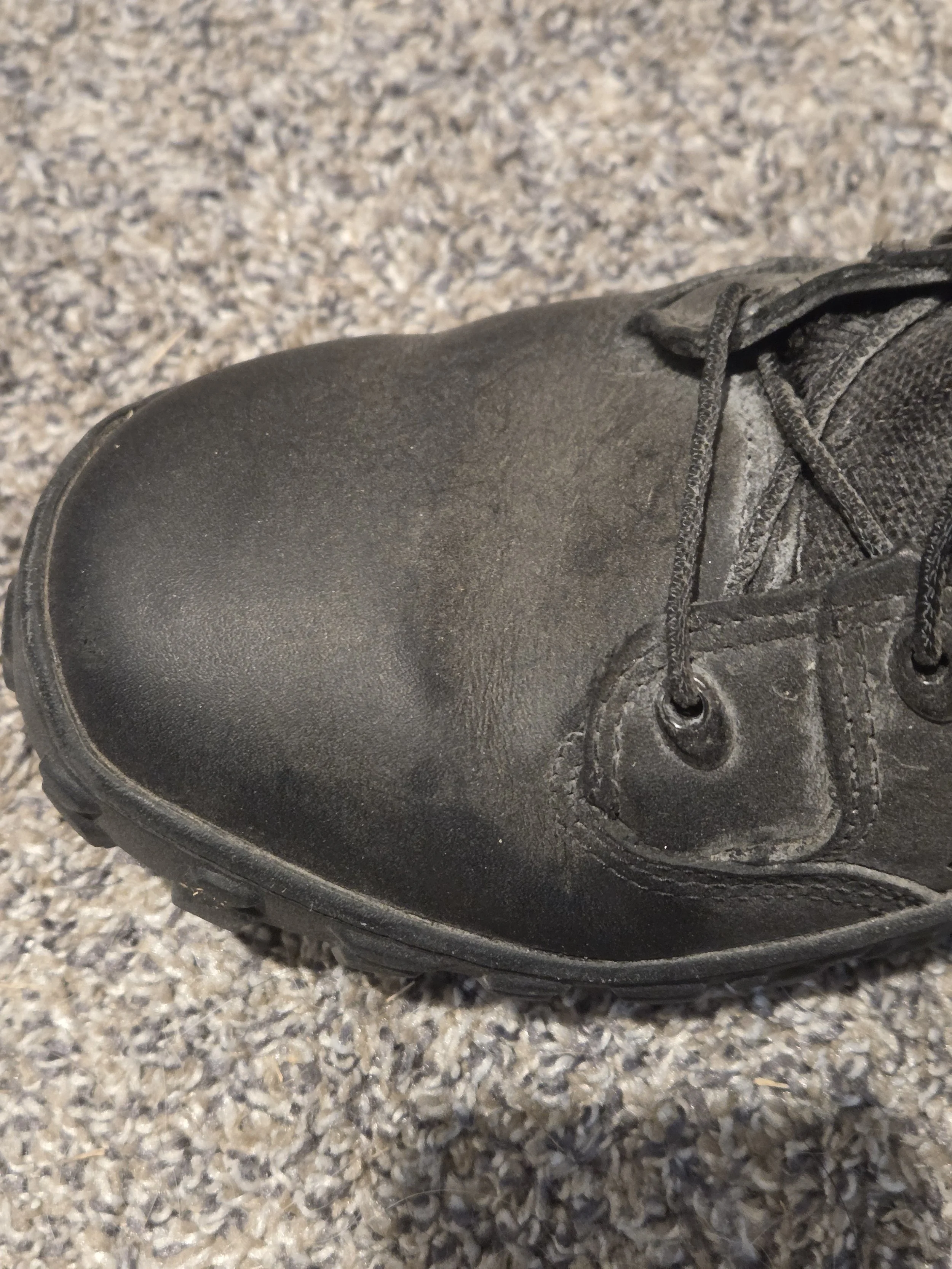
I woke up and took my dogs for a 1.2-mile ruck march that had interspersed trotting here and there. I was able to complete the march in 17:30, which is about a 14:35 mile pace. Upon evaluating the boots, I noticed they started getting a crease at the toe articulation point. Later on, I did PT in my backyard, which involved a lot of pushing exercises, and the boots got more time in the creased position for pushups. Lastly, I conducted a 3.8-mile ruck march with interspersed trotting with one of my dogs. I finished the ruck in 48 minutes, which is alright, considering I was just going at the speed of comfort.
3rd Day
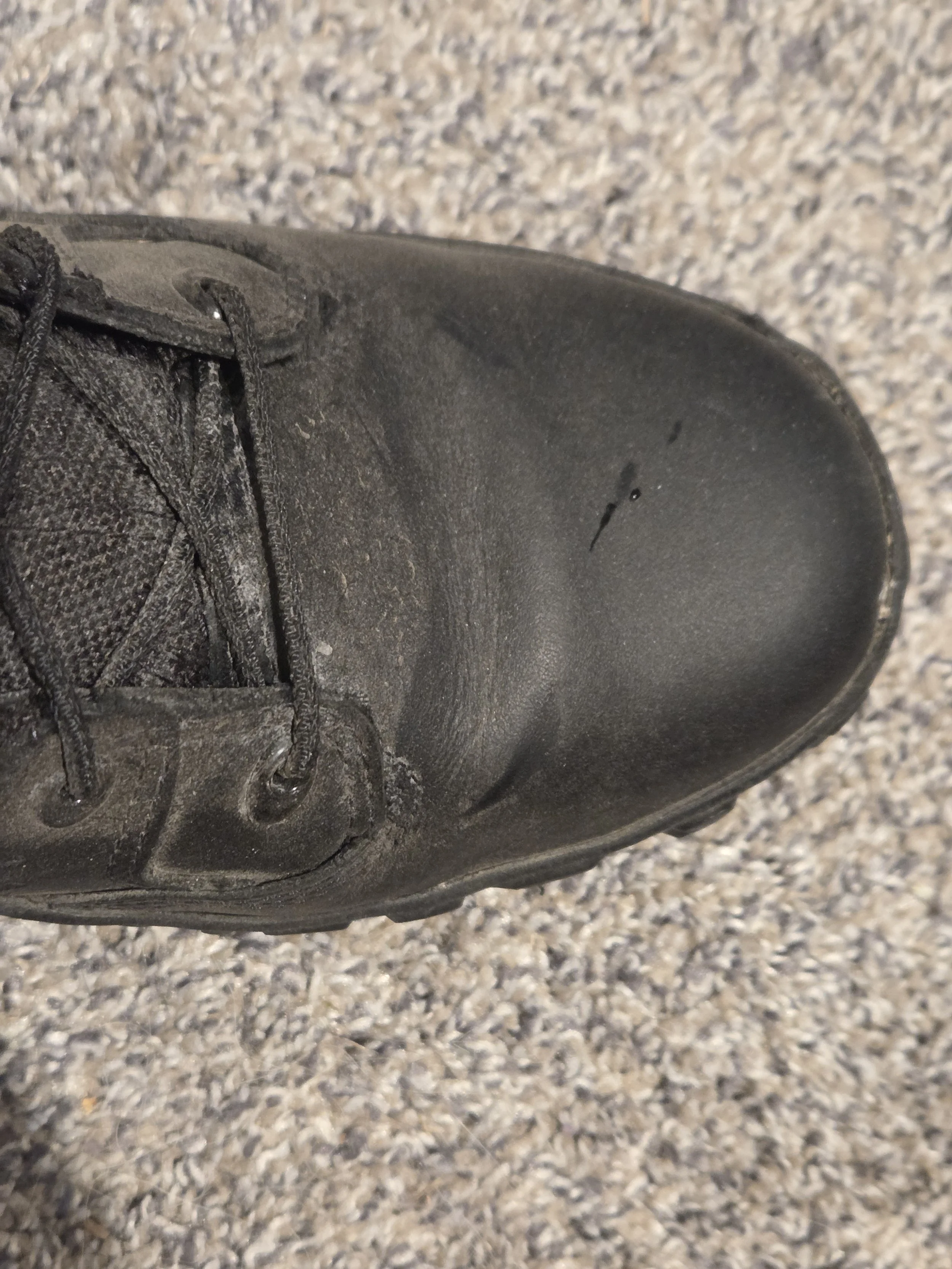
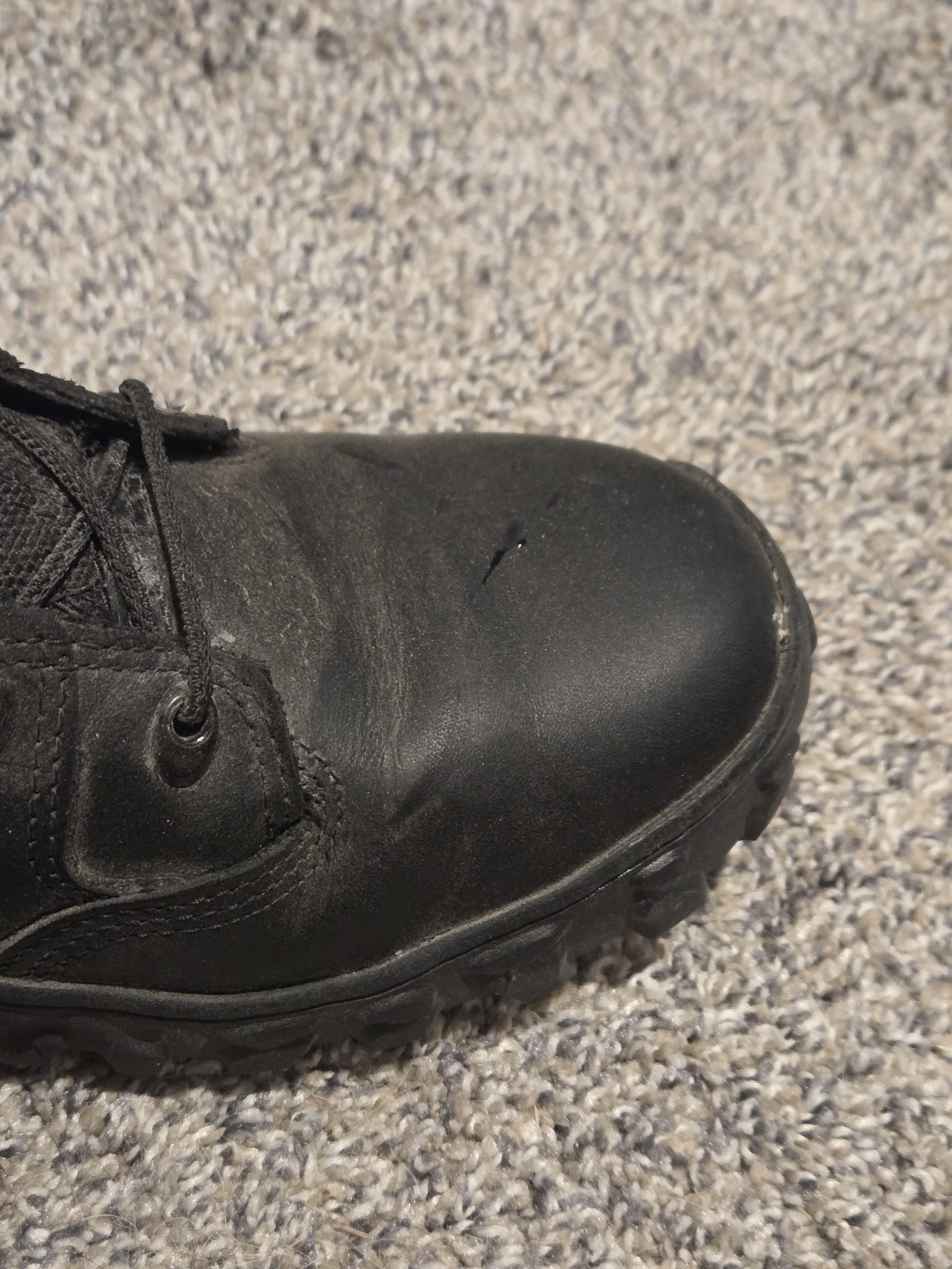
I conducted a full 5-mile ruck on the third consecutive day. It was incredibly wet from all the rain we had gotten earlier that day, and I even experienced a bit of a shower near the last half mile of my ruck. I maintained a brisk walking pace at about 17 minutes per mile. The boots held up well and I experienced no significant discomfort other than some friction on the back of my ankle, which didn’t even produce a visible mark. The toe areas were visibly creased, but the tread was worn just enough to tell I was making a lot of heel and toe strikes.
4th Day
On the fourth consecutive day, I still had a bit of friction on the back of my ankle, but nothing serious. I went for a fast-paced ruck again, 5 miles all in one go. The ground was solid and my German Shepherd was enthusiastic about the walk. I had to discipline myself to not run since I usually try to compete with myself, but I still was able to pull off 5 miles at a 17 minute per mile pace.
25 Miles Later
By now the boots articulate really well. When I crossed the 25th mile, I did so through PT in my yard. I used the boots for my exercise and it was not much different than wearing running shoes that cover my ankles. During the break-n period, I did not really feel much of a difference in the boots ability to articulate. I could tell the boot was slightly stiff, but it was not dramatic, like when I would break in a pair of the old school jungle boots with the thick rubber body and stiff nylon ankle support.
After 25 miles, the creases in the toe region were permanently indented and the sole started to show signs of separating away from the outsole. This is where the stitching really saves the day in terms of keeping the sole in place. For real heavy usage, you cannot rely on the vulcanization process or glue alone. You are going to need the help of stitching to hold everything in place.
LONG TERM USE
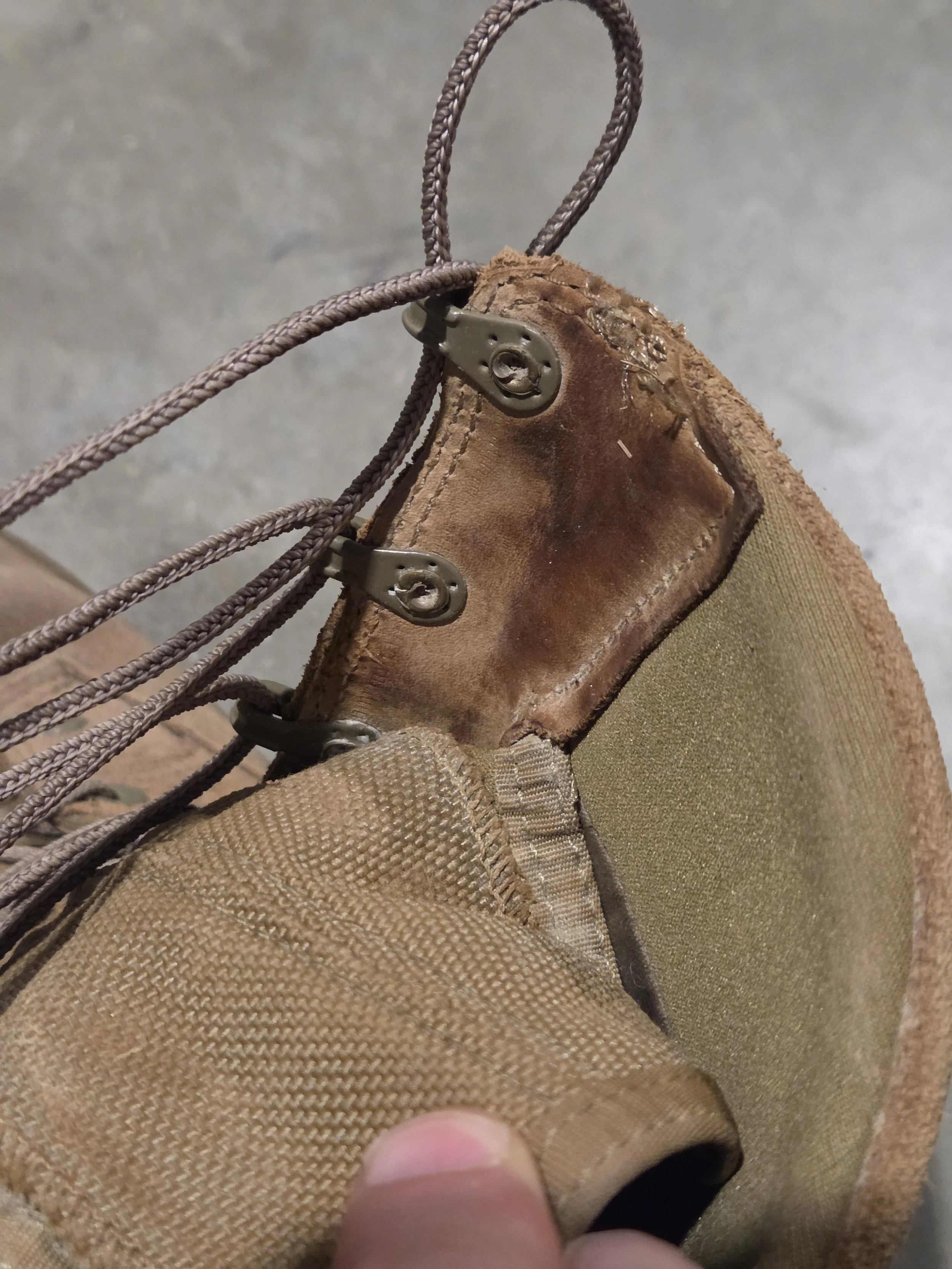
In the tan boots, I noticed that the boots seem to work just as well as my Danner Reckoning boots. They will slog through the rain and get flexible and flat. When they dry, the leather will get a bit stiff and then have to be walked in for a bit to loosen it back up. At this point, the tan Predators have been my go-to boot for serious rucking. They are incredibly cushioned and it I am going to fail at a ruck, it will be because of weak ankles or legs, not because my feet are being turned into ground beef from hot spots. And I will attest to the fact that these boots absolutely do breathe and push out water effectively through the vent ports. But I will say that I never experienced the whole “walk-dry” concept. I have ended rucks with soft feet in the rain and mud, but I haven’t experienced the boots just magically drying out from walking around.
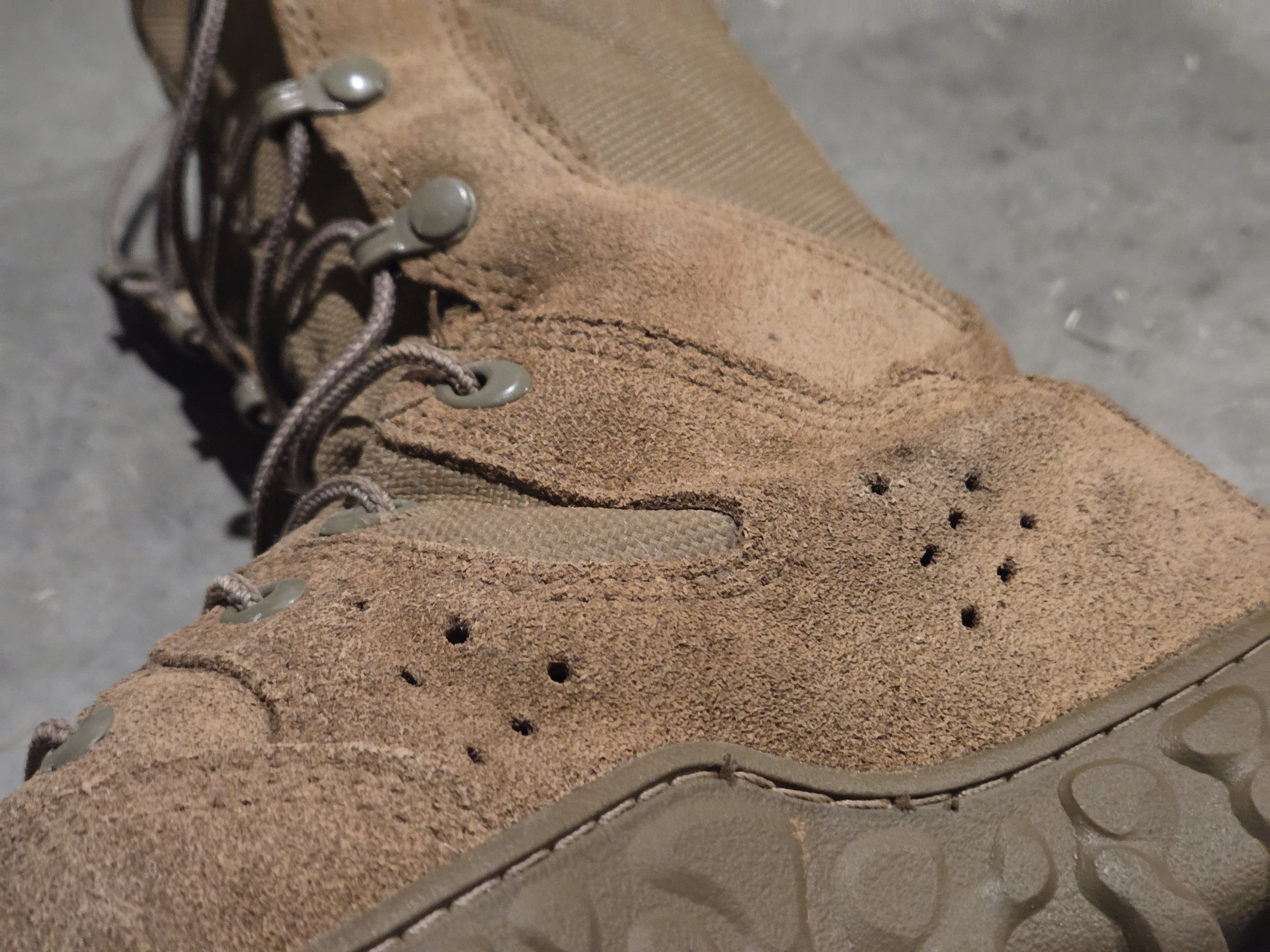
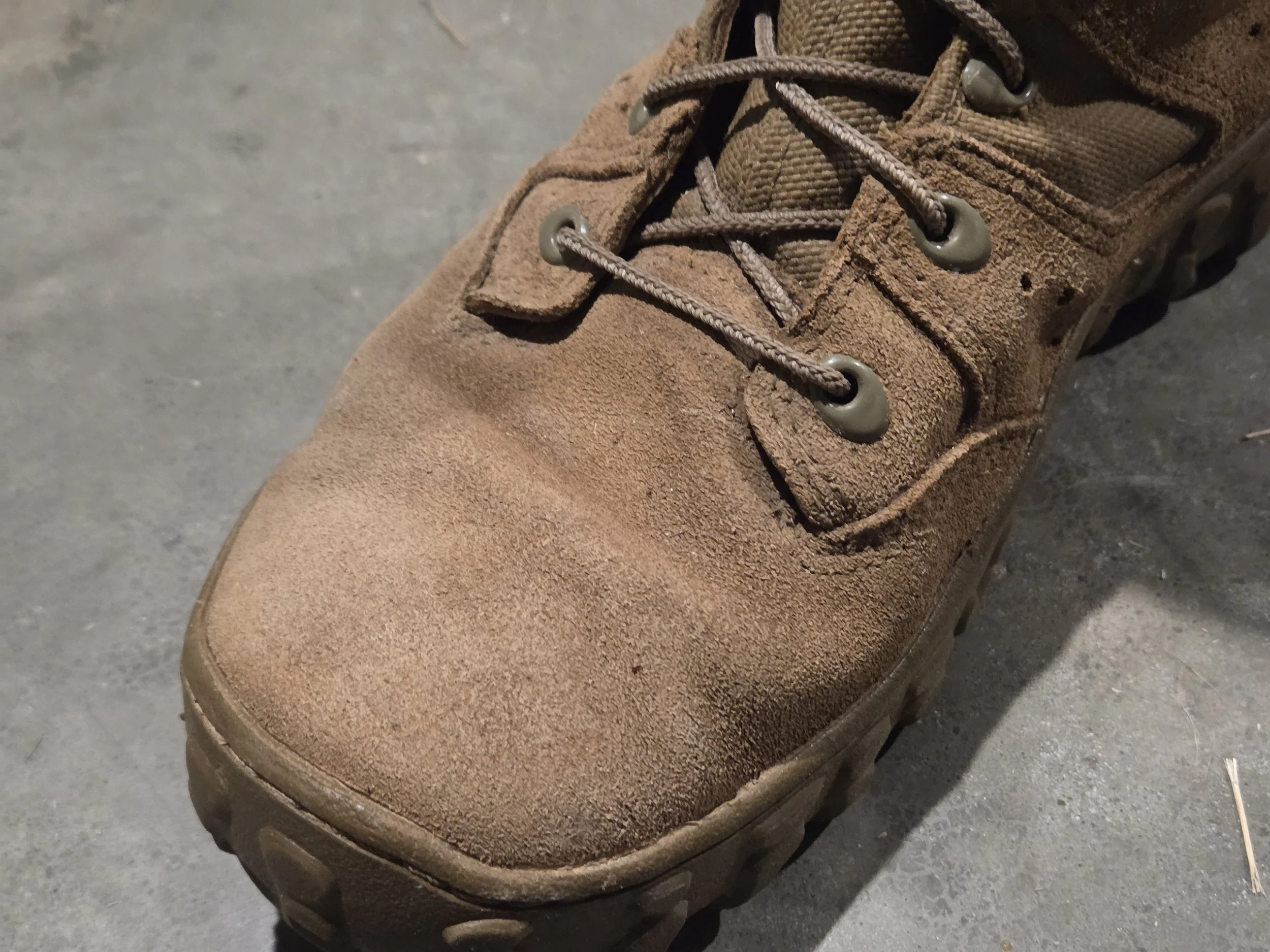
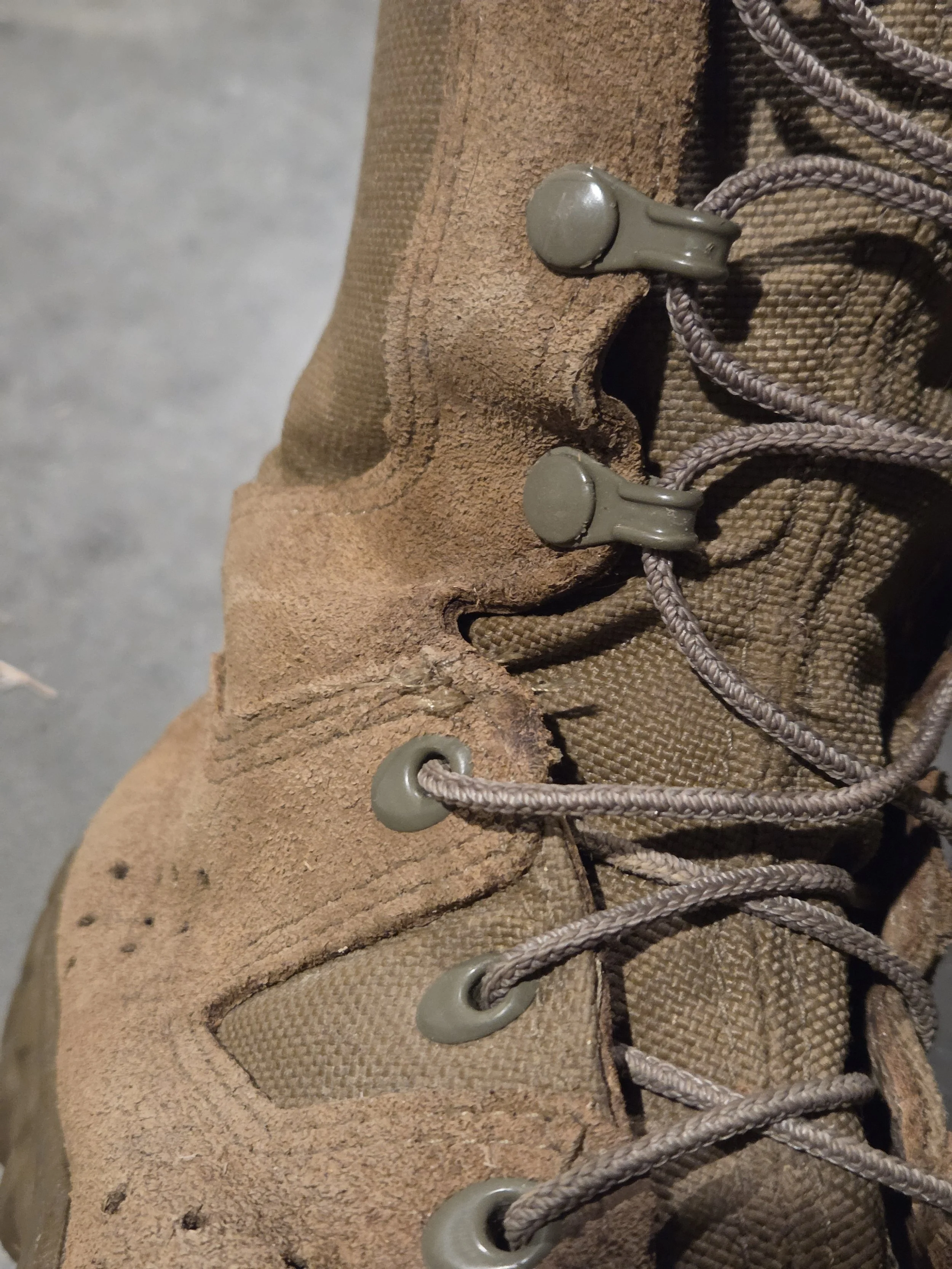
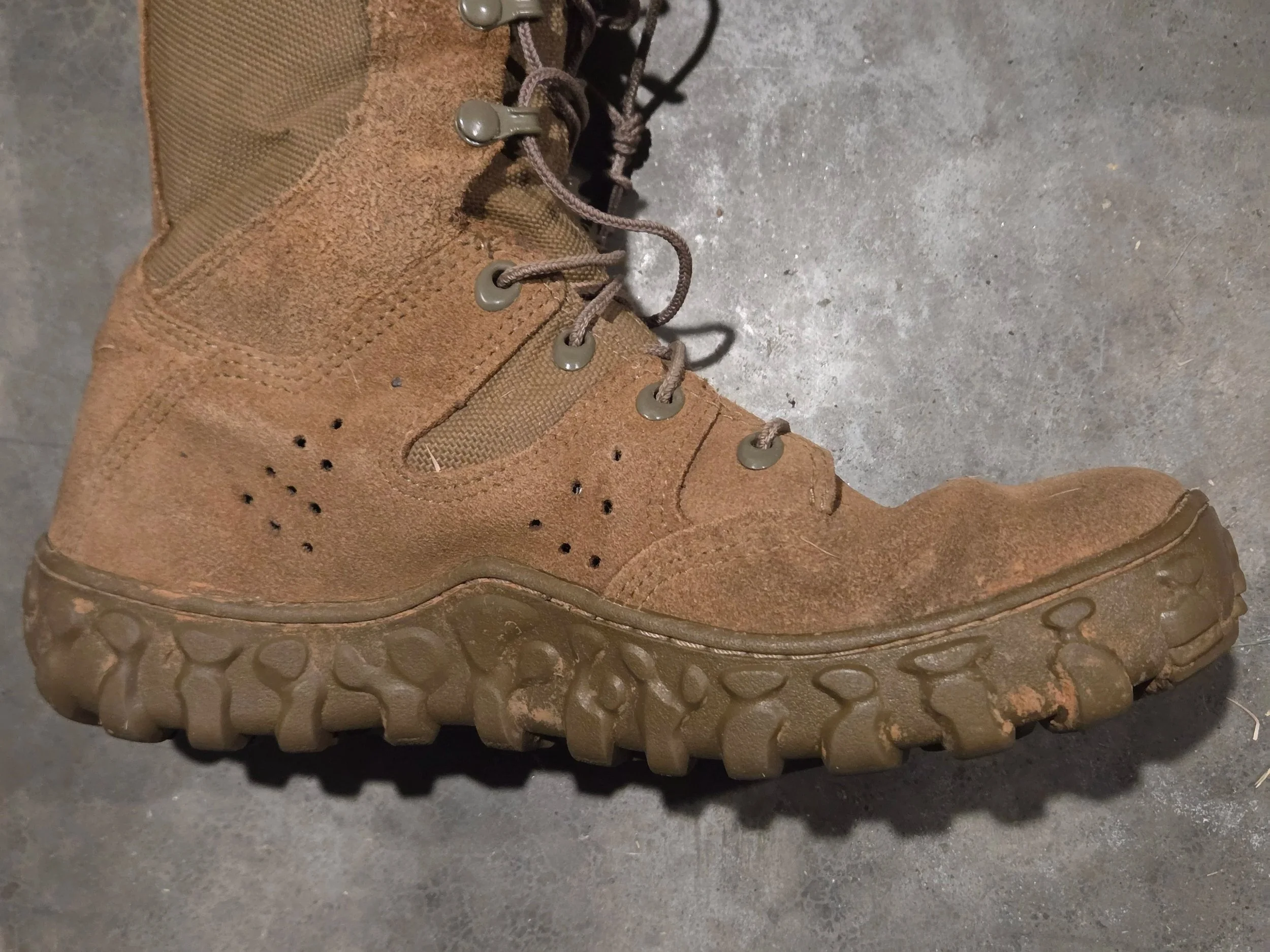
I do not recommend you try rucking in cotton socks, but the Predator boots are very forgiving if you are wearing cotton or some other suboptimal footwear liner. I have literally rucked in cotton socks, crappy polyester dress socks, thick wool blend socks, and high-quality wool socks. Wool is the top tier choice for comfortable rucking, but you will still be fine with other socks. The difference will be soggy feet and pressure buildup on your feet.
I get a lot of yard time in boots during my daily PT. I wear boots almost exclusively to maintain ankle strength and enhance the challenge. These boots are great for muddy environments with their chaotic interspersed tread pattern. Honestly, the tread in the middle of the boot looks suspiciously like the countdown symbols on the Predator armband. Honestly, that might be the most badass coincidence.

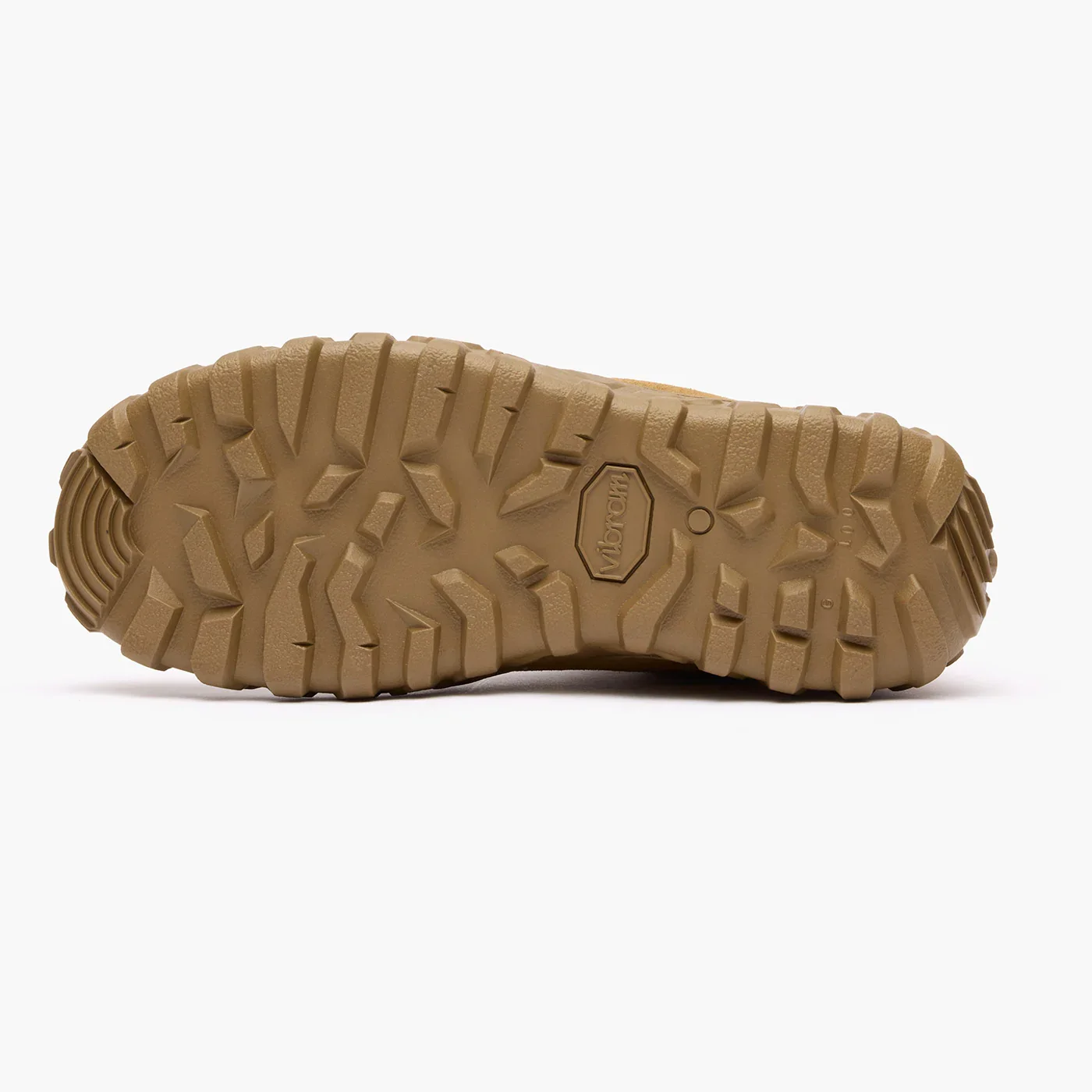
These boots shuck off mud relatively easy with those large gaps between the treads. That tread pattern was actually what attracted me to the boot in the first place. I fell in love with the cheap Rothco Jungle Boots, but they had no insole and left a lot to be desired, though they were $60 and tough.
After about 25 miles of rucking on my black boots, and 3 times that (mostly on dirt or in wooded environments) on my tan ones, I think I have a good amount of insight on how these boots will function over time. Within the number of miles I have put on these boots, you will not force a boot like this to fail, but it will start showing indicators on where its weaknesses lie such as stress points, discoloration of the leather in articulation areas, etc. The boots I have are showing no such indicators, but I am sure that over time, the stitching can and will fail, the tread will wear to the point of looking like Nascar tires, and the inside will smell like a heavily used jock strap. It is all about what you are doing and how much you are willing to spend for the performance this boot offers.
CARE RECOMMENDATION
After you finish rucking, I recommend coating the inside with a little foot powder or some of that spray that kills odor. The inner lining is breathable, but the material will harbor scents and stink. Medicated foot powder should do the trick for absorbing a lot of that nastiness. Just be aware that you will need to clean out the inside of your boots periodically to prevent nasty buildups that can hold onto moisture, bacteria, fungus, odor, and heat.
WRAPUP
The predator boot is an anomaly in the military boot theater. It may not be the most rugged boot on the market, or the lightest on your feet, but it darn sure is a terrific boot for rucking on the road or on uneven ground. I find that it also excels at conducting military style training in the field such as keeping your feet comfy during IMT, long patrols, crawling, etc. I have seen the reviews on the Rocky website for these particular boots, and there are some people who are displeased, but I have yet to have a terrible breakdown in these boots yet.
Is this boot worth the nearly $200 price tag? I cannot make that determination for you, but I can say that these boots have earned a spot on my boot rack next to my other military style boots that are worn for my training and gun-related shenanigans.