GLOCK 17 VS BERETTA 92FS
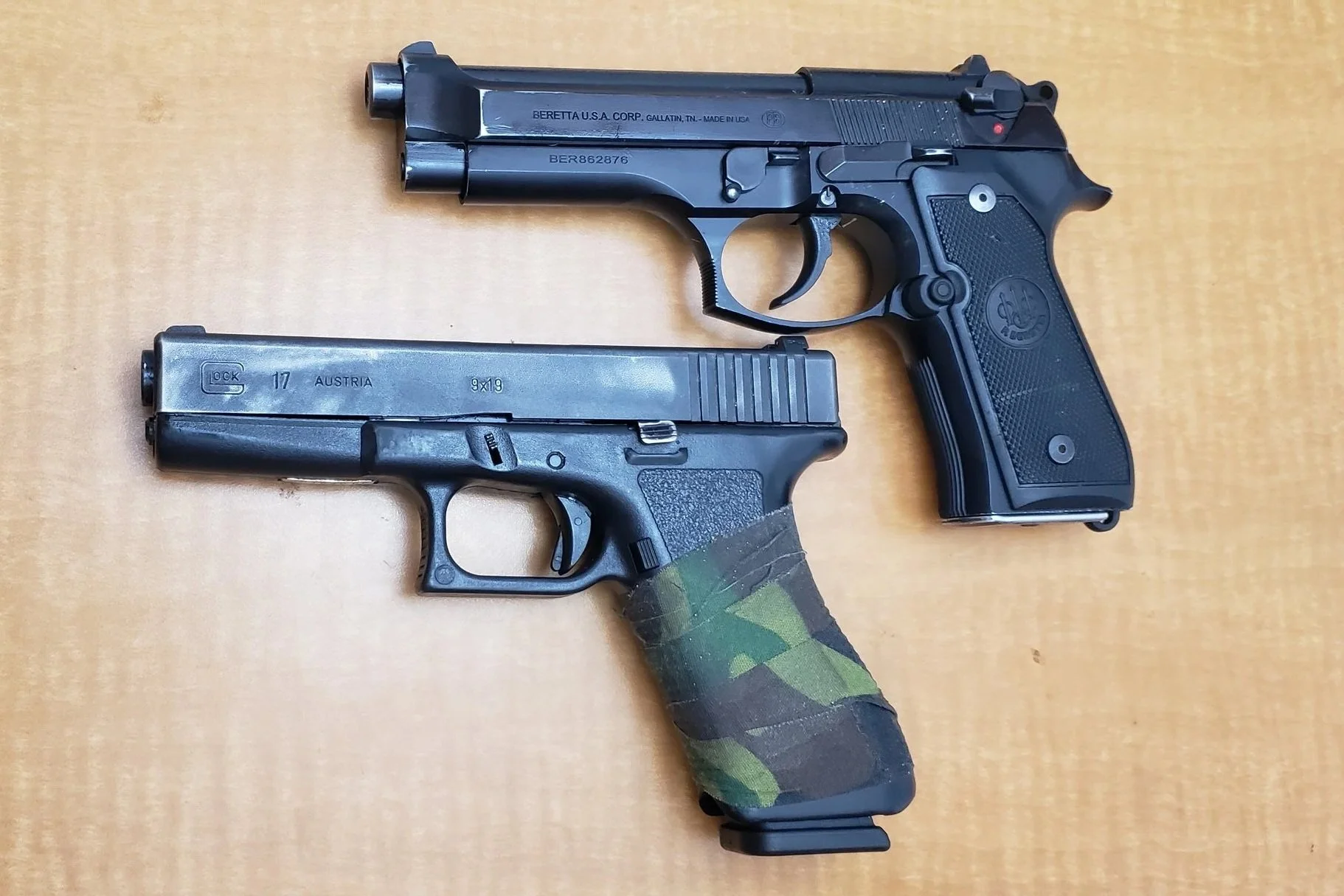
The Beretta 92FS and the Glock 17 are similar enough to compare, but are realistically in their own class as far as construction and manual of arms. If we were to evaluate these pistols on an objective basis, you would find that they are both full size “duty-rated” pistols that have proven their worth around the world, full stop. For myself, both of these pistols work for home defense, open carry in the woods, and for minuteman service. For my comparison, I am using the Glock Gen 2 to keep this as much an apples-to-apples comparison as possible. if the accessory rail is a huge deal to you as a reader, I would remind you that Beretta also has railed options such as the M9A1, 92A1, M9A4, 92X, etc.
SIZE COMPARISON
Both of these pistols will top out at 17 (Glock) or 18 rounds (Beretta 92FS). They both come in at about 5.5” tall with the magazine inserted, and their sight radius is nearly identical. The Beretta has a slightly longer barrel than the Glock, but I doubt that the extra half inch does too much to increase the velocity of ammunition shot out of the pistol. The Beretta is slightly thicker than the Glock, but it has pretty elegant lines, unlike the bland and blocky Glock. The Glock has its own sort of attractiveness, in a utilitarian kind of way. Having a frame made of forged 7075-T6 Aluminum, the Beretta 92FS is about 8 ounces heavier than the Glock 17. In my observation, both pistols have similar ergonomics and point very naturally, as long as you have a proper grip.
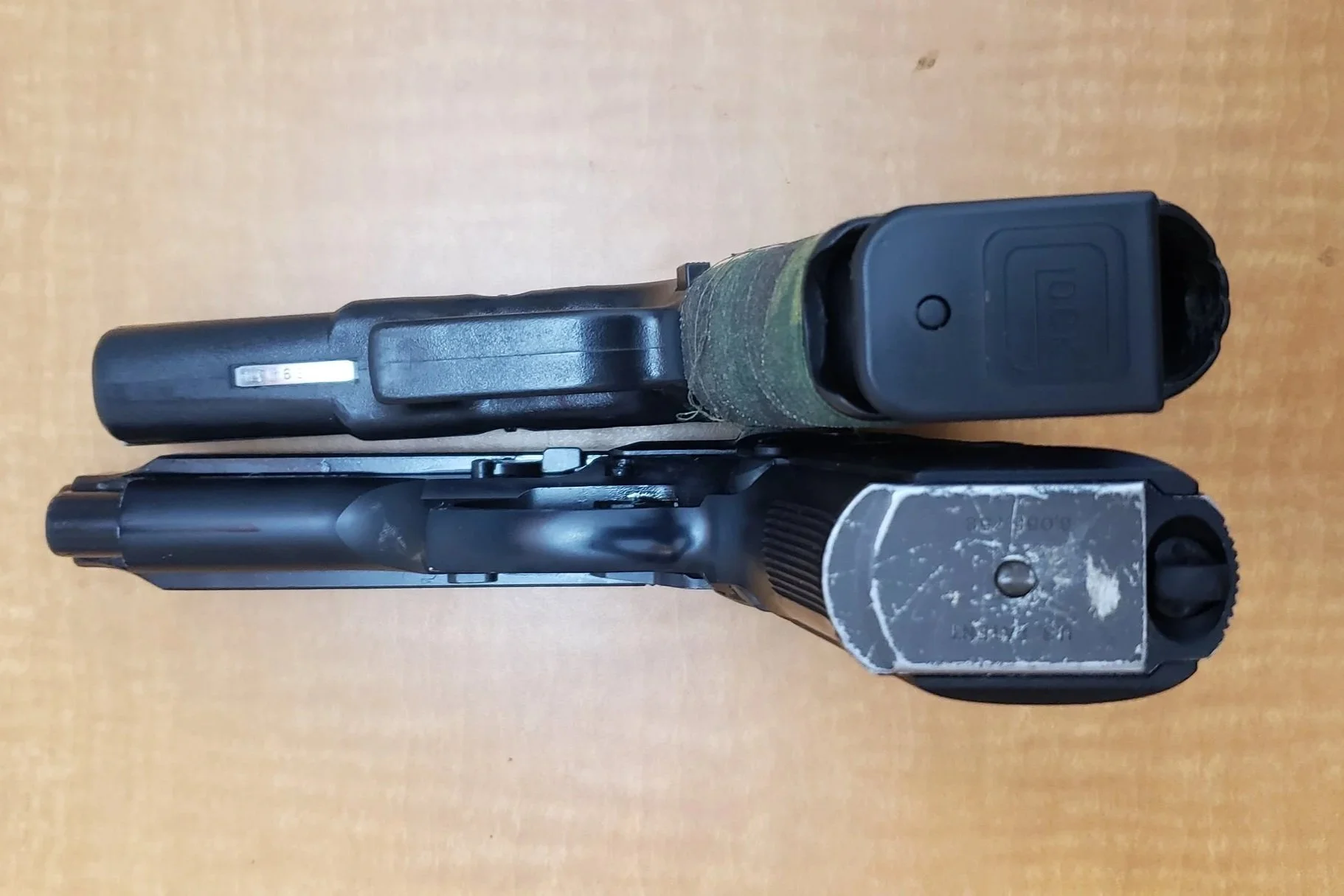
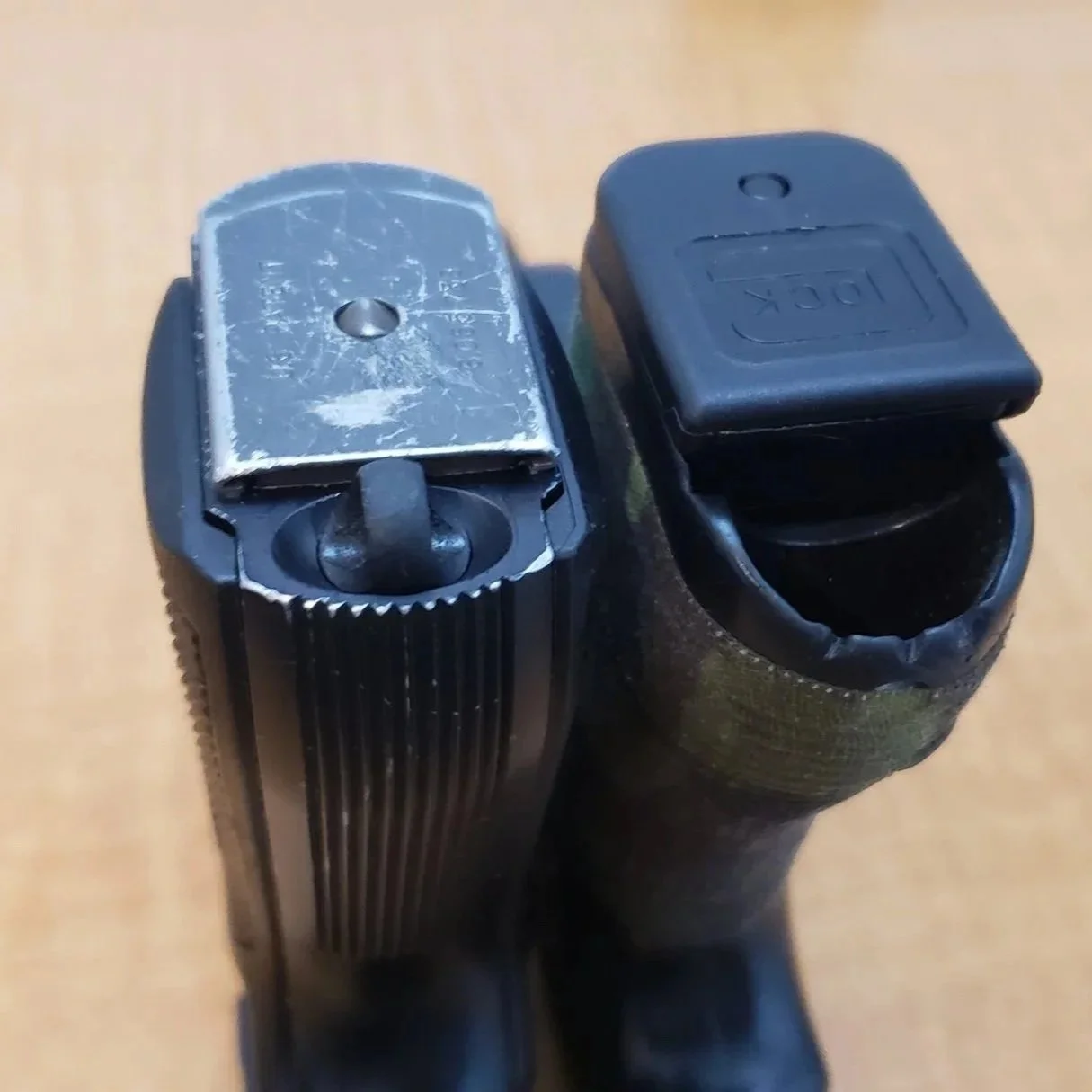
![20250823_192936[1].jpg](https://images.squarespace-cdn.com/content/v1/686e847737178a6c8b4a2c1a/1756056137036-RDYWDAB0RMGSJ6ERVN31/20250823_192936%5B1%5D.jpg)
BERETTA 92FS DESIGN
The Beretta 92FS has a long and storied history that dates back to the 1940s. Its’ falling block locking design has seen many evolutions and it still is seeing benefits from advancements in metallurgy. But the locking system was actually ripped off of the Walther P-38. In fact, if you have a Walther P-38, you will see a striking resemblance between the two pistols, to this day. However, Beretta has done a fantastic job modernizing the locking system and making it keep up with, and even exceed more modern designs. The 92 was designed to meet the needs of Law Enforcement agencies, and it was a FLEX for them to send in their design to compete for the US military service pistol contract. The rest is history.
GLOCK 17 DESIGN
The Glock design is a storied one as well, but is of a humbler beginning. Gaston Glock was an Austrian engineer, but was not a firearm-specific engineer. He specialized in plastics and eventually unveiled his prototype Glock 17 in 1981. In 1982, he submitted his Glock 17 to the Austrian military during a test to select a pistol to replace their P-38s. It won out because of its reliability and its simplicity compared to its competitors. I don’t doubt that price had a hand in that as well. The parts were cheap to produce, and the pistols were basic and easy to work on. The Glock pistol uses a Browning-style lockup system and is striker-fired. None of these designs on their own are revolutionary. However, the low number of parts and the fact that you need no real special training or equipment to maintain the pistol is still a selling point for the Glock.
MANUAL OF ARMS
The Beretta is a relatively simple in its operation, but it is seen as being complex because of its DA/SA trigger system and decocker. As far as the decocker lever, this was intended to be used like the 1911 and swept down/forward to deactivate the spring-loaded lever. In fact, in most cases, the decock lever was not supposed to be left in the decock position. It was supposed to be flipped back up immediately in order to allow the pistol to be drawn and put into use right away. In terms of the trigger, the double action first shot was intended to prevent unintended discharges while the single action was designed to allow a good trigger pull once the fire has commenced. It is a simple and safe trigger mechanism, but has critics from those who are less trained or informed on how the trigger works or why it was designed the way it was.
The Glock pistol was designed to be safe in operation, thanks to the Safe Action Trigger System. The striker fired trigger is typically considered to be more akin to a DAO since your trigger pull is cocking and releasing the striker all in one action. It is a simpler trigger system, and there are no safeties on the system other than the dingus on the trigger. This may be concerning for those feeling less secure about firearms usage, but as long as your follow the rules of gun safety, you will not have an issue. However, unlike the Beretta, you will be at greater risk of sympathetic firing or accidental discharges.
When it comes to general usage, the Beretta is going to take more time to train someone to use due to the decock levers, which users will have to habitually use. Other than that, all the controls are pretty much in the same area. The Glock has more subdued and low-profile controls, but they are pretty much just as functional as the Beretta. From an objective standpoint, I find the controls of the Beretta simpler to use.
RELIABILITY
Both the Glock 17 and the Beretta 92FS are renown for their durability and reliability, but since the point of this comparison is to split hairs, lets talk about this. The Glock 17 passed the Austrian test with one stoppage in 10,000 rounds and had an independent test that showed one malfunction in roughly 17,000 rounds. The Beretta had a test in 2017, prior to the adoption of the M17, that showed the M9 malfunction rate at one per 19,090 rounds. Personally, I feel that the Beretta has a more reliable platform and is more tolerable of temperature variations. I have personally observed Glocks malfunction just from low weather temperatures like the -40 degrees we got in Alaska. The Beretta always functioned, no matter the temperature, in my experience. Also, in my testing with the Glocks I have owned, I have experienced several malfunctions.
DURABILITY
The Glock is a simple design, and its parts are easy to replace, but simplicity is not always better. Less parts can sometimes mean all the stress is put on these few parts. For the Glock, you can expect to need to replace the recoil spring every 8,000 rounds, 10,000 rounds for the extractor spring and sear spring. Keep an eye on the extractor and anticipate having to replace it around this round count. You can expect rough 25,000 rounds out of the camming block, and about 100,000 rounds out of the slide. This is not counting the fact that all the other springs will need to be watched. The striker spring will particularly need to be watched to make sure they are functioning at 100%.
The Beretta 92FS is similar in durability to the Glock, but it has the advantage of years of improvements in metallurgy and design tweaks. The recoil springs will last reliably around 10,000 rounds, and the locking block will easily take 35,000 rounds before breaking. The other things like the trigger, hammer, sear, extractor, firing pin, firing pin block, safety lever, and trigger bar springs will need to be replaced as needed. My advice is to replace all the other springs every time you replace the recoil spring. This will keep your pistol functioning at peak performance for a price of roughly $30-$45 every 10,000 rounds.
SHOOTING CHARACTERISTICS
The Beretta and the Glock are very similar in recoil. They are 9mm and they are pretty controllable, as most full size 9mm pistols are. The Glock has slightly more felt recoil than the Beretta, but we are pretty much just splitting hairs when talking about felt recoil. The difference I notice is that the vibration that is transferred to the hand is greater in the Glock 17, and it seems to jump and contort in all different directions when you are gripping it lightly. The Beretta 92FS seems to be very light and even cycle much faster and stay on target much easier, with minimal control.
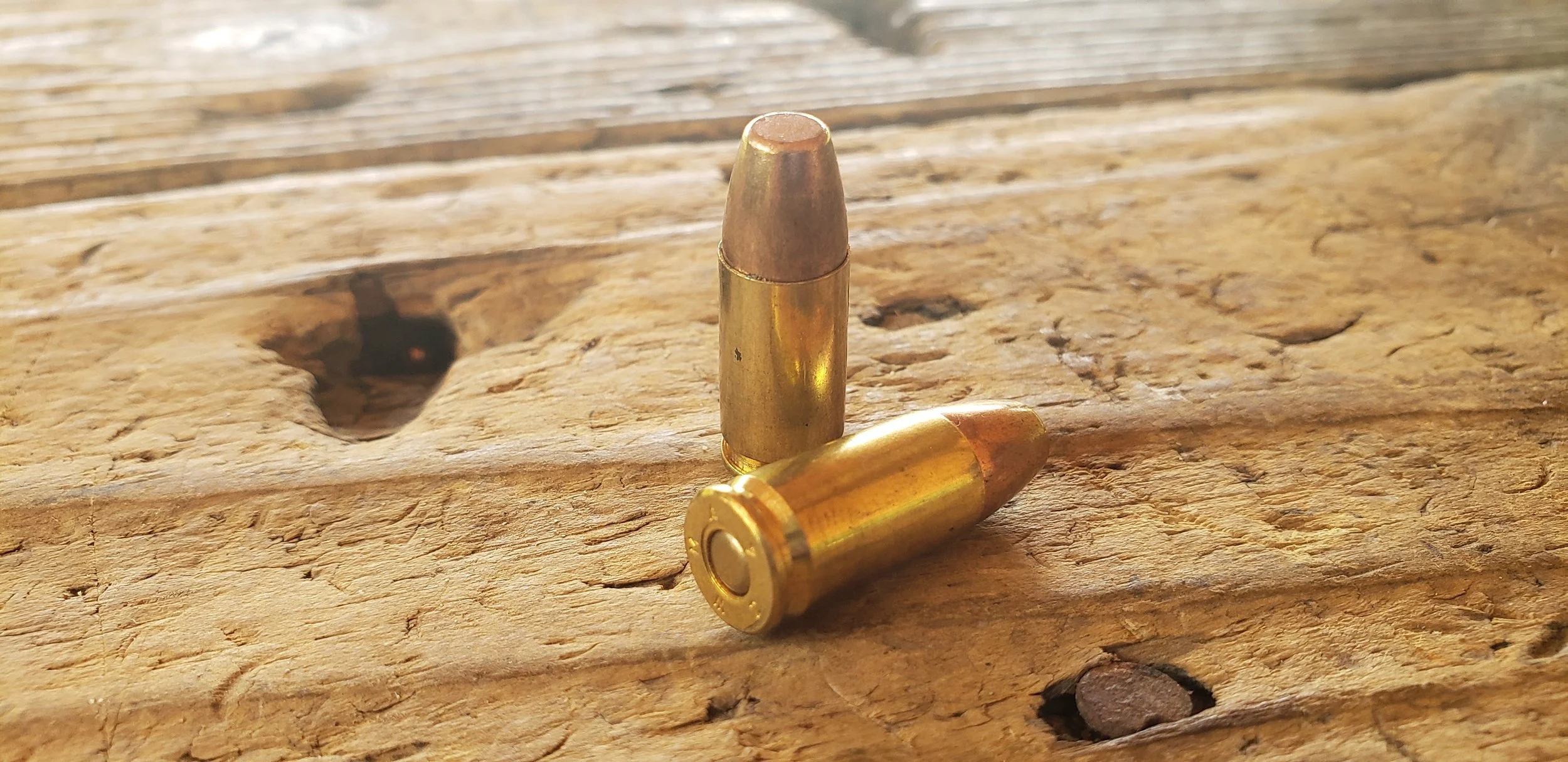
In this test, I shot 115gr Winchester FMJ that is basically the M1152 going 1300 FPS. This has a little more pop than NATO ammo and is loaded to +P pressures, and is very consistent. WHen it comes to shooting SAAMI spec ammunition, I have found that they are so light that you really cannot tell the difference in recoil and control of the firearm. The hotter the ammo in 9mm Luger, the better, in my experience. This ammunition also prepares you very well for tolerating a carry load with ease. Most +P carry ammo has a similar recoil impulse to this ammunition, or the 124gr NATO loading from Winchester.
The best test of how these pistols shoot is not necessarily in how it FEELS, but in how they truly perform. I conducted a series of tests with these pistols to be objective and get hard data for myself. First drill I conducted is the speed of first shots from high compressed ready. Next I measured the speed of my follow-up shots for 10 shots. Lastly I shot 15 rounds from each firearm as fast as I could make my hits.
GLOCK 17 PERFORMANCE
For the first drill, I shot 10 shots one at a time from high compressed ready. I was high at first, but I adjusted my aim and I think I did fine, despite firing even when I saw my sights were off to the left a bit. My average presentation time was around 0.9 seconds.
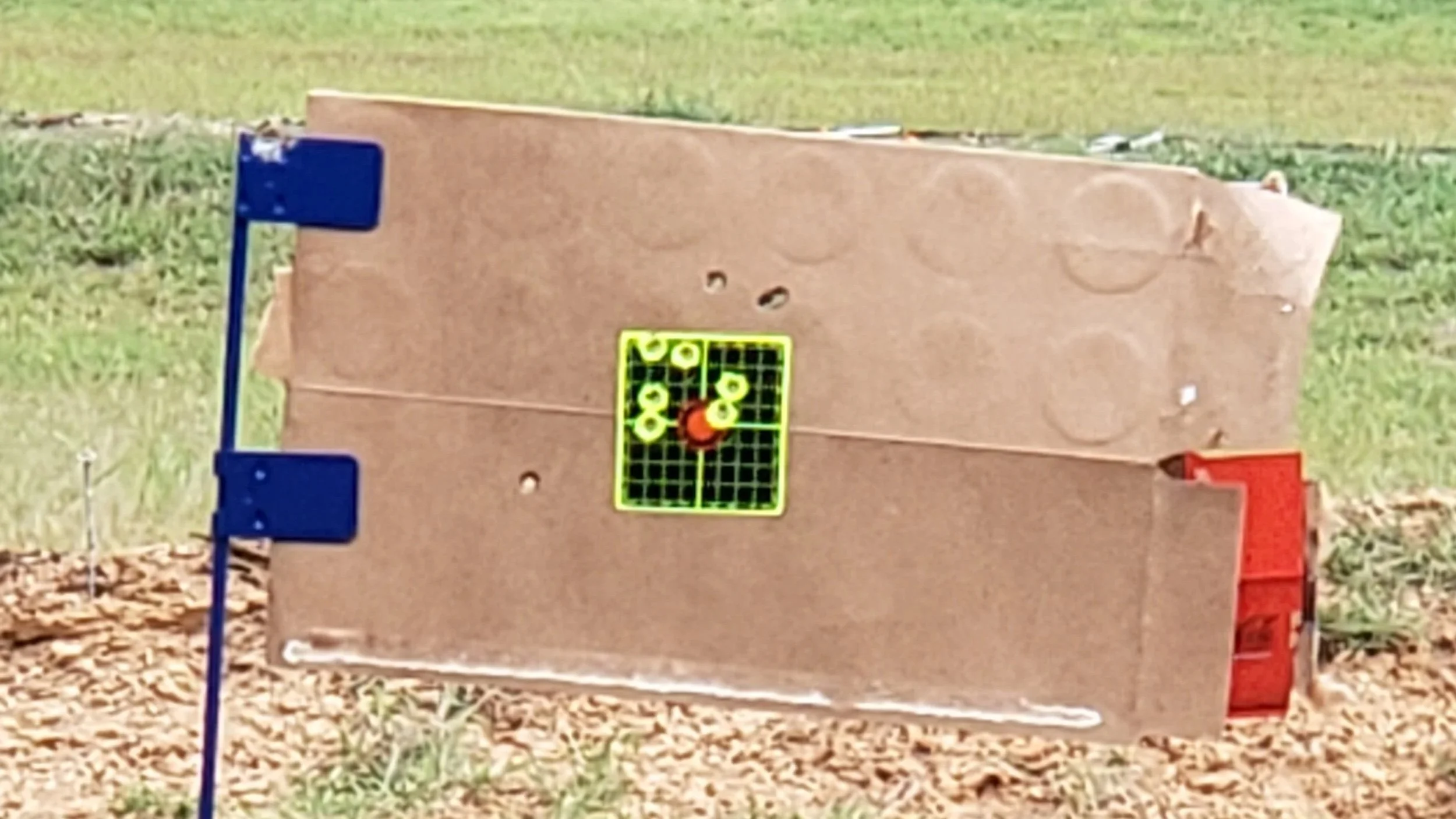
The second drill I did with the Glock 17 Gen2 was rapid fire for ten rounds. The Glock 17 trigger seems faster on the first shot, but it does require somewhat more discipline to pull through without getting thrown off. It felt more difficult to get the gun to go right back on target after each shot.
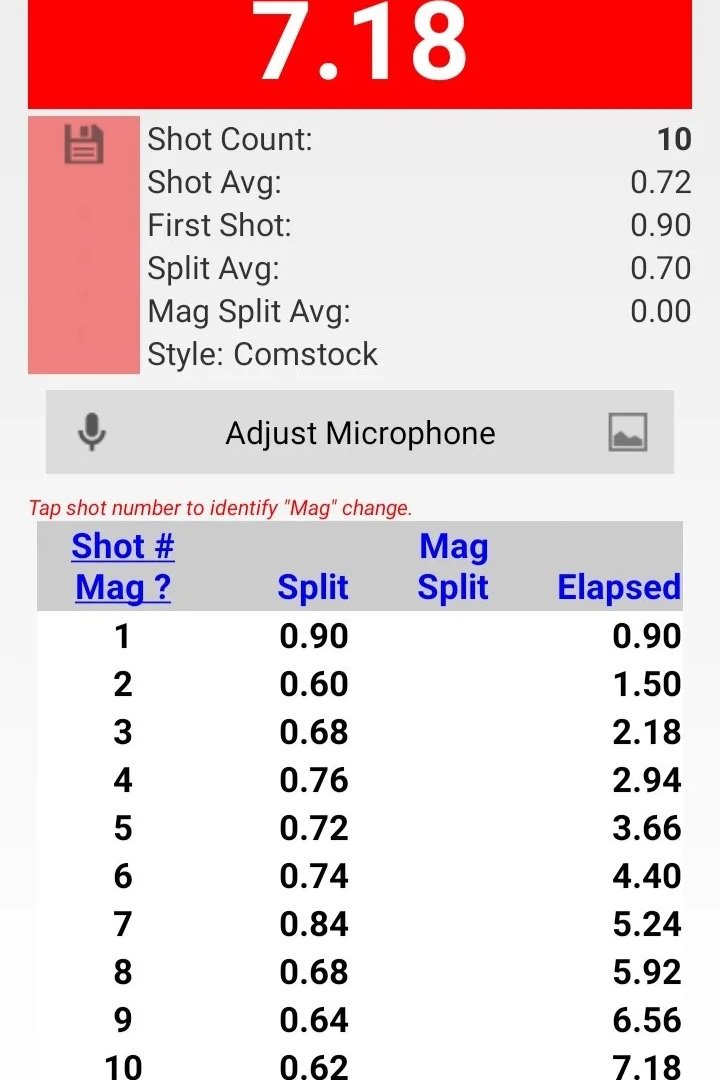
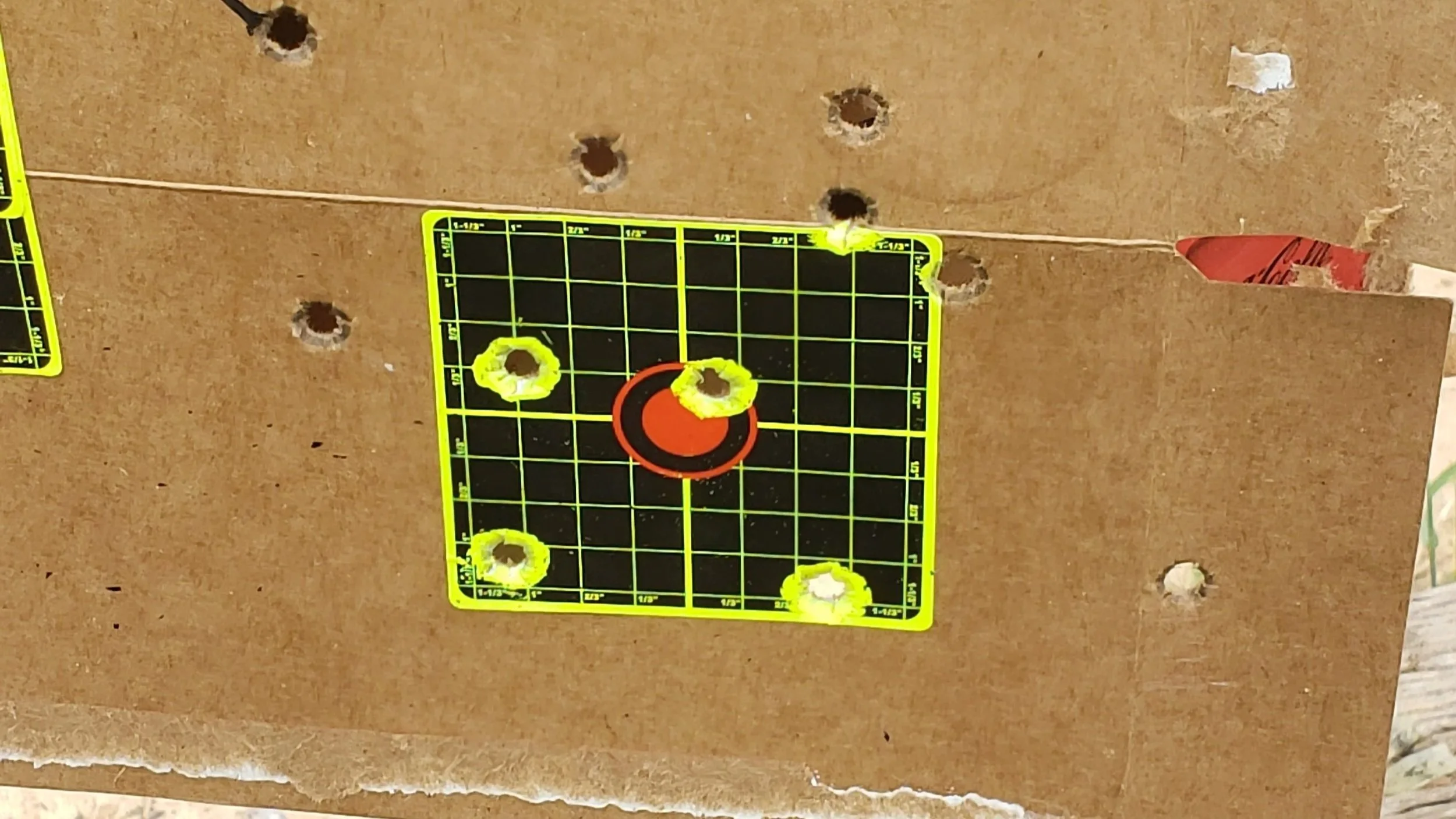
The target shows that my marksmanship was not all that great. I admit that I saw the sights landing in all sorts of weird directions and still pulled the trigger on shots that seemed like they were right on the cusp of acceptable accuracy. Clearly I missed two of the ten rounds, probably straight over the top of the target.
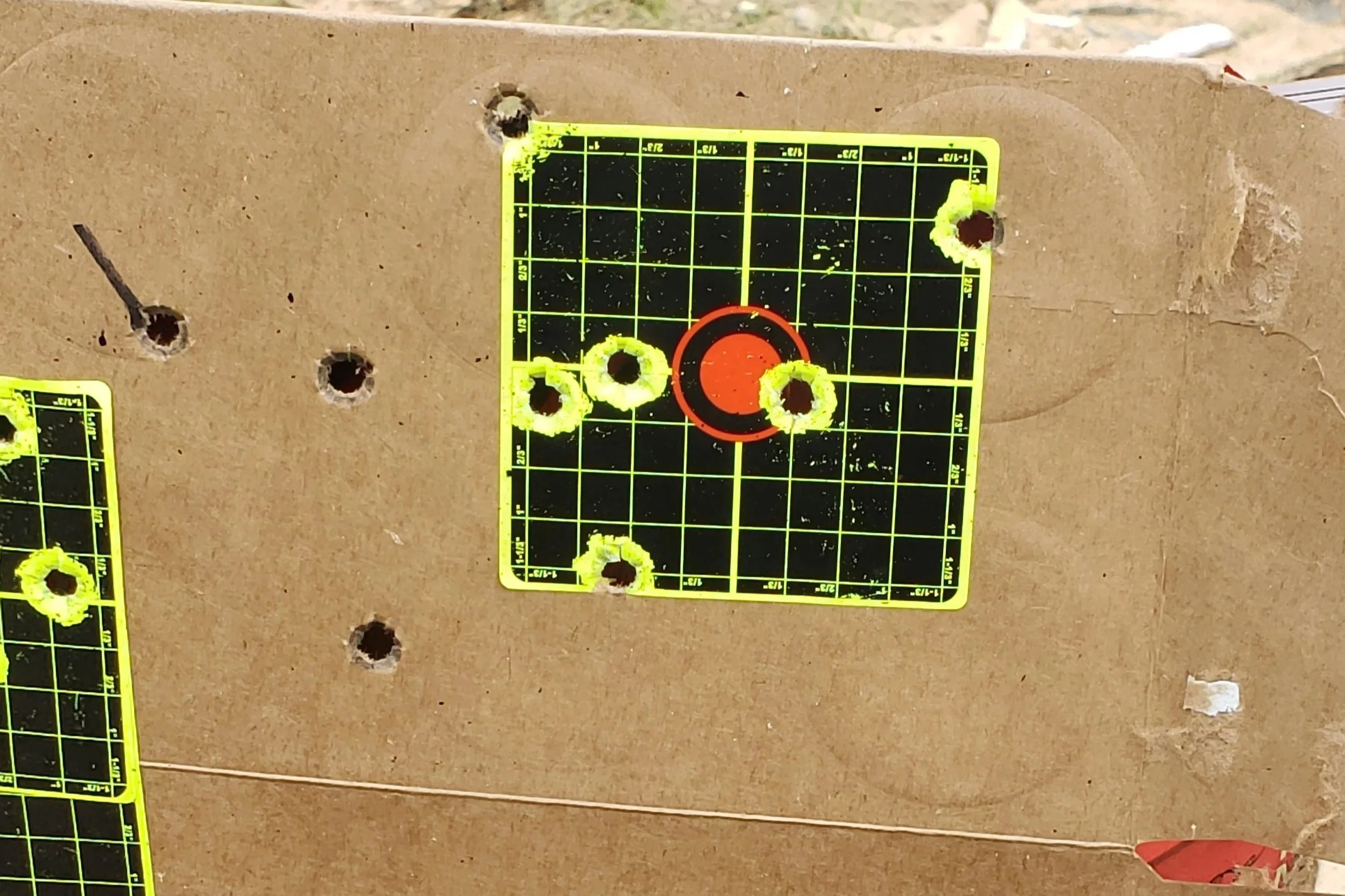
The next drill I conducted was a 15 round shooting drill to test my ability to shoot at speed, in order to try and redeem my last performance. The wind was blowing for half of my shots, so I shot 5 extra rounds for the Glock 17 and created quite a display. My times were not bad, but you could tell where I had hesitations because of seeing the target turn a bit. The real letdown was my marksmanship.
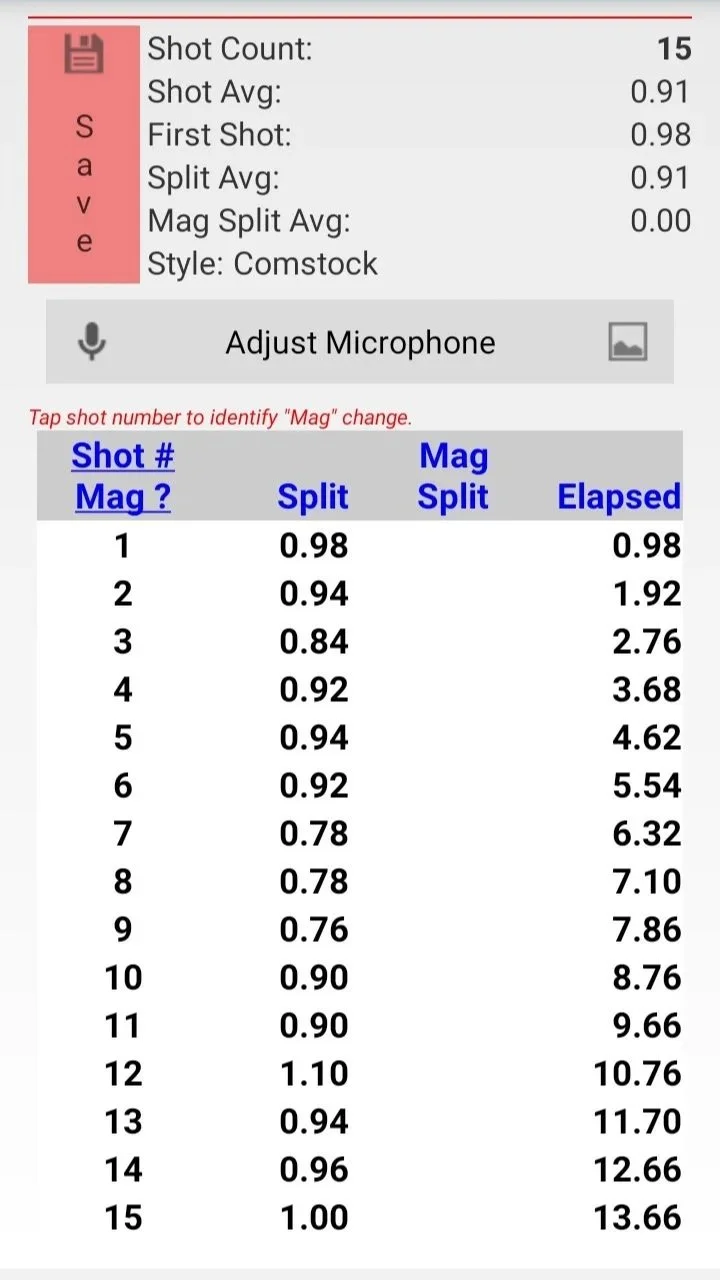
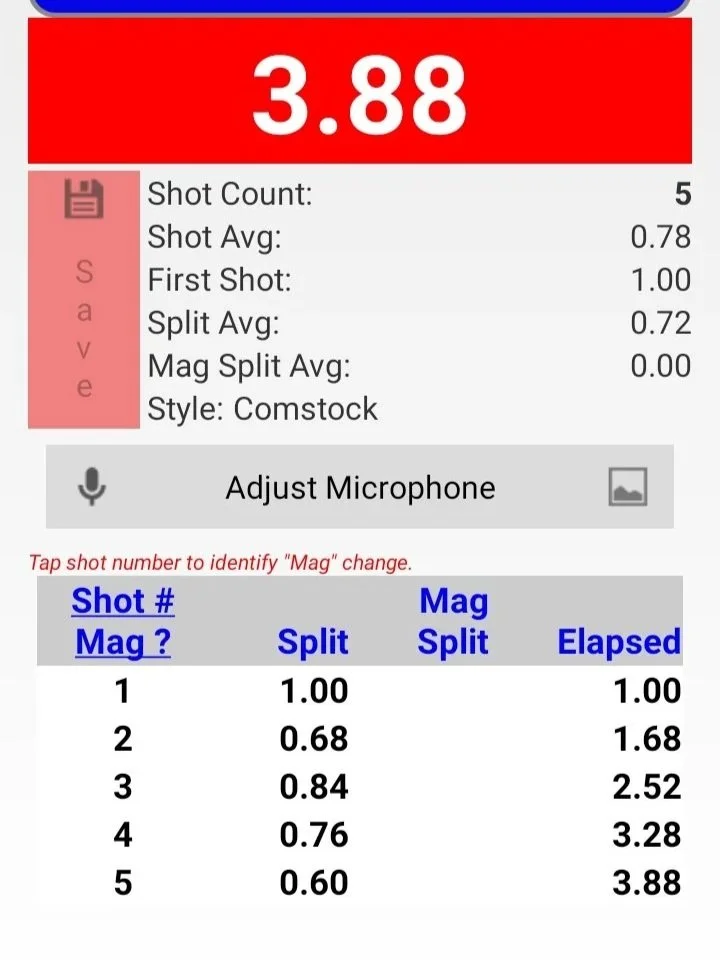
I saw the pistol bucking under the recoil to the left and right, and the result was less than desirable. I sent shots in haste due to seeing the wind blow, and some of the shots were violently yanked, causing sympathetic movement. You can see the impacts that went in sideways due to the wind blowing the cardboard towards me a bit.
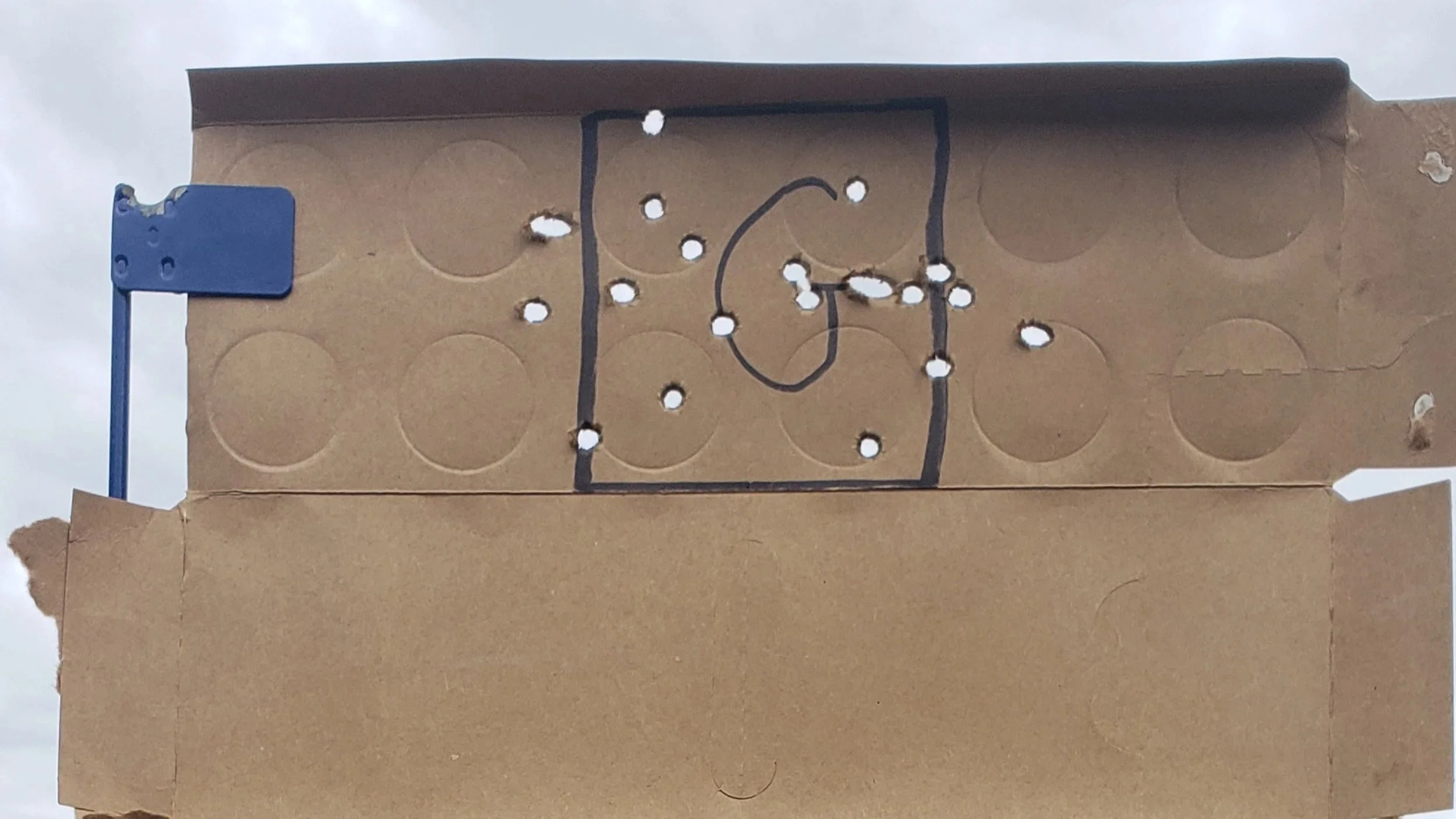
BERETTA 92FS PERFORMANCE
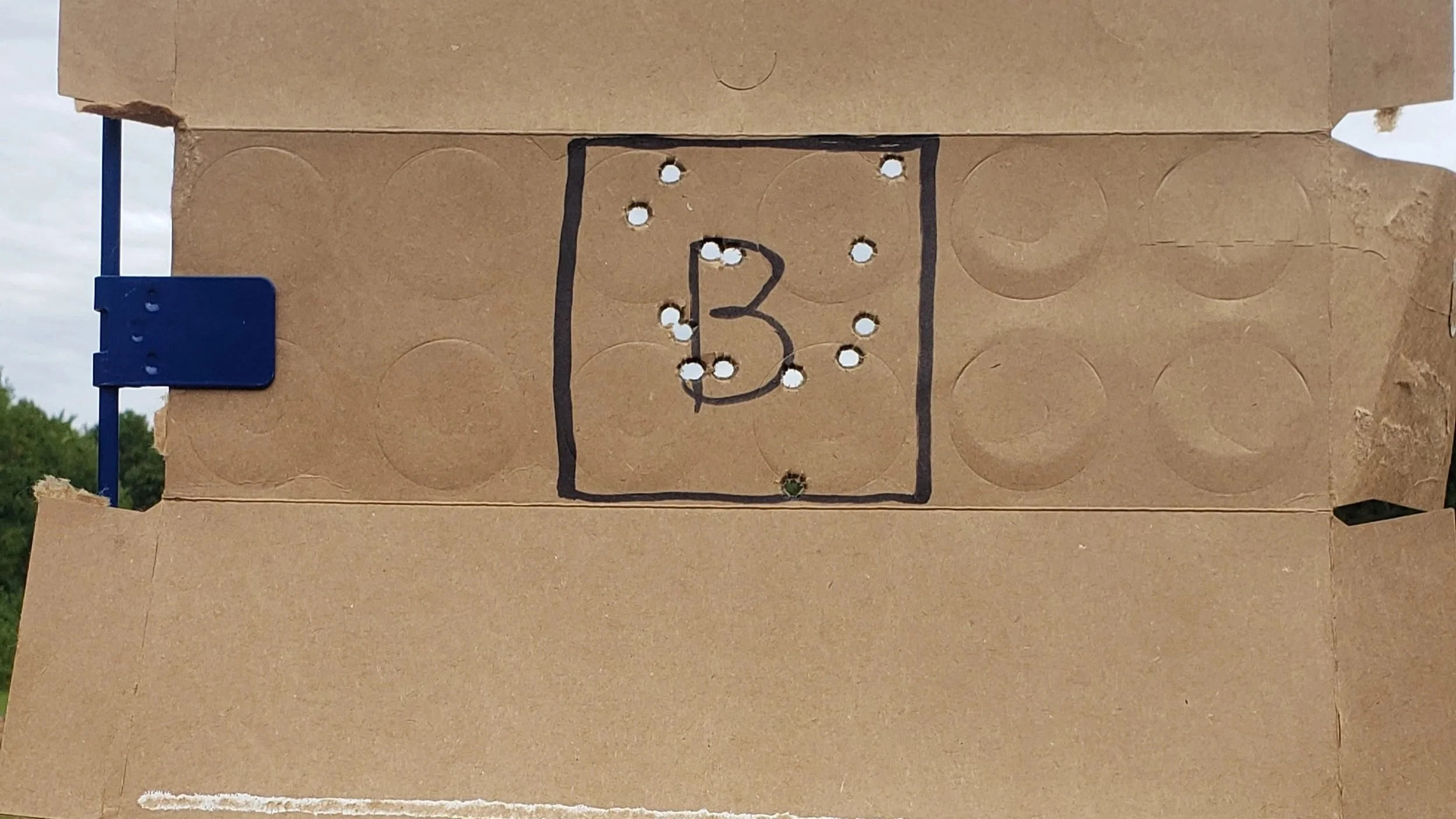
The first drill I conducted was the single round presentation from high compressed ready. I shot 10 rounds, all from double action, and found that I needed to practice my double action stroke. every one of the shots outside the target were my first 5 shots. My average time on the presentation was just under a second. My best time on the presentation was 0.76 seconds.
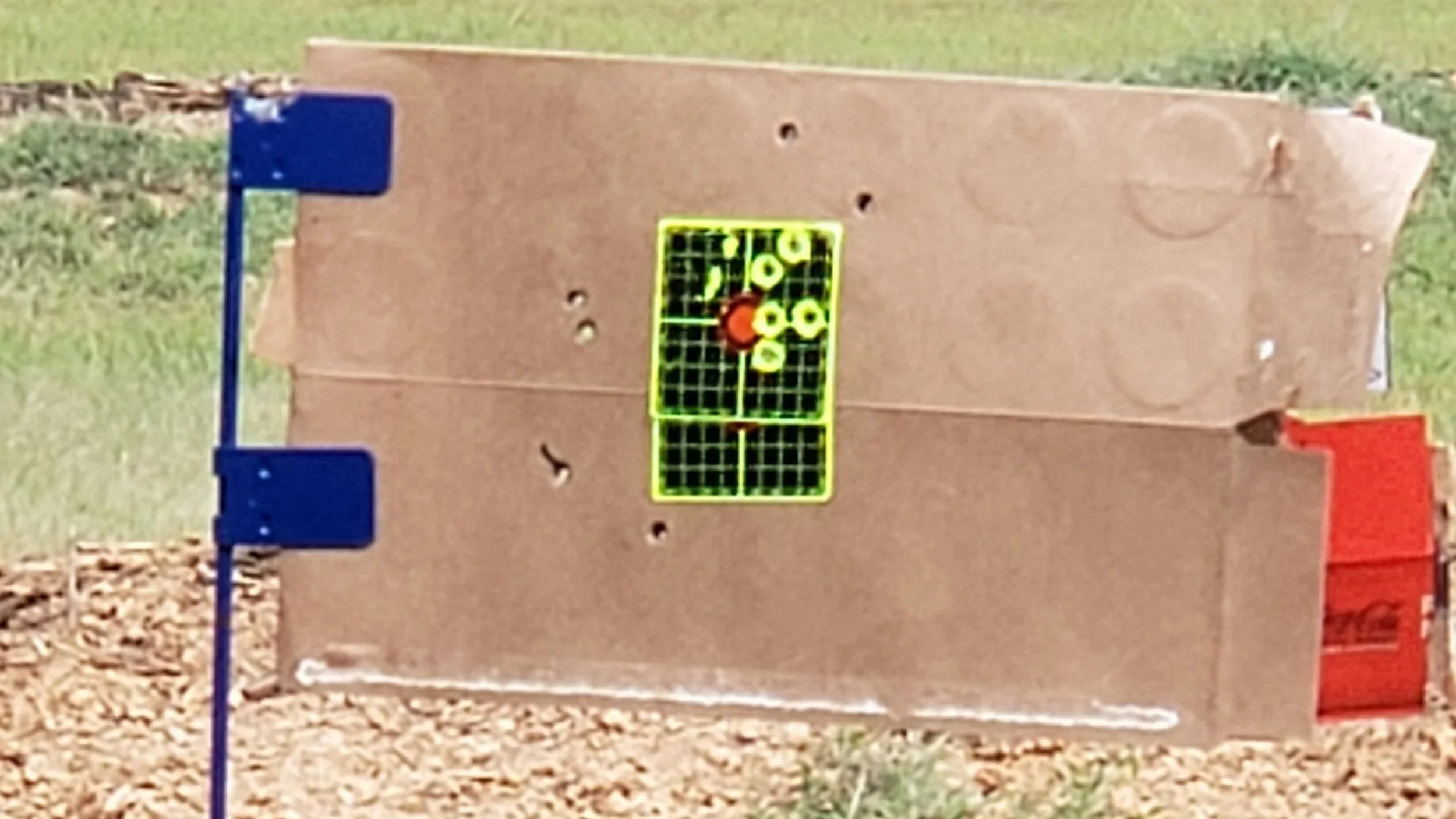
The second drill was ten shots on a small target. Beretta feels slightly slower on the first shot, but the follow-up shots feel and are much faster, thanks to the crisp single action trigger. Also, the weight of the frame and the speed of cycling makes this pistol much faster to get back on target.
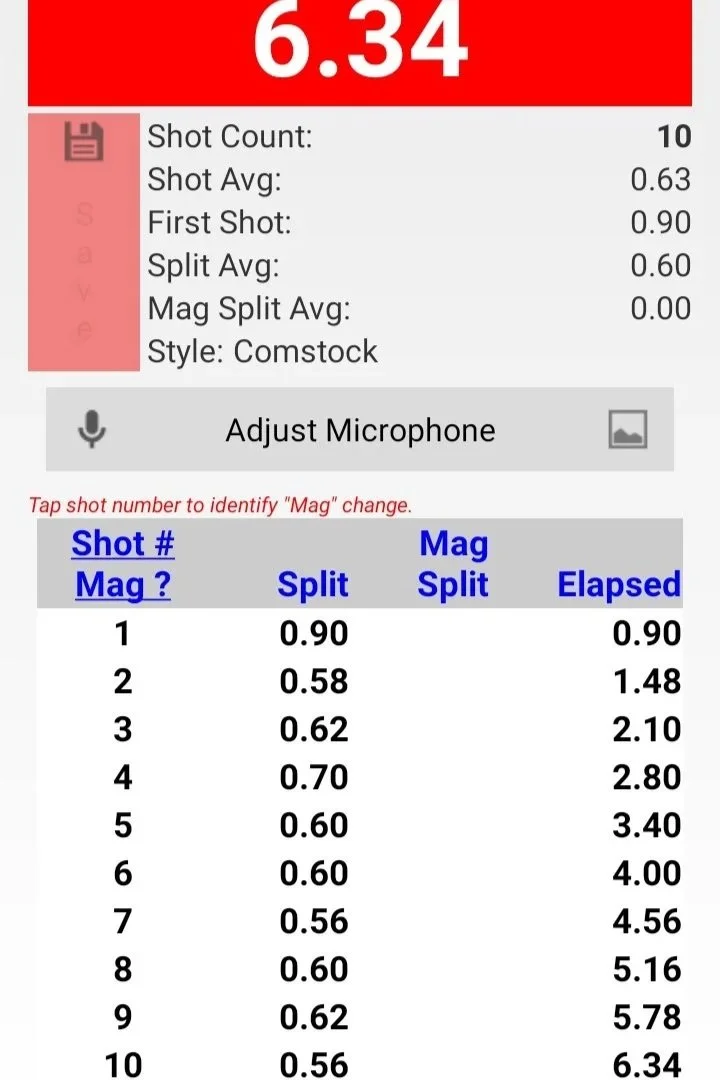
THE BERETTA AND THE GLOCK WERE SIMILAR IN FIRST SHOT SPEED, BUT THE BERETTA HAD FASTER FOLLOW-UPS
My marksmanship with this drill was a bit better than with the Glock 17, but I was not as good as I would have liked to have been. Regardless, at least I was still on paper with this one.
The last drill was 15 rounds as fast as I could, into a similarly sized target. I was severally disappointed in my last drill performance and kind of wanted some redemption. This time I shot much better, but was close to losing my grip from the recent injury in my hand. But the pistol pretty much did all the shooting for me thanks to the weight and my doing my part on the trigger.
OVERALL PREFERENCE
I think both of these pistols have their own merits as a service pistol. I have not spent much time with either of these pistols in quite some time, so this was a cold performance. After these tests, I found that I much preferred the Beretta in terms of shooting experience (low recoil) and my ability to get rounds right on where I wanted them. It did not take me very long to get accustomed to the Beretta, and once I dealt with the initial hiccups, I found that the pistol worked incredibly well in my hands, even shooting it one handed.
SUGGESTIONS
Neither of these pistols are completely perfect right out of the box. In an ideal world, I would suggest you get one of these pistols as a Law Enforcement trade-in. Out of the box, Glocks will typically require you to buy metal sights, of a value of $75 or more Furthermore, if this pistol is to serve in a home defense role, I would highly recommend you utilize a trigger guard holster to protect from inadvertent presses of the trigger while the pistol serves on your nightstand. You can tie off the trigger guard holster and make it to where simply picking up the pistol with force will unleash the weapon.

For the Beretta 92FS, I would suggest you buy the G-series conversion kit for $55 to take away the risk of placing the pistol on decock during manipulations or accidental manipulation. Also, as with any pistol, make sure you have a full set of springs on hand after you get the pistol in order to have a way to service the pistol quickly and without having to put the pistol out of action for a long time while you diagnose the issue and solve it.
WRAPUP
Overall, both of these pistols are workhorses ready to serve. They have served the public in many countries for decades, and that will continue, whether or not you prefer these pistols. The Glock is a simple duty pistol optimized for utilitarian usage while the Beretta is a bit more sophisticated and has a bit more class, in my option. I personally like the Beretta a bit more than the Glock because it has a more elegant spirit in its design with its old falling block locking design and its Hollywood, police, and military history.