LOW LIGHT TACTICS
Fighting in a low light setting is one of the most demanding things you can do, let alone with a firearm. It requires many things to be done right and for you to be very proficient. This means that you must practice and constantly challenge yourself. If there is anything I have learned in my time of fighting in low light and training in low light, it is that there is no one thing that is universally applicable. Darkness will complicate everything and adding in having to use and be mindful of other gear, in addition to your gun, adds to the complexity. There are a few basic things that are necessary and vital to effectively fighting at night, and I want to go over them briefly.
HIGHER LETHALITY
If you look at any statistic, you will find that low light is one of the most popular times for criminals to commit crimes. There are crimes happening all the time, but there seems to be something about night time that emboldens a lot of violent criminals. Darkness conceals them and allows them to ambush their prey with greater effect. Police Officers have the most experience in these matters, and the numbers show that low light is the most lethal for them. Lower visibility seems to translate to lower effectiveness when it comes to self-defense. Don't just think you can throw a light on your gun or in your pocket and be ready for what lurks in the night.
MYTHS AND MISUNDERSTANDINGS
Just like with many aspects of the gun industry, there are countless theories, myths, and widespread misunderstandings that circulate among enthusiasts and beginners alike. A significant number of these misconceptions can be easily disproven if you simply attend a proper course and engage in any sort of force-on-force training that simulates real-life scenarios. Statements such as "shoot at the light being shined in your eyes" or "you must have night sights" often stem from outdated knowledge or are based on incomplete concepts that the person may not fully understand.
It’s important not to get caught up in these oversimplified, catchy phrases that are presented as hard facts when they are not always reliable. Instead, make a point to understand the reasoning behind these ideas and seek out proper training whenever possible. Doing so will help you avoid falling into the trap of relying on obsolete information or becoming part of the so-called armchair commando brigade. Especially in low-light conditions, more so than most other shooting scenarios, you simply do not have the luxury of depending on outdated practices or secondhand information. Staying informed and trained is essential for effective performance and safety.
GEAR SELECTION
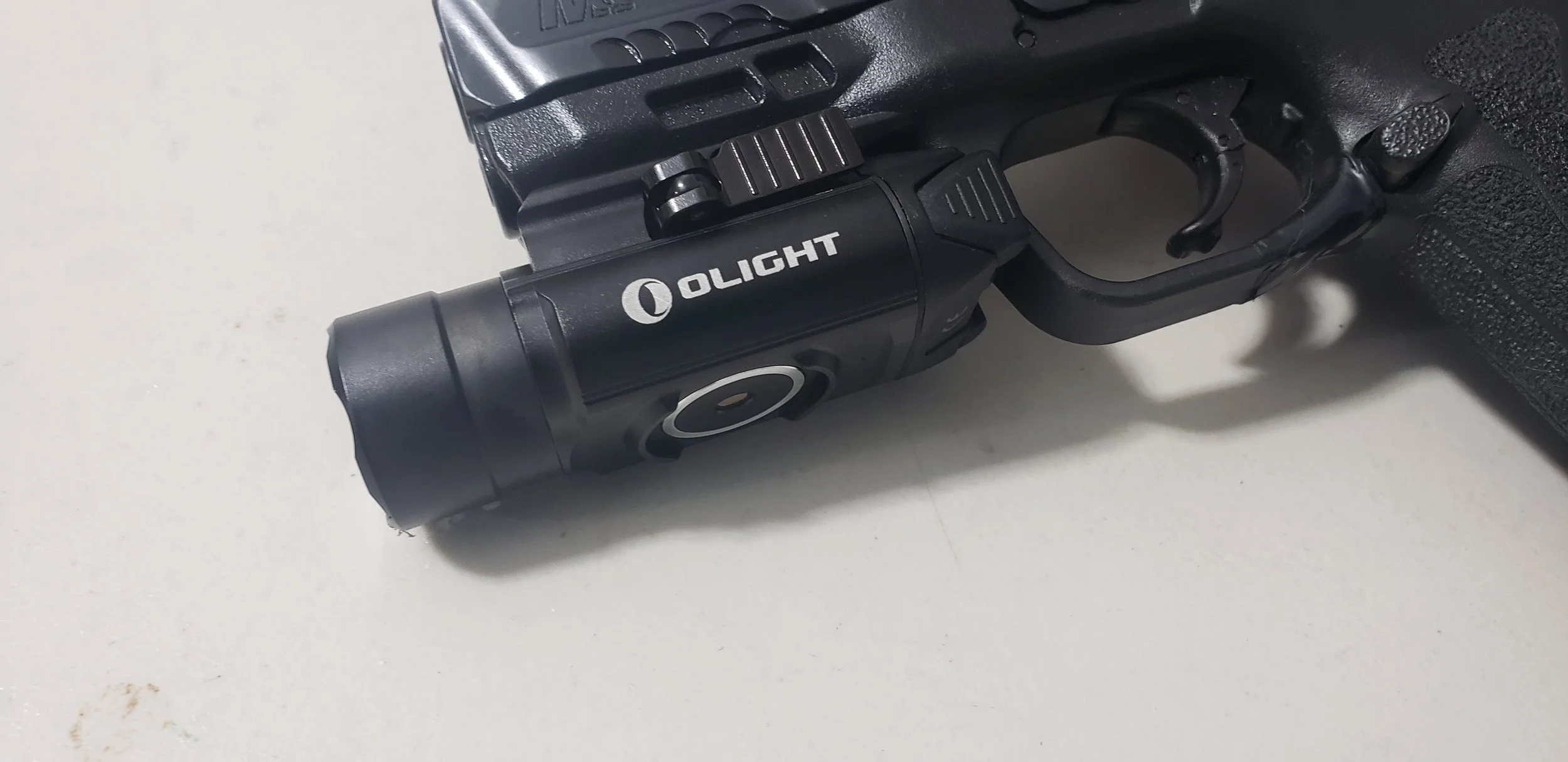
Unlike a lot of shooting gear available on the market, handheld and weapon-mounted lights tend to have a much more significant impact on your performance when operating in low-light conditions. Naturally, the effectiveness of these tools heavily depends on how skillfully and appropriately you use them in the field. It’s important to understand that no single piece of gear will provide you with an automatic or definitive upper hand in every low-light scenario. Instead, each piece of equipment is highly situation-dependent and demands that you remain tactically aware and mindful to maximize its benefits.
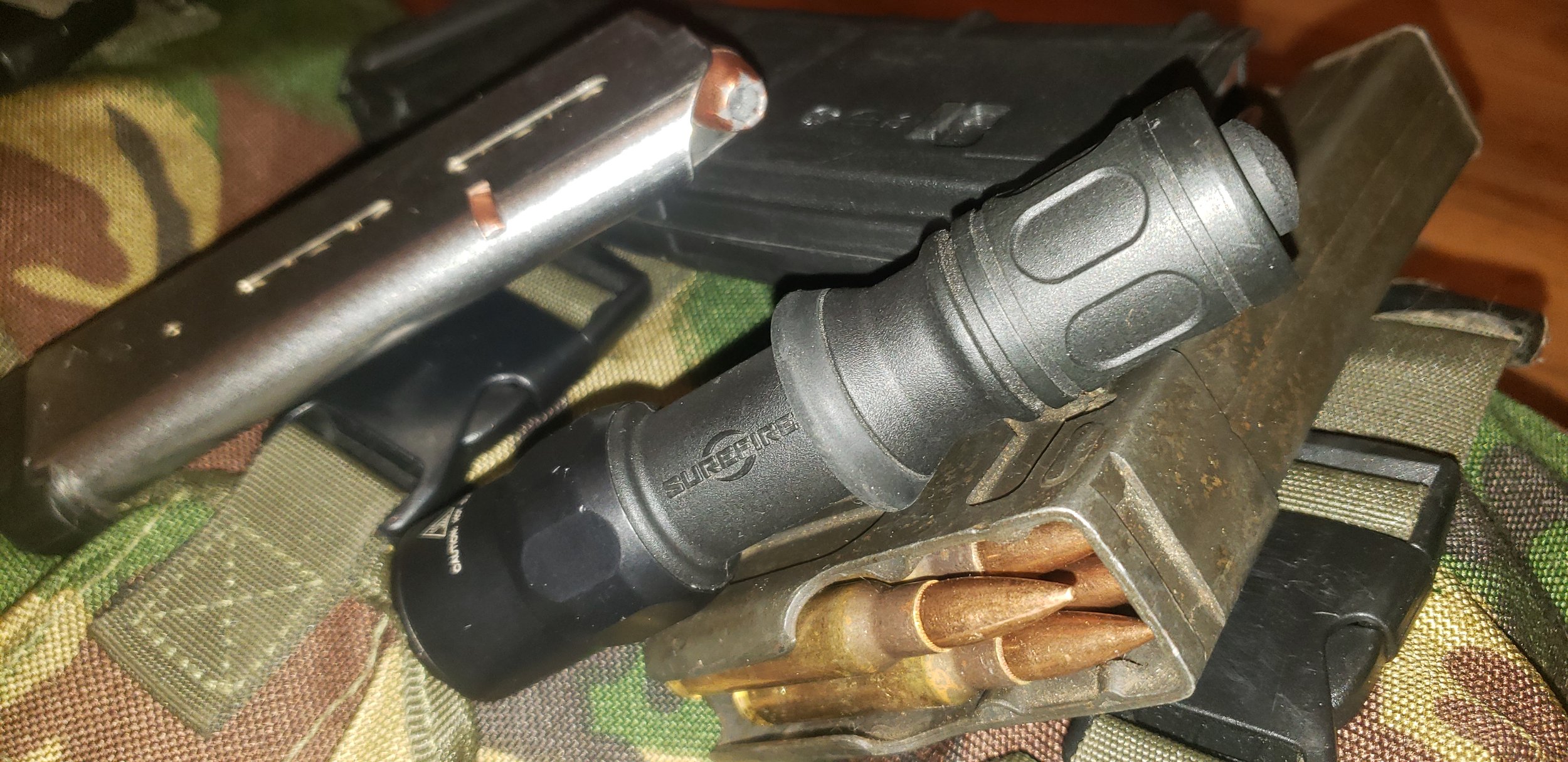
In certain circumstances, you will not be able to have a weapon-mounted light because your pistol does not have a rail. Even if your pistol has a rail, you might not be wise to add a light since it would merely add size to your concealed piece and compromise the its overall concealability. With a weapon light on your pistol, that is not permission to completely omit the use of a handheld light. If it is dark, you do not pull out your pistol to navigate, illuminate, search, or communicate. For this reason, unless the pistol is a duty pistol or home defense pistol, I opt for a handheld light.
TECHNIQUES
With each piece of gear, there are a variety of techniques that you can use. Each technique works well with different situations, but none are universal in how well they work in each situation. The best advice I can think to give is to do the best you can to master as many of the techniques out there as possible. Learn how they work in a tactical sense and how to quickly and efficiently employ them. Transitioning from one technique to the other is also a good thing to work on as well. Combining good gear with good techniques and applying them with good tactics is what will pay off if you ever have to use these skills to save your life.
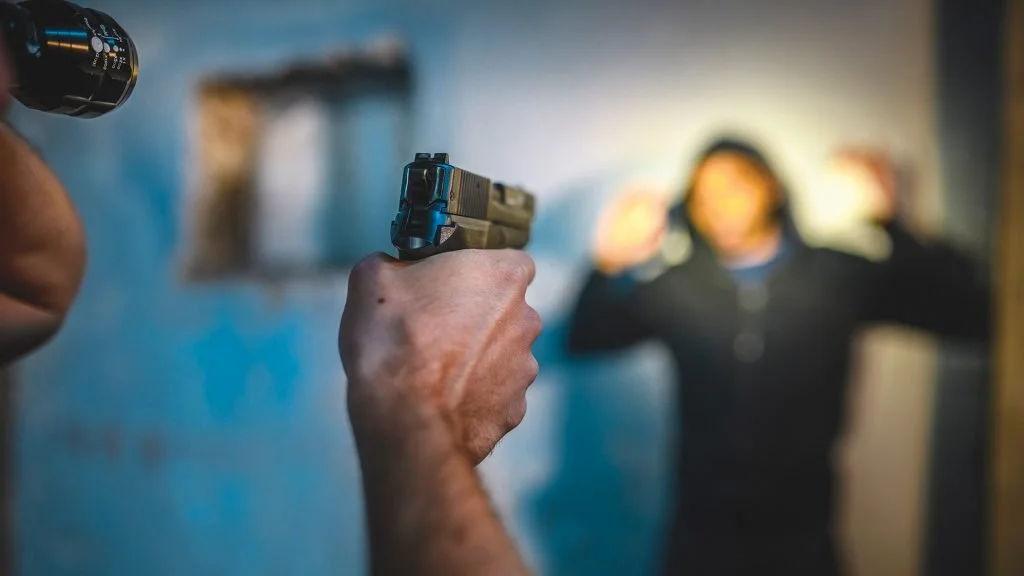
When using a flashlight in low light, it is important to be tactically mindful of the situation and how to utilize your environment and gear in a way that give you an upper hand. You may not be familiar with the grounds you must fight on, but you can be able to recognize how a certain layout can work to your advantage. Being able to look at a situation and know what kind of gear to use and how to approach a situation is absolutely vital. Adapting and being able to know when to move to another piece of gear and use a different technique in an efficient manner is a good skill to have and is something you should strive to be fast at.
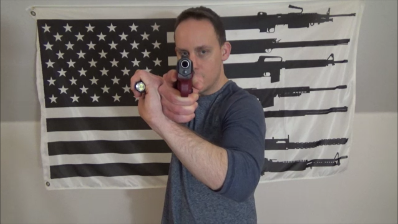
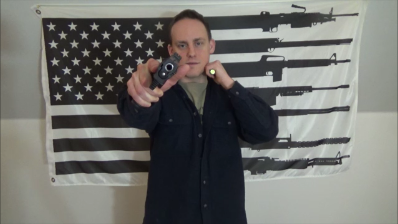
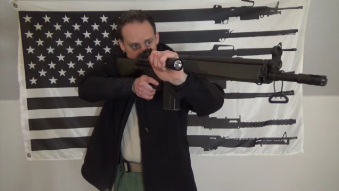
White light usage techniques focus on maximizing the effectiveness of handheld flashlights in self-defense and tactical situations. Proper techniques include momentarily flashing the light to disorient an attacker, using a firm grip to prevent weapon retention, and maintaining target identification before engagement. Training emphasizes controlled light sweeps to avoid blind spots and the use of light to create tactical advantages such as silhouette manipulation and environmental awareness. Consistent practice in transitioning between light and weapon use enhances overall situational control and response time.
MARKSMANSHIP
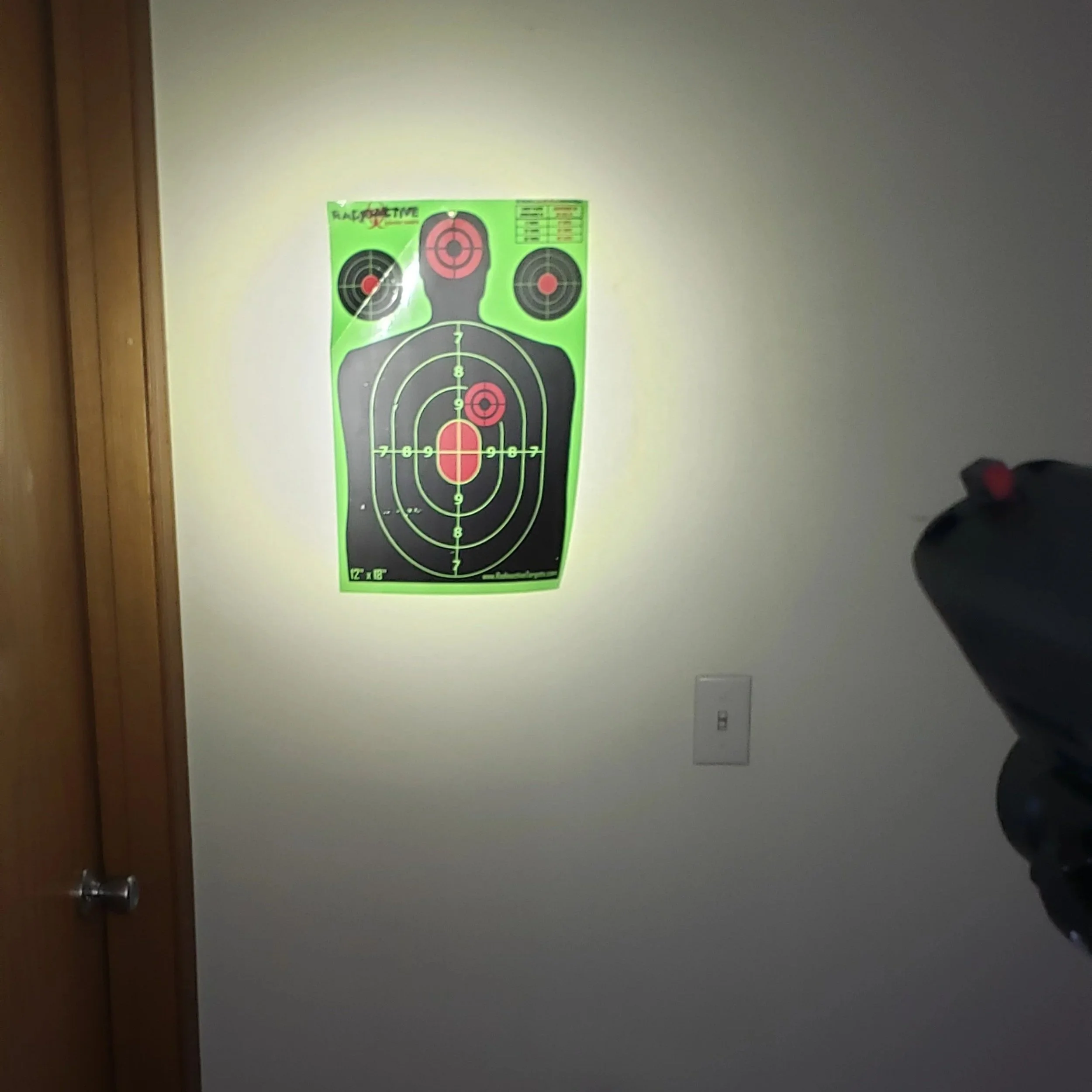
In low light shooting, you will have to react fast, which means you will need to be able to shoot fast. As with shooting in any other condition, your accuracy must be on point. The one thing I will say is that there are plenty of times when you may be shooting one handed. Many of the techniques used are meant to try and give you some form of two-handed grip for shooting. However, we cannot always count on such a luxury. It is best to practice shooting one handed often and try to be able to do it fast and accurately.
WRAPUP
As with any form of fighting, especially one that is for your life, is going to be sexy or perfect. There is not much you can do about looking good when you are having to move and shoot as fast as you can. It is not like you will have time to have everything perfect in a fight and look good while doing it. Personally, I don't remember a time when I looked particularly sexy, nor did I perform any kind of action in a textbook manner. I did the best I could with the gear and position I had at the time. It wasn't pretty and I am pretty sure armchair commandos, with the gift of hindsight, would tear apart my technique. But that is why they are armchair commandos. The best thing you can do is apply your techniques in a tactically sound manner and play the hand you're dealt.