WALTHER PPS M2: LIVE TO DIE ANOTHER DAY
If the name Walther doesn’t scream James Bond to you, then I don’t know what to tell you. The Walther brand has undoubtedly been successful for its involvement in the Bond films over the decades. The trusty Walther in the hands of one of the most daring secret agents on the planet. In my mind, if James Bond were a real person today, he would definitely be armed with the PPS M2.
WALTHER PPS M2 FEATURES
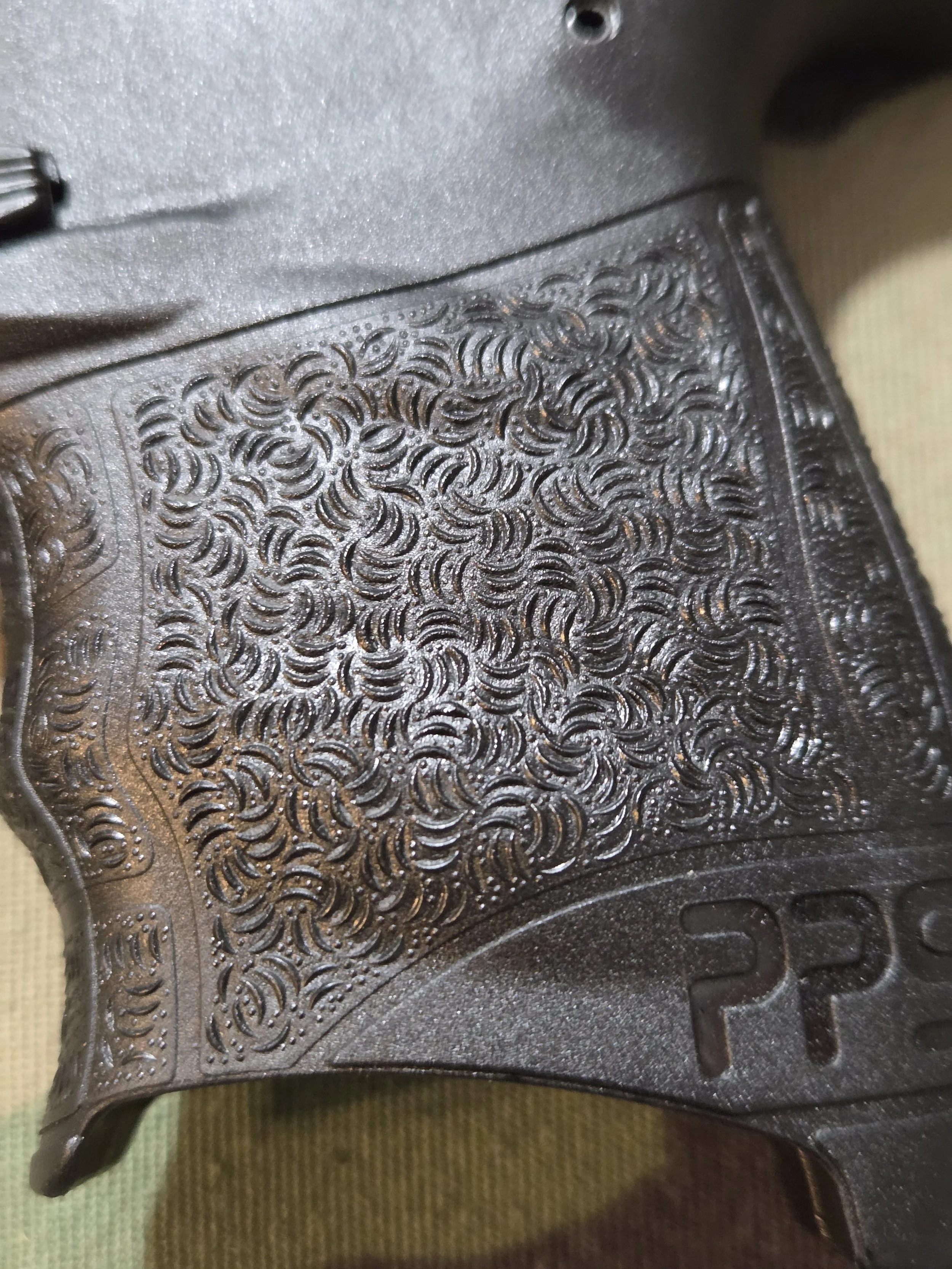
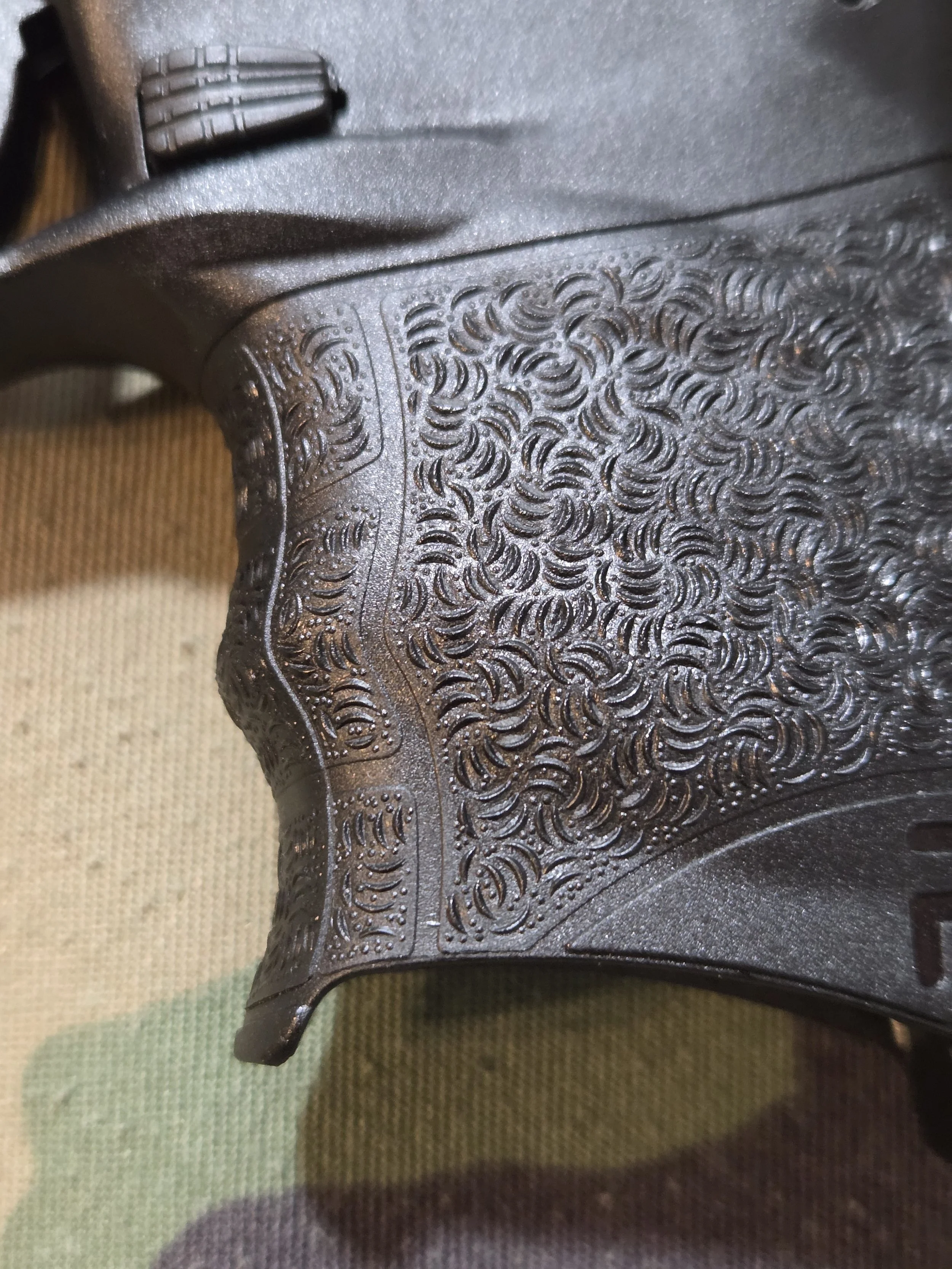
The signature change on the PPS M2 is the grip. The idea was to take the iconic PPQ grip texture and shape and place it on the PPS. This was accomplished with a slight addition of minor finger grooves. Honestly, the grip texture is a bit soft by todays standards, but the finger grooves are the saving grace for this pistol.
FINISH
The finish on the Walther PPS M2 is the classic finish that most Walther pistols have, that signature black Tenifer finish. It is a ferritic nitrocarburizing finish that is relatively durable and hardens the metal. However, the matte black color comes from a thin post-treatment oxide layer (similar to Parkerizing or black oxide). Over time, especially with heavy concealed carry and holster use, this black layer can wear off in high-friction areas, revealing the underlying dull gray or silver/steel-like metal. This is normal holster wear and does not affect the gun's corrosion resistance or functionality—the protective Tenifer treatment remains intact even if the black is gone.
The Walther PPS M2 does not feature the accessory rail like its previous model, which I wholeheartedly love to see. The last thing a gun this size needs is encouragement to attach crap to it.
SLIDE SERRATIONS
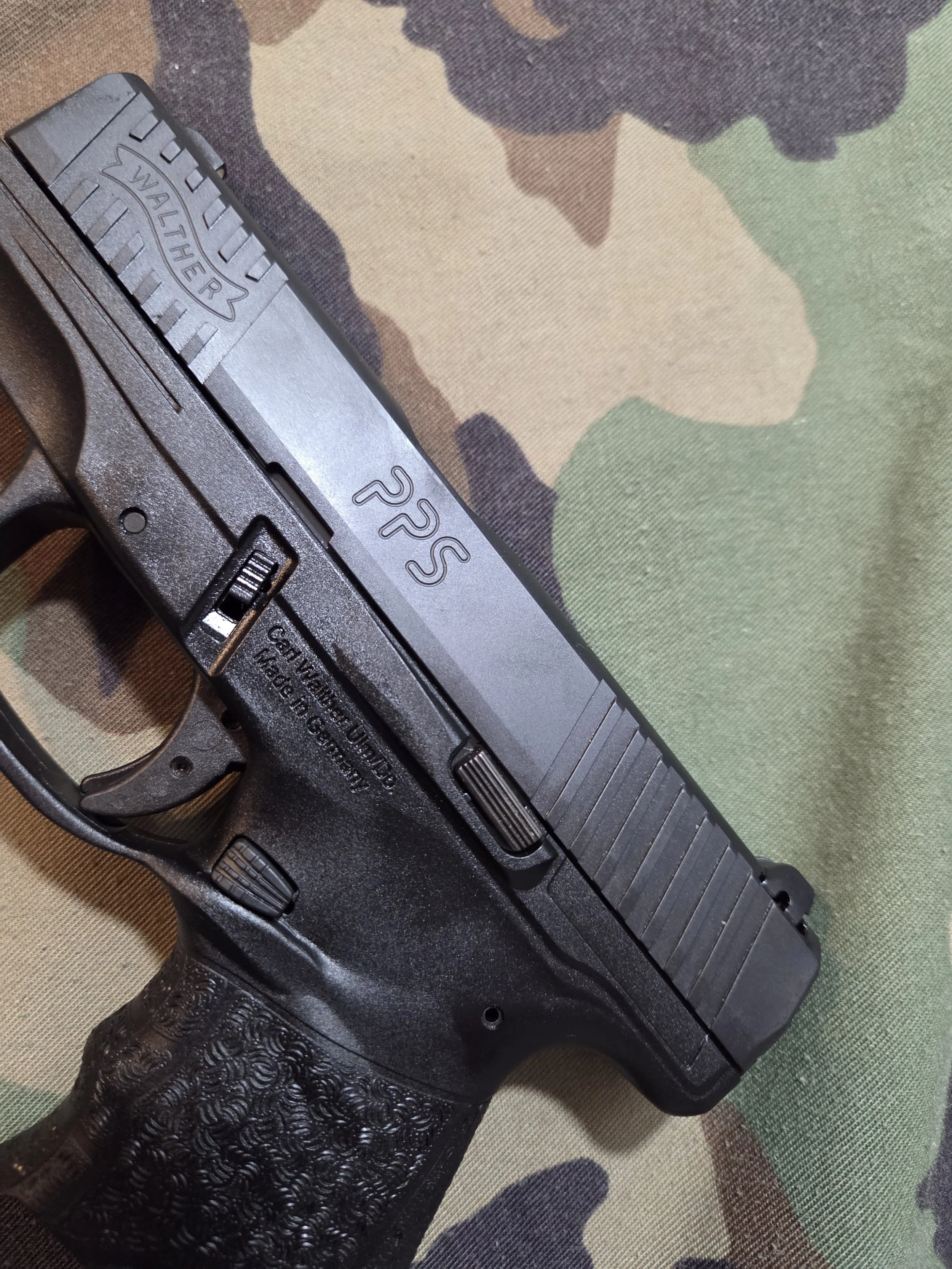
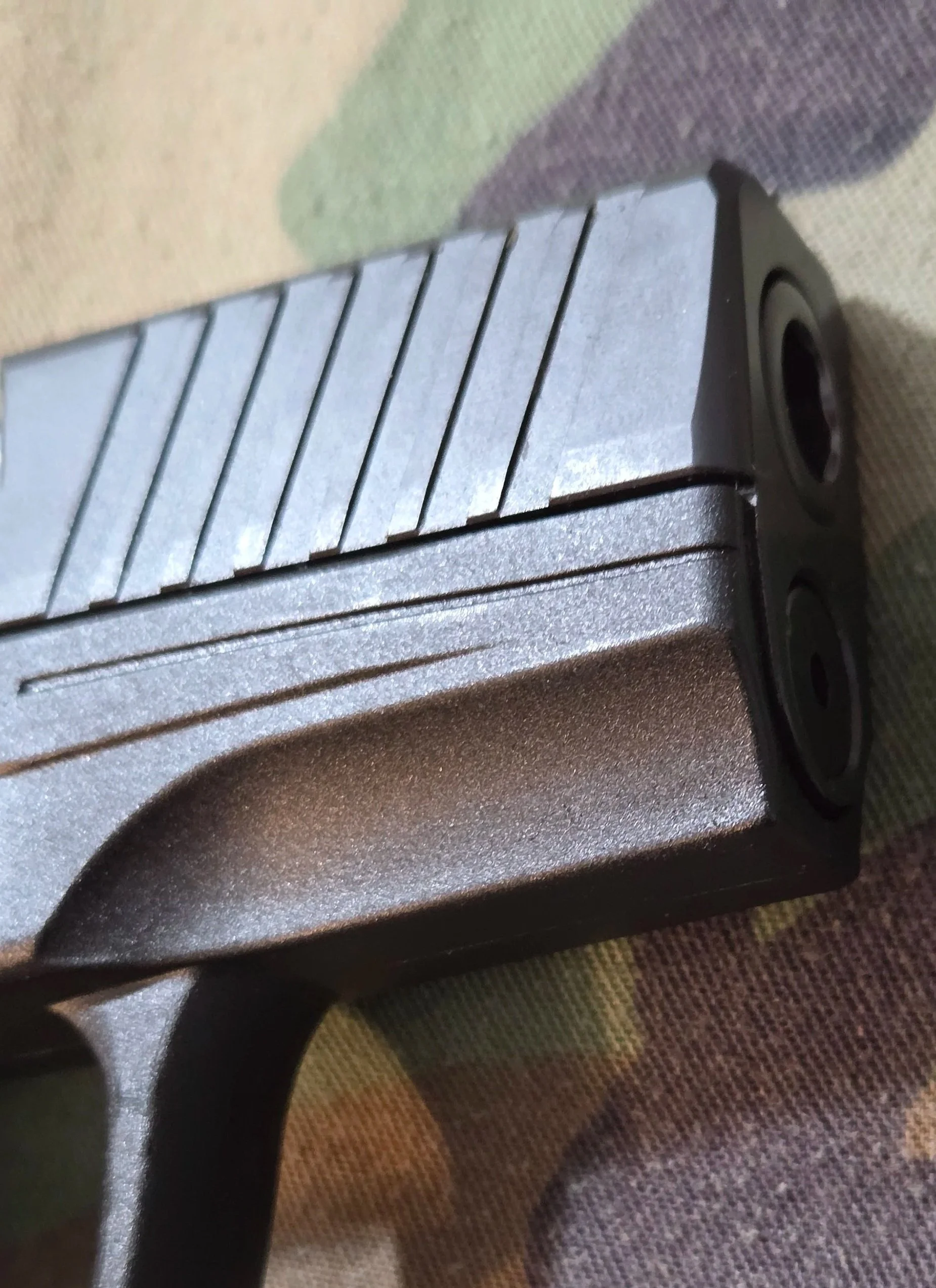
The front and rear slide serrations are relatively shallow, but have a good bite to them, and the Walther name is stamped among the front serrations nicely. This is modeled after the PPQ, which has been discontinued and replaced by the PDP for a while now.
STRIKER INDICATOR
The striker indicator on the back of the slide will tell you the status of the striker; whether it is cocked and where it is in the process of being released. You can also use it as a manual holster safety by putting your thumb over the indicator and apply a lot of force to prevent the striker going back and potentially firing from a snag during holstering the pistol.
EJECTION PORT
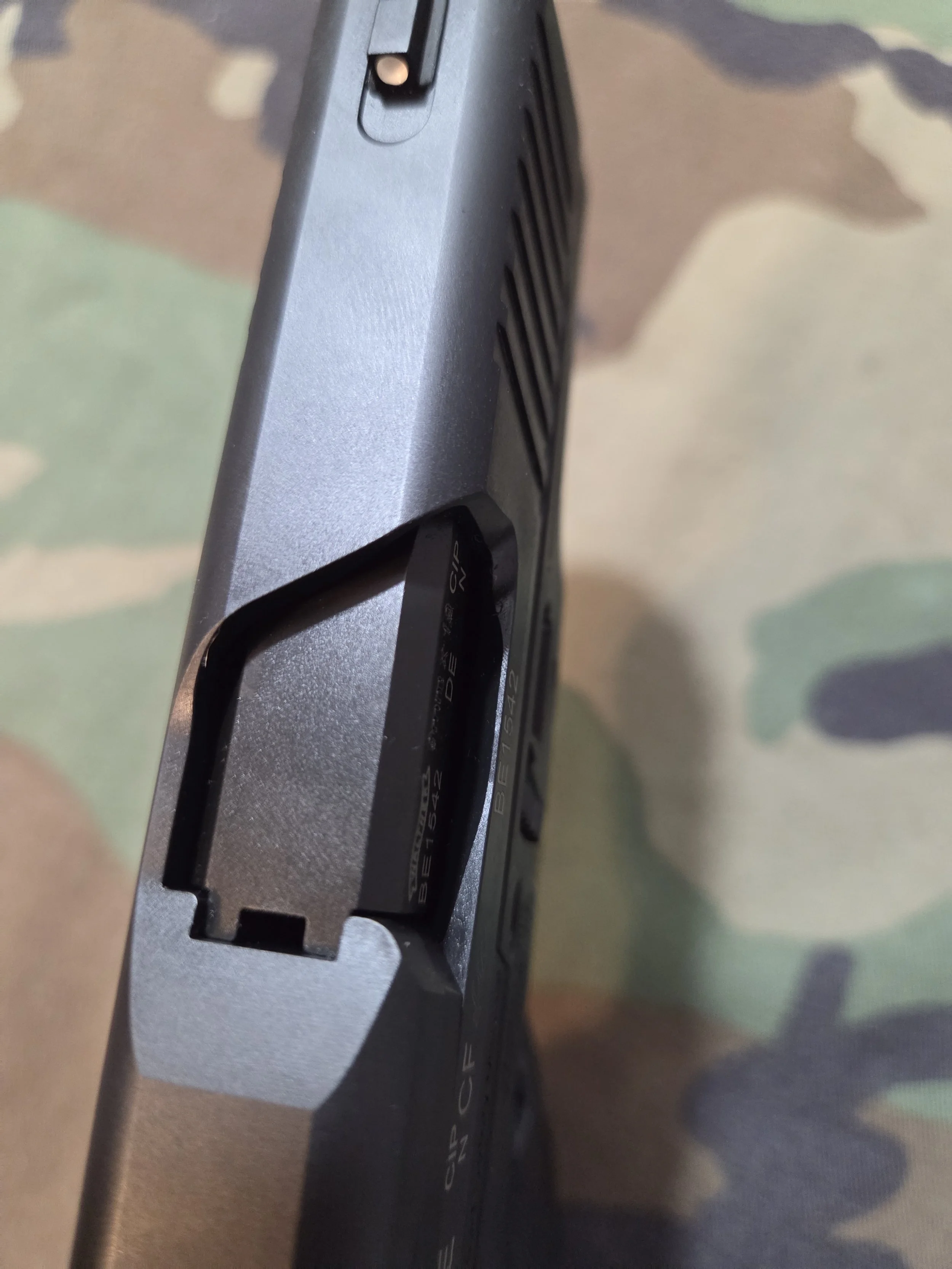
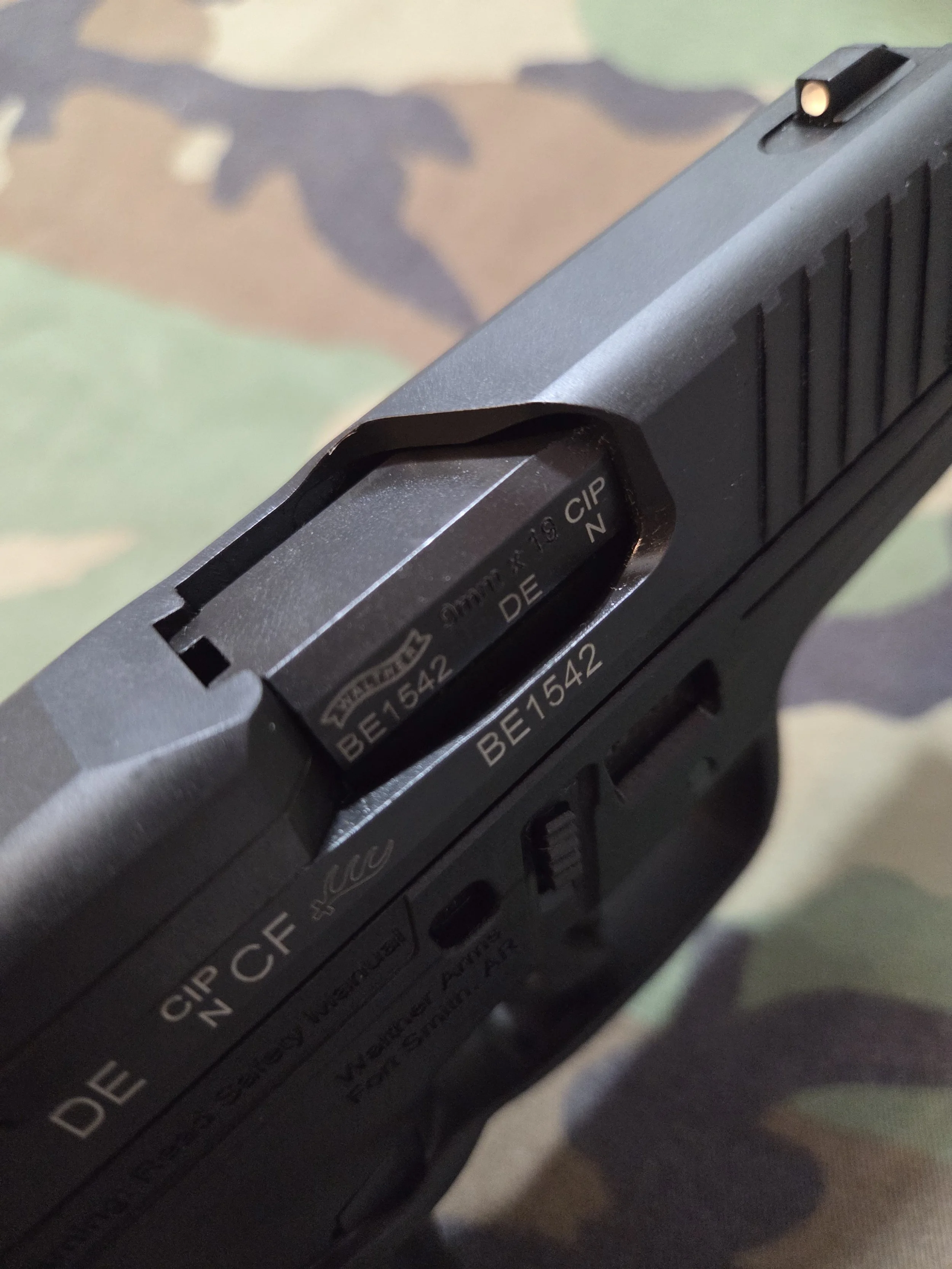
The ejection port is that strange shape that gets larger as it goes more to the right. I’m assuming this is efficient from a manufacturing standpoint since it lessens the metal cut, and it gives the pistol some styling points for being different. The top of the barrel features a rectangular viewport for checking the chamber.
SIGHTS
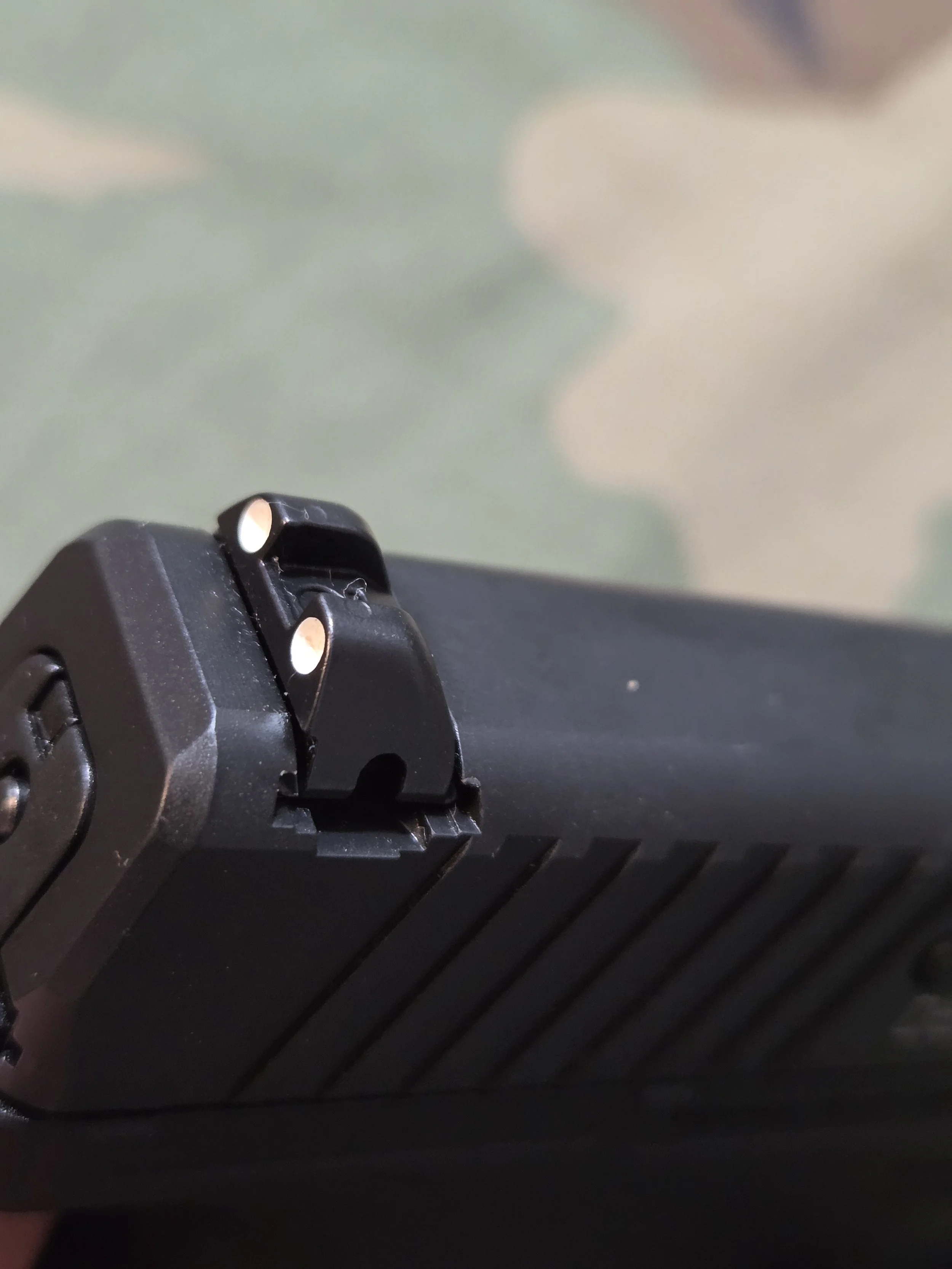
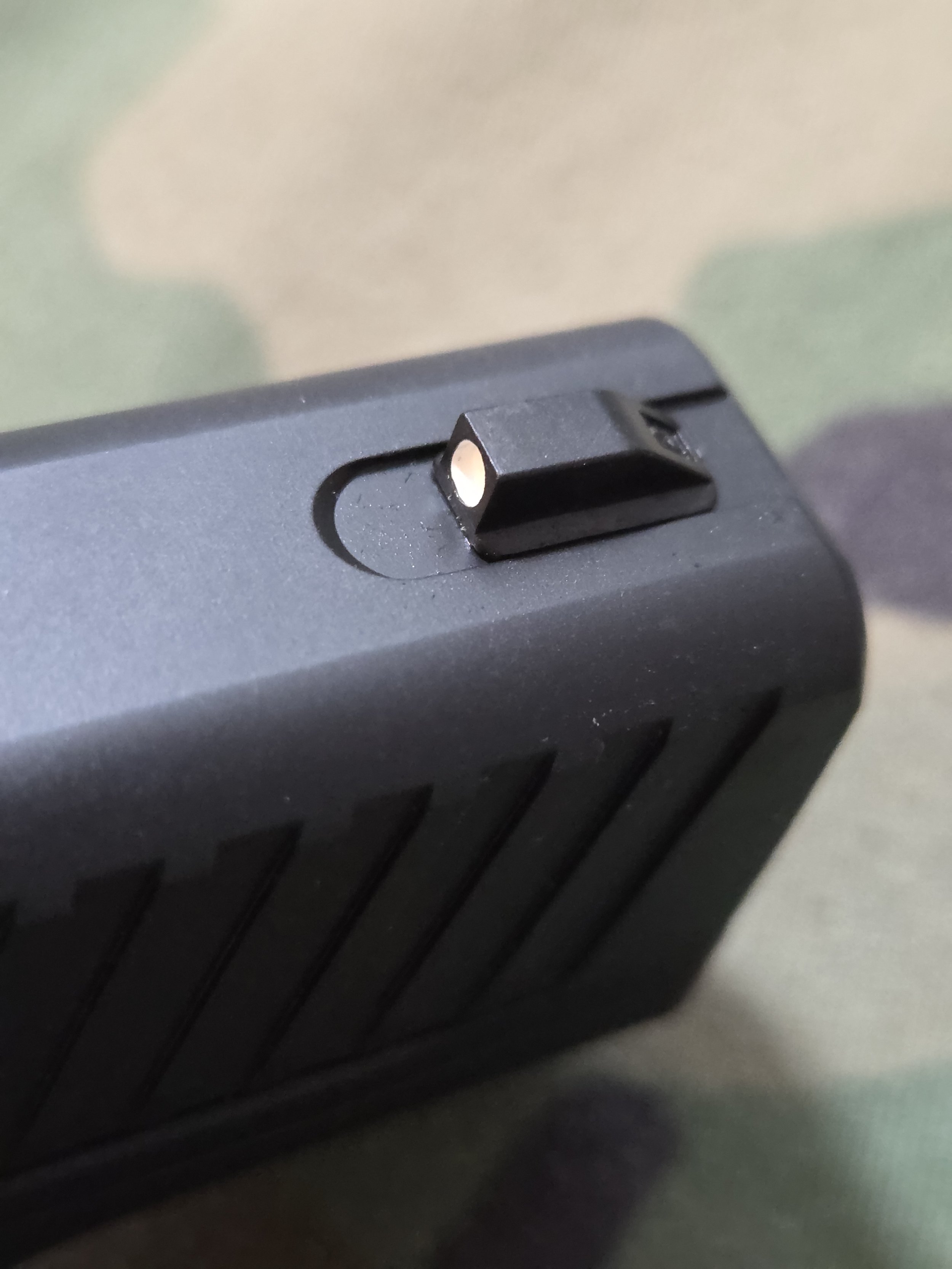
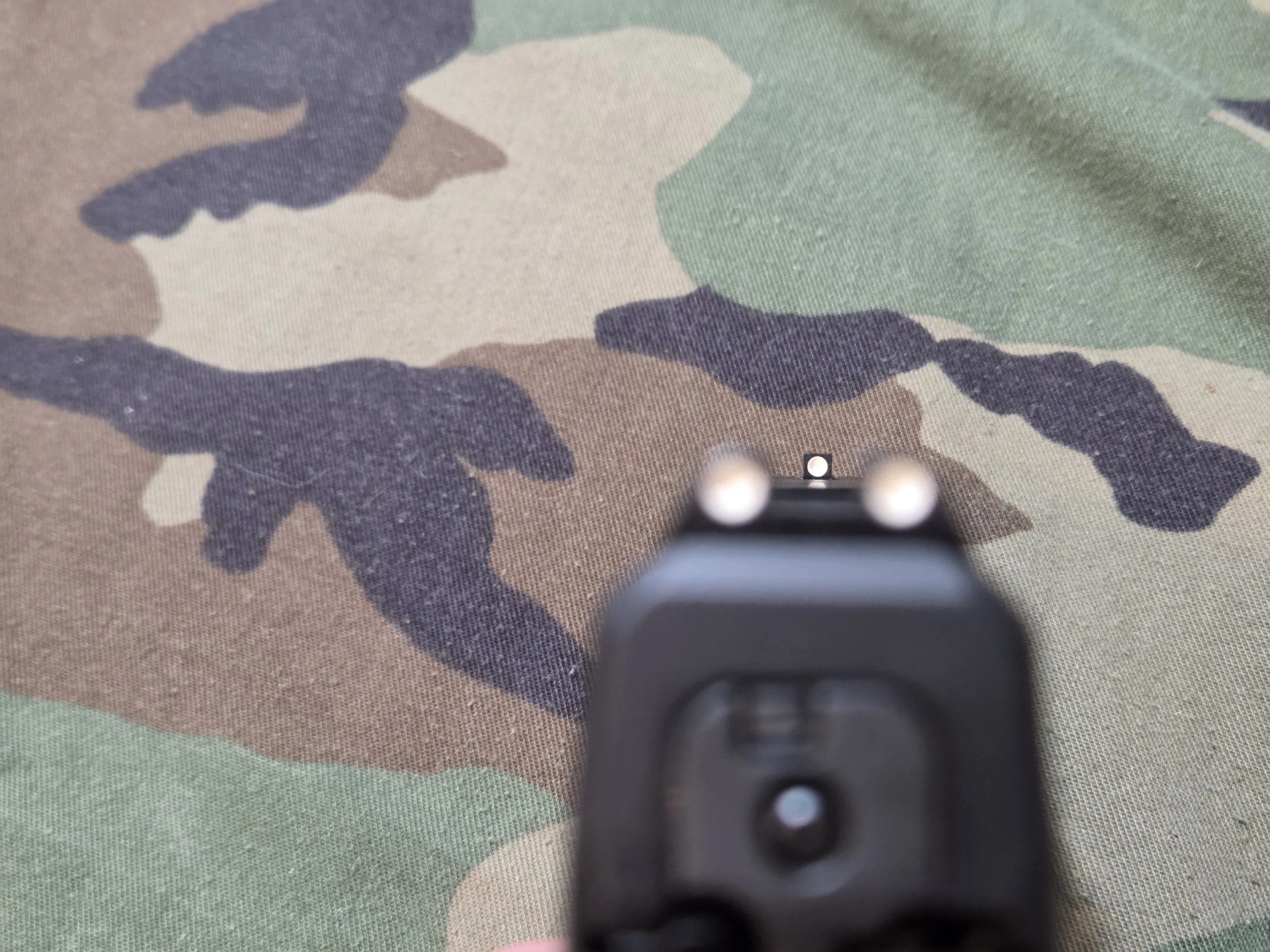
The sights on the PPS M2 are the same sights found on the original model. The rear sight keeps a decent amount of air on each side of the front sight, preserving that beautiful quick acquisition sights that you get on most Walthers. I am not a fan of the fact that the rear sight is not ledged to provide a shelf for easy one-handed manipulations, but that is quickly remedied with aftermarket sights. I may indeed invest in some fiber optic options myself. With that said, the sights are extremely functional and seem to be well zeroed right from the factory. One of the common things Walther has always done with their pistols was to provide a target with a three to five shot group, showing the mechanical accuracy at 25 yards as a validation of the pistol’s capabilities. They seem to have stopped doing that lately, which is curious.
CONTROLS
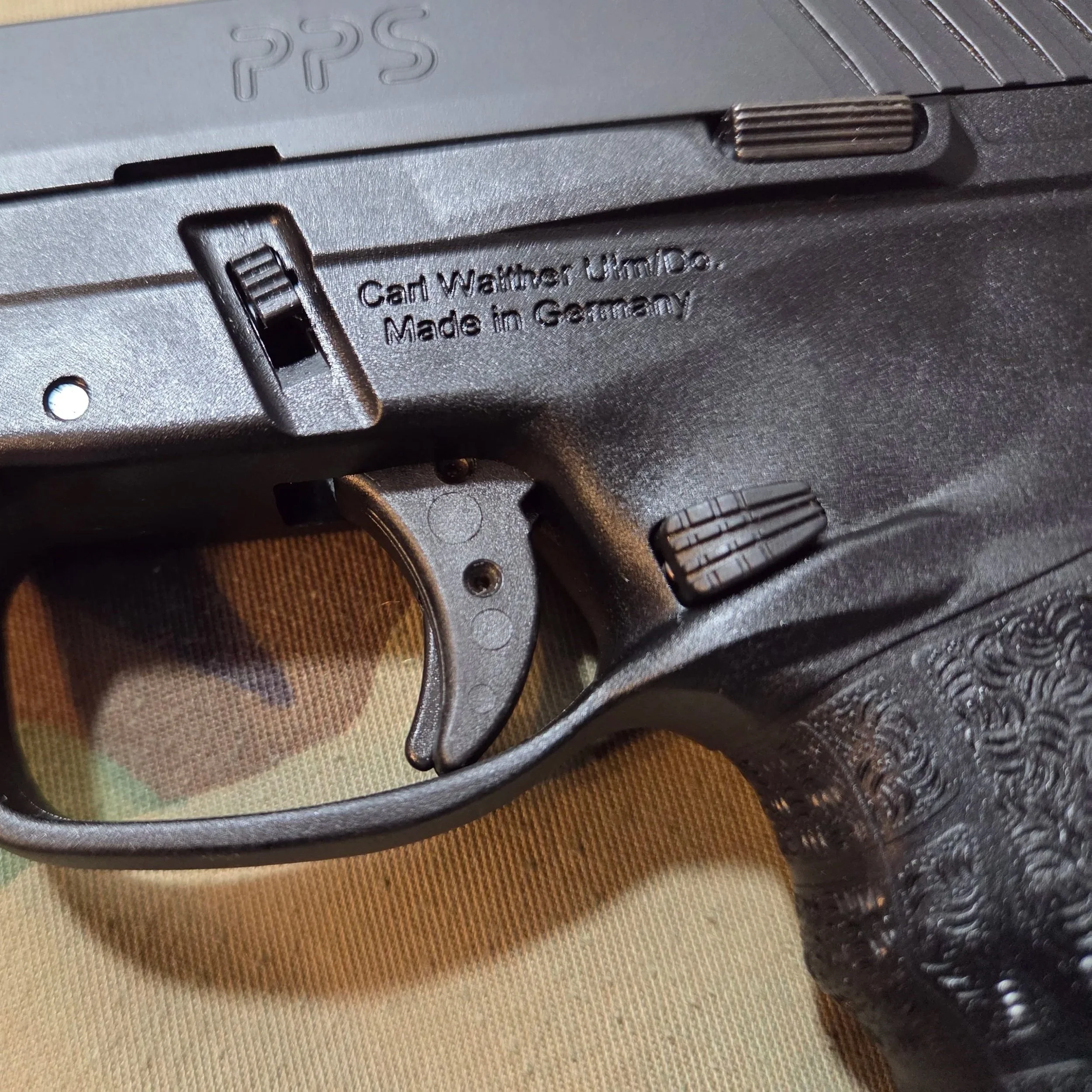
The controls on the PPS M2 are simple and straight-forward. You will either appreciate them or not. The button mag release was a big upgrade when this pistol came out over a decade ago and the controls being only for right-handed shooters was not an issue at all. But I will say that I did appreciate the paddle release of the original PPS for how functional it was for any shooter. In my opinion, it still isn’t an issue that this pistol isn’t all ambied-out, even though the market seems to trend toward all guns being chassis-based, fully Ambi, and have hair triggers with optics cuts.
TRIGGER
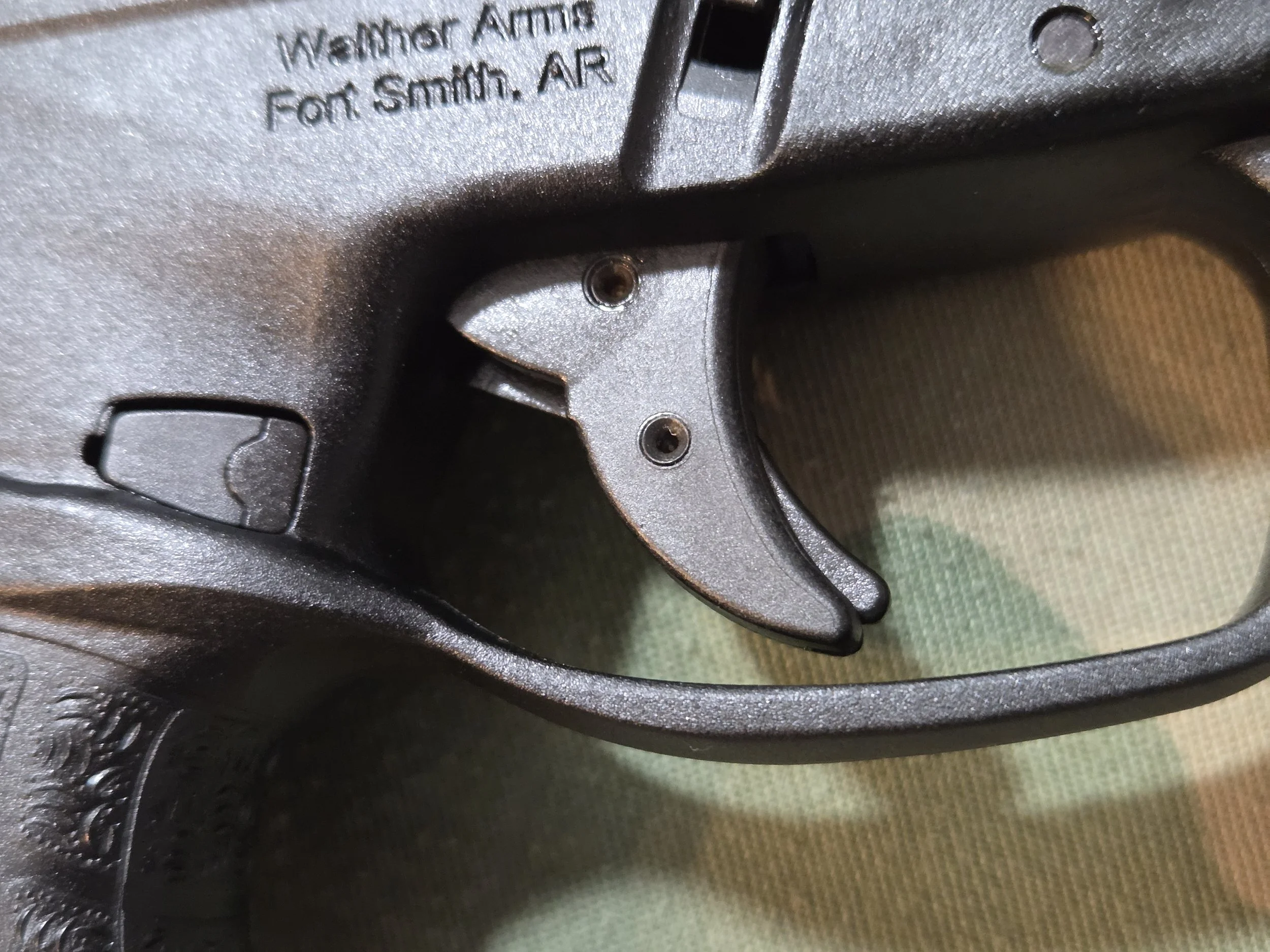
The trigger on the pistol looks and feels like a slightly upgraded or refined Glock trigger. The internals show the crucifix style sear and a triangular disconnector. Essentially, this pistol is a German Glock with a few refinements. Sadly, this is also how the first model of the PPS was too. They beat the Glock at making a single stack, but they were able to make the platform reliable right out of the box.
When you first get the pistol, the trigger is gritty as the sear and the striker start wearing against each other. It can take a bit of dry fire practice to get the sear and striker contact surfaces to wear to a fine polish. As always, I recommend you allow this to happen naturally through dry fire and practice instead of using a Dremel and prayer. The trigger will feel spongy and gritty if pulled slowly, and the reset will feel short and gritty.
However, these “feelings” mean nothing to me. When I am pulling the trigger fast, I am not having time to “feel” things. By the time that I register that the trigger “felt” a certain way, the round has detonated and I am busy controlling the recoil and getting setup for the second shot by resetting under recoil and taking accountability of my sight/target relationship. In short, I do not have time to “feel” a trigger when I am shooting to survive, and neither would James Bond.
BARREL CONSTRUCTION
The barrel on the Walther PPS might just be the key to its storied accuracy and consistent velocities. Though the barrel is not Cold Hammer Forged (CHF), it does use polygonal rifling, which seals the bullet gases a bit better than conventional rifling. Also, the chamber features a “step” or “seal”, depending on who you ask. This is exclusive to 9mm pistols out of Germany, it seems. This will leave a small indent on your brass and is supposed to help the brass seal faster into the chamber, and thereby direct more of those gases out of the muzzle instead of back into the action.
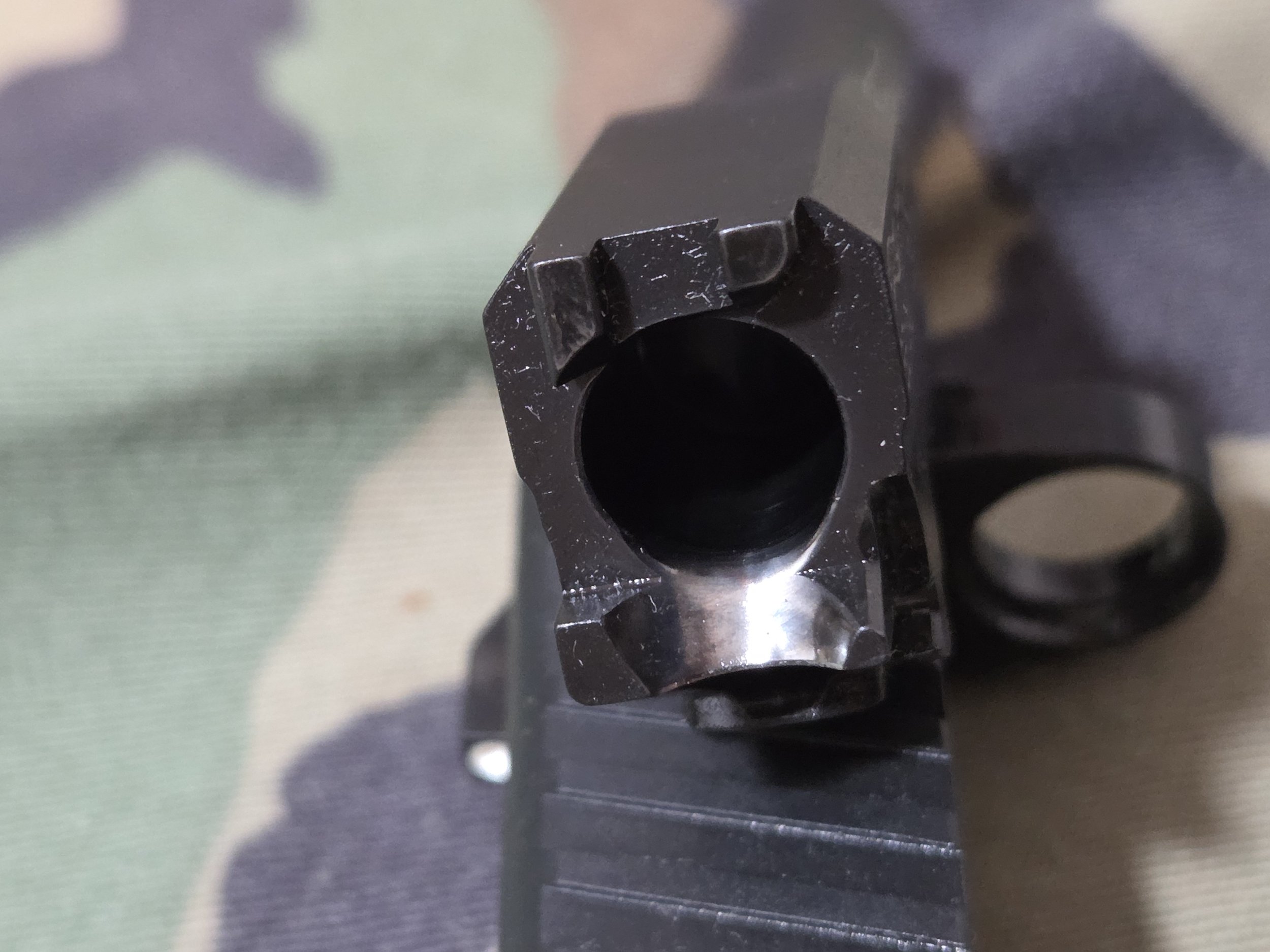
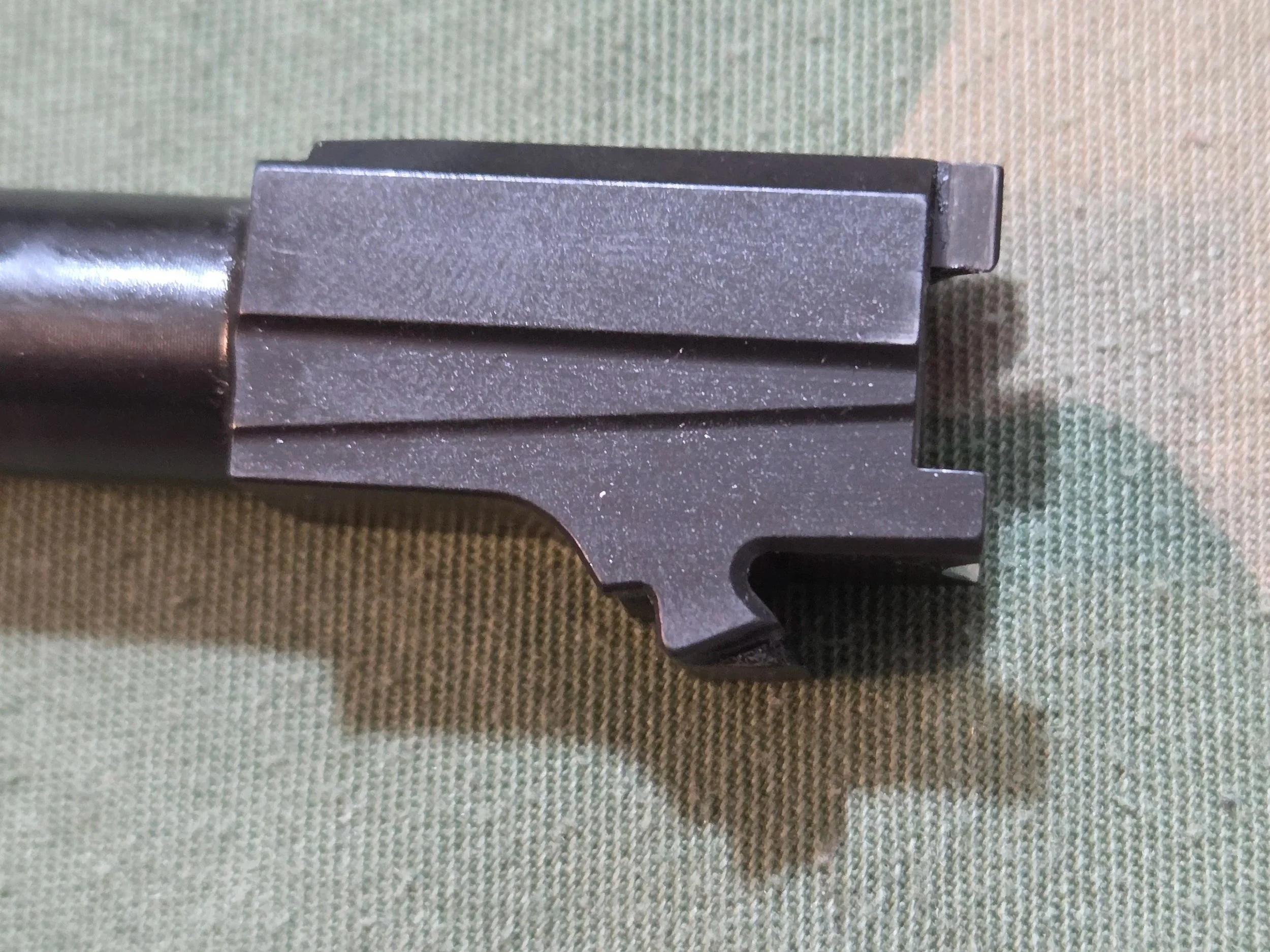
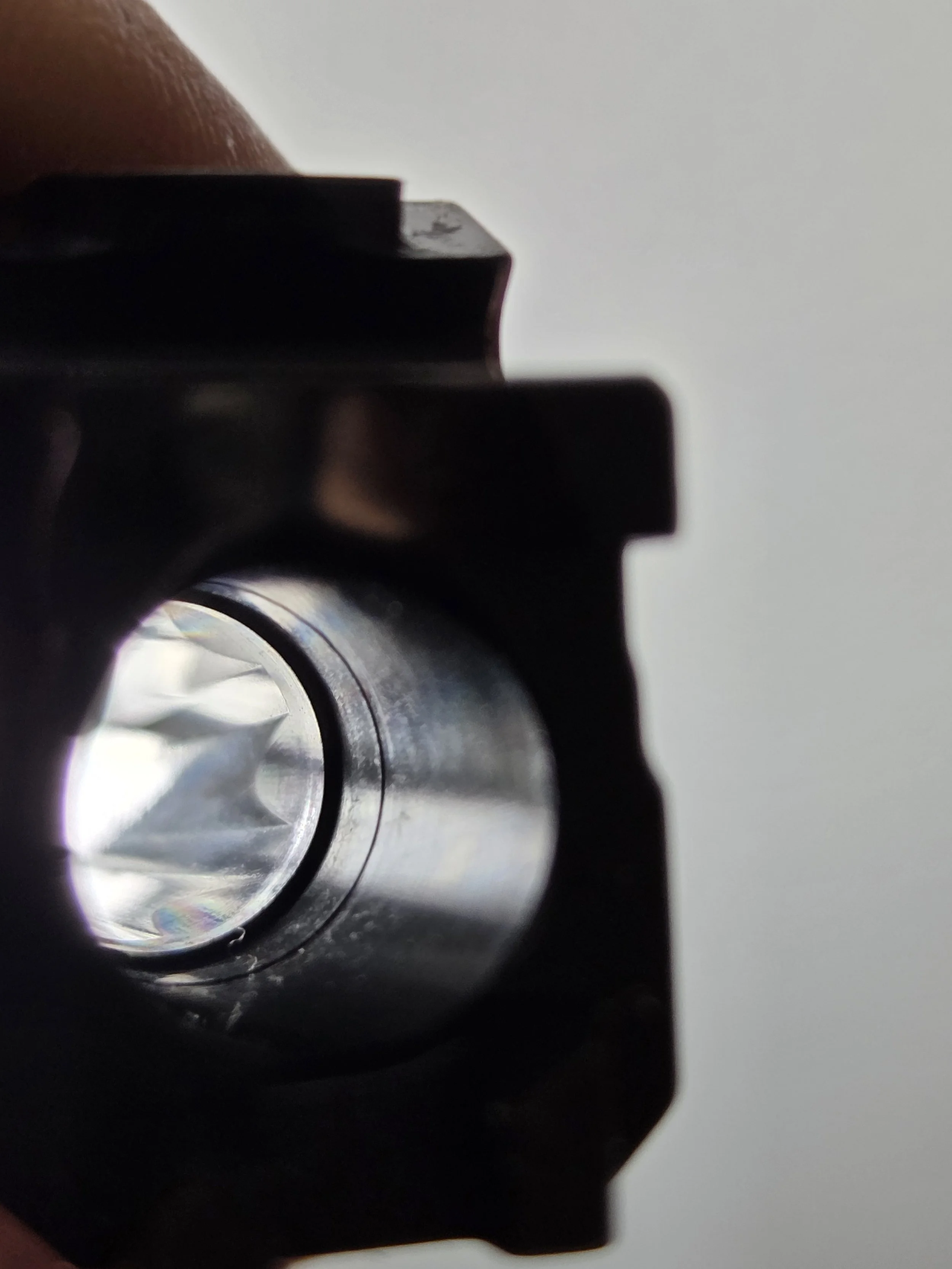
This chamber step will leave an impression on your brass, but it does not do any real damage to it. You will merely see the effects of the step pressed against the brass. If you look into the chamber, just before the rifling, you will see the chamber step sitting there, almost looking like they forgot to machine out the chamber fully. For such a tiny little rise in the chamber, it does really good at keeping the velocities stable and as consistent as possible.
BARREL/FRAME LOCKUP
The lockup of the barrel is pretty strong. The cam block on the pistol is a large shelf, built to ride perfectly in the chassis, with next to no left or right wiggle room. The only way the barrel can go is down and back slightly. The barrel is so tightly fit to the chassis that it even has a small channel cut out for the firing pin safety lever to go forward and back. The chassis is married to the slide via the nearly full-length rails, which are part of the chassis. This kind of fitting reduces the effects of flexion during firing, which can have a bit of an effect on accuracy at range.
Mix barrel to slide/chassis fitting with a square and robust ejection port lockup and a tight muzzle lock on the barrel, and you have one of the most accurate and consistent shooters on the block. In fact, the lockup is so tight that if you bring the slide back just ¼” you will need to tap the back of the slide to get the gun back into battery. In my experience, it can take thousands of rounds before the gun is loose enough for this to not happen.
The precision this pistol offers is a good thing. Many people think of micro 9mm pistols as “incapable” of longer ranged shots outside 15 yards, but that is only an indication of the limitations of the wielder. As most of you, I grew up in my gun journey watching Hickok45 ping a gong at 200 Yards with tiny pistols just to show that it is not the gun that is inaccurate. With the tight lockup and precision capability that the PPS offers, you can be sure that you can feel comfortable reaching out at range, as long as your chosen carry load can have the desired effect at that range.
HOLSTER OPTIONS
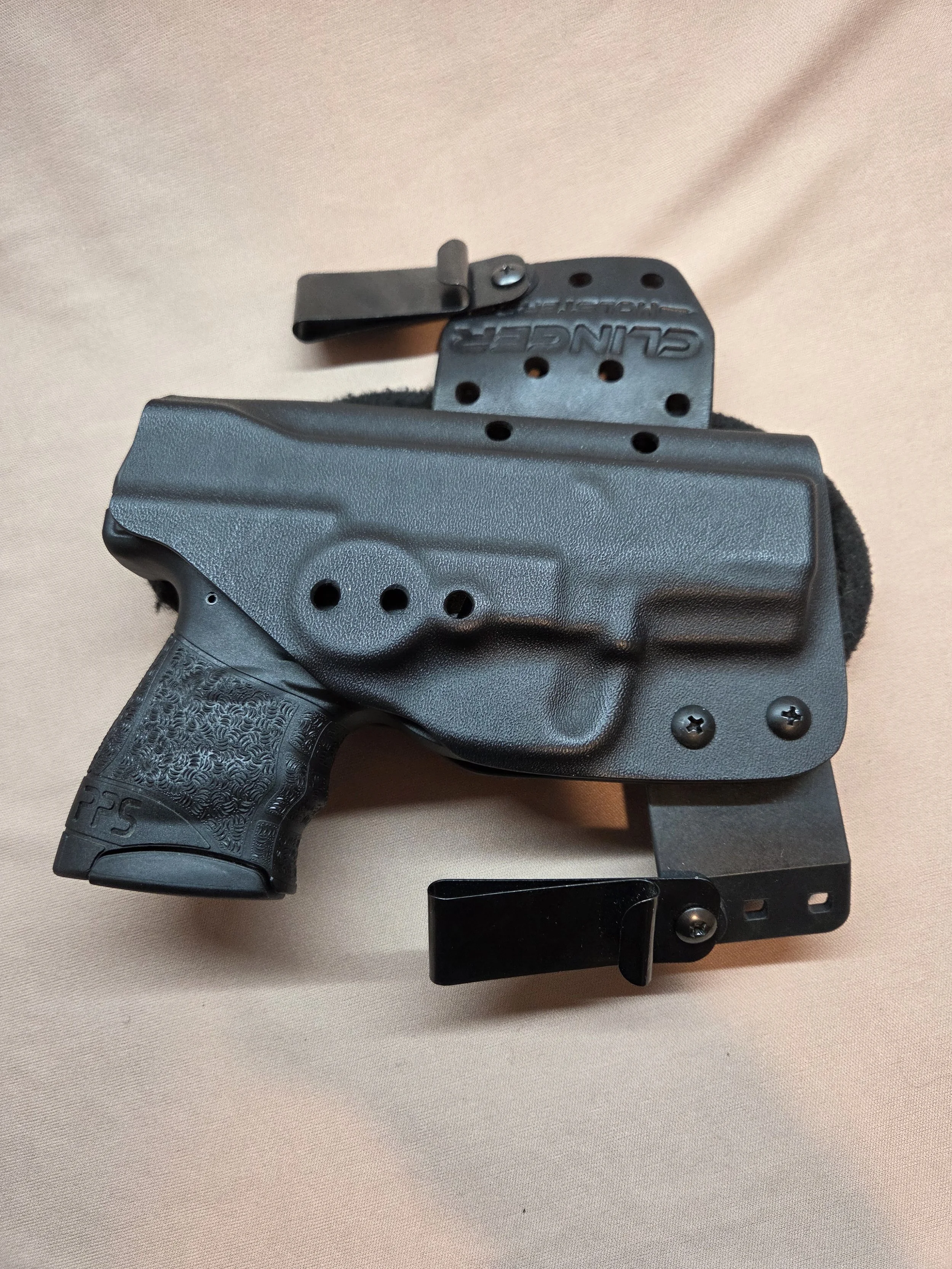
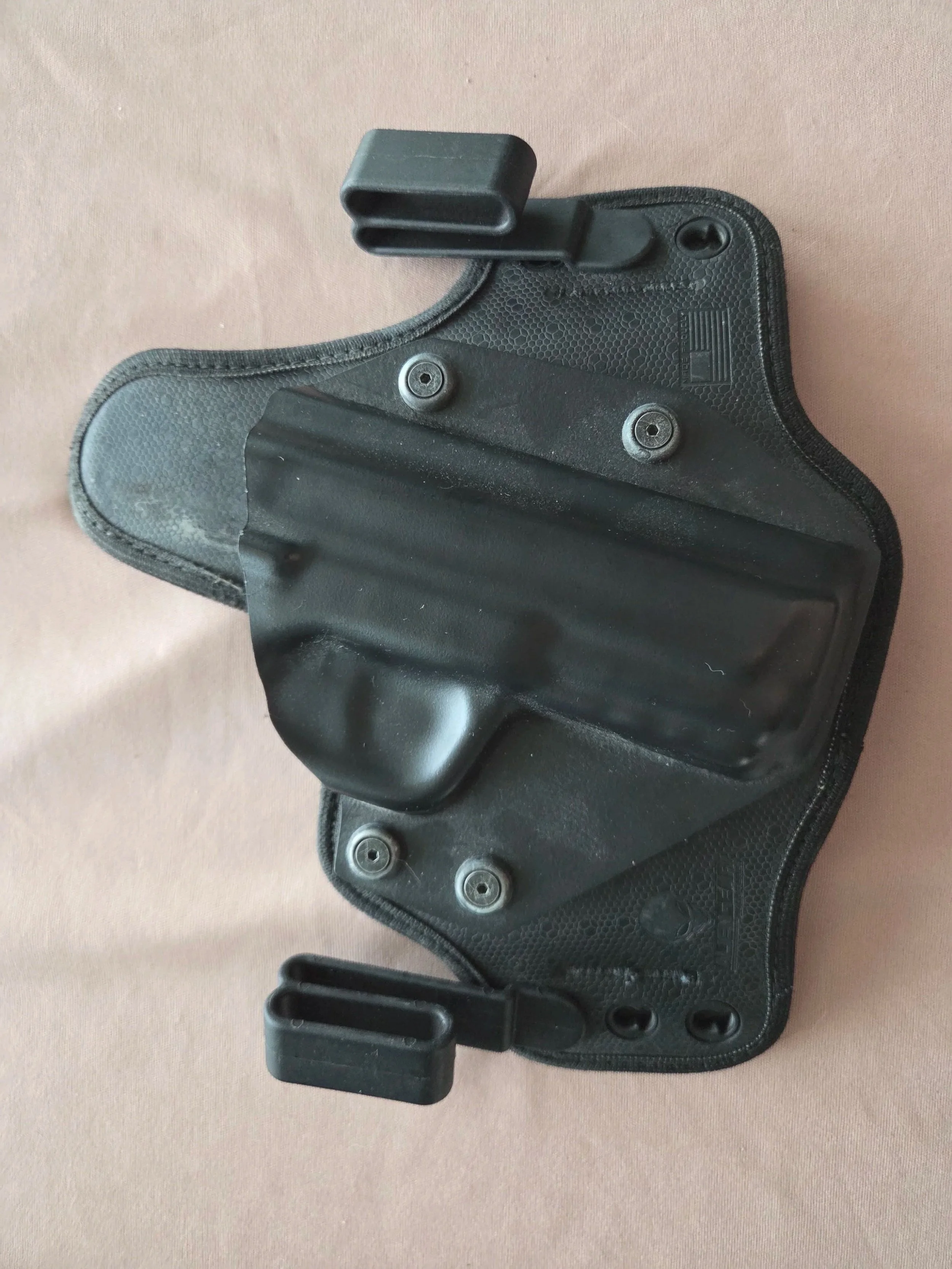
I have two holsters that I used for the Walther PPS; a Clinger IWB Hinge and an Alien Gear Cloak Tuck 3.5 holster. Both are IWB holsters, and both of them cost about the same money to buy. I started out my testing with the Alien Gear holster because it just happened to be the first holster to get to me. I actually had the holster at my door two days before I picked up the pistol from my FFL. The Clinger Holster is an IWB holster with a hinge and a leather tab to help the holster stay tight to the body. I love how well these holsters cling to the body; pun intended. Most major holster manufacturers have holsters for the venerable Walther PPS M2, so that won’t be an issue to find. But personally, my experience has me favoring the Clinger holster for all around performance, concealment, and comfort.
TEETHING ISSUES
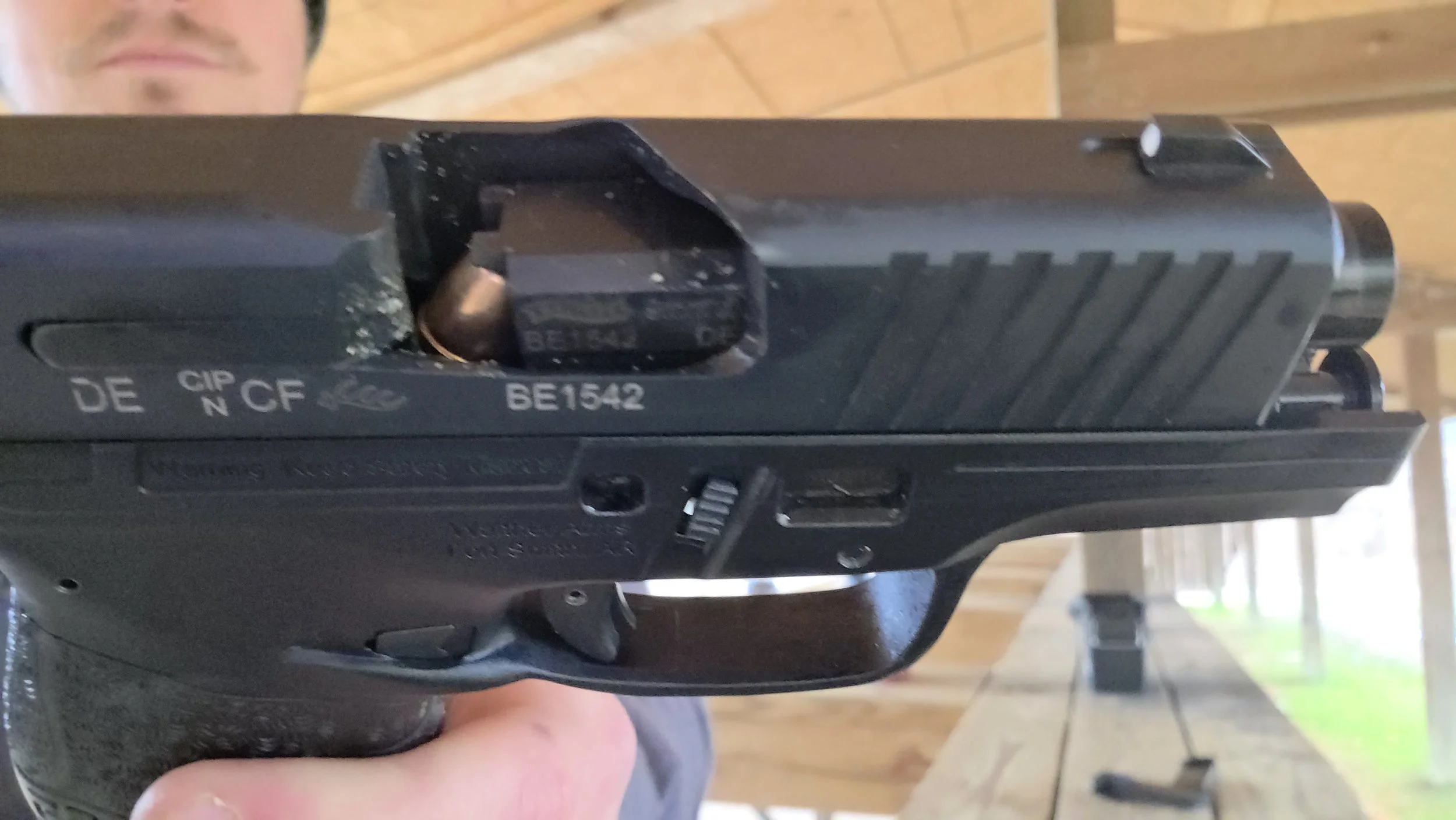
During the first 200 rounds of the PPS on the range, it had four teething issues.
First was a failure to feed where the face of the bullet lodged against the left side of the mouth of the chamber.
The second issue was the slide locking back with a round still in the magazine.
Third was a 135gr+P Hornady Critical Duty round that failed to feed. It appeared to have nose-dived after the first shot was fired and get pinned against the feed ramp.
The fourth issue was the last shot in the 8-round magazine pinning the follower down and going nose up.
There was a fifth oddity, and that was where a round came out of the 8-round magazine and popped out the ejection port when I forcefully inserted it into the pistol.
These were very odd teething issues in the first range session, and they happened in the first 200rds, but with a fresh coat of CLP drenched on the gun right after the 5th oddity, no other issues presented themselves...during that range session.
I cannot explain the issues, and I will not attempt to make any excuses for Walther. I have never had a malfunction with a Walther in the past, but then again, since I started using this Winchester 115gr high pressure ammunition, all sorts of guns have shown to be temperamental. It is putting out the amount of pressure that a 115gr +P+ does, so essentially all my 9mm pistols get an exclusive diet of +P+ ammunition. How’s that for testing your guns? For my first range session with the PPS M2, I fired over 500 rounds and after the little teething issues in the first 200 rounds, I experienced nothing but utterly smooth and reliable feeding and powerful ejection.
During the last 500 rounds of my initial 1000 rounds, I had 3 failures to extract (partial extraction, but then the extractor seemed to unhook. This happened exclusively on my favorite high pressure ammunition. Now before you judge, I will say that this ammunition tends to really stress out pistols , and that is why I like this Winchester high pressure ammunition. Also, the pistol was a bit dry and had already withstood about 300 rounds of defensive ammunition with zero issues.
I do not see these issues to be indicative of a poor pistol, but rather I see it as performance that is pretty standard in tiny pistols. Every single small pistol that I own has been stressed out by this high pressure 9mm, and I love it. This high pressure ammunition is designed mostly for full sized pistols and maybe compacts, but in these small pistols, you will see how much your gun can handle. The recoil is harsher than any of the +P defense loads I fired in the pistol, which is why it is ideal for training.
It is 25 cents per round to be able to test your firearms controllability without having to blow through defensive ammunition. Yes, you want to make sure your defensive loads reliably cycle, but that is different. Most people shoot the mouse fart loads that are SAAMI specifications, and they feel stressed when having to shoot defensive loads. I am flipping the script by shooting stuff that is ABOVE the pressure and recoil of defensive ammo, as a rule. So when I shoot defensive ammo, I am getting a break, in essence. This is like how professionals train. Make training harder and wildly difficult in order to make reality easy and a joke by comparison.
ERRATIC EJECTION
While ejection patterns are for function snobs, it is worthy to note that ejection was about as crazy and erratic as a drunk firehose without a man on the nozzle. Brass flew up to twenty feet up in the air and landed on my head, 30 feet to the right, and sometimes right next or in front of me. Occasionally I even had ejection that went off to the left about ten feet. Is this a big deal, no. But it is interesting because it reminds me of my Tisas M1911A1 and my MEUSOC 1911, which has some of the most erratic ejection I’ve ever seen. I fetch brass to trade in for ammo credit, so it is a pain to have to search all over the place instead of having a convenient ejection that is predictable. BOO-HOO!!!
VELOCITY TEST
Many people often wonder how much velocity we are losing out of these tiny pistols. With the chamber step/seal and the polygonal rifling, I figured that the velocities out of this pistol would be consistent, and maybe more than you’d think. But it was just a theory unless I could test it on a ballistic chronograph. During my second range trip, I conveniently had a shooter on the range near me that had a ballistic radar, and was kind enough to allow me to test the velocities using his system.
The ammunition I was using (the high pressure stuff from Winchester) is advertised to go about 1300+ FPS out of a 4” barrel. The Walther PPS with it’s 3” barrel, polygonal rifling, and chamber seal, was able to get a consistent 1225-1240 FPS out of this ammunition. That is some stout 115gr, if you ask me, and very consistent performance out of the Walther PPS. Most ammo manufactures barely touch 1100-1150FPS in a 4-5” barrel with 115gr, and 124gr is darn near subsonic at 1050 to 1100, if it is something premium. 124gr NATO ammo from Winchester will give about 1250FPS on a 4-5” barrel, for reference.
BARREL PEENING ISSUE
There are plenty of posts online that talk about a “peening” issue on the barrel where the firing pin block lever on the trigger guard rubs against the barrel and even seems to impact it hard. Some people have become very candid about the peening issue and stated that it is some kind of fatal flaw in the system that almost makes the pistol unusable and unable to be trusted. To each their own, but I feel like these comments are good indicators of the individuals making them.
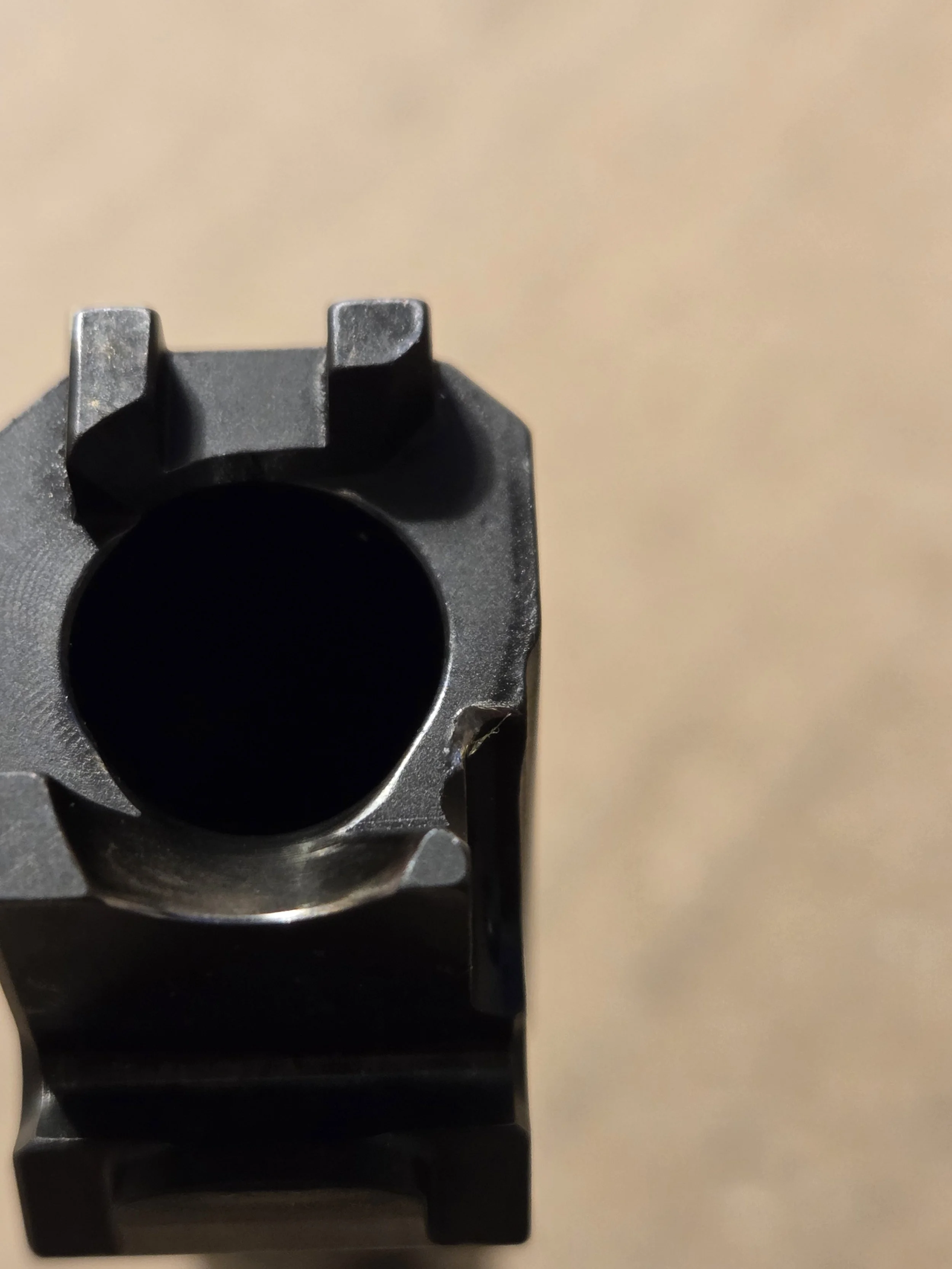
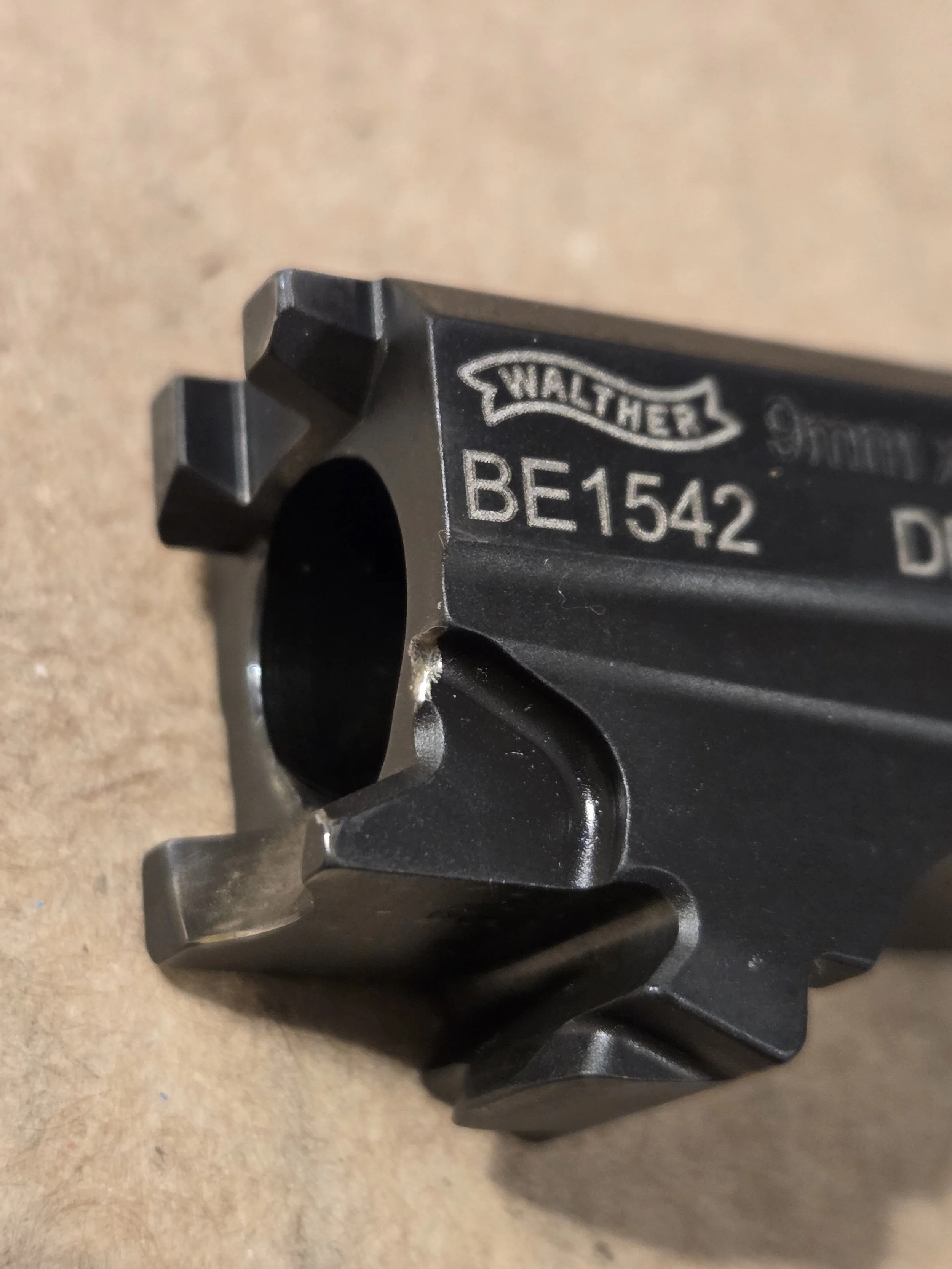
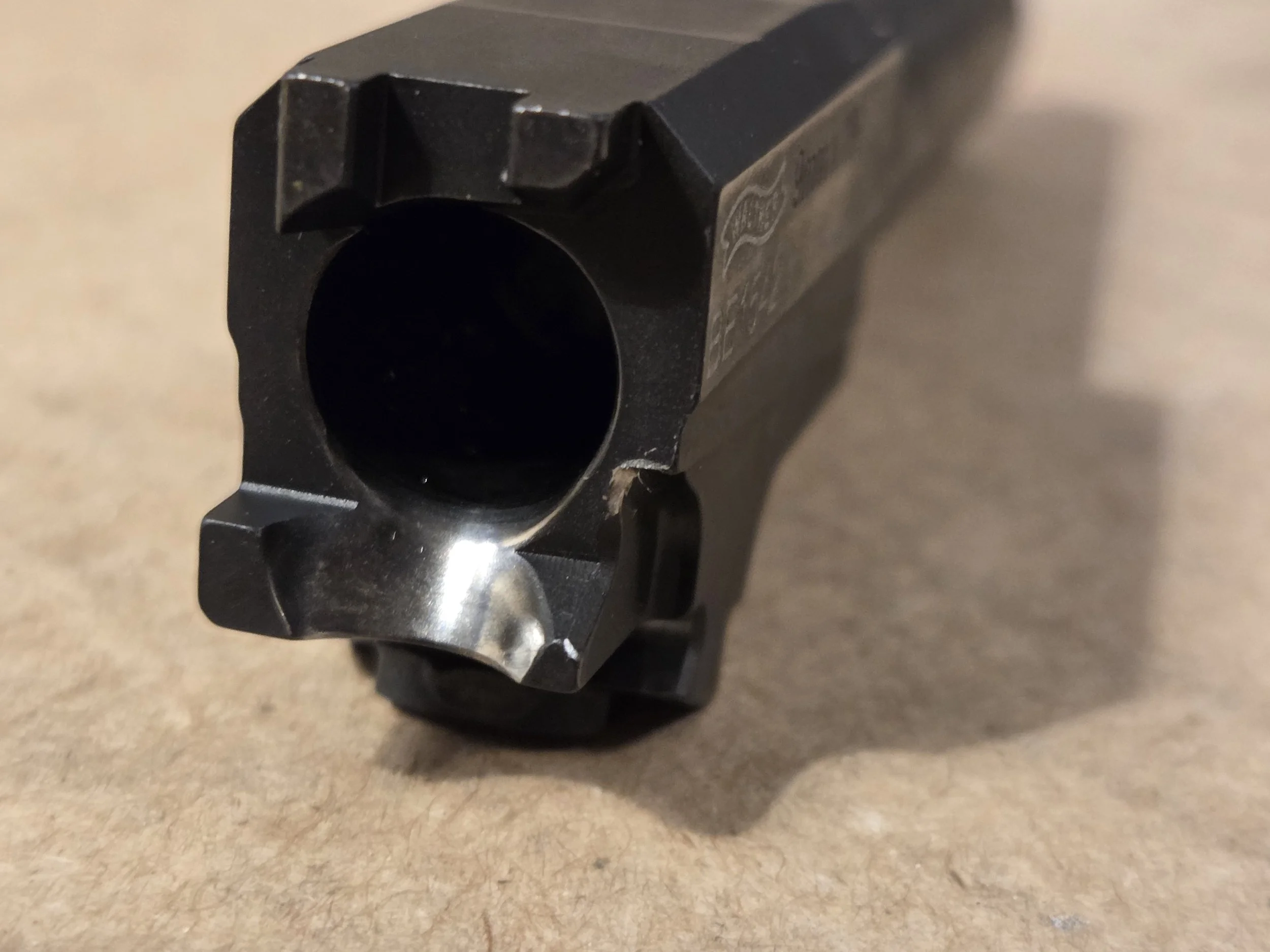
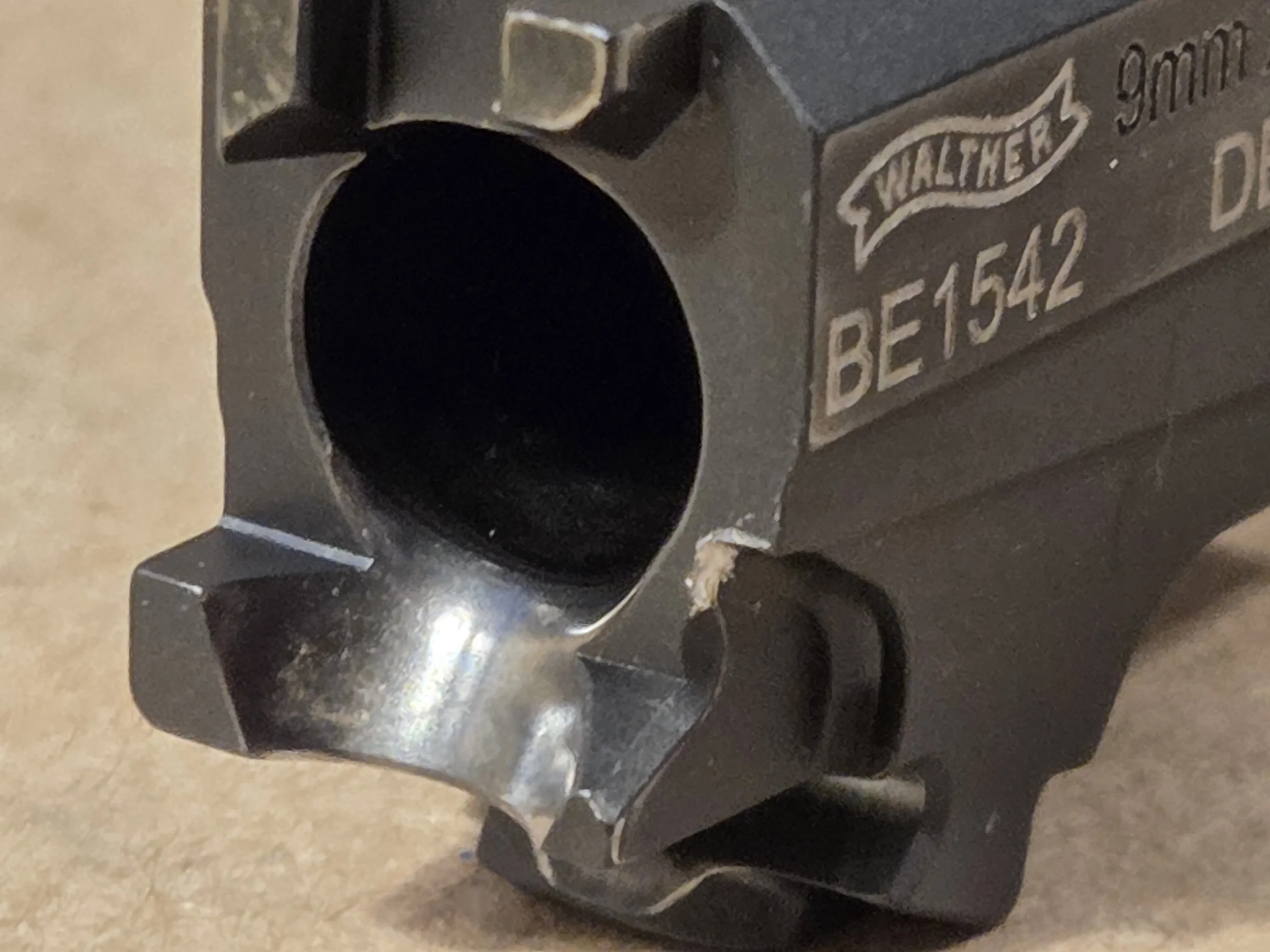
Issues with cosmetics that have no effect on function is understandable on an expensive safe queen like a Wilson Combat or other custom firearm. With that said, the PPS is specifically designed as a self-defense firearm. The tight fitting between the trigger bar and the barrel is meant to keep the design tight for greater accuracy and precision capability out at range. I don’t want to sound critical, but in the grand scheme of things, if you are sensitive about scratching a self-defense firearm that costs under $400, you may want to reevaluate your use of firearms.
COMPARISON AGAINST THE M&P SHIELD
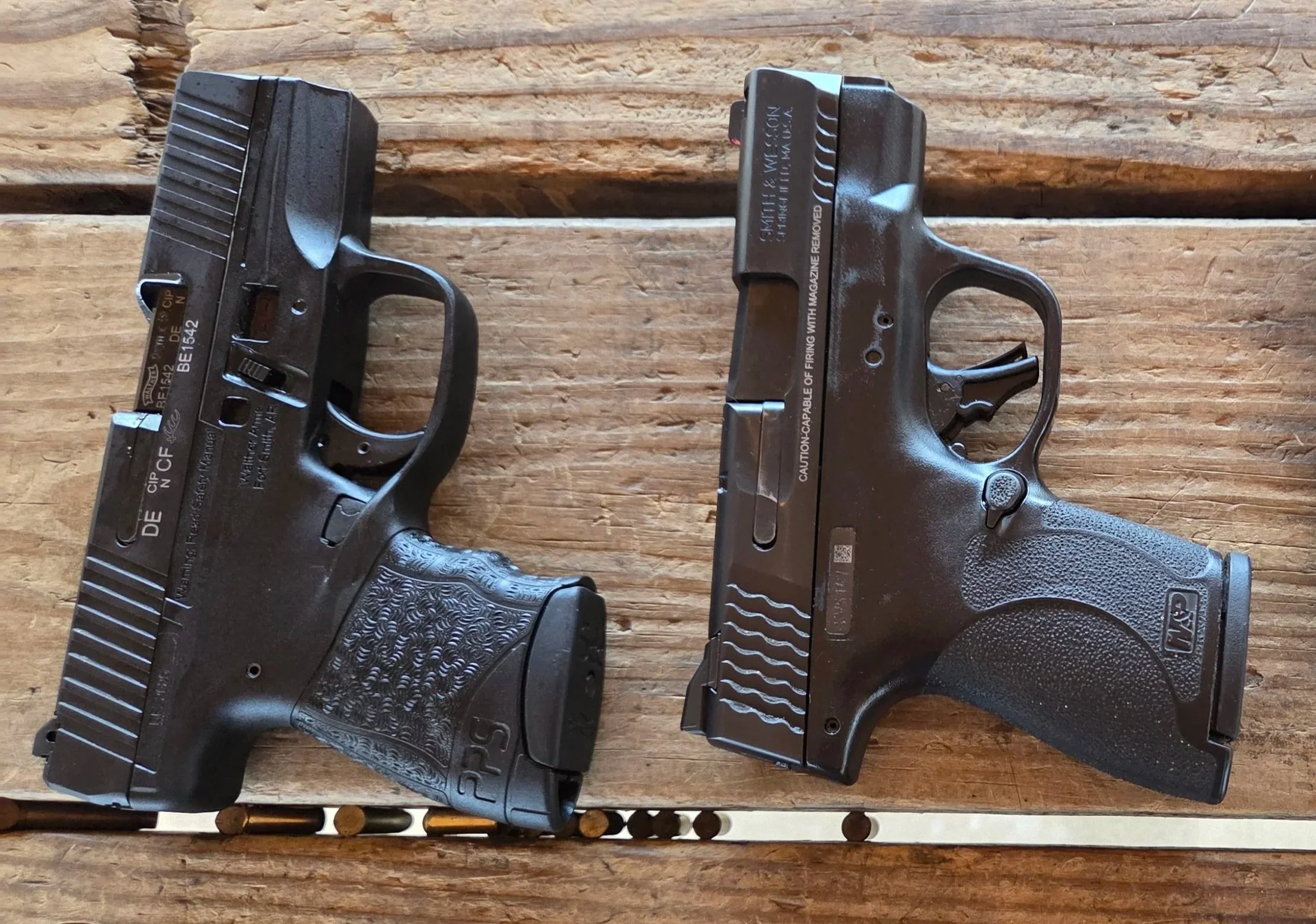
I don’t think you need to be too experienced in the firearms community to know that the M&P Shield is one of the most appreciated and hailed firearms for self-defense. With their newer Shield Plus out, they have entered the double stack micro-9 game with a platform that is already trusted and proven, even by myself. So how does the PPS M2 stack up to the Shield Plus?
When I tested the Walther PPS M2 and the Shield Plus against each other, I found that the PPS was much easier to hit with and it tamed the recoil a bit better than the Shield Plus. However, the Shield Plus has a larger magazine capacity and the trigger seemed really light after the many thousands of rounds of NATO & +P ammunition I have had through it over the years.
I will admit that it was my first impression that the Shield Plus was the same size as the PPS and had a better capacity, and it seemed like that would make it an automatic winner on paper. But when I shot the two side by side, the Shield Plus bucked a bit more than the PPS, and though it had a light trigger, the shots were more erratic and harder to tame than the PPS. In a game of life and death, only hits count, and that was where I found that the PPS worked best. But this is just based on my experience, my training, and the skill level I had on the day I tested the two against each other. Your results may be different and I am not saying that the Shield is undeniably defeated by the Shield plus. But I am saying that they seem to have their own advantaged and disadvantages for me that balance them out a bit.
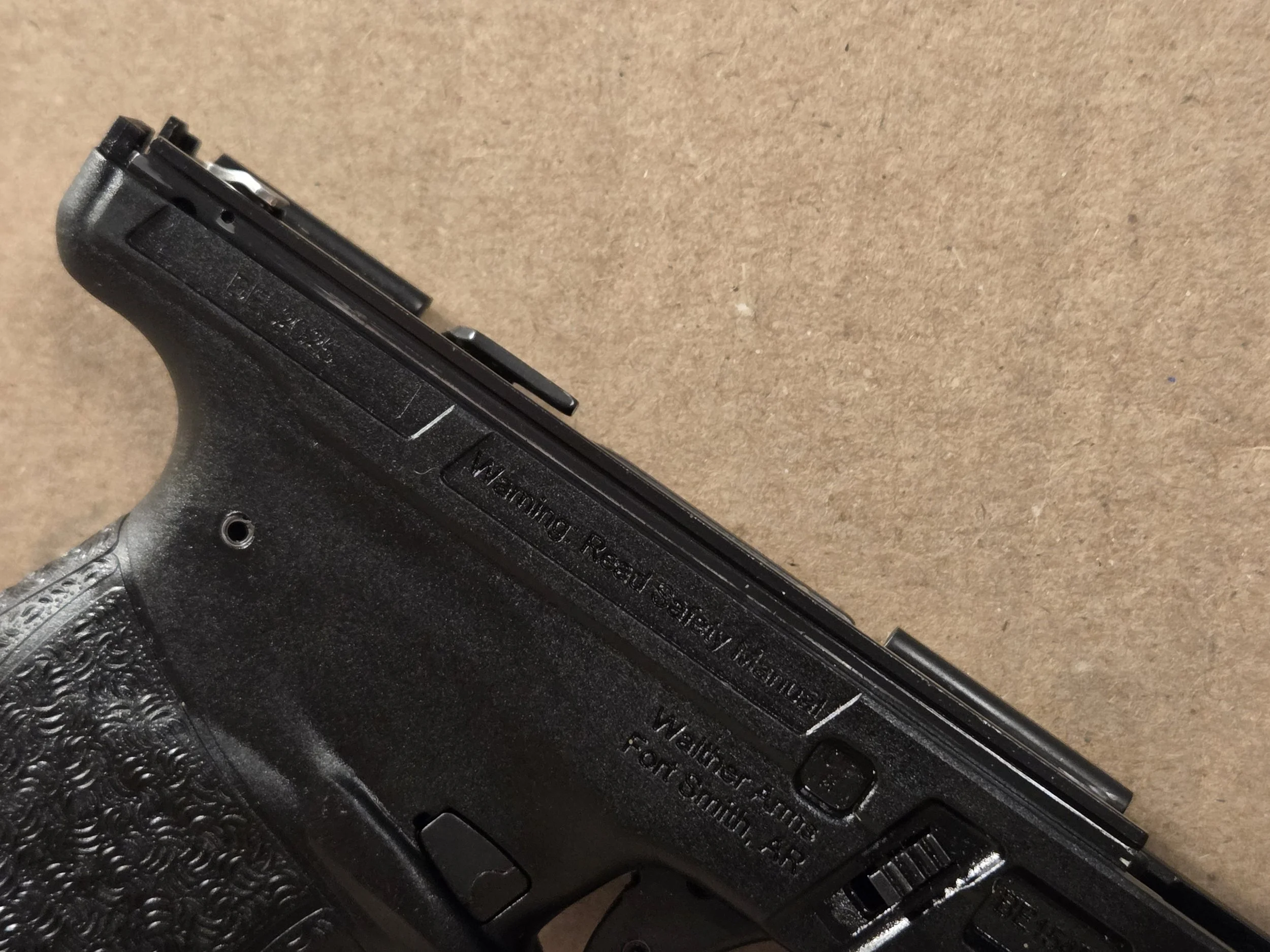
WEAR PATTERN AFTER 1K
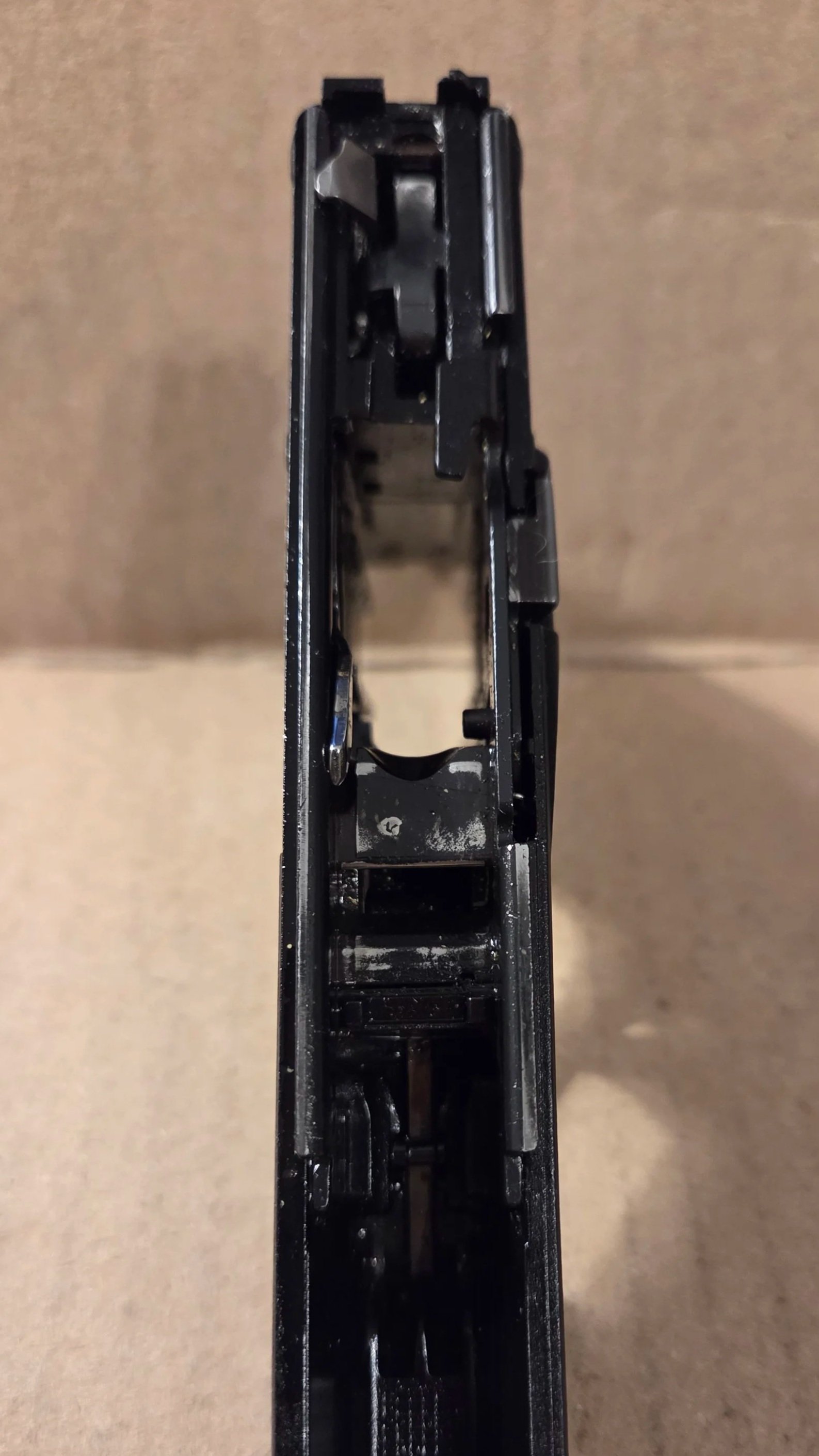
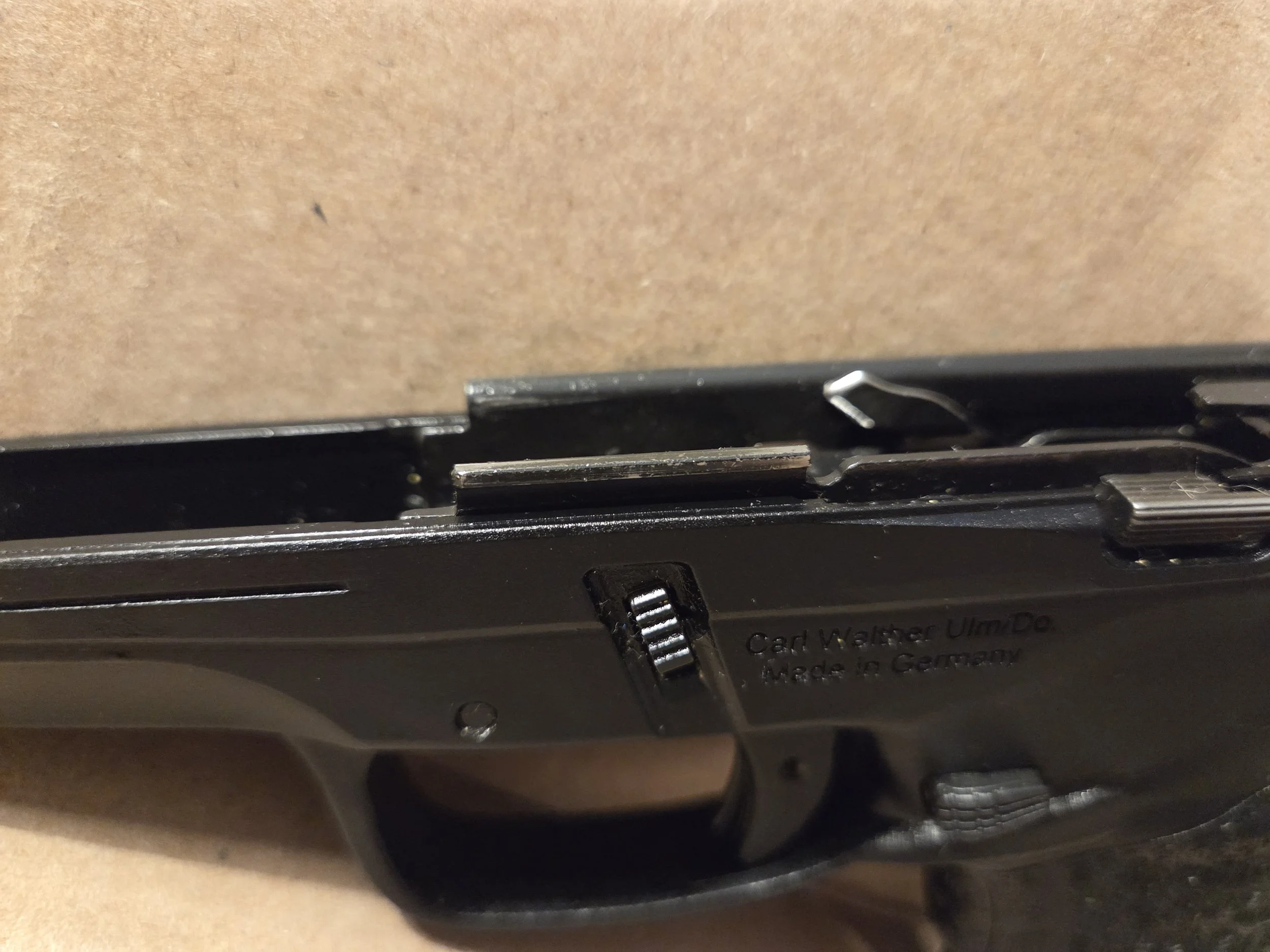
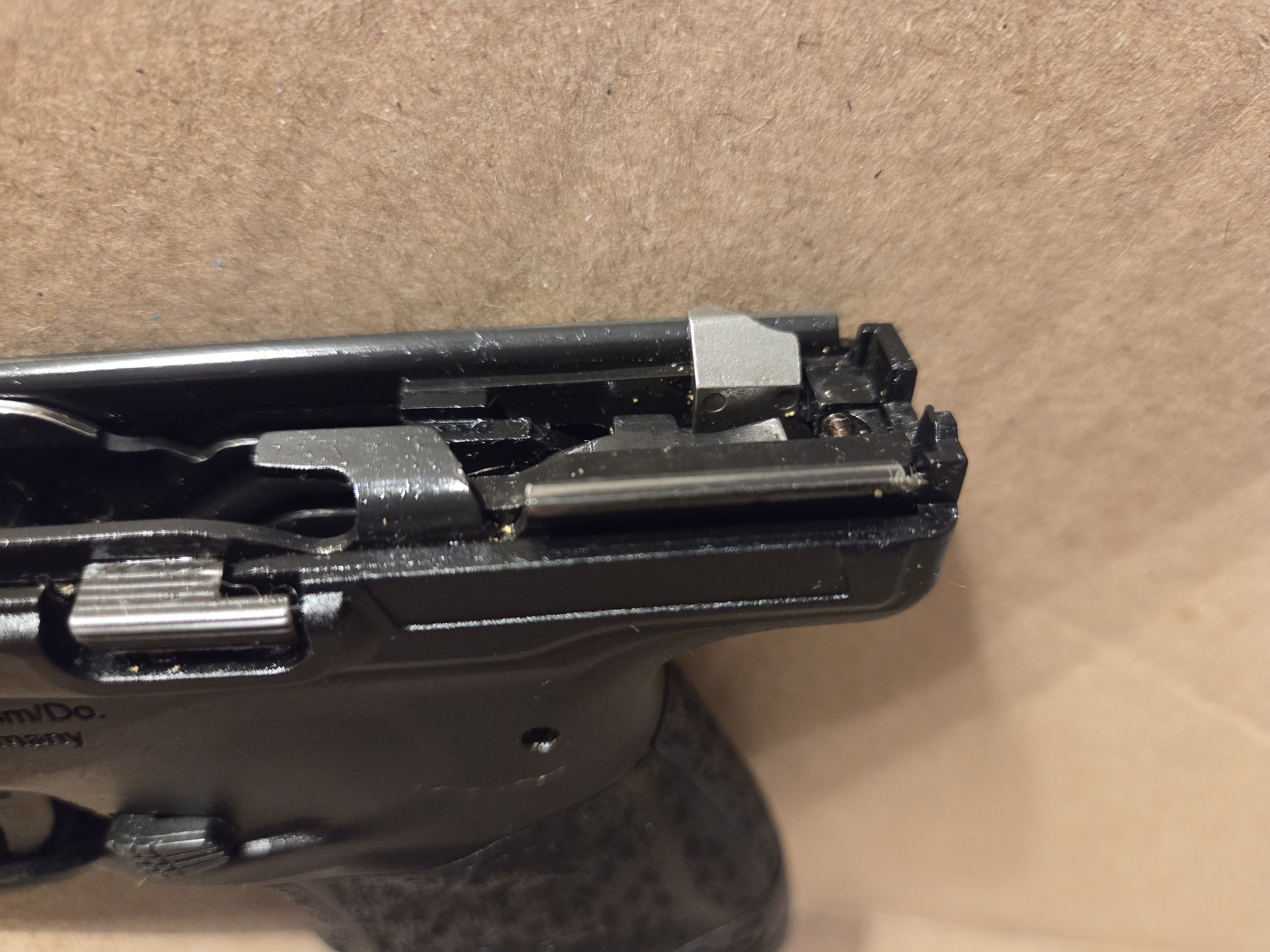
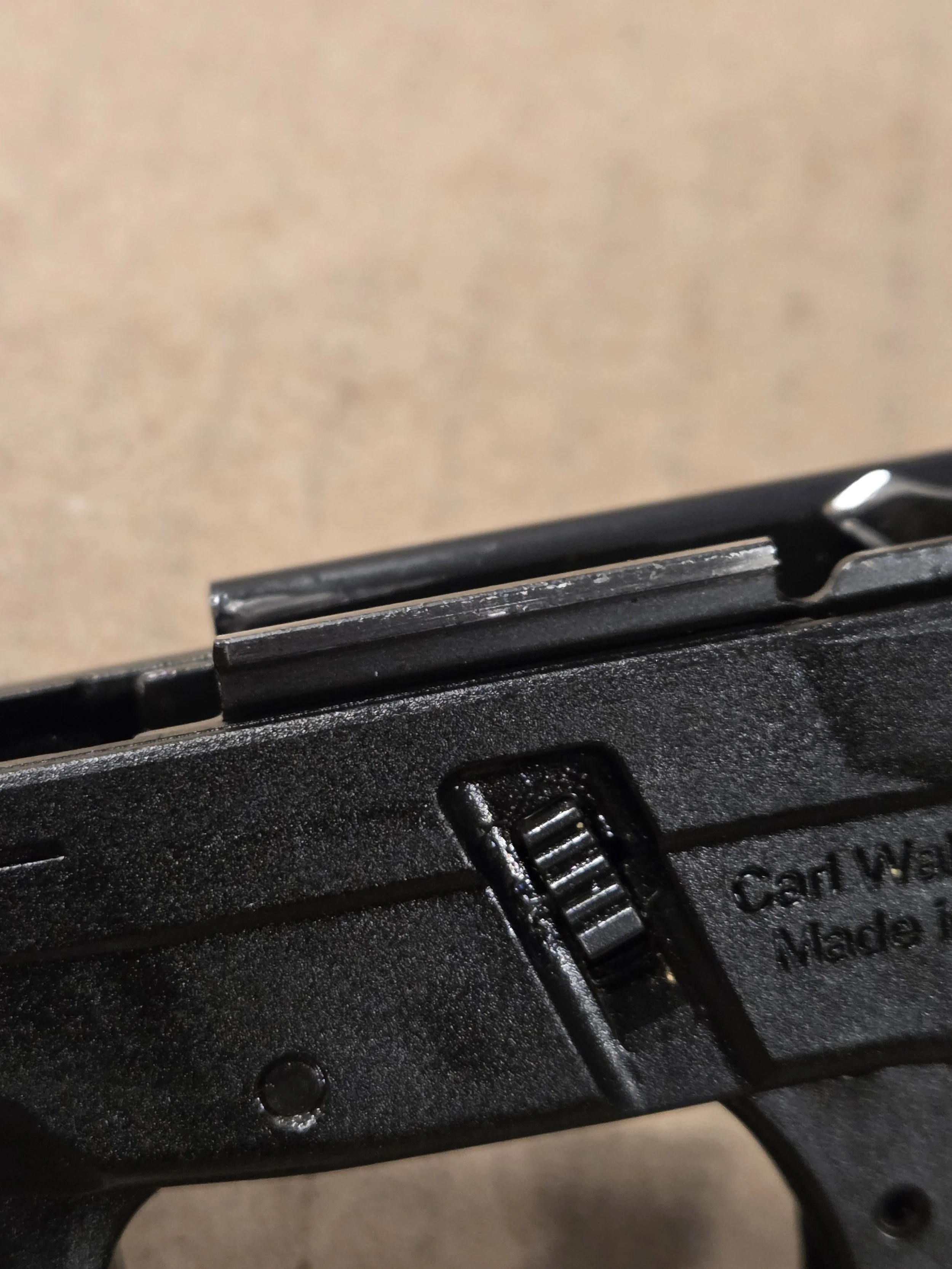
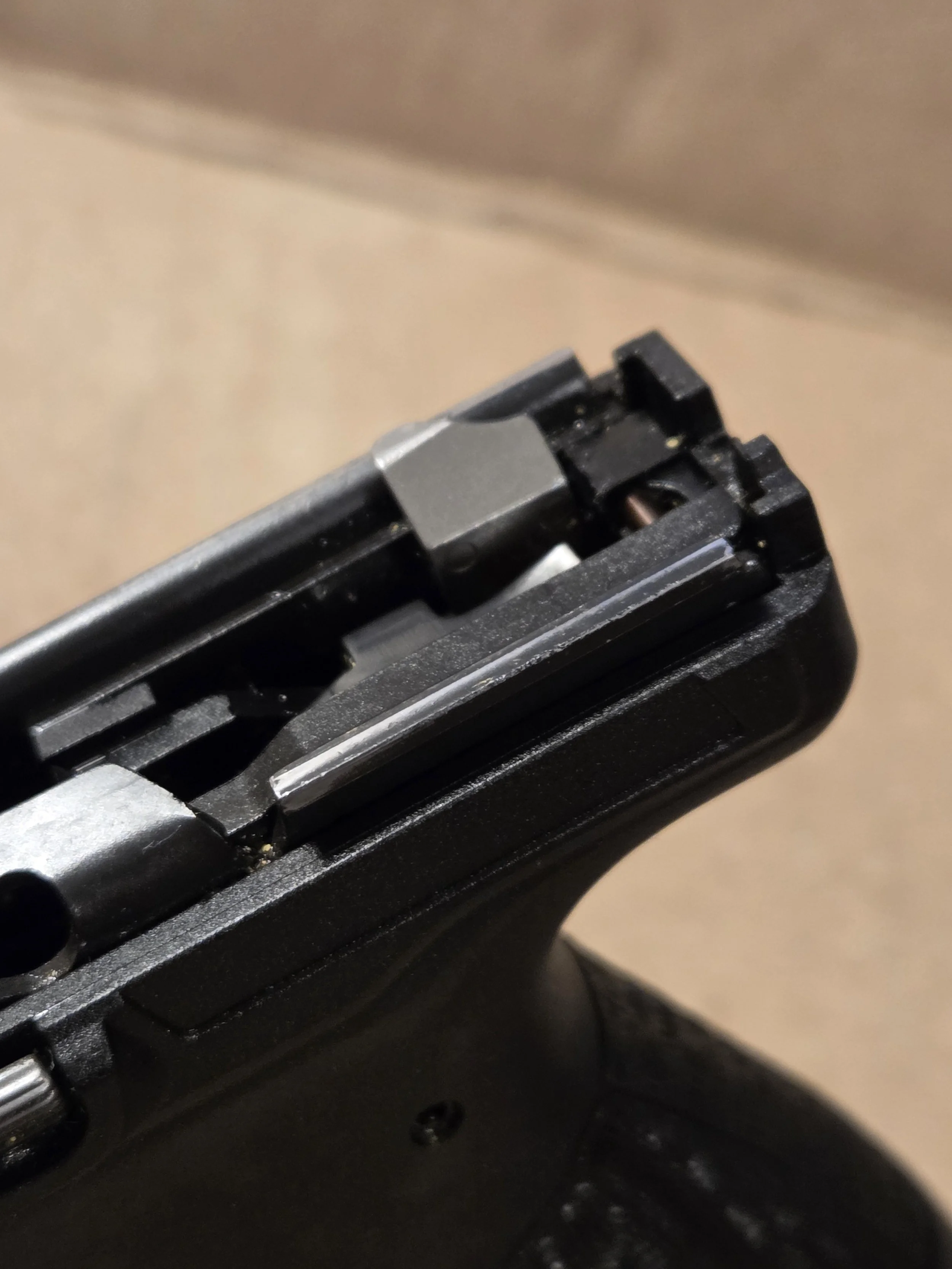
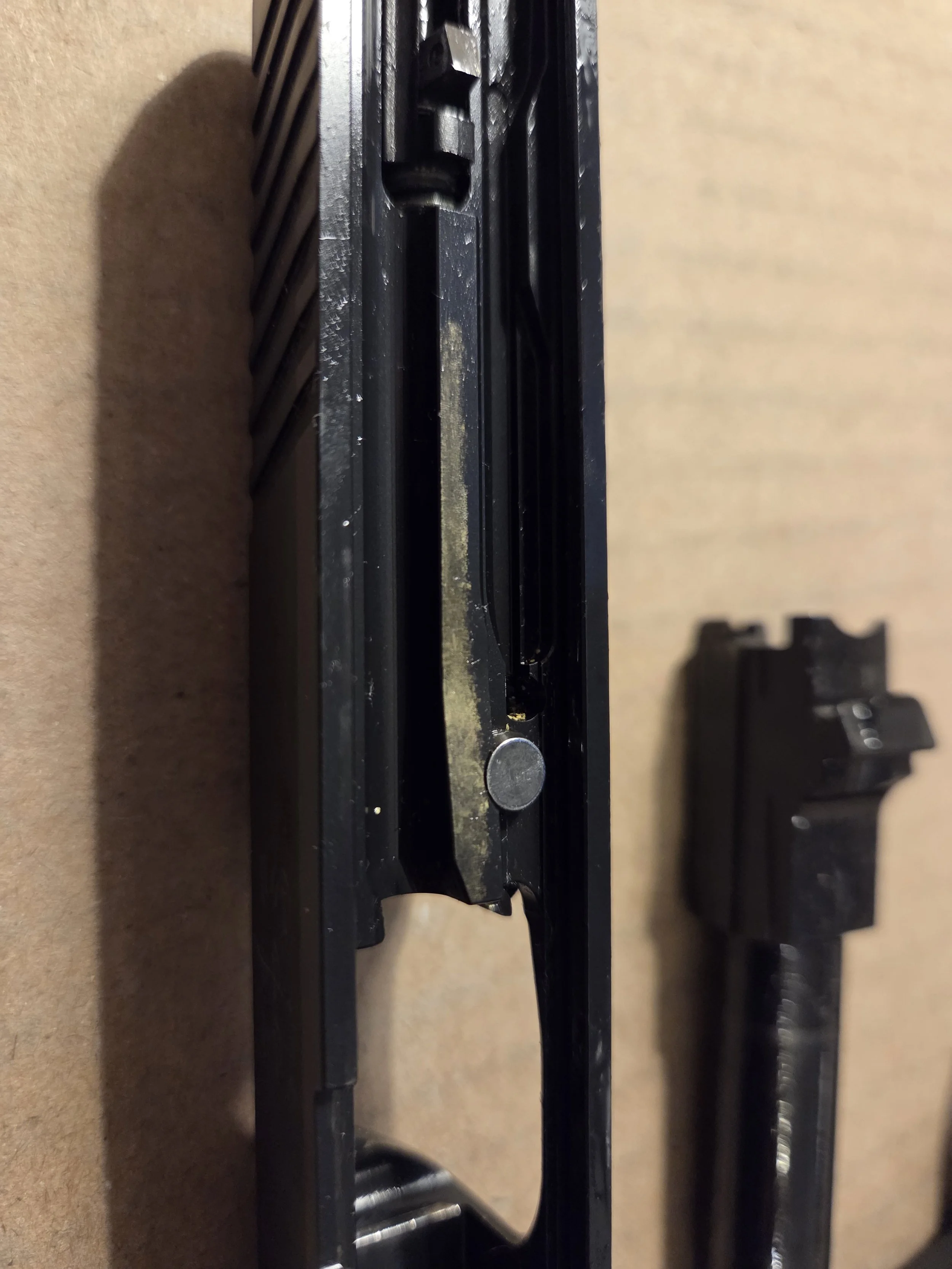
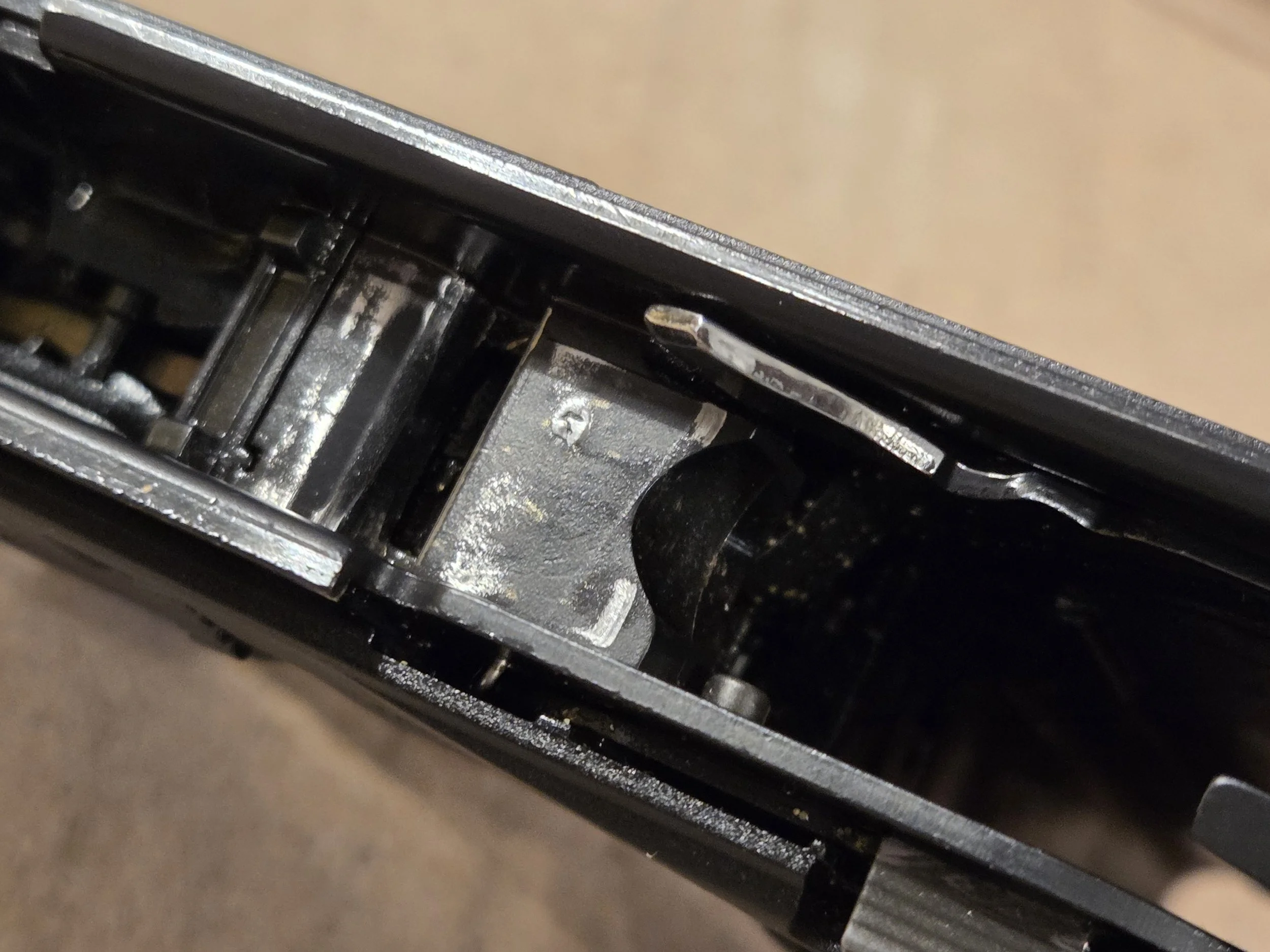
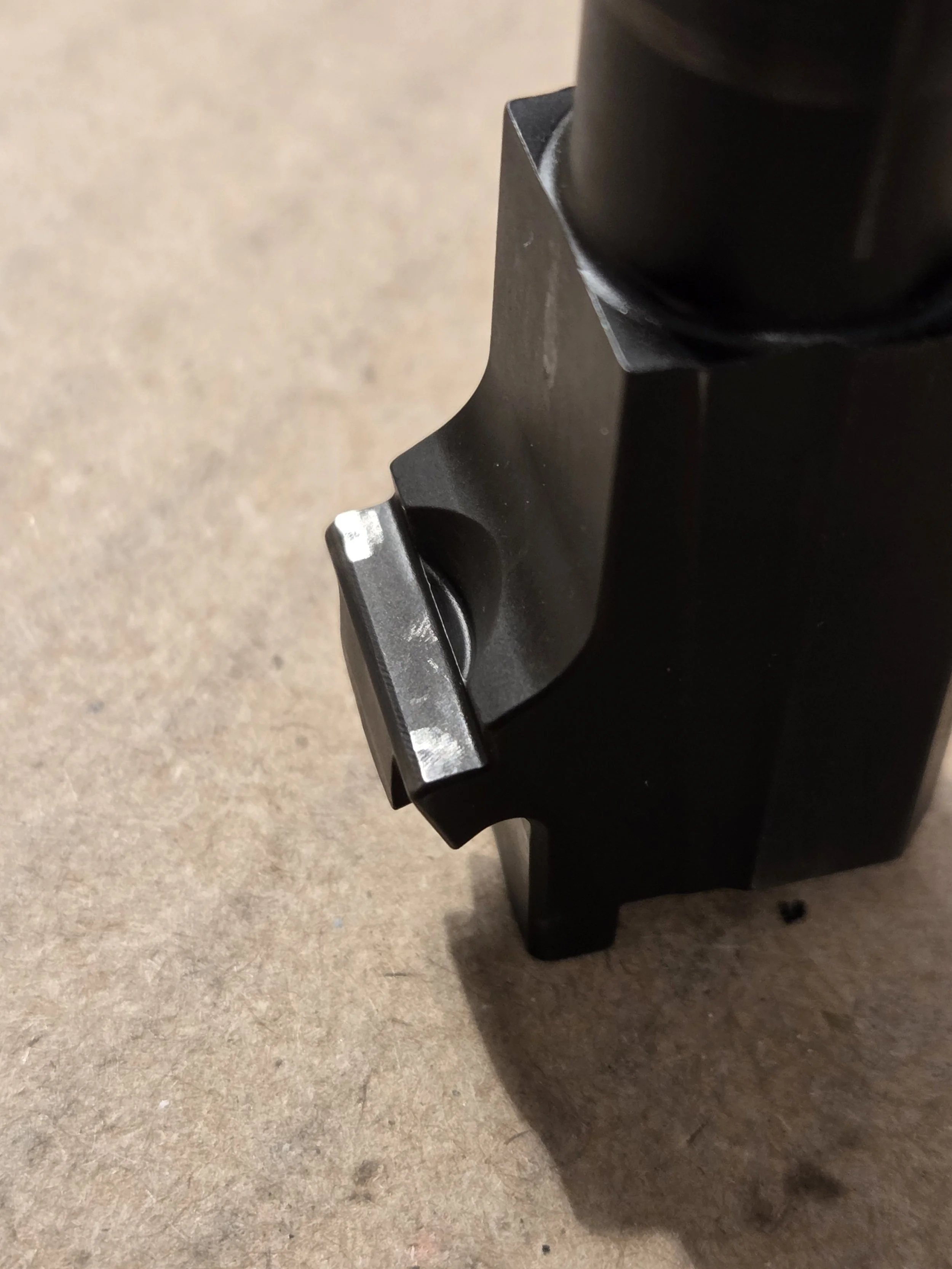
I have seen a lot of reviewers on YouTube and on various blogs fail to show wear patterns on their firearms. I consider wear to be a badge of honor and a testament to my hard work and dedication to advancing my skills. I am not sure why other reviewers don’t do the same. Anyways, these are the wear patterns I have noticed. The Tenifer finish holds up really well, and as you can see, I needed to oil the gun up to really showcase the wear on the finish.
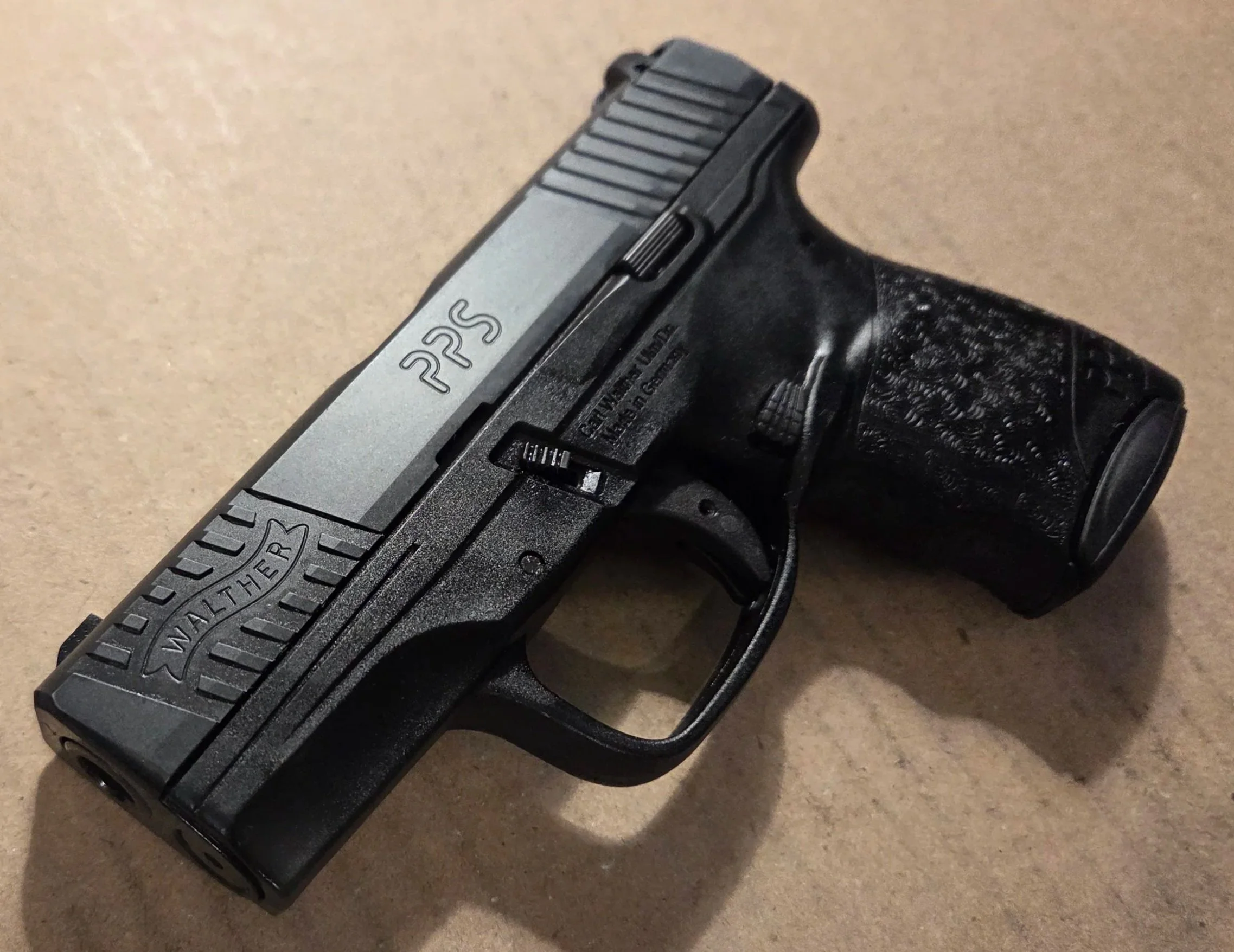
The barrel shows a small amount of chattering while the slide reciprocates, and the barrel hood shows the distinct areas where it rides on the top of the slide during cycling. The brass stains on the ejection port and breech face clearly show the number of rounds cycled through the pistol during the course of testing. I do not foresee it being an easy task to get rid of that brass scuffing, nor do I want to.
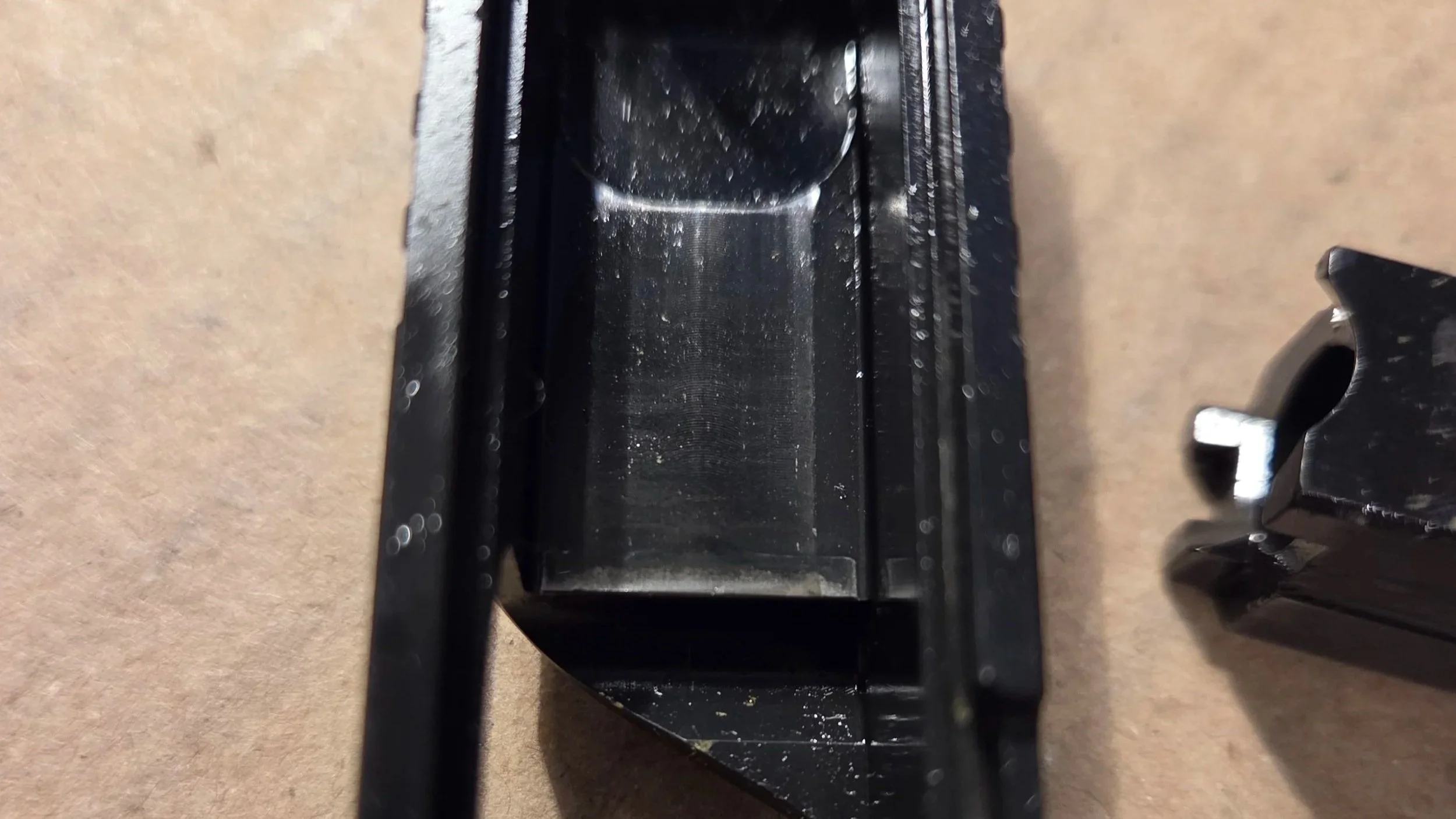
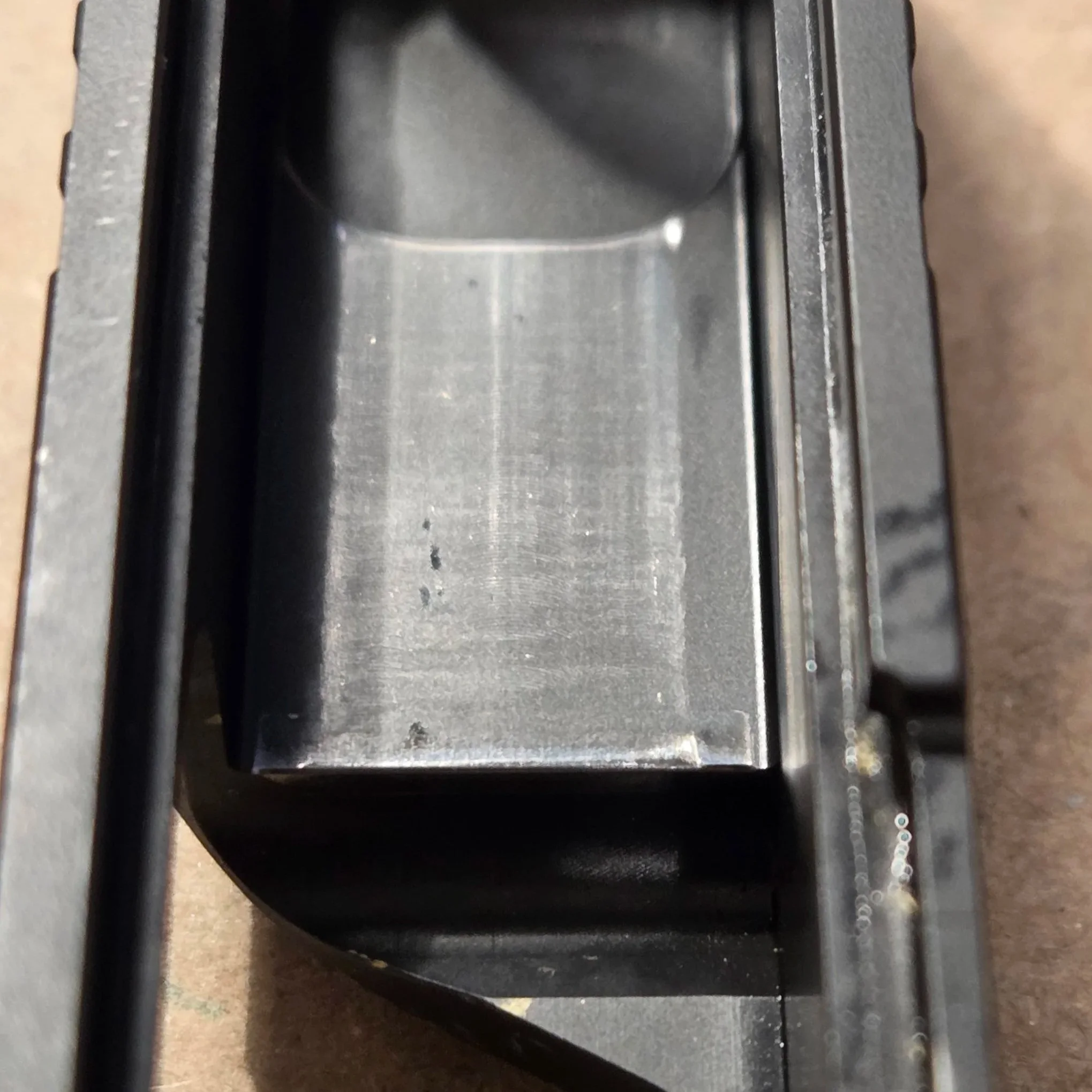
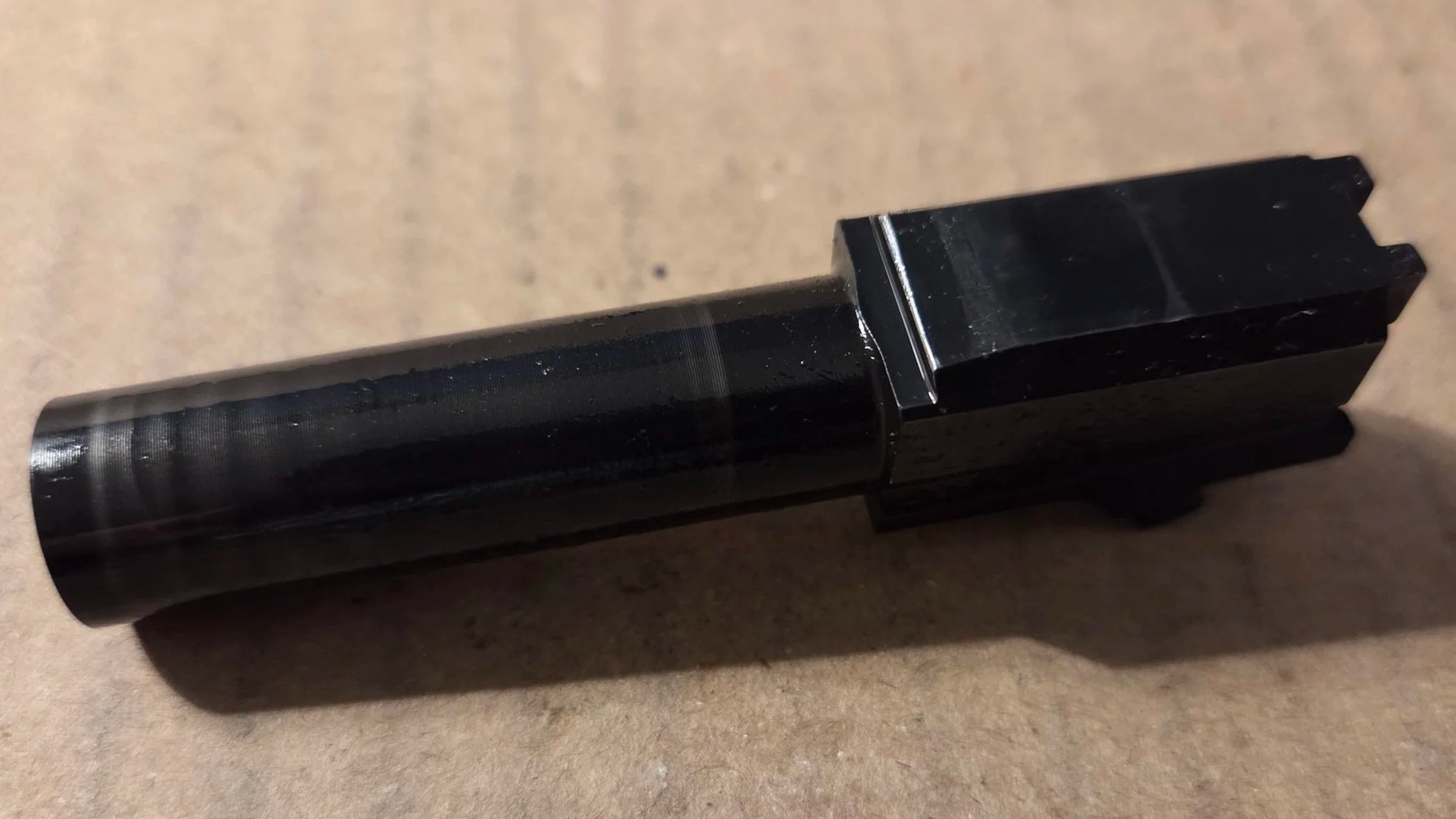
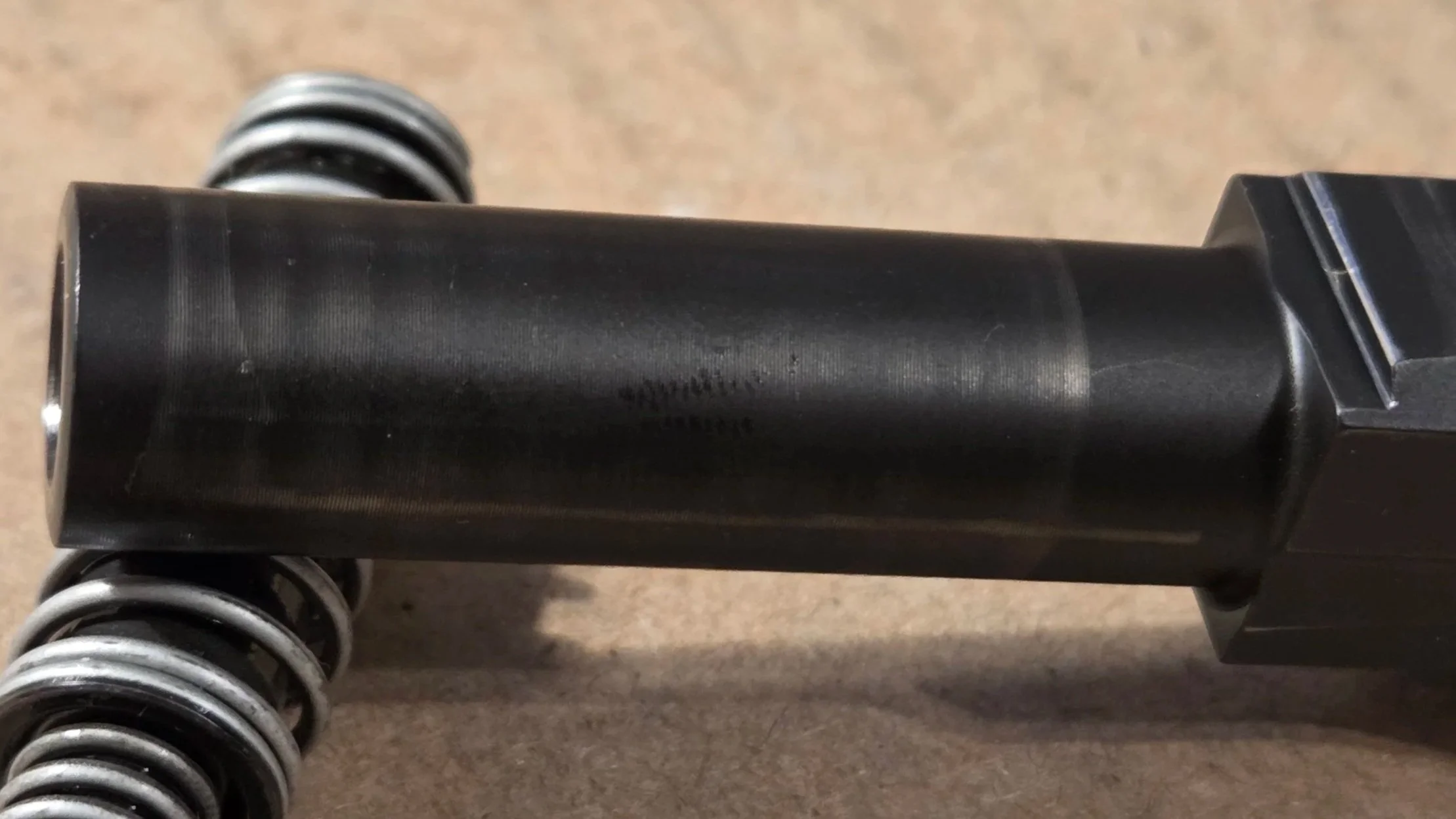
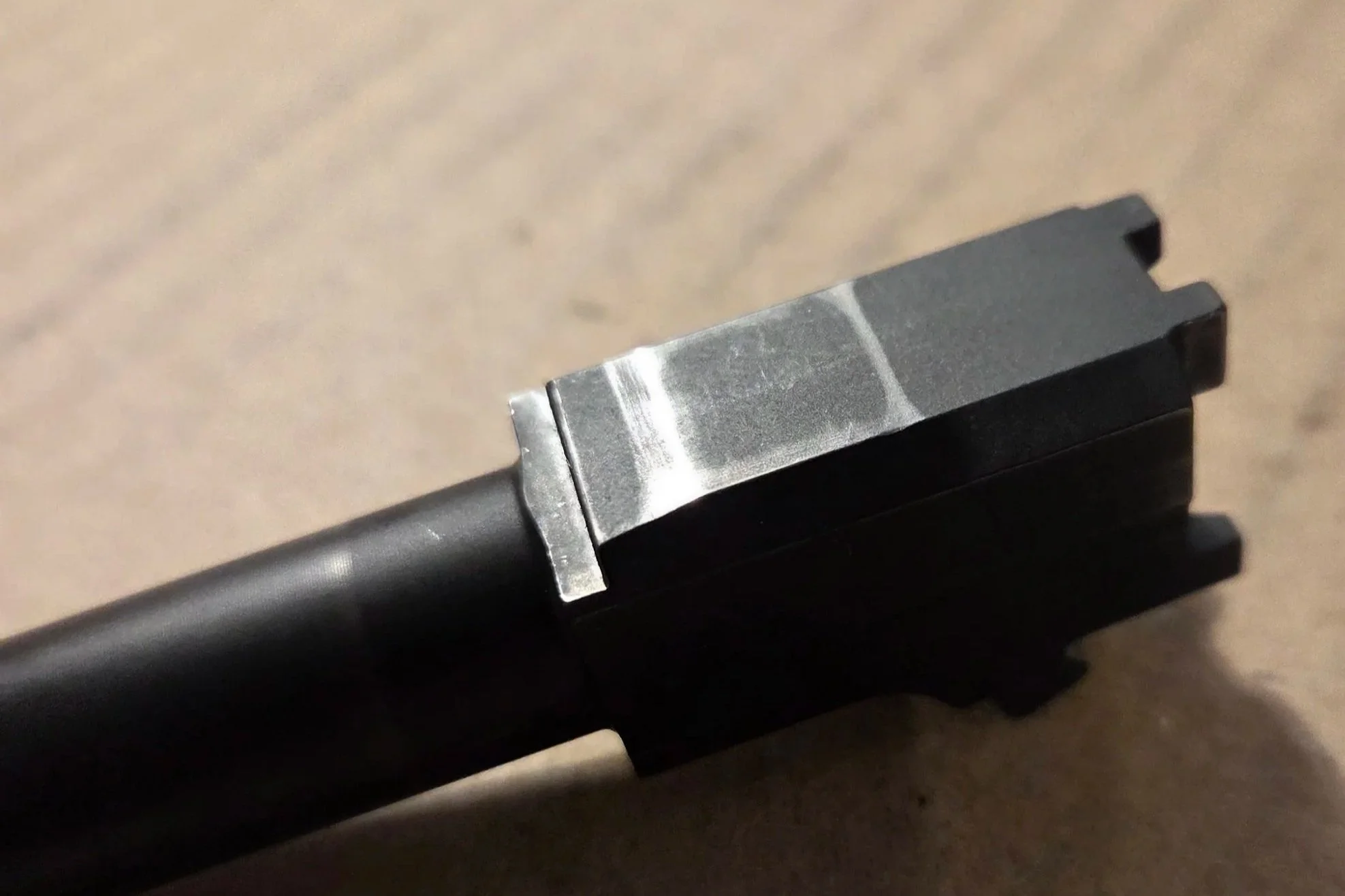
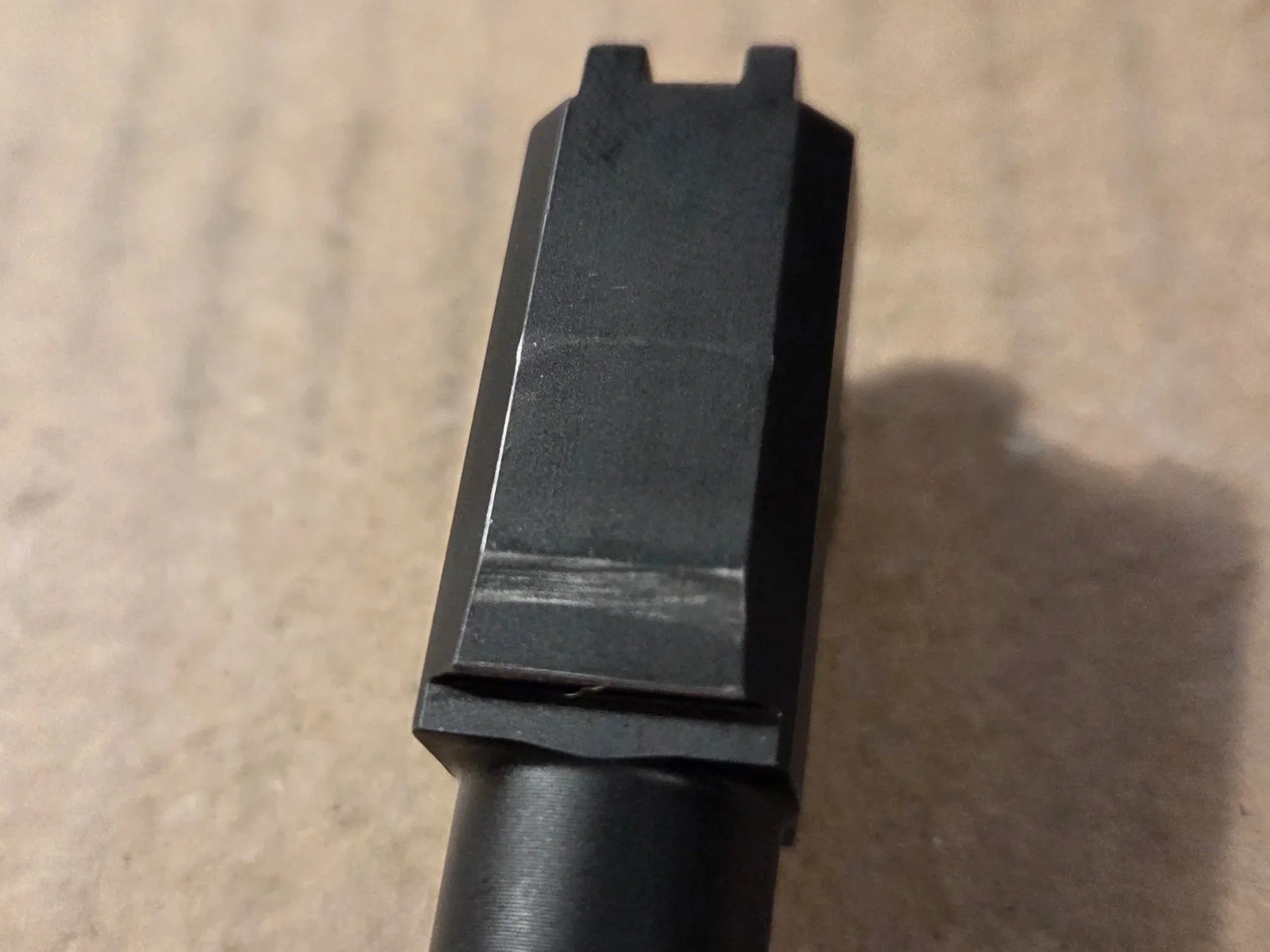
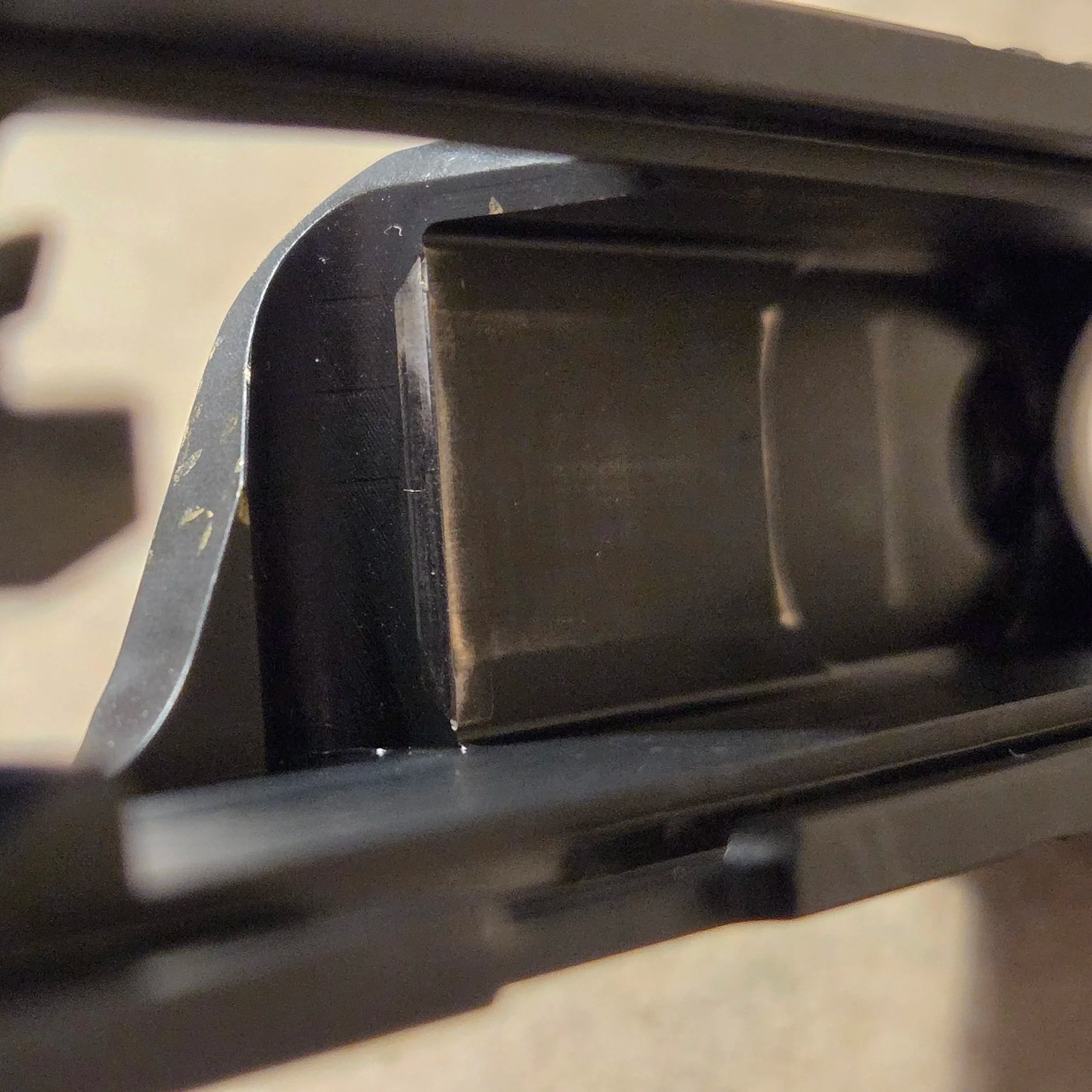
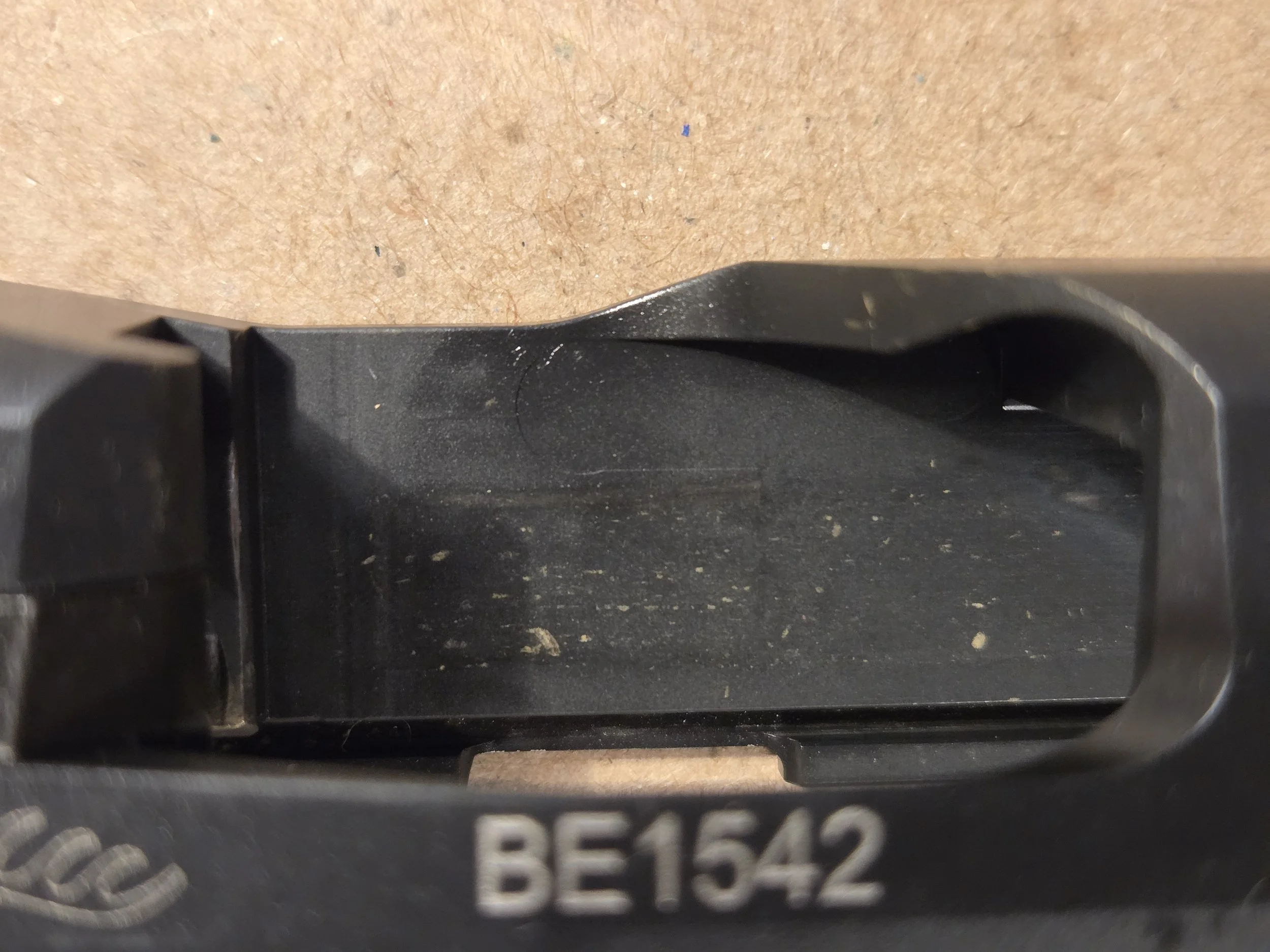
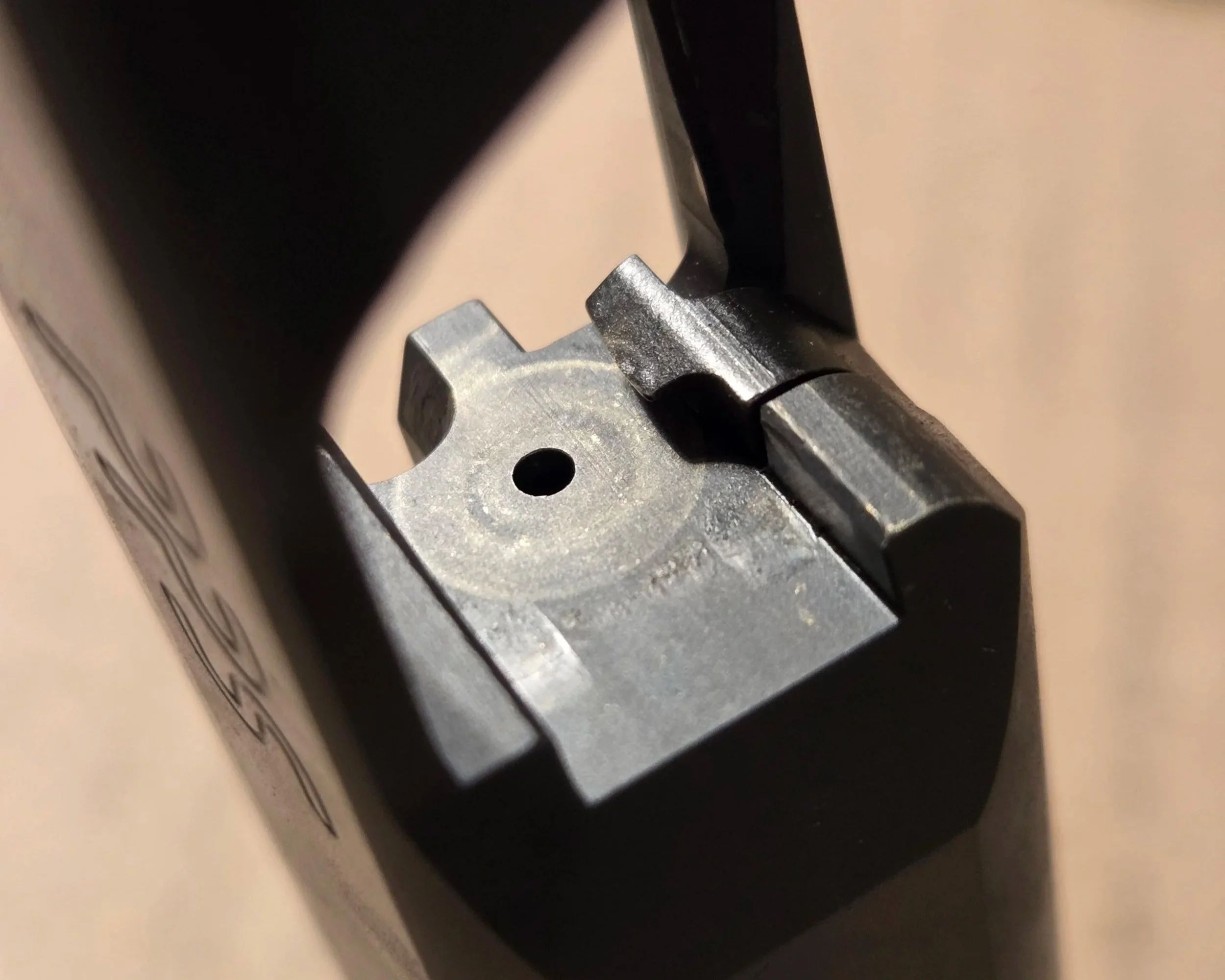

The rails on the chassis, and the camming block have the most dramatic wear. It is almost like the rails were scuffed and smacked by the small openings on the slide during reciprocation. The wear on the finish hides pretty well when dry, and the pistol does not take to holster wear easily. That may be a quality most love, but I personally do not care to preserve a pretty finish.

WRAPUP
The Walther PPS M2 is the gun I think we should have seen on the big screen when James Bond was neutralizing bad guys and shagging the ladies. Walther is still producing the PPS M2, which tells me that they are still getting good sales and feedback from it. If Walther intends to replace the PPS, I am sure it will look a lot like the PDP, but it will most likely come in the form of a double stack, bringing Walther into the double stack micro-9mm market.