S&W CSX E-SERIES: THE ALUMINUM-FRAMED MICRO-9 THAT DEFIES THE POLYMER REVOLUTION
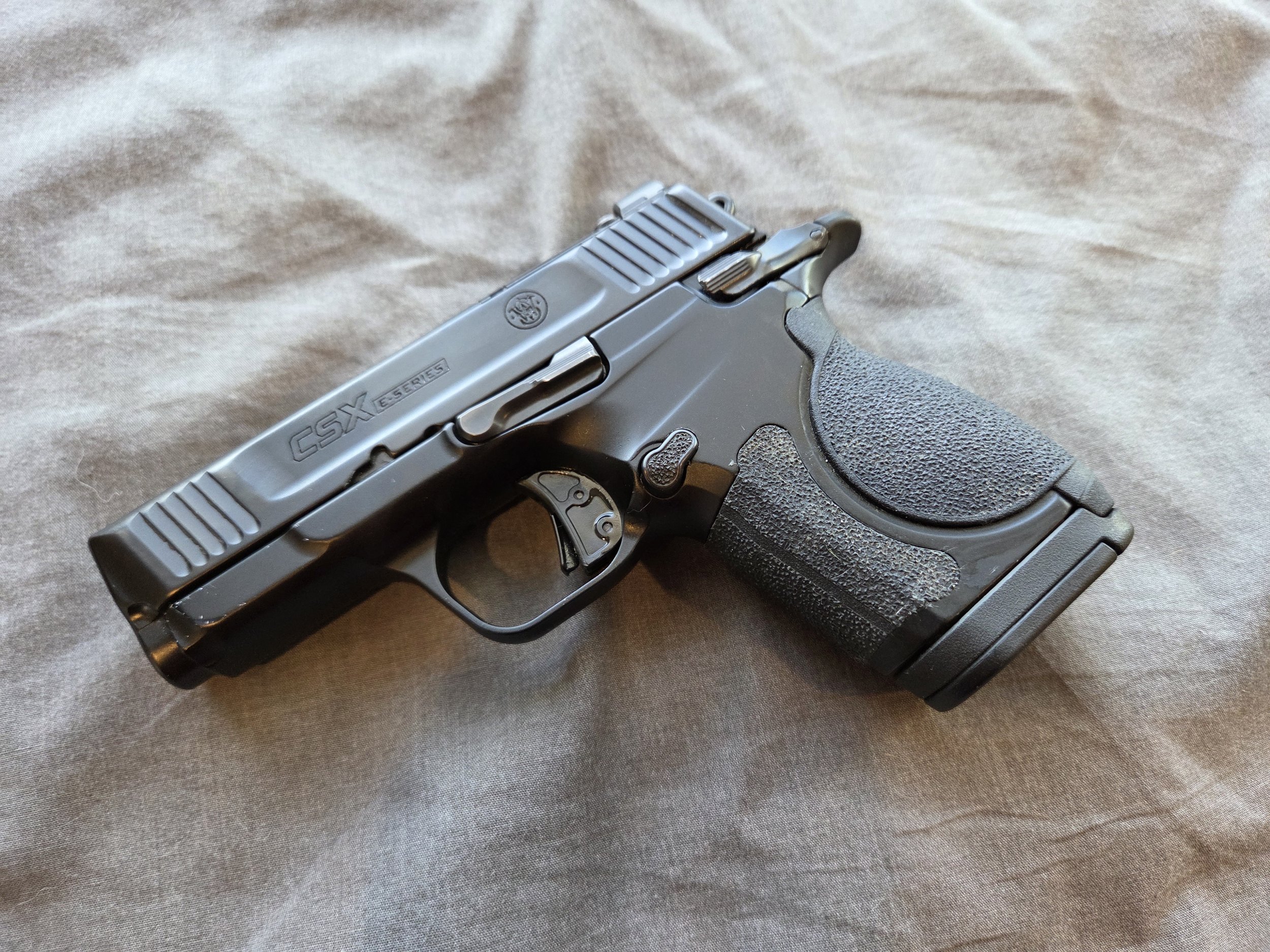
The CSX is a modernized version of the Chief Special series of pistols. The E-series of the CSX is an Enhanced version, complete with a red dot optic compatibility and an upgraded magazine and grip design. The pistol is virtually the same size as the Shield Plus, but offers a higher capacity, and a crisp single action trigger. The CSX is an anomaly in modern concealed carry pistol designs because it dares to have an aluminum frame in a market clogged with viable polymer framed options.
PISTOL FEATURES
As stated in the opening, the CSX is an enhanced version of the first CSX model. The pistol features a light aluminum frame with textured polymer inserts that give the shooter that firm hold during shooting. The back straps are easy to change out and you can even have a full-size back strap system that allows you to use the 17-round magazine with a full grip on the pistol. Despite the metal frame and the size it shares with the Shield plus, the CSX is actually lighter than the Shield Plus by about 5 ounces. If you want to get specific, the shield plus is actually slightly larger than the CSX, and the CSX carries more ammo in the magazine without a larger grip.
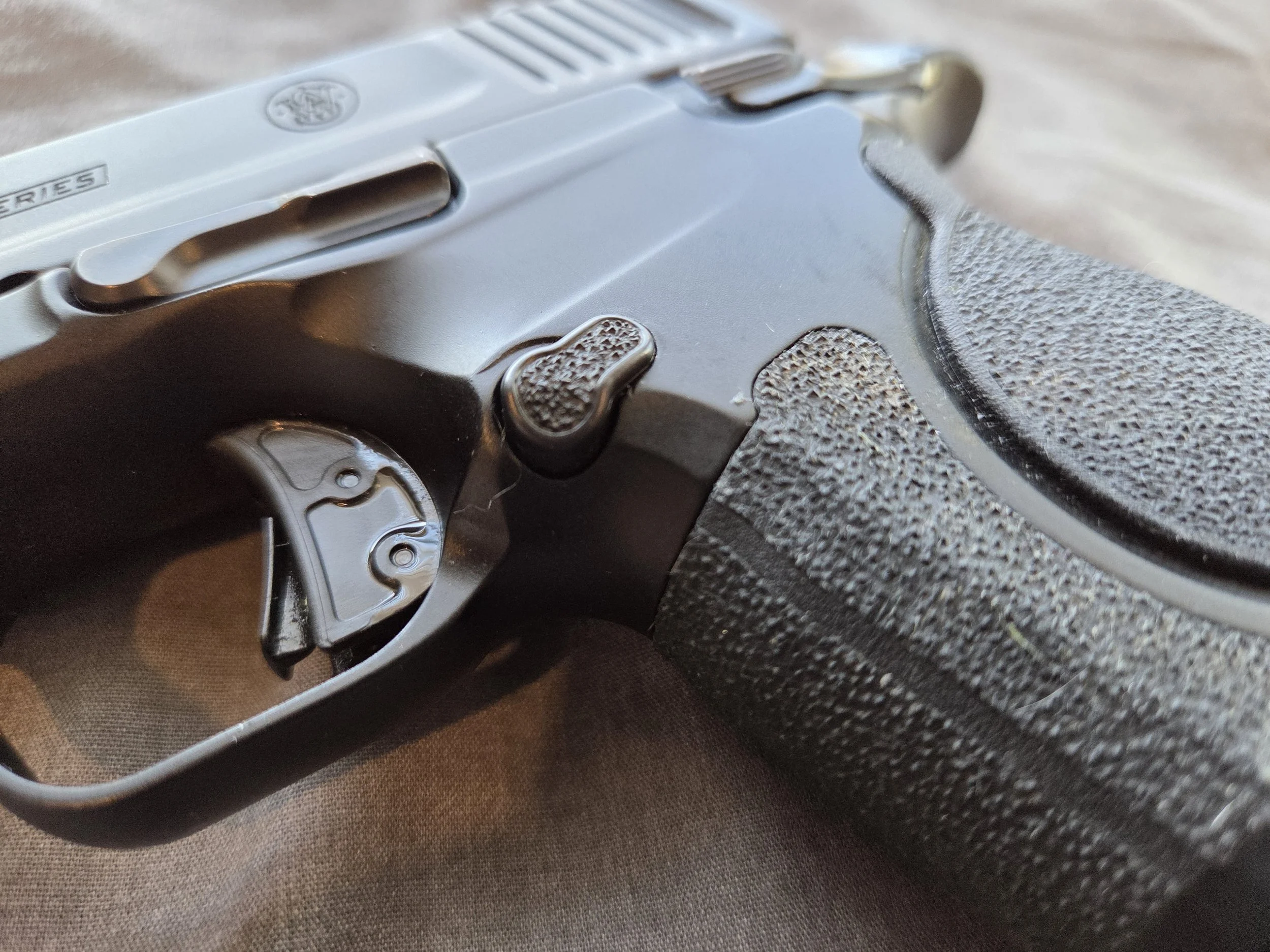
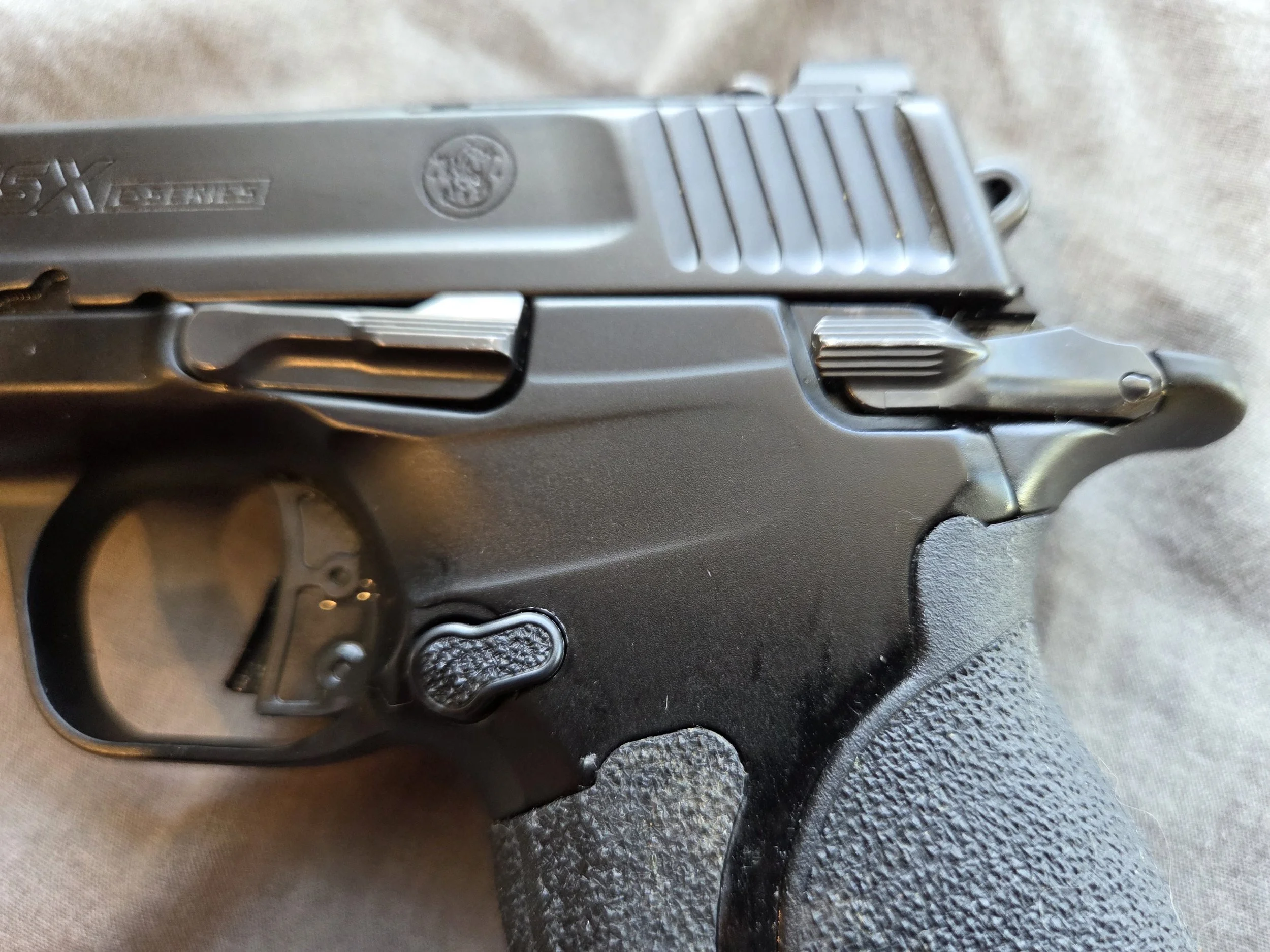
The CSX features a single action trigger with an ambidextrous manual safety system that is relatively dehorned and low profile. The slide is easy to manipulate, and seems to have a very sensitive slide stop that is easy to manipulate. The front and rear slide serrations are different for the M&P slide serrations, but are very easy to use. The magazine release is very similar to the 1911, and you are provided with a left-handed release that you can easily change on your own.
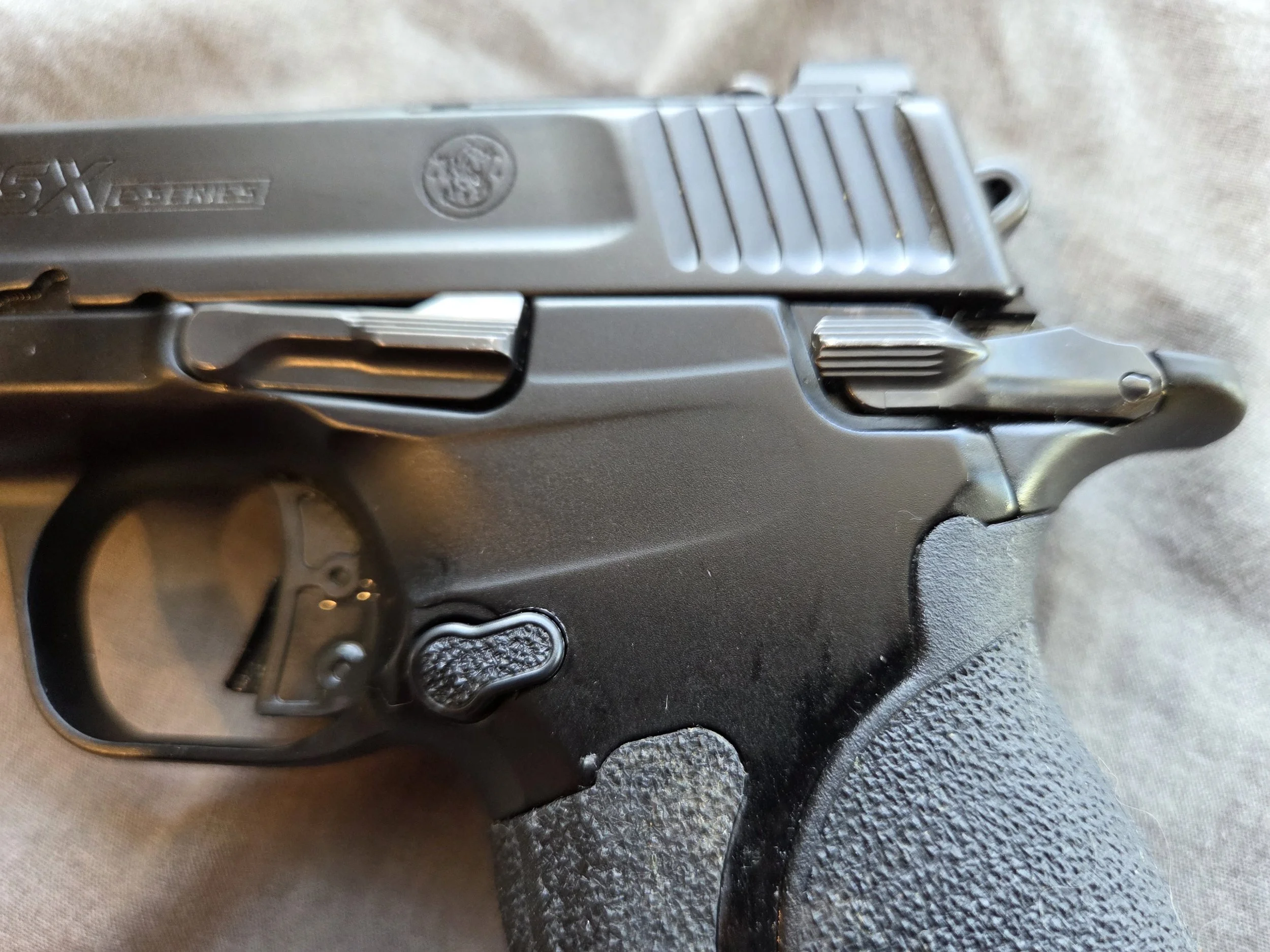
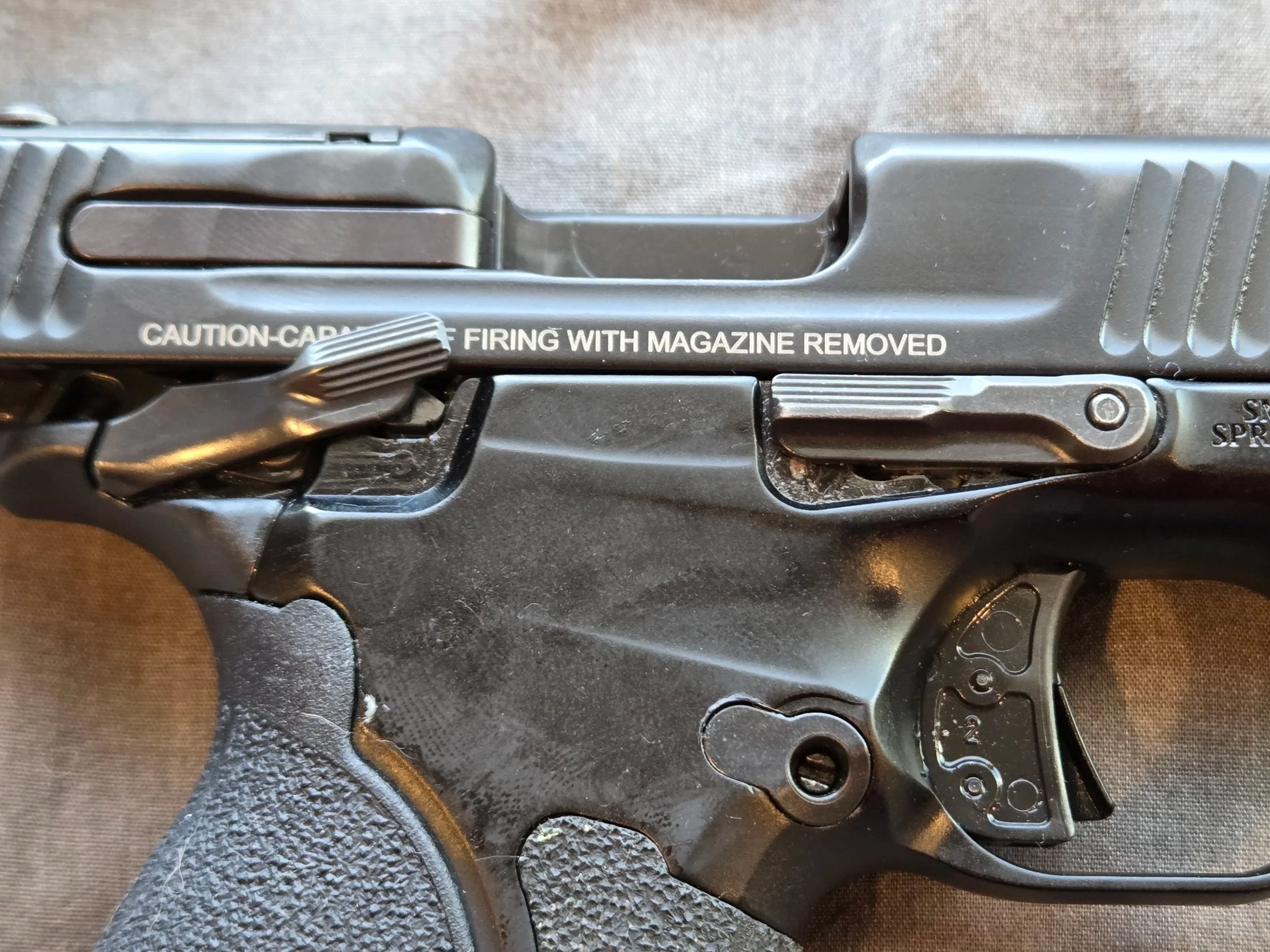
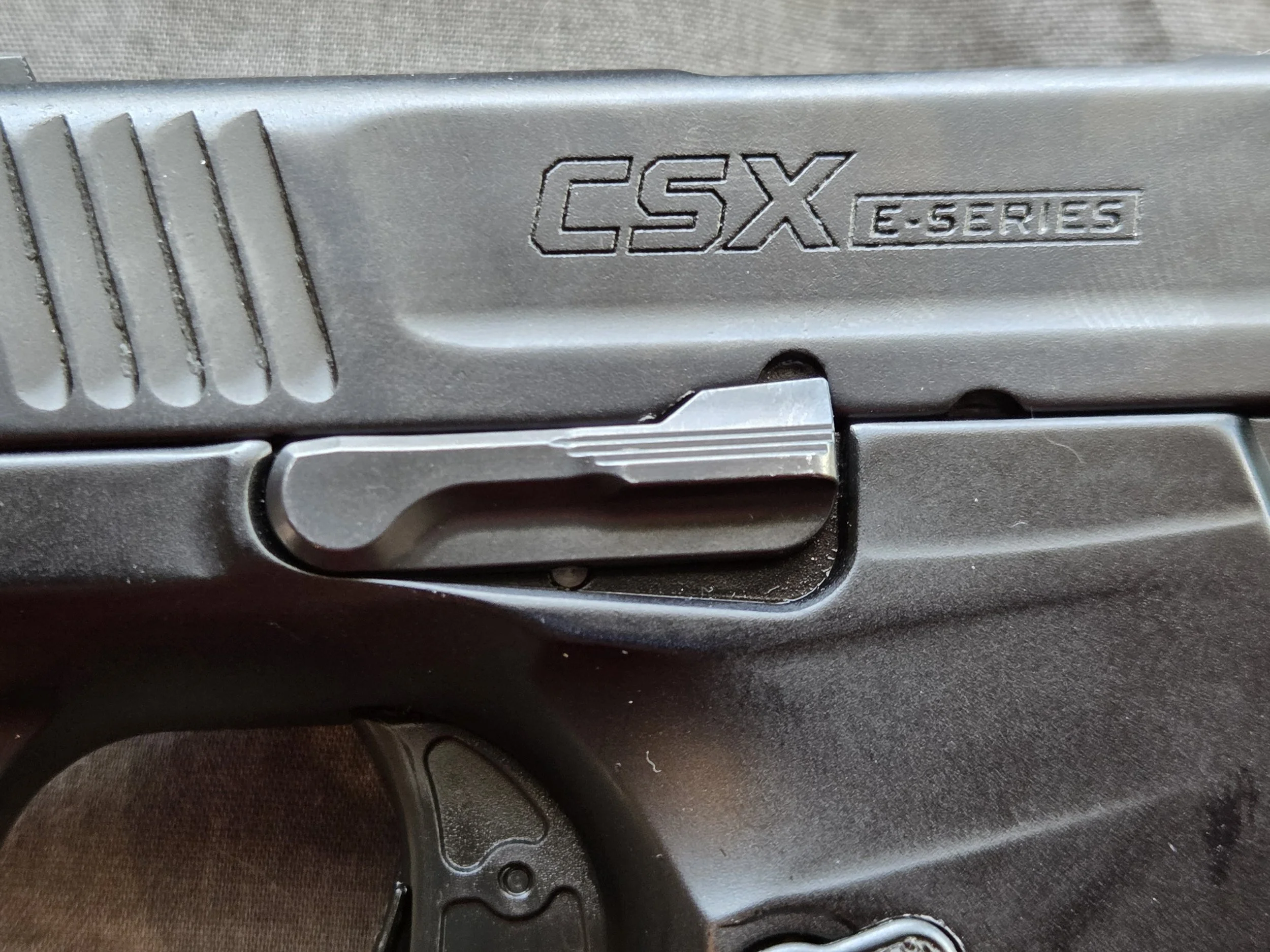
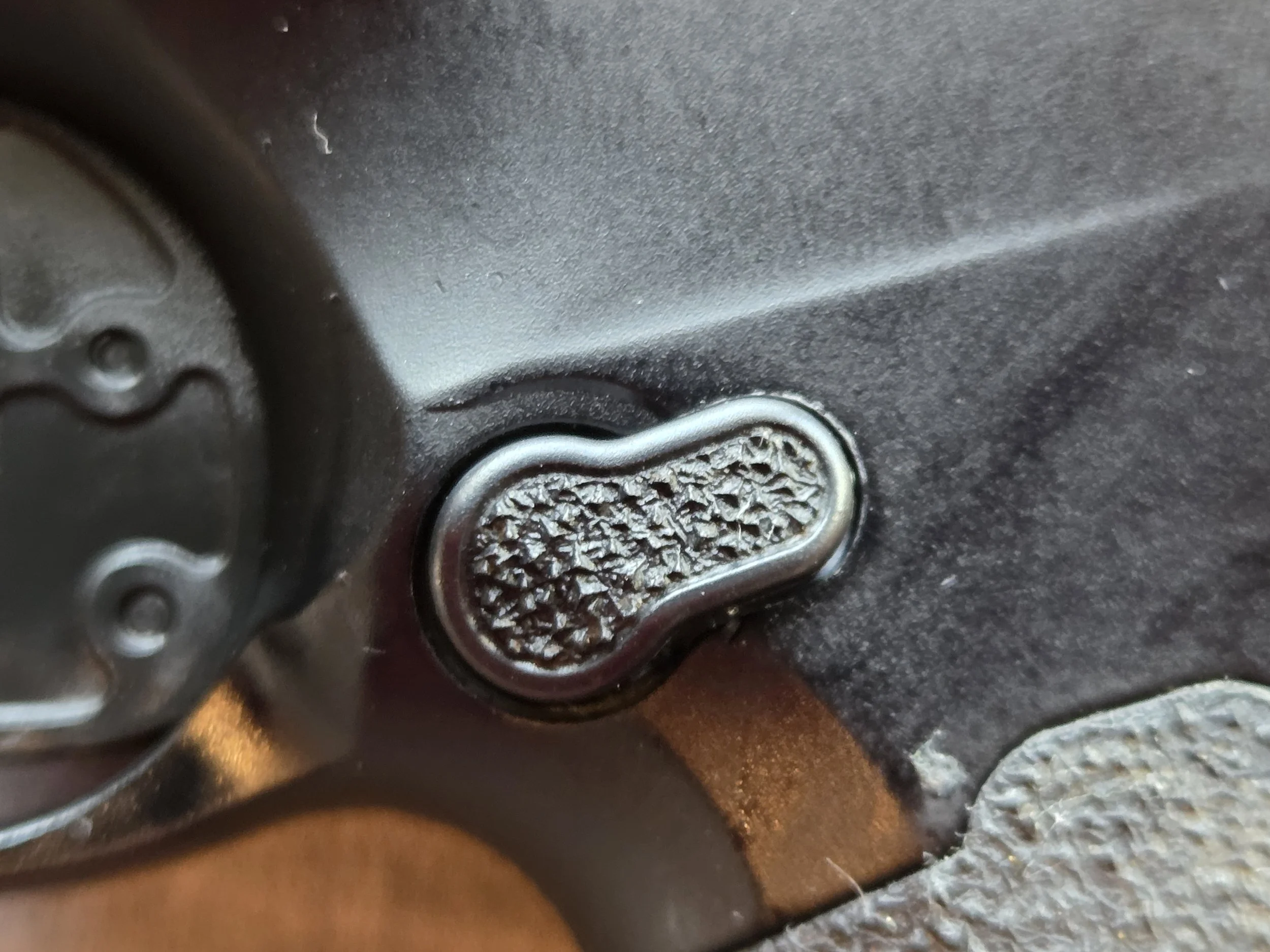
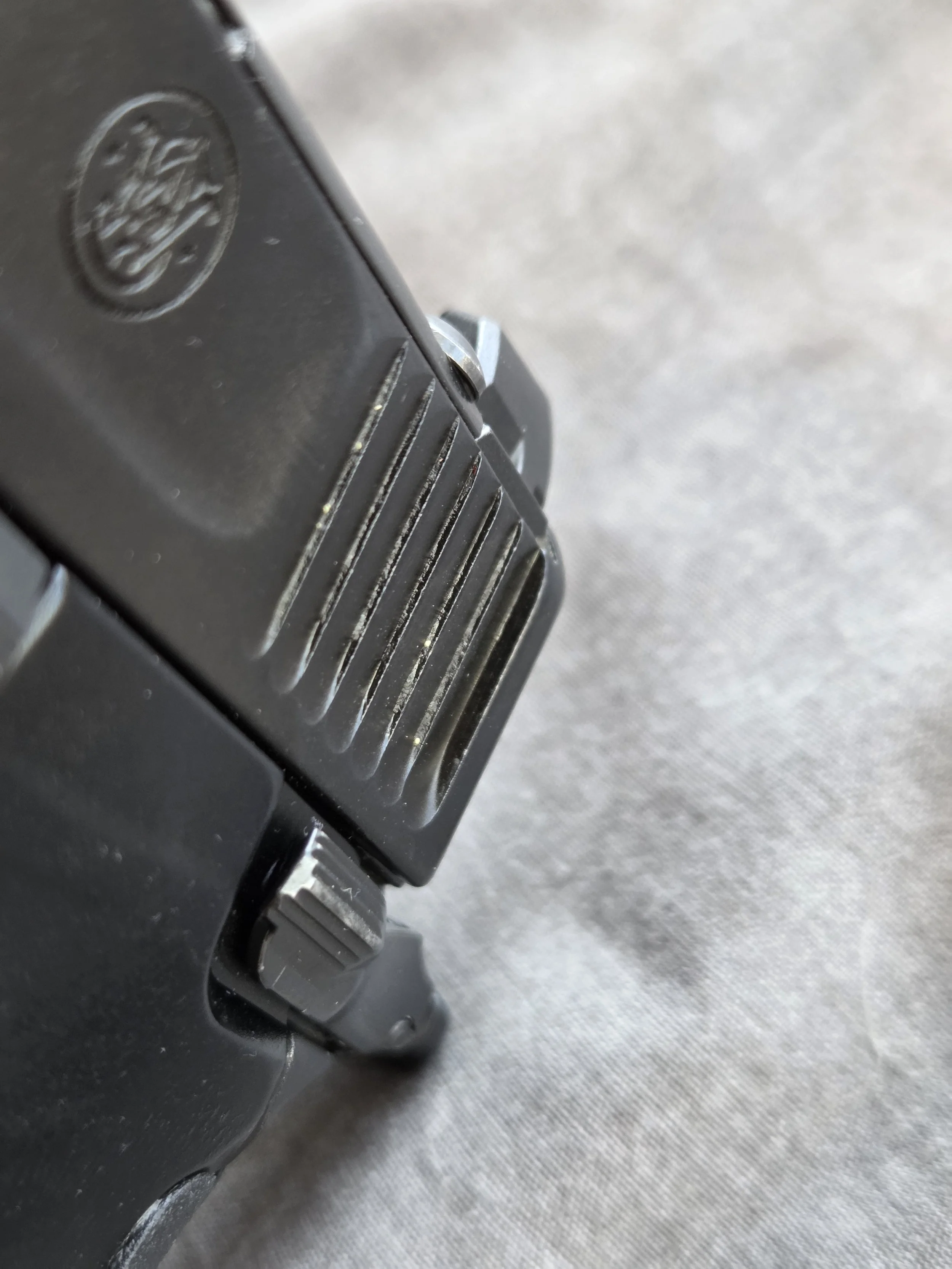
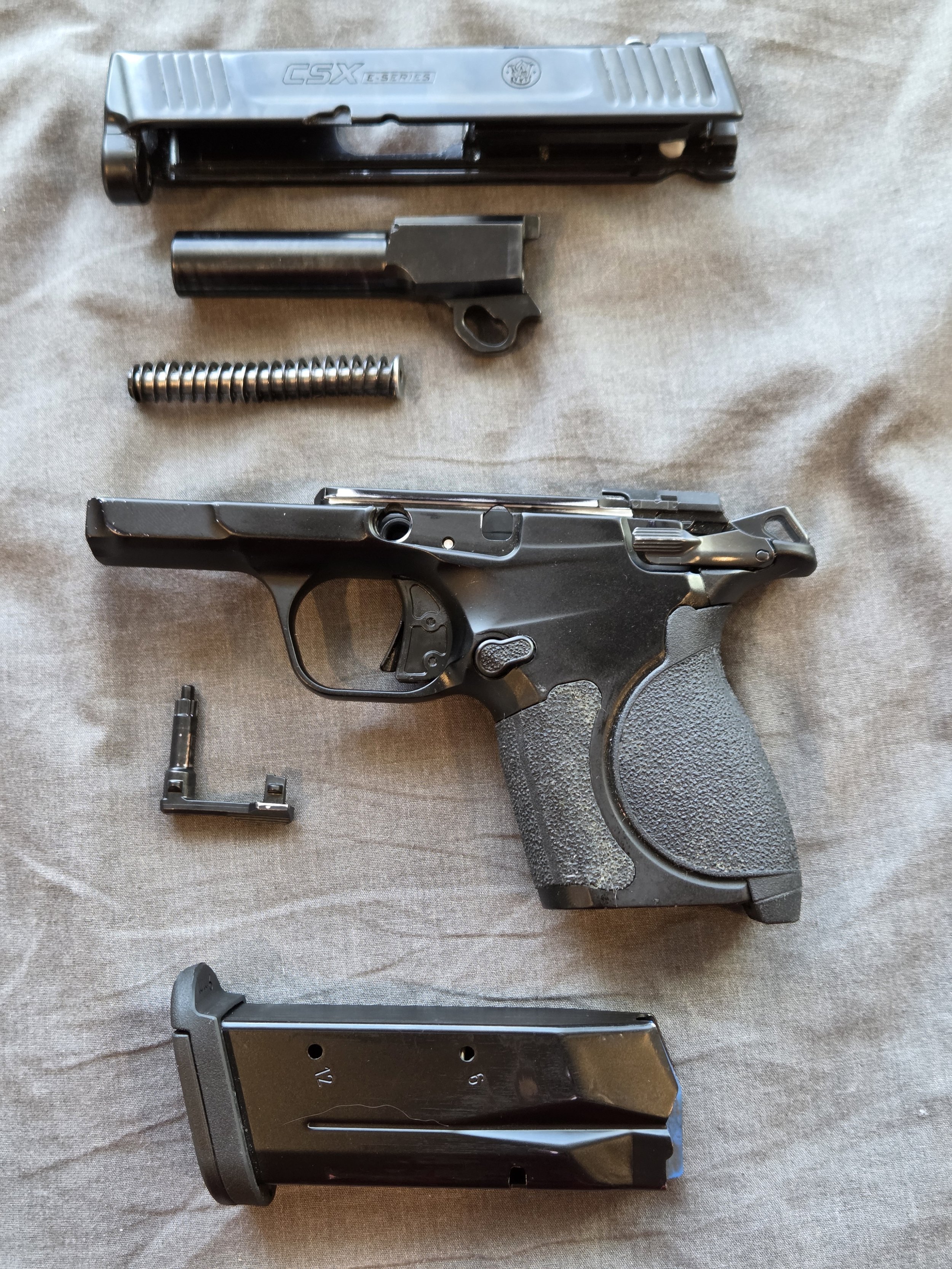
Disassembly of the pistol will require something like a pen or a small Allen key to push the cam pin through the right side, to the left. The takedown procedure had a lot of picky reviewers upset that the pistol did not copy the takedown method of the Shield. I personally didn’t have a problem with the pistol during takedown, and I like that it requires intentional steps and maybe a tool to disassemble.
TRIGGER CHARACTERISTICS
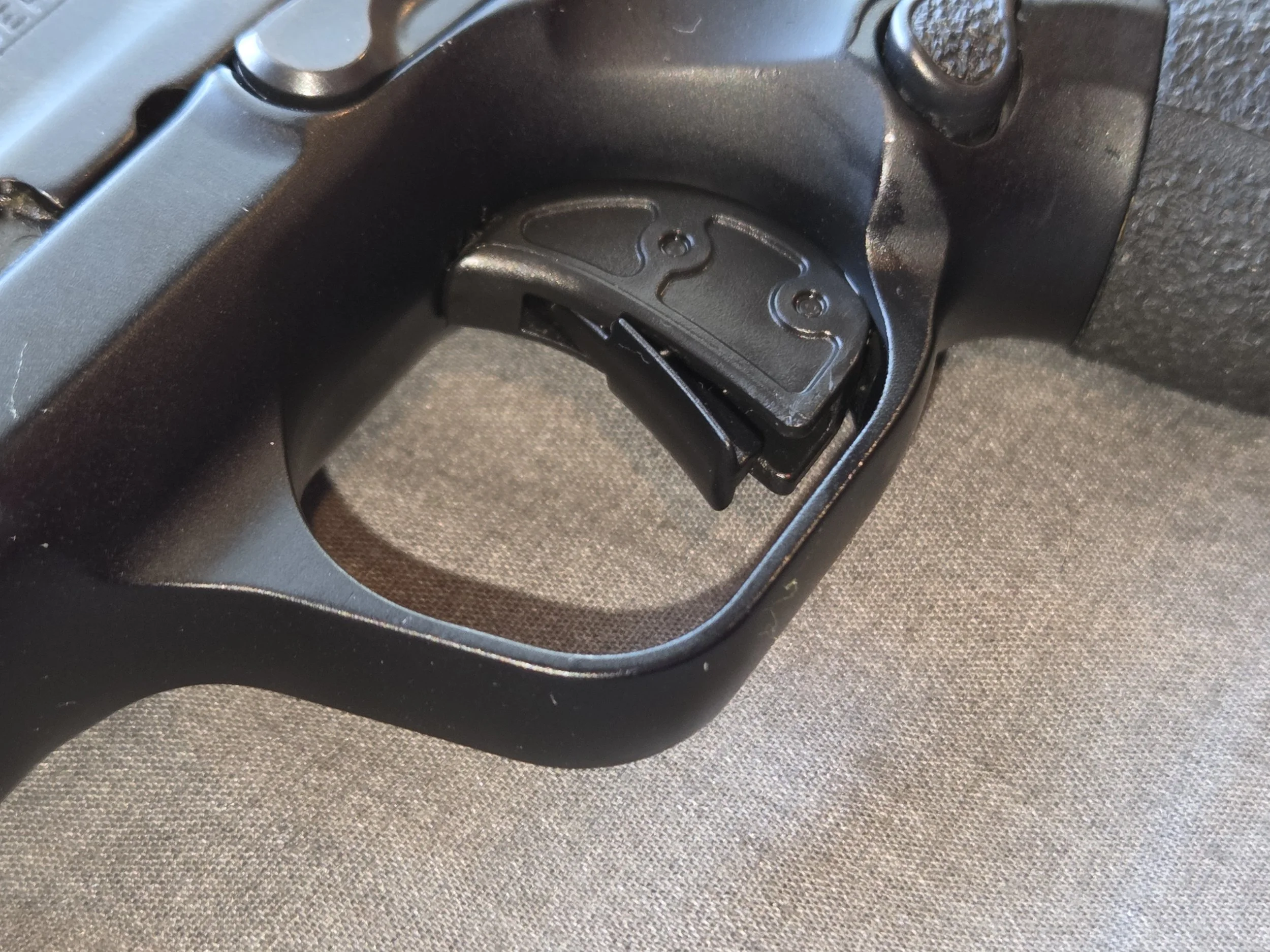
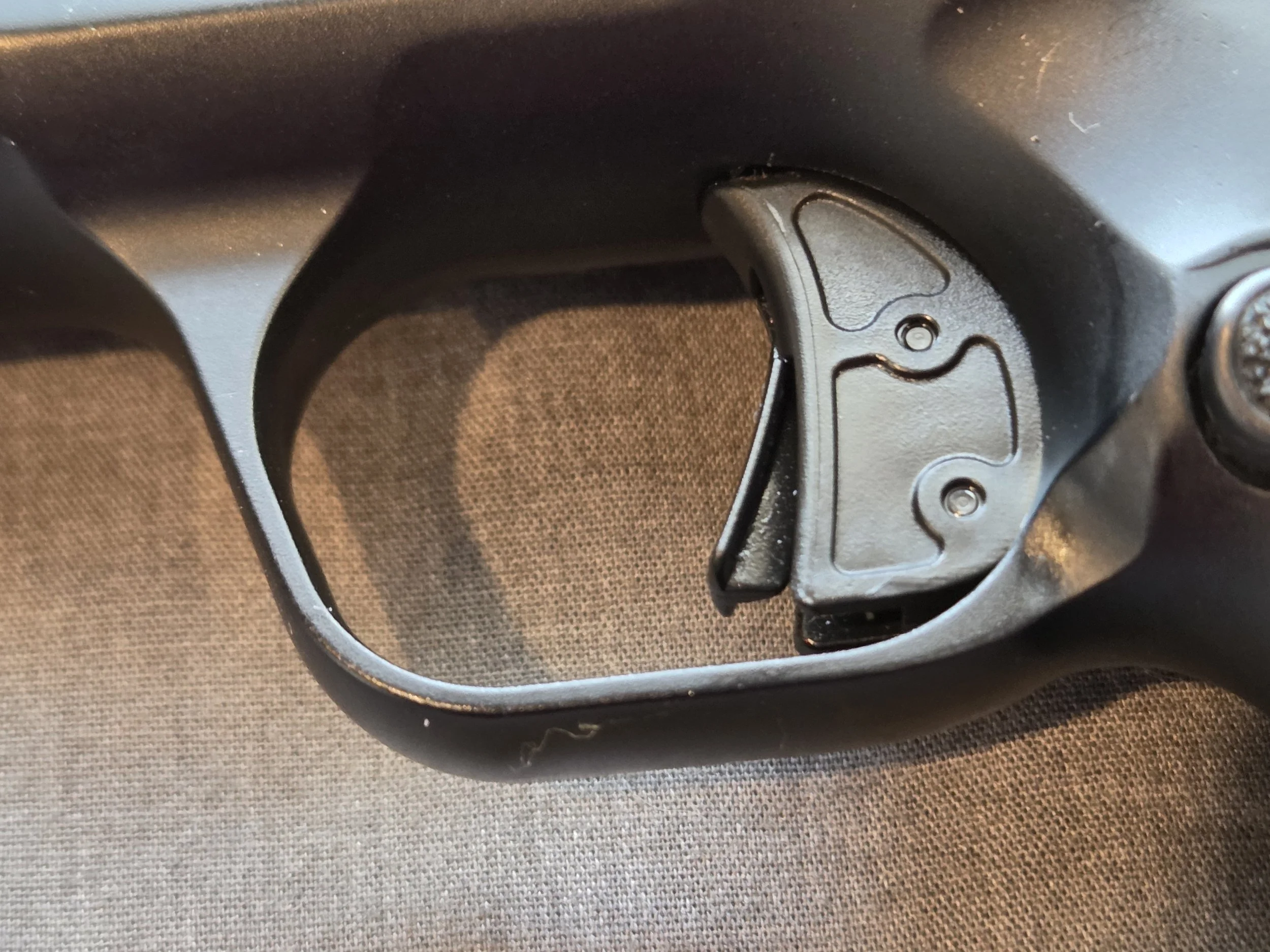
The trigger on the CSX is often compared to the 1911 because of its single action design. However, the pistol features a trigger safety and seems to pivot slightly, rather than being a straight pull trigger like the 1911. The trigger has next to no take-up and requires about 6 pounds of rearward force to release the hammer from the sear. The trigger resets almost immediately, and is tactile and audible. You can easily get very close splits with this type of trigger, but will need to spend a good amount of time doing dry fire and shooting before the trigger gets buttery smooth and perfectly crisp.
FIT AND FINISH
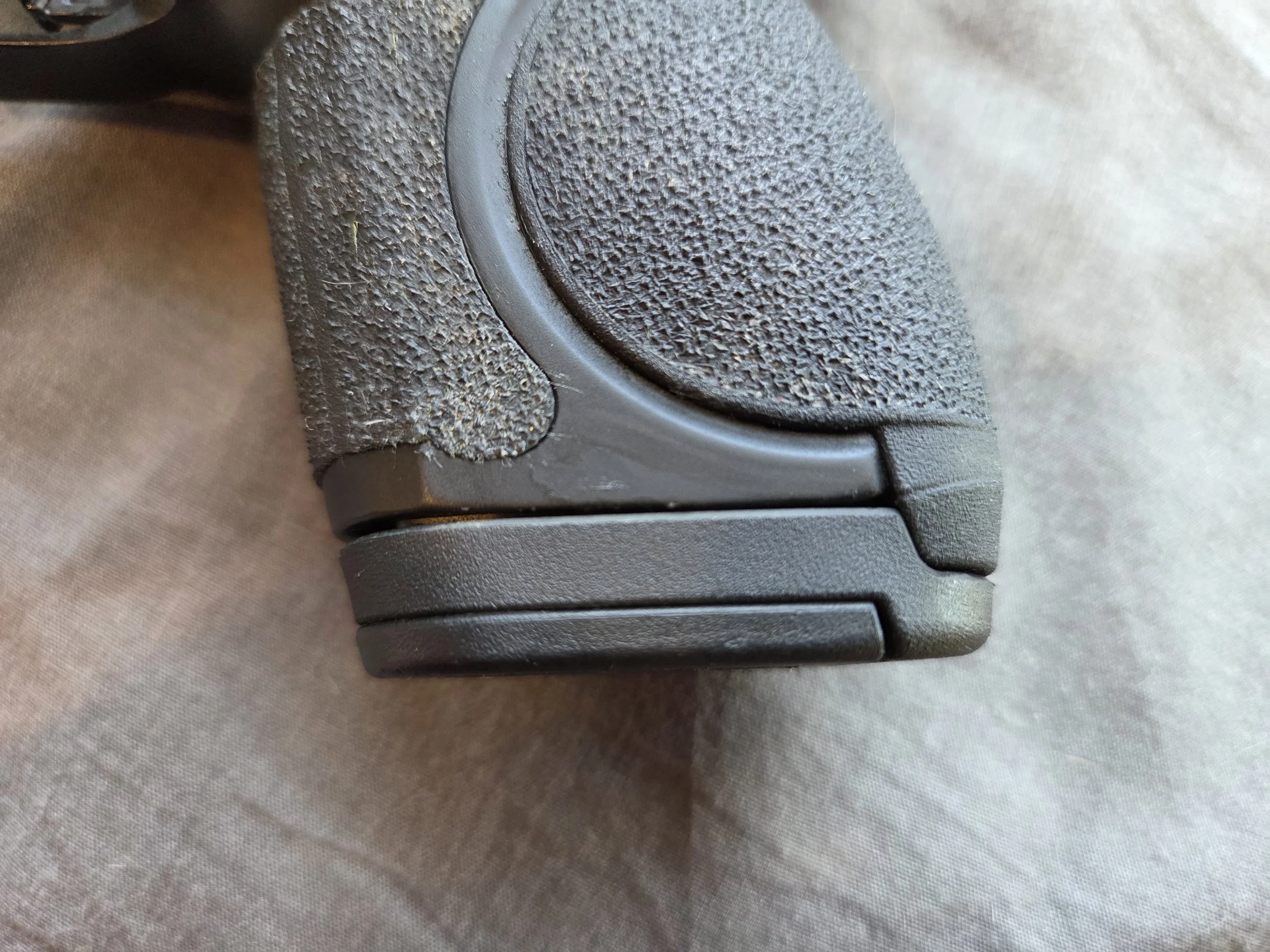
The slide and frame are fit perfectly, and the gun feels perfectly solid. The parts on the pistol are tightly fit, and do not rattle. The magazines fit perfectly with very little movement and spacing between the baseplate and the grip. I personally think the magazine options are nice, but a bit overblown. They seem to be designed to allow you to use the pistol for open carry, home defense or concealed carry.
The finish on the CSX is the Armornite finish, which is just S&W doing their own in-house nitride finish. The finish on the barrel is extremely smooth, and may account for the lack of wear on the pistol. This process adds some hardness to the metal, makes it non-reflective, and increases surface lubricity. This makes me want to shoot hundreds of rounds through the pistol to get the finish to wear more.
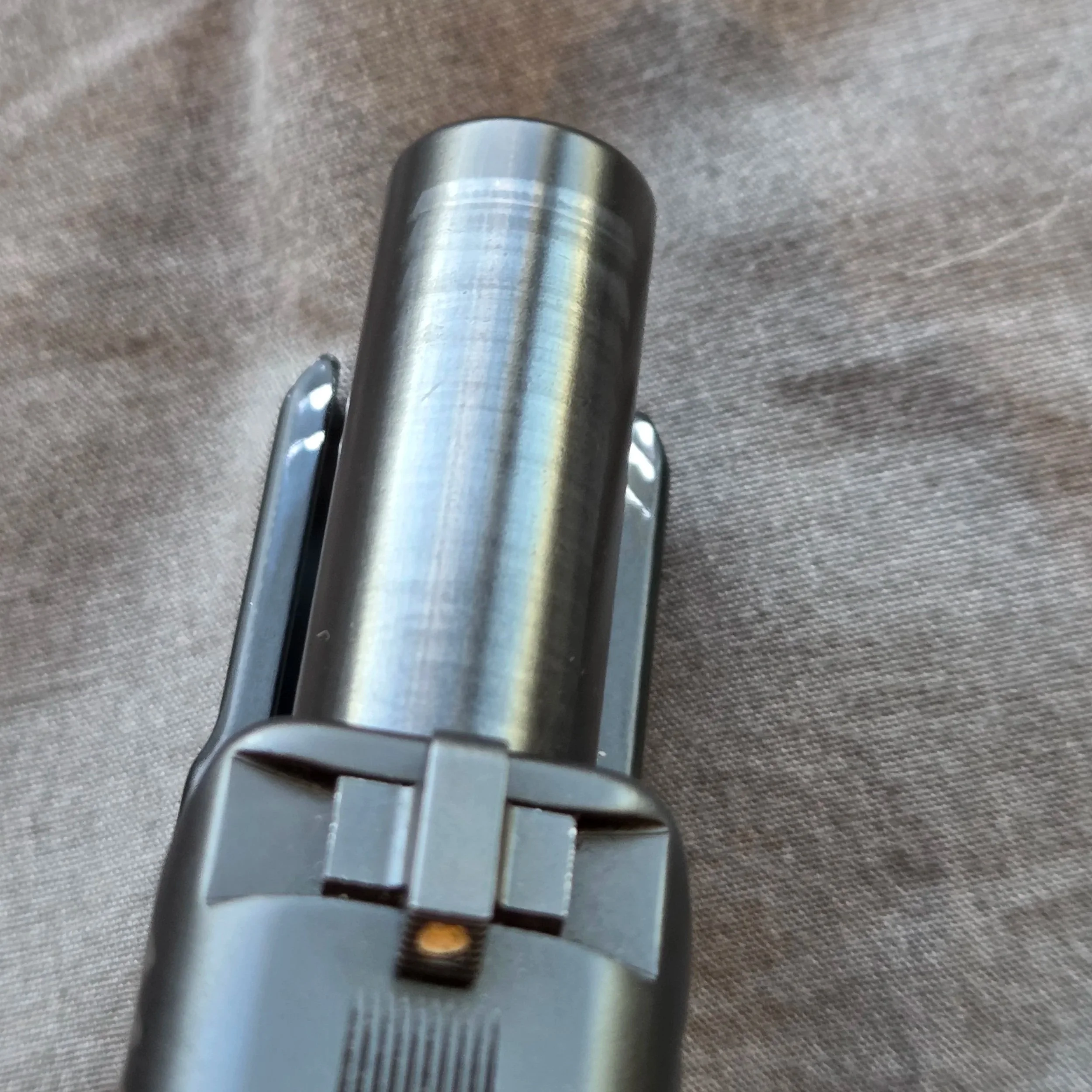
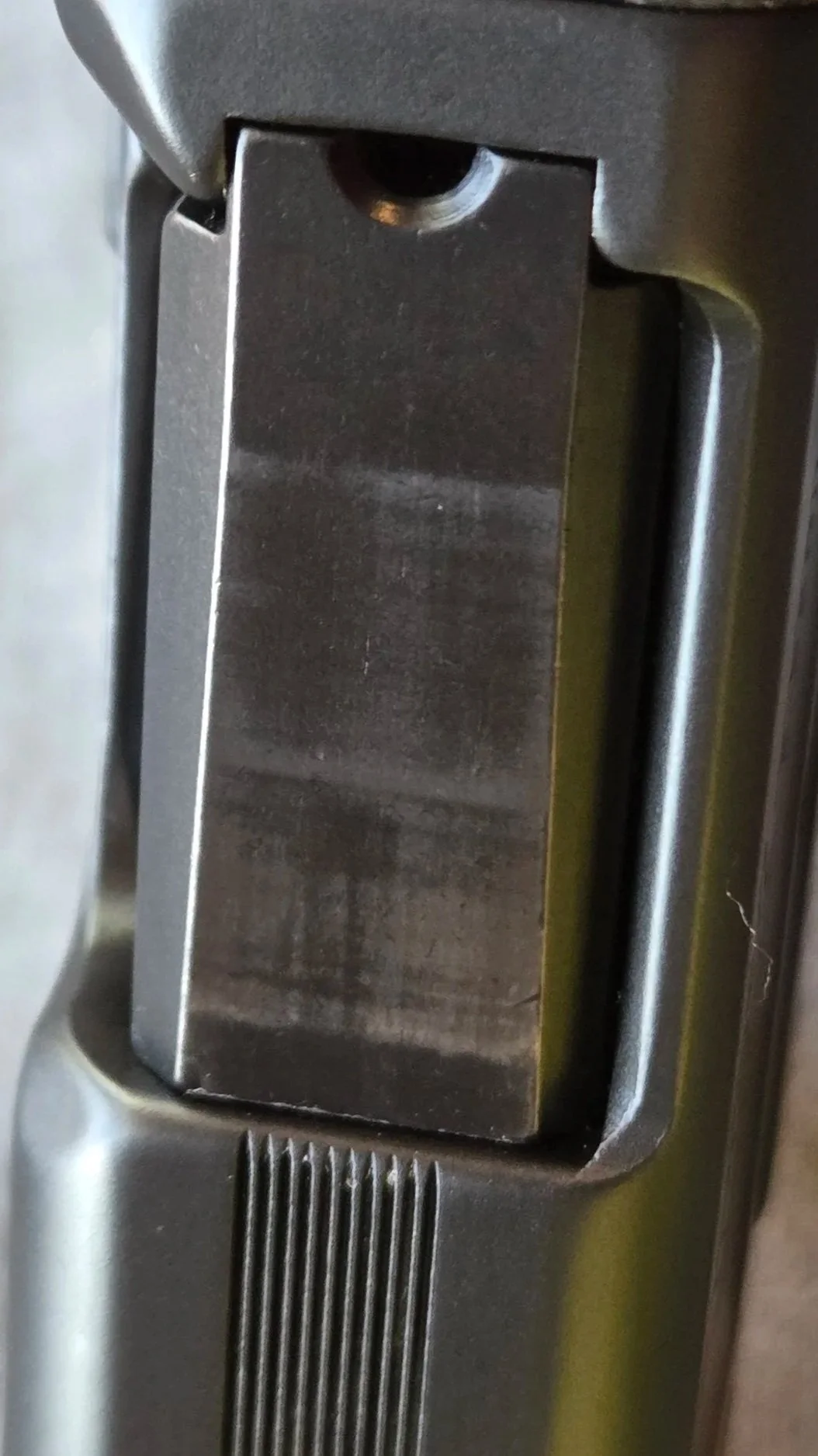
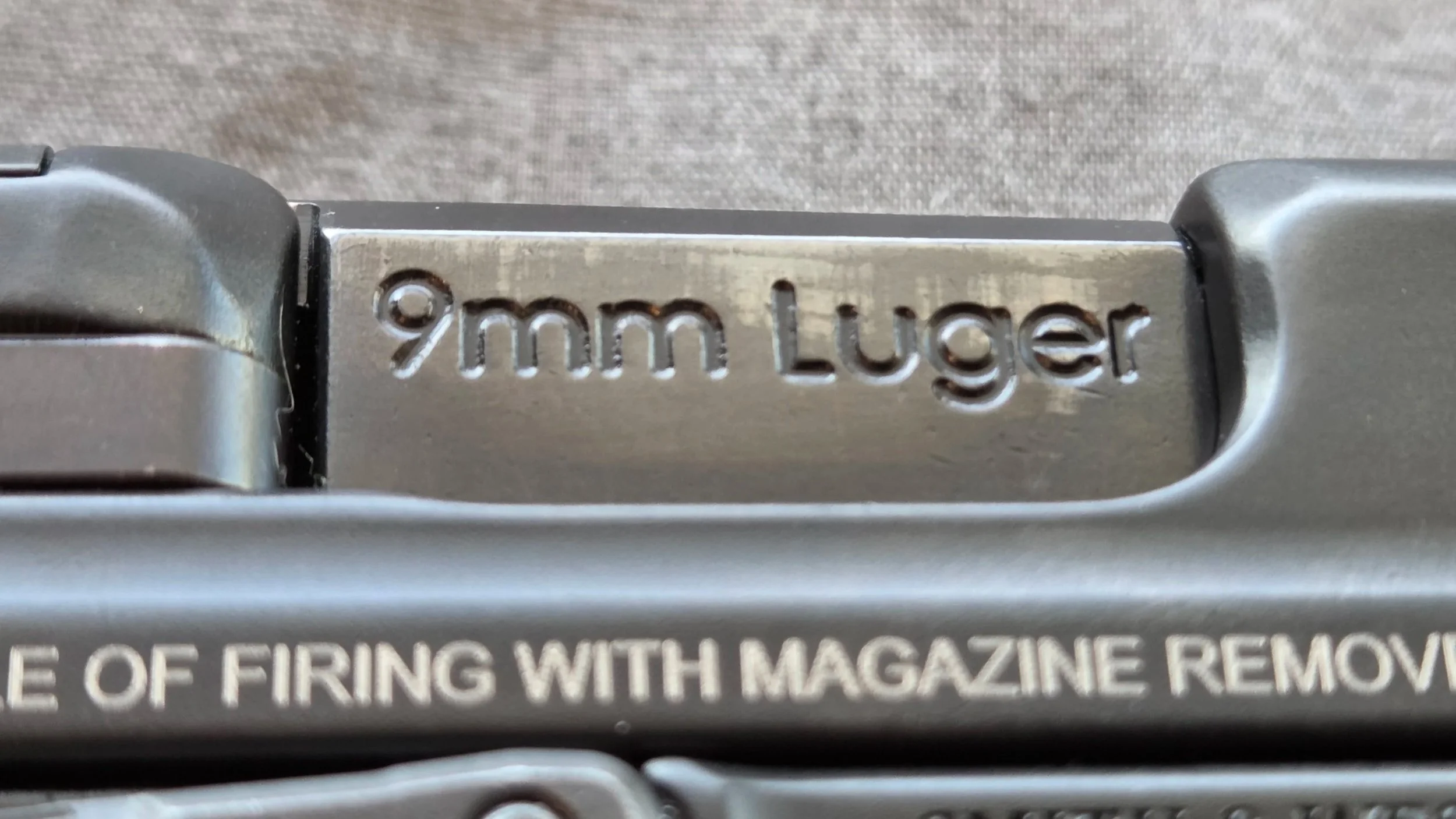
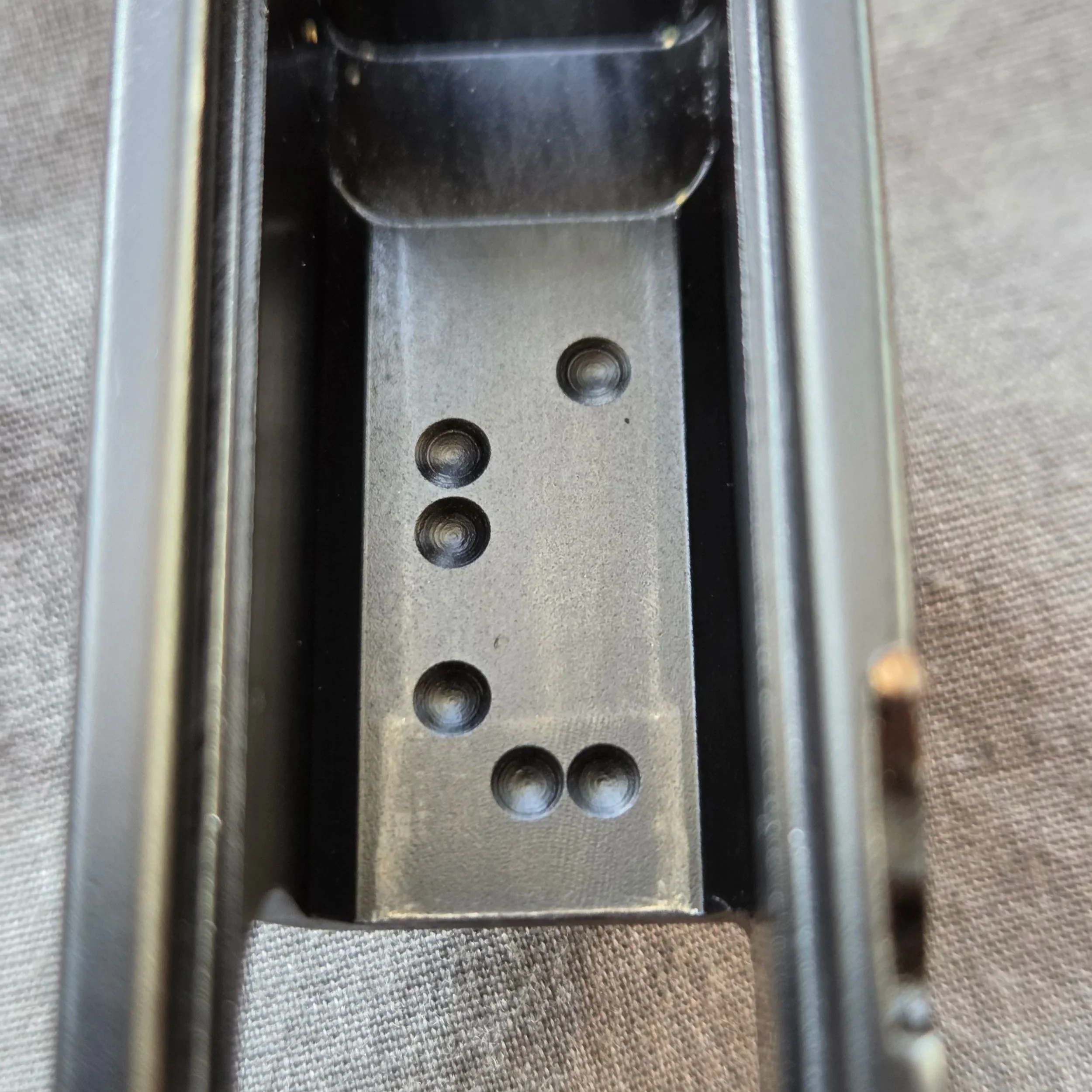
There are a few spots on my pistol that show chatter marks from the machining, and the barrel feed ramp was not very detailed, but it looks good overall. However, one of the reviewers has noted blemishes in machining at 6:35 in the review on the original CSX model. Are these cosmetic flaws an issue? Heck no, but I know some people will be interested in this type of stuff. I personally don’t care. I have owned Sarsilmaz pistols riddled with chatter marks on the slide and frame, and I have a Gen 2 Glock 17 with such rough machining that it looks like it was cast and had bubbles.
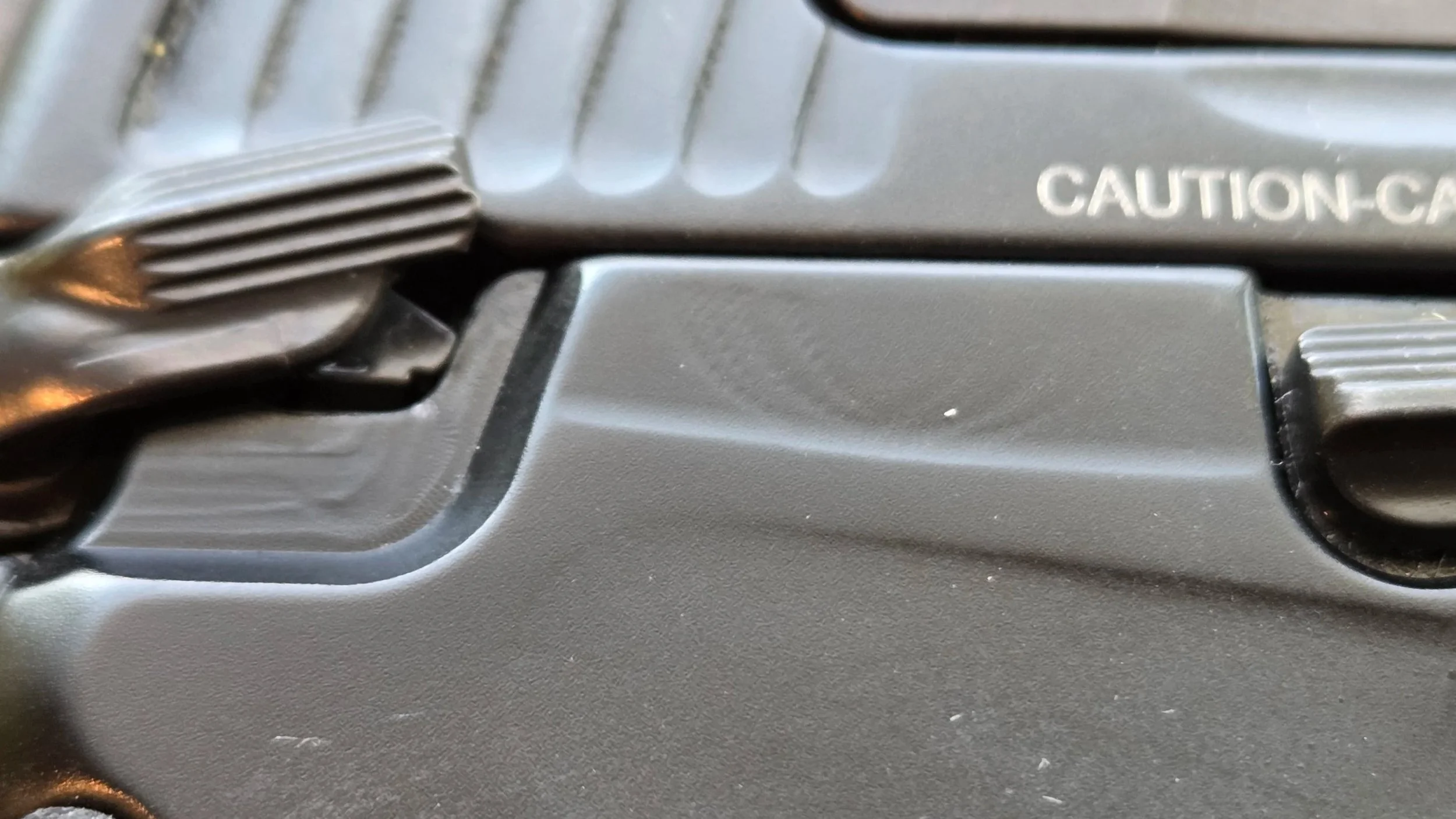
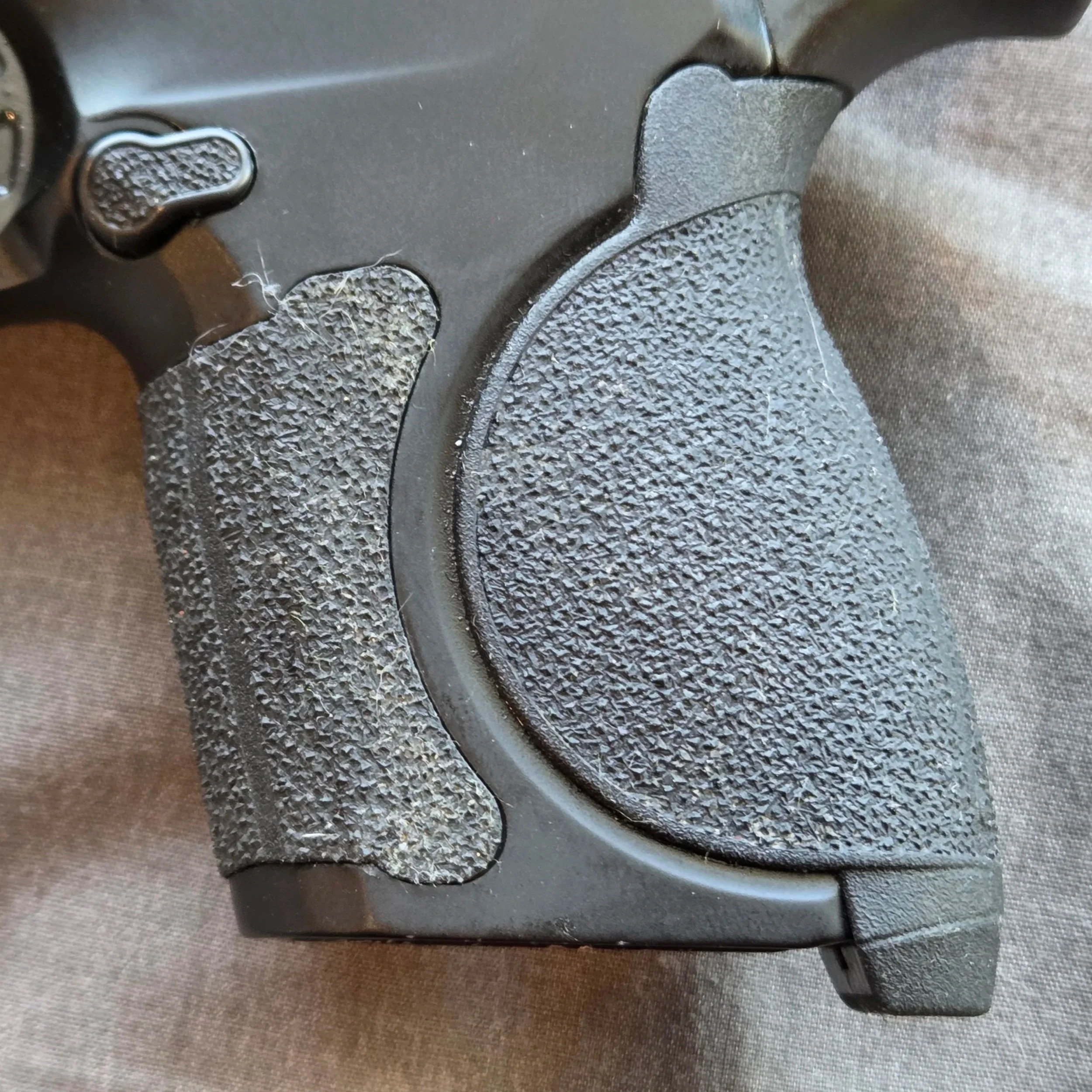
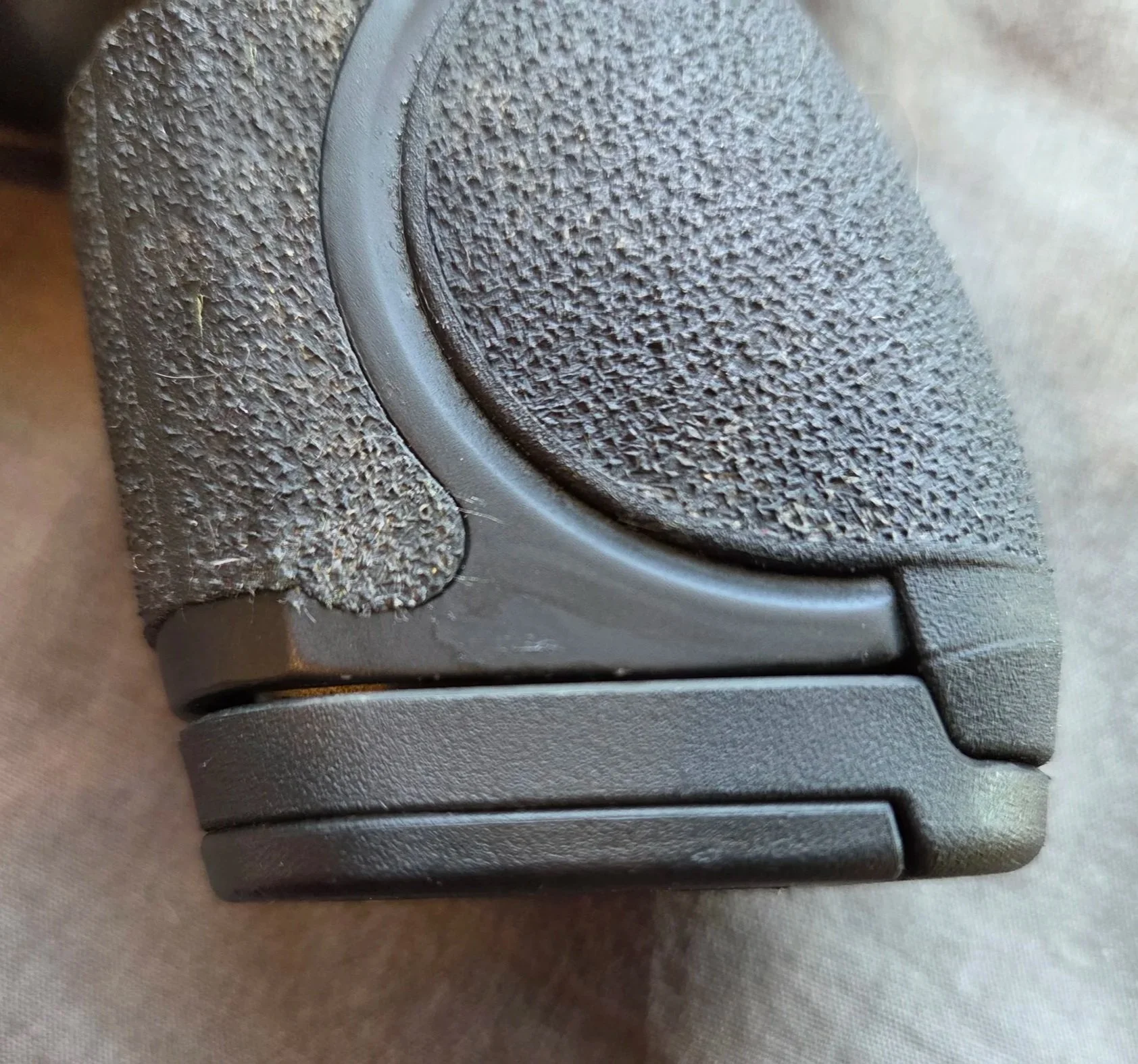
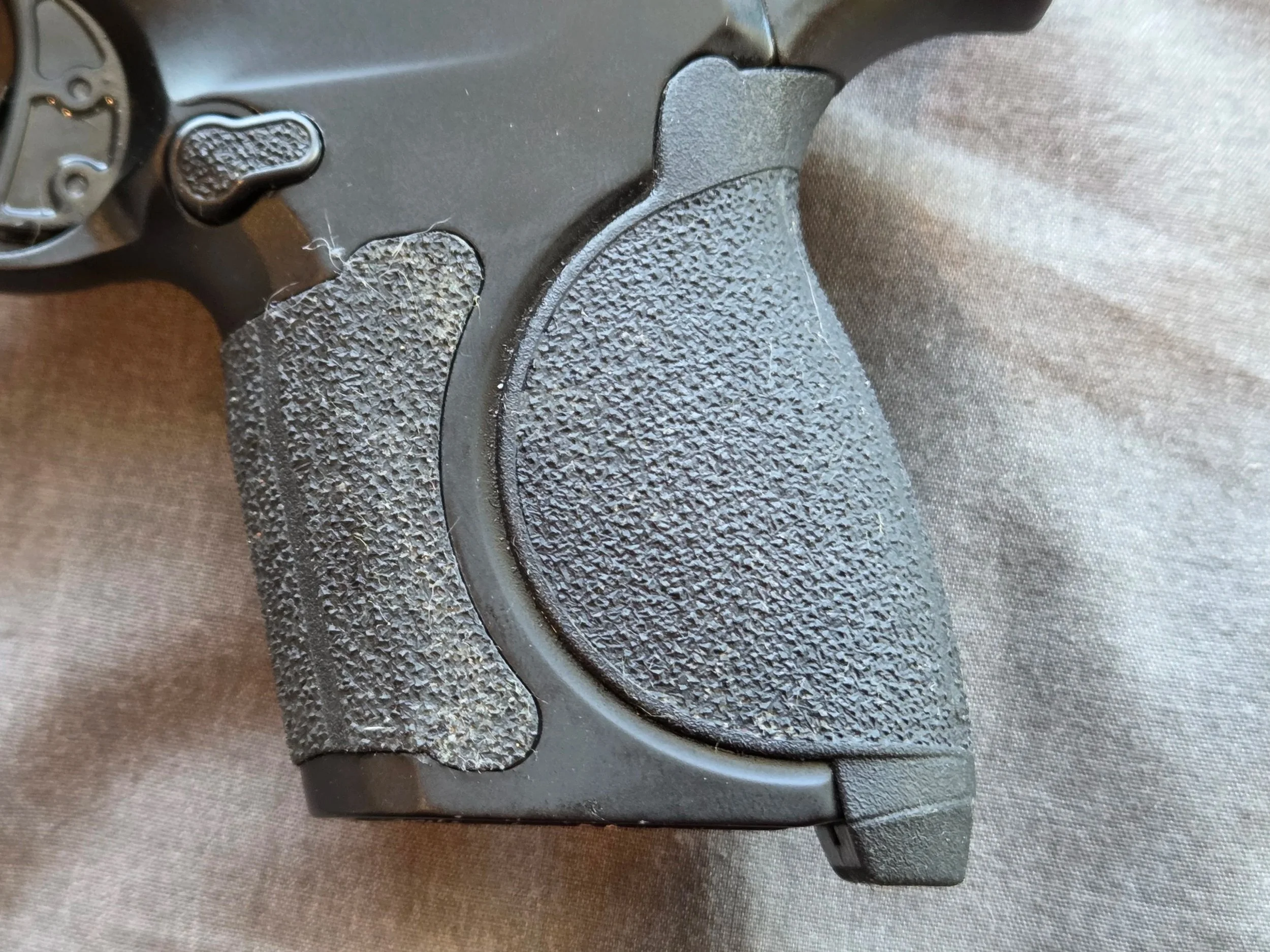
The grip of the pistol is just polymer inserts that click into place. They are well fitted, but they jiggle slightly. The texture is pretty grippy, but it is darn near perfect. It is somewhat annoying against the skin while carrying, and I found that using hockey tape does a good job to provide a good grip without chewing up my love handles over the day. Normally, you will not deal with much friction if you are just carrying around this pistol, but I do all my training while carrying the gun I am training with.
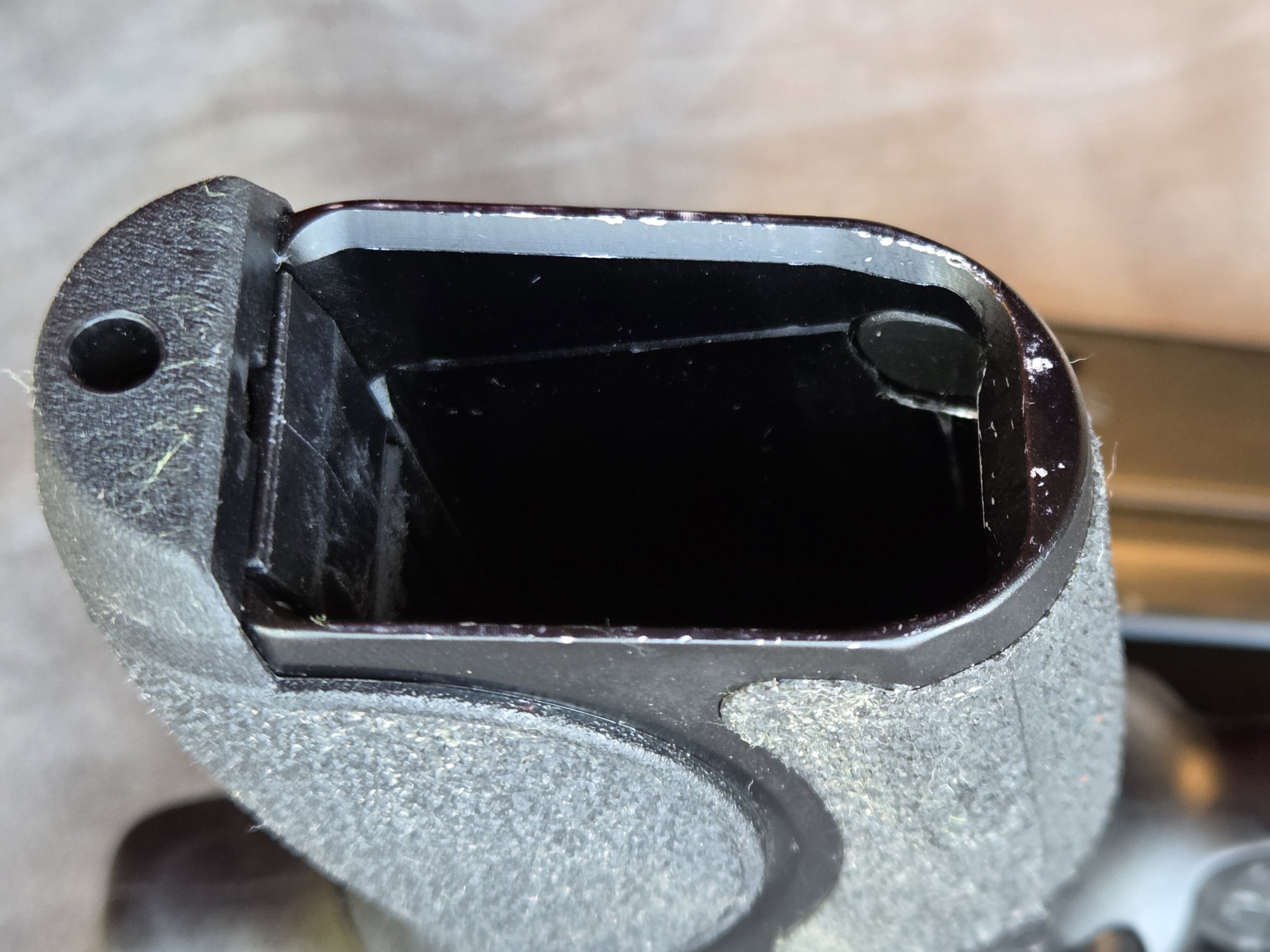
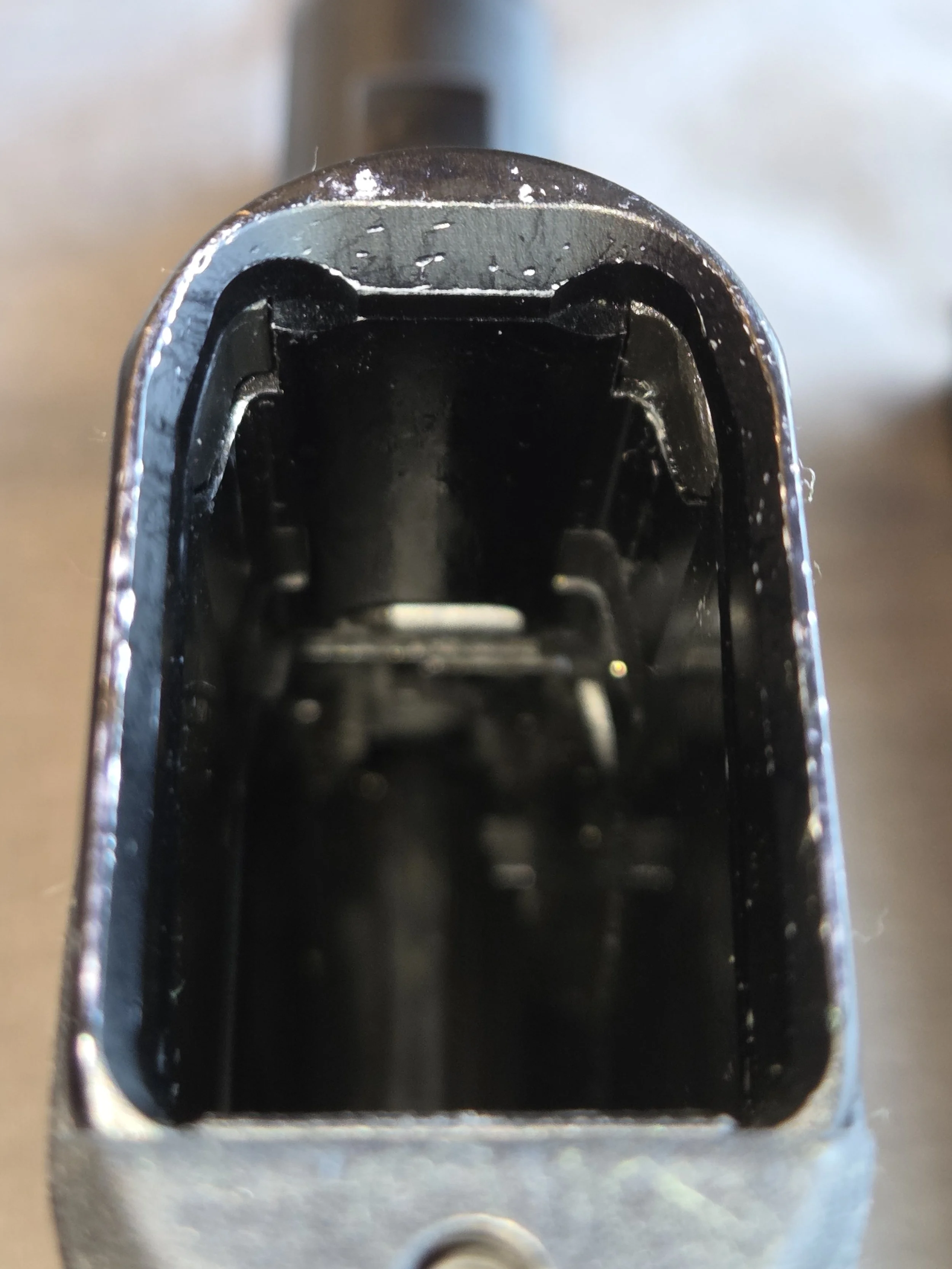
The pistol comes with different grip options and a tool that allows for efficient changes of the grip. The pistol has a backstrap that features an extended funnel that allows you to use the 15 and 17 round magazines without much, if any overhang without the sleeve on the full size 17-round magazine. This allows you to effectively turn this tiny pistol into a full sized grip. For those interested, the rubber sleeves do grab on nicely, and they do not slide around like the original CSX magazine sleeves, which is another one of the upgrades.
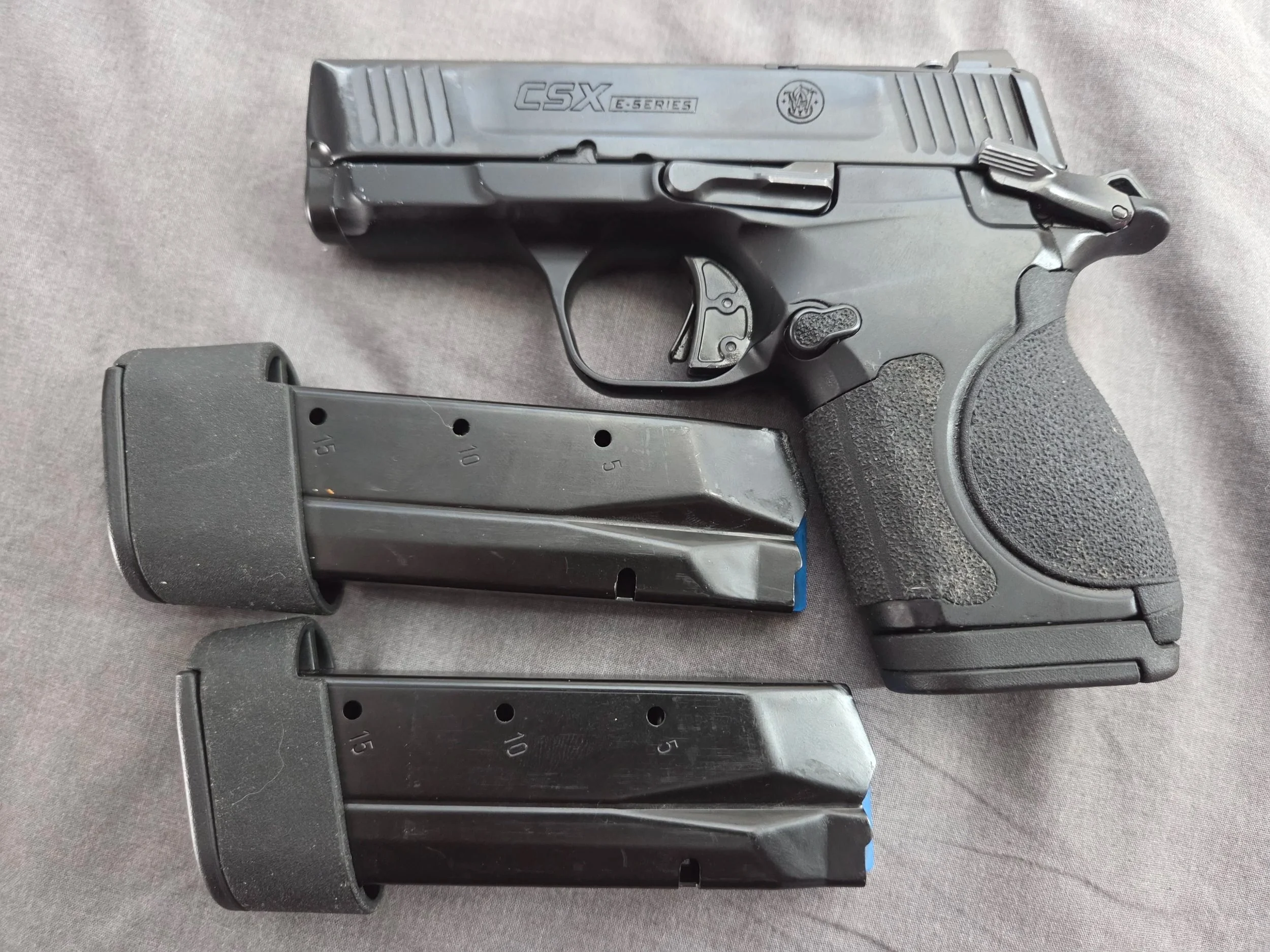
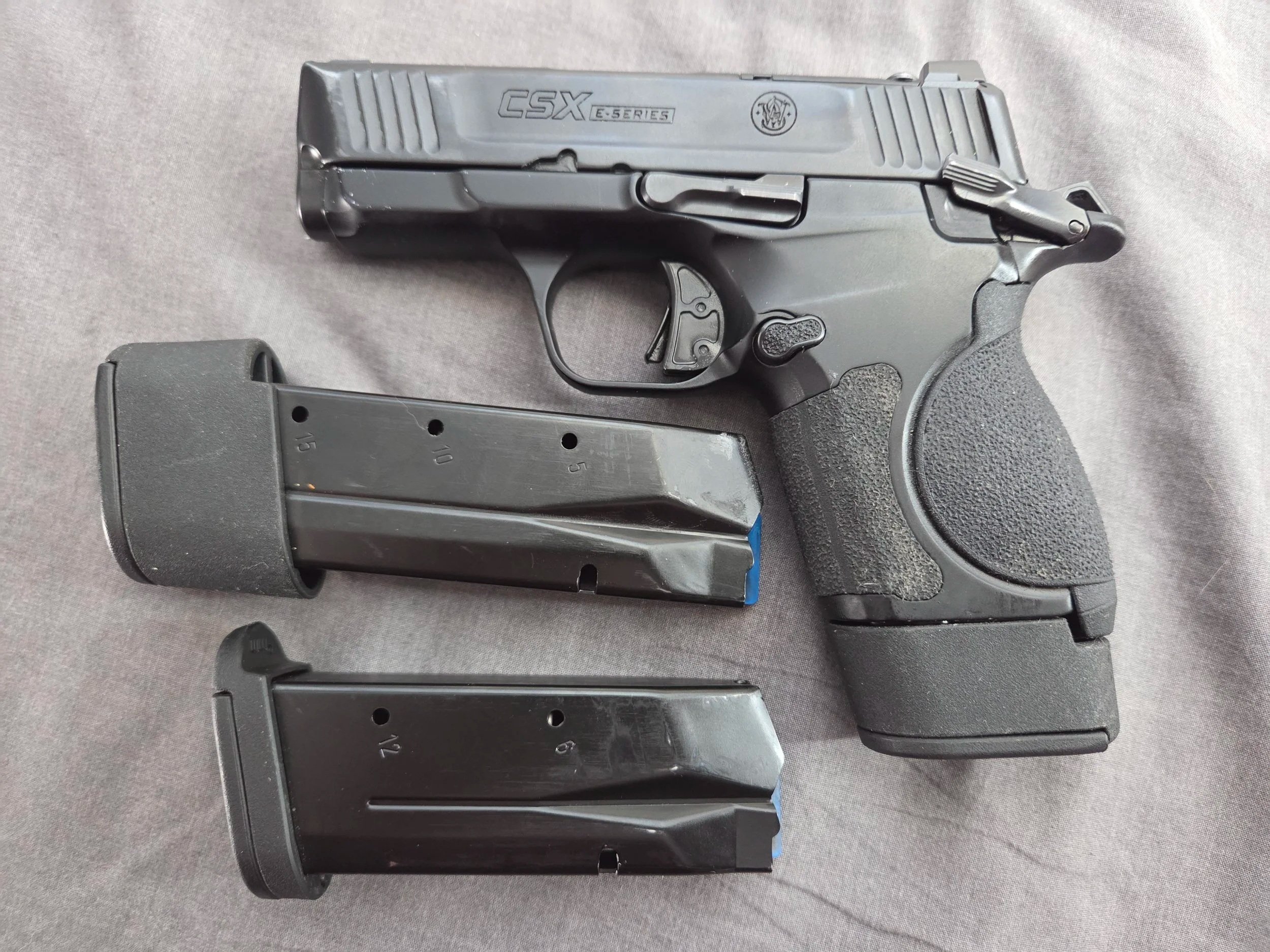
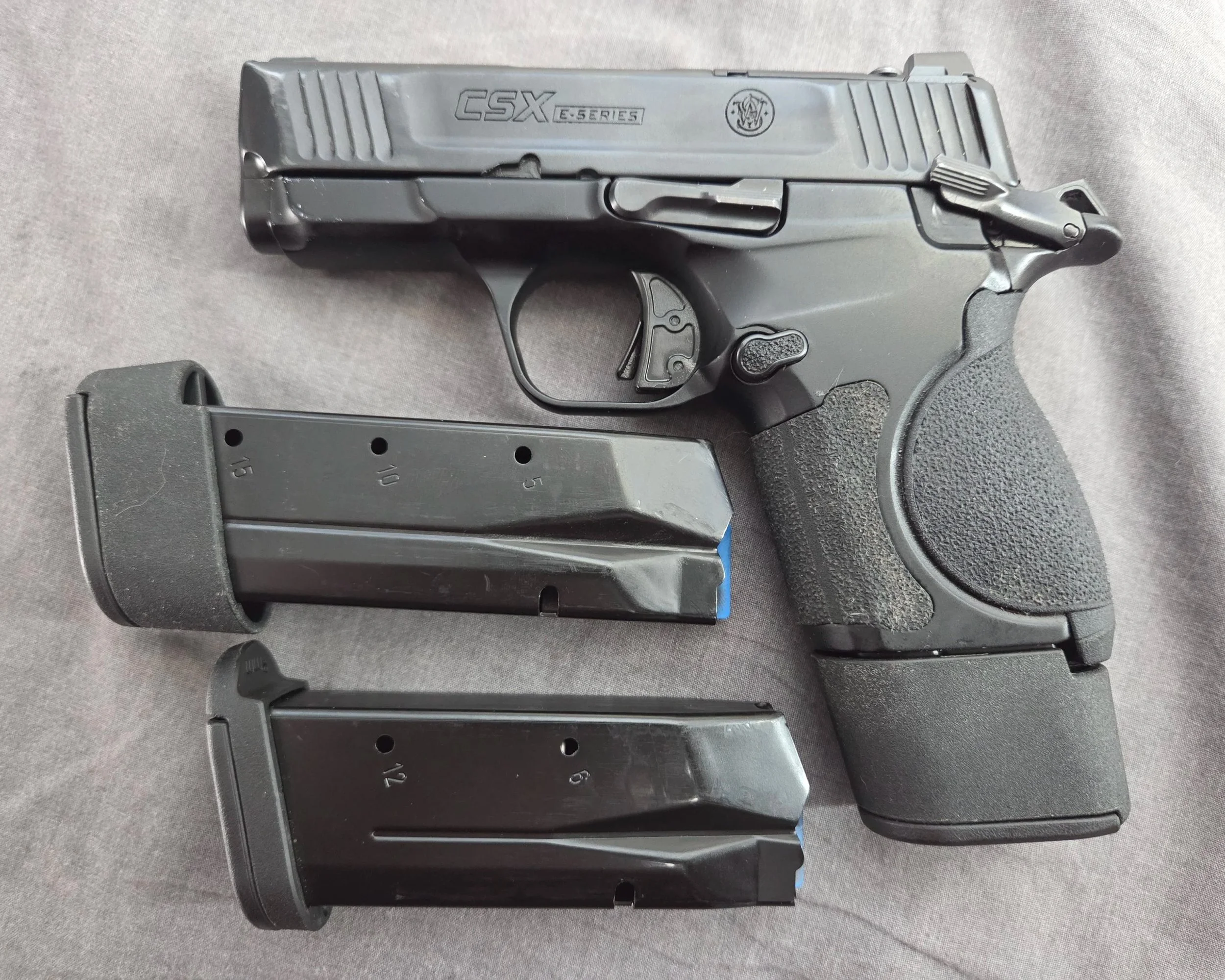
The action of the pistol is incredibly light and easy to manipulate, which was off-putting at first. I was initially concerned that perhaps the recoil will be higher and the pistol will just beat the crap out of itself. I was pleasantly surprised by the smooth and fast cycling of the action, even with the Winchester 115gr FMJ-FN that has a muzzle velocity around 1300FPS, which is very much like shooting +P ammo as a consistent diet. This ammunition actually has higher recoil compared to my actual carry load, which was the goal and why it is my ammunition of choice for training.
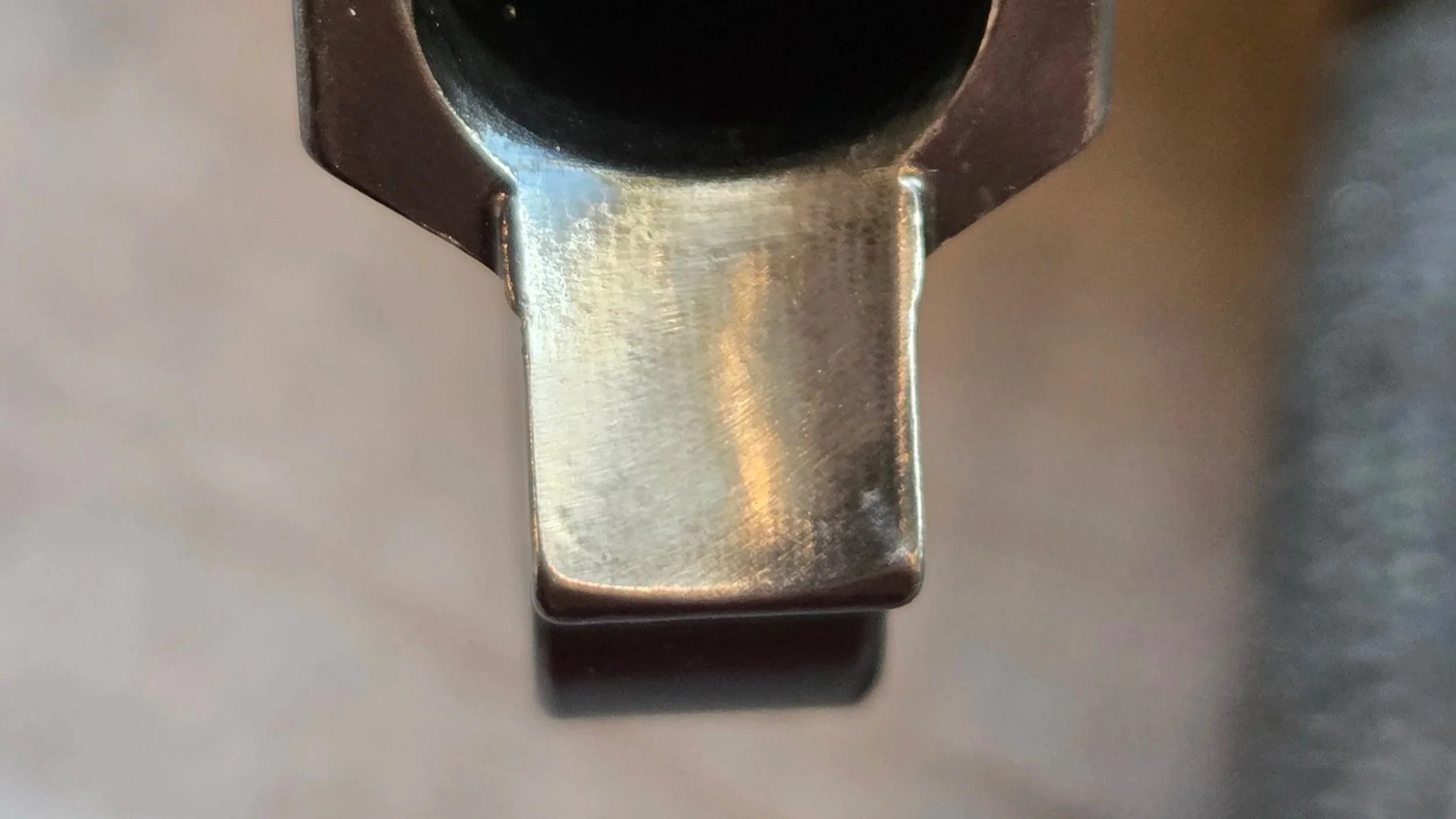
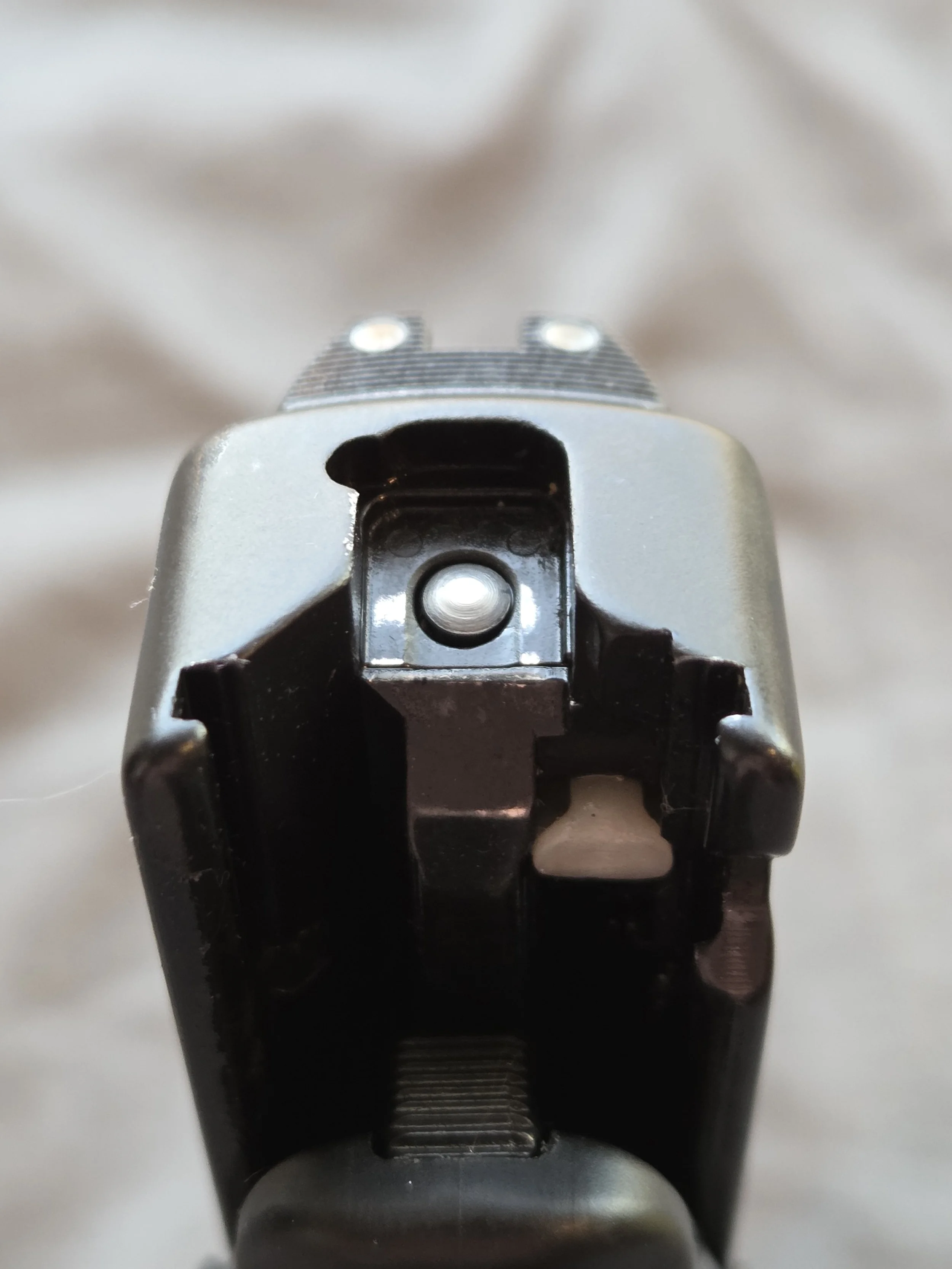
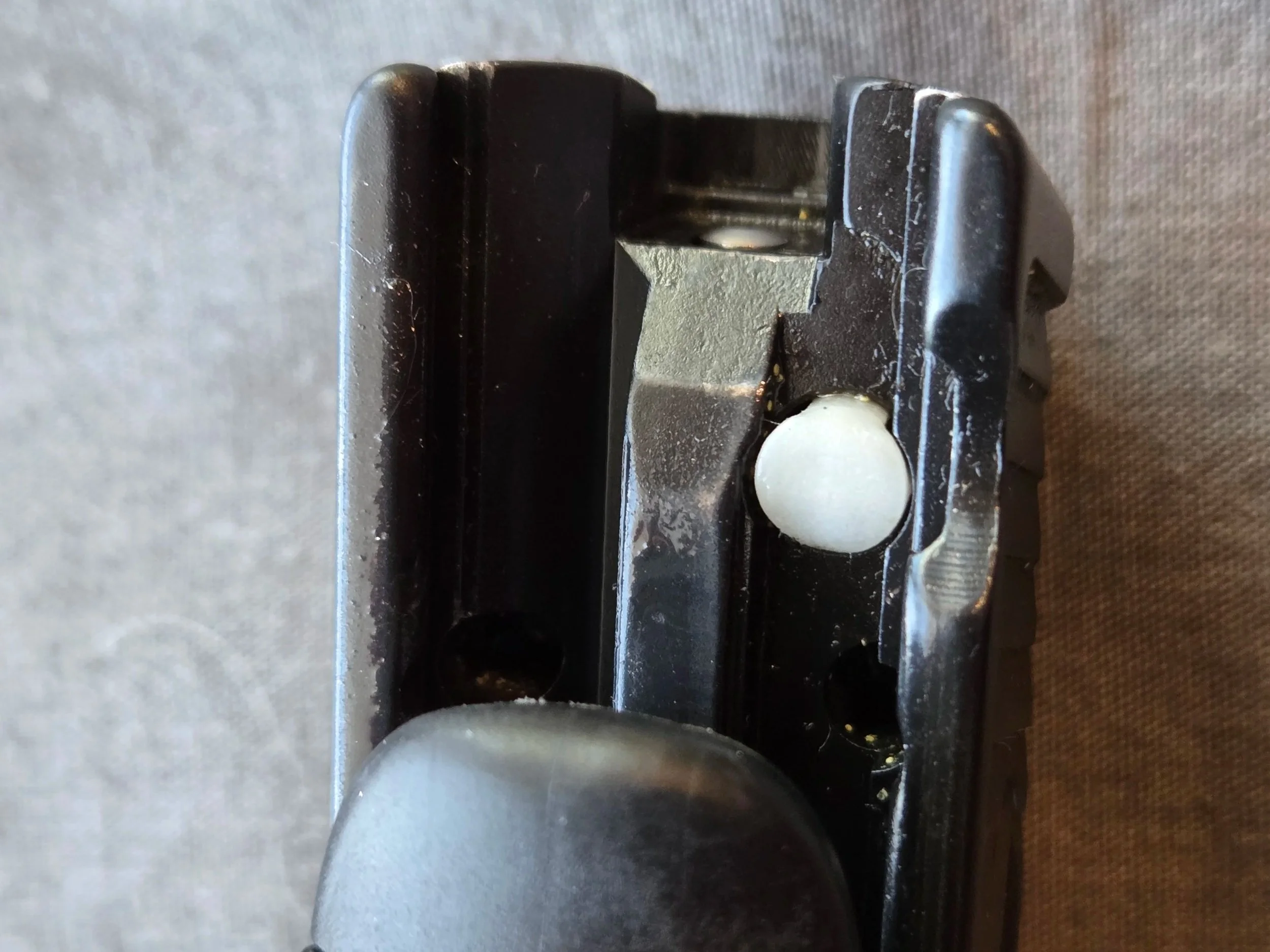
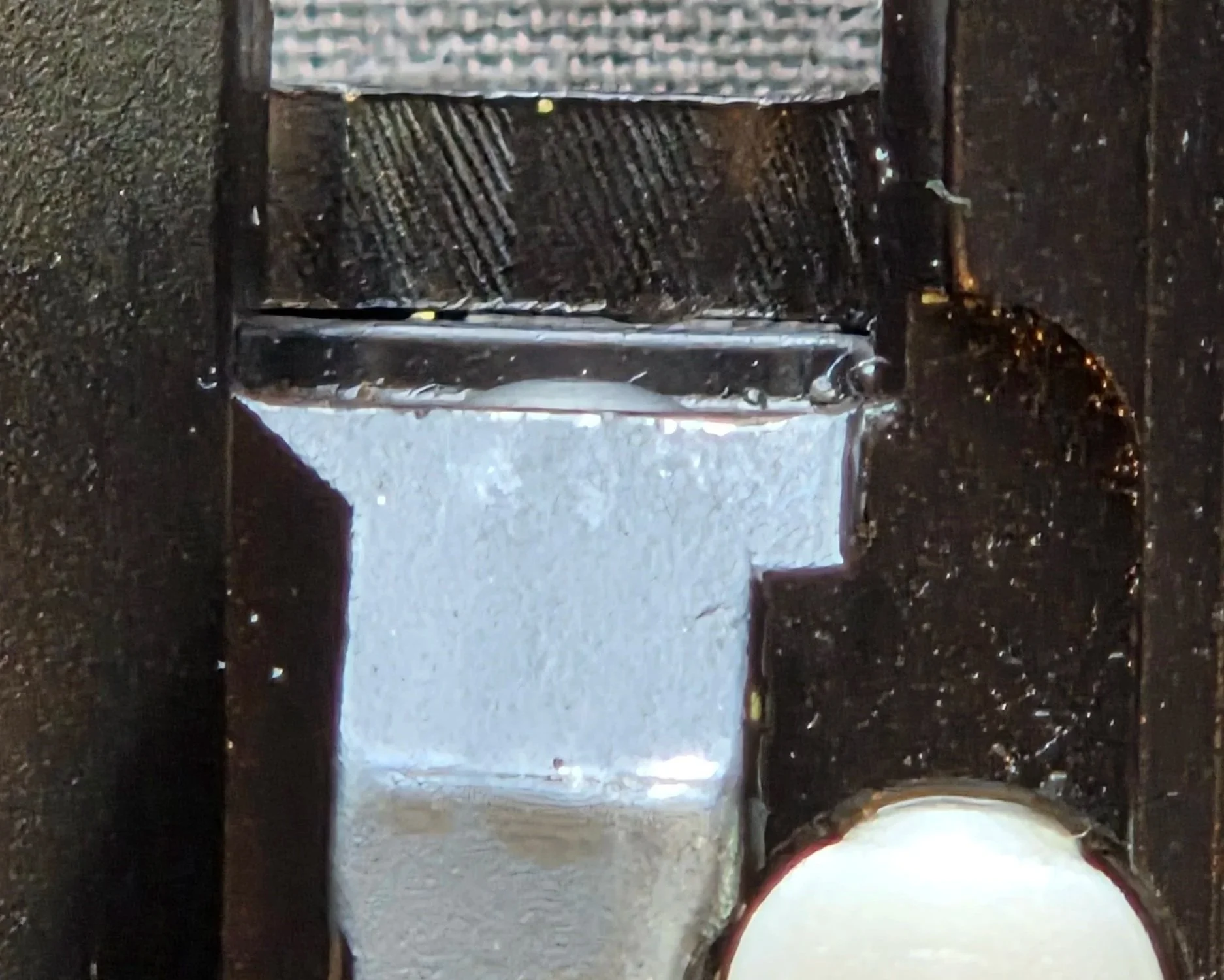
If you look at the action of the pistol, you will note that the firing pin block is polymer and the firing pin is barely even poking out. I have never had an issue with the pistol having a light primer strike, which doesn’t surprise me. But I would think the firing pin would protrude at least a little more like the USP, Beretta 92, or the Sig 22X pistols in order to prevent lint or other debris from inhibiting its ability to strike the firing pin with fidelity.
SHOOTING CHARACTERISTICS
When you are shooting the CSX, the pistol shines in the one-handed shooting category. The small safety and grip can prevent you from establishing a good two-handed grip on the pistol with the flush-fitting magazine, unless you cram your fingers on the grip like I do. I found myself getting slide rub on my thumb knuckle from the pistol on a few occasions when I was drawing the pistol quickly. This was due to me getting a very high and tight grip, and the accompanying lower slide height works against this. Also, I found my greedy grip blocking the safety from dropping all the way on a few occasions. I found that I can train around this issue, so it is a very rare issue.
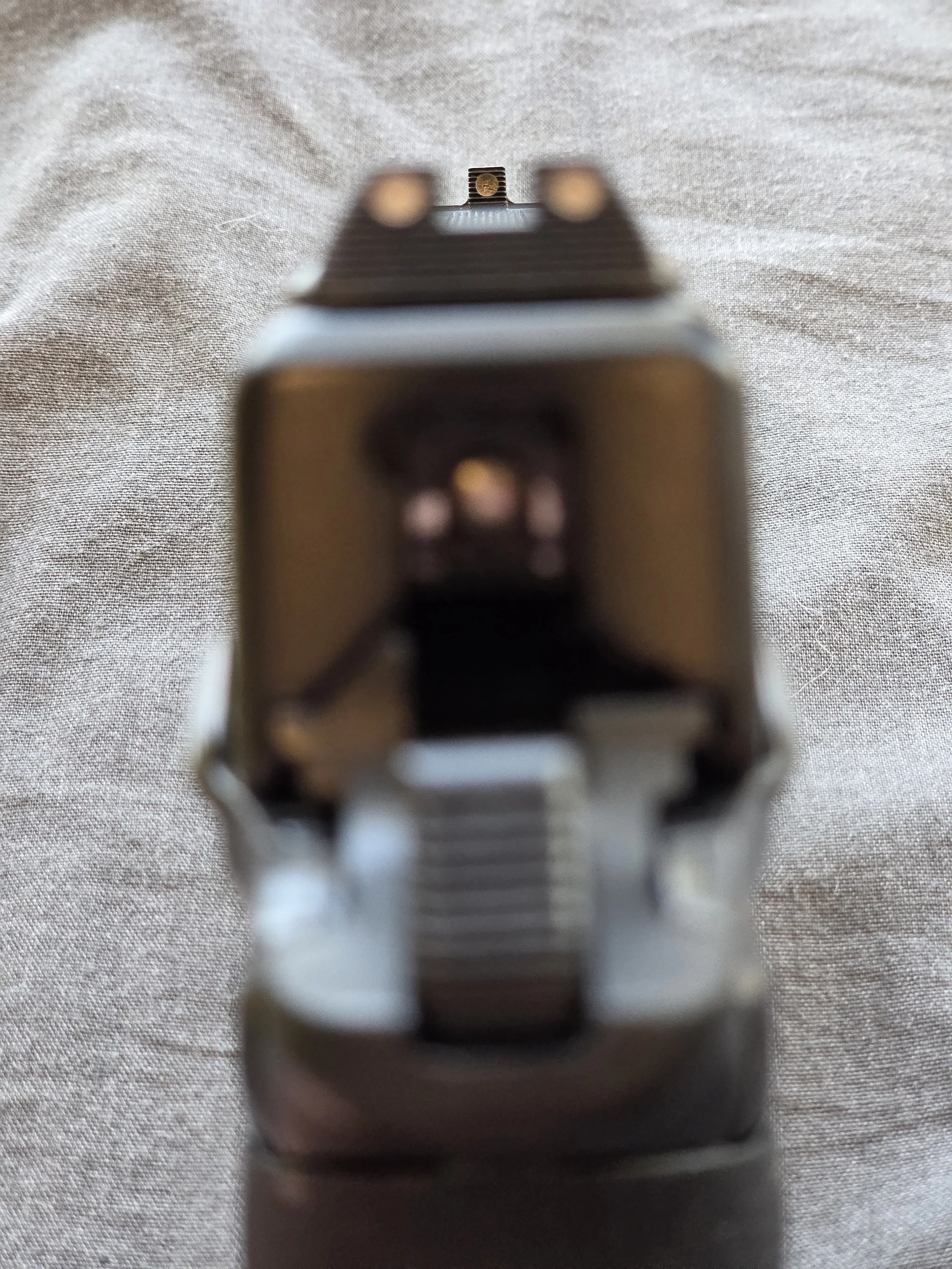
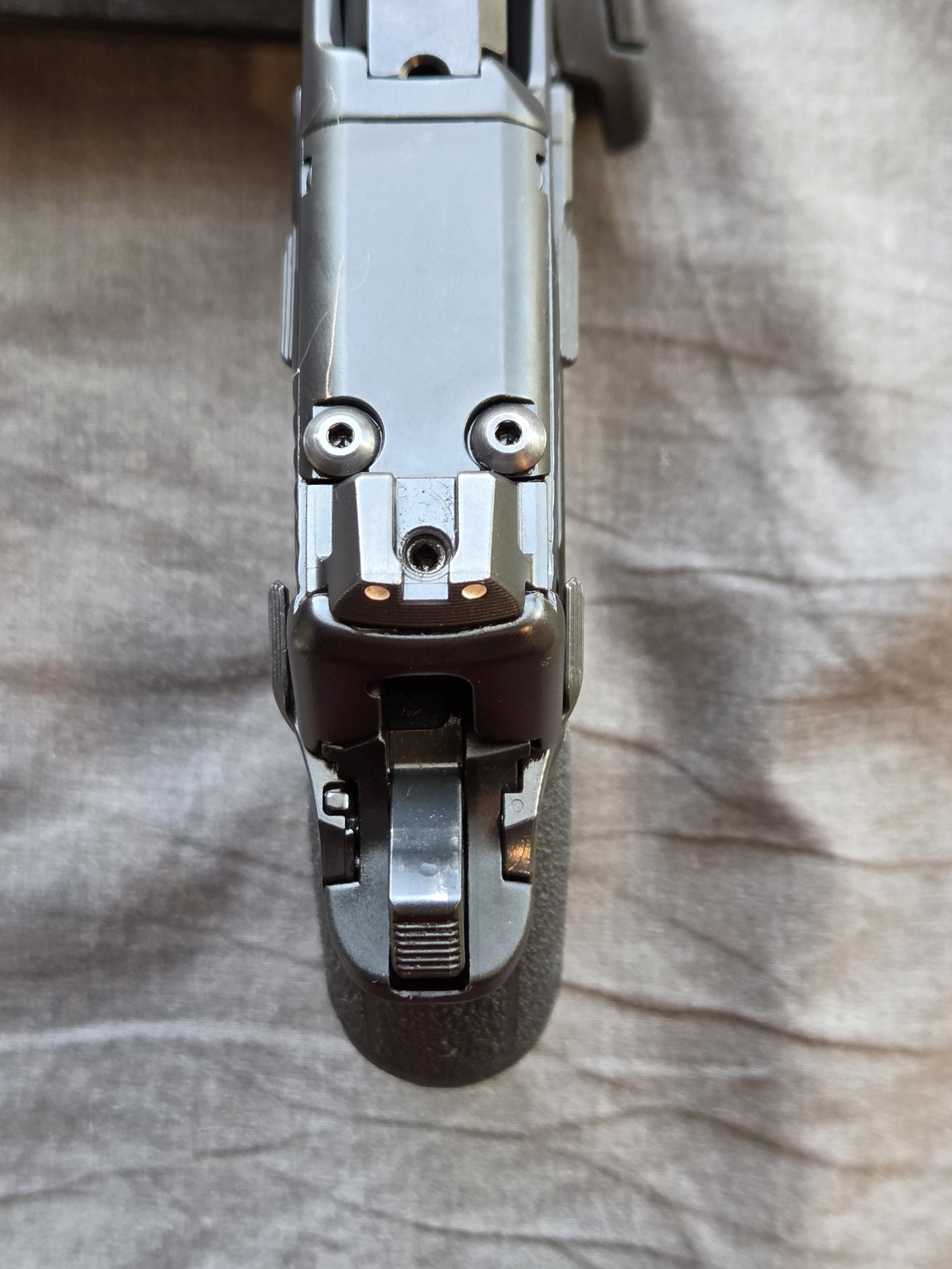
The pistol surprisingly has little recoil, and that is easily attributed to the strong hammer spring, which slightly retards the rearward movement of the slide, allowing the recoil spring to be relatively light. Despite the lighter recoil spring and overall light pistol, I find that the recoil of the CSX is comparable to the Shield Plus, but seems to have less flip due to faster cycling. The difference in felt recoil is attributable to the grip being an aluminum/polymer hybrid.
THE FEMALE PERSPECTIVE
I had two women shoot the CSX and give me feedback. One of the women had no experience with 9mm and used my preferred high pressure ammunition to shoot the pistol. She found the pistol to be pretty controllable and easy to shoot well due to the trigger and the grip having rough texturing. This particular female was really happy with the way the slide was easy to manipulate and handle. She also appreciated how all the controls were low profile, but easy to get to without being a snag risk.
The other woman who shot the pistol was my wife. She shot the S&W CSX and compared it to the Beretta APX Carry. She felt like the pistol was jumping around in her hand a bit compared to the slightly heavier Beretta APX Carry. She also felt that the flush 12-round magazine prevented her from getting a solid grip on the pistol. She had to have her pinky dangle off to get a good grip. However, she really liked the trigger and how easy it was to get rounds on target, despite the recoil. This sentiment was the same for the Walther PDP F-series (reviewed), which also kicked a bit but was easy to shoot well.
MARKET SUPPORT ALREADY EXISTS
If you are worried that this pistol is “too new,” then you may want to settle down and relax, because the market for this pistol already firmly exists. Holsters designed for the original CSX model work seamlessly for the E-series as well. The main differences lie in the addition of enhanced internals, making the pistol optics ready, along with updates to the grip and expanded magazine options. These are all solid upgrades that do not require the market to reinvent the wheel in order to accommodate the updated pistol design. However, I have rarely seen the 3.6 inch version having good holster support, mostly due to the fact that there probably aren’t many wanting that extra half inch of barrel. I would have gone with the 3.6 inch version, but I saw that it did not have as much support.
Below are examples of a Vedder Holster Pocket Holster (LEFT) and the Alien Gear Cloak Tuck 3.5 (RIGHT)
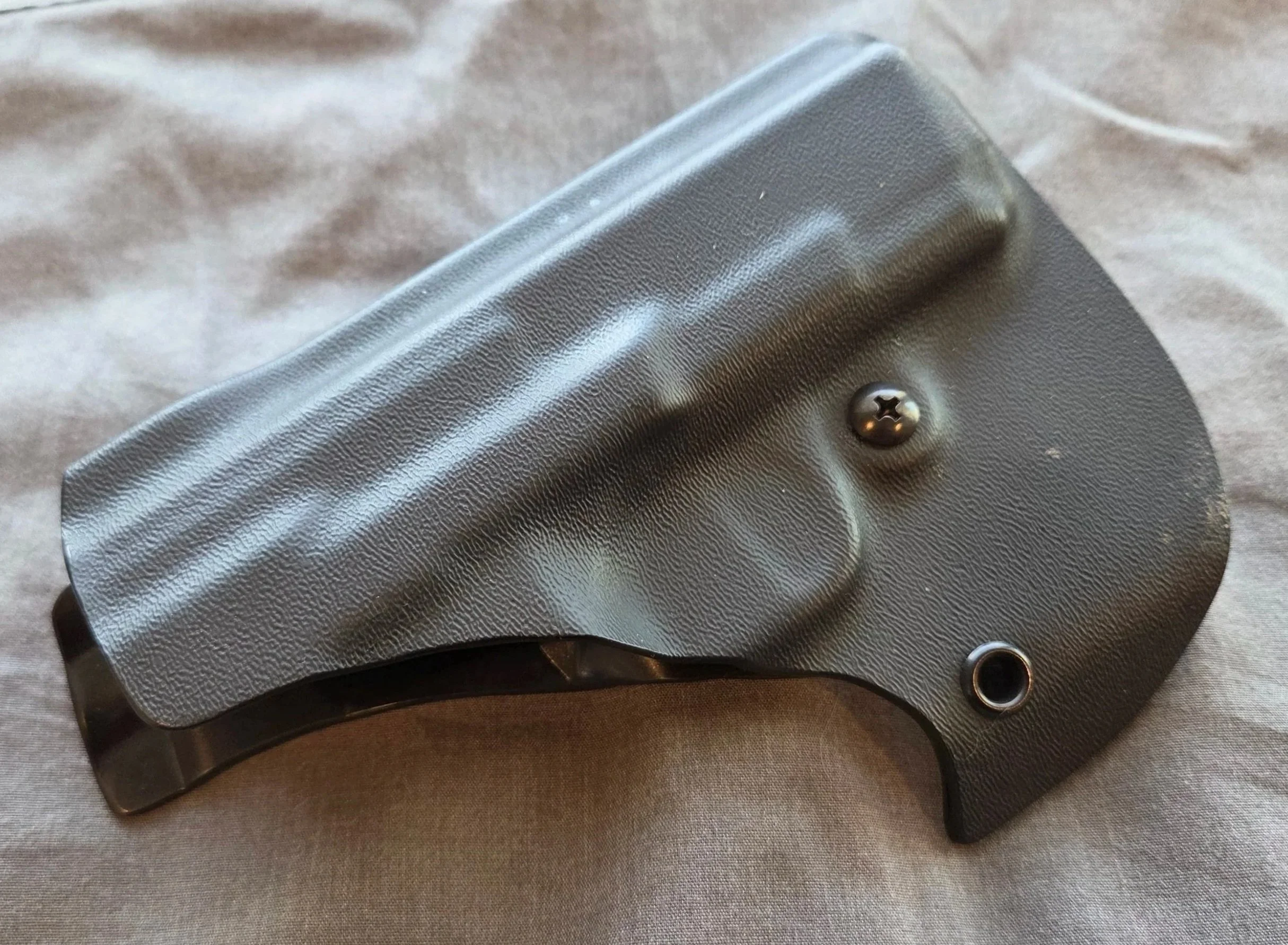
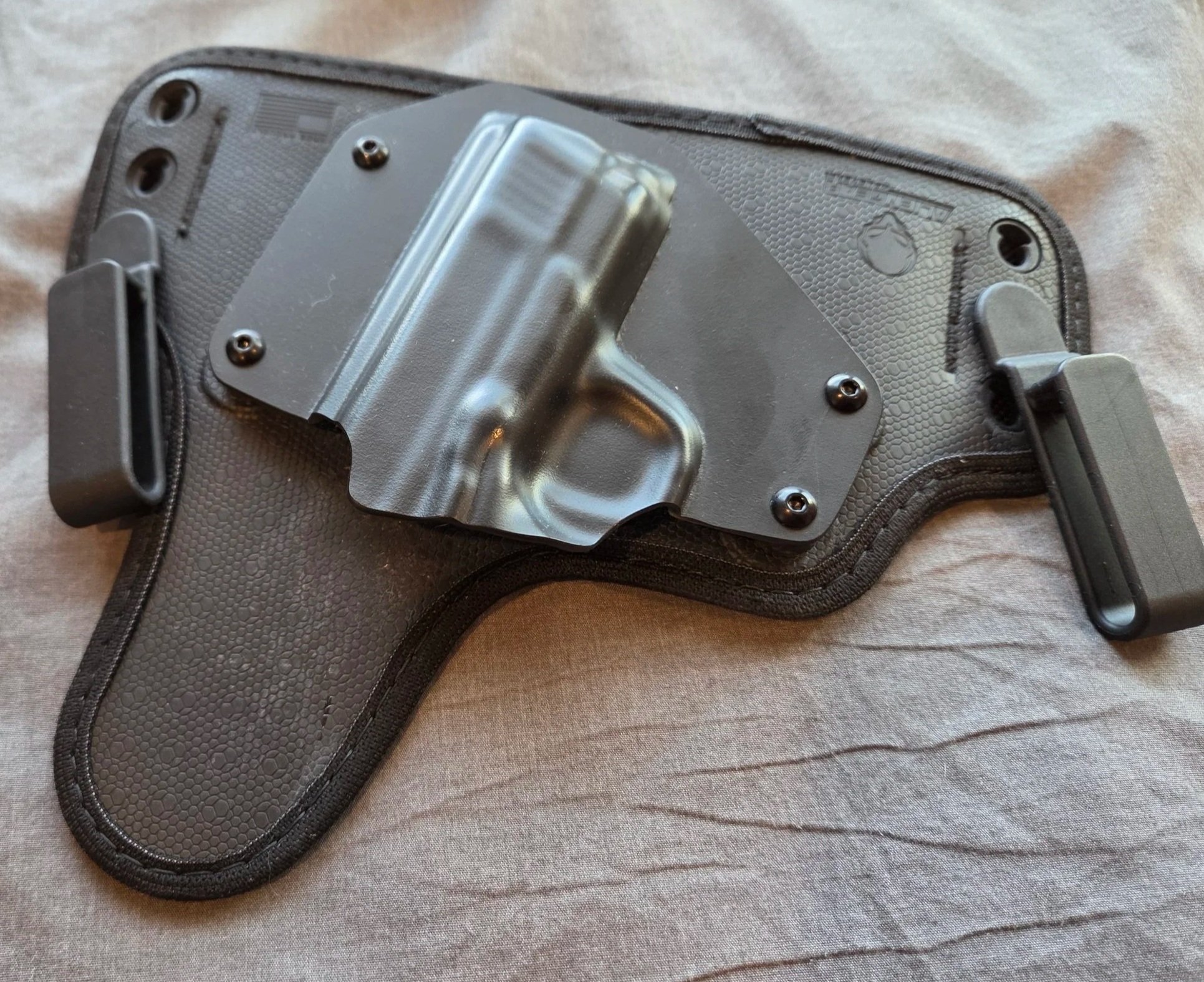
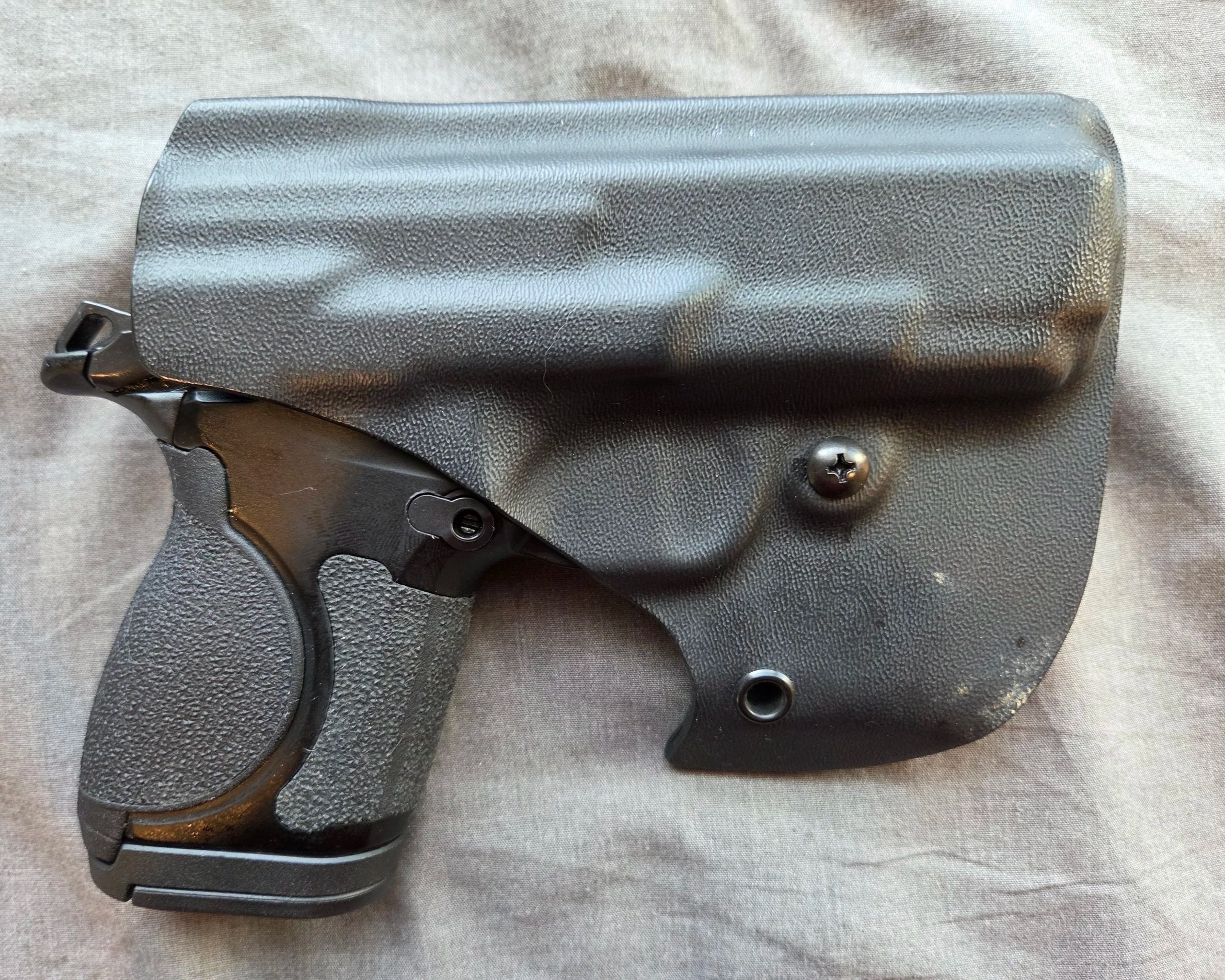
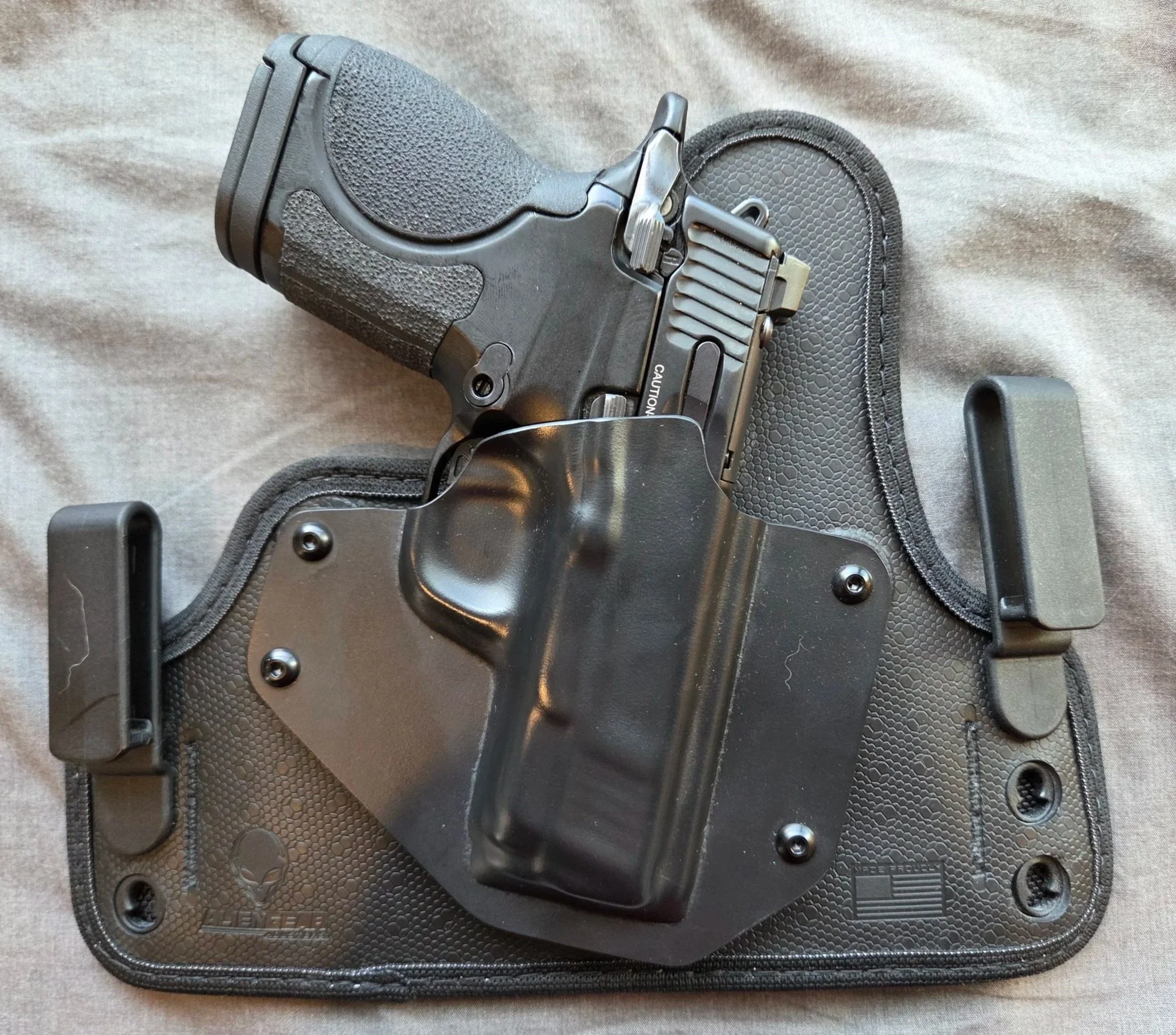
The only thing that the CSX is a bit behind on is the fact that there is no TLR6 lights for the pistol just yet. This could very well come out in 2026-2028, but who knows? I personally will be interested to see who starts making holsters for a CSX with a light attached. Of course, the way to get holster makers to jump on that is to get more people to buy the CSX. Supply and demand, baby.
WRAPUP
In a market obsessed with ever-thinner, higher-capacity polymer wonders, the Smith & Wesson CSX E-Series is gloriously, defiantly different. By wrapping a hammer-fired, single-action heart inside an aluminum frame barely larger than a Shield Plus — yet lighter by five ounces and packing more rounds — S&W has created something that feels like a love letter to the old-school while still checking every modern box: red-dot ready, ambidextrous controls, swappable backstraps that let you run flush 12-round mags concealed or full-size 17-rounders when you need them.
Yes, the tool-required takedown annoys the Glock-trained crowd. Yes, if you ride the slide hard with a high thumbs-forward grip you’ll occasionally kiss the safety or get a little slide bite. And yes, some shooters (especially those with smaller hands) will want the extended mag or pinky extension right out of the box. But those are quibbles next to what the CSX gets staggeringly right: a glassy trigger that spoils you for almost anything else in the micro-9 class, surprisingly tame recoil thanks to that stout hammer spring, and pointability that makes one-handed hits stupidly easy.
Two female shooters with very different experience levels both walked away impressed — one calling it the most controllable micro-9 she’d ever fired, the other admitting it kicked harder than her Beretta APX Carry but was still faster on target than anything else she owns. That’s the CSX in a nutshell: it rewards deliberate technique and gives back precision in spades.
If you believe the soul of a carry gun lives in its trigger and the way it disappears on your belt yet wakes up ready to run when the timer beeps, the CSX E-Series isn’t just competitive — it’s special. In 2025, when almost every new pistol feels like a variation on the same polymer striker theme, the little aluminum hammer gun from Smith & Wesson is the one that makes you smile every time you press the trigger. And honestly, isn’t that the point?