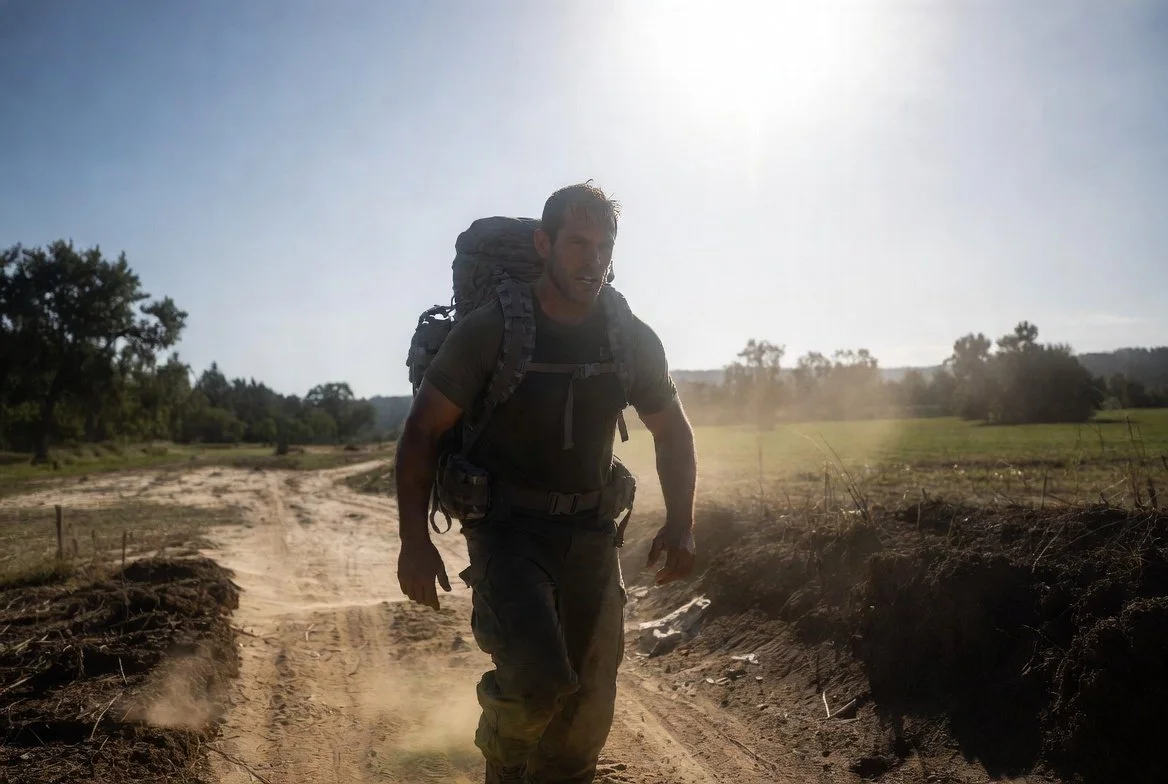
I find it interesting that the summer time is when most people cannot be found outside. I am active all year outside, rain or shine, and I notice that the summer is the season most people seem to stay indoors out of fear of the heat. Granted, heat stroke and heat exhaustion is a thing to be careful about, but by no means is it something that should paralyze your outside exposure. In fact, hot days are great for training, and I aim to explain the benefits as well as a few ways you can adapt to the heat in a graceful manner.
THE DANGERS ARE REAL
The human body is not necessarily designed to be exposed to the extremes that the environment offers. The body is only capable of handling so much exposure before it starts shutting down or falling apart. There are several things that can happen if you are reckless and careless with how you prepare your body for the exposure to the environment.
In a hot environment that has high humidity and/or high ambient temperatures in excess of 95 degrees, there is a risk of rapid fluid loss through breathing, sweating, and other efforts by the body to regulate its core temperature. This fluid loss causes issues in many ways.
CHAFING
When you sweat, the areas that are going to be the worst are the high friction zones such as the groin, armpits, and areas where friction with the clothing is the highest. Chafing can easily lead to some very painful and dangerous friction burns that can cause pain and infection if you are not careful.
SUNBURN
If you do not have coverage of your skin, you are risking getting sunburn. The UV on a cloudy day can intensify the UV rays, just like being around water and getting UV reflection can intensify the UV. Prolonged exposure, whether fair or tanned skin is susceptible to burning. UV is the universal destroyer of all things in this world, and no matter your skin color, the sun will get to you.
HEAT EXHAUSTION
As the body loses water, it also starts shedding its electrolytes. Electrolytes can be flushed through sweating and from having just water with little food or vitamins. The electrolytes allow your muscles to receive the nervous signal to flex and relax on command, resulting in cramps, also known as “Charlie horse”. When electrolytes get flushed from the system, this causes muscles to start having signaling issues. This is a huge indicator that the next step is your brain will be the next to start being affected by the loss of water.
With this loss of water, the ability for the body to regulate its own internal temperature goes down. This is a compounding issue that is seen through symptoms like dizziness, intense thirst, weakness/tiredness, pale and clammy skin, and even vomiting. Not all of these symptoms will present themselves at once, but they can be paired together.
HEAT STROKE
Heat stroke is a very dangerous because it is a sign that the brain is going into survival mode. It is dealing with a lack of fluids, electrolytes, and excessive heat. Heat stroke shares a lot of the same symptoms as heat exhaustion, but with some more extreme signs. You will experience things such as fainting, confusion, and will start becoming unresponsive all around as your brain goes into intense survival mode. This requires immediate intervention before the brain starts to receive actual damage as it literally cooks inside your skull.
THE DANGERS ARE PREVENTABLE
Almost all of the dangers you face from extreme heat is preventable through proper planning and preparations. These preventative measures are ridiculously simple, but people do not like the sounds of some of them because they breech traditional concepts. I would ask that you keep an open mind and realize these measures are time honored and are practiced around the world without sacrificing comfort, despite certain misconceptions you may have.
CHAFING
Chafing is one of the hardest things to prevent, but it is something that you can manage and treat relatively easily. One of the ways to prevent it is to wear clothing that is not particularly tight and restrictive to the groin, butt, and armpits. I get the desire to wear underwear, but there is a reason going commando is a thing. Jock straps are a classic option that keeps all the manly bits together, but without sacrificing the ventilation of the groin and butt.
Another thing that some people do is to use body powder on the high friction areas to keep the surface dry. Wet skin is how blisters form and how friction turns your skin into a terribly painful mess. There are specific products like antifriction creams that are good for reducing friction. I have tried athletic underwear and all it seems to do is increase the friction to other areas (reducing the friction on the legs and increasing the friction between the butt cheeks).
SUNBURN
Sunburn is something your skin and retinas can be subjected to. But the desert dwelling peoples of the past and present have found a way to mitigate this issue through covering themselves efficiently. You can wear long sleeve shirts that are paper thin and ventilate very well. There are several long sleeve shirt styles you can wear that ventilate well, and a lot of them are flexible and cling tight to the body without causing friction issues.
For myself, I will do full exercise workouts for 90 minutes in the sun in full uniform. The military BDU is optimized for ventilation in hot climates, and with a cotton t-shirt underneath, I don’t find myself particularly tortured by the heat. In fact, the military uniform, even the twill one I had in the Marines, works very well to insulate and the big openings in the button down front and wide bottom really helps air you out. I used to not use a t-shirt underneath, but I found it to be better in the hotter climates due to the hot fabric of the blouse getting drenched in sweat and actually sticking to the skin, preventing sweating and ventilation.
HEAT EXHAUSTION/STROKE
Heat exhaustion and heat stroke are both caused by a lack of electrolytes in the body, so the natural remedy to this is proper hydration. Most people think drinking water alone is a good idea, but it is actually a terrible idea, and water should always be accompanied with salts and electrolytes. Wearing clothing that is well ventilated, protects you from direct sun, and allows your body to release sweat and trapped heat is also important for heat reduction, thus slowing the rate of fluid loss to a degree (PUN INTENDED). Also, you need to make sure that you are monitoring your body functions and taking breaks to let your body cool.
There are electrolyte powders that you can mix into your water that are low calorie. There are also capsules that you can buy online that contains a portion of electrolytes in each capsule. However, these products alone are not going to save you once the cramps kick in. The cramps and dizziness are just a sign that you failed to properly hydrate and maintain hydration.
PROPER HYDRATION
The word “hydrate” is so loosely used in the fitness industry that I doubt most people even understand what it really means and how to do it. They associate that term with sipping water. Unfortunately, just having water alone has been found to accelerate dehydration rather than help it. This is because water being put into the body will trigger the kidneys to purge water in an attempt to create balance. Essentially, drinking water alone when a lack of electrolytes is the issue, is like offering toilet paper to a constipated person.
To hydrate properly, you will have to take in electrolytes with your water in generous quantities the night before the physical activity. It takes hours for the body to process anything orally ingested, and thus it is the same for water and vitamins. Granted, the stomach has a connection to the bloodstream, as we realize when we drink a lot, but it is a small amount and inconsequential to the desire to hydrate in a way that can endure physical exercise of any meaningful intensity or duration.
Once you begin your physical activity, you can drink water with electrolytes, but realize that this is like putting money in a savings account while living off a credit card. It will not take effect right away, but it is the right direction. If you properly hydrate the night before and take a lot of salt, you will find yourself surprisingly endurant and tolerant of heat exposure.
As you go throughout your day, taking water with electrolytes is an important thing to remember to do. If your activity is relatively low intensity, 1/3 of the water you take should have electrolytes in it. If you are sweating so much that you could wring out sweat from your shirt, you need to take electrolytes with all your water. Just remember, the electrolytes are not getting into your system right away. This is just you being proactive and starting the clock for electrolyte replenishment.
DOSE EXPOSURE FOR ADAPTATION
I am not an advocate for tossing yourself into boiling water right away, but rather acclimating in a reasonable fashion. If you are not constantly outside and exposed to the elements, then it will not be a natural thing for your body to endure a workout while also managing its internal temperature. Just like any other skill or movement, or function, the body needs time to adapt.
In order to get used to the heat, you may want to gradually expose yourself to the heat. Start with a fast walk in the heat and see how you feel. If that is not an issue, try some simple calisthenics. One of my favorite exercises is just simple rucking for time/distance. In this case, rucking would be a terrific way to get a gentle dose of heat while also hardening the friction points and getting good quality endurance work in at the same time.