BRITISH DPM COMBAT SHIRT: OPTIMAL SUMMER WOODLAND UNIFORM
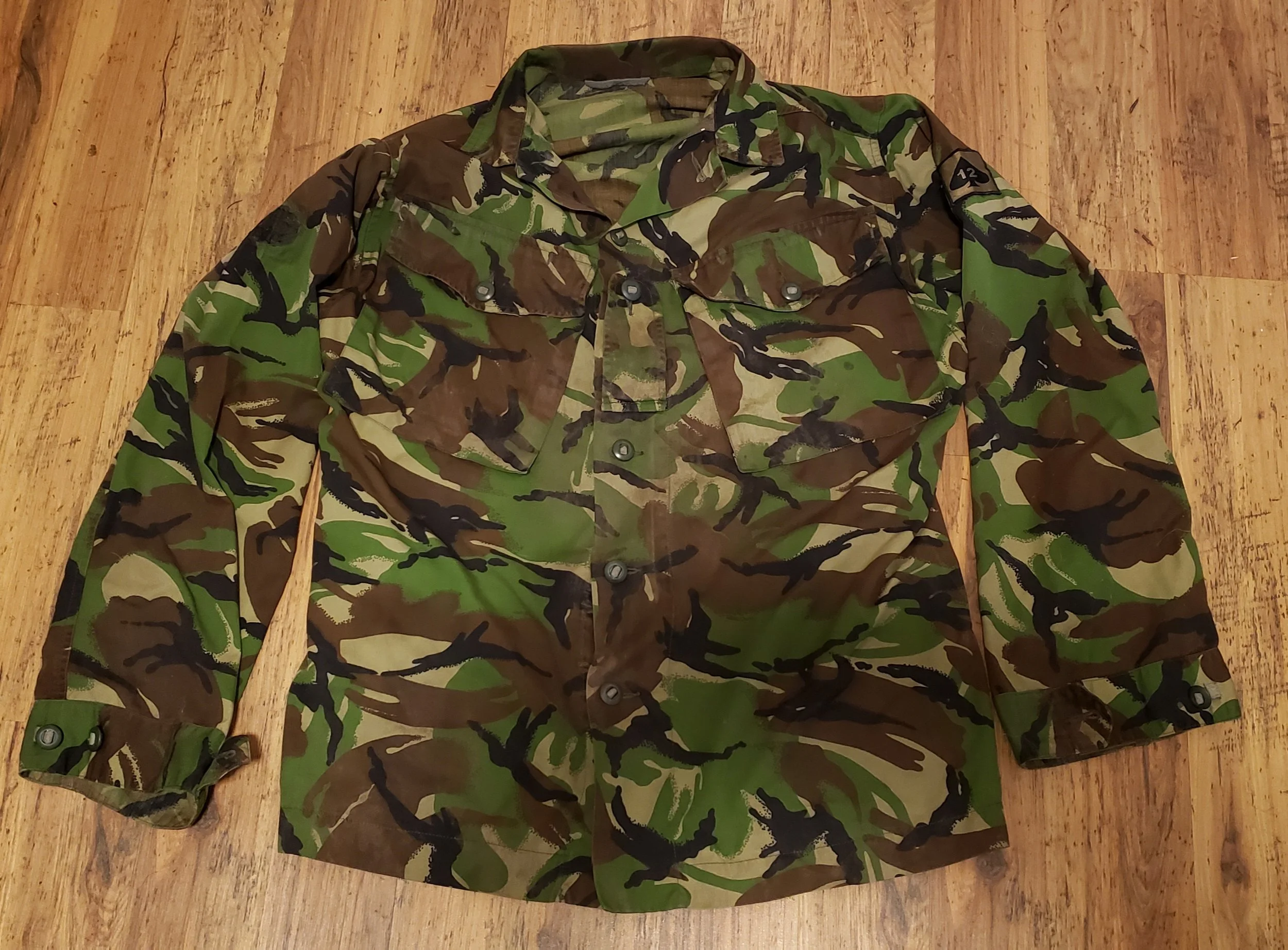
When it comes to finding affordable and functional military surplus clothing that is pre-owned, it can often feel like a bit of a gamble. This shirt is no exception to that uncertainty, but I was pleasantly surprised by how functional and durable it turned out to be, despite showing signs of wear. This particular garment is a lightweight combat jacket that was originally issued to British army personnel for use in hot weather climates, designed specifically to provide comfort and practicality in challenging environments.
MATERIAL
The shirt is made of a lightweight cotton twill fabric and is very thin, as you would reasonably expect from this type of material. The distinctive DPM pattern it displays is the Pattern 95, which represents the most recent iteration of the traditional DPM design before the British forces transitioned to the newer Multi-Terrain Pattern. This shirt feels extremely light and almost fragile, to the point where it seems like you could easily tear it as if it were paper. However, the material itself is quite nice and soft to the touch, and it breathes exceptionally well, making it comfortable to wear in various conditions. While cotton fabrics are often prone to staining and shrinking, I have yet to experience either of these issues with this shirt, even after extended use.
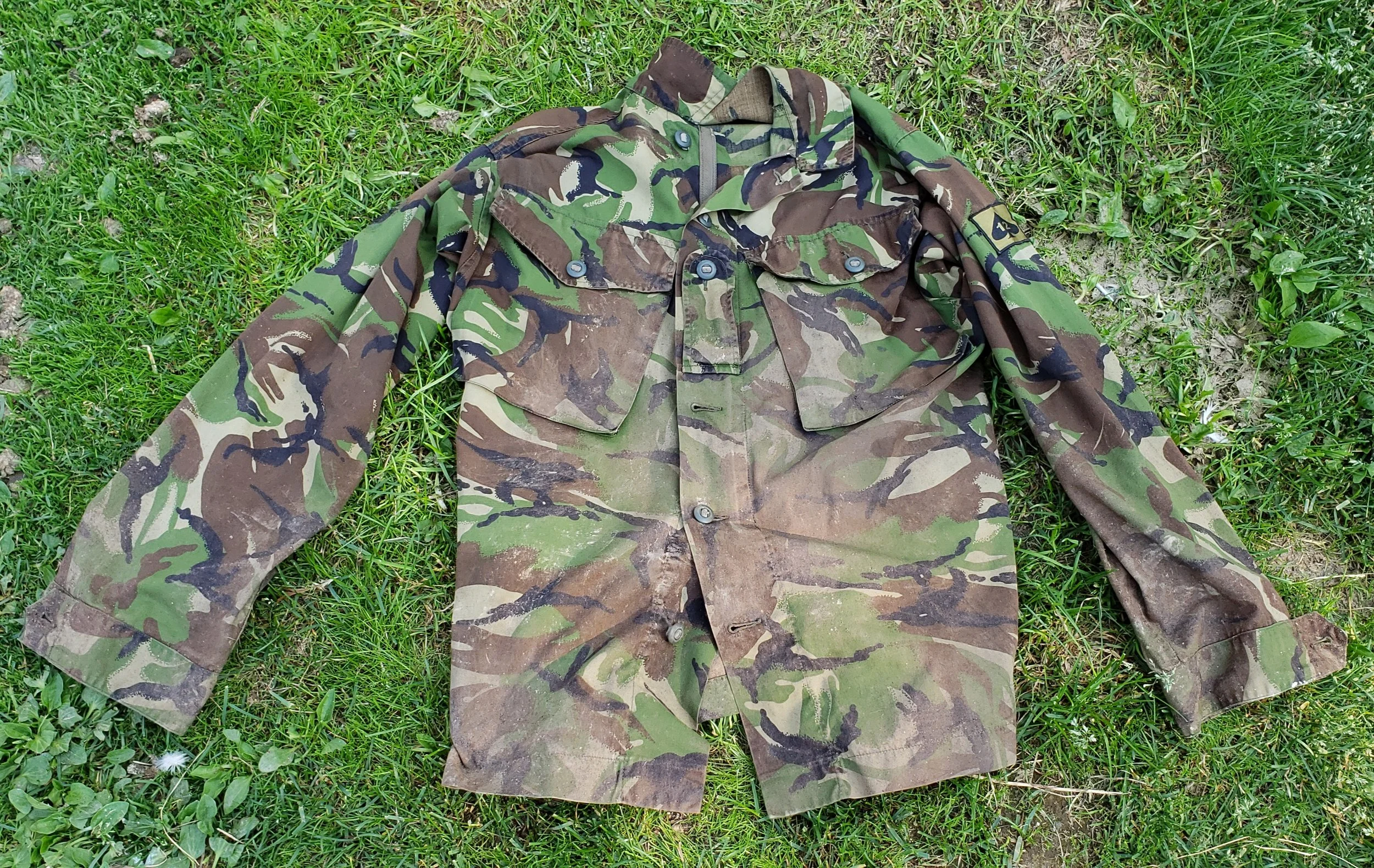
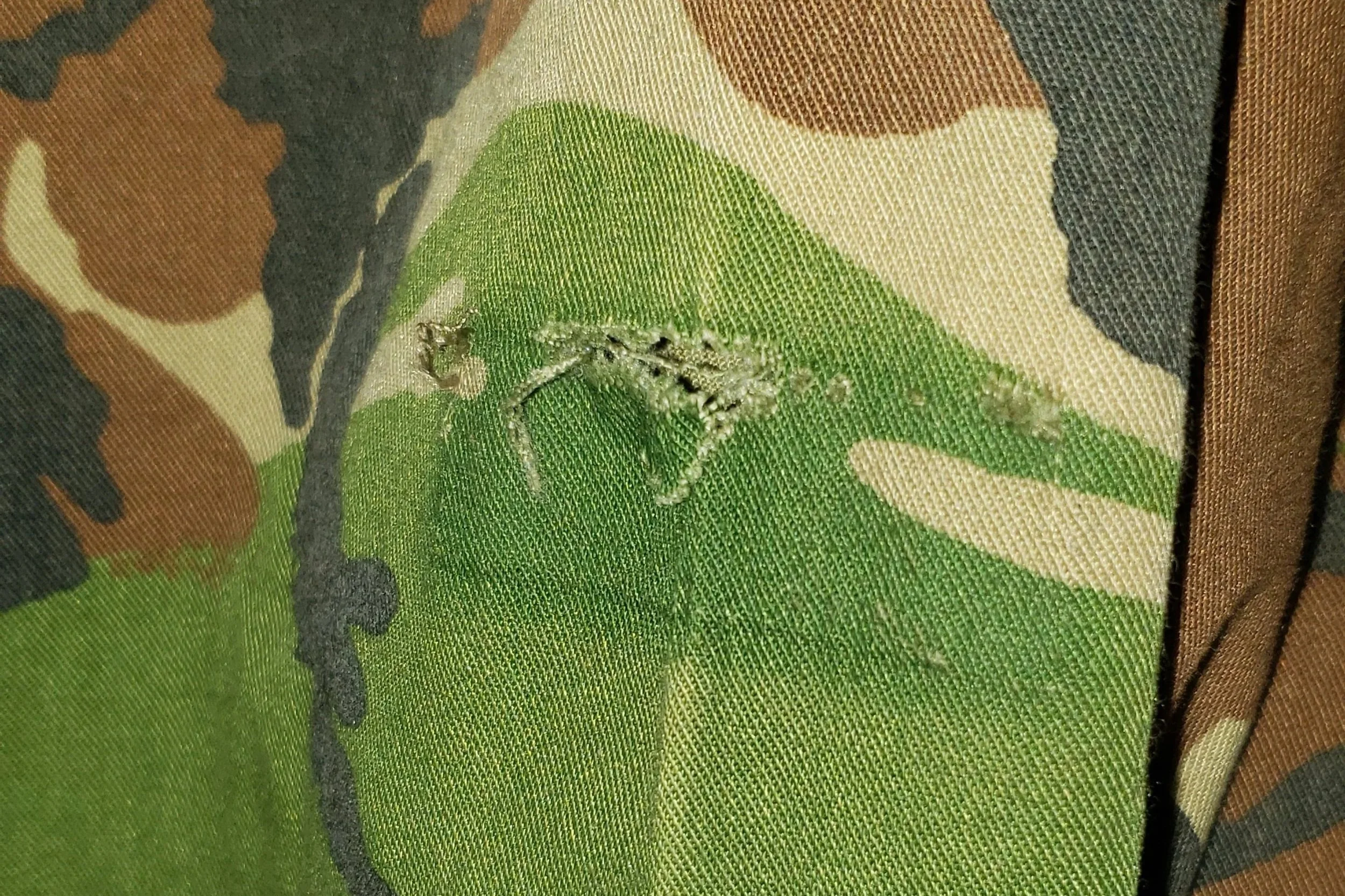
I have subjected this shirt to fairly rough and demanding use in a variety of environments to see how it would hold up under stress. Despite this harsh treatment, I was unable to cause any permanent stains, noticeable fading, or tears. Interestingly, since this shirt does not incorporate ripstop weaving like many American and other military garments, I was particularly impressed by its resilience. The shirt managed to resist tearing effectively and was able to prevent any small rips from spreading further, a testament to the quality of its construction and materials.
COLOR AND FADE
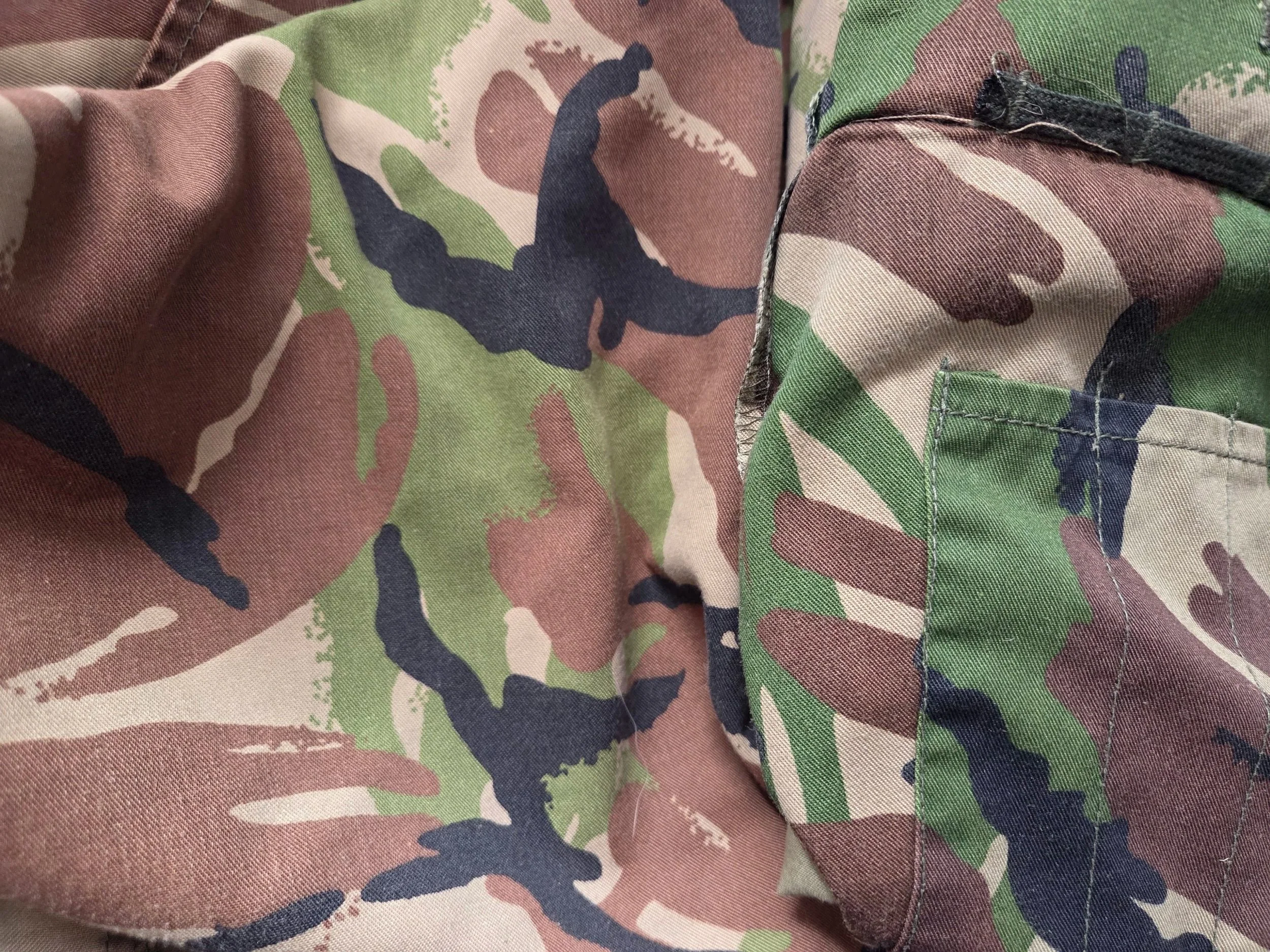
When I got this shirt in, I was genuinely surprised by how well intact the color remained. I had been expecting it to show some signs of sun fading or wear, but nothing of that sort was evident in any way. My assumption is that this uniform was primarily used only in the rear as a garrison uniform, which would explain its excellent condition. I own several pairs of these combat shirts, and all of them look new or barely used at most. I truly admire how well-built and durable British military gear tends to be. After using this uniform exclusively for physical training (PT) and intense, hard tactical courses, I was particularly impressed to see it resisting even my most obvious and blatant attempts to tear or fade it under the harsh summer suns. My dedicated PT shirt has faded slightly over the years and the dark green and brown has turned into more of a lime green and light brown.
SIZE AND FIT
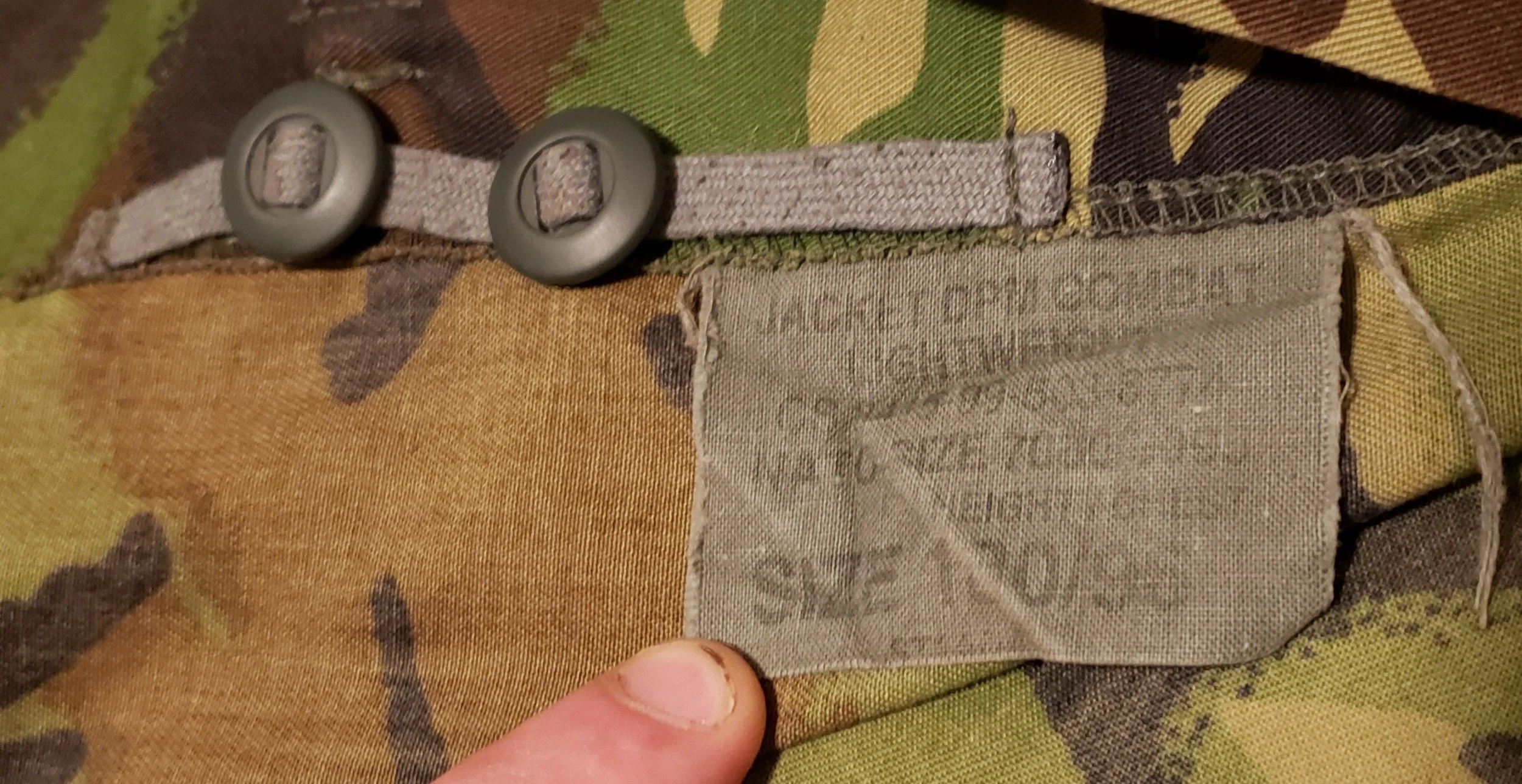
The size I ordered was a medium. Although I am not able to make out exactly what the size reads on the inside of the jacket, my best guess is that it says 180/96. This shirt fits me very much like any other uniform I own in the size medium short, in case you are wondering about the overall fit. When I extend my arms out as far as I can, the sleeves begin to creep up my wrists by a couple of inches, which creates a somewhat noticeable pull and can feel slightly uncomfortable during extended movement.
FEATURES
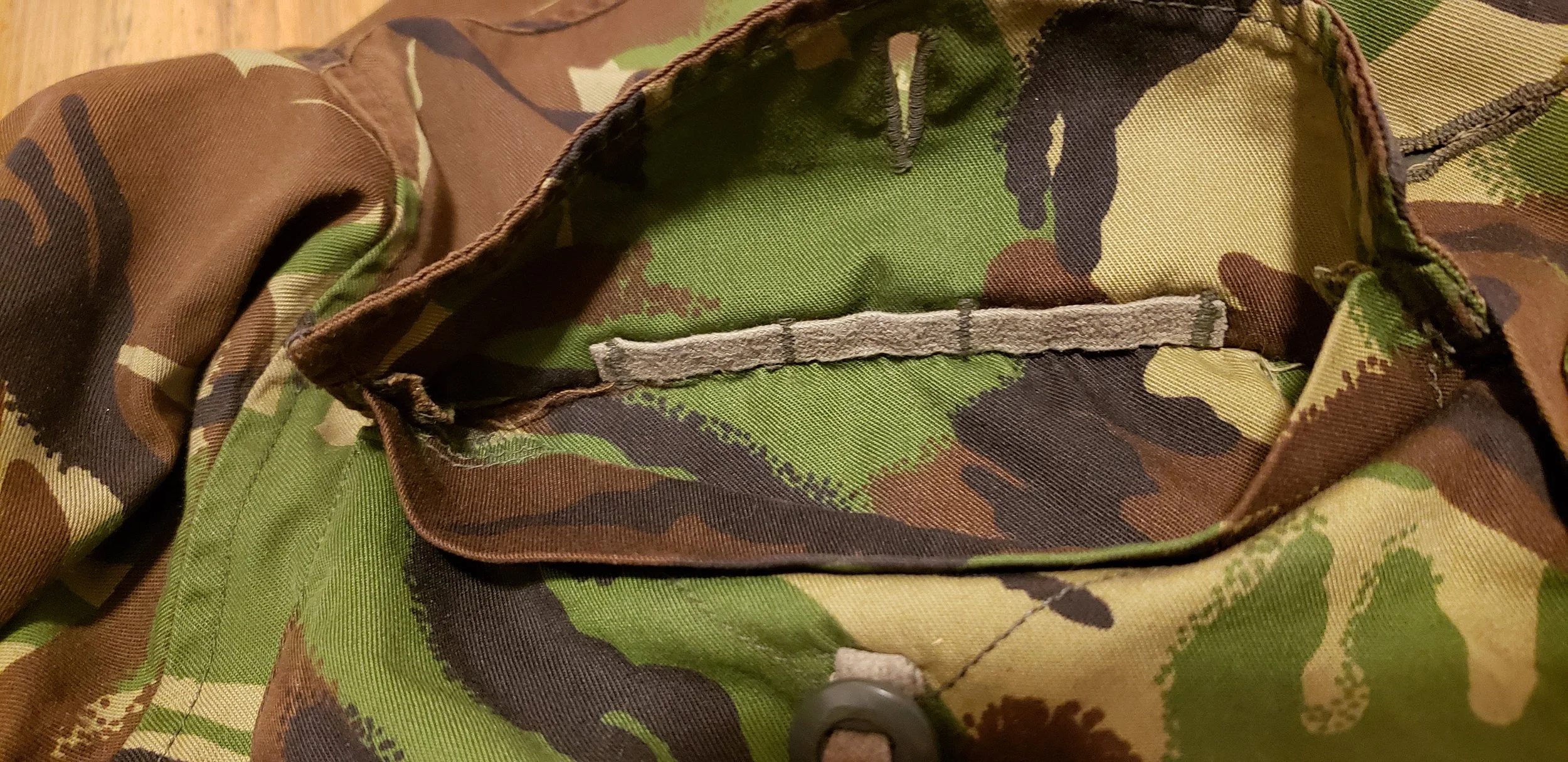
All in all, these shirts are not that complicated and perhaps that is what is so nice about them. They have some cool features, but the overall design is simple and to the point. All the buttons on the shirt are the same and they attach the same way. I personally think that this way of attaching buttons is way more secure than a bunch of threads going in and out of a button. This miniature webbing is solidly sewn in, has some give to it, and the buttons have freedom to somewhat glide on the webbing to reduce stress. I like how they also provide two buttons right next to the clothing tag along with some of the material that is used to hold the buttons on the uniform.
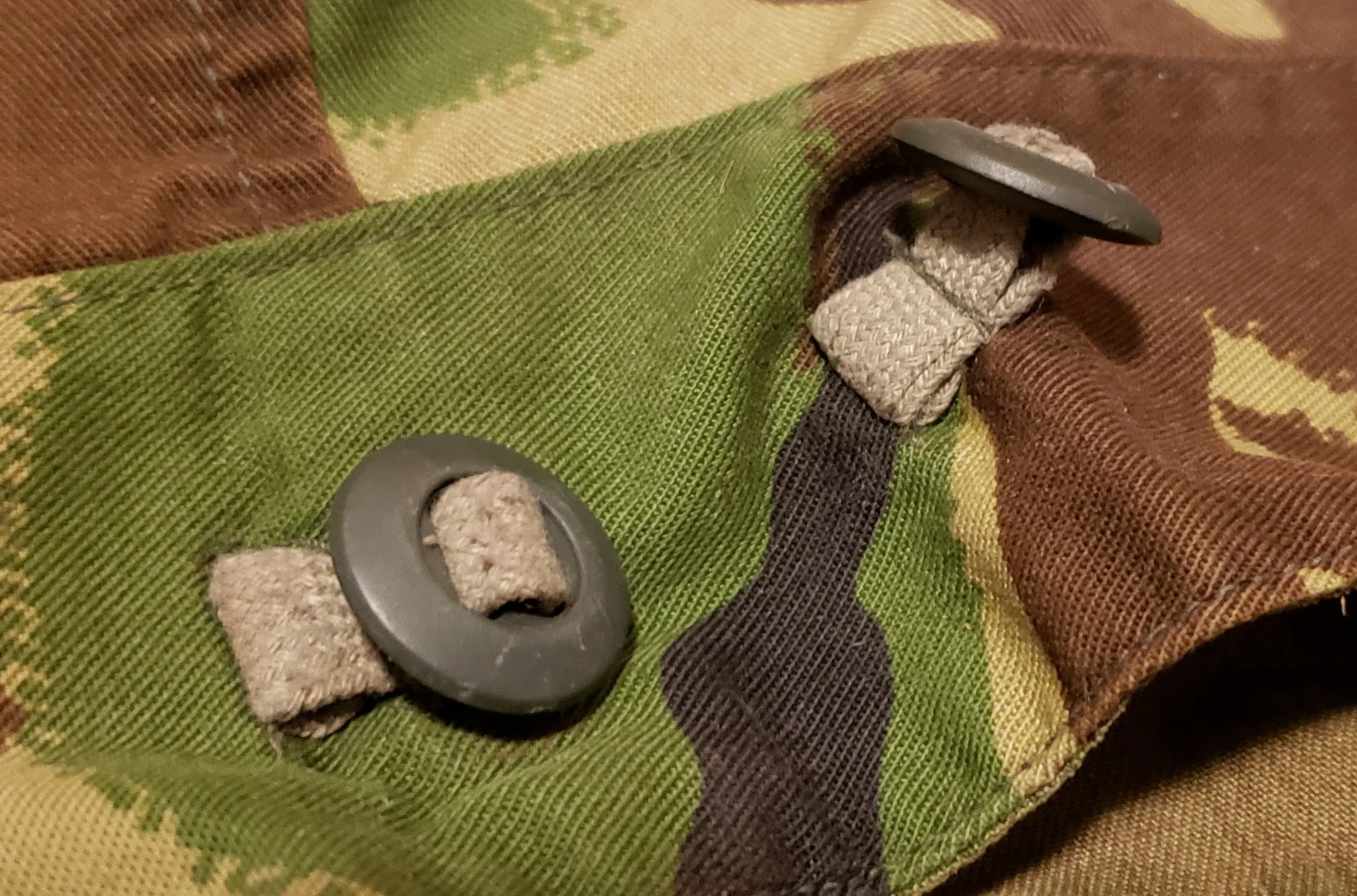
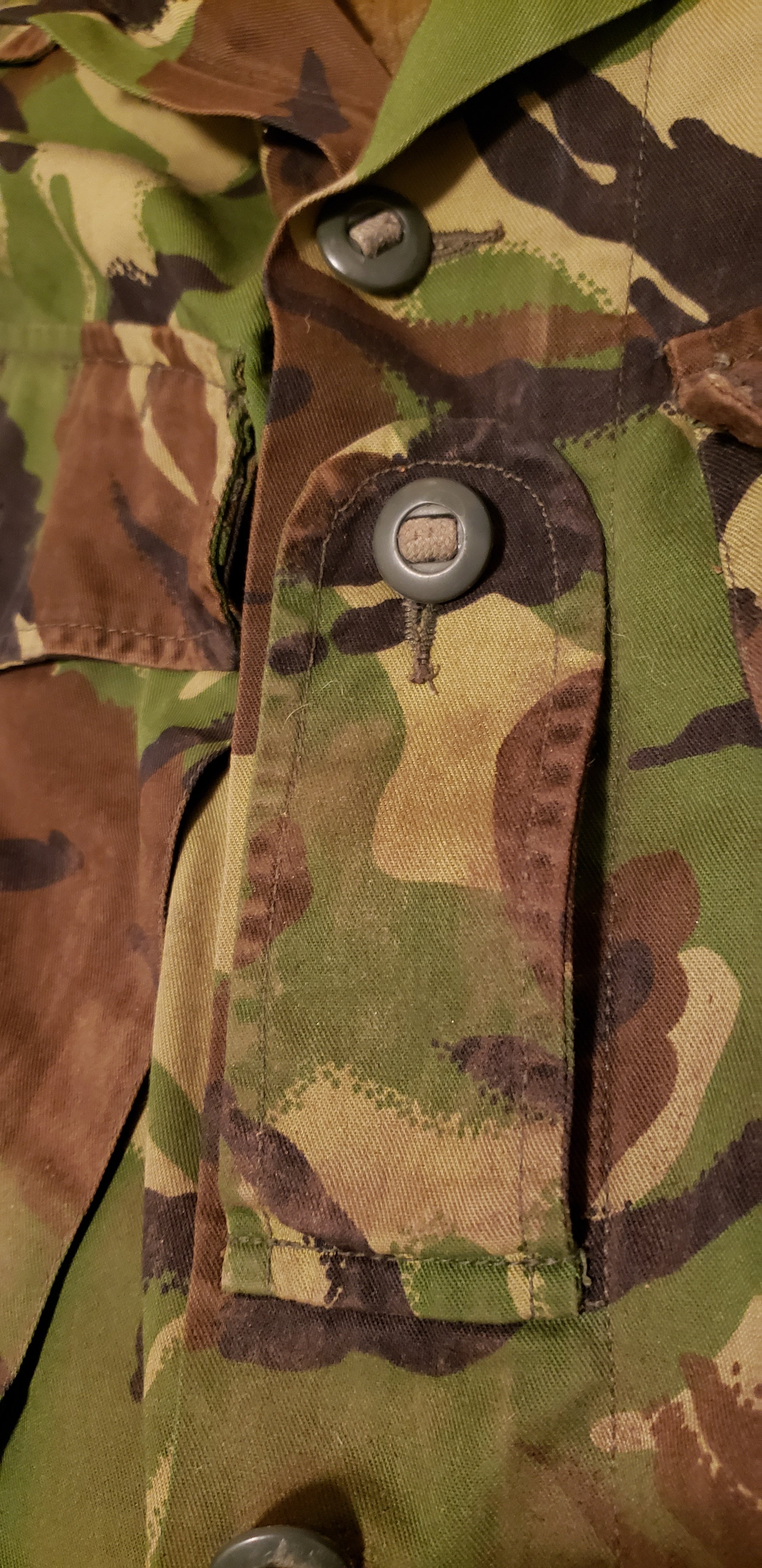
The front of the jacket, when closed, has the rank insignia on a sleeve that is secured by it's own button. I imagine someone could use this as a way to dummy-cord gear on a hike or something, unless they want to sew Velcro on it and use it for patches and such. Point is that you have options, right?
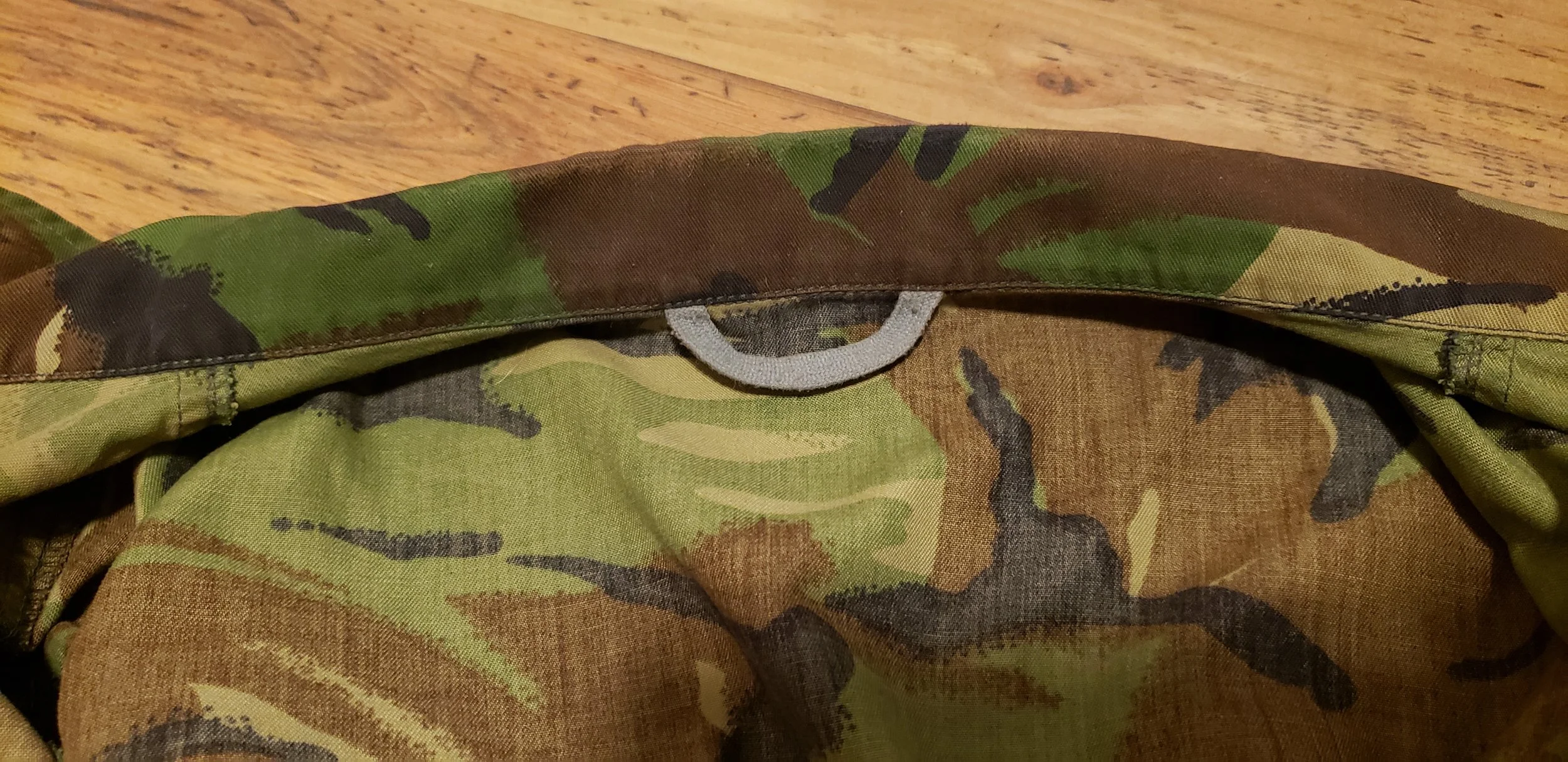
There is also a nice little loop for hanging up your shirt on a coat hanger. Nice little touch I don't see all that often.
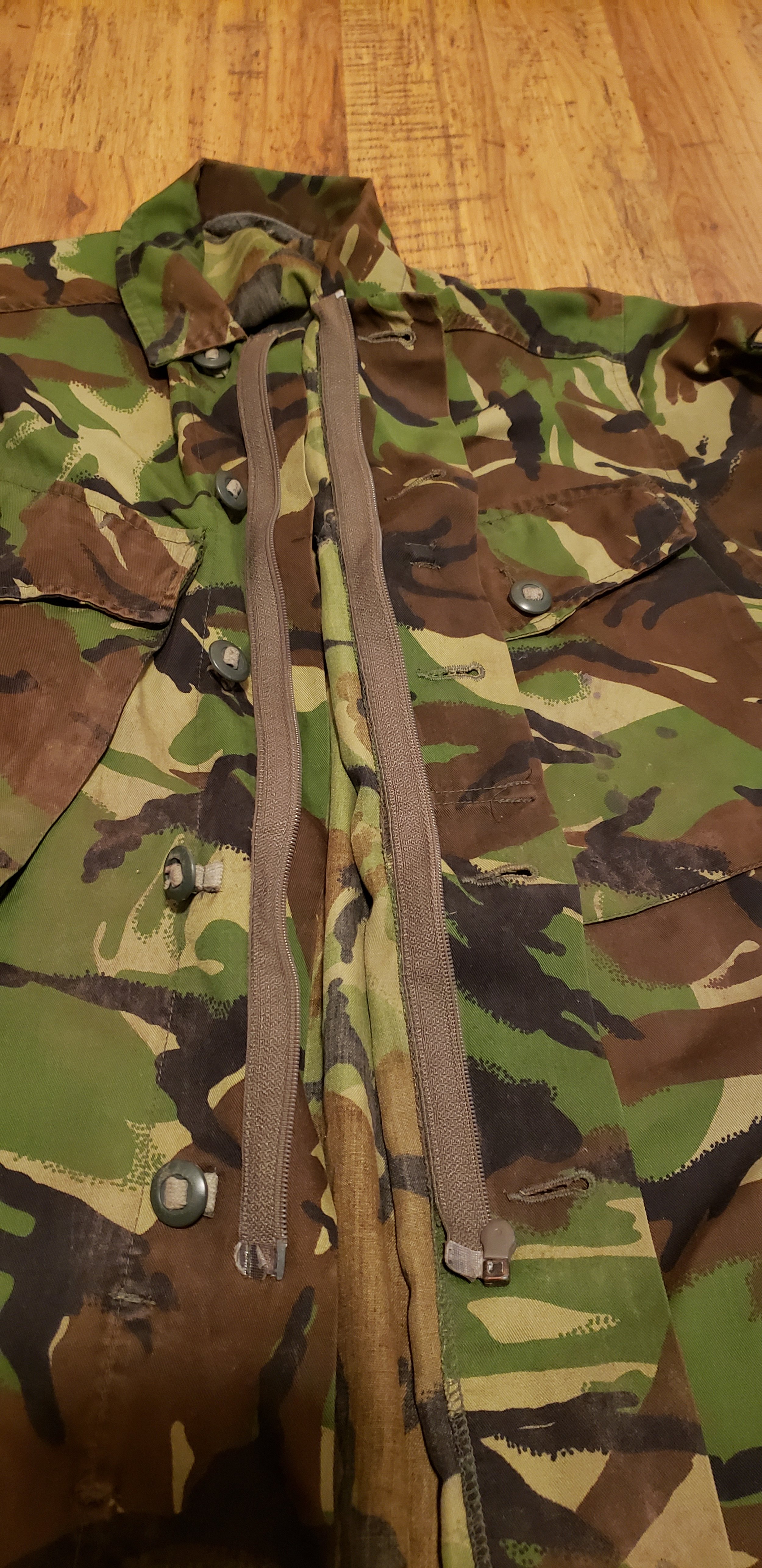
The jacket is closed in the front by either a zipper and/or by 6 buttons that run all the way to just under the collar and one under the zipper. Typically, I only use the buttons since it vents better, and the zipper handle was missing on my shirt. It looks as if it got ripped off at some point and the bottom of the zipper is starting to pull away, out of the stitching. However, the zipper is still quite functional and could possibly even be replaced if I wanted. Personally, if I am wearing something so thin, I will just live with the buttons since it will help it ventilate more.
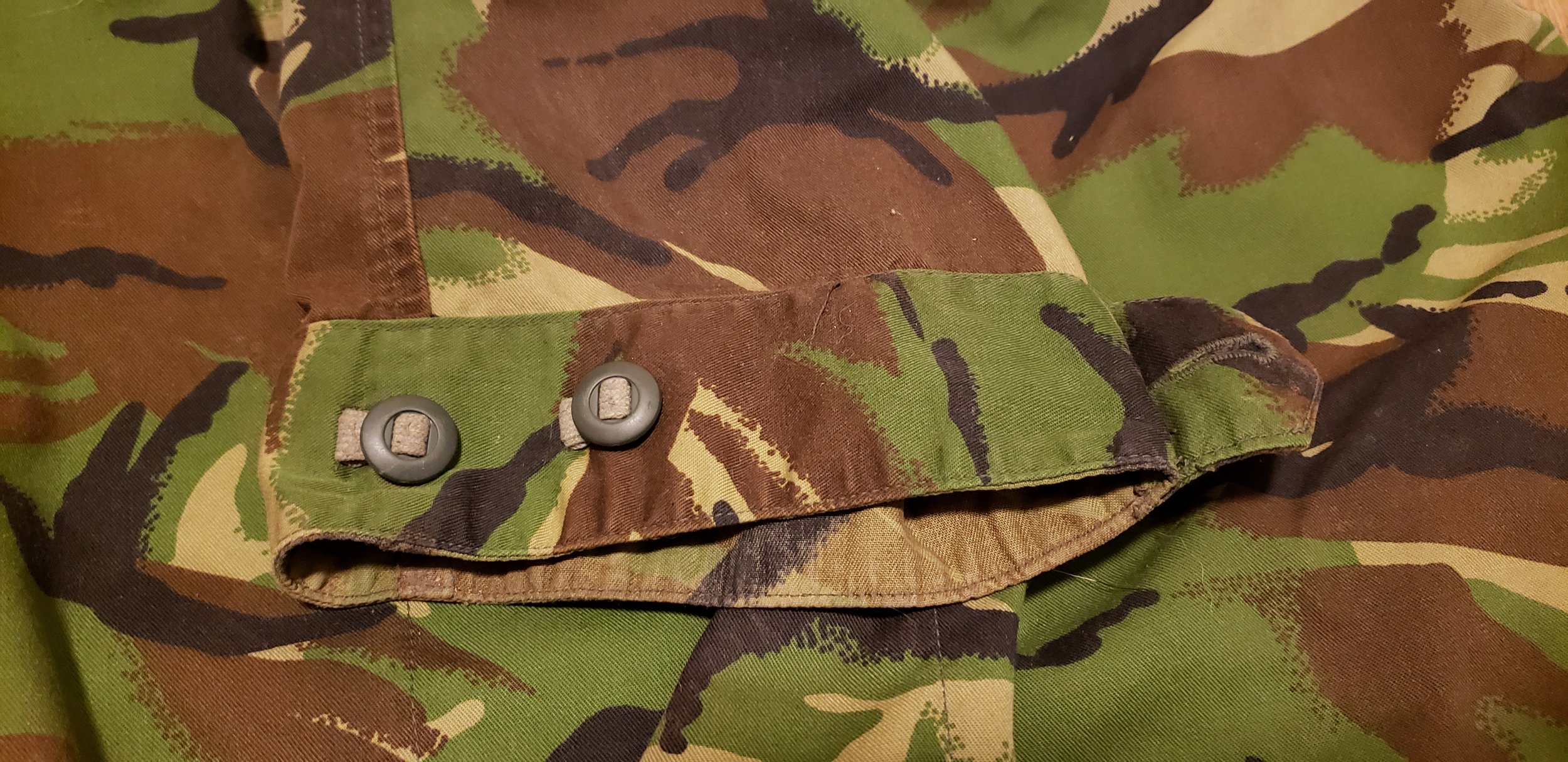
The cuffs on the end of the sleeves were limited to how tight they could fit. However, I found that the second button worked just fine for me. The cuffs are reinforced with a second layer of uniform about 5.5 CM wide. It is nice that they reinforced these areas since they neglected to reinforce the elbows, which is a common stress point on almost any military uniform.
Last thing on the features list to talk about would be the pockets. There are two front pockets that ride high on the chest and have about a 15-degree cant inwards to facilitate easier pocket access. Personally, I love the design of these pockets. They are simple, but they are well constructed.
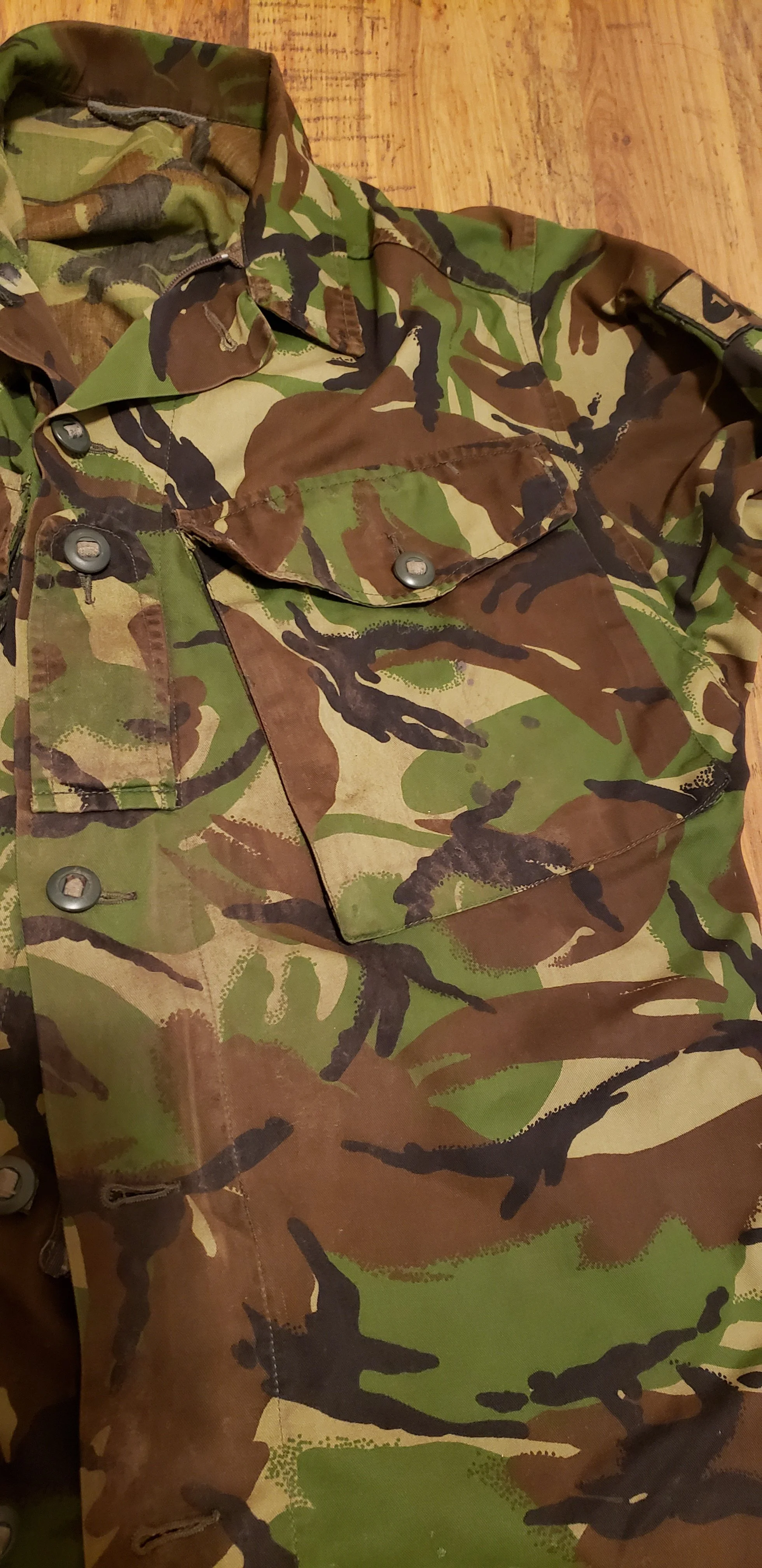
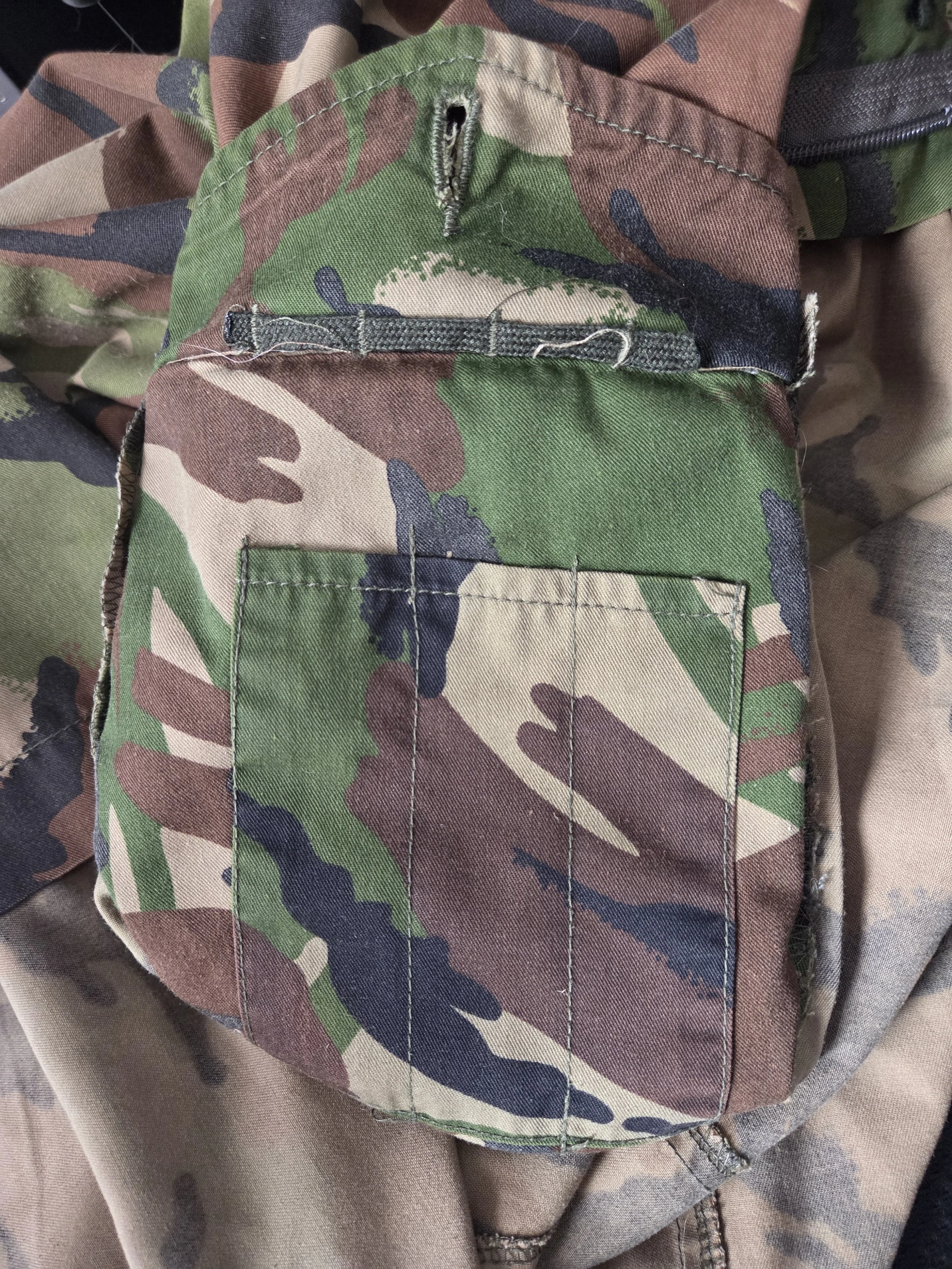
The pockets are held shut by a single button, and are constructed in such a way that the front of the pocket acts like a retention flap, which I personally think is genius.
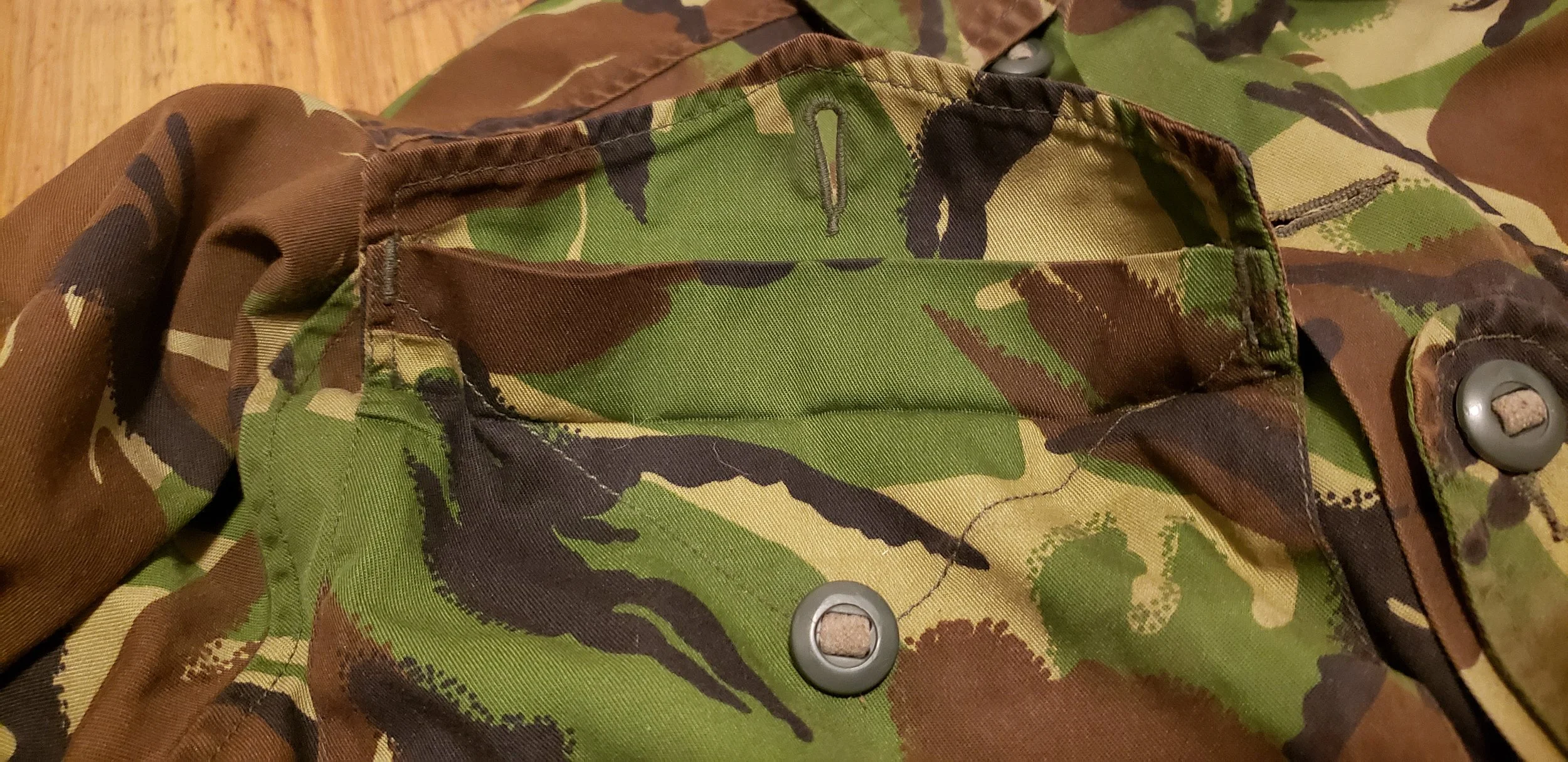
When you open the pocket, you will notice a strand identical to the little webbing used for the buttons. It is sewn on in a manner that it leaves three symmetrical spaces that can be used. I am going to assume these are used to dummy-cord or tie off gear.
That said, these pockets each can hold a lot of stuff. I would even go as far as to say that it is overkill to have this much room in these pockets. If you load these pockets down, there is no real way to counterbalance them, and then your neck is going to take the punishment from the collar friction. I also like that the left breast pocket has 3 small internal pockets that will fit 2 small BIC lighters. You won’t necessarily be able to get a full-length pen in the slot, but you can keep a lighter or something small in there, just in case.
PRACTICAL USES
Now that I have gone over the features of the shirt, I think it is time to talk about why you would even want one, or a few. Perhaps you want something to play soldier in. Perhaps you are an overseas contractor who is allowed to have camouflage. Those of you prepping or who are part of a militia may be interested. The DPM pattern is still an effective pattern in many green areas, and it goes well with a lot of other patterns like US woodland, OD green, etc.

Another use you may find for them is if you like hiking and want something simple but useful. My wife particularly enjoys the lightweight and breathable nature of this shirt, and prefers it for outdoor hiking in the woods. The dummy cord points and the light durable construction make this a good choice, as well.
WRAPUP
The DPM lightweight combat shirt is a solid and reliable piece of gear. You can usually find these shirts for around $10 or even less, which makes them quite an affordable and worthwhile bargain. The camouflage pattern works effectively in woodland environments, providing good concealment. Personally, I can think of many practical uses for these shirts in various outdoor and tactical situations. Ultimately, the choice is yours, but in my opinion, this is definitely one piece of gear worth considering and adding to your collection.