WHEN GUNS FAIL: HISTORICAL KNIFE COMBAT LESSONS & CHOOSING A RELIABLE FIGHTING KNIFE
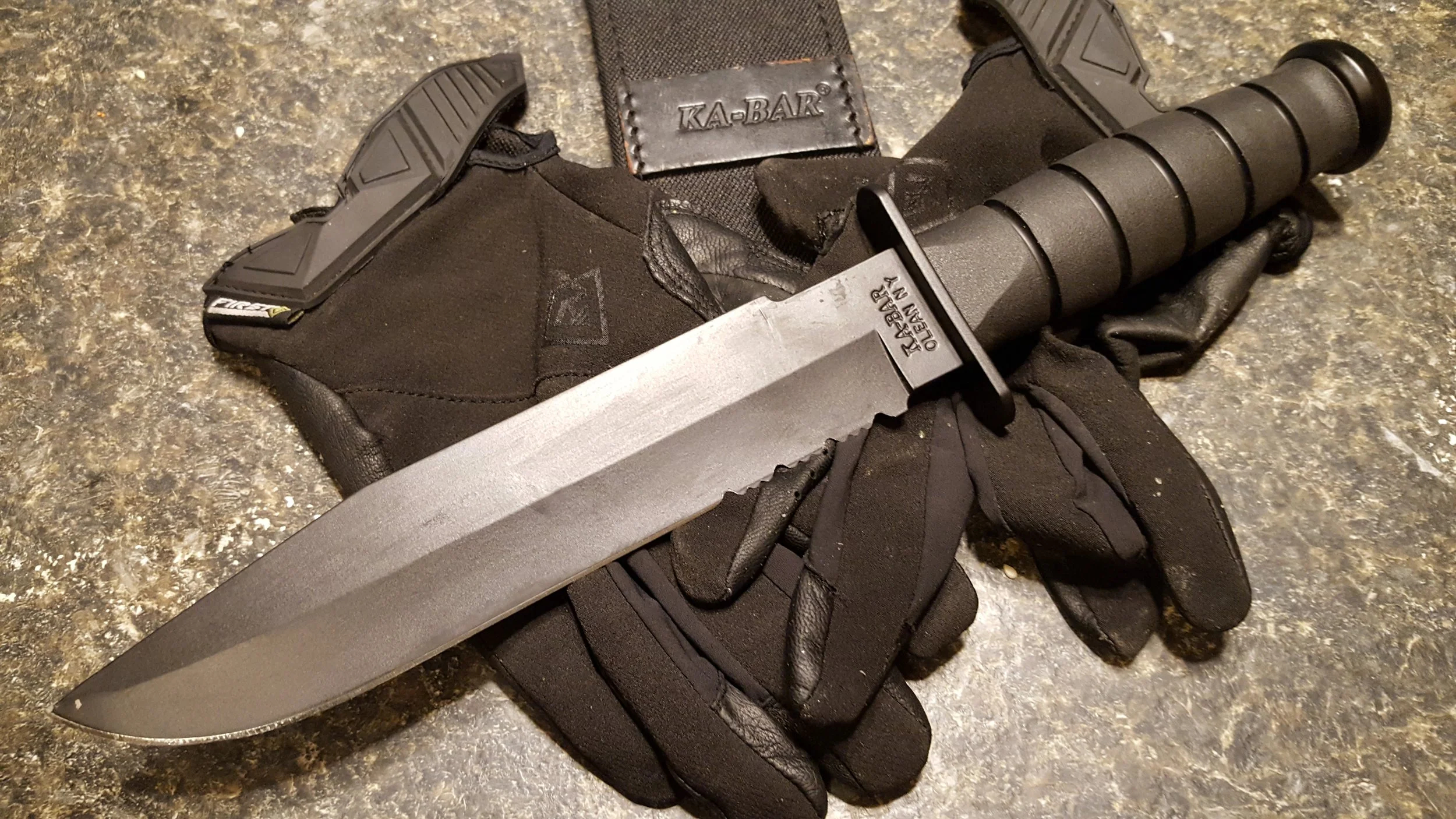
This is going to be a general overview of the history and concept of using a knife to defend yourself against imminent death. This kind of combat has been around for centuries and has a lot of lessons behind it, if you are paying attention to your history. There is absolutely no free lunch in this type of combat since sometimes you are just going to break even in terms of returned damage. Nevertheless, this is an important discussion as many people carry bladed instruments, or multiple, just in case the situation gets so bad that you have to revert to this ancient and deadly art of defense.
REALITY OF KNIFE USAGE
One of the scariest, most dangerous, most personal ways of defending yourself is with a bladed instrument like a knife. You must be close up and fast to act against the attacker. You must deliver blows that not only counter the attackers moves, but also debilitate their ability to continue fighting as fast as possible. This is no easy task, and it most likely will result in further injury to yourself in the form of you getting sliced and diced yourself if the opponent is also armed with a knife. In combat, your opponent will most likely be armed with a gun or a knife as well. Unless you are sneaking up on them, using a knife is desperate last attempt to get the upper hand.
LESSONS FROM THE GREAT WAR
During the great war, there were hard lessons learned about how we were going to have to fight in the modern age of firearms that are designed to kill as many people as possible, such as the machine gun. The result was trench warfare where men had to hop over the top of the trenches in large numbers and advance against the enemy trenches, often under machine gun fire. Tens of thousands of men fell due to old tactics of WALKING on line and advancing like the good old days. Even when these men reached the trenches, they were not able to defend themselves or fight the enemy effectively with a glorified spear in these close and tight quarters. It was in this instance that pistols became incredibly handy for close combat. However, after the pistol was dry, entrenching tools, clubs, improvised weapons, brass knuckles, and the good old knife ruled the day.
As mentioned above, if men got into the trenches, they had to go to a pistol for greater maneuverability. The knife wasn't the first choice, but it was the best backup to a pistol. Or perhaps it is quicker to bring into action than your pistol. Some soldiers did not have pistols, so the knife or other sharp implement was your best bet. When the knife was used, there was nothing fancy about it. If you delayed, you would not survive, so it was quick and brutal. Many men had to revert to these weapons when going on silent raids into enemy trenches, or when standing post. Some men had these weapons ready just in case they were raided so they could act fast.
This type of fighting was not isolated to the Great War, but I think that this war showed how the combat knife is a very valid tool. There is a more recent set of instances in the middle east where soldiers and marines used knives like the good old Ka-Bar to dispatch enemies they were tangled up with. The reality of this type of in-your-face combat is that your training will only take you so far. When the real fight starts, your will to act is going to be the determining factor. A pacifist with a black belt in Karate is about as useful in combat as the punching bag they practice on in training.
LESSONS FROM UKRAINE
In the Ukraine war, there are plenty of videos showing hand to hand fighting in trenches and in urban settings. One of the most popular videos is a video where a Russian soldier disarms a Ukrainian and stabs him to death with his knife before shooting him in the head. The whole fight lasted 5 minutes. They were both exhausted but the Ukrainian had no knowledge of how to fight an armed attacker after he lost his rifle, and having a pistol might not have helped anyways. The Soldier with the knife was going for vital zones and pinning the soldiers’ arms down, showing that even if the Ukrainian had a pistol, he would struggle to get to it. For some people, this kind of footage is very gut-wrenching, but I remember watching it and thinking, this is why I took my martial arts and Krav Maga training seriously.
KNIFE SELECTION
There are so many good knives on the market now that it is impossible to keep up. Some are better than others, and each one does something better than the rest. It is hard to choose which design, metallurgy, length, etc is the best overall. Some people like myself will just stick with the fixed blade Tanto design or the old school Ka-Bar clip point design that is tried and true. Some special units out there actually carry folding knives for defense like the Cold Steel Recon1. This may seem like an insane concept to most people, but folding knives for concealed carry will be used under the same circumstances. I am not saying the folding knife is better, but with retention devices on fixed knife sheaths versus just flicking open a folder, I would go with the folder on being a bit easier. However, the usage changes as well when the size changes. Instead of being able to stab in the torso to reach major organs, you will have to aim for areas that are more vulnerable to hacks and slashes like the throat, groin, joints, etc.
Another consideration you need to have is the utility a knife can provide to you when not being used to take life. Think about its ability to do general cutting, whittling, chopping wood, wire cutting, or field dressing a kill. Your knife, like most other tactical field items, should have more than one purpose in order to justify its existence in your loadout.
BLADE STYLES
Very briefly, I would like to go over a few of the different types of blade styles that are commonly recommended and what they are good for. Look them up if you need reference to the shapes:
-Tanto: This style is very good at penetration, stabbing, etc. The tip is able to withstand pretty fierce usage and has been reported to be capable of punching through some soft body armor.
-Clip Point: This is the style seen on the traditional Ka-Bar that set the standard for combat knives. The tip is great for piercing, and the rounded edge is great for slicing
-Drop Point: This style is one of the most common, and the tip has a strong reinforcement, though the blade is not good for much more than slicing due to the thick back all the way to the tip, unlike the clip point.
Combat knives (military, tactical, or fighting knives) prioritize toughness to withstand impacts, prying, and abuse without chipping or breaking, while balancing edge retention, ease of sharpening in the field, and corrosion resistance for harsh environments.
COMMON BLADE STEELS
Here are the most frequently used steels in combat knives, based on military classics, modern tactical designs, and expert recommendations:
1095 Carbon Steel: Classic choice (Ka-Bar USMC fighting knife). High toughness, easy to sharpen, takes a razor edge quickly. Prone to rust without care. Affordable and proven in hard use.
5160 Spring Steel: Popular for larger combat/survival knives (Winkler Knives, some custom fighters). Exceptional toughness and flexibility (resists breaking under heavy chopping or stabbing impacts.) Good for field abuse.
CPM-3V: Modern tool steel favorite in high-end tactical knives. Outstanding toughness with solid edge retention. Semi-stainless; resists rust better than plain carbon steels.
D2 Tool Steel: Semi-stainless with excellent edge retention and wear resistance. Tough enough for combat tasks; common in tactical folders and fixed blades. Harder to sharpen but holds up well.
CPM S35VN/S30V: Premium stainless steels (Cold Steel Blades, Chris Reeve knives). Great balance: good toughness, strong corrosion resistance, and reliable edge holding. Ideal for deployed environments where maintenance is limited.
A2 Tool Steel: Air-hardening tool steel known for extreme toughness. Used in combat and bushcraft knives needing impact resistance without great edge retention priority.
440C: Traditional stainless (older military/tactical knives). Decent corrosion resistance and edge holding; affordable but outperformed by modern steels in toughness.
For multi-role military use (utility + combat), stainless like S35VN reduces maintenance. Heat treatment and blade geometry often matter more than the steel alone—top makers optimize for the intended role.
SELECTING A LOCATION
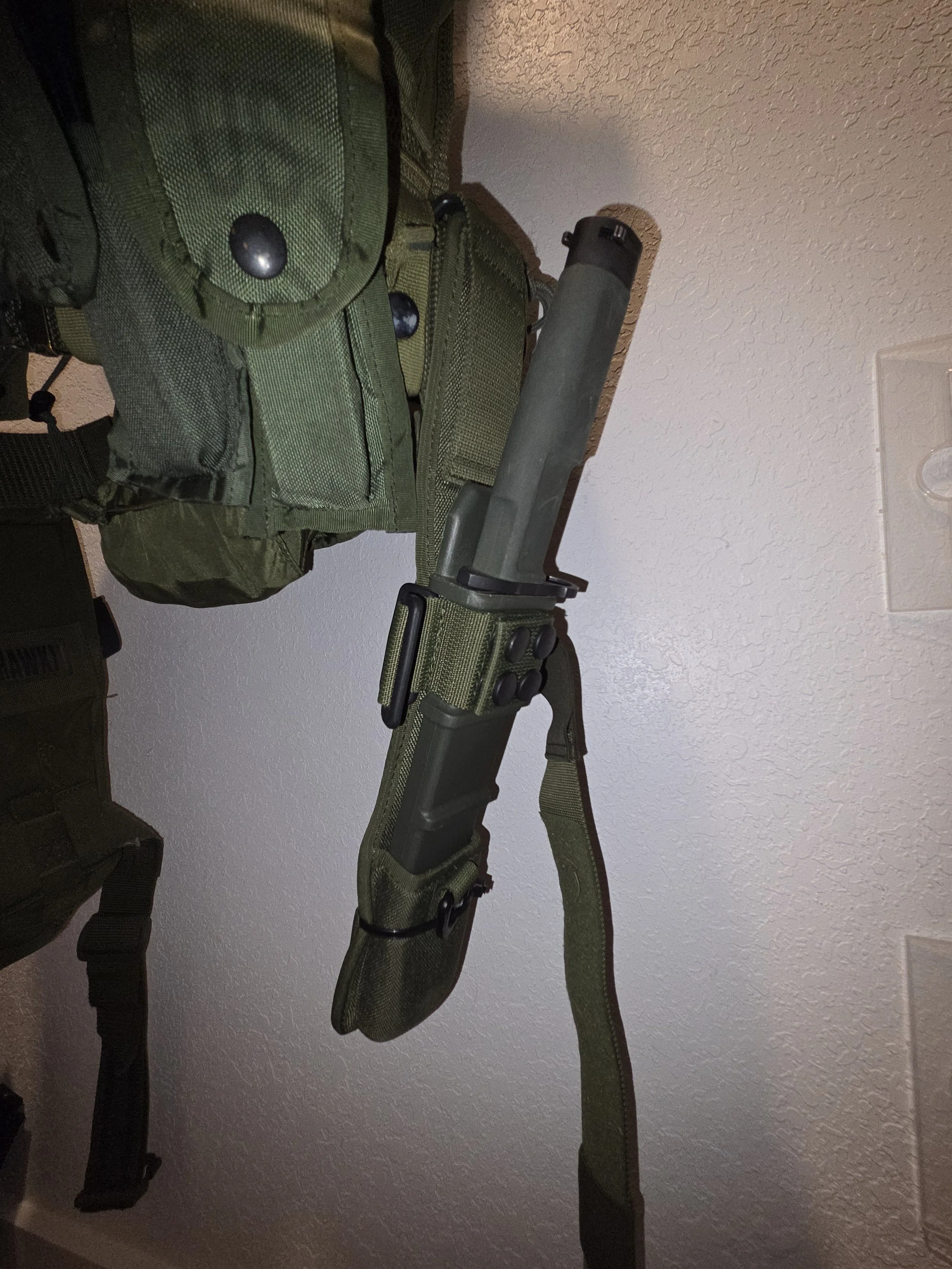
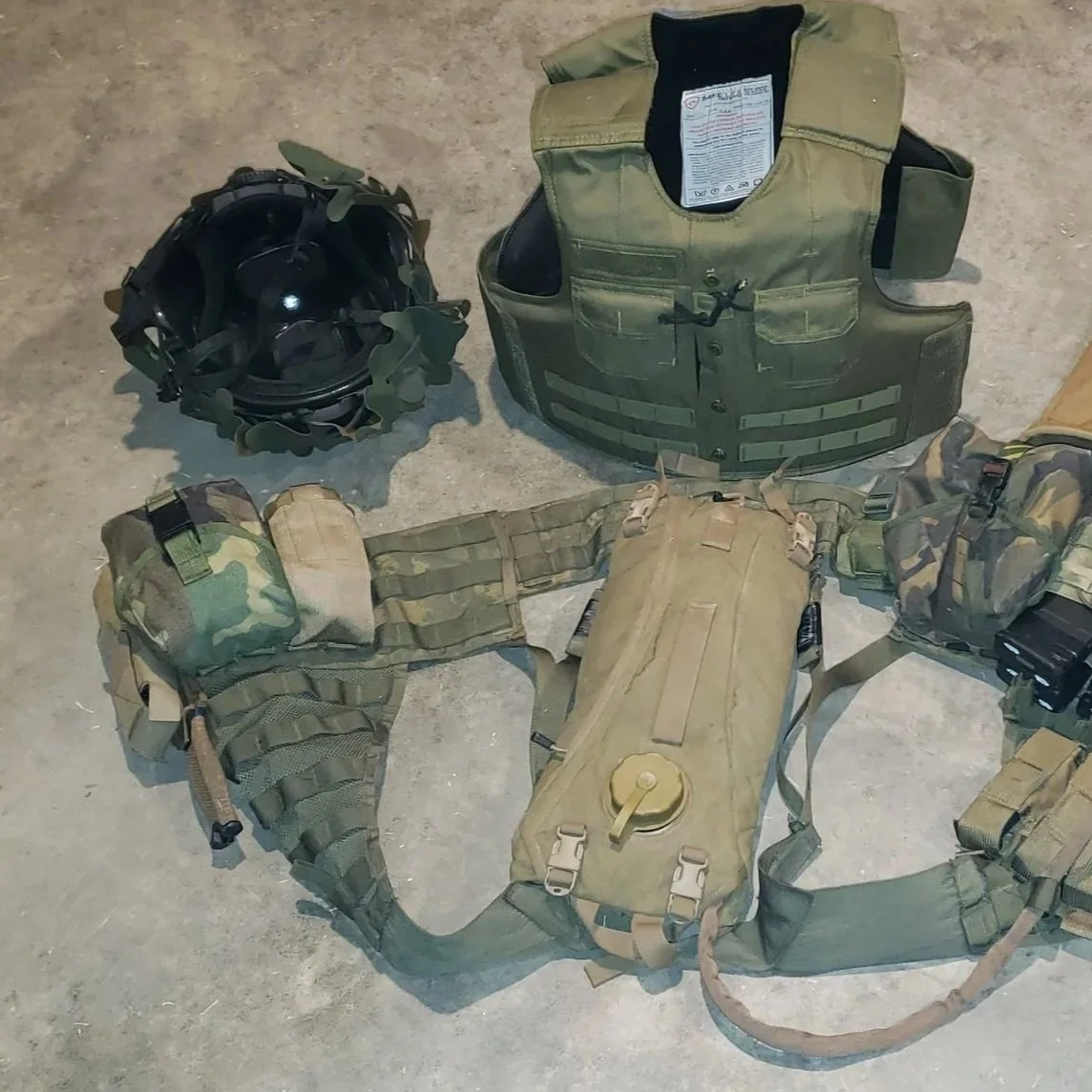
The location of the knife is probably the single most important detail you should focus on, even more than design and other nitty‑gritty considerations. The knife needs to be positioned where you can access it quickly and reliably when it matters most. For me, placing it on my support side or somewhere along my centerline are the best options. These positions let me reach the weapon with minimal movement and give me the greatest retention. Ideally I carry the knife in the center of my vest if there’s room to deploy it comfortably. If I am short on room, I default to a spot on my support side.
WRAPUP
Fighting with a knife in combat is nothing short of crappy. This means you are most likely tied up and are so close to the enemy that you have no choice but to hack and slash your way to desperate freedom and survival. Heck, perhaps the knife being drawn is your last stand like Billy on Predator. Kind of stupid, but at least you are dying on your feet....so to speak. I would not tell someone to leave a knife behind, but I would suggest they do things like go for shorter blades for close quarters, getting a blade with better steel for the intended application, and most of all they need to get some formal training in down and dirty knife fighting. Not some cute Kungfu jazz, but efficient, quick, and deadly knife training that encourages blows to the eyes, manhood, etc. Other than all that, I hope you found this article interesting as far as basics go. I am not an expert on all things knife, but I like to think I know enough to be dangerous.