WALTHER PDP F-SERIES 2K REVIEW
The Walther PDP F-series is designed specifically for female shooters. Female competition shooters have promoted it as suitable for all women. Some reviewers found the F-series fits their hands better than the larger full-size PDP models. Overall, the pistol got good reviews, but there are few long-term user opinions available.
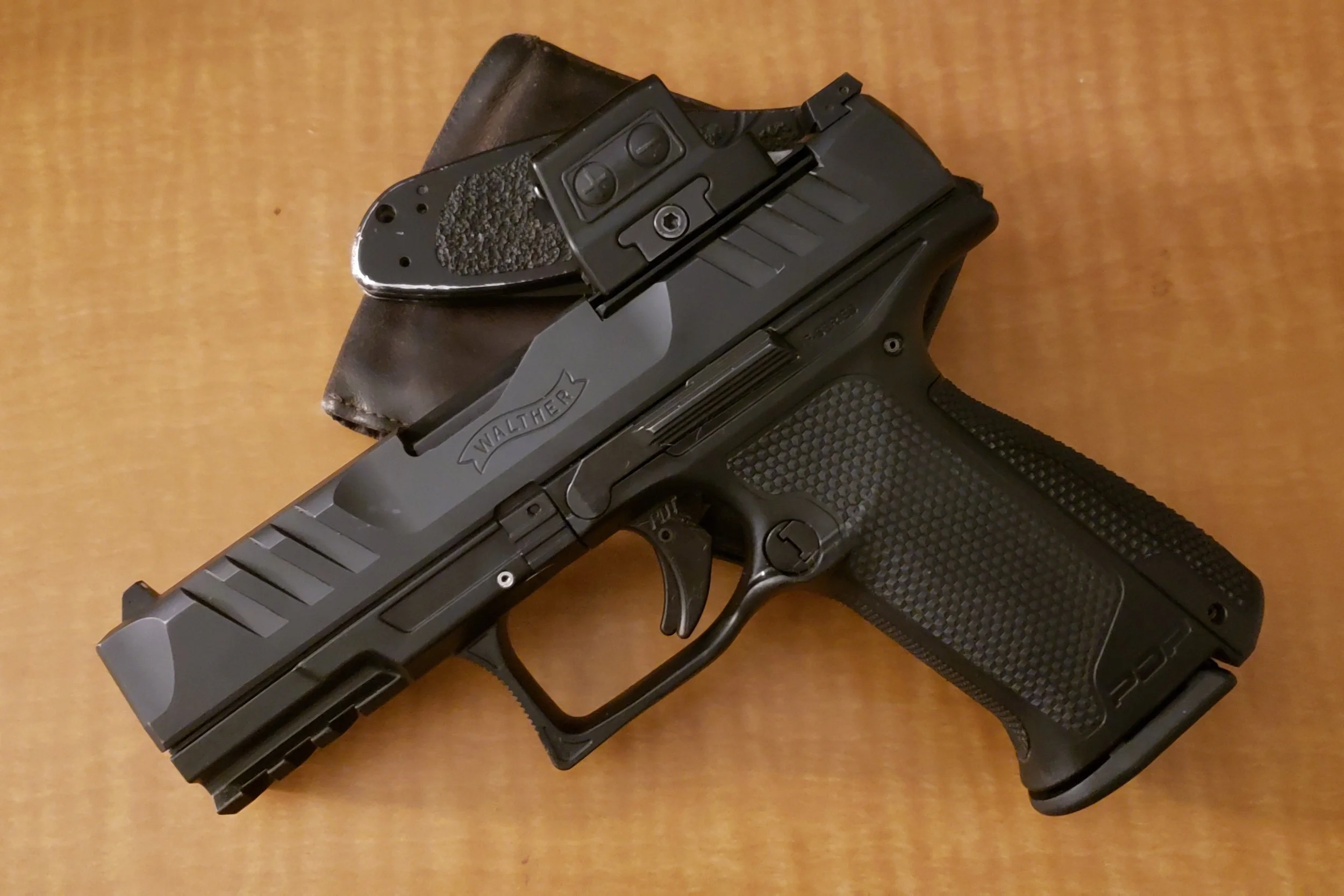
I had my wife use the pistol extensively for well over a year, during which she fired approximately 1,000 rounds through it. I also contributed to increasing the total round count by an additional 700 to 1,000 rounds, as I frequently used the pistol as a practical tool for demonstrating various shooting techniques and for testing the performance and reliability of the red dot sight mounted on the firearm.
PISTOL BASICS
The F series I chose is the 4" model over the 3.5" because I wanted better terminal performance and ammunition flexibility. The pistol is classified as a compact and is only a touch shorter than a Glock 19, with the same 15 round capacity while its full size brethren host an 18 round standard capacity. Here is a link, if you want all the details on the F Series specs.
I've used many Walther pistols over the years, including models like the P99 and PPQ, with the exception of those chambered in .22LR or .380 ACP. Initially, I thought it was too soon to replace the P99 and PPQ with the PDP because both the P99 and PPQ had set high standards and were considered ahead of their time, even as recently as 2020. The PPQ received excellent reviews across the board, but personally, I preferred the P99AS for its feel and performance. The notion that the PDP could effectively handle a wide range of uses—duty carry, competition shooting, and concealed carry—seemed somewhat unrealistic to me at first. From an overall perspective, the PDP is essentially a redesigned version of the PPQ, marketed as a revolutionary improvement. Many of the internal components remain the same, and it retains the ability to swap slides and frames, much like the interchangeability seen between the PPQ and P99. However, because the external design underwent significant changes, Walther gave it a new model name. The F-series pistols represent a different design approach but still share many of the internal parts found in the PPQ and P99 platforms.
THE AESTHETICS
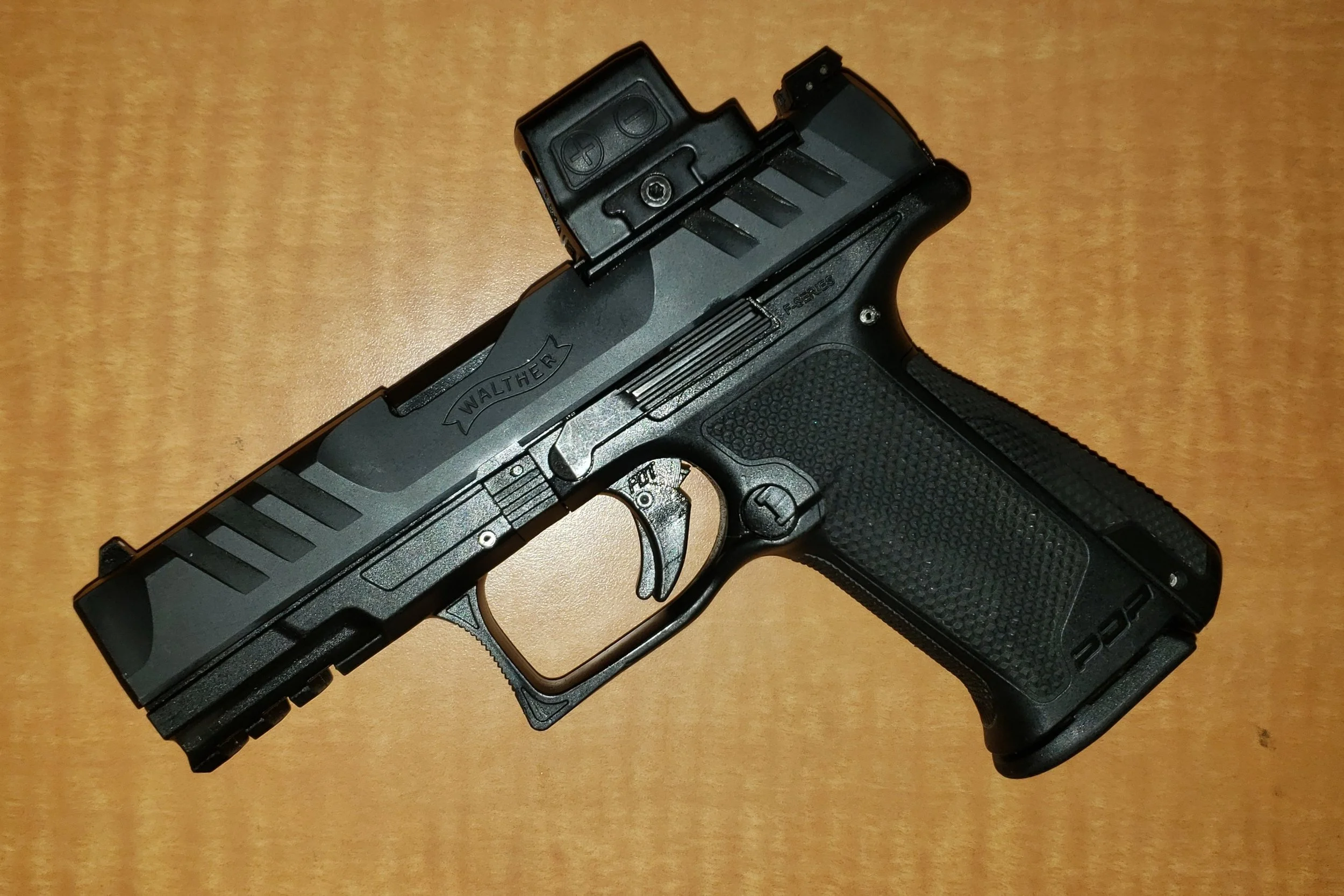
The F series is a good looking pistol, in my opinion. Those deep serrations give the gun a bold, aggressive look, making it appear like a rough forged instrument of destruction. At the same time, the intricate detail in the grip texture along with the smooth contours around the grip and trigger guard lend the firearm a refined and sophisticated appearance. My first impression of the pistol was that it looked like the PDP was a duty gun thoughtfully designed to put the hurt on the bad guys, but to do so with undeniable style and presence. To sum it up, James Bond would be better off with a PDP in hand, rather than that small, troublesome .380 PPK. Additionally, the natural wear on the pistol adds character, making it appear both more complex and rugged at the same time, suggesting it has seen real use and is ready for more action.
CONTROLS
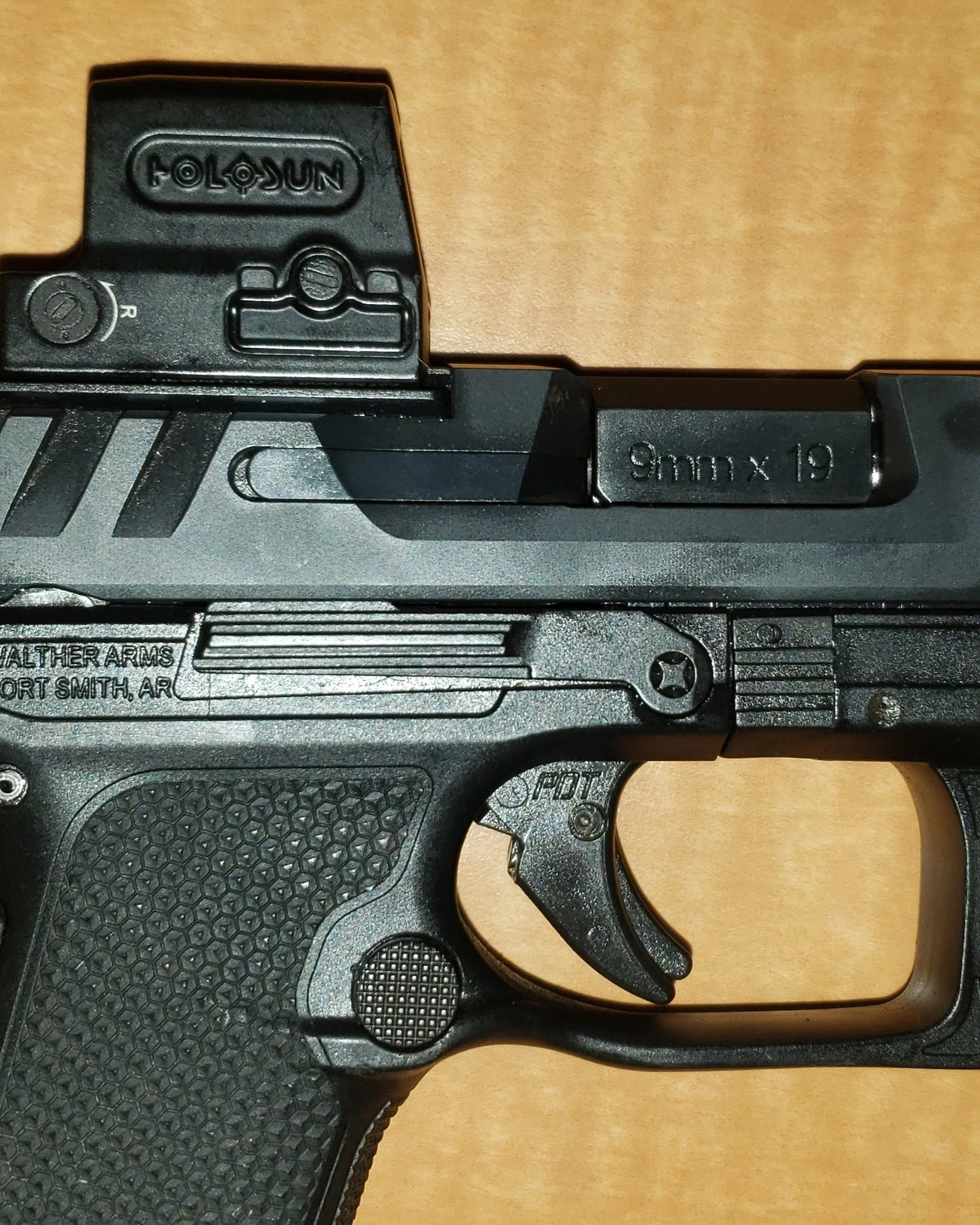
The controls on the pistol are designed to be fully functional yet deliberately minimized for simplicity and ease of use. There is essentially nothing more to focus on other than consistently feeding the firearm with ammunition. The magazine release button, which features a textured surface for better grip, is also reversible to suit different user preferences. This is the same magazine release mechanism that was found on the original Creed model several years ago. For improved ergonomics, I personally rotated the magazine release so that magazine changes can be performed with the middle finger, eliminating the need to awkwardly turn the gun in the hand. My wife particularly appreciates this ergonomic adjustment, so I highly recommend it to any female shooters or those looking for a more comfortable reload experience. Another notable control
FEATURES
The F-series pistols include all the standard features found on the PDP, but they also offer a few additional enhancements that are unique to the F-series. One of the first things worth noting is that the PDP continues the legacy of the P99 and PPQ through many shared features, including its straightforward takedown method. This takedown process is even simpler than that of a Glock, making the PDP one of my favorite pistols to disassemble and maintain with ease.
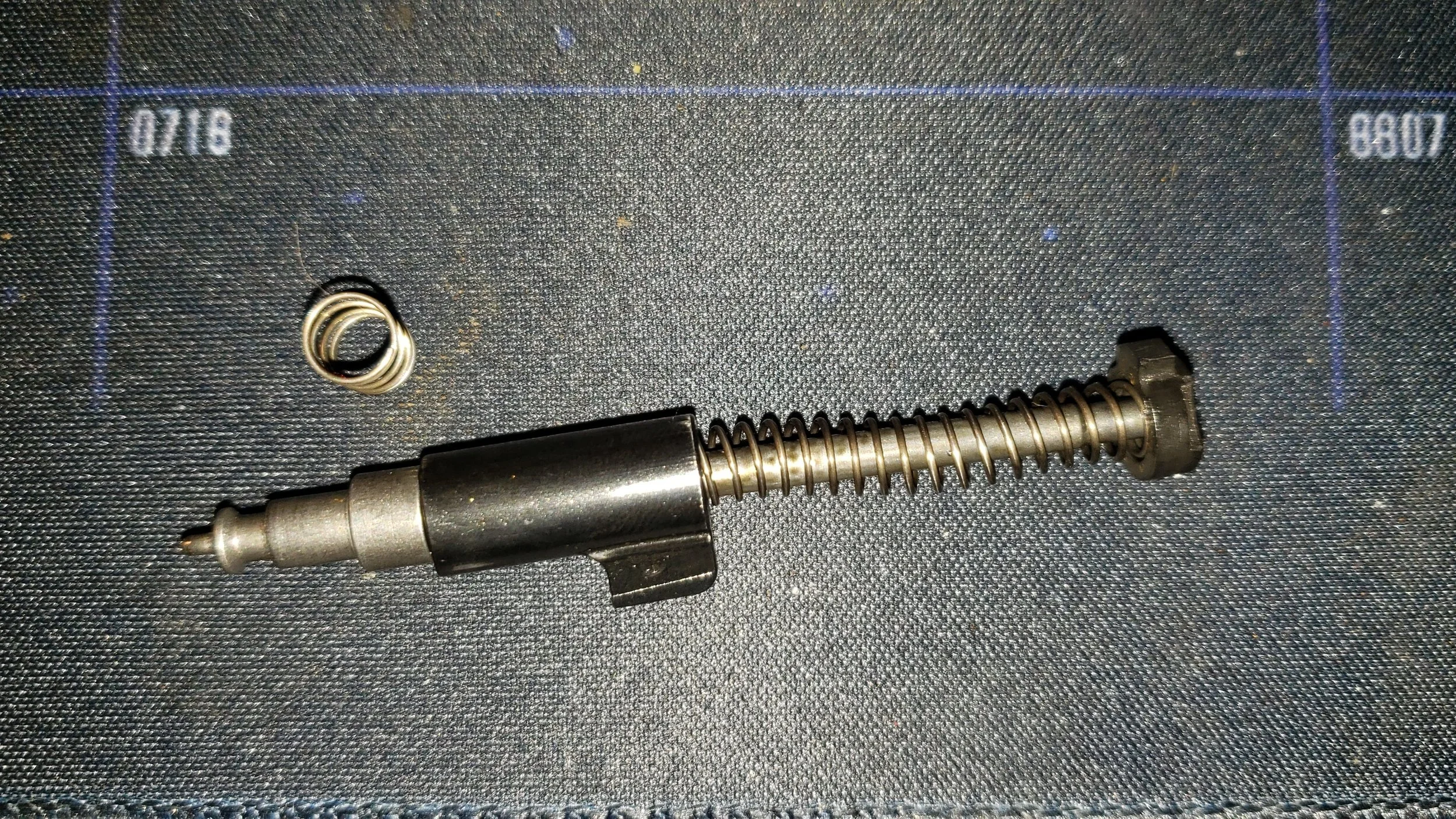
The F series utilizes a unique two-piece striker design, which is quite an interesting engineering approach. It functions similarly to a spring-loaded pendulum mechanism. In this setup, the firing pin is integrated as part of the rod itself, whereas the spring and hammer are assembled on a separate assembly rod. When the pistol is cocked, the firing pin remains extended forward, with only the hammer engaging the sear. This configuration effectively shifts the pistol's operation from being simply striker "fired" to striker "powered," offering a different dynamic in how the firing mechanism functions.
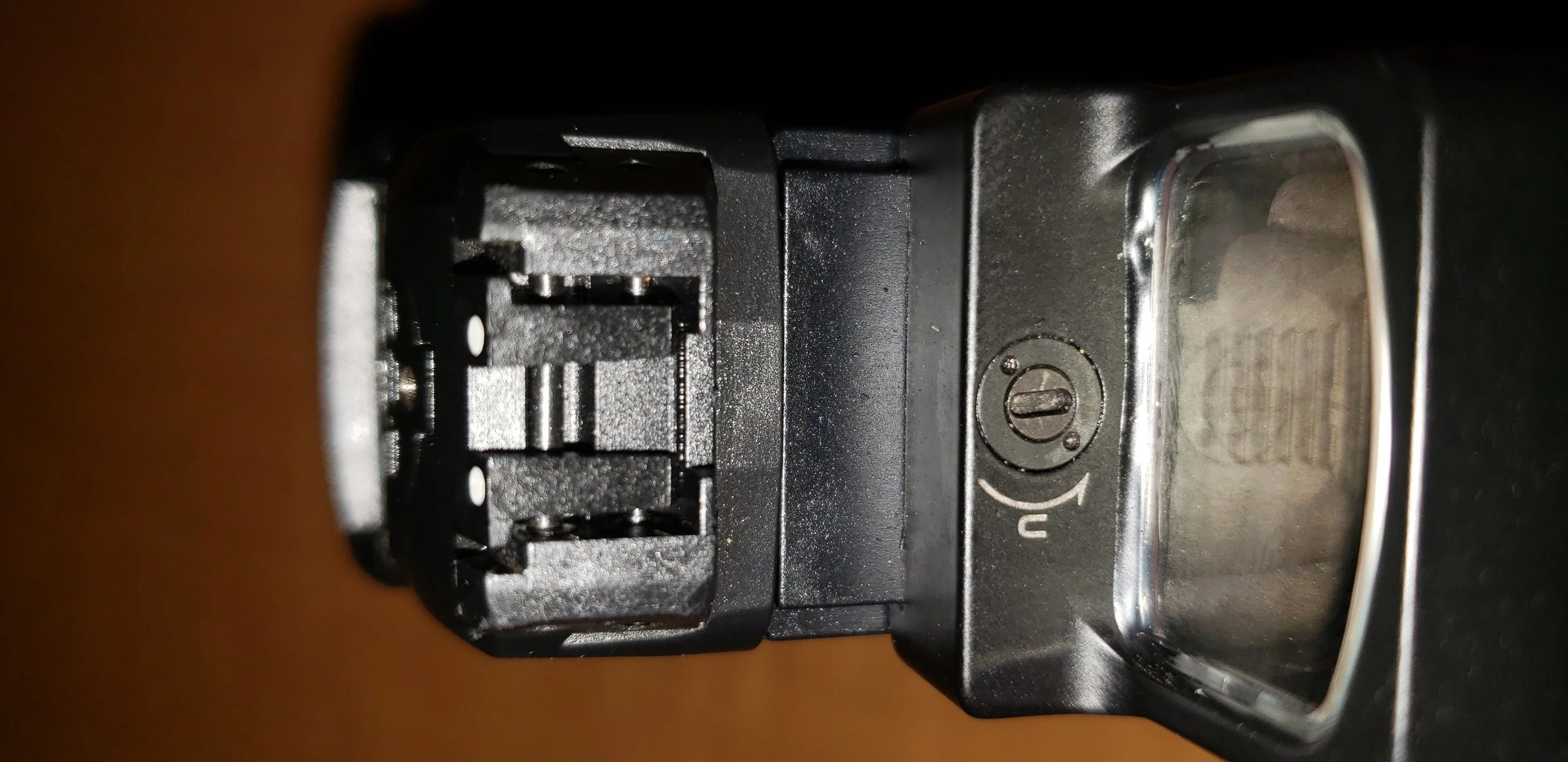
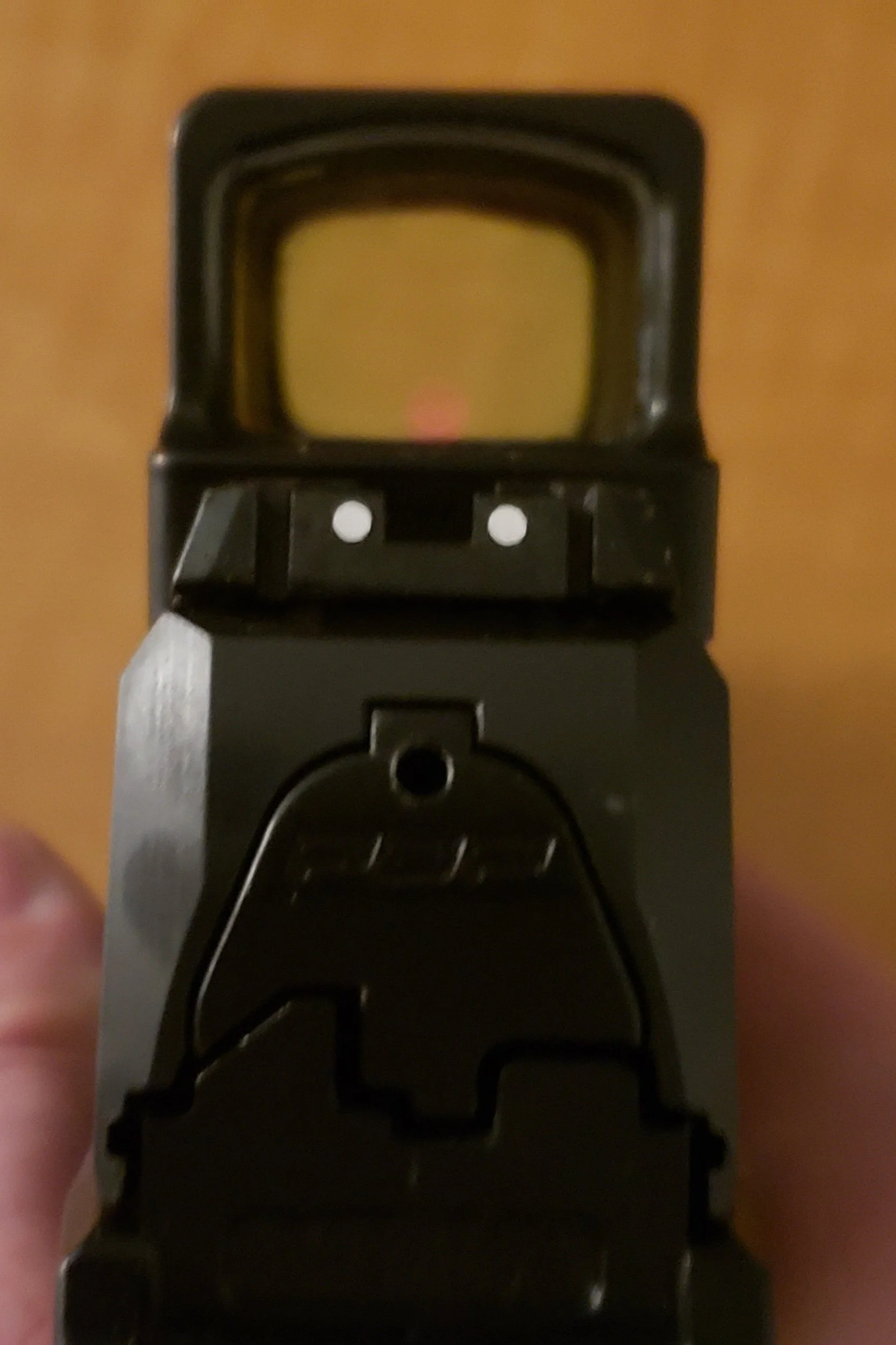
It was said that the Walther PDP was "built from the ground up" to mount an optic on. Take that for what it's worth, but I would say they are not as dedicated to being optics "ready" as other companies who supply the optics plate with the pistol in the box. I had to order the plate and wait a couple weeks. I know, I know, woe is me. This leads me to feel that the PDP is more correctly labeled "optics capable". Sure they give you the first plate free, but after that, you will be paying a premium for the other plates. God forbid you don't want the red dot you got the free plate for.
The PDP F-series features a lighter recoil spring than the standard models. The claim by Walther is a 20% decrease in slide racking force. When I have my wife rack the PDP, she has zero issues with it, and finds it to be much lighter than any other pistol out there. To me, it feels unnaturally light, to the point that I constantly wonder how much damage it is doing to the gun when it recoils.
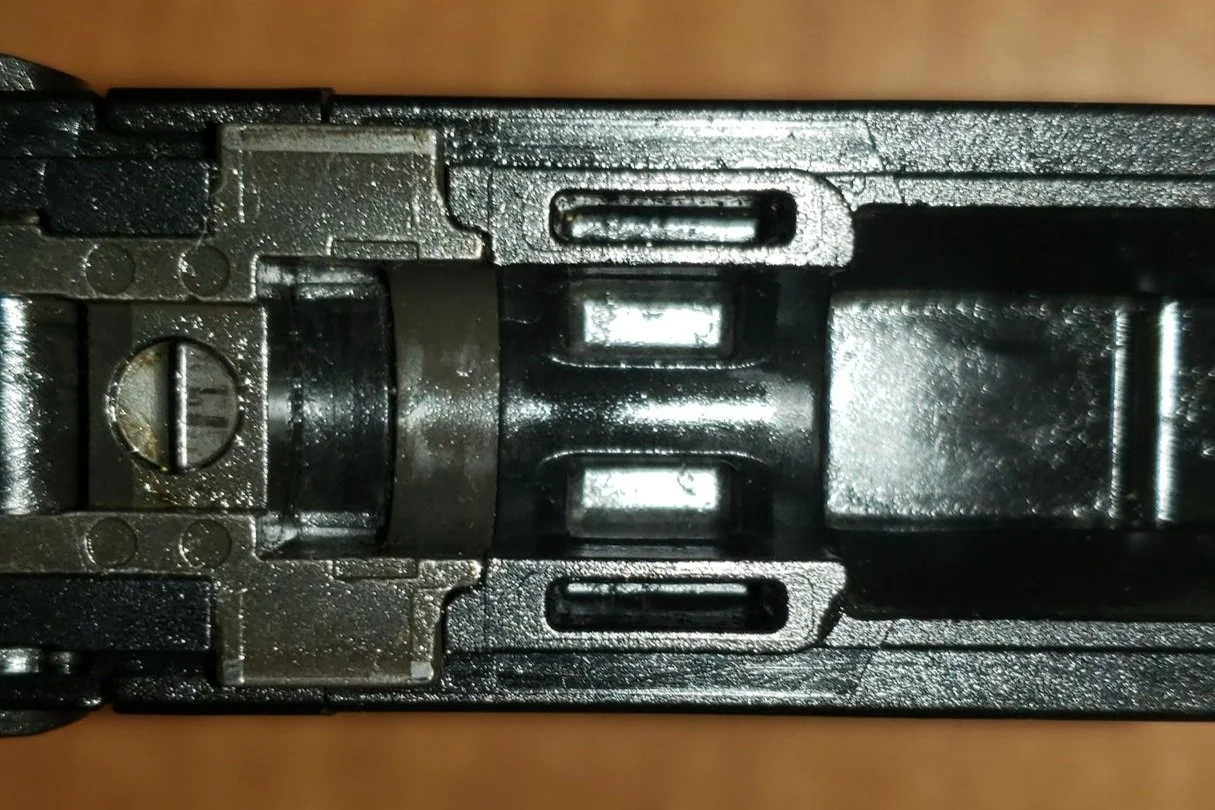
There is no free lunch in physics. My analysis of the pistol frame revealed that the front of the frame is designed to ease the shock felt by the shooter when the slide smacks the frame. This leads me to worry about the spring service life, considering I am running only NATO ammo in this pistol. My wife has a habit of naming cars and guns. She named this one "Pop" because of the shock she feels from the recoil, if that tells you anything.
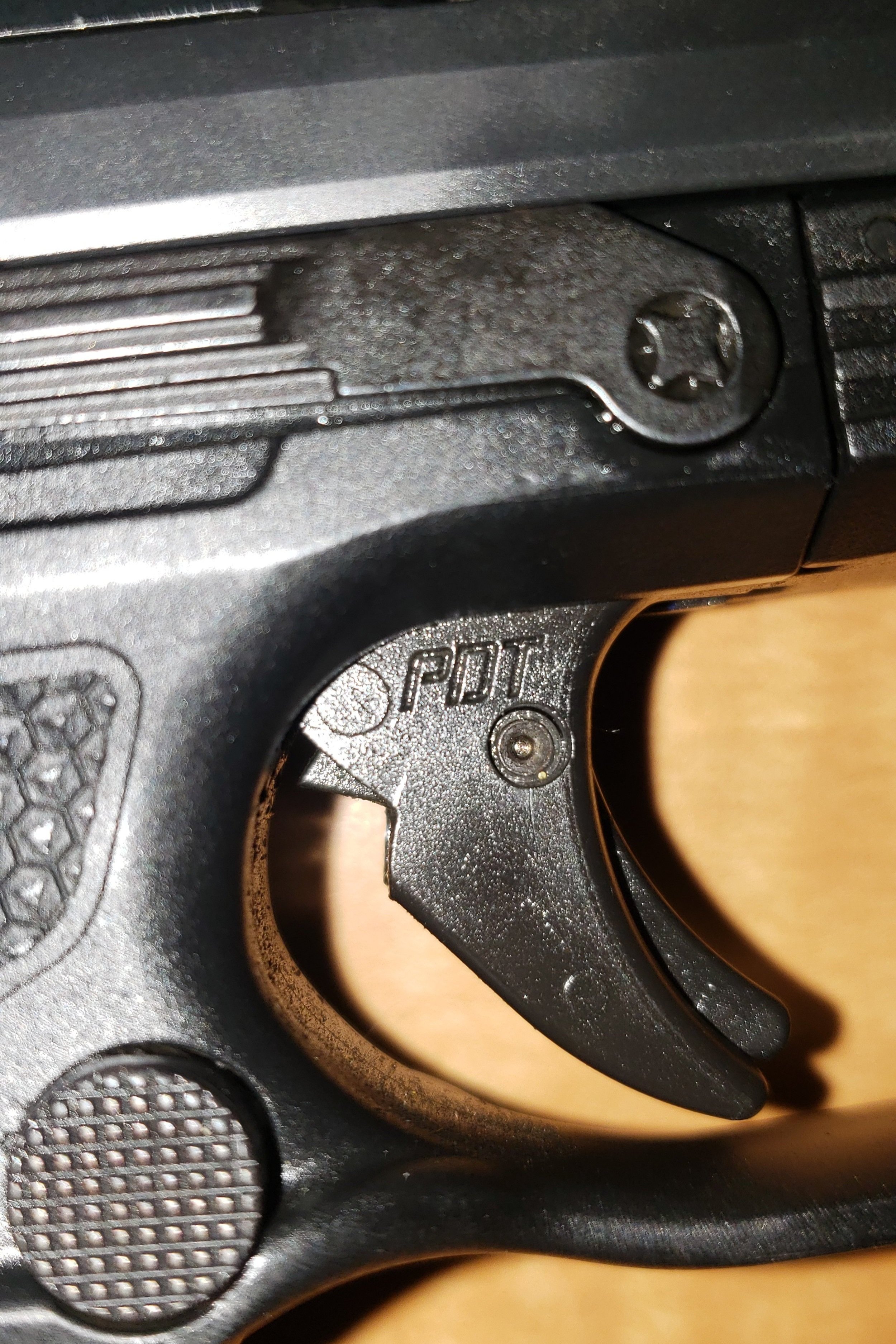
The Walther PDP F-series features the same PDT (Performance Duty Trigger) on all the other PDP pistols. I personally find it a bit tacky that the trigger is branded with "PDT" as if it is a switch label. The trigger is similar to the one that the PPQ featured, but it is slightly altered. First off the trigger has a relatively noticeable wall compared to the PPQ. My particular pistol seems to have a pretty stiff wall. I have compared our F-series trigger to others and I seem to have drawn the most heavy-walled trigger of the bunch. There is a little take-up before the wall and the trigger has next to no creep before the break.
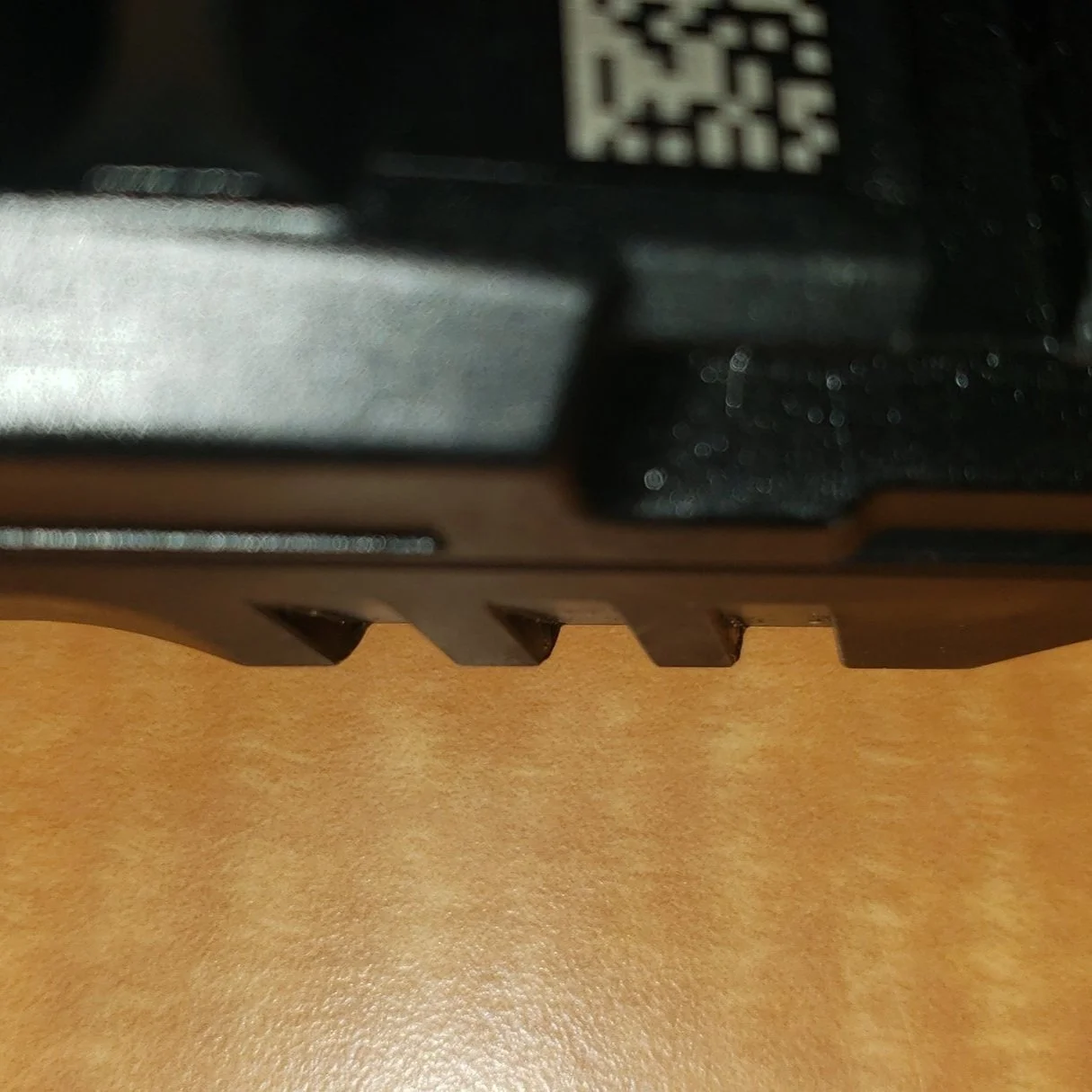
The slide features "super-terranean serrations" at the front and rear of the slide. These are nothing more than raised serrations that thicken the slide considerably, but give the user deep grooves they can use for manipulations. Since installing the red dot, my wife and I only use the red dot to charge the weapon and do manipulations, so they only serve as an aesthetic enhancer these days.
The biggest feature that makes this pistol the F-series is the "Female Ergonomics", which is just a flat grip that gives this pistol a shorter trigger reach they claim is tailored specifically for females. The F-series hosts the forward swoop that Walther calls this "RDS ergonomics". The idea is that this forces pinky pressure, resulting in a consistent grip that will force the dot to be visible instantly.
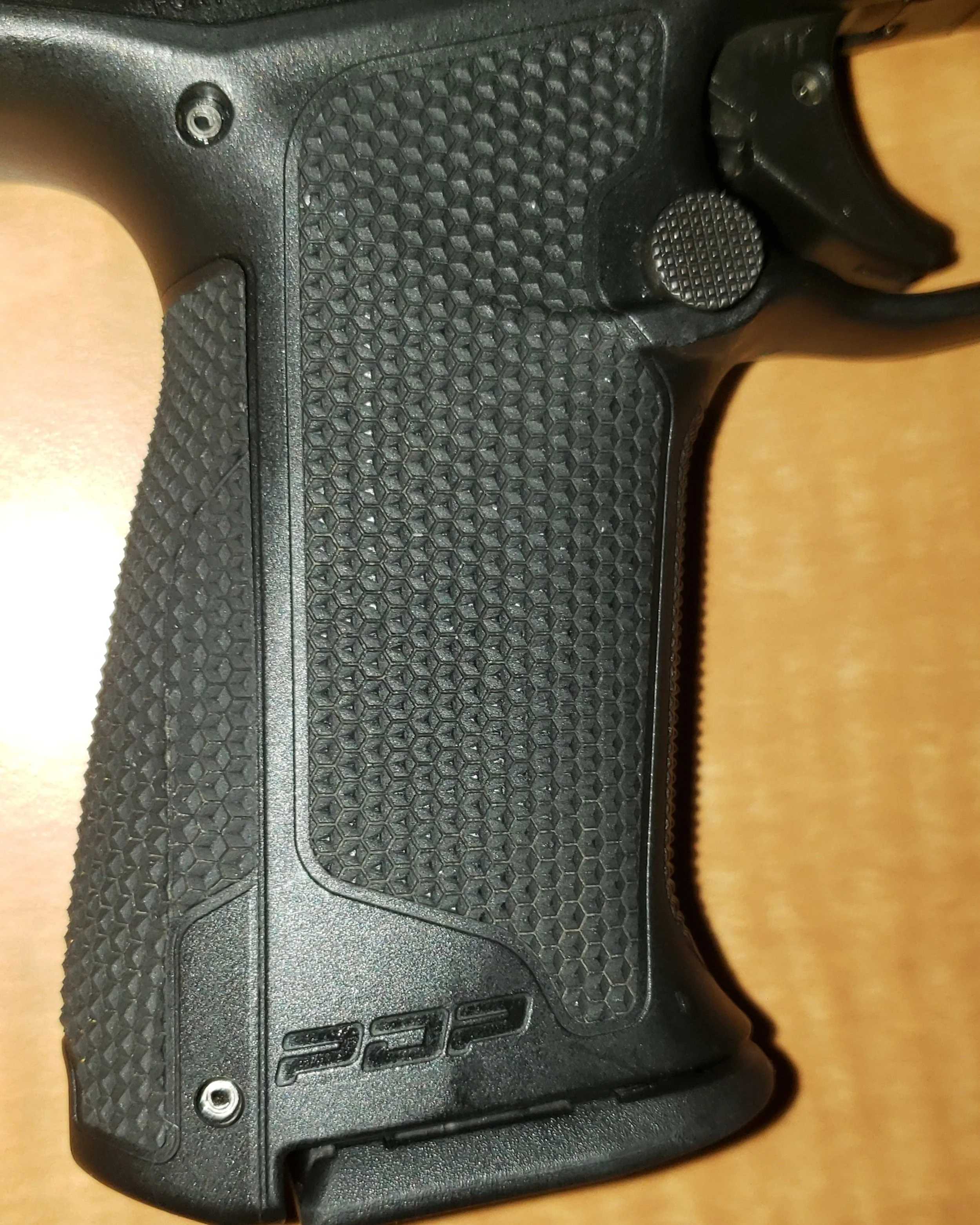
The grip is almost entirely covered in tiny, sharp, triangular pyramids, which give the grip that perfect texture. It is slick when not held tight, but grabs hard when gripped tight. The tighter the grip, the better the texturing works. I have found that the only way to find the dot is through a consistent and proper grip. If you draw with your eyes closed, do you open your eyes to see properly aligned sights? If not, your grip is the problem, not ergonomics.
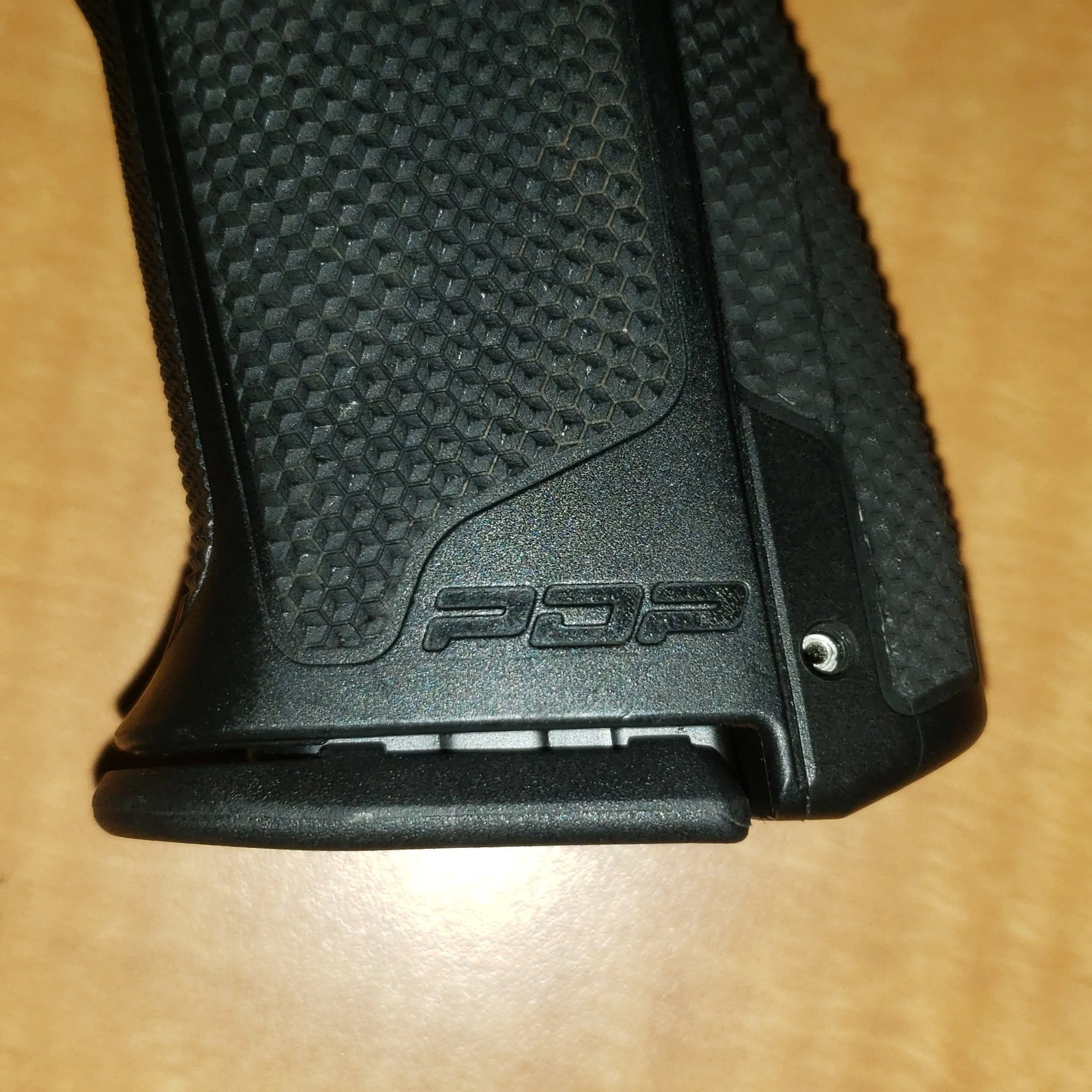
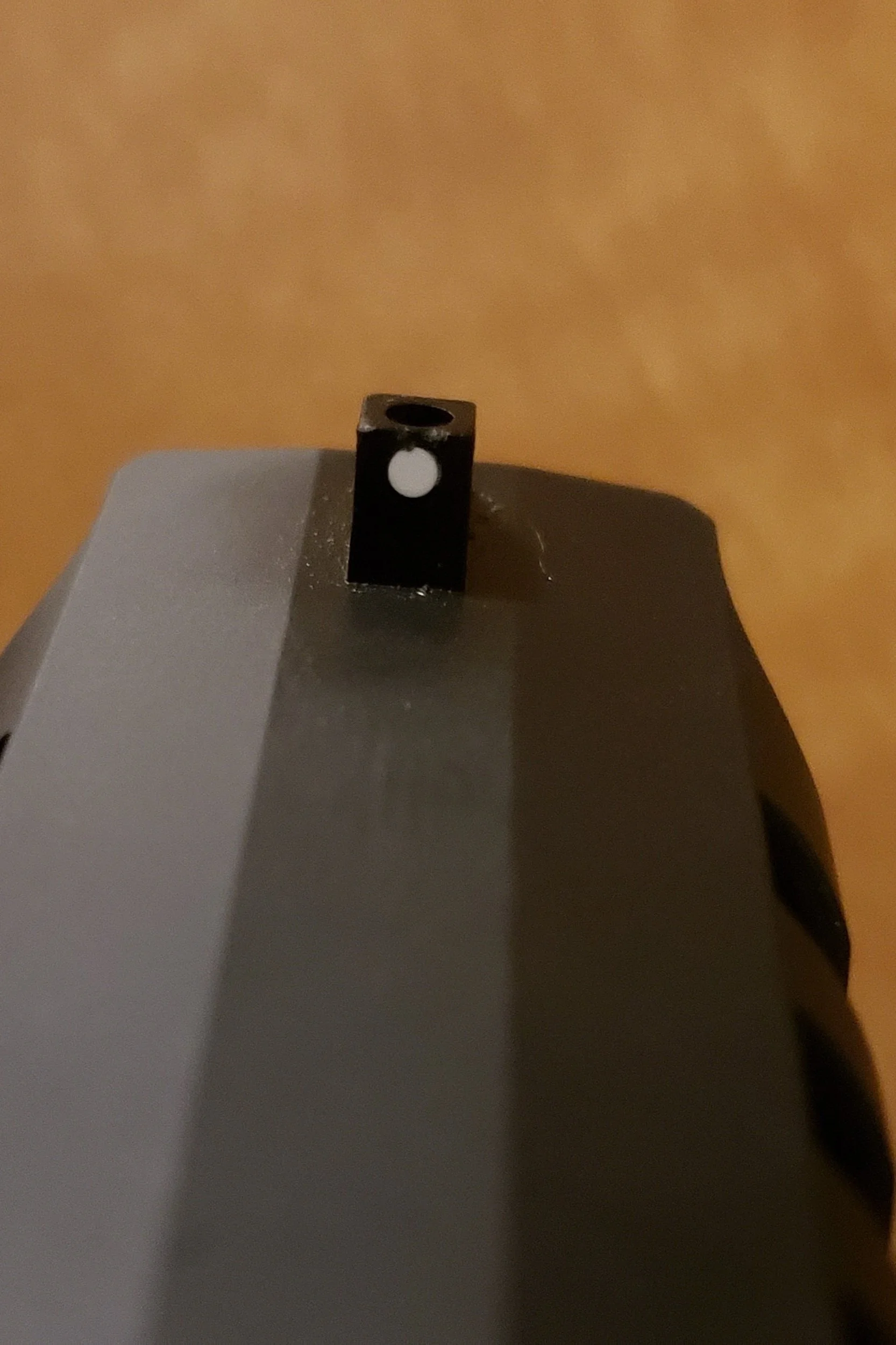
If you do not have a red dot to run, you can always run the adjustable iron sights the Walther PDP comes with. They are polymer and a bit flimsy like Glock stock sights, but they will work for aiming and hitting your target. I am not a fan of the sight picture the PDP has compared to the wide open combat-style sights of the PPQ/P99. One good tradeoff is the fact that the PDP sights are Glock compatible.
SHOOTING PERFORMANCE
During the time that we have owned the PDP and used it, we have not experienced a failure to cycle any ammunition. However, we have experienced a few instances where the striker did not have the force to ignite the friction primers the first time. After a cycle and restrike attempt, the PDP ignited the primers.
The recoil on the PDP has earned it the name "Pop" from my wife mostly because of the recoil she feels when shooting. The PDP F-series may feel like a bucking bronco, but the muzzle flip is nearly non-existent. I was able to achieve very fast follow up shots with little effort. My wife is very good with this pistol and tends to shoot faster with it, despite the felt recoil.
TAKEAWAYS
The Walther PDP F-series is a win for women out their if they can get over the felt recoil. It is very noticeable and belligerent. Personally, I am not a fan of all the tacky technical labels for the trigger, the grip, etc. I am not one who needs impressive marketing. I just want a product that performs and is reliable. I can find that in a lot of big and small gun companies today. The market is inundated with reliable 9mm pistols the size of the Glock 19 that can mount a red dot. Where this pistol sets itself apart is it's ease of use and it's forgiving shooting characteristics, despite the felt recoil.
If it seems that I am focused on the felt recoil portion so much, it is because that is the ONLY thing I have as a negative against this pistol, and it is not a very big or good negative, trust me. Despite the fact that the trigger seems to have a heavy wall, I do not feel it when I am shooting. The weapon has a light trigger, but it seems more tamed than the PPQ, or even the P99. Overall, it is a good pistol to check out for the ladies and the small-handed gents out there.