BERETTA APX: WAS IT ANY GOOD?
THE BERETTA LEGACY
Beretta has been used in the US military since the M9 began service in the 80s. It has dazzled us on the big screen for decades and has left a lasting impression on us through cult classics like Die Hard and Lethal Weapon. It was on scene during the North Hollywood shootout and served in Federal (Border Patrol) and State Law Enforcement holsters for years. Not to mention that they have 500 years of experience manufacturing firearms. Suffice it to say that Beretta has a reputation that it intends to uphold. The APX is just the continuation of this legacy.
XM17 MHS PROGRAM
By around 2008, the military decided it was ready for some new blood. With most companies switching to striker-fired pistols, Beretta was one of the only companies to stick stubbornly with the 92 and PX4 design. I am not trying to imply that double action pistols like the venerable 92/PX4 series are dead, but there was an undeniable shift towards the simpler striker-fired design in professional circles when the XM17 MHS Program began. Beretta did the natural thing and decided to show the military they were still worthy of the notoriety of being a US military supplier. After the M9A3 when flat out rejected, Beretta decided to build a pistol that would meet the demands of the contract. Thus the APX was born in 2016.
APX stands for Advanced Pistol X (As in unknown caliber). The APX was built to handle a variety of calibers from 357SIG, 40S&W, 9mm, and other possible calibers that the military was claiming to consider. Furthermore, the APX was designed to endure maintenance neglect, and combat in all climates and conditions. After thorough testing by various military and Police units, Beretta sent their final APX design into the MHS for testing. Though it performed well in testing, many are convinced that price played the largest and most pivotal role. I personally am not thoroughly educated on the MHS program, but I will refer you to other sources such as:
https://www.dote.osd.mil/Portals/97/pub/reports/FY2017/army/2017mhs.pdf?ver=2019-08-19-113850-680
CIVILIAN SALES
Beretta released the APX to the American market in 2017, during my first SHOT Show. It was noted as being Berettas first ever striker-fired pistol. I remember the APX being welcomed into the market with reluctance, like a child receiving the traditional set of clothes for Christmas (same thing, different wrapping. It was viewed as just being another striker-fired gun, but nothing special. The market was hungry for innovators, not more of the same class of reliable striker-fired pistols. The Sig 365 was a year away, and the biggest innovation at the time was Hudson Manufacturing with their H9 and Silencerco with their integrally suppressed pistol. I personally was only shooting double-action pistols at the time, and I did not give a lick about any striker-fired pistol.
Fast forward and you will see that Beretta was struggling to generate interest in their APX line from the beginning. The MSRP was aggressively dropped and there were huge advertising campaigns, without success. Beretta released other variations and got good feedback on the design and shooting characteristics, but nothing changed for general consumer interest. They were competing in a market that was infatuated with micro 9mm pistols and there was a slump in sales during the Trump presidency.
n 2020, ammo was hard to come by at an affordable rate, and I noticed that new gun owners stuck with pistols that had a large cult following behind their brand such as CZ, HK, and FN. Beretta had a large following, but they were attached specifically to the 92/PX4 series. All in all, the APX had to try the next logical step and attempt to upgrade to a new model to try and modernize and get new skin. Unfortunately, in 2022, the APX line evolved and became the APX A1 series. The original design is still around as surplus pistols from contract overruns and old new stock, though. Its nickname seems to be “Toblerone” based on the likeness it shares with the chocolate.
AT A GLANCE
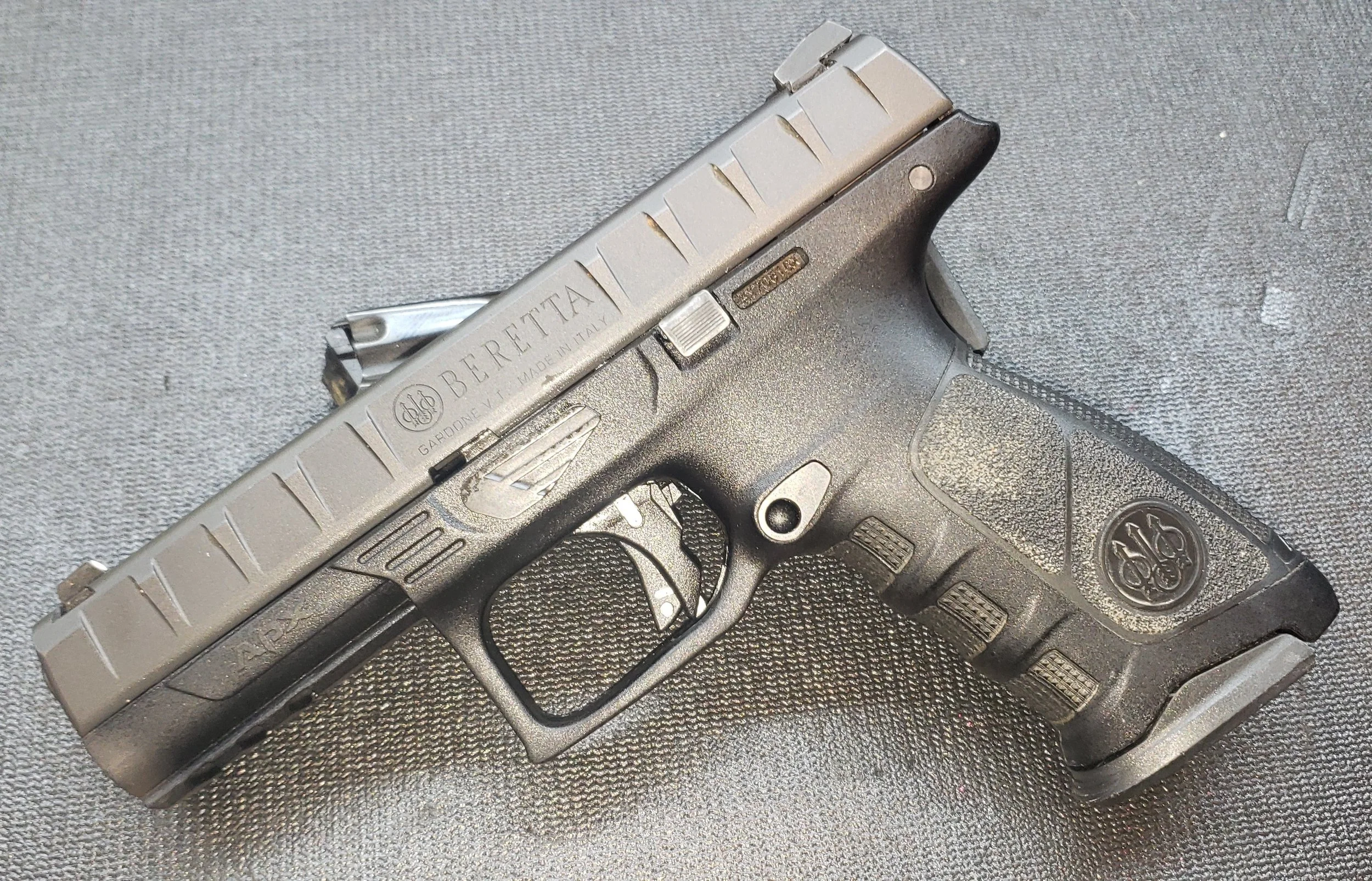
The Beretta APX appearance screams function first, which is what I would expect for a pistol trying to compete for a military and Law Enforcement contract. The Beretta APX is a unique-looking pistol, but the look of the slide with its full length of large serrations made it look like it was just trying too hard to be different.
Your eyes will pick up the swooped back front of the slide that presents the barrel like an artillery piece protruding from an 18th century fort. This makes the pistol look aggressive and slightly styled.
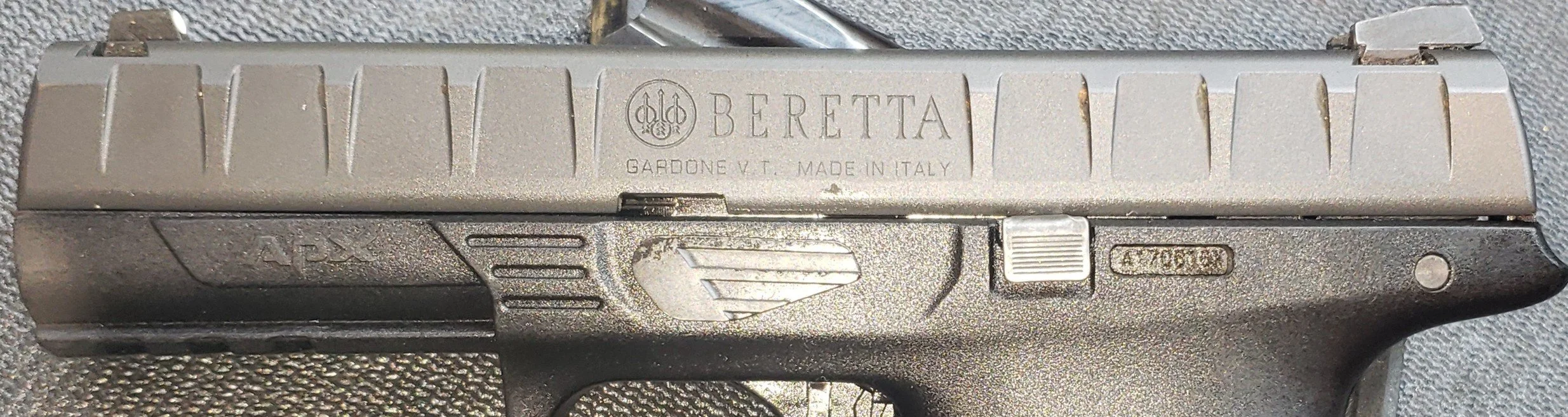
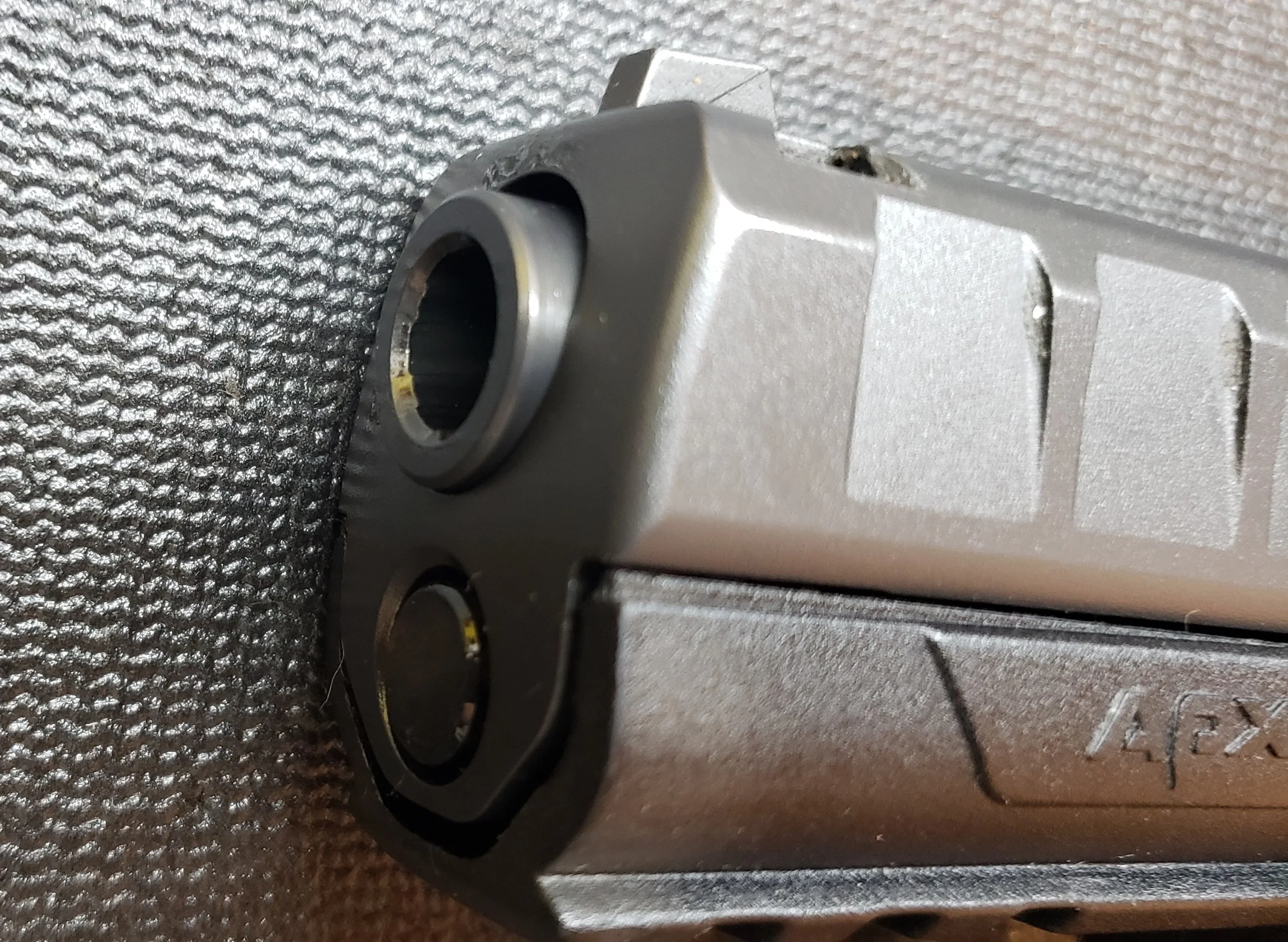
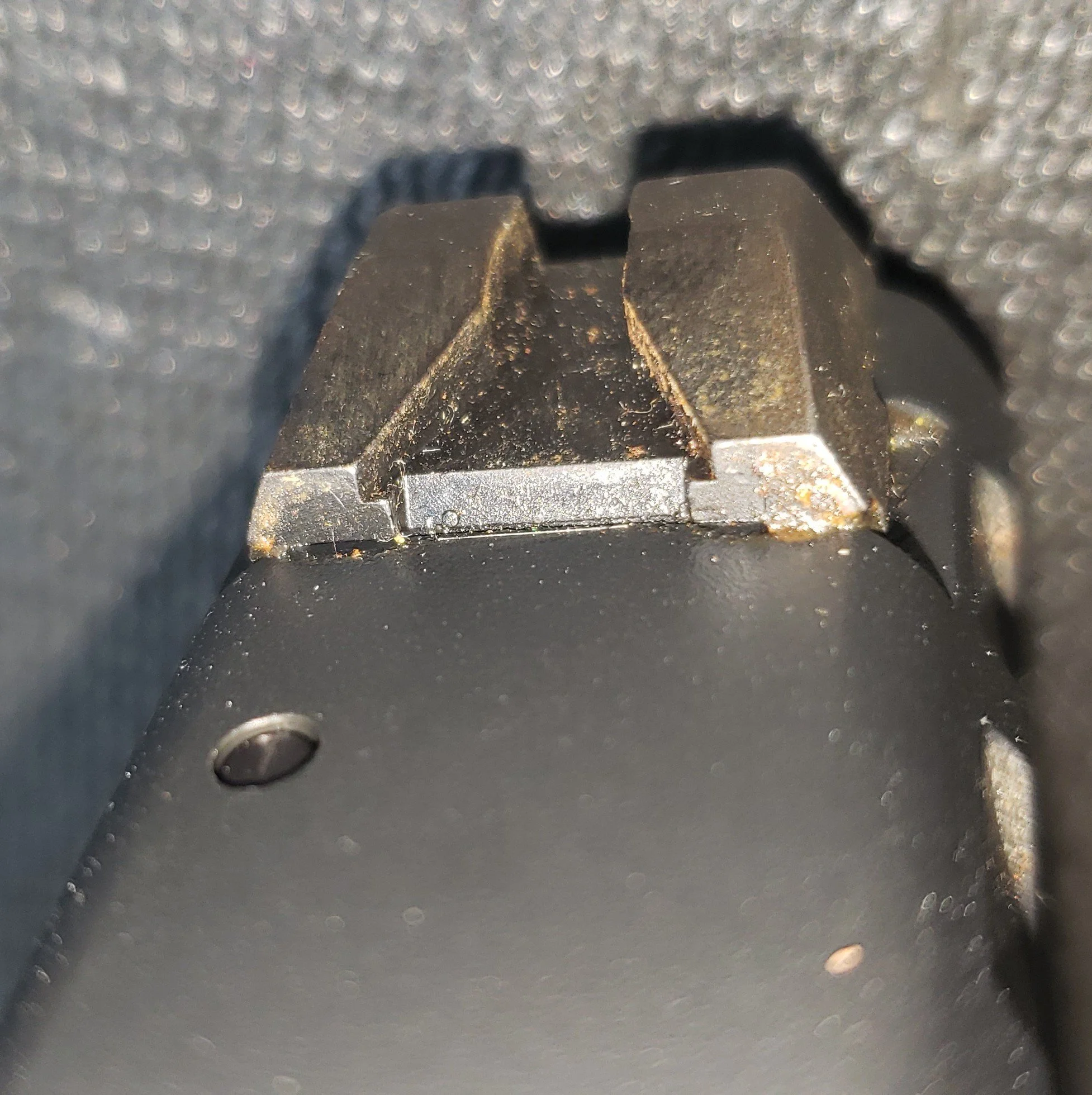
The beefy rear sight is obviously designed to provide a one-handed charging support surface. The rear sight stands tall and proudly, but flush with the rear of the slide, maximizing the sight radius of the pistol.
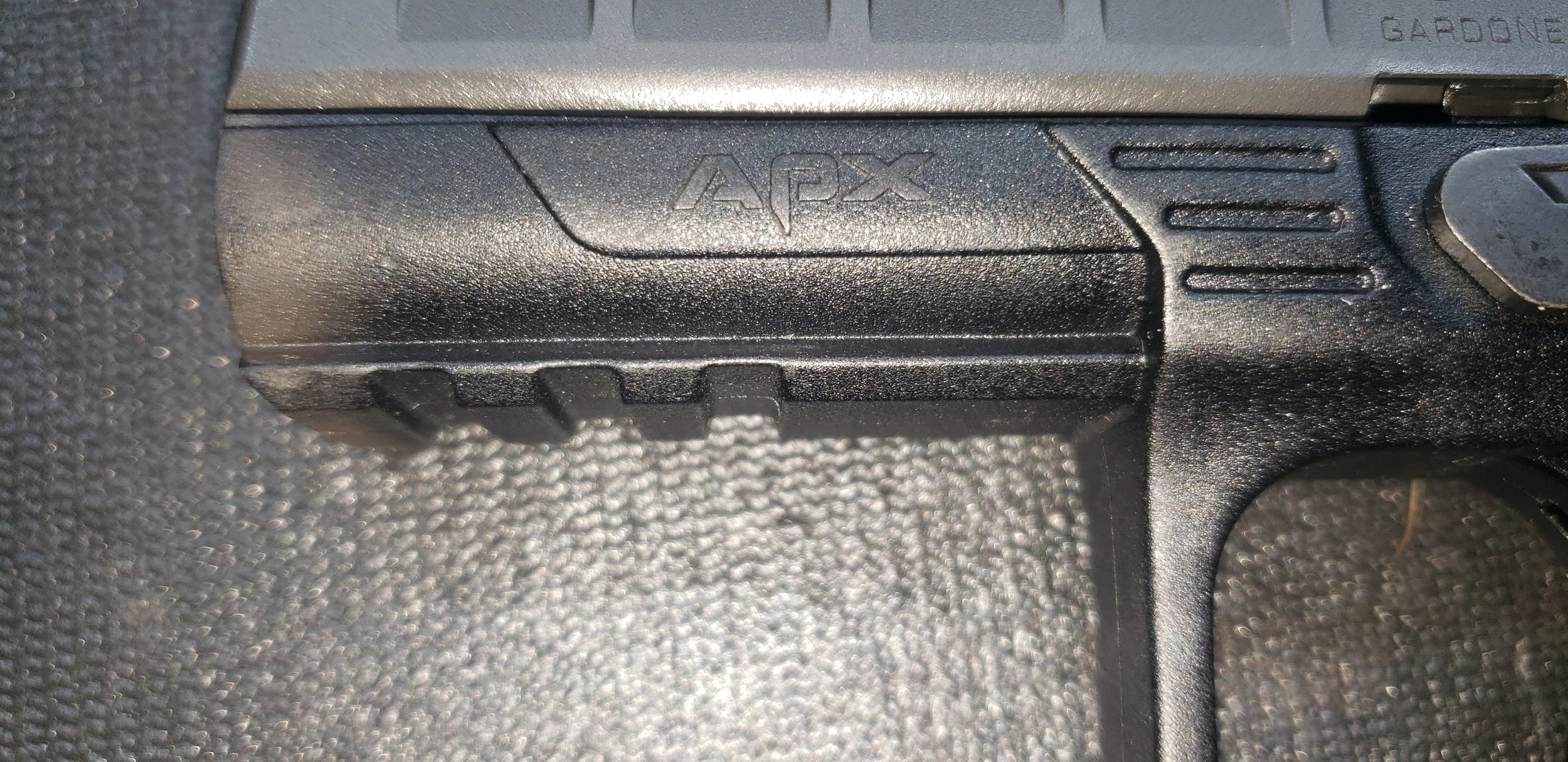
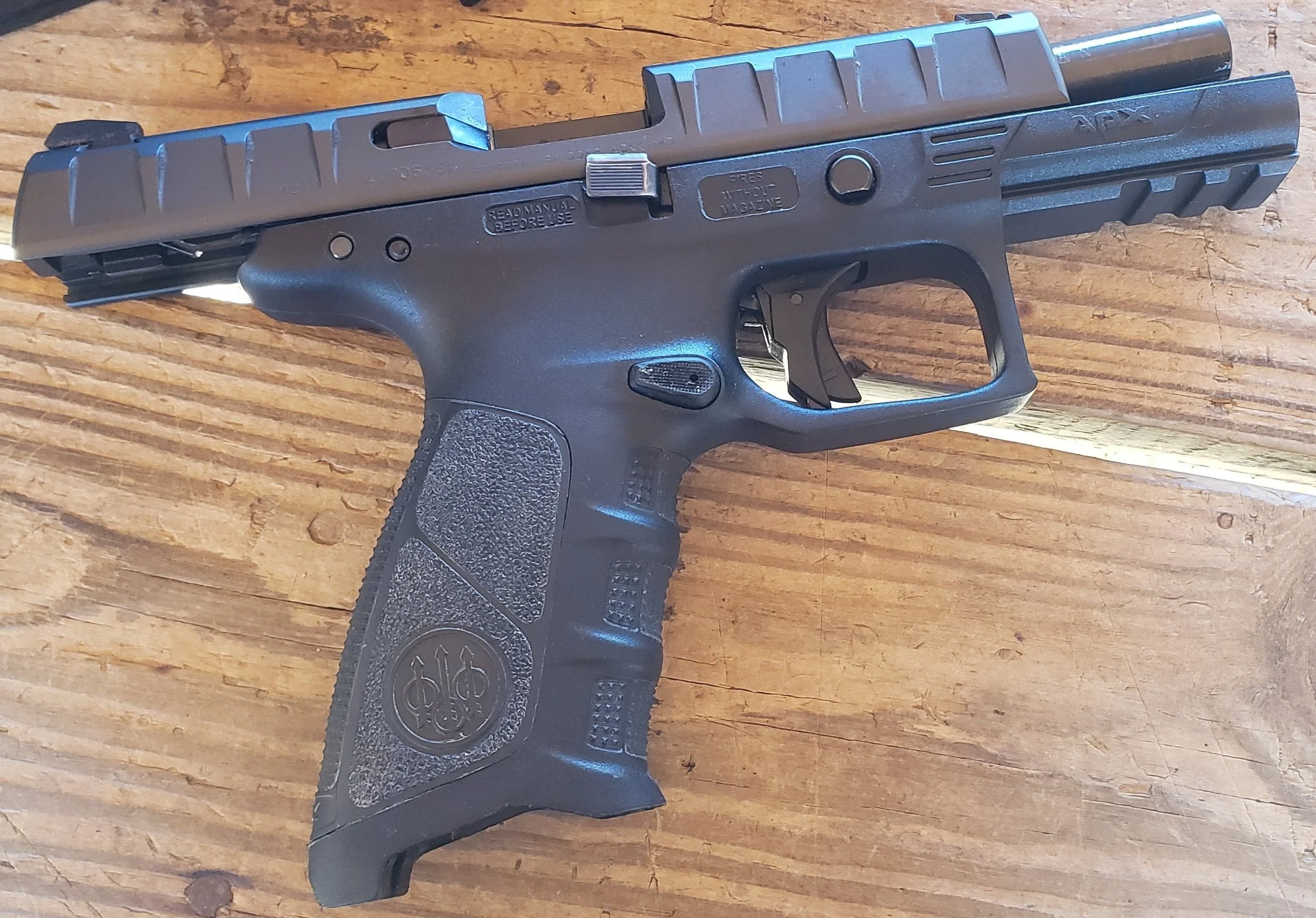
When your eyes leave the slide, you notice that the frame is a sleek and function-focused design. The frame stays tight under the slide at the front, so much that the 1913 rail is relatively non-functional due to how shallow it’s recesses are.
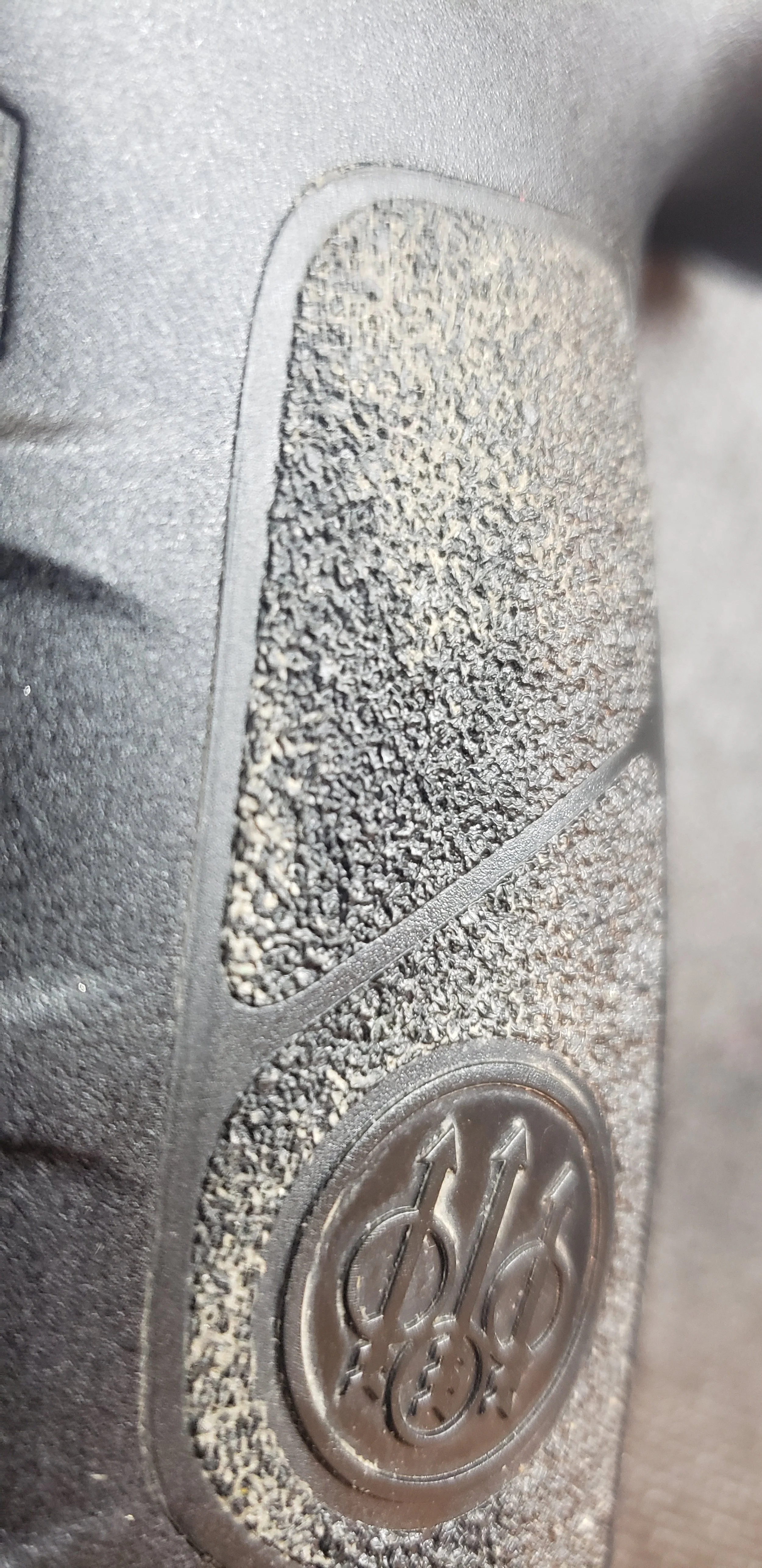
The grip features front and rear texturing in the form of square raised pyramids. The front part has 2 finger grooves, which is taboo in today’s pistol trends.
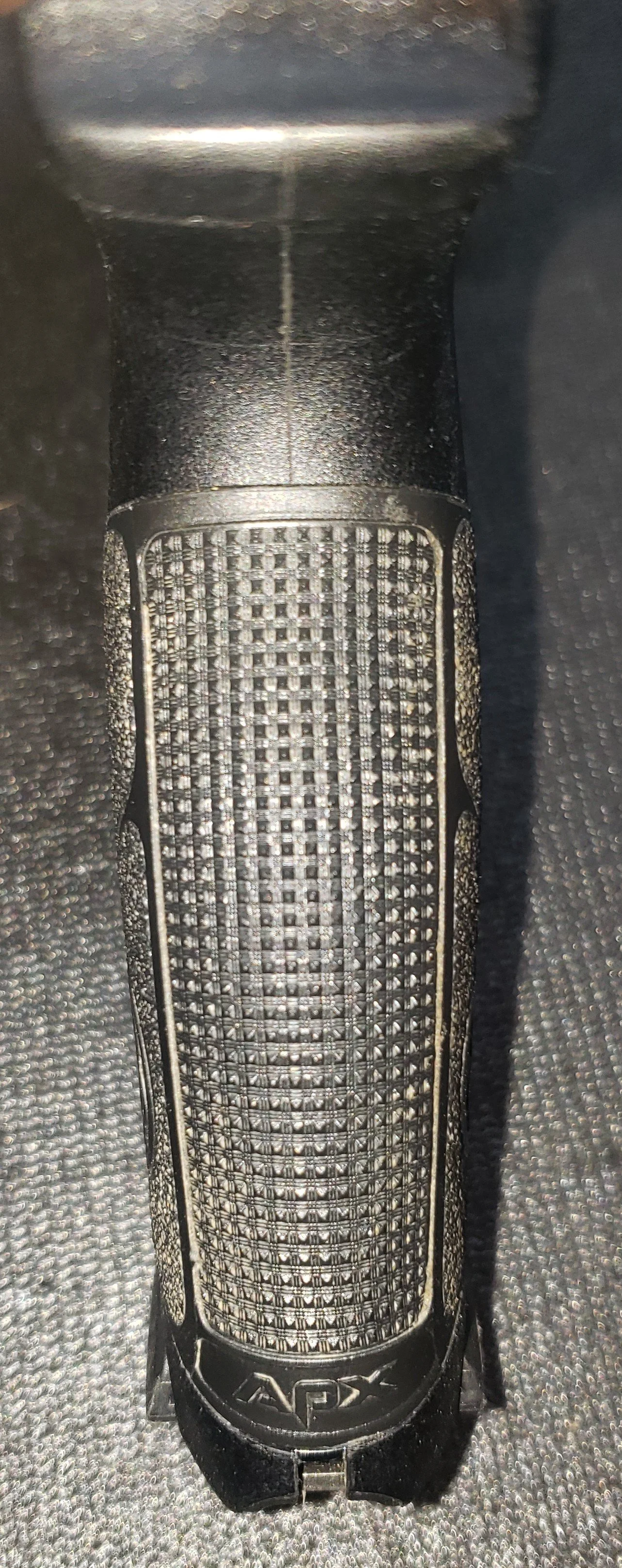
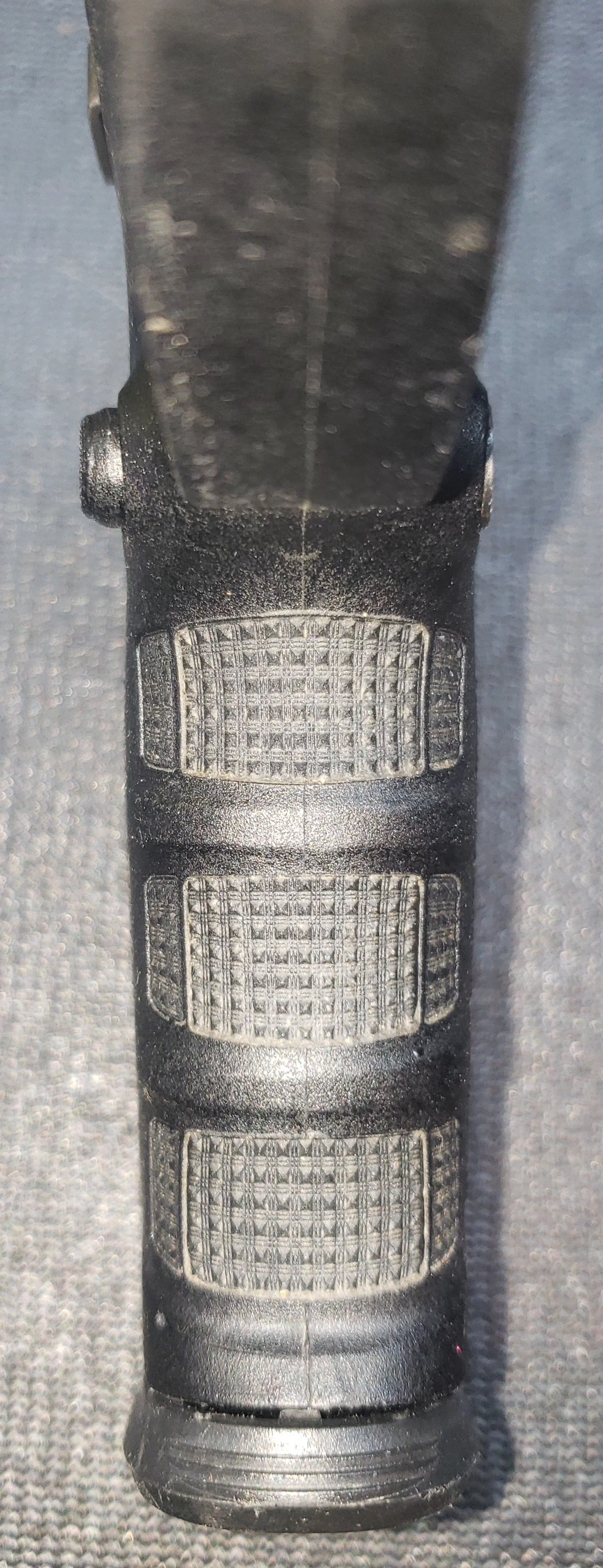
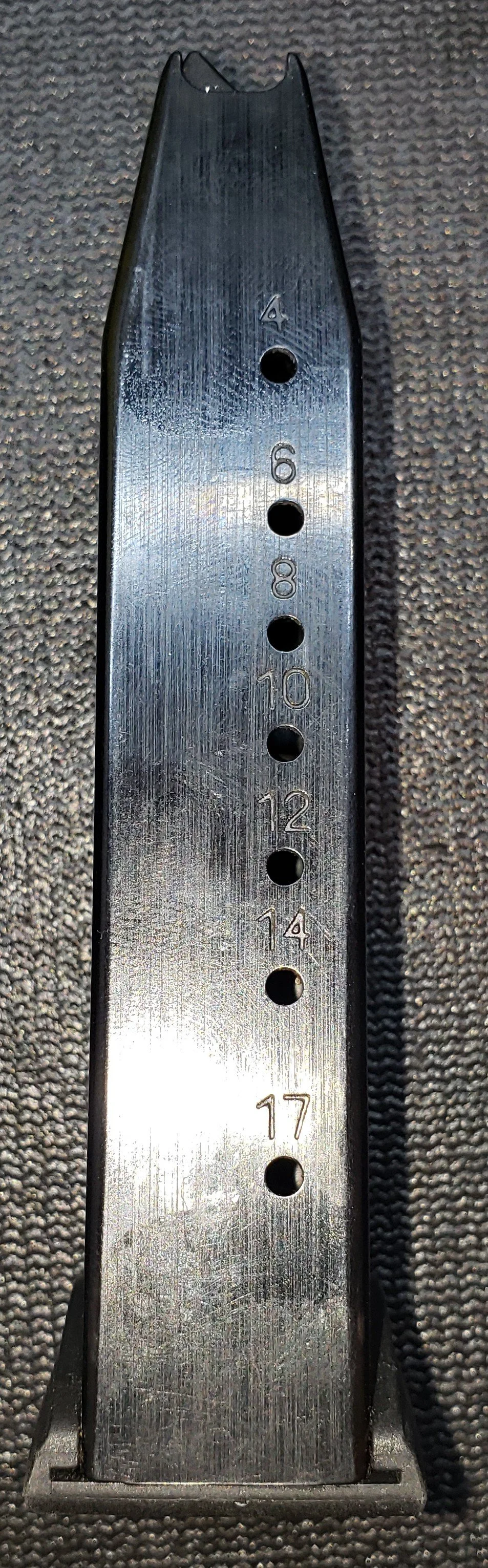
At the base of the grip, the magazine is locked into the grip with a male-female interlock, completing the grip height. The magazine protrudes outward slightly to give a subtle shelf in which to grasp and rip the mags out of the pistol.
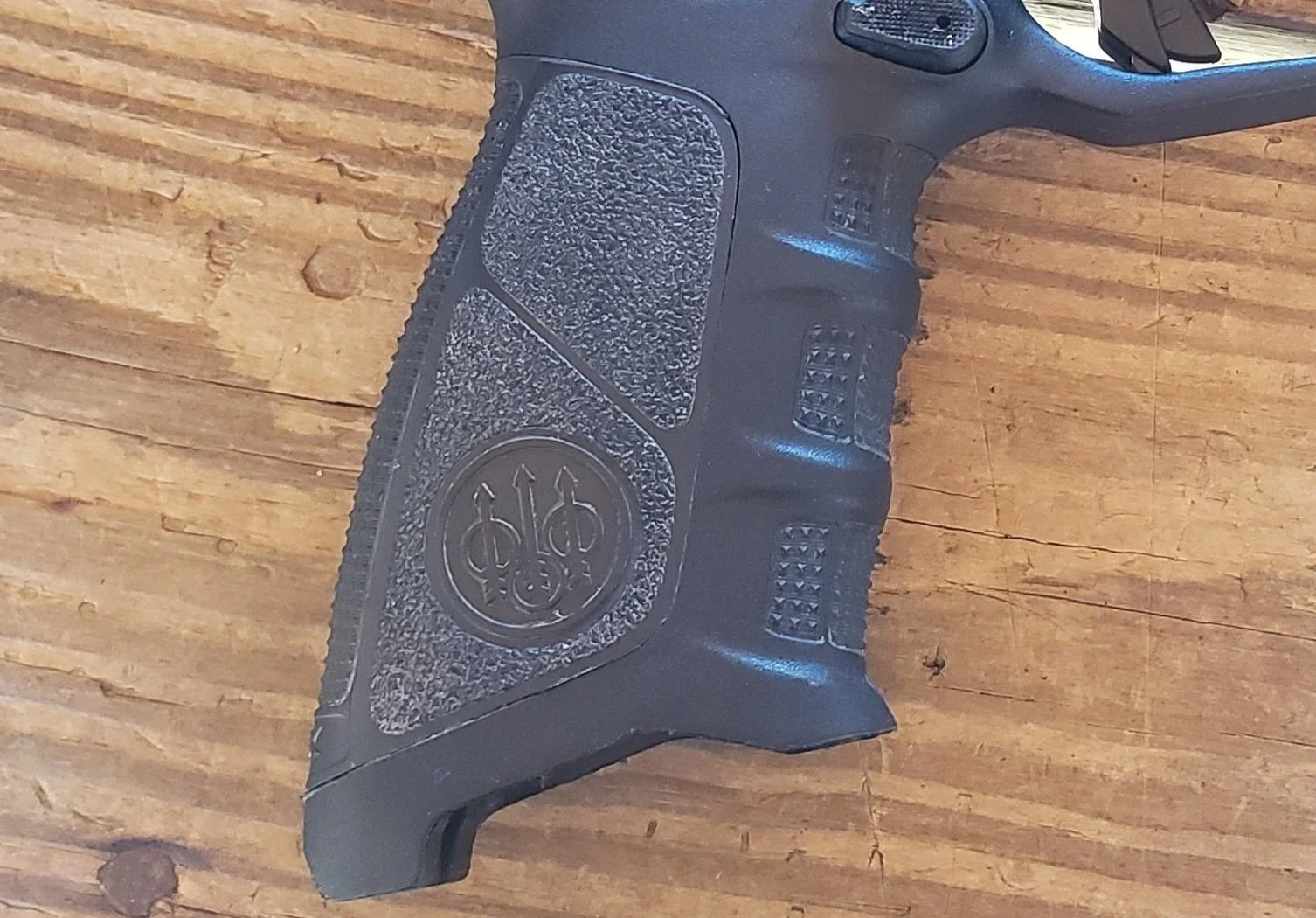
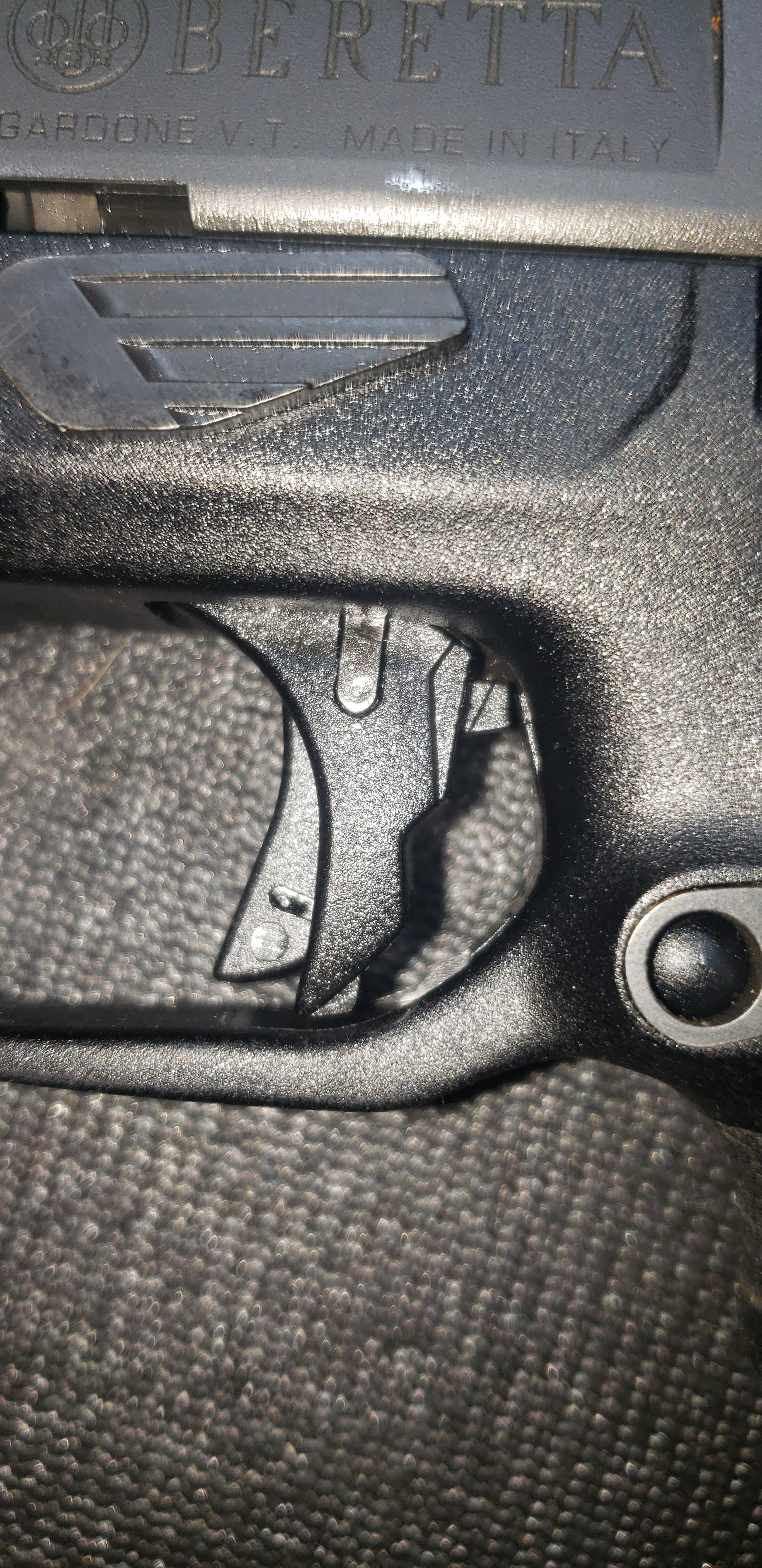
The grip frame is relatively featureless aside from the subtle controls, which draws your eye to the large square trigger guard housing an aggressive looking flat-faced trigger. Some may find the pistol to be unexciting while another person may find it to look badass and aggressively functional. After a bit of time and handling, I lean more toward the crowd that finds it to be aggressively functional.
CONTROLS & FEATURES
The slide serrations are the first thing that your eyes notice, and they are the first thing you will likely use as a control. They are not very sharp, but they protrude much more than conventional serrations and are spaced well to allow a finger between each serration, giving purchase equal to sharp and shallow serrations.

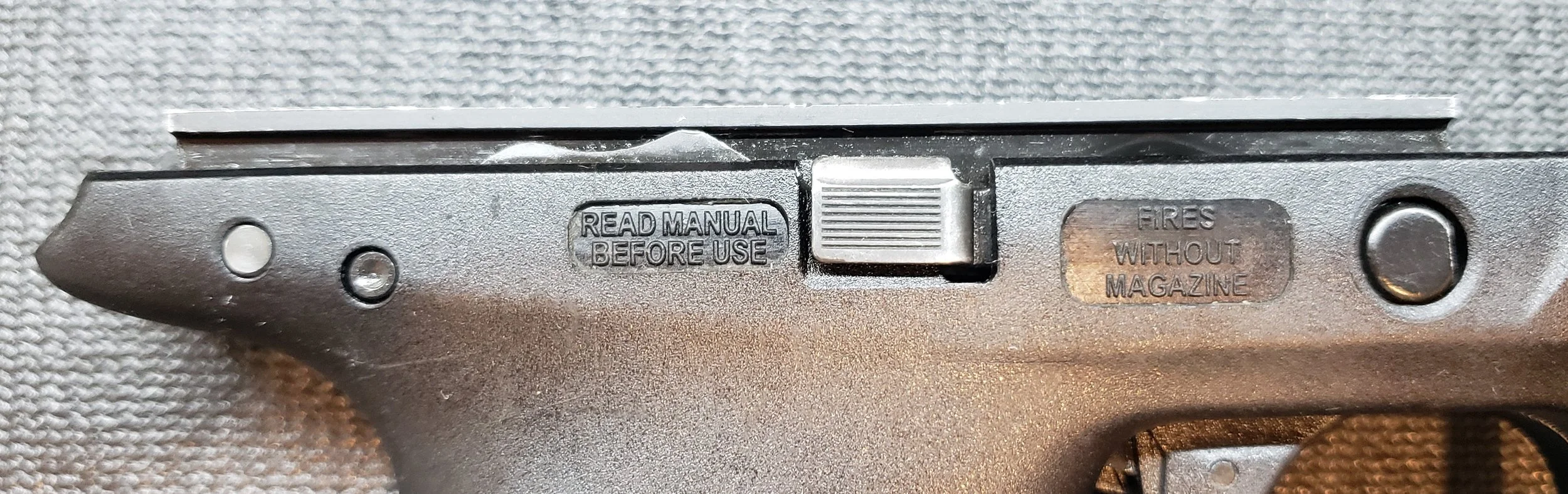
The slide stop/release levers are ambidextrous and truly work, thanks to the levers being one solid piece of steel secured in the chassis. Rest assured that if you are left or right-handed, the levers will work the same way regardless.
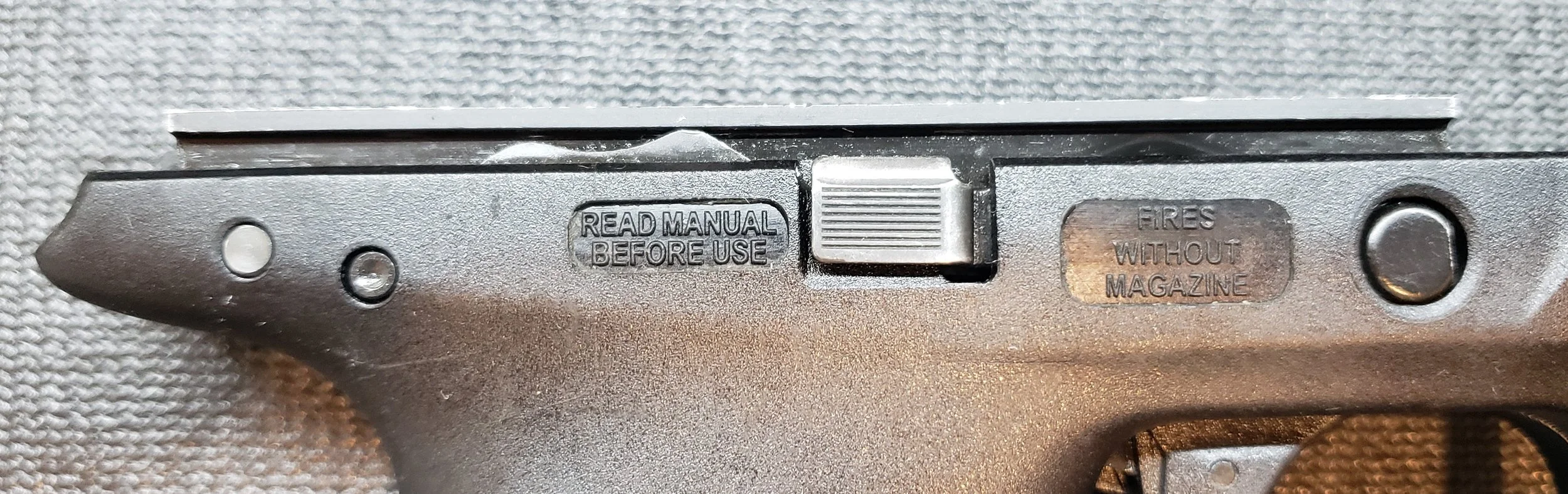
The magazine release button is not ambidextrous, but it is easily reversible and well textured. With a tiny Allen key and some elbow grease, you can drive out the retention pin and reverse the button in a matter of seconds.
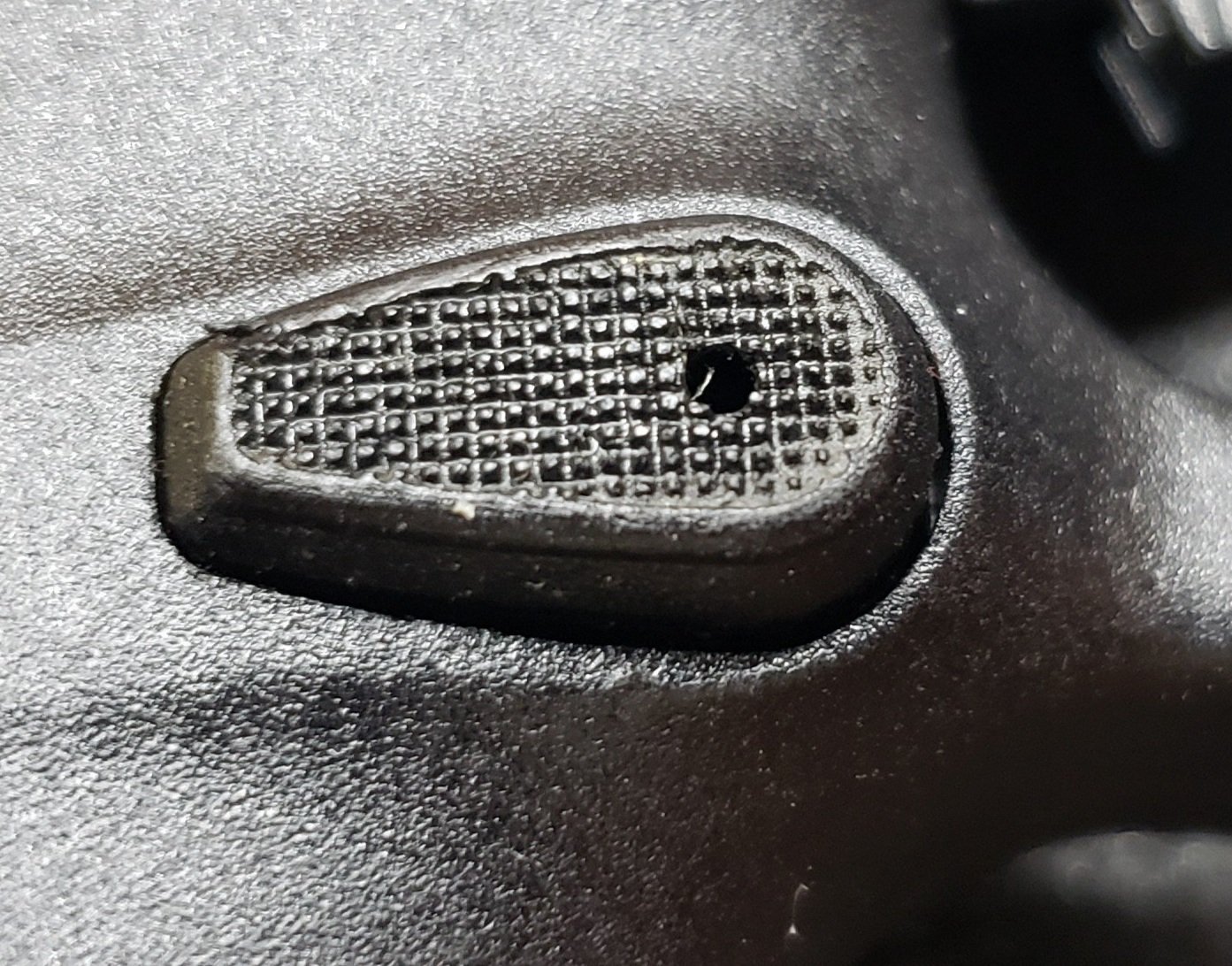
The takedown lever is an interesting bit of controversy for some people. When you first get the pistol, the takedown is extremely difficult if you have soft hands. The design is quite intriguing for me, though.
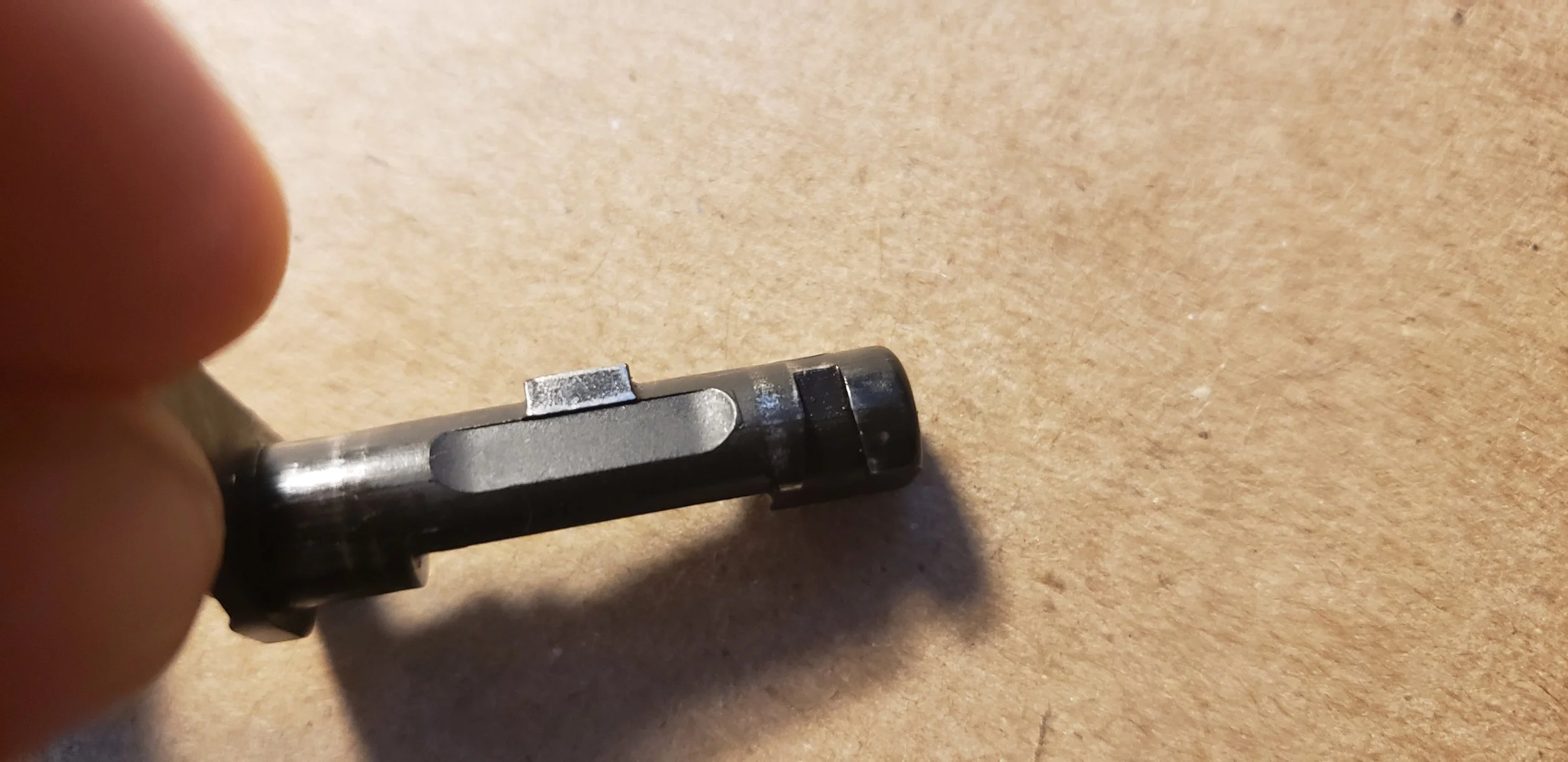
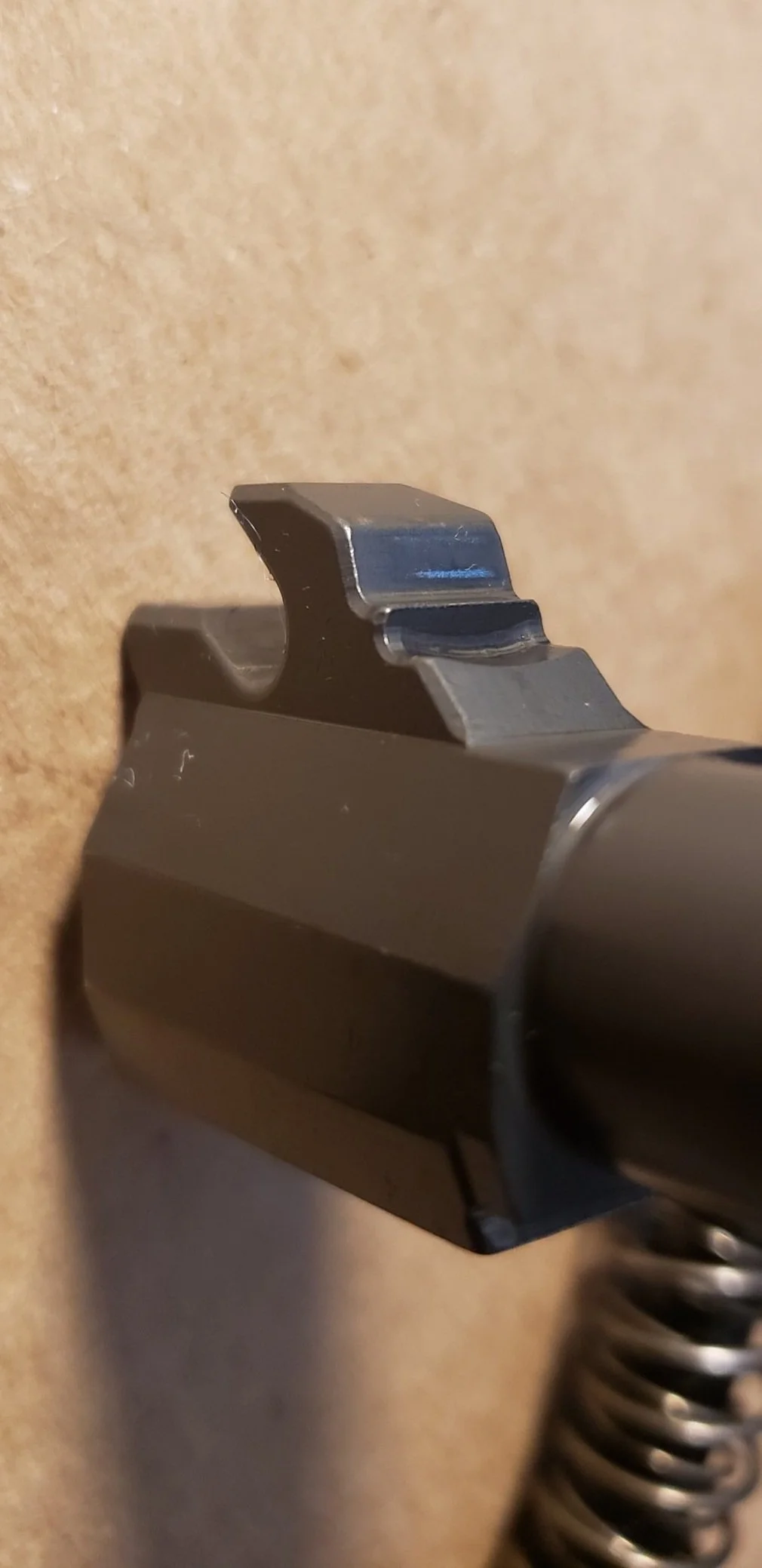
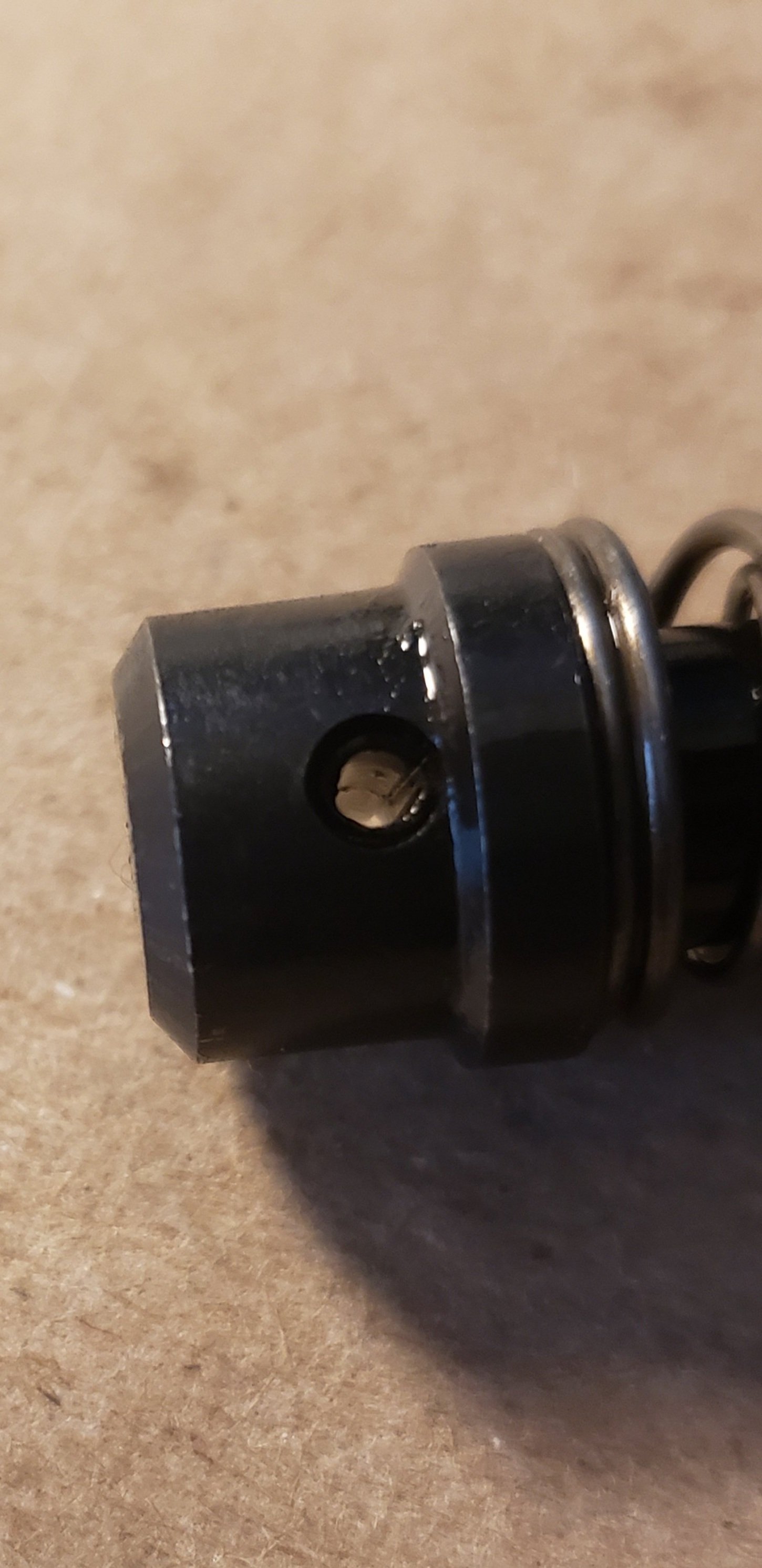
The takedown lever and recoil spring guide implements angles at different points. First there is a wide angle on the button side that forces the recoil spring forward when lateral pressure is applied on the button. Then there is a small relief cut allowing you to rotate the lever and force the recoil spring onto a smaller angled shelf (about a ¼ turn down) right before completing the rotation onto a rounded surface. If you dry-fire the pistol prior to this process, the slide will pop forward when you complete the rotation of the lever because there is nothing holding the barrel back anymore.
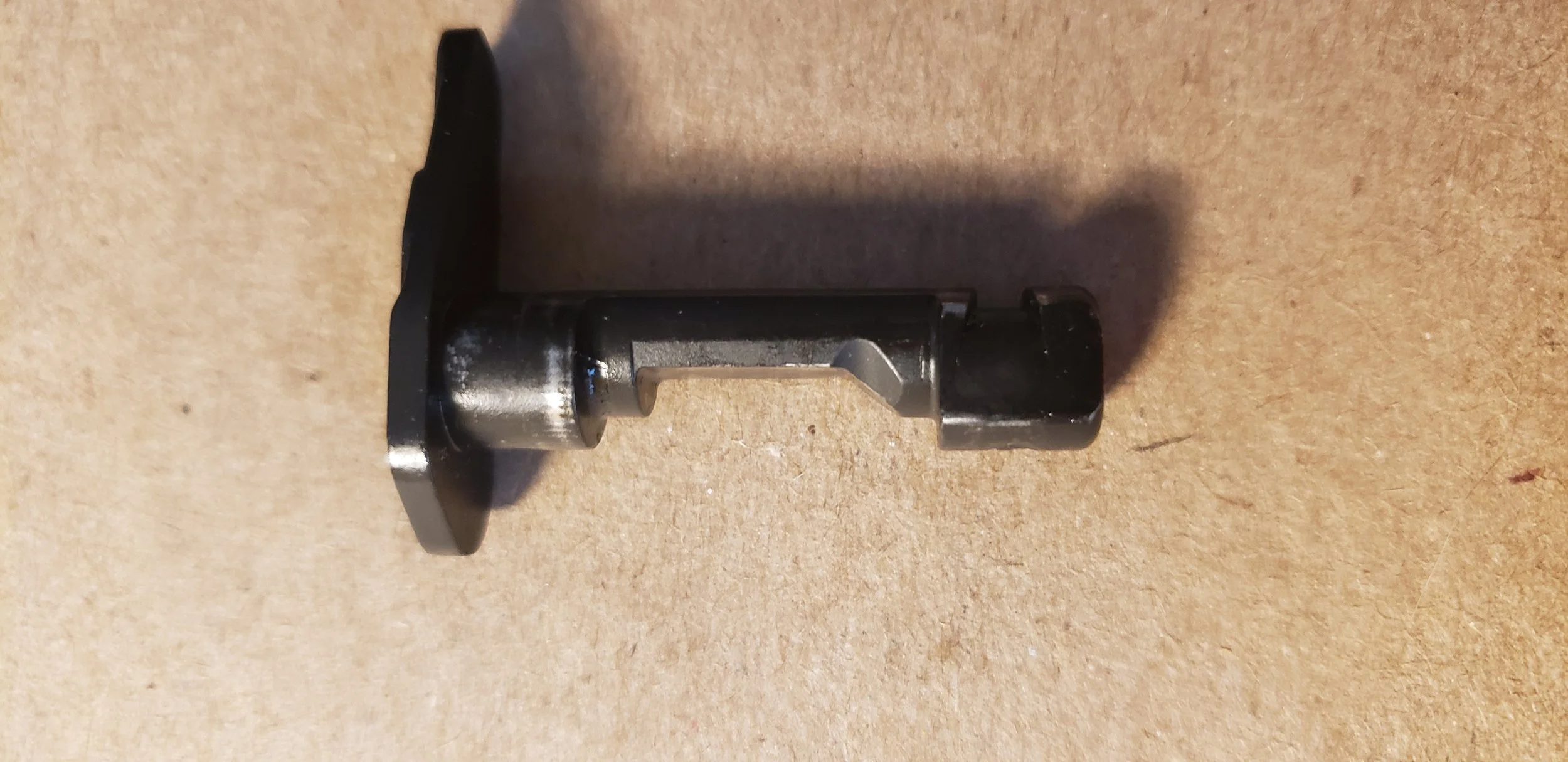
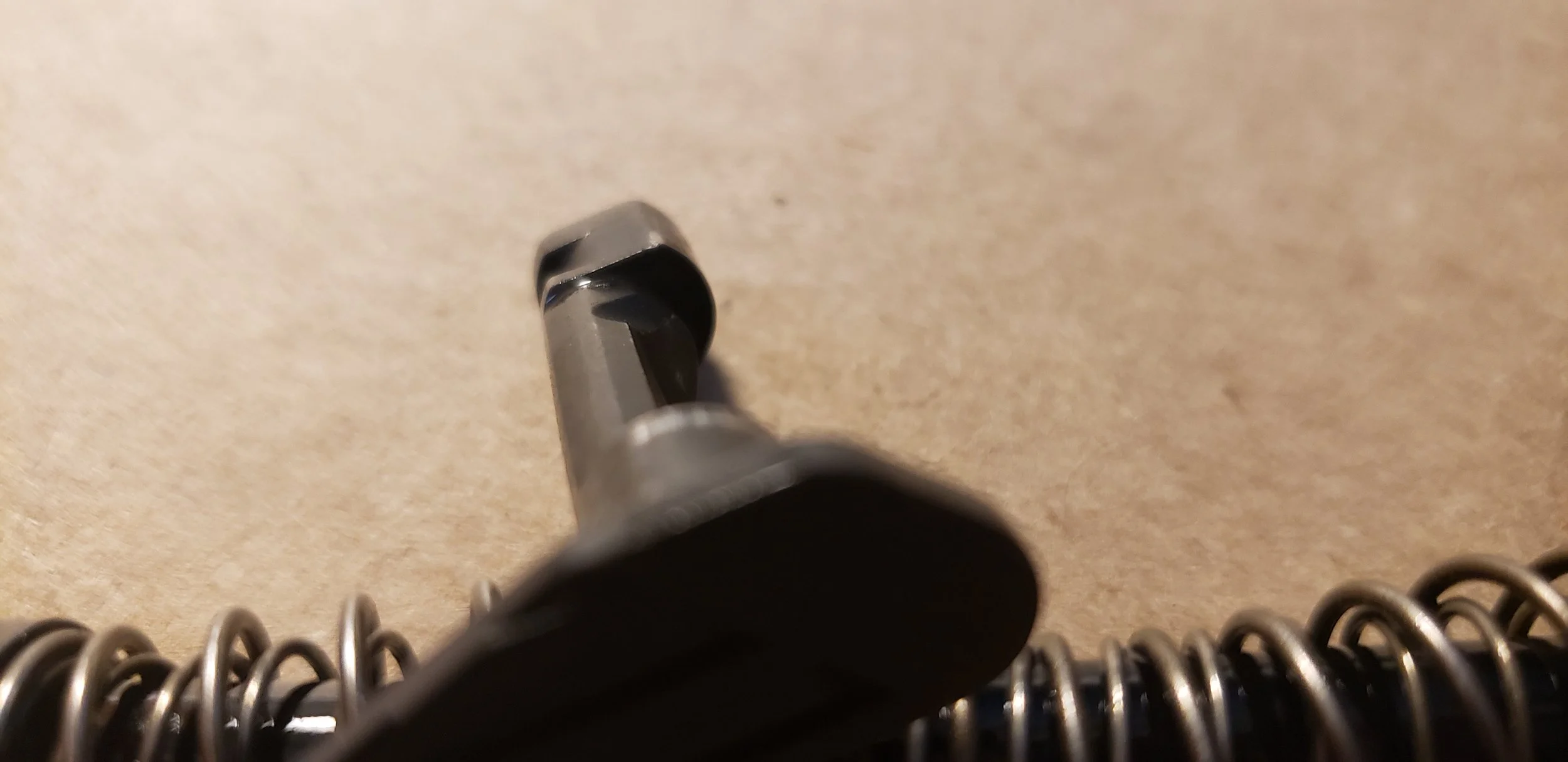
The trigger is a huge point of controversy because the user will either love or hate it. The striker head and sear are angled, meaning that the perceived trigger weight will be significantly less due to the surfaces merely sliding along one another. The trigger face itself is about 1.5X wider than the M&P trigger face, making it easier to get more leverage, again adding to a lower perceived trigger pull weight. There is no feeling of the trigger being flimsy or low quality. It does not seem to have a lot of slop before getting to the wall. When you pull through, you feel a slight creep before the striker is released, and there is very little overtravel.
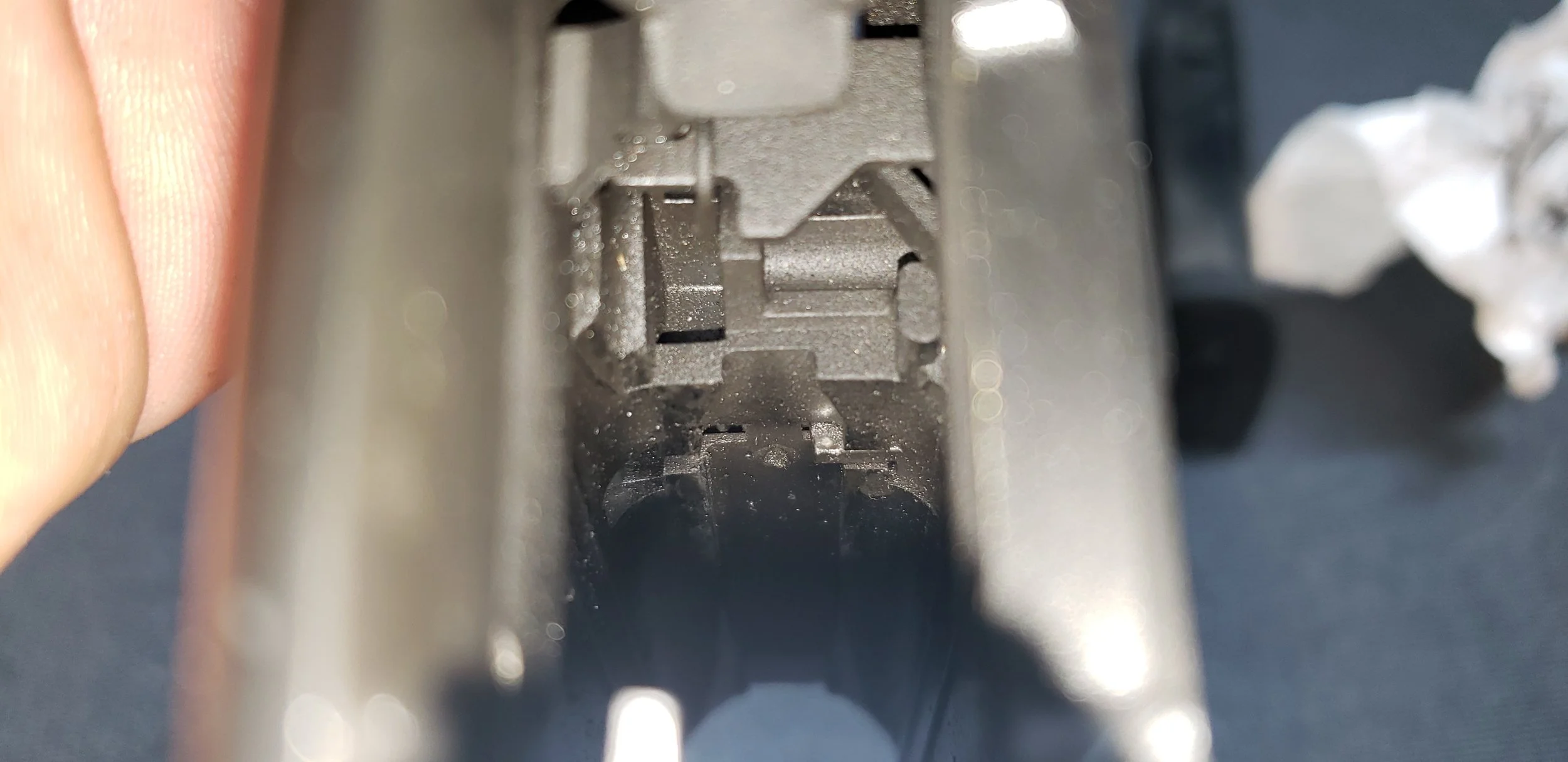
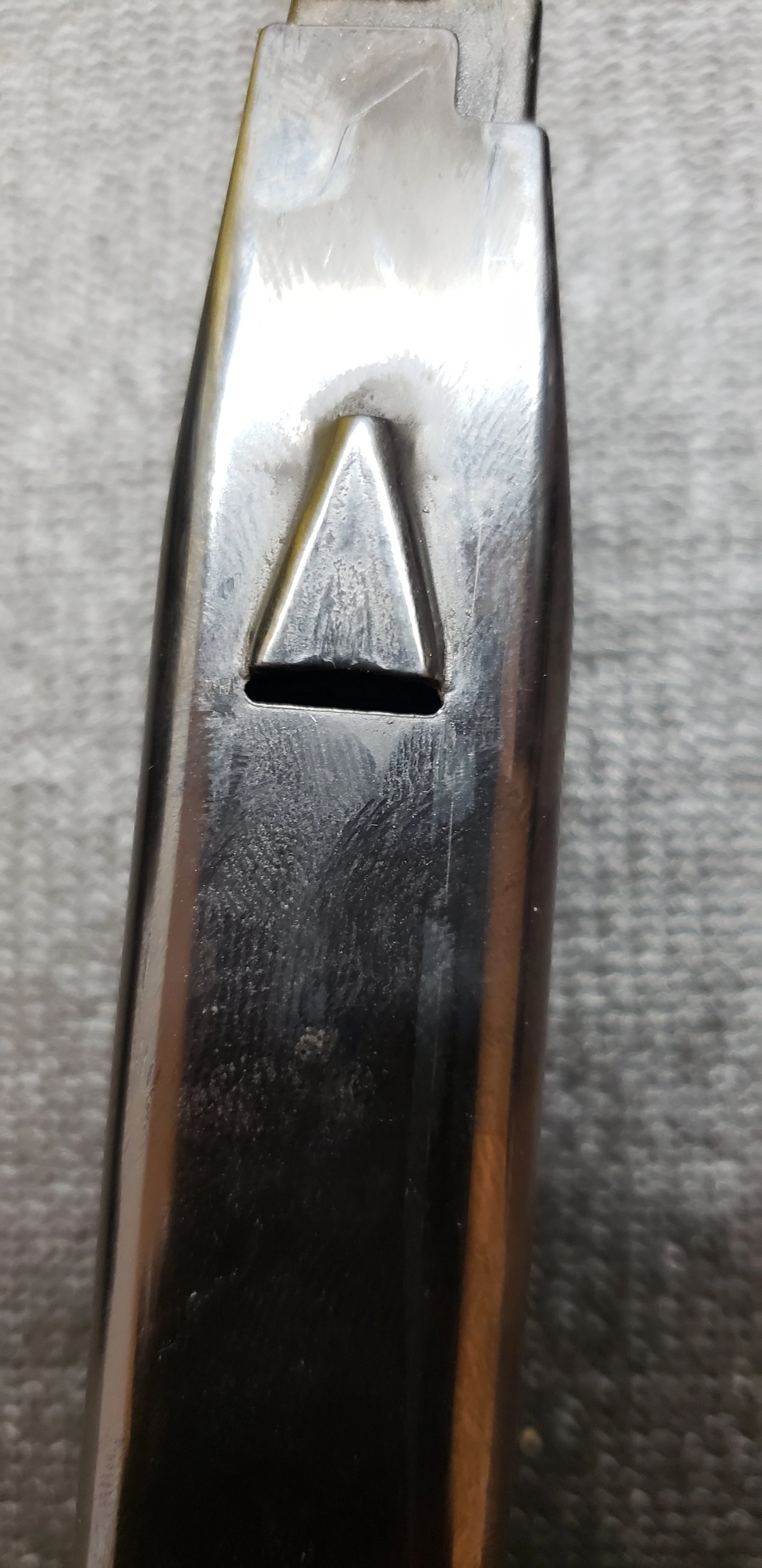
If you look closer at the magazine design, you will see that the triangle at the front feeds into the frame and runs into a slot that prevents over-insertion. That is pretty clever and yet simple.
SHOOTING EXPERIENCE
Shooting the Beretta APX is always a bit interesting. It is not controlling the recoil in a special way or anything like that. Your interaction with the gun is simple thanks to the textured controls, the customizable backstrap system, and the trigger being consistent and efficient in its operation. The grip offers just the right amount of texture and form, the controls are sticky and easy to get to and operate, and the gun runs like a clock. The engineers at Beretta designed the APX to be simple, efficient, rugged, cost effective to mass-manufacture, and easy to shoot by virtually anyone.
In my experience, the Beretta APX is one of those odd pistols that you can put in the hands of anyone and see a rapid improvement in performance. It has proven to me that it is exceptionally user-friendly and easy to operate, even by the daintiest of females or the largest of the boys. The front sight is easy to pick up, and with the help of a sharpie, I was able to black out the rear sights and leave just that big honking front sight as a visual reference, which does help with lowering the visual processing time when shooting follow-up shots. Overall, it is very nice to be behind the gun on the range due to how user-friendly it is.
HOLSTER SUPPORT
This is the part of the Beretta APX that had a compounding negative impact on the Beretta APX. Trying to find holsters for the pistol is difficult unless you get a custom holster made. You can find Safariland holsters for one, but you will need to move to something like the Blackhawk Omnivore for an OWB with any retention. Now that the standard APX is all but gone, holster companies just now seem to have APX holsters. But do not be fooled into thinking that the APX A1 will fit in the same holster. It is beefier and will not work.
POSSIBLE NANO & OUTSIDE DESIGN INFLUENCES
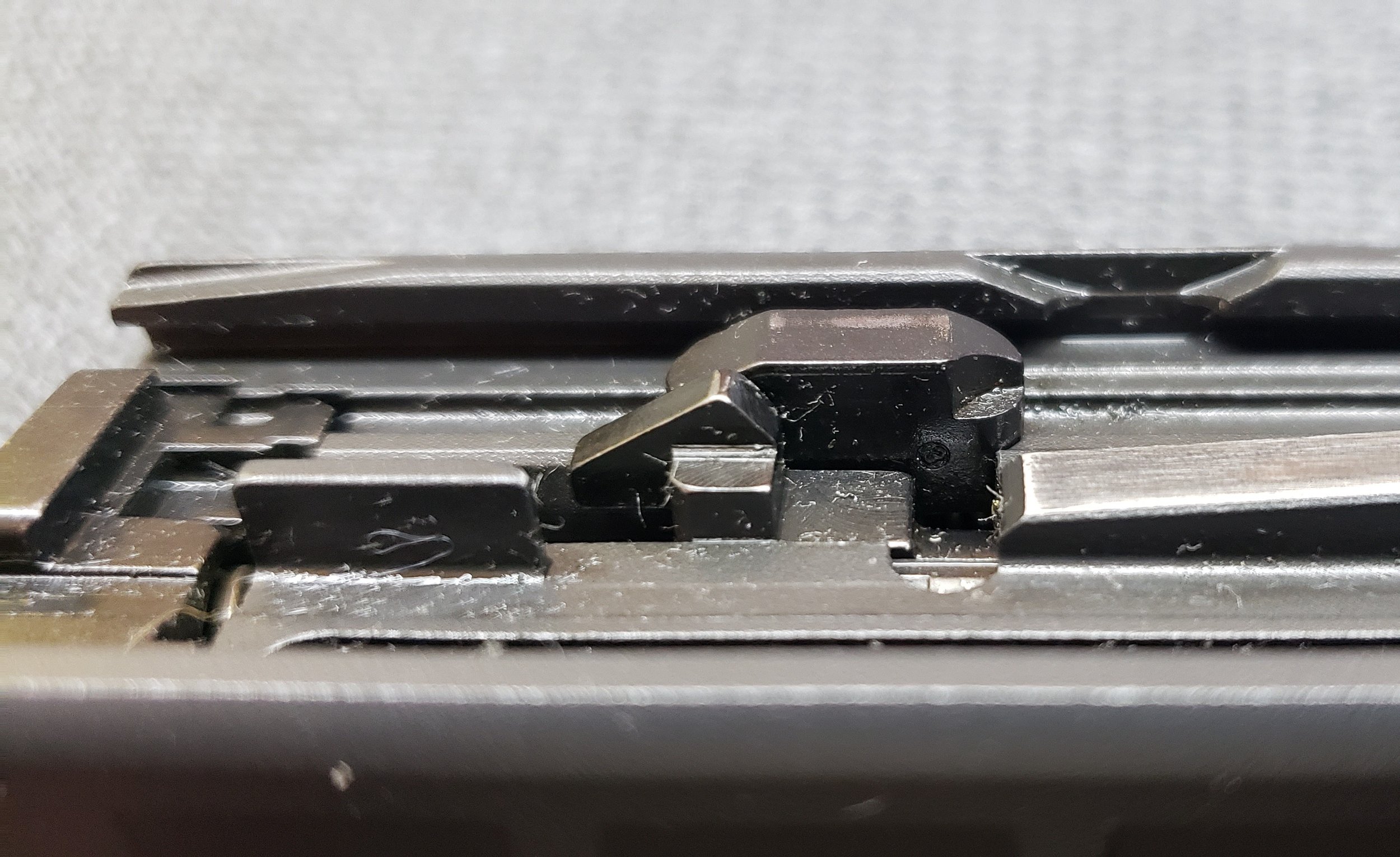
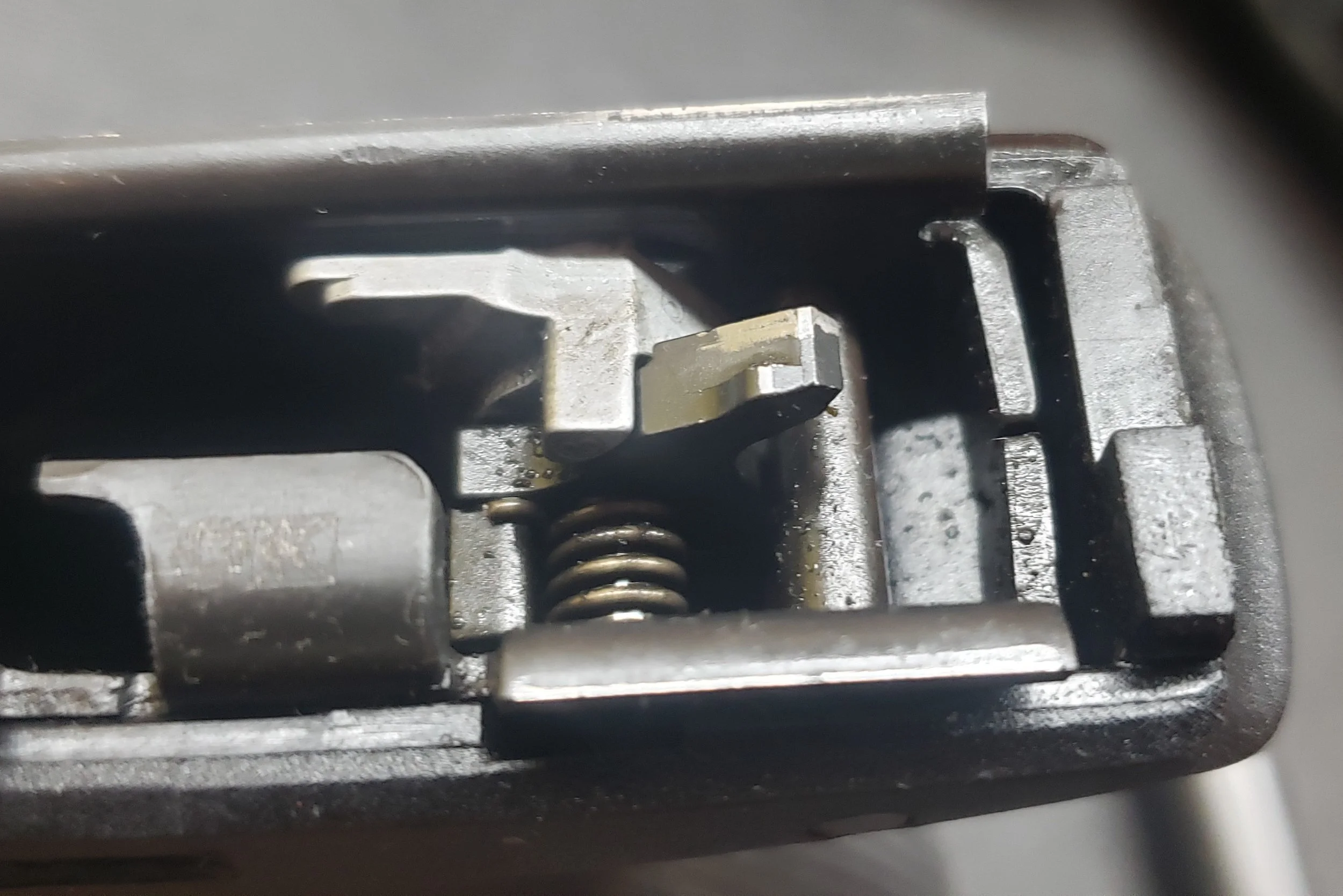
I saw a lot of familiar engineering in the APX that I noticed in the tiny little Nano. The chassis system is like the Nano in how it is secured into the frame, and it uses the exact same striker decocking pin for a safe takedown (the APX decock does not seem to work the same due to the heavy striker spring preventing the lateral movement necessary), but you have to relieve the slide slightly in order to get the pin to move. Also, the trigger and sear rotate back, and the striker & spring assembly are virtually identical to the Nano.
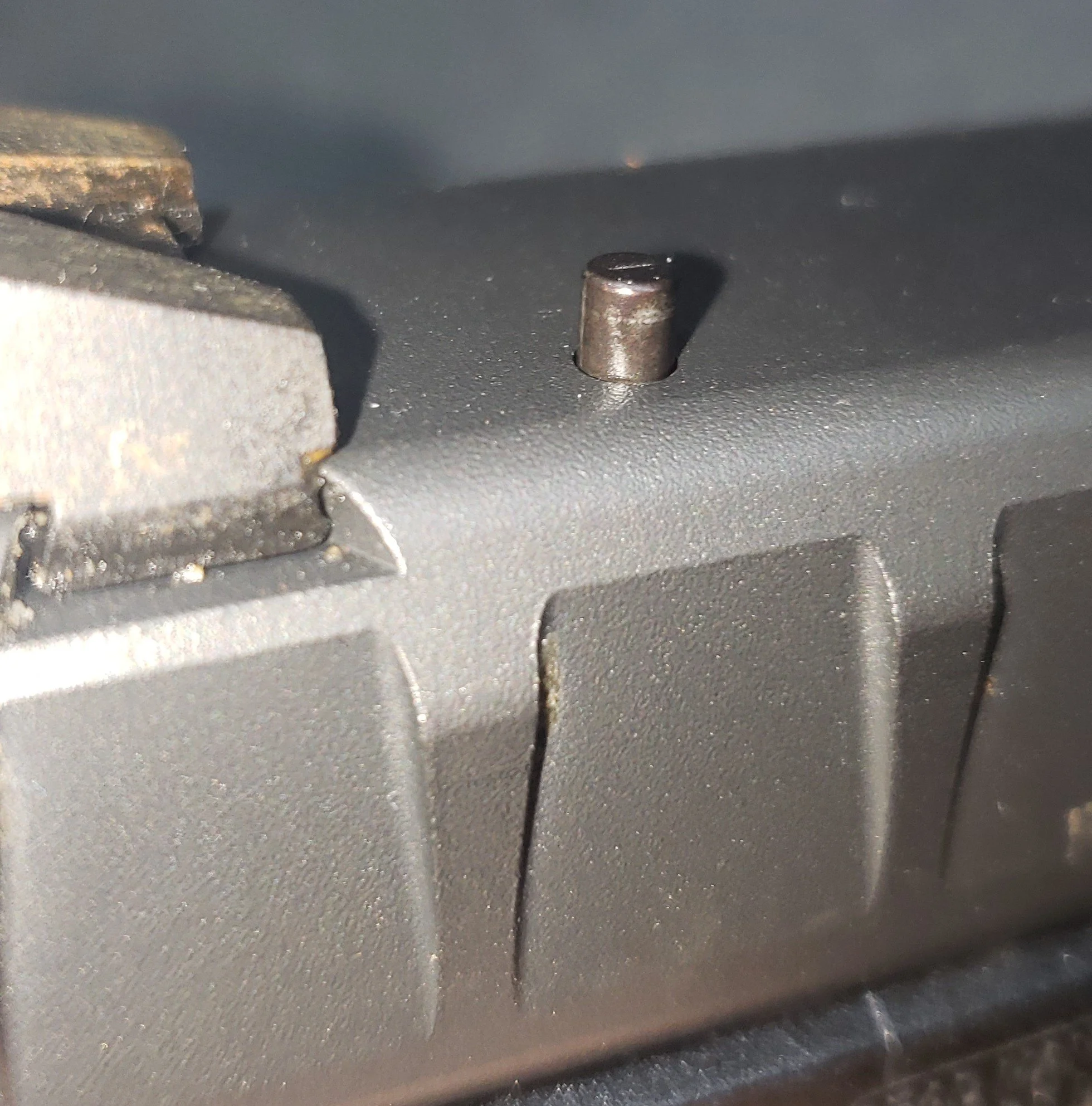
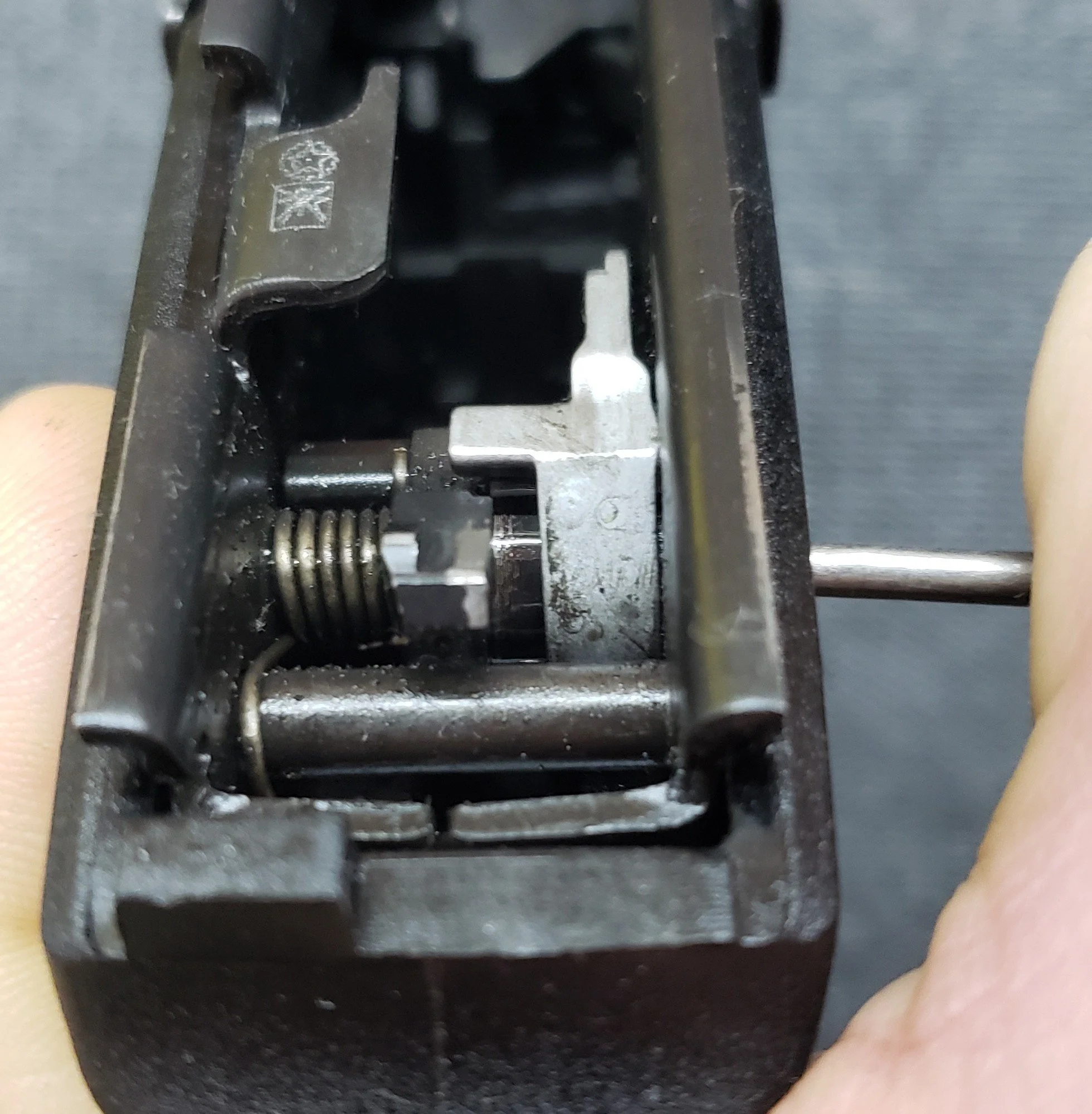
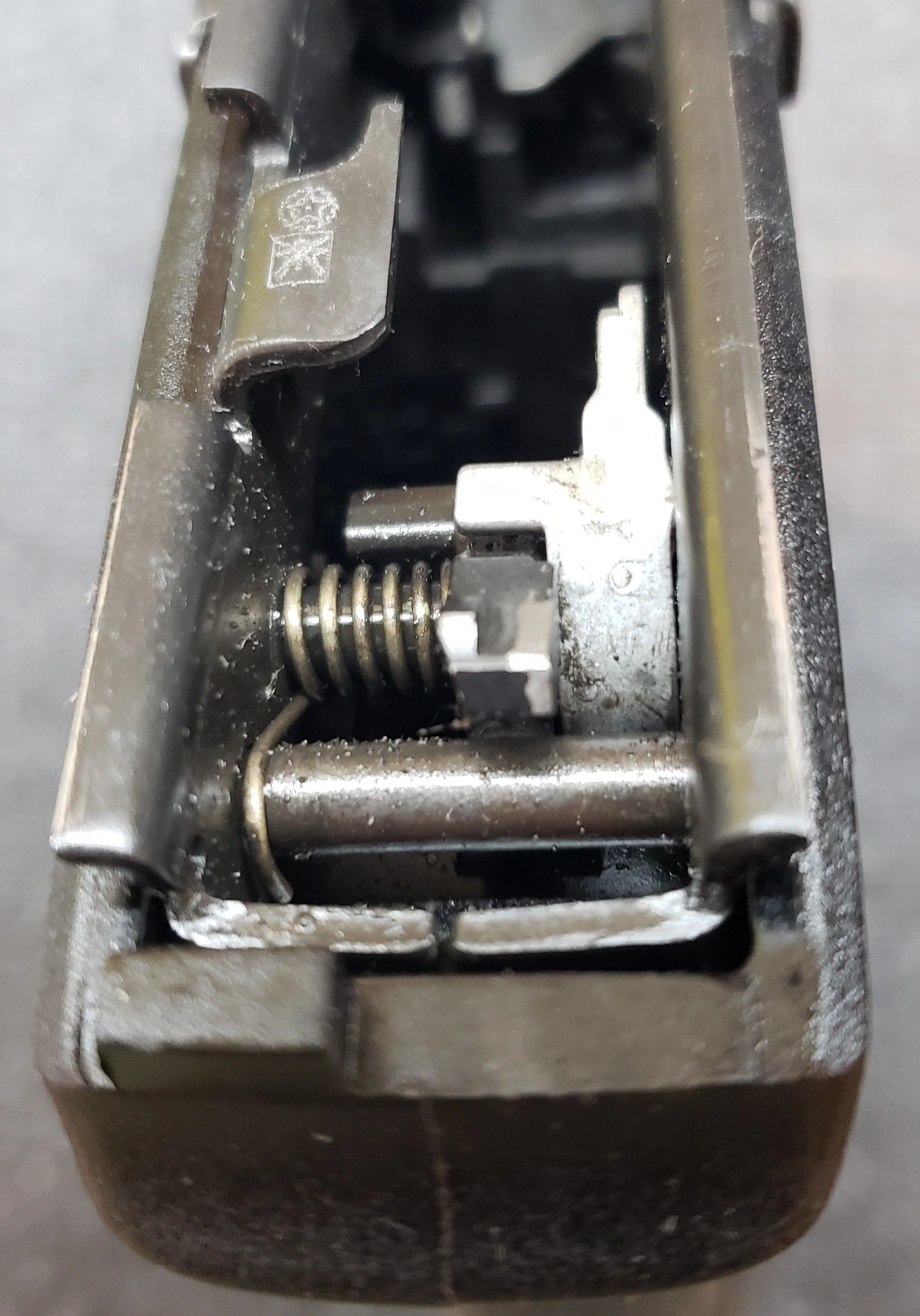
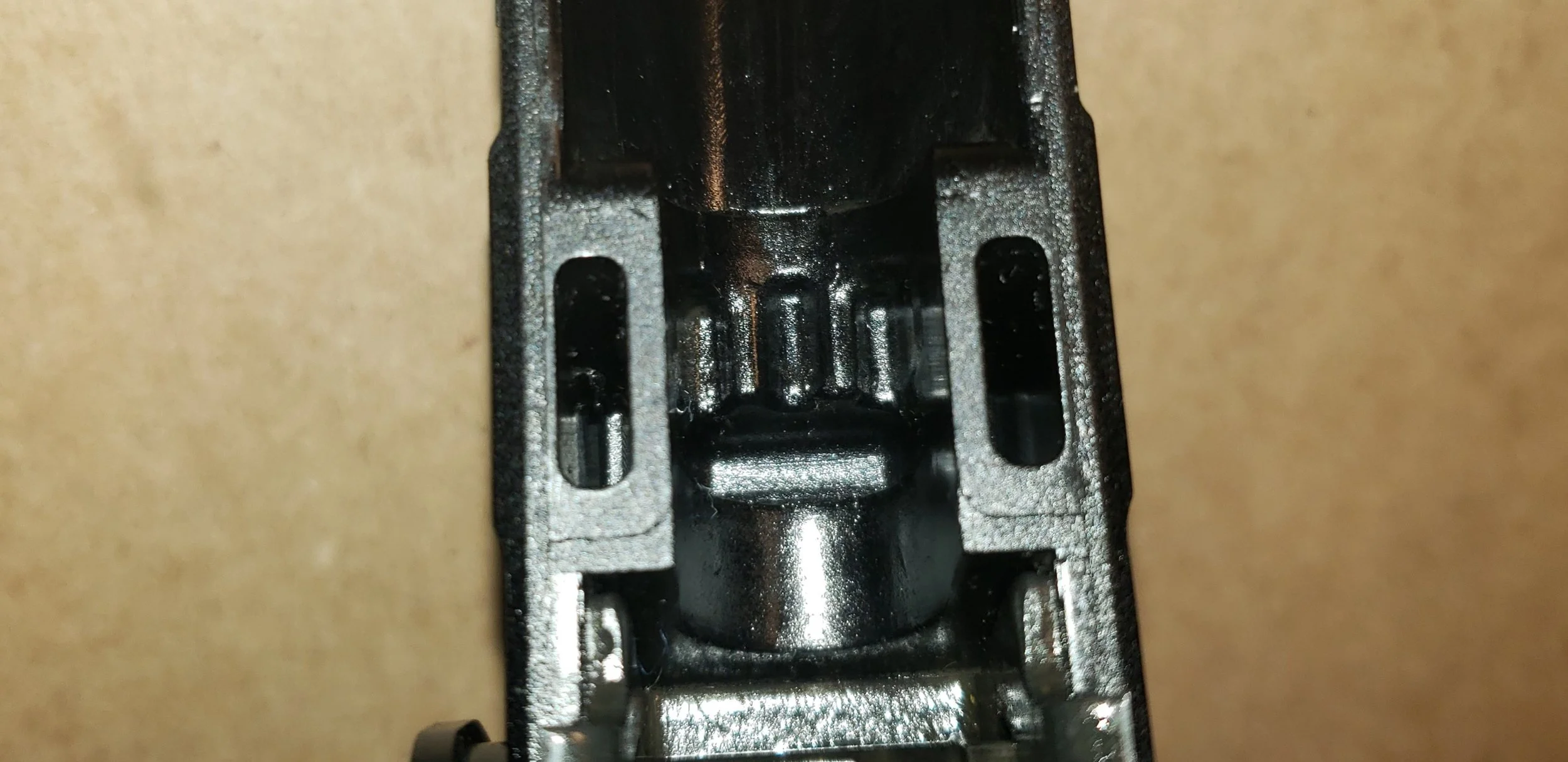
The angled sear and striker and the buffering of the polymer frame in front of the chassis is similar to what I saw in the Steyr pistols.
The large front sight was quite familiar to me. I had seen a large front sight dot on the FN FNS (The predecessor to the FN509). I appreciated the large front sight and have found that it helps me acquire the sight picture with ease.
CLOSING THOUGHTS
I personally wish the Beretta APX had a bit more love in the market, but it may have been too late to the market. 10 years prior would have been the optimum time to release the pistol and may have resulted in more contracts with military and Law Enforcement agencies. With that said, I am sad to see the APX design get rejected by the shooting community overall. Although Beretta seems to have recycled their failed Nano design, I think they developed a good duty-ready pistol. It certainly is my favorite pistol for teaching new shooters.