H&K USP40: A RELIC OF EXCELLENCE
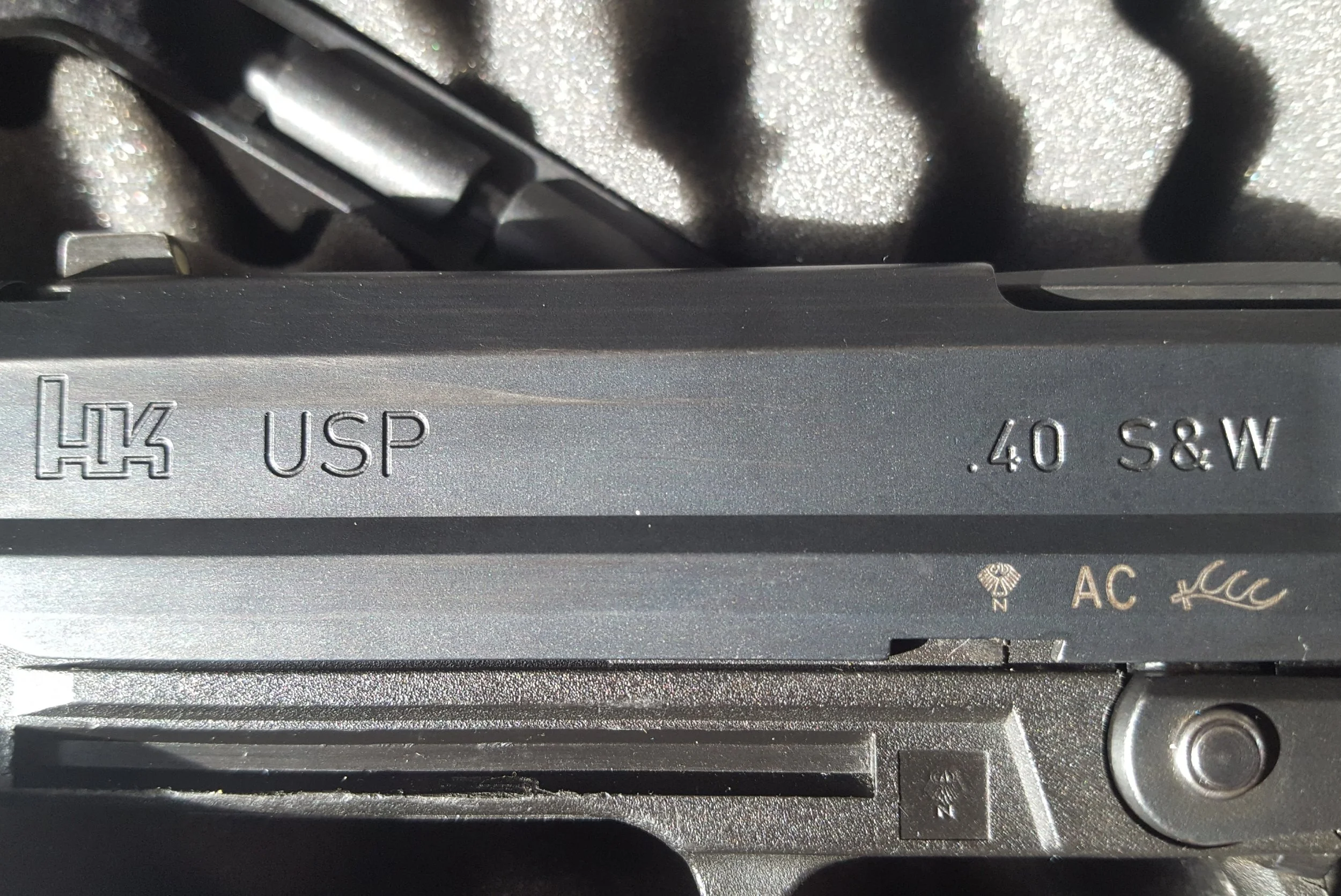
The H&K USP chambered in .40 S&W is widely regarded as probably the best-built .40 caliber pistol, even when measured against modern standards. Its robust construction and reliability set it apart from many other firearms in its category. However, both the cartridge and this particular model have largely fallen out of favor with law enforcement agencies and private consumers alike over recent years. This shift is due to evolving preferences in calibers and changing operational requirements.
HISTORY & DEVELOPMENT
In short, the .40 S&W cartridge was developed as a result of the desire to achieve 10mm level performance within the more compact and manageable size of a 9mm service pistol. While the concept was certainly sound and promising, many firearm manufacturers, including Glock, hurried to introduce pistols chambered in .40 S&W without fully accounting for the increased pressures that this round places on the firearm’s internal components. This oversight led to numerous parts failures and reliability issues early on.
The development of the Heckler & Koch USP 40 began in September 1989, initiated as a project focused on the United States commercial and law enforcement markets, with the goal of creating a new family of pistols. This effort was significantly influenced by the U.S. Special Operations Command's (USSOCOM) Offensive Handgun Weapon System (OHWS) program, which sought a new pistol for American special units. The USP prototypes were developed alongside Heckler & Koch's entry into this program and underwent rigorous testing, with the first prototype constructed by late 1991. The name "USP" (Universal Self-Loading Pistol) was assigned to the new family of weapons in September 1991.
Design work was refined based on feedback from the OHWS trials, and the basic design was finalized and "frozen" in December 1992. A key decision was to design the pistol specifically for the .40 S&W cartridge from the outset, a move intended to avoid the durability problems experienced by other pistols that were modified from 9mm designs. This approach ensured the USP could handle the higher pressures of the .40 S&W without structural issues. The USP 40 was formally introduced to the market in January 1993 at the SHOT Show, marking the beginning of its production, which commenced in February 1993. The initial model was chambered for the .40 S&W cartridge, establishing it as the base version of the USP line.
WHY “UNIVERSAL SELF-LOADING PISTOL”?
The Heckler & Koch USP is named "Universal Self-Loading Pistol" because it was designed to be a versatile and adaptable firearm suitable for a wide range of users and applications, including military, law enforcement, and civilian markets. The name reflects the weapon's intended purpose as a universal sidearm, capable of fulfilling diverse roles through its modular design and multiple configurations. This versatility was a core design philosophy, aiming to create a single pistol that could be customized to meet specific needs, such as different trigger actions, safety lever placements, and calibers. The term "self-loading" refers to the pistol's semi-automatic operation, where the recoil from firing a cartridge is used to automatically load the next round into the chamber. In my mind, this pistol is still the only pistol on the market capable of this type of modularity.
FEATURES
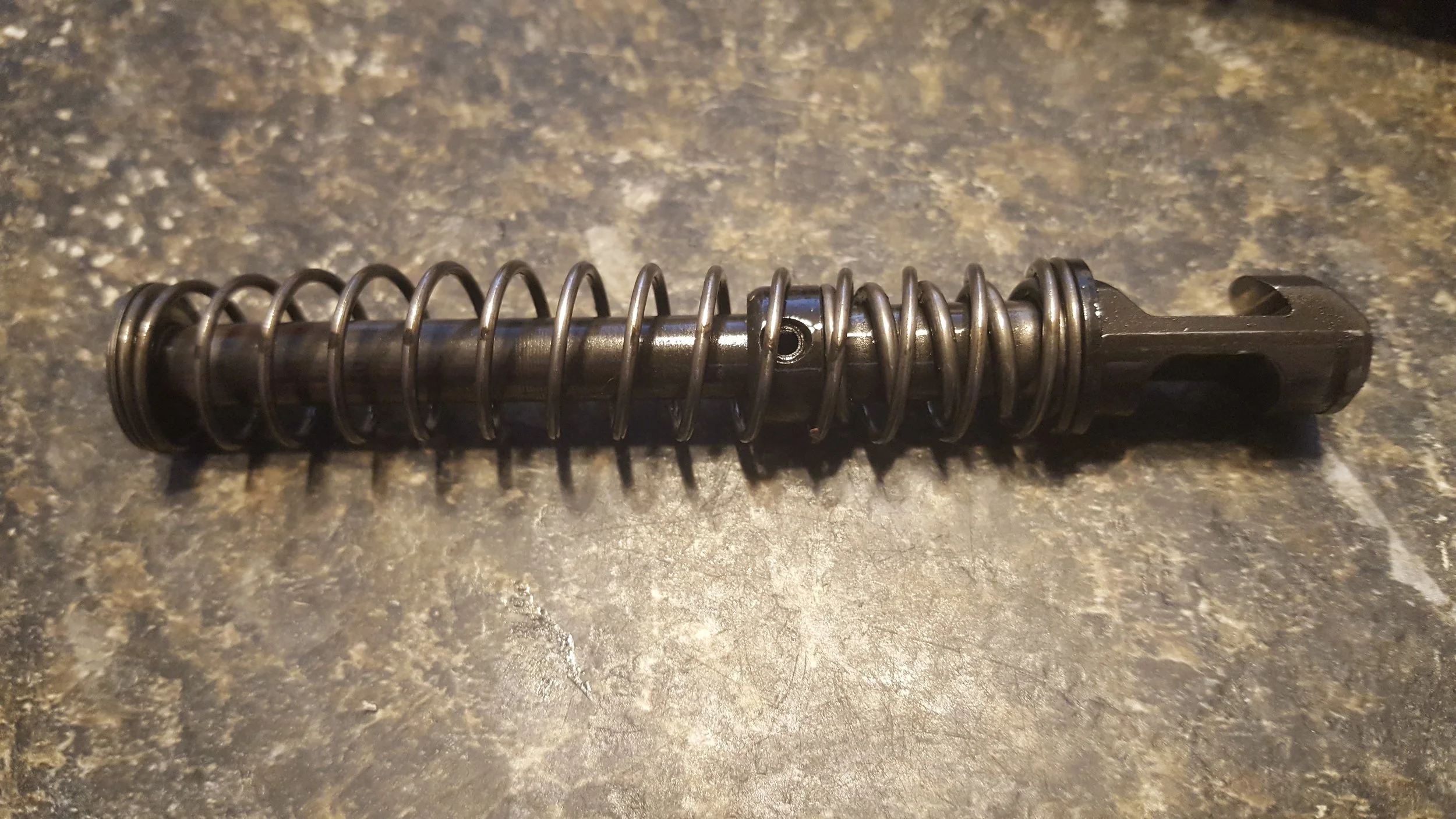
The pistol incorporates a patented HK recoil reduction system, which uses a buffer under the barrel to reduce felt recoil by approximately 30% and minimize wear on internal components, enhancing durability and longevity, even with high-pressure ammunition. This results in the shooter experiencing more of a ‘PUSH’ than a snap, when shooting. I cannot remember noticing any difference when firing +P ammo.
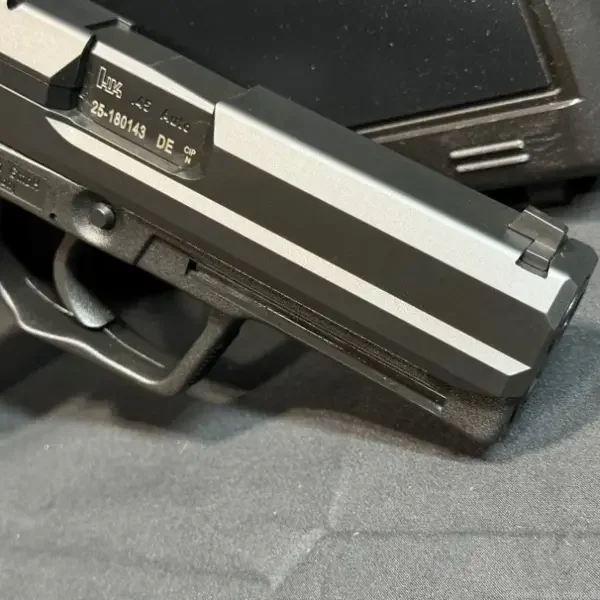
The USP uses a fiber-reinforced polymer frame, which is resistant to temperature variations and corrosion. The frame is stiffened with stainless steel inserts in high-stress areas to further increase longevity and mitigate the shock delivered to the frame. The frame lacks a 1913 rail, but it has slots on each side of the dust cover, which can take an aftermarket rail adaptor. The USP features an oversized trigger guard for use with gloves, which shows it’s forward thinking in being versatile.
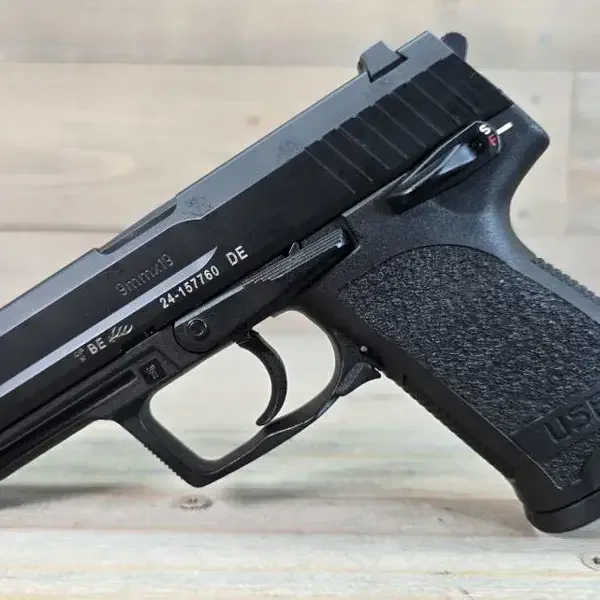
The USP has an ambidextrous magazine release lever protected by the trigger guard, facilitating quick reloading, aided by the aggressively stippled grip. The grip is not going to fit every hand , but the ability to carry the pistol cocked and locked can improve trigger reach for those individuals with smaller hands.
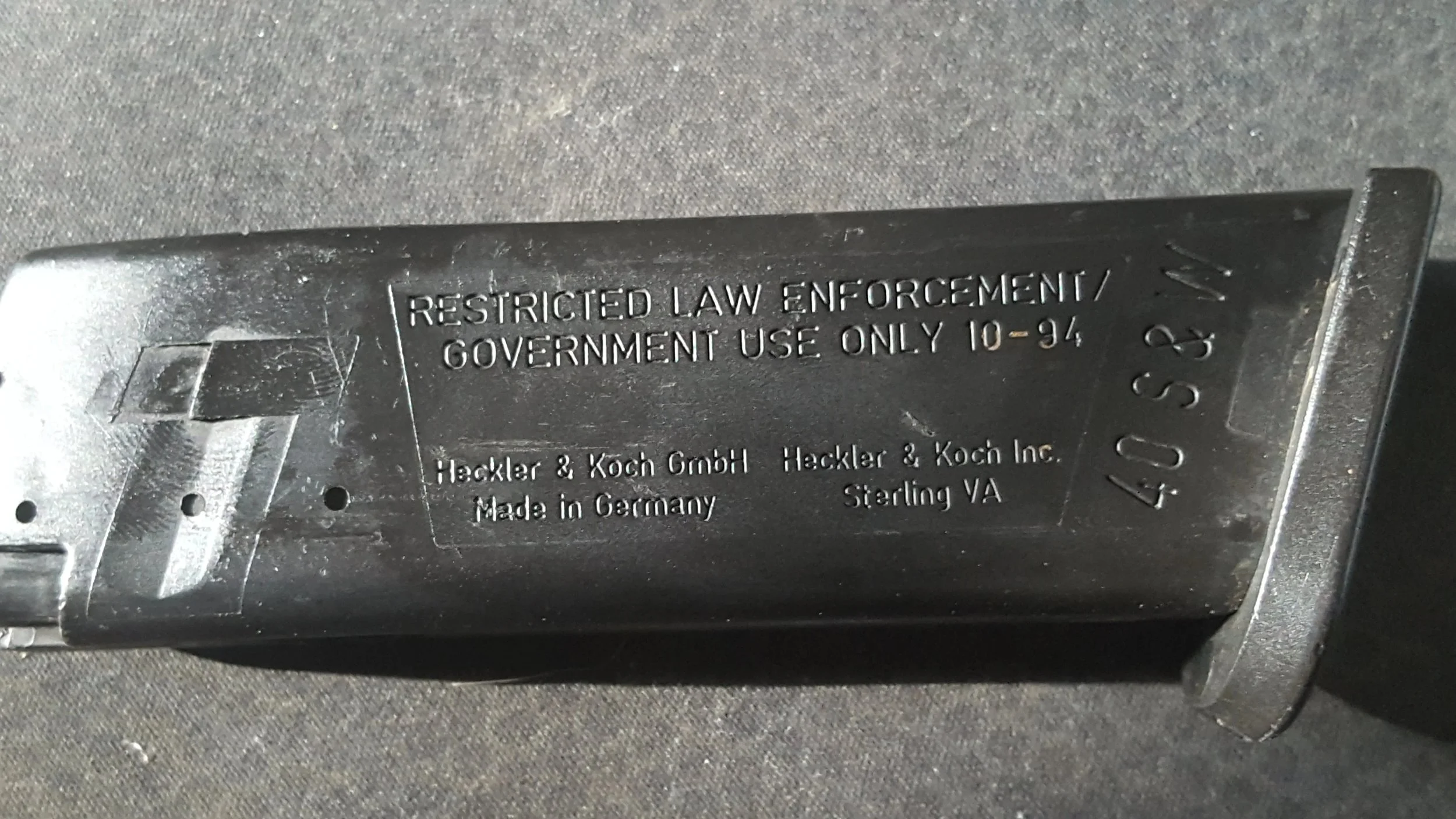
The pistol is comes with a standard capacity of 13 rounds in steel-reinforced polymer magazines. The magazines look flimsy and they have a small piece of stainless steel reinforcing the top half of the magazine.
The USP also features a cold hammer forged polygonal bore profile, which improves bullet velocity and resistance to wear. The hammer forging process crams the grains of the steel tight together and makes the steel super strong. This gives the barrel the capability of firing through a squib load without blowing out the barrel and blowing up the gun.
OTHER .40 S&W PISTOL DESIGNS
There are a few .40 S&W pistols on the market currently that have a good reputation and are generally well built for the needs of most people. Also, you will typically be able to get one of these pistols for a lower cost than a USP 40, these days.
BERETTA PX4
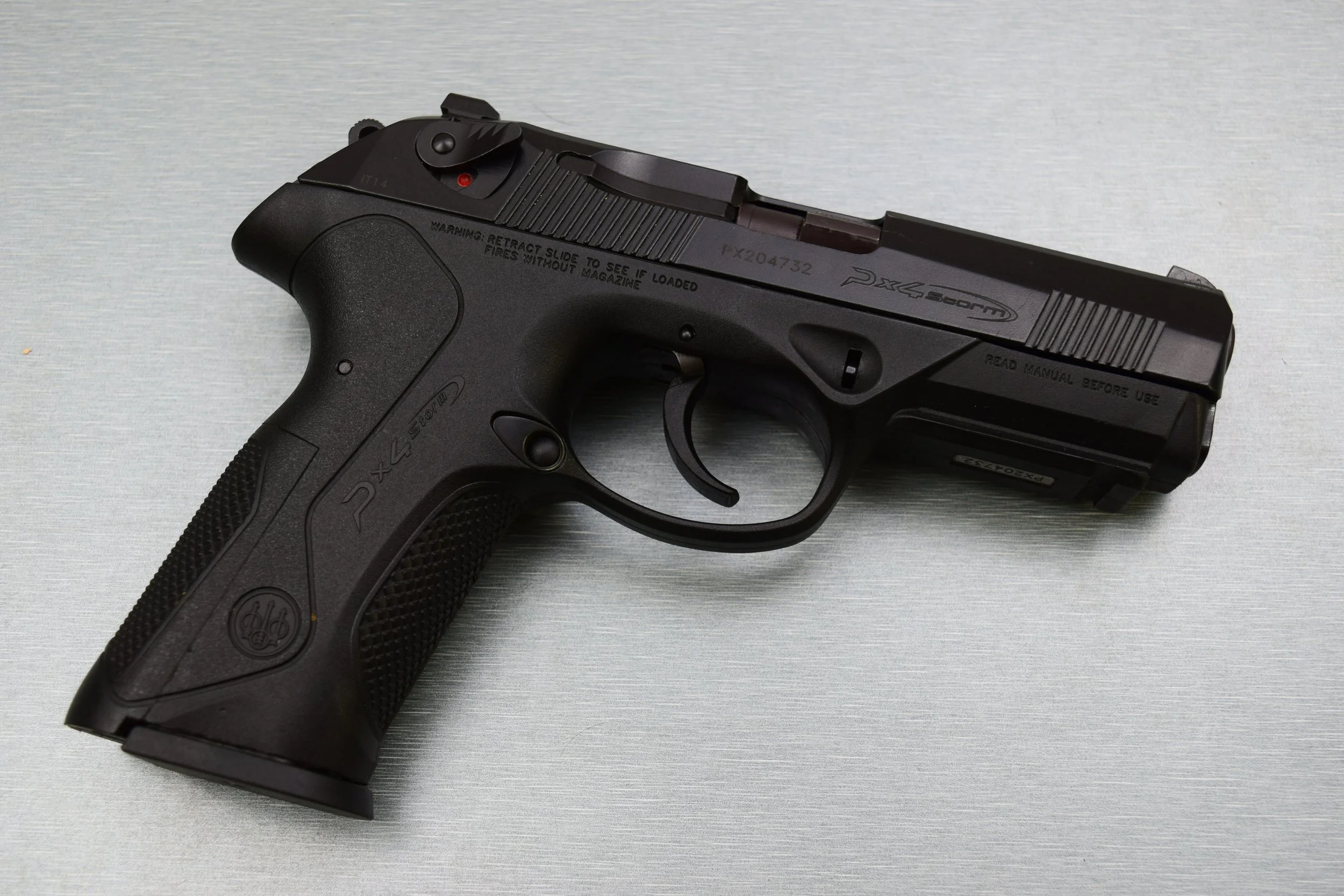
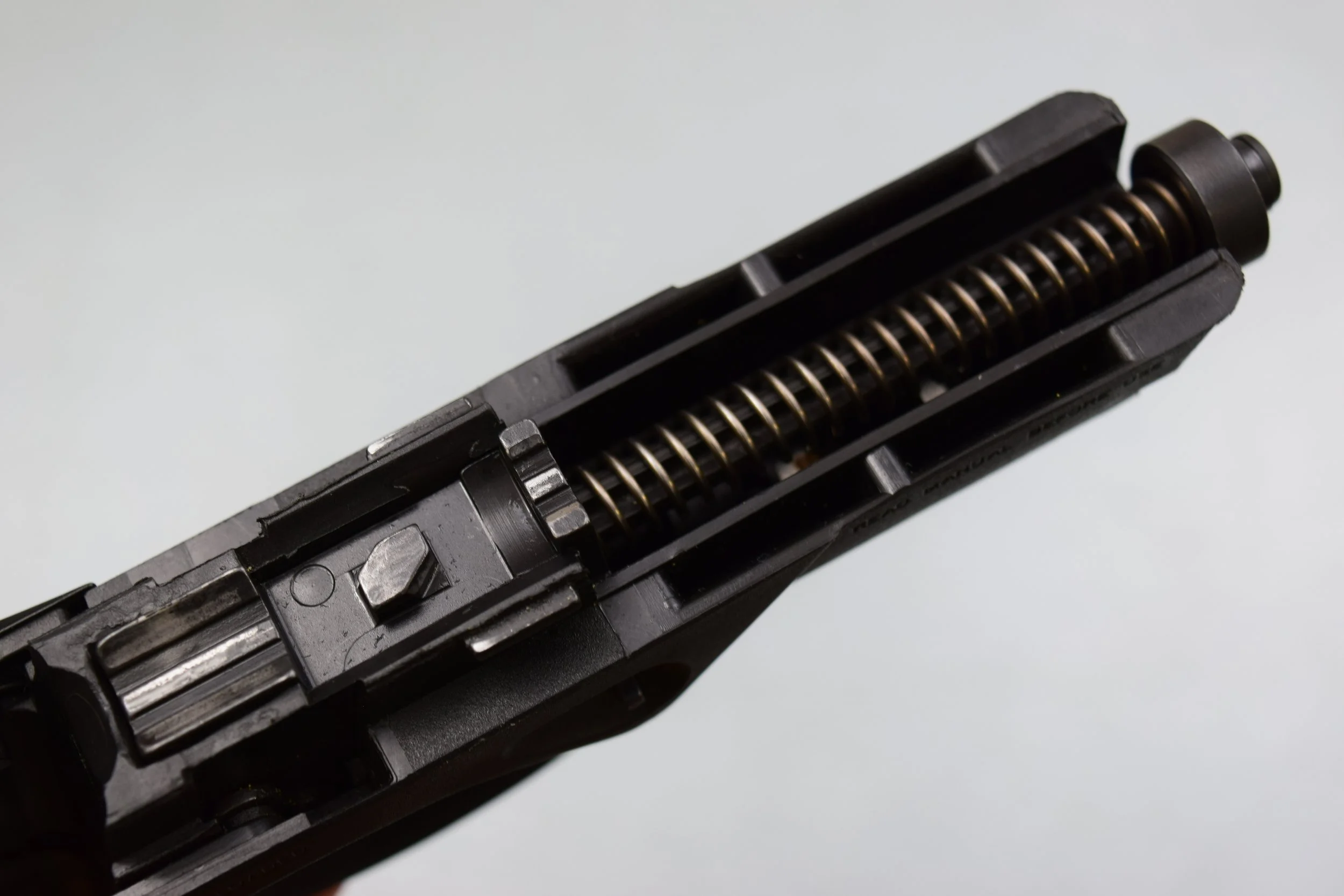
The full size Beretta PX4 with its rotating barrel is one of the softest shooting .40 S&W pistols I have ever shot. I believe it has a lot to do with how the barrel spends a lot more time in lockup, and seems to have its own version of a recoil reduction system on the recoil spring system. This round piece is a soft metal that is designed to take the slide impact instead of the camming block. The full size PX4 features a 14 shot magazine capacity and has enjoyed a few Law Enforcement contracts throughout the world. The PX4 will typically cost the user about $650 for a new pistol.
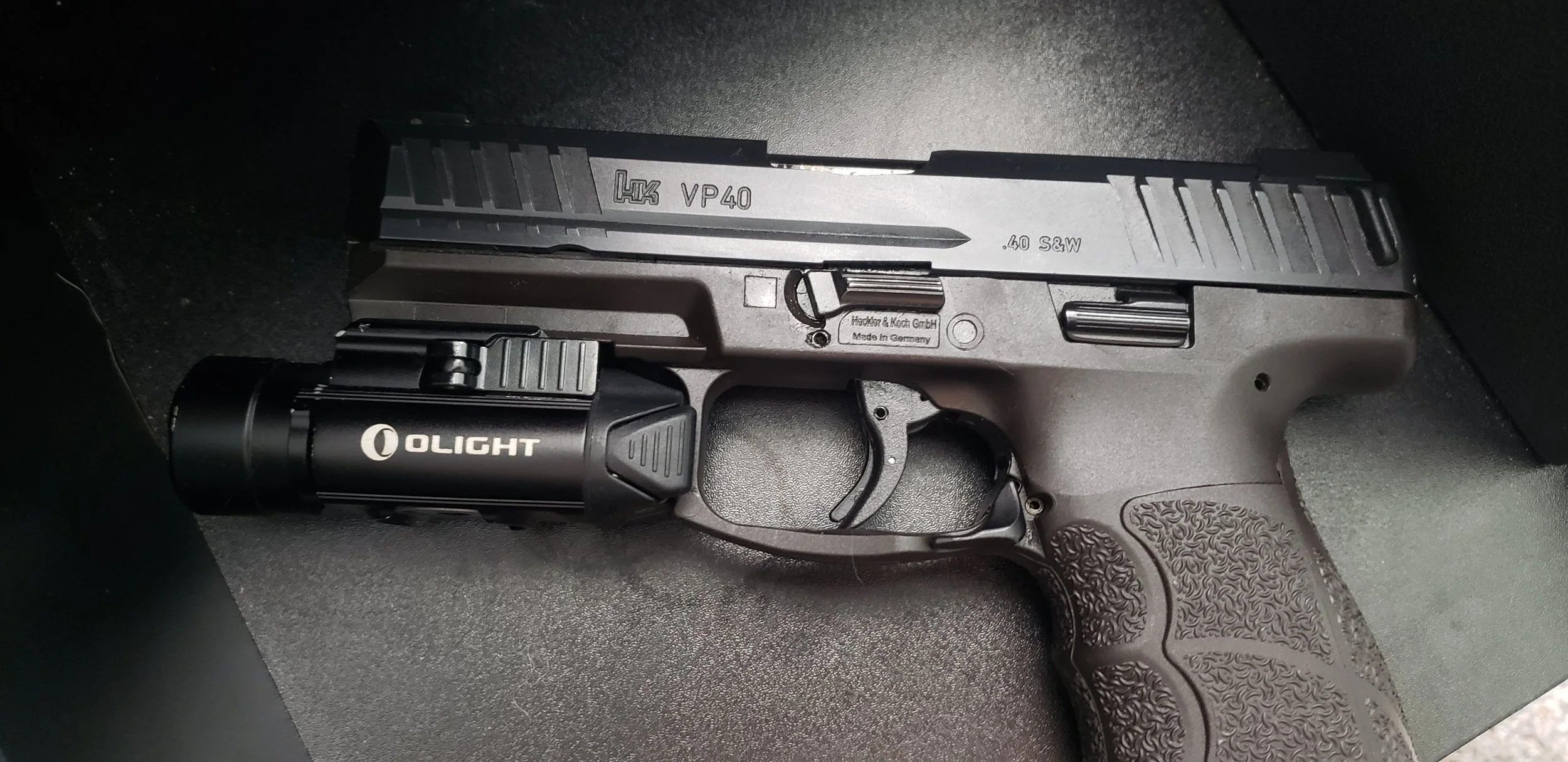
H&K VP40
The H&K VP40 is one of my favorite .40 S&W pistols to shoot. It is basically a VP9 but with a thicker slide to tolerate the power of the cartridge it is firing. I call it my little “fat girl” because of how wide the slide is. It is good at controlling the recoil, but not as good as the PX4. The trigger and the grip on the VP40 makes up for the felt recoil, in my opinion. The pistol features a 13 round magazine capacity out of a metal box magazine with a polymer baseplate. The grip of the VP40, much like it’s 9mm counterpart, is modular and hailed for it’s comfort in a wide variety of hands. These pistols are not as common, and usually you can find them on sale for $550 to $600 on sites that are just trying to get rid of their .40 S&W pistols.
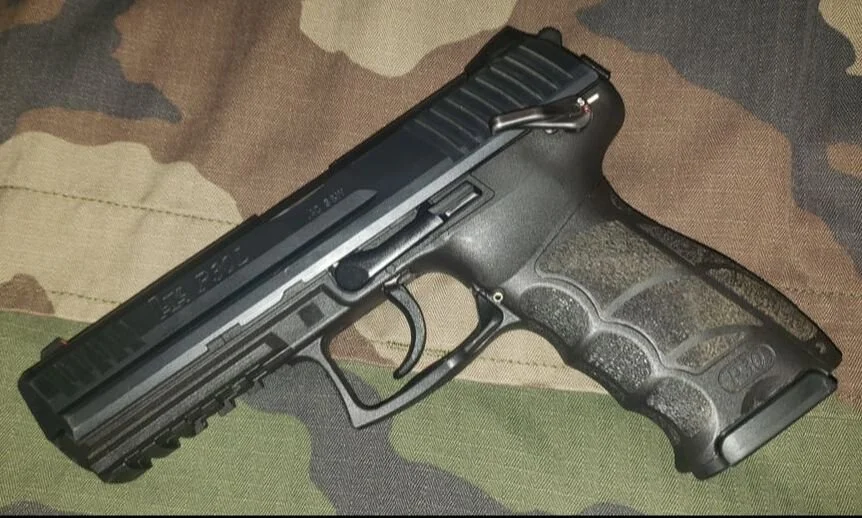
H&K P30
The H&K P30 is the latest iteration of the H&K combat pistols. This DA/SA design is relatively soft shooting and versatile. It incorporates a flat wire recoil spring, coupled with a nylon shock buffer to protect the frame of the pistol, much like the original USP. But you can tell from the sharp snap in felt recoil that the USP recoil reduction system is far more effective. The ergonomic and customizable grip on the P30 is what made it revolutionary. The P30 is still popular today, thanks to pop-culture usage in the movie John Wick. This pistol also features a 13 round magazine capacity in a steel magazine body with a polymer baseplate. The P30 can be found for $600 to $700, depending on the configuration and where you look.
S&W M&P40
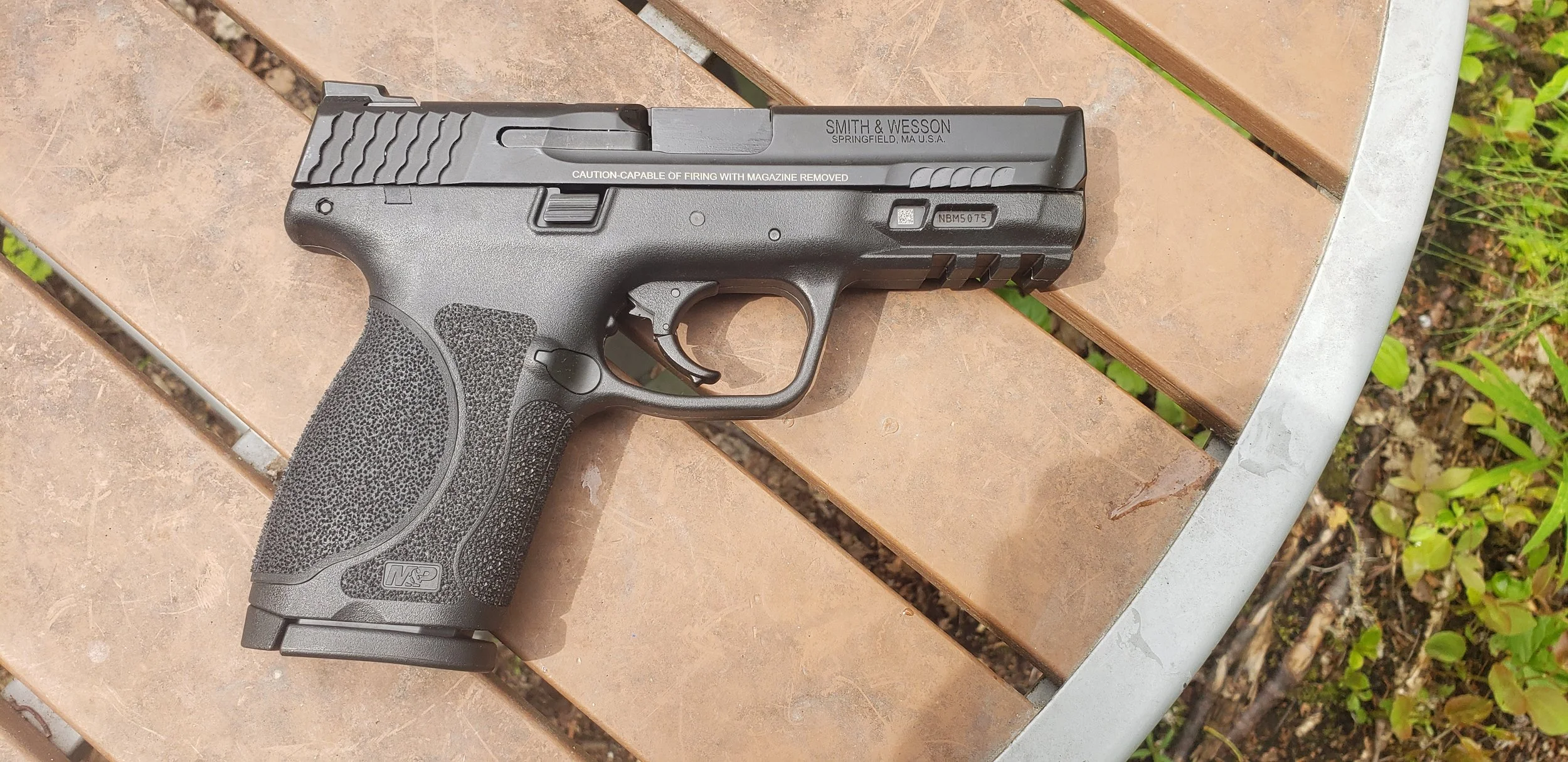
The M&P40 is one of my favorite pistols when it comes to straightforward, reliable shooters chambered in .40 caliber. If you are looking for an affordable .40 S&W handgun, I will always recommend the M&P as a top choice. It features a comfortable, ergonomic grip and offers a generous 15-round magazine capacity, making it well-suited for both self-defense and range sessions. The 2.0 version of this pistol appears to manage recoil even more effectively than the original model, which could also suggest improved durability and build quality. Additionally, the M&P’s trigger system is straightforward, intuitive, and very easy to learn and master, which benefits shooters of all experience levels. The M&P 2.0 in .40 can cost up to $600, but I would recommend looking at Police trade-ins as an option, which will lower the cost to around $300 to $400 for a new pistol.
GLOCK 22 Gen4
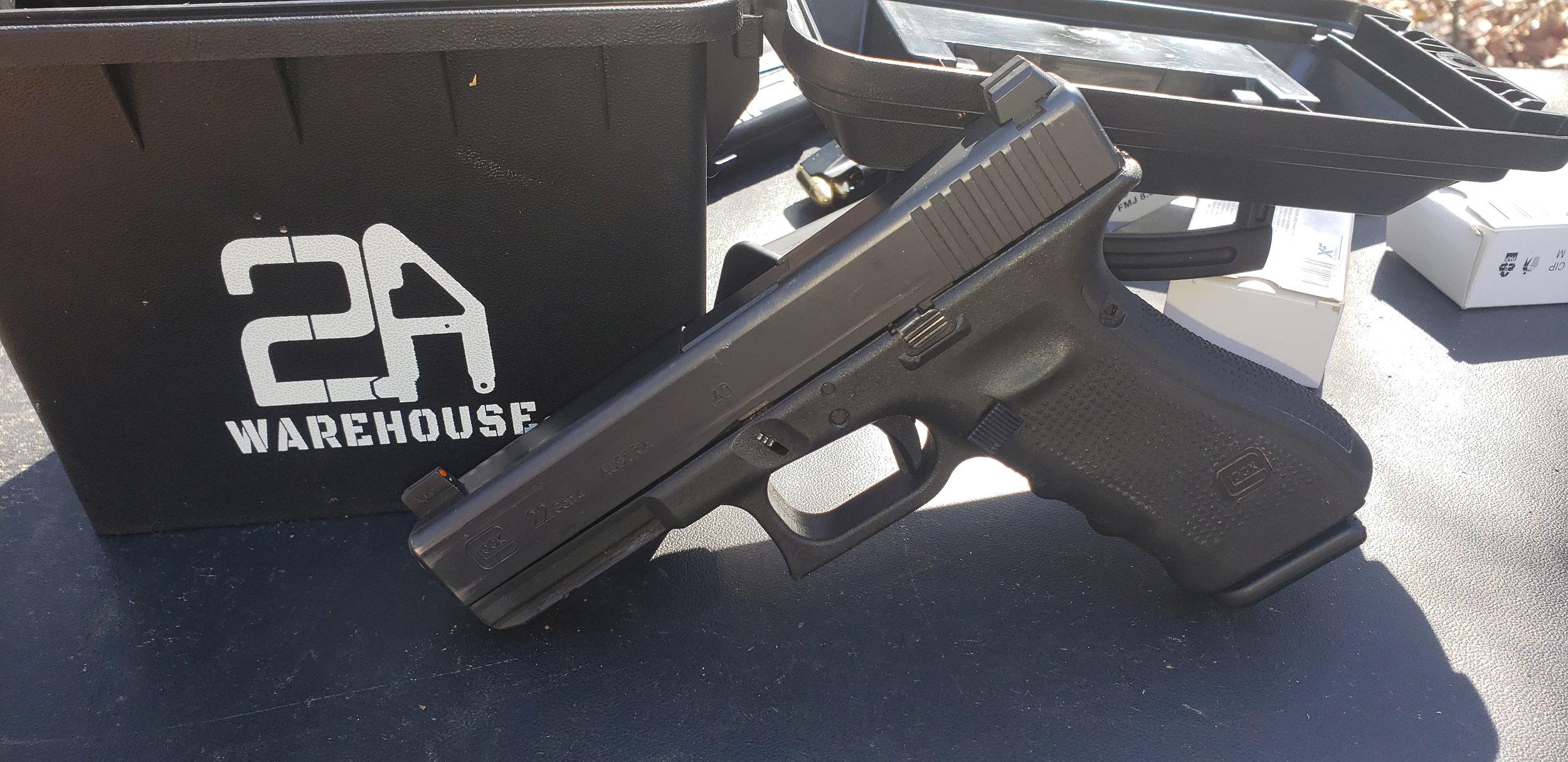
The 4th Generation of the Glock design is the quintessential Glock that many Law Enforcement officers are still carrying today. I feel like the full size Glock in .40 S&W is the way to go, if you MUST have a .40 S&W Glock. The recoil with new springs is not too bad, but the reliability with the Glock has never been 100% with .40 S&W. The Glock features the same 15 round capacity that it had in some of the original models, but its new recoil spring design seems to help control the recoil slightly better than the previous generations. These pistols are always on the trade-in sales, going for $320 to $450, depending on condition. The one benefit that the Glock has is that the parts are cheap and you can typically customize it’s construction until you are pleased with it.
HOW DOES THE USP STACK UP?
The H&K USP in .40 caliber is still the greatest .40 caliber of all time, in my opinion. It is the only pistol out there that was built from the ground up to handle abuse and still be modular and easy to use. Most pistols on the market are not as modular as the USP. For instance, the PX4 is soft shooting, but it is only ever going to be a DA/SA design. The USP can be used cocked and locked or with a light DAO trigger. The HK P30 is much like the USP in that it is somewhat modular, but the permanent safety, like the one I own, limits the capabilities of the P30.
The H&K USP pistol loses to all of these other pistols in terms of grip modularity, and ability to have accessories attached. On top of that, the magazines for the USP are quite expensive compared to the competitors, and they are a bit more finicky, in my experience. If the USP is going to have a malfunction, it will be because one of the mag springs broke or wore out.
The biggest thing that hurts the USP 40 today is the fact that you can expect to pay up to $1200 for a new USP. I got really lucky to find my USP 40 online as a Law Enforcement trade-in. I paid only $600 for my lightly used USP40. It had tons of holster wear, which I loved, and it has still lasted well for me.
WHO WOULD BE INTERESTED?
If you value ruggedness above all else and want a single firearm capable of handling every situation, look no further than the USP 40. This pistol offers the convenience of being carried as easily as a classic 1911, while also being remarkably easy to shoot with consistent accuracy. With the Variant 1 model, you have the flexibility to carry it cocked and locked or simply use the traditional DA/SA mode. Personally, I installed the V3 components, which modify the safety lever to only decock the pistol, thereby eliminating the chance of accidentally engaging the safety during carry.
I fell in love with the design of the USP 40. It is like the civilian version of the MK23 and could be used for everything you can think of. Get a threaded barrel and use it suppressed, or get a V3 kit and carry it concealed. You can also ghet a rail adaptor and mount a light for home defense. If DA/SA isn’t your thing, got the variant that runs the action in single action only with the safety, or the light LEM (double action only). Either one will serve you well and give you a good consistent trigger pull.
WRAPUP
The USP 40 is a classic pistol that has faithfully served in Law Enforcement holsters for many years, but it has also found a reliable place in the hands of civilian users across various applications. When it comes to military usage, numerous armed forces around the world continue to rely on the USP platform, often chambered in different calibers to meet their specific operational needs. The USP remains unrivaled in terms of durability and reliability, consistently proving its toughness in rigorous conditions. It has set a high standard for longevity and performance that other manufacturers strive to emulate in their own designs.
The USP design has not undergone any significant updates since its original release in 1993, and it lacks many modern features such as an accessory rail and modular grips. These missing elements can limit its appeal, especially for smaller shooters who benefit from more adaptable ergonomics. Despite these limitations, the USP remains a respected legacy firearm. Even if it is eventually discontinued or replaced, similar to what happened with the P2000, I believe the design principles and overall influence of the USP will continue to shape handgun developments for many decades into the future.